Balonikotron video here: Hope you understand Polish, although I never did see a wrist in the device
Novel Robotic Balloon-Based Device for Wrist-Extension Therapy of Hemiparesis Stroke Patients

1
Department of Neurological Rehabilitation, Medical University of Lodz, Milionowa 14, 93-113 Lodz, Poland
2
Institute of Automatic Control, Lodz University of Technology, Stefanowskiego 18, 90-537 Lodz, Poland
*
Author to whom correspondence should be addressed.
Sensors 2025, 25(5), 1360; https://doi.org/10.3390/s25051360
Submission received: 16 December 2024
/
Revised: 13 February 2025
/
Accepted: 21 February 2025
/
Published: 23 February 2025
(This article belongs to the Special Issue Advances in Sensing and Robotic Assistive Technologies in Rehabilitation)


Abstract
Upper-limb paresis is one of the main
complications after stroke. It is commonly associated with impaired
wrist-extension function. Upper-limb paresis can place a tremendous
burden on stroke survivors and their families. A novel soft-actuator
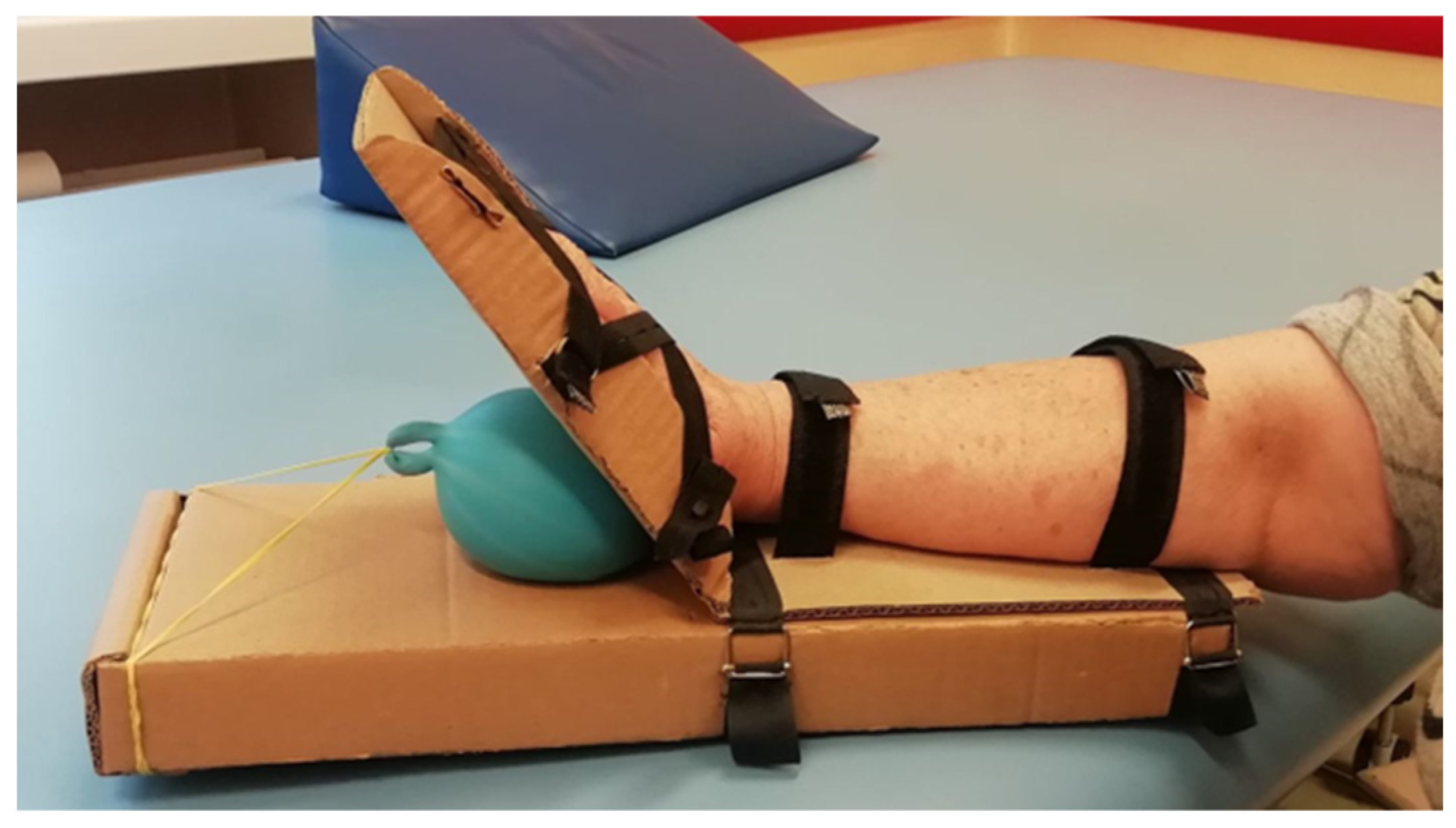
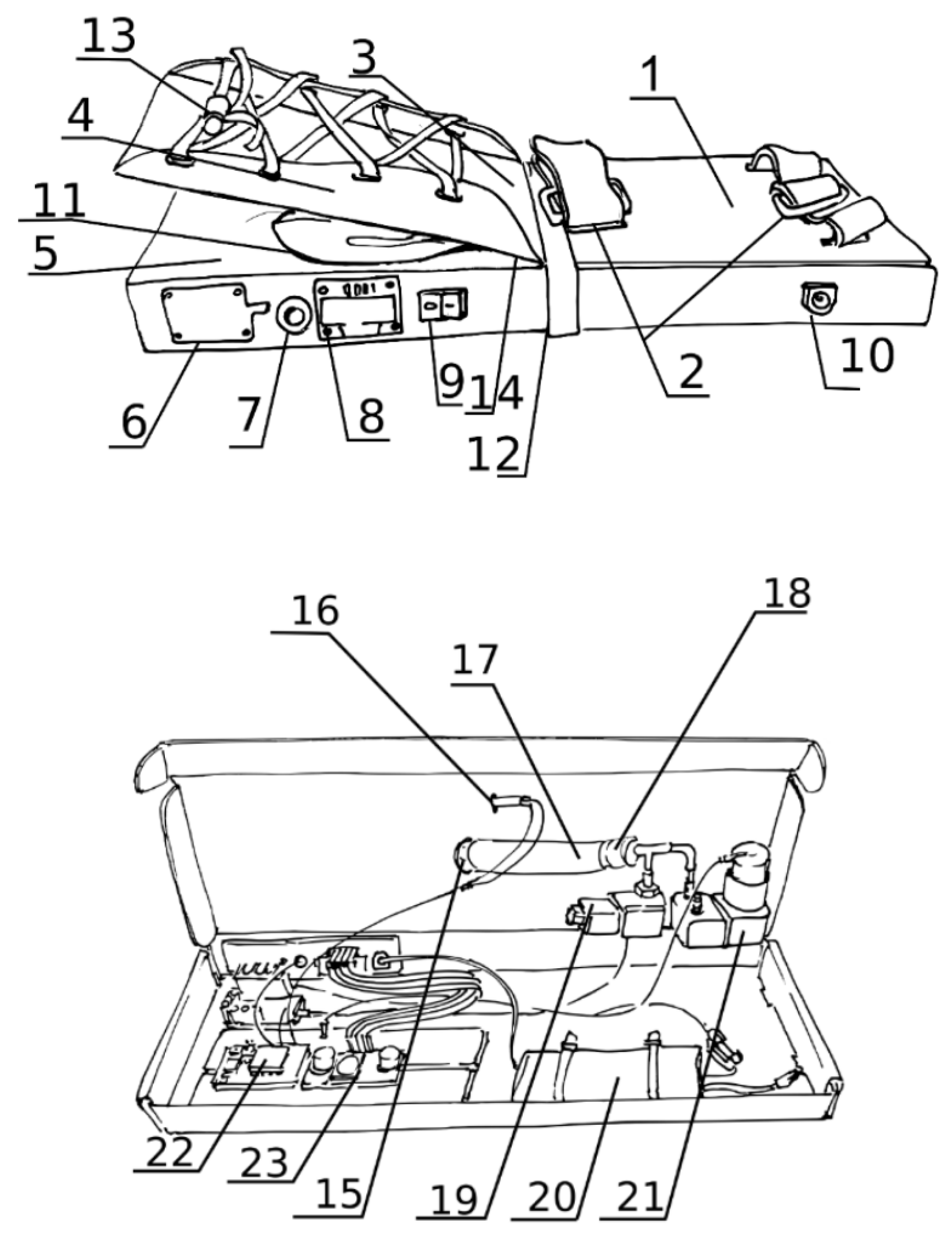
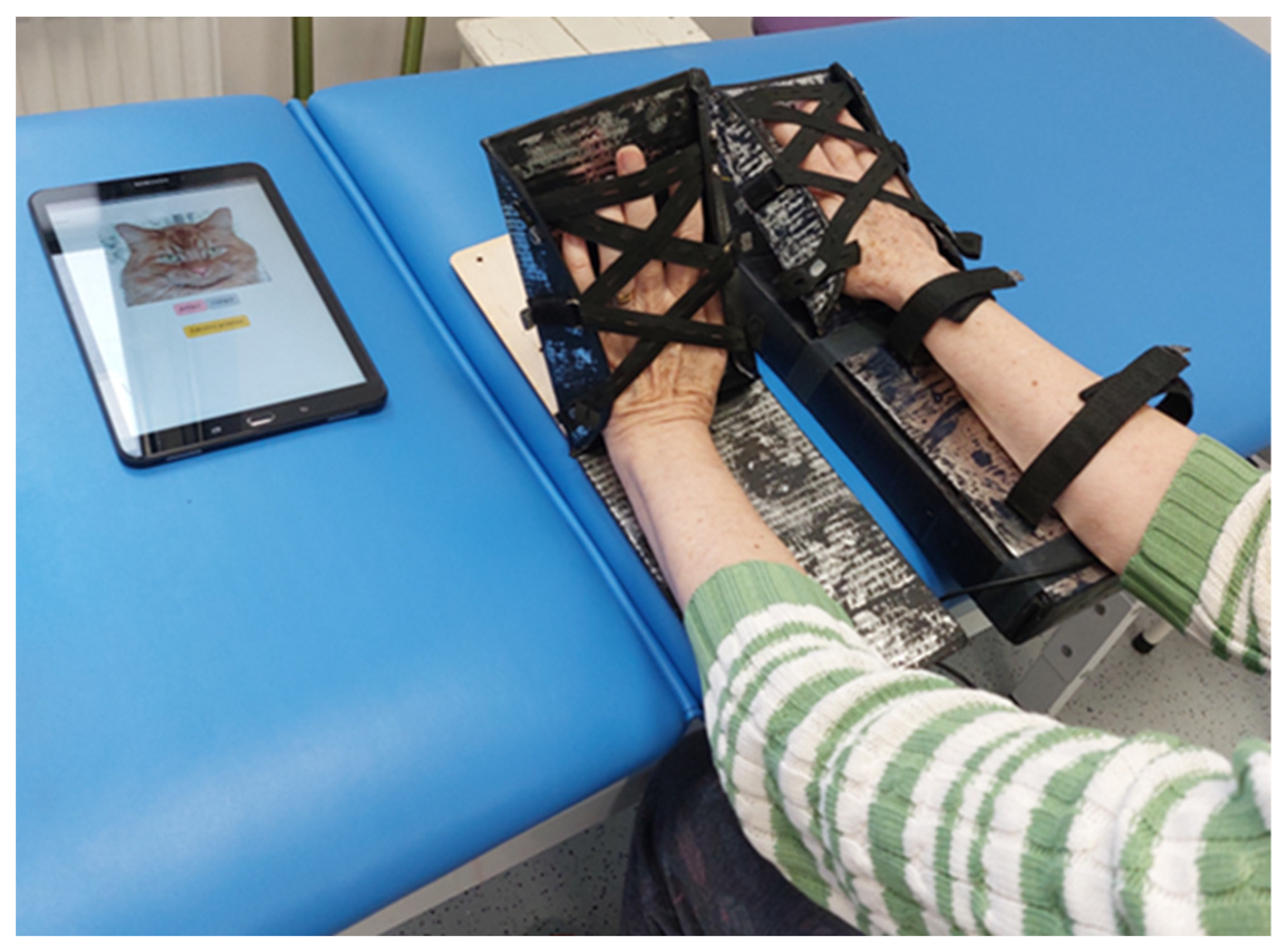
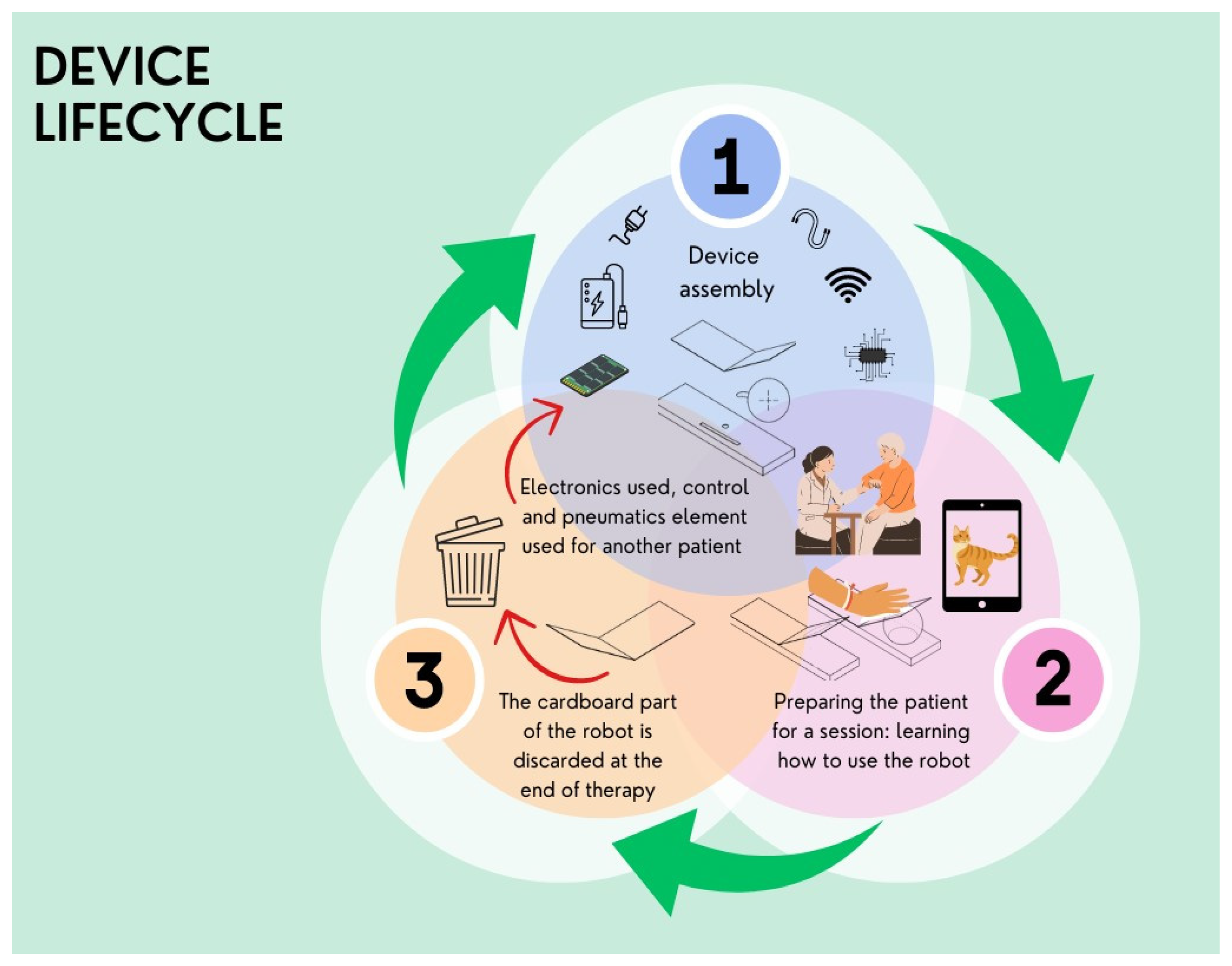
device, the Balonikotron, was designed to assist in rehabilitation by
utilizing a balloon mechanism to facilitate wrist-extension exercises.
This pilot study aimed to observe the functional changes in the
paralyzed upper limb and improvements in independent and cognitive
functions following a 4-week regimen using the device, which
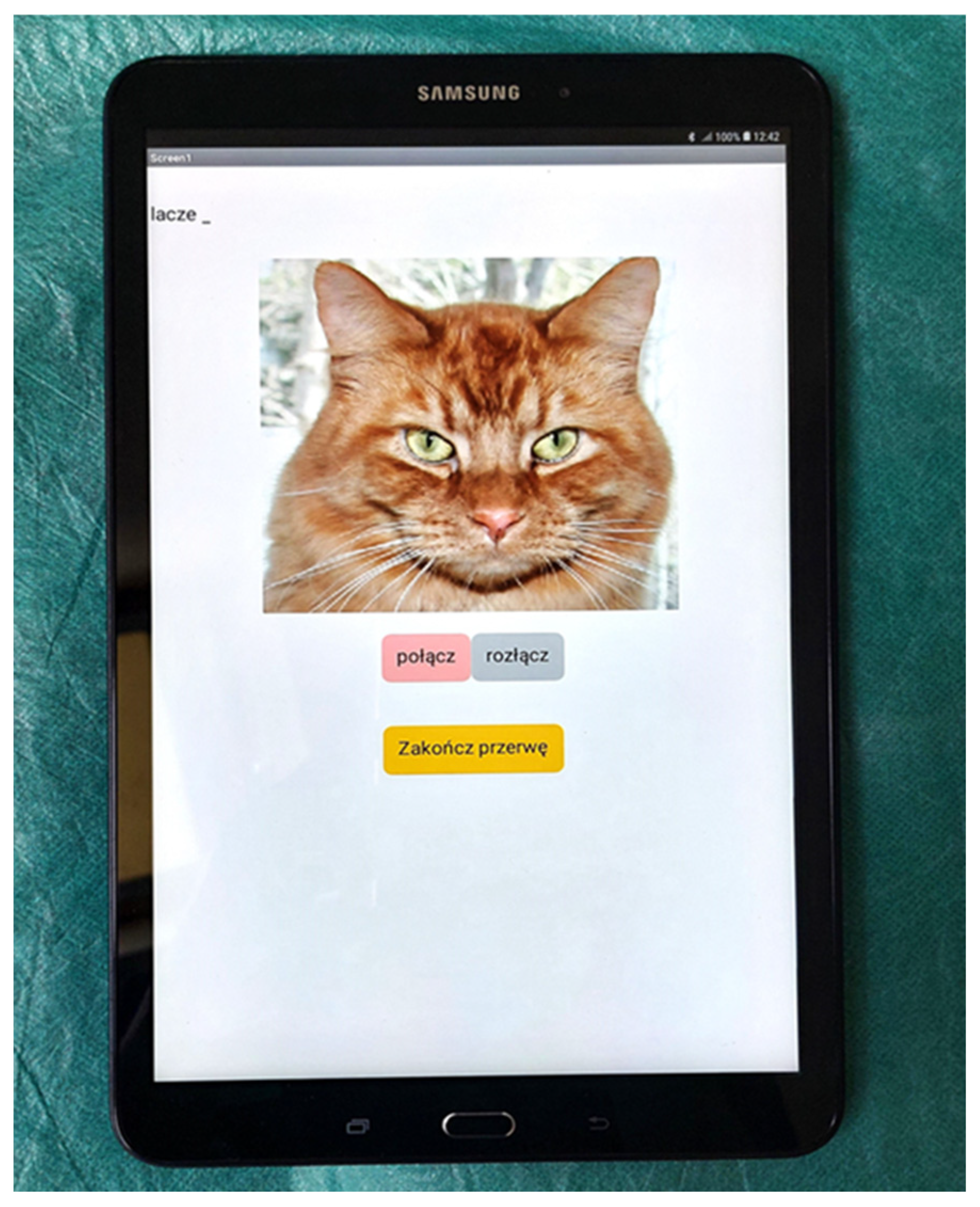
incorporates a multimedia tablet application providing audiovisual
feedback. The device features a cardboard construction with a hinge at
wrist level and rails that guide hand movement as the balloon inflates,
controlled by a microcontroller and a tablet-based application. It
operates on the principle of moving the hand at the wrist by pushing the
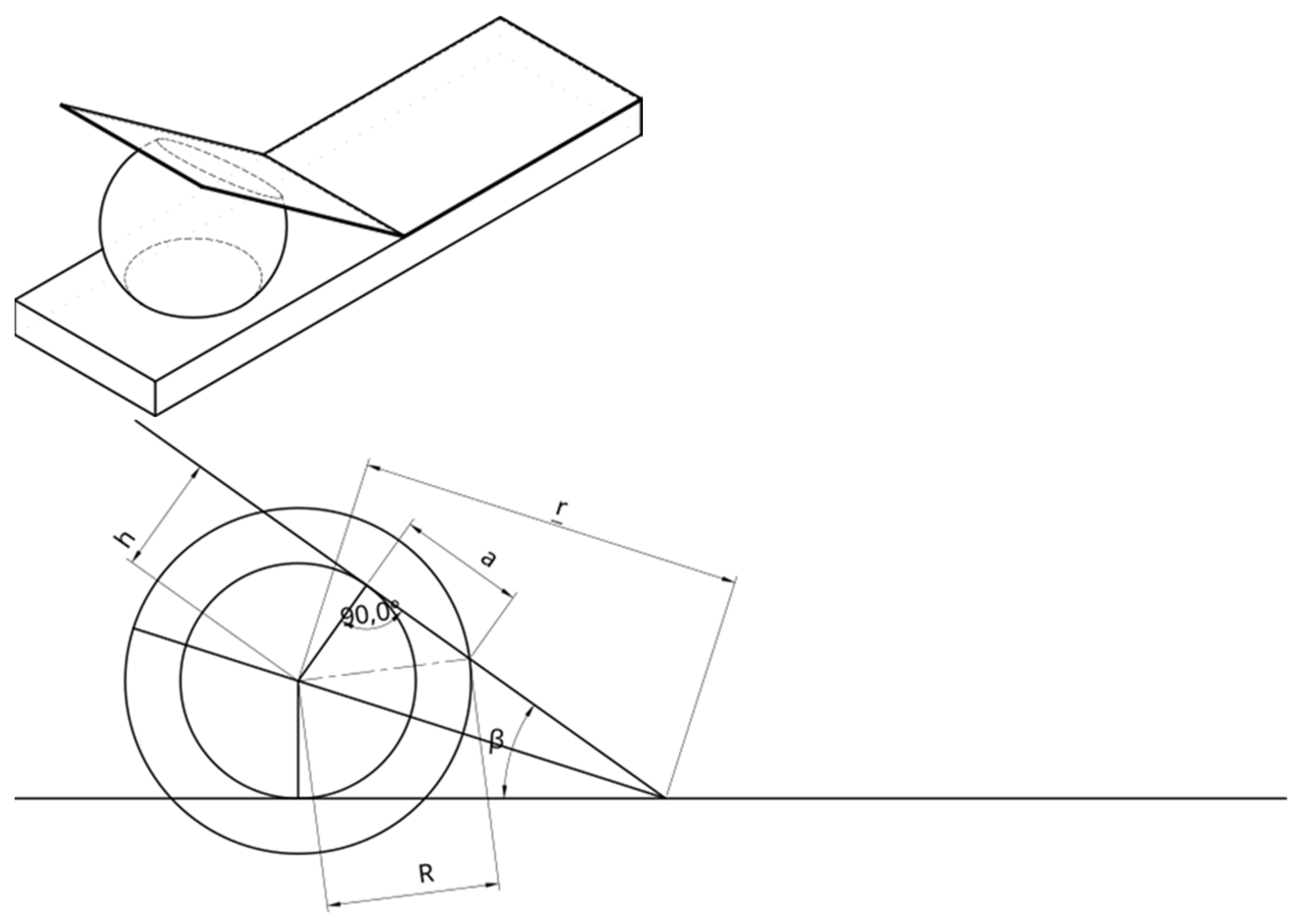
palm upwards through a surface actuated by a balloon. A model was
developed to describe the relationship between the force exerted on the
hand, the angle on hinge, the pressure within the balloon, and its
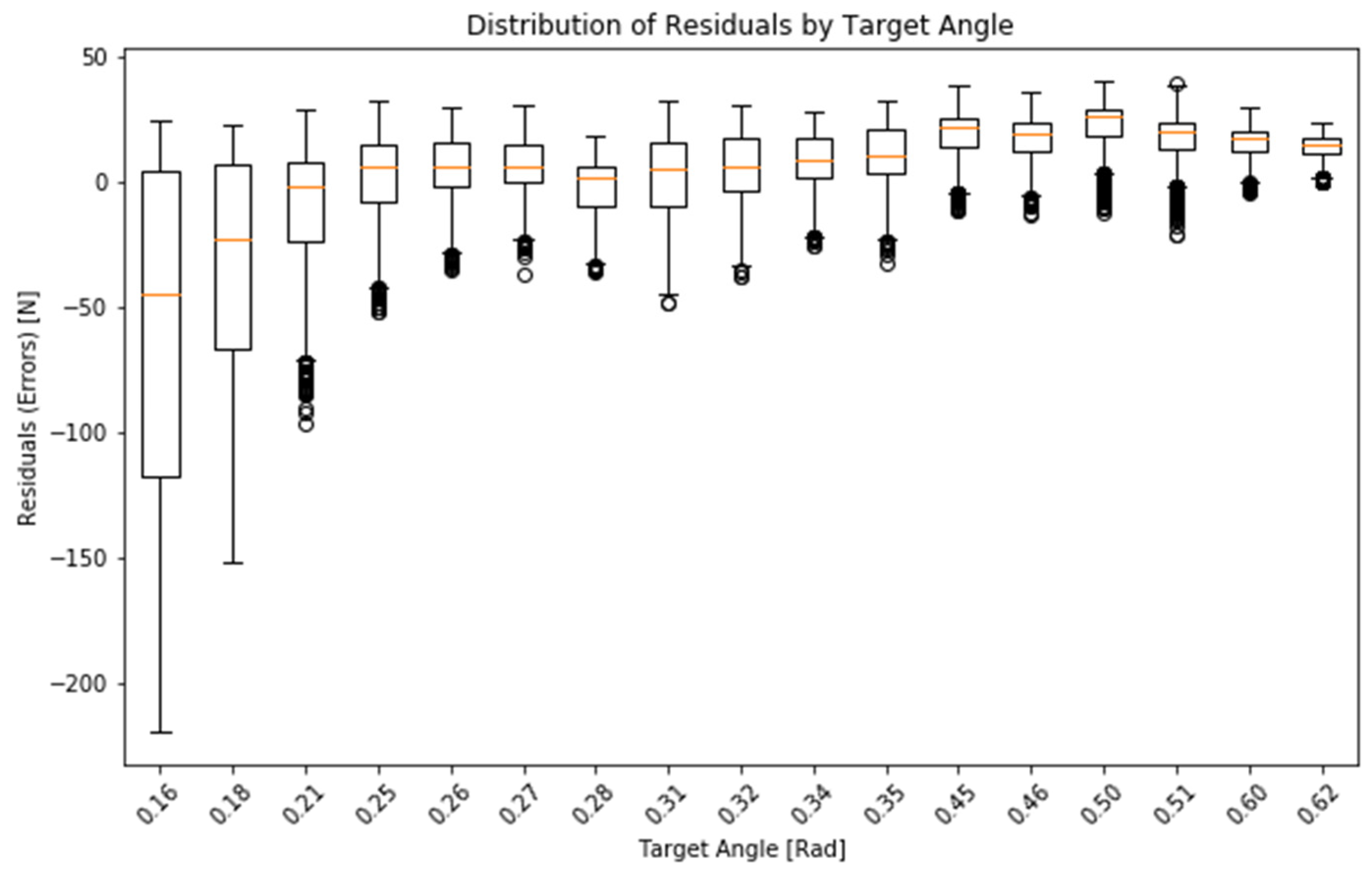
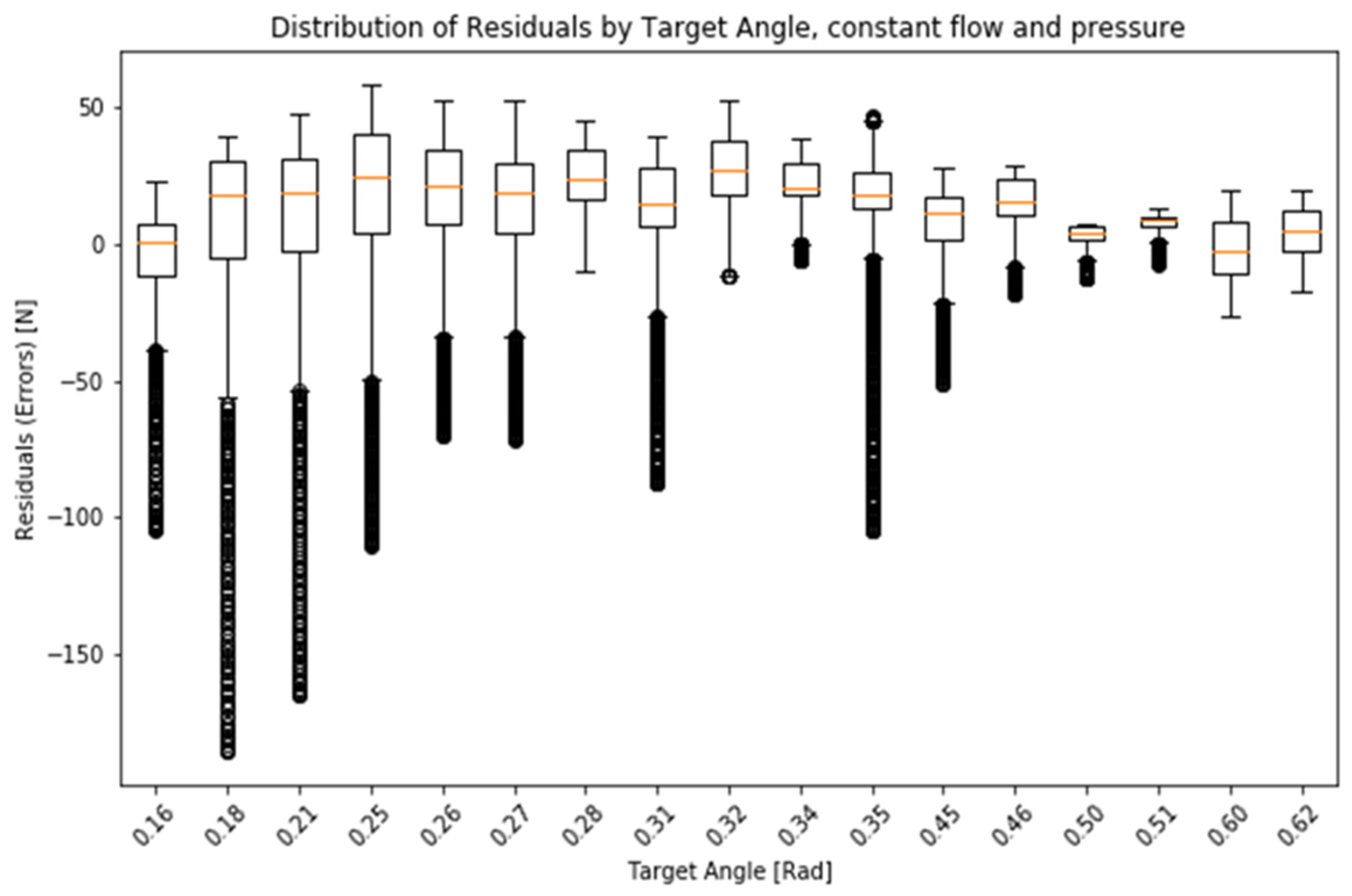
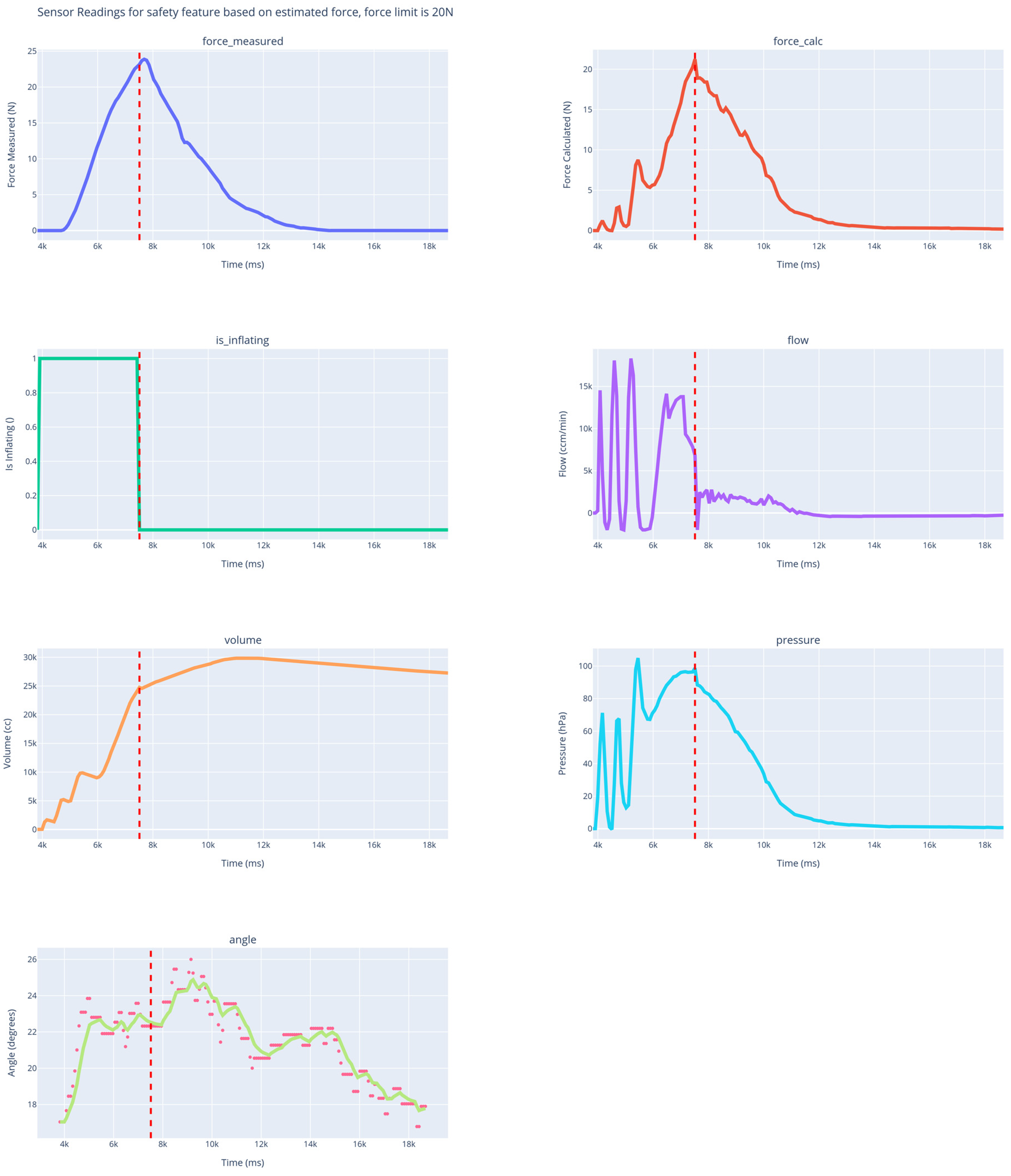
volume. Experimental validation demonstrated a Pearson correlation of
0.936 between the model’s force predictions and measured forces,
supporting its potential for real-time safety monitoring by
automatically shutting down when force thresholds are exceeded. A pilot
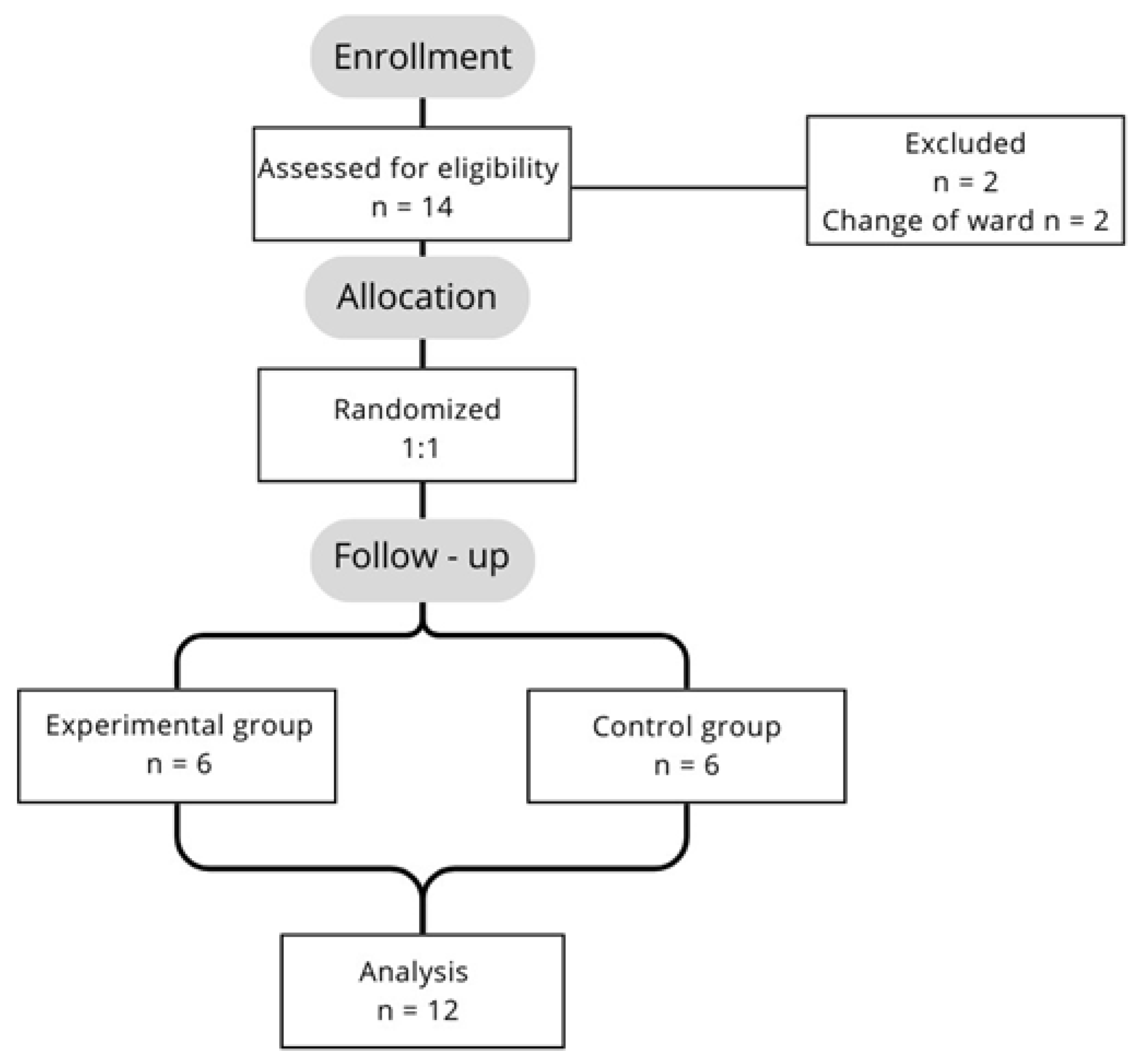
study was conducted with 12 post-stroke patients (six experimental, six
control), who participated in a four-week wrist-extension training
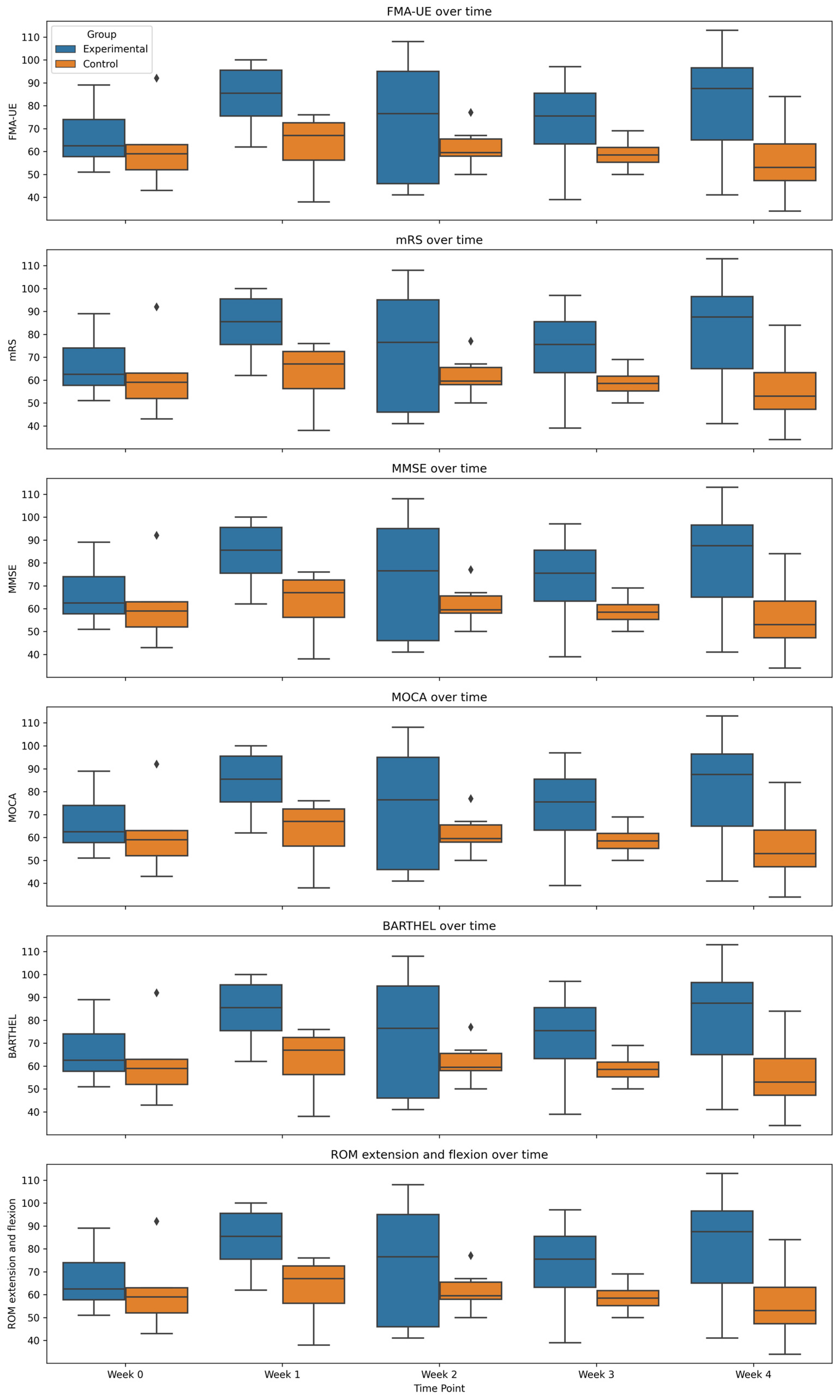
program. Clinical outcomes were assessed using the Fugl–Meyer Assessment
for the Upper Extremity (FMA-UE), Modified Rankin Scale (mRS),
Mini-Mental State Examination (MMSE), Montreal Cognitive Assessment
(MOCA), wrist Range of Motion (ROM), and Barthel Index (BI).
Statistically significant results were obtained for the Barthel index (p
< 0.05) and FMA-UE, indicating that the experimental use of the
device significantly improved functional independence and self-care
abilities. The results of our pilot study suggest that the Balonikotron
device, which uses the principles of mirror therapy, may serve as a
valuable adjunct to conventional rehabilitation for post-stroke patients
with hemiparetic hands (BI p = 0.009, MMSE p = 0.151, mRS p = 0.640, FMA-UE p = 0.045, MOCA p = 0.187, ROM p = 0.109).
No comments:
Post a Comment