Didn't your competent? doctor start treating you with psilocybins a long time ago?
Do you prefer your doctor and hospital incompetence NOT KNOWING? OR NOT DOING?
Also Oregon; Oregon becomes first state to legalize psychedelic mushrooms
The latest here:
The Potential Role of Psilocybin in Traumatic Brain Injury Recovery: A Narrative Review
1
Hackensack Meridian School of Medicine, Nutley, NJ 07110, USA
2
Department of
Physical Medicine and Rehabilitation, JFK Johnson Rehabilitation
Institute at Hackensack Meridian Health, Edison, NJ 08820, USA
*
Author to whom correspondence should be addressed.
Brain Sci. 2025, 15(6), 572; https://doi.org/10.3390/brainsci15060572
Submission received: 5 April 2025
/
Revised: 16 May 2025
/
Accepted: 22 May 2025
/
Published: 26 May 2025
(This article belongs to the Section Neurorehabilitation)
Abstract
Background: This narrative review
explores psilocybin’s potential use as a therapeutic agent in patients
with traumatic brain injury (TBI).
Methods: We engaged in a
search of PubMed, ScienceDirect, and Cochrane’s databases for
information on the effects of psilocybin. We also reviewed articles
where psilocybin was used in patients with TBI. Articles from 2000–2025
were included.
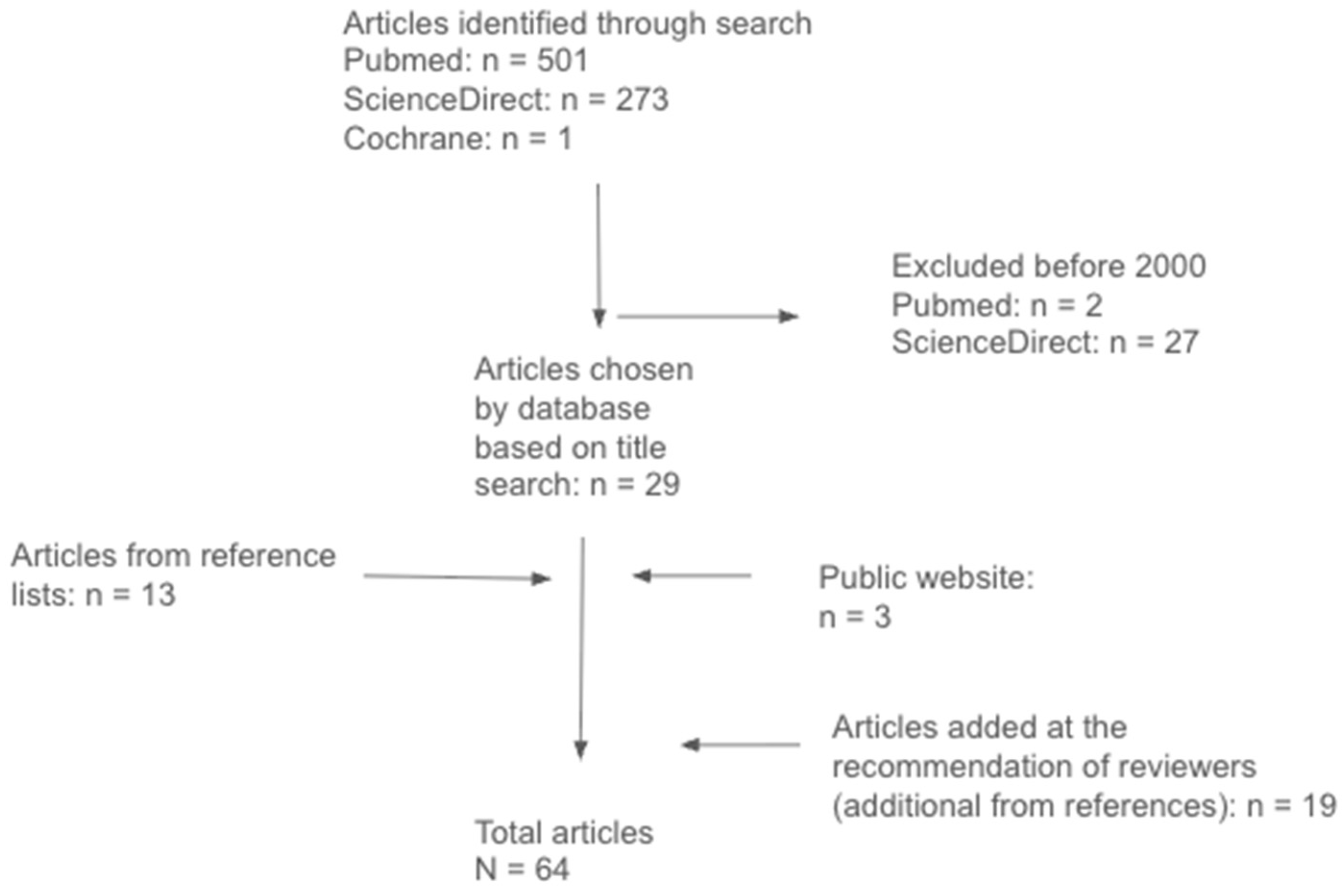
Results: A total of 29 articles met our initial
inclusion criteria. Additionally, 13 articles were obtained from
reference lists and 3 more articles on the legality of psilocybin from
public websites.
Conclusions: Assisted psilocybin use may have
benefits in TBI by reducing inflammation, promoting neuroplasticity and
neuroregeneration, and alleviating associated mood disorders. Positive
findings in related fields, like treatment for depression and addiction,
highlight the necessity for more extensive clinical trials on
psilocybin’s role in TBI recovery.
1. Introduction
Approximately
69 million people worldwide suffer from traumatic brain injuries (TBIs)
each year. The incidence was highest in North America, with rates
reaching 1299 out of 100,000 people [1]. Progress in modern medicine has increased the survival rate of TBI patients [2].
However, there continues to be a need for new treatment solutions for
TBI survivors because of their rising numbers, since these survivors
experience extended physical, cognitive, and psychological difficulties.
TBI
is the result of direct physical impact that leads to neuronal necrosis
and tissue damage. The initial impact creates a primary injury,
otherwise known as a contusion. The contusion can later expand,
resulting in delayed neurodegeneration [3].
The area around the contusion, known as the pericontusion, can also
expand due to edema or increasing pressure in the brain, increasing the
risk of ischemia [3].
The impact is also followed by an immune response involving
macrophages. Macrophages help clear cellular debris and support tissue
repair, but their prolonged release of pro-inflammatory mediators can
worsen neuronal death, increase neurovascular injury, and lead to
long-term white matter loss [4].
Macrophages can polarize into either pro-inflammatory (M1) or
anti-inflammatory (M2) states. Early after TBI, both M1 and M2 markers
are present, but the expression of M2 quickly declines [4].
The M1 state is longer lasting, leading to the unopposed release of
pro-inflammatory cytokines and resulting in neurodegeneration. A method
that can address the neurodegeneration and inflammation found in TBI
would be a crucial step forward in finding effective treatments for TBI
patients.
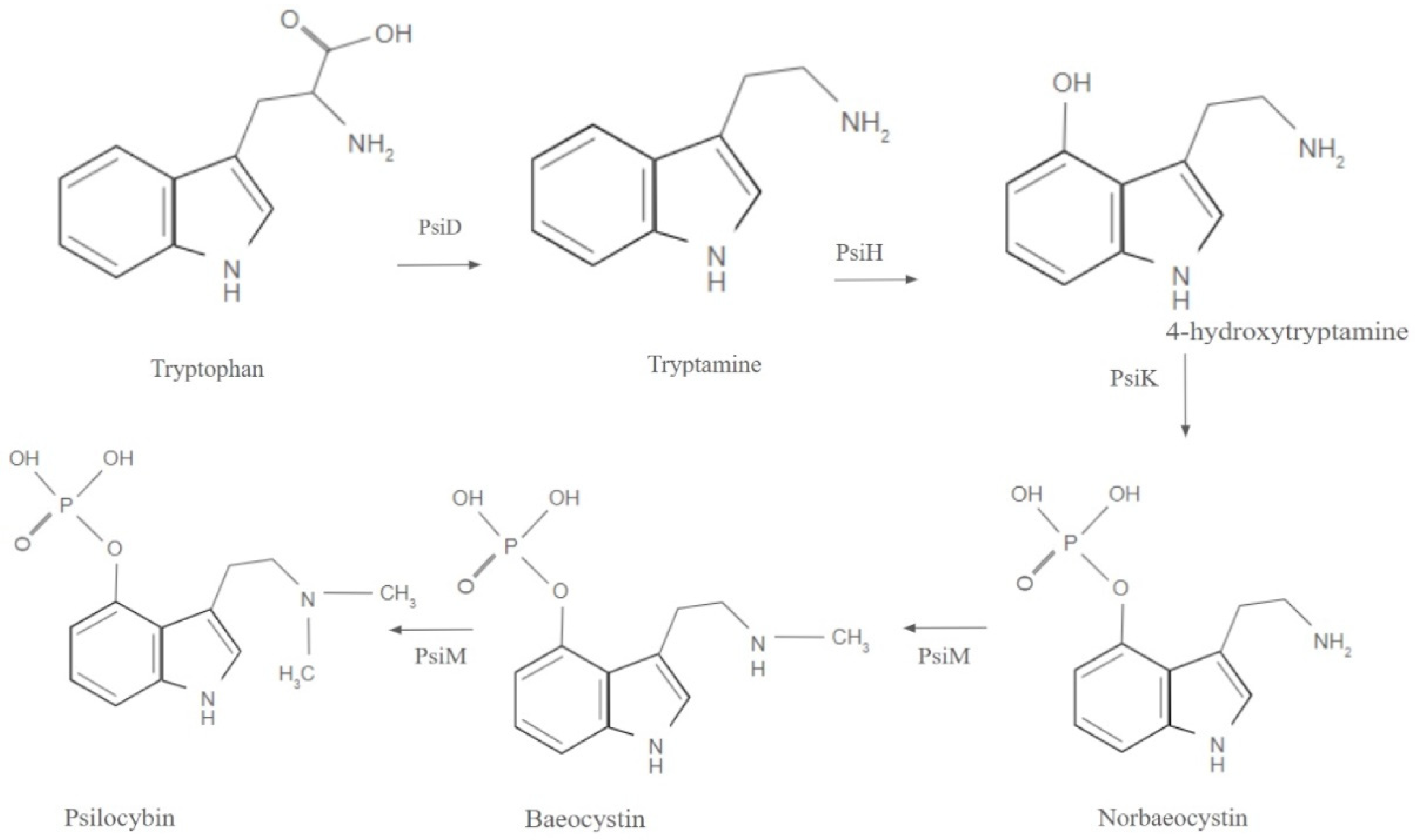
A recent trend is the question of
psychedelics’ role in the clinical setting. Because of their structural
similarity to tryptophan, psychedelics can interact with serotonin
receptors, functioning as agonists on the 5HT-2A receptor [5].
Psychedelics have shown promise in treating substance use disorders
(SUDs) and mood disorders through interaction with the dopamine and
serotonin pathways as well as the hypothalamic–pituitary–adrenal (HPA)
axis [5].
This new trend, along with the increasing need for TBI treatments,
prompted the question of if psychedelics have a potential role in TBI
treatment, given the similar neurochemical disturbances found in
patients after a traumatic brain injury. Previous explorations into this
question have involved consideration of multiple psychedelics such as
LSD, MDMA, ketamine, and psilocybin with positive indications yielded [6,7].
This paper aims to focus on psilocybin alone, creating a focused
review. Psilocybin is a natural psychedelic alkaloid found in over 100
species of mushrooms in the Psilocybe genus [5].
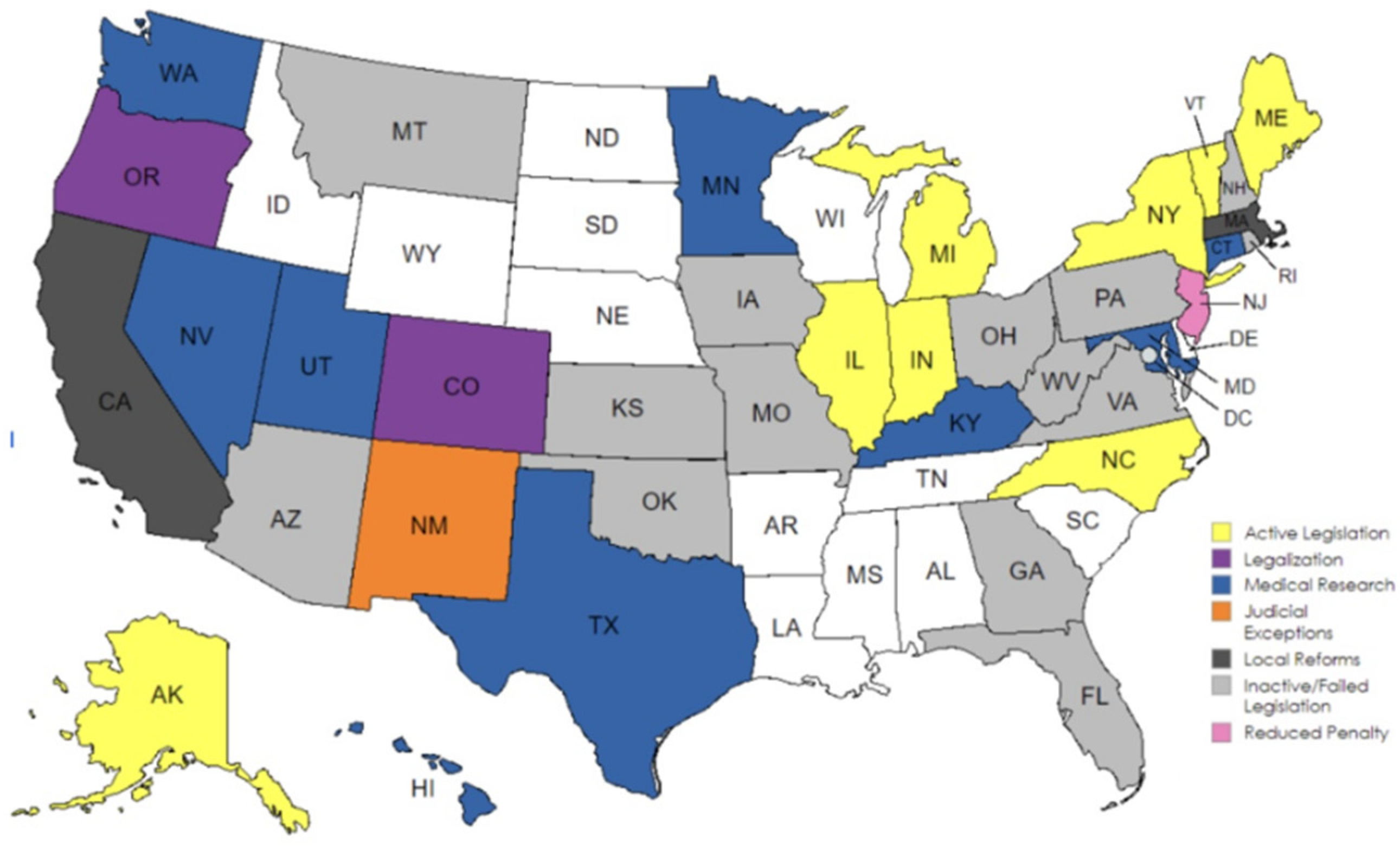
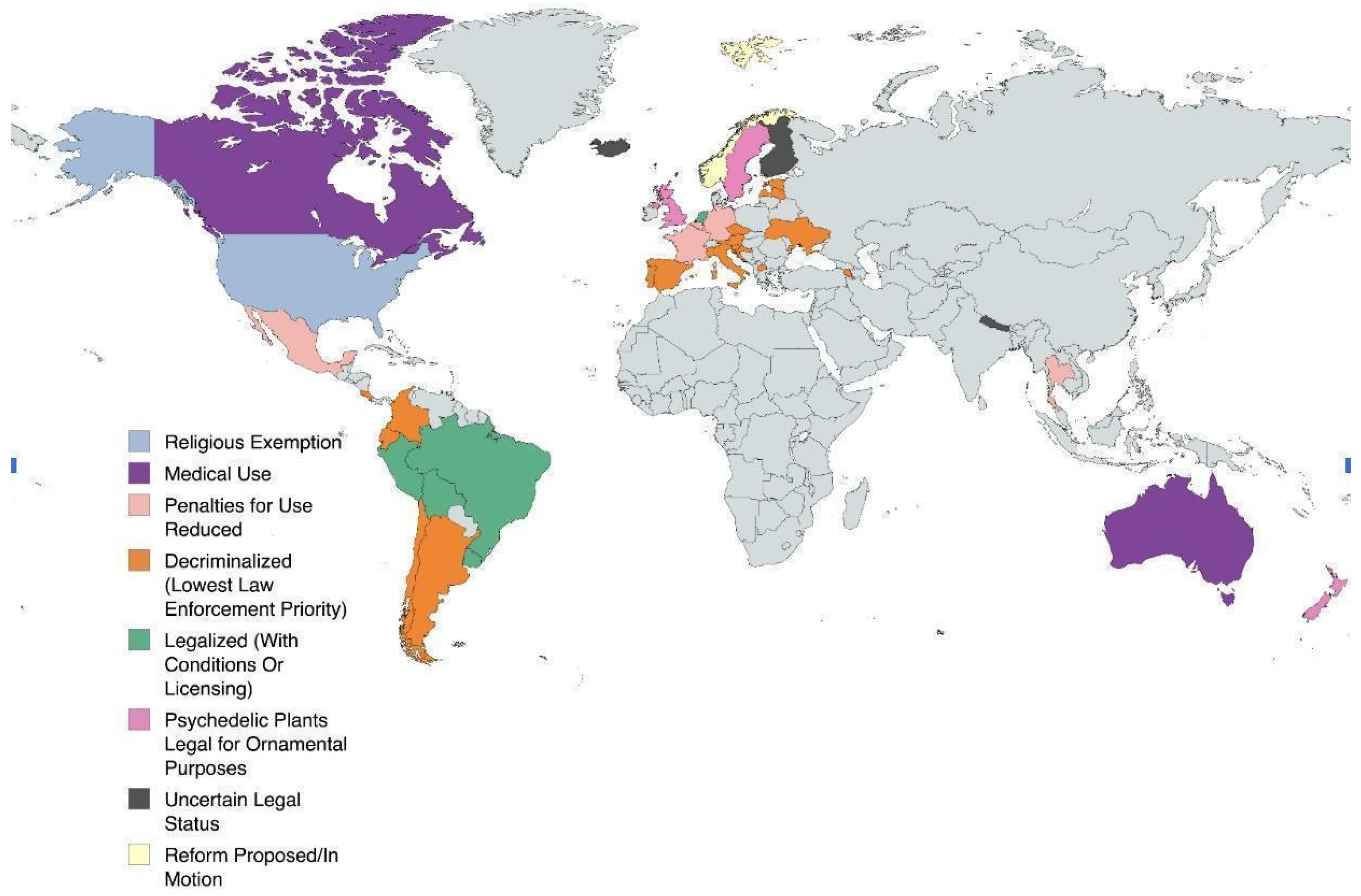
When it comes to treatment with psilocybin, there is an initial concern
of the legality. In the United States, nine states have already
decriminalized it, and two states have legalized assisted medical use.
During this time, there have been trials on its use for depression,
anxiety, and substance use disorder, but there are no data as of yet on
its direct application in TBI patients. This paper explores the
therapeutic potential of psilocybin specifically, looking at examples of
its anti-inflammatory and synaptogenesis-inducing properties and how
these benefits could play a role in TBI treatment.
More at link.
No comments:
Post a Comment