You're missing your therapists' genius on nocebo; Your response will be. I'll prove this idiot therapist wrong and recover! This way your therapist doesn't even have to prove how incompetent they are in not having recovery protocols; what is listed below is guidelines; not a damn thing specific in guidelines! Your fucking therapist is a genius, not having to do anything and still get paid!
This therapist knows precisely how to use the nocebo effect to their benefit. No point in asking your therapist or doctor how to recover when it is fucking obvious that s/he is brilliantly stupid about stroke recovery!
I Survived Two Strokes. Now I’m Fighting for Global Healthcare
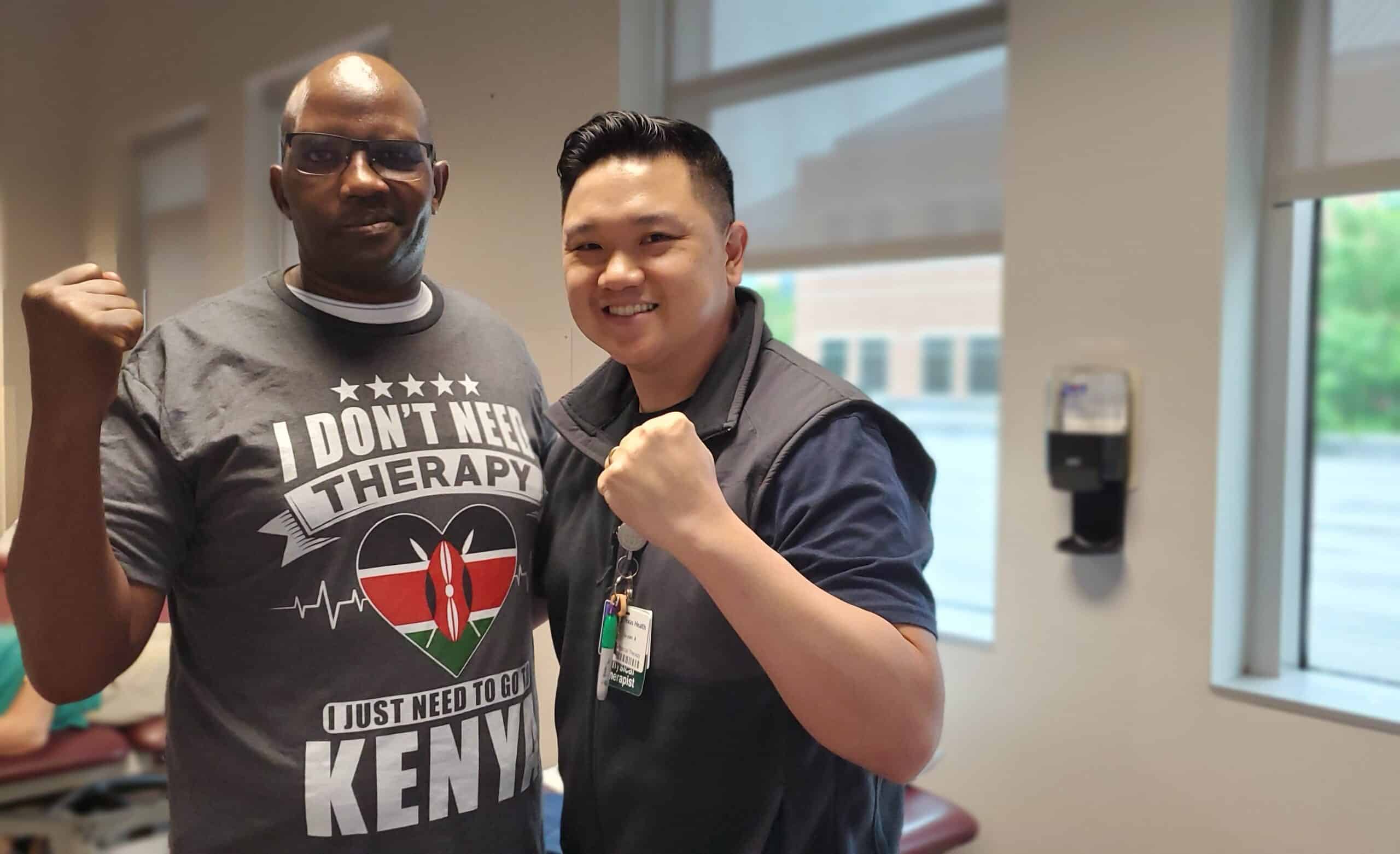
August 3rd was supposed to be a celebration—Abraham Kirwa’s birthday. A respected public servant and radio host in Kenya, he was preparing for an interview when he suddenly noticed his vision blurring. Moments later, he tried to sip water, but vomited everything he’d eaten that day. At 54, Abraham never imagined he’d come close to losing his life to a stroke, and especially not on the air.
“I called my wife,” he tells BlackDoctor.org. “She brought water, but I couldn’t see it. I knew something was seriously wrong.”
His wife, Frasiah Kirwa, suspected he was having a stroke and took swift action, searching for aspirin despite limited drug access in Kenya and rushing him to the hospital. Despite arriving within the critical four-hour treatment window, doctors did not administer tPA (tissue plasminogen activator), which works by dissolving the blood clot, restoring blood flow to the affected area of the brain and potentially limiting brain damage. The consequences were severe.
A Medical Crisis Across Borders- Sudden numbness or weakness on one side
- Slurred or hesitant speech
- Vision loss
- Dizziness or imbalance
- Facial drooping
“If someone shows any of these signs, don’t wait. Go to the ER immediately,” Heath warns.
Top risk factors include:
- Hypertension
- Smoking
- Poor diet and lack of exercise
- Diabetes
- Atrial fibrillation
- Family history
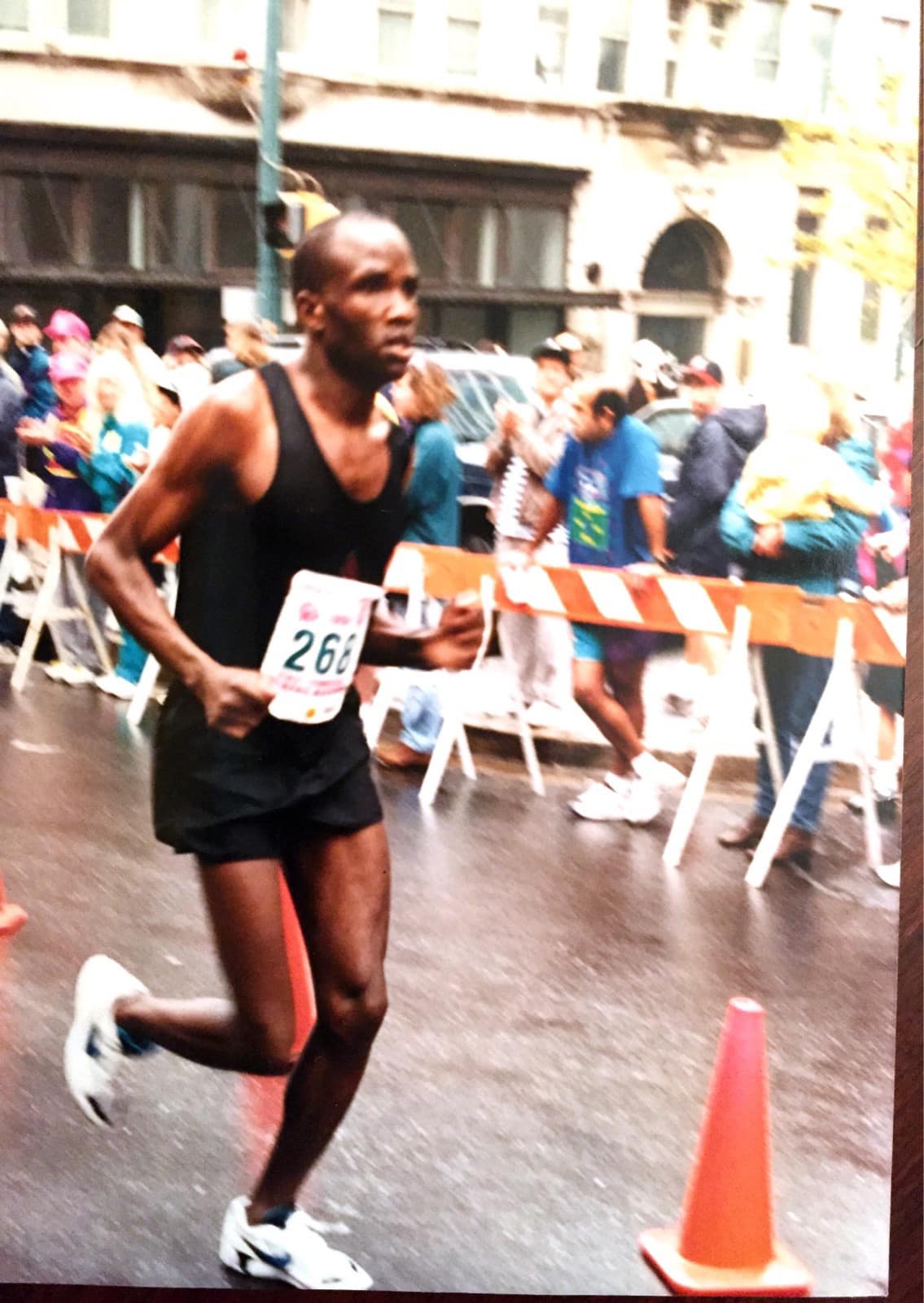
Heath emphasizes that physicians not only treat the stroke but also work preventively—through medication, cardiac evaluations, lifestyle coaching, and follow-ups to avoid recurrence.
A Caregiver’s War—and a Lawmaker’s Resolve
Throughout the ordeal, Frasiah was his fiercest advocate. She navigated Kenya’s strained health system, battled for access to care, and refused to let delays determine his outcome.
“The difference in care was striking,” she says. “In Dubai and Texas, doctors listened. They explained. They worked with us. In Kenya, we were dismissed repeatedly.”
Now, both Abraham and Frasiah are calling on leaders to bring quality stroke care to underserved communities. He knows firsthand how limited the resources are in his home country, especially in rural areas.
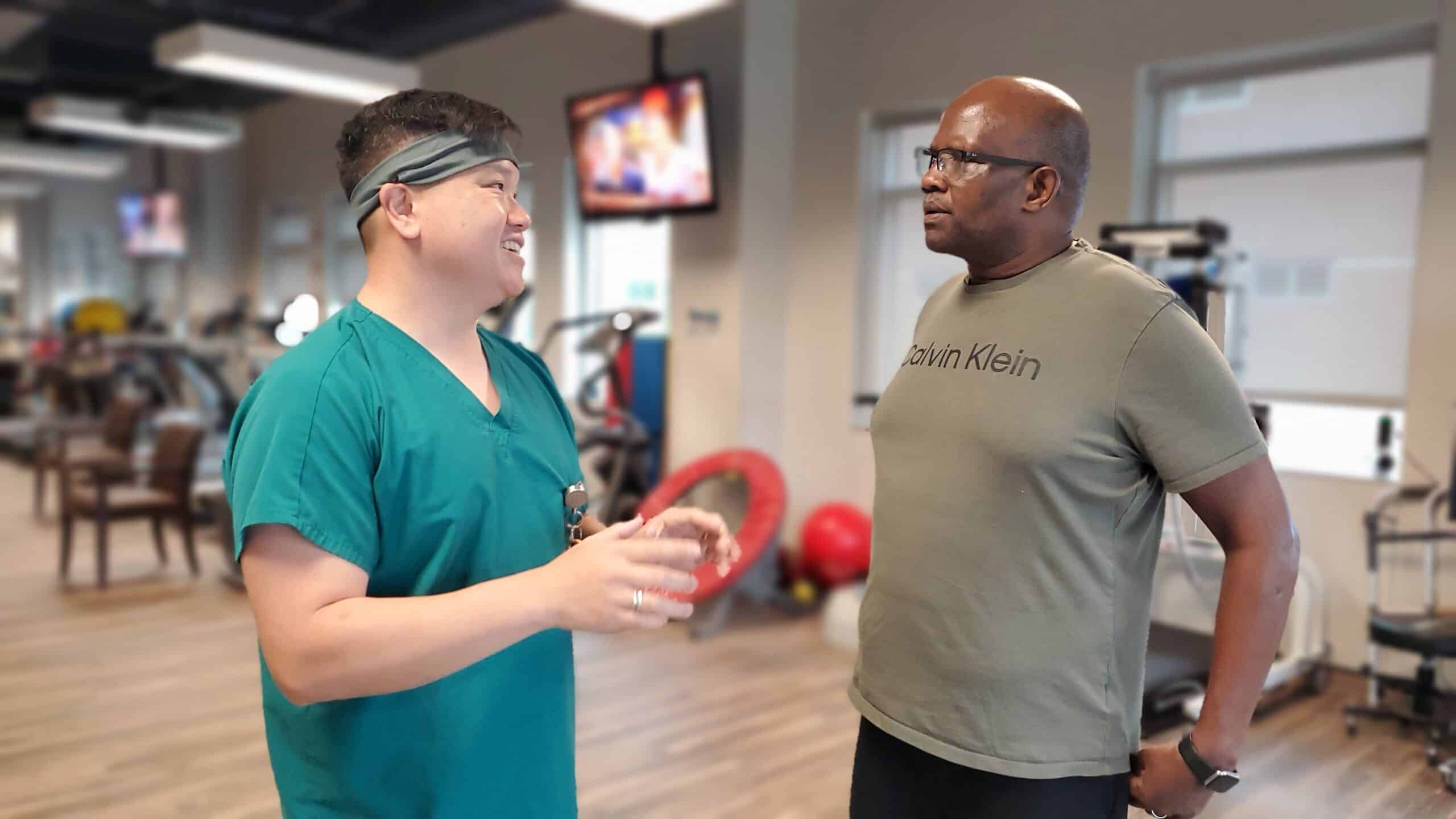
From Survivor to Advocate
Today, Abraham walks without a cane. He talks, laughs, and runs—defying expectations. He has returned to public service as a member of Parliament, representing over 200,000 residents in Kenya’s Nandi County.
“I tell men—especially Black men and busy professionals—your health is your greatest wealth. Listen to your body. Get checkups. If you lose your health, you lose everything,” he shares.
“Growing old is a gift. Don’t take it for granted. Don’t wait to invest in your health,” he adds.
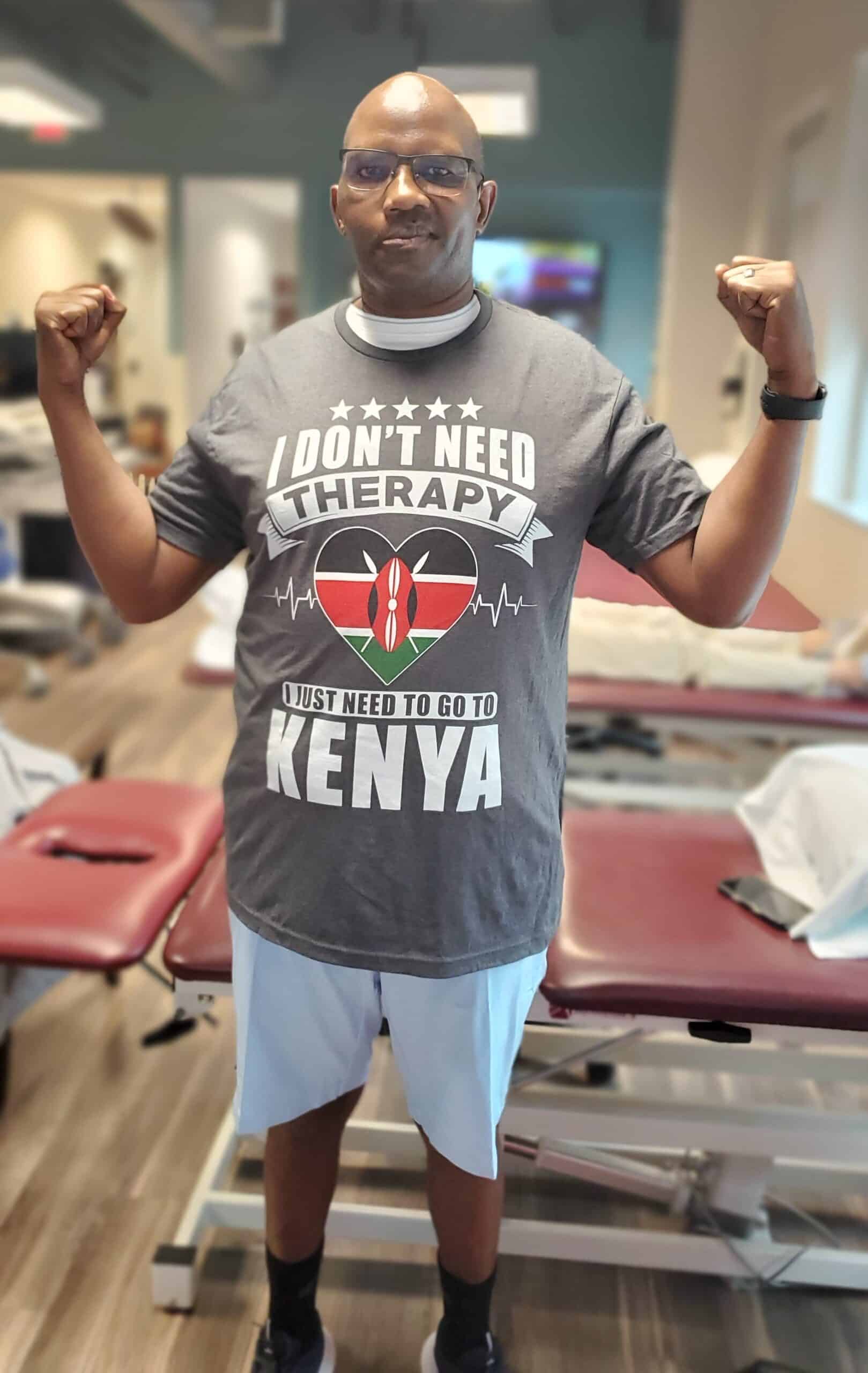
Two visiting Kenyan officials watched him speak fluently during therapy—even in his native dialect—and were stunned. It’s become his mission to bring integrated rehab programs like Texas Health’s back home.
His message to fellow survivors?
“Your body is your temple. If you take care of it, it will take care of you. Walk. Eat well. Exercise. Heal.”
And his message to policymakers?
“Health systems must be built for everyone, not just the fortunate,” he concludes.
No comments:
Post a Comment