I consider Dr. Carmichael a rock star. Followup on this is step 4 below if our stroke medical 'professionals' are competent! You'll have to hope like hell your stroke leadership steps up and gets stroke protocols written following all research. But there is NO STROKE LEADERSHIP ANYWHERE!
Dr. Carmichael (17 posts to October 2014)
Damn it all: stroke is easy; 5 steps.
1. Describe the problems exactly. There are tens of
thousands of pieces of research already hinting at solutions, just need
followup.
2. Write thousands of RFPs to researchers/MIT grads to solve those problems.
3. Fund them with foundation grants.
4. Write stroke rehab protocols based on the research.
5. Get the Nobel prize in medicine.
UCLA scientists create drug that restores movement after stroke
Researchers at the University of California Los Angeles have developed a groundbreaking new drug that could change stroke recovery forever.
Called DDL 920, the medication is the first to fully restore motor function without the need for long term physical therapy.
Dr Thomas Carmichael, Chair of UCLA’s Department of Neurology and lead researcher, said the drug marks a new era in stroke rehabilitation, one led by molecular medicine rather than conventional therapy.

In trials on mice, DDL 920 successfully repaired brain damage and restored lost neural connections.
The team is now preparing to begin human testing.
Every year, strokes affect more than 15 million people worldwide, and many survivors are left with long term physical impairments.
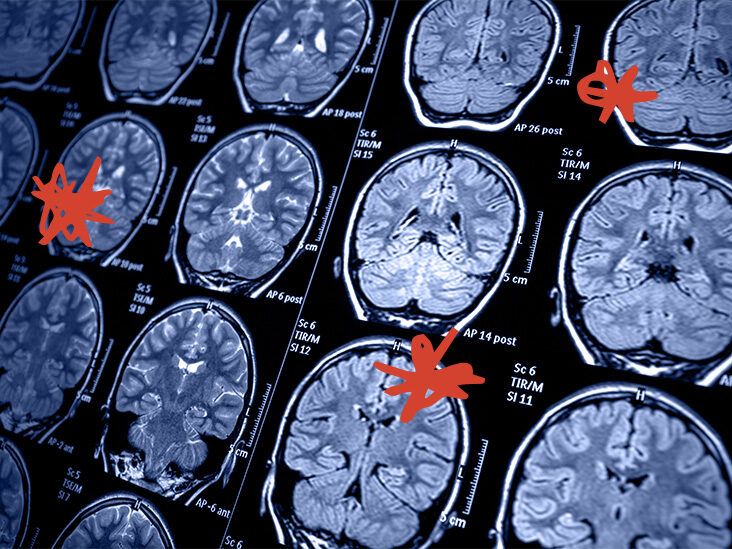
Current treatments mainly focus on preventing further strokes and improving quality of life—but none directly reverse the damage already done.
Though the drug is still in its early stages, its potential has already sparked excitement across the medical community.
Experts believe it could transform the way we approach not just stroke recovery, but also other brain injuries and degenerative conditions in the future.
No comments:
Post a Comment