Deans' stroke musings

Use the labels in the right column to find what you want. Or you can go thru them one by one, there are only 32,650 posts. Searching is done in the search box in upper left corner. I blog on anything to do with stroke. DO NOT DO ANYTHING SUGGESTED HERE AS I AM NOT MEDICALLY TRAINED, YOUR DOCTOR IS, LISTEN TO THEM. BUT I BET THEY DON'T KNOW HOW TO GET YOU 100% RECOVERED. I DON'T EITHER BUT HAVE PLENTY OF QUESTIONS FOR YOUR DOCTOR TO ANSWER.

Thursday, January 31, 2019

For the first few weeks and months after a stroke, the brain is locked and loaded for recovery. Now is the time to act. As soon as your doctor says you’re ready, early and intense rehabilitation can help you achieve optimal success - AHA/ASA

You will notice that your doctor has absolutely nothing to do with your recovery in this.  And since your doctor did nothing in the first week to stop the neuronal cascade of death  you have millions more dead neurons to recover from. And none of the guidelines will help you recover the functions of those dead neurons. Sorry to be a downer but everything in stroke is a fucking failure.  

For the first few weeks and months after a stroke, the brain is locked and loaded for recovery. Now is the time to act. As soon as your doctor says you’re ready, early and intense rehabilitation can help you achieve optimal success - AHA/ASA


oc1dean at 8:55 PM No comments:
Share

New UAB Medicine stroke rehab clinic offers unique one-stop shopping

They are using appeals to authority rather than actually telling us what the factual results are from going there. I call bullshit.  

New UAB Medicine stroke rehab clinic offers unique one-stop shopping 


by Bob Shepard
  • January 30, 2019
  • Print
  • Email
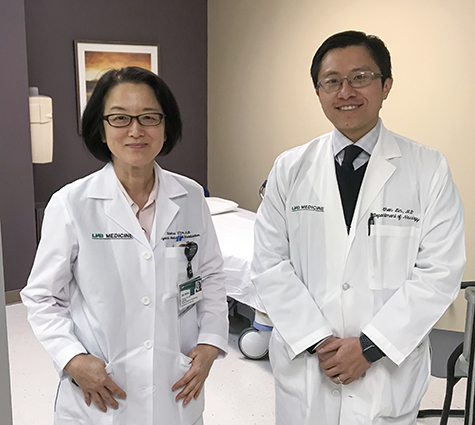
StrokeJoomlaXiaohua Zhou, M.D., and Chen Lin, M.D.The new UAB Medicine Stroke Recovery Clinic at the University of Alabama at Birmingham will provide a unique opportunity for those recovering from a stroke to wrap the entire outpatient experience into one package. The multidisciplinary clinic offers the combined expertise of stroke neurologists with rehabilitation physicians and therapists so patients can have all their medical and rehabilitation needs met at one time in one place. The combination clinic is one of only a very few across the country and the only one of its type in the Southeast.
“Alabama is in the heart of the stroke belt, the region throughout the Southeast with the highest incidence of stroke in the nation,” said Chen Lin, M.D., assistant professor in the UAB Department of Neurology in the School of Medicine. “Only a fraction of stroke survivors receive any rehabilitation after leaving the hospital. The Stroke Recovery Clinic encompasses the two medical disciplines most involved with treating stroke: the Department of Neurology and the Department of Physical Medicine and Rehabilitation.”
Patients referred to the clinic by their physician or by self-referral would typically be about two to three months post-stroke, when the acute injury is subsiding and the patient’s recovery has progressed to a point when rehabilitation can begin to be effective.
“This clinic is designed to help the stroke patient transition from the acute inpatient injury setting to outpatient rehabilitation and begin their return to a normal life,” said Xiaohua Zhou, M.D., assistant professor in the Department of Physical Medicine and Rehabilitation. “The clinic will be focused on improving quality of care and outcomes after stroke.”
Besides Lin and Zhou, the clinic will offer a full array of rehabilitation specialists, including speech, occupational and physical therapists. The clinic will also offer neuropsychology and social work services. This allows patients one convenient opportunity to be evaluated by multiple services all in one visit.
“There will also be opportunities to participate in research projects that will be looking for ways to enhance recovery after stroke,” Lin said. “This will range from UAB-specific studies to multicenter clinical trials. The goal of our research is to improve the function of patients after stroke and develop ways to determine how patients would benefit from new therapeutics.”
The Stroke Recovery Clinic, housed in the UAB Spain Rehabilitation Center, began seeing patients Jan. 24. Those interested in clinic appointments can call the Spain Rehabilitation Center access number at 205-934-4179.
oc1dean at 4:34 PM No comments:
Share

Why motivating your team via goals, milestones and small wins is so important - Your stroke medical team

Is your stroke medical team motivated to get you 100% recovered? Or do you need to call the stroke hospital president and get them some external motivation? Like keeping their jobs? The SPECIFIC GOAL HERE IS 100% RECOVERY. Do not accept anything less.  Yes,  that is a BHAG(Big Hairy Audacious Goal) of 100% recovery for all survivors. But leaders accept and deliver on such challenges. Do you have leaders or not?

Why motivating your team via goals, milestones and small wins is so important

It’s nearly the end of January. How quickly has that gone?! And how many of you have already let your New Year resolutions fall by the wayside? One of the main reasons we fail to achieve what we set out to is because we often set unrealistic, unachievable goals which we don’t check-in on at regular points.
I sometimes come across this in the workplace too. One of the things we examine on my High Performing Team workshops are the objectives and measures of success at an individual and team level. All too often, the managers I work with struggle to clearly define goals and within this, identify what success looks like at points along the year. This is particularly pertinent when you consider a recent study involving 117,000 managers across 32 different countries. Alan Howard and Max Choi found that leadership skills and management skills directly influence a country’s productivity, even when other relevant measures had also been taken into account.

The importance of being as specific as possible

“The power of specific, ambitious goals to improve the performance of individuals and teams is one of the best documented findings in organizational psychology, and has been replicated in more than 500 studies over the past 50 years” – Donald Sull and Charles Sull
One of the best known of these studies is Edwin Locke’s and Gary Latham’s work on Goal Setting Theory, all about “purposefully directed action”. This theory highlights four ways that specific goals connect to performance outcomes:
  1. They direct our attention to what’s important
  2. They stimulate our effort to focus on what’s important
  3. They challenge us to use our knowledge and skills so that we’re more likely to succeed
  4. The more challenging the goal, the more likely it is we’ll draw on our range of skills
A poorly worded objective or goal, therefore, might be “Develop a customer service course about handling difficult people”. A better-worded, specific goal might be, “Develop a half-day course about handling difficult people with first session delivered to 20 call-centre supervisors by 31 March, with evaluation of impact taking place one month later and subsequent report written by 15 May.”

The importance of goal difficulty and range

“Decades of research involving over 40,000 participants has shown that people who set difficult and specific goals outperform people who set vague and non-challenging goals” – Brendon Burchard
Researchers from INSEAD found that people believe it’s easier to achieve a small, incremental goal than it is to maintain the status quo. Across six studies, the researchers consistently found that the brain assesses goal difficulty using a two-step process:
  1. We estimate the size of the gap to be bridged by the goal. If the gap is zero, the brain then moves to step two…
  2. We assess the context within which the goal needs to be achieved.
A key suggestion from this research is that when setting goals, managers should be aware that status quo goals are less attractive than ones involving a slight increment. In other words, you’re more likely to get better performance by increasing expectations on a previous target than keeping it the same. You do your team members no favours by thinking you’re letting them off by keeping the same targets as last year.
And with this in mind, if a goal is geared around a target such as “Get 10,000 followers on our corporate Twitter account” then you are already setting a person up for potential failure. As Steve J Martin, Noah J Goldstein and Robert B Cialdini suggest in their book The small B!g: Small changes that spark big influence, people are much more likely to achieve target-driven goals if the target is set with a high-low range that averages the same, rather than setting a single, specific goal.
Therefore, that Twitter target of 10,000 followers might now state, “Grow our corporate Twitter account to between 5,000 and 15,000 followers by 31 December 2019”. (Although as an aside, and with my old head of communications hat on, you might be better off setting goals around engagement, likes and shares).

The importance of milestones and small wins

“Great big goals set direction and energize people, but if goals are all you’ve got you are doomed. The path to success is paved with small wins” – BOB SUTON
Agreeing with your staff what success looks like at various points in the year is crucial for maintaining focus, momentum and energy levels. Once success has been defined for various objectives, you can then put this into a milestone plan. This is something I used to do with my team managers and we’d review this every quarter at our away days – celebrating successes and understanding where and why we may have fallen short. The latter was important for tweaking milestones in the subsequent quarters.
This approach is backed up by research published in the American Psychological Association’s Psychological Bulletin. Researchers reviewed 138 studies involving nearly 20,000 people which looked at the effectiveness of interventions designed to prompt people to monitor their goal progress. They found that the more people monitored their progress, the greater the likelihood they would succeed in achieving their goal.
Be careful, however. To make monitoring and milestones effective, you need to ensure you’re not managing too much (micromanagement) or too little (laissez faire). This article by Victor Lipman offers some helpful advice around this.

The importance of sharing and communicating

In a popular article from MIT Sloan Management School, the authors suggest that rather than SMART goals, managers develop FAST goals where:
F = Frequently discussed
A = Ambitous
S =  Specific metrics and milestones
T = Transparent for everyone to see
It’s the ‘T’ that I want to pick up on as one of the common issues I find in teams that are under-performing is where individuals, on the same team, have somewhat contradictory objectives. When these aren’t shared, with everyone knowing what each other’s goals are, conflict and tension can occur. Putting everyone’s objectives in a shared place is one way of making things transparent. Another is talking about individual goals in team meetings, as well as in one-to-one meetings.
Another reason sharing and communicating individual goals across the team is so important is that it enables you to plan for things in advance. Researchers from Penn State University found that when barriers got in the way of people taking action against a goal (action crisis), they then started to devalue the goal which made it more likely they wouldn’t achieve that goal. In other words, it impacted people’s commitment to achieving their objective. However, the researchers found that if the person (or their network of friends and colleagues) were to know ahead of time that an action crisis may be imminent, he or she might be more likely to stick to the goal.
This means that as part of the goal-setting process, thinking about potential barriers to achieving goals in advance is crucial; as is coming up with ways of overcoming these barriers. These can also be discussed at team meetings which helps with the transparency and sharing.

If you’re interested in running my High-Performing Teams workshop in-house, why not contact me to find out more? EMAIL ME HERE

Did you find this post helpful? I’d love to know, so Tweet me, or drop me a note on LinkedIn. If you have any colleagues that you feel should read this, too, please share it with them. I’d really appreciate it.
If you liked this post, you might also like these:
  • 7 tips for better performance management
  • How to motivate your team (there’s more to know than Maslow!)
oc1dean at 4:24 PM No comments:
Share

The Most Inspiring Hand Paralysis Recovery Story We’ve Ever Heard from Flint Rehab

I may have to try something like this, but where do I get a wife?  My former physical therapist wife was not interested in helping me recover. That is partly why she is former. 

The Most Inspiring Hand Paralysis Recovery Story We’ve Ever Heard from Flint Rehab

oc1dean at 2:15 PM No comments:
Share

How to Open a Clenched Hand After Stroke from Flint Rehab

While this is wonderful information it still assumes you have some functioning brain cells that used to control your hand. I believe that that area in my brain is dead. So I'm fucked.  I need dead brain rehab not this simplistic answer.  Once again these are guidelines NOT protocols.  

How to Open a Clenched Hand After Stroke from Flint Rehab

“How can I relax my stiff, clenched hand after stroke?”
We hear this question a lot, and there’s a lot of confusion around what works and what doesn’t work. So we’re clearing it all up today.
Because unfortunately, many treatments for stiff hands and curled fingers after stroke only treat the symptoms.
In this article, you’ll learn why that is and you’ll also learn the permanent treatment for stiff hands after stroke.
Let’s get to it.

The Cause of Clenched Hands After Stroke

Spasticity is the main culprit of stiff hands after stroke.
On the surface, spasticity seems like a problem with your muscles. While that is partially true, the root cause of spasticity is brain-muscle miscommunication.
After stroke, your muscles get tense and tight because they cannot receive signals from your brain like they once did before stroke. So even though your brain is trying to tell your muscles to relax, your muscles can’t hear that command.
Therefore, the permanent solution to regaining hand movement after stroke should address that communication.
Now, let’s dig deeper.

Temporary Treatment for Clenched Hands and Curled Fingers After Stroke

1. Botox

botox for clenched hand after stroke
Botox isn’t just for wrinkles
Getting Botox injections (or other locally administered drugs or medication) is a common treatment for spasticity, especially in the hands – but it only fixes the symptom.
These medications work to relax your muscles. They don’t address your brain-muscle communication.
So if you get Botox treatments, you will need to keep getting treatments when it wears off. Because since the root problem was not addressed, it will continue to persist each time the Botox wears off.

2. Hand Splints

Hand splints can help open your hand and reduce the spasticity. They work by propping your hand open on something sturdy.
While they do not help you regain movement in your hand, they are useful for opening your hand back up.

3. Passive Stretching

stretching curled fingers after stroke
Sporty man stretching forearm before gym workout. Fitness strong male athlete standing indoor warming up.
If you don’t have a hand splint, you can try using a basketball or other object to stretch your hand out on.
You can even use your leg to stretch your hand out on (although it’s not as “grippy”).
Just don’t stretch to the point of pain!
Botox and stretching are temporary treatments, though. If you want lasting results, then pay close attention to these next few parts.

Permanent Treatment for Clenched Hands

how to recover from stroke quickly
Neuroplasticity is how the brain rewires itself
To address the root problem, you need to fix your brain-muscle communication, and you can do this by rewiring the connections in your brain using neuroplasticity.
And the best way to engage neuroplasticity is through rehab exercise.
But not just any rehab exercise – it has to be very repetitive. The more you repeat your exercises, the stronger your brain-muscle communication becomes.
To permanently treat spasticity, you need to retrain your brain how to control your hand muscles through repetitive rehab exercise.
By performing hand therapy exercises over and over and over, you can fix the communication between your brain and your muscles.
Then, after plenty of repetitive practice, the muscles in your hand will slowly learn to open and relax – for good.
Bonus: Download our free Stroke Rehab Exercises ebook. (Link will open a pop-up that will not interrupt your reading.)

Combine Botox with Exercise to Reduce Hand Spasticity

therapy for clenched hand after stroke
Some stroke survivors find that Botox helps motivate them to do their rehab exercises since it would be too painful to do otherwise. We think this is a great solution.
If you suffer from painfully clenched hands after stroke, you can try doing both treatments at once: use Botox to relax your muscles, and then use that relaxed freedom to do your rehab exercises.

Treating Really, Really Stiff Hands

Some stroke survivors have intense spasticity in their hand that has been left untreated for so long that they develop contractures. Contractures are painfully stiff muscles that are very hard to open.
In these cases, you can use hand splints to stretch out the affected muscles. And if you don’t have any splints around, then you can stretch out your hand on a basketball or table.
Once you are able to stretch out the muscles – it’s important not to stop. The only way to introduce movement back into the affected muscles is with rehab exercises.
Stretching is the first step, exercise is the second step towards regaining movement in your hand.
And if you can’t move your affected hand, then you can still do rehab exercises! You just have to start with passive exercises where you assist yourself. Passive exercises still help retrain the brain.
Then, once you regain enough movement, you can perform active exercises to continue improving your hand function.

3 Steps to Open a Clenched Hand

So, in summary, there are 3 steps that you need to open up tight, clenched hands after stroke:
  1. Use splints or other flat surfaces to stretch open your hand
  2. After opening up your hand, practice passive exercises to start retraining your brain
  3. After regaining some movement, practice active exercise to regain as much movement as possible
During your exercise, be sure to perform a high number of repetitions in each session so that you can heal as quickly as possible.
Follow all of these steps and you should be able to relax your clenched hand after stroke.
oc1dean at 2:11 PM No comments:
Share

Stroke survivors' beliefs seem to reduce blood pressure

Didn't protect me, my blood pressure hit 180+ before drugs, now may have to increase dose since last visit was back up to 170. I will not have another stroke. 

Stroke survivors' beliefs seem to reduce blood pressure


American Stroke Association News Brief - Poster WP521, Session P16
American Heart Association
DALLAS, Jan. 30, 2019 -- Stroke survivors who believe they can protect themselves from having another stroke had more than twice the blood pressure reduction of nonbelievers, according to preliminary research to be presented in Honolulu at the American Stroke Association's International Stroke Conference 2019, a world premier meeting for researchers and clinicians dedicated to the science and treatment of cerebrovascular disease.
High blood pressure is a leading risk factor for stroke and stroke recurrence. Studies have shown that patients' health attitudes and beliefs play a big role in how they take care of themselves.
To determine whether specific beliefs have the power to lower blood pressure after a stroke, researchers studied a multi-ethnic group of 434 adults (average age 64, 50 percent women, and roughly one third white, black or Hispanic) who survived mild or moderate strokes or transient ischemic attack, also known as TIA or mini stroke. Patients agreed or disagreed with statements like: "I worry about having a stroke," "I can protect myself against having a stroke" and "Some people are more likely to have stroke than others."
Researchers found nearly 78 percent of the adults agreed that they could protect themselves from another stroke. Adults who agreed with that statement, alone, had an average 6.44 mm Hg greater reduction in systolic (the top number) blood pressure a year after their initial strokes, compared with adults who didn't feel empowered.
"Certain health beliefs, such as those related to patient empowerment, may play an important role in secondary stroke prevention," researchers said.
The National Institute of Neurological Disorders and Stroke funded the study.
oc1dean at 1:57 PM No comments:
Share

Flu, flu-like illnesses linked to increased risk of stroke, neck artery tears

Well shit, I didn't get my flu shot this year, retired, got it from work.

Flu, flu-like illnesses linked to increased risk of stroke, neck artery tears

American Stroke Association News Release Combo - Abstract 189, Session A36 and Poster WMP49, Session MP5
American Heart Association
DALLAS, Jan. 30, 2019 -- Flu-like illnesses are linked to an increased risk of stroke and neck artery dissections, according to two preliminary research studies to be presented in Honolulu at the American Stroke Association's International Stroke Conference 2019, a world premier meeting for researchers and clinicians dedicated to the science and treatment of cerebrovascular disease.
In the first study (abstract 189), researchers found that having a flu-like illness increased the odds of having a stroke by nearly 40 percent over the next 15 days. This increased risk remained up to one year.
Researchers estimated the odds of hospitalization for ischemic stroke after hospitalization for a flu-like illness. They identified 30,912 patients who suffered an ischemic stroke in 2014 in a review of patient records from the 2012-2014 inpatient and outpatient New York Statewide Planning and Research Cooperative System (SPARCS). Study participants were 49 percent male, 20 percent black, 84 percent urban and average age 71.9 years old.
Researchers compared each patient's "case window" - the time preceding stroke - to the time window for a set of control periods using the same dates from the previous two years. The analyses were stratified by urban and rural status based on residential zip code, sex and race.
"We were expecting to see differences in the flu-stroke association between rural and urban areas. Instead we found the association between flu-like illness and stroke was similar between people living in rural and urban areas, as well as for men and women, and among racial groups," said Amelia K. Boehme, Ph.D., the study's lead author and assistant professor of epidemiology in neurology for Vagelos College of Physicians and Surgeons at Columbia University in New York City.
There are many proposed mechanisms behind the flu-stroke link, but no definitive reason has been described to explain the association. Researchers suspect it could be due to inflammation caused by the infection.
In a second study (poster WMP49) from the same institution, researchers found an increased risk of tearing neck arteries within one month of battling a flu-like illness. Non-traumatic cervical artery dissection is a leading cause of ischemic stroke in patients 15- to 45-years old.
Researchers reviewed 3,861 cases (average age 52 years, 55 percent men) of first non-traumatic cervical artery dissection within the New York State Department of Health Statewide Planning and Research Cooperative System (2006-2014). They found 1,736 instances of flu-like illness and 113 of influenza during the three years preceding cervical artery dissection.
Patients were more likely to suffer a flu-like illness within 30 days prior to cervical artery dissection compared to the same time one and two years before.
"Our results suggest that the risk of dissection fades over time after the flu. This trend indicates that flu-like illnesses may indeed trigger dissection," said Madeleine Hunter, B.A., the study's lead author and a second-year medical student at Vagelos College of Physicians and Surgeons at Columbia University in New York City.
Hunter said the strength of the research comes from using a dataset collected by the New York State Department of Health, which records diagnoses in non-federal, state-licensed facilities, enabling the researchers to amass a large sample size.
"An important limitation of using an administrative dataset is that we had to rely on billing codes to determine who had cervical artery dissections, influenza and flu-like illnesses. If a diagnosis was not coded or miscoded, we could not capture it," Hunter said.
oc1dean at 1:52 PM No comments:
Share

World’s Most Resilient Organism Could Hold Key to Wound Healing

See last line, I immediately saw this as a possible solution to the neuronal cascade of death in the first week. What did your doctor see when reading this? ABSOLUTELY NOTHING? Because it wasn't read or your doctor didn't make the connection to stroke rehab?

World’s Most Resilient Organism Could Hold Key to Wound Healing

Although climate change has the potential to wipe out some species, there is one organism that can withstand nearly any condition that may outlast them all: tardigrades.
Now a group of scientists at the Harvard Medical School (HMS) plan to embark on a challenging science endeavor: developing a protein-based therapy, inspired by tardigrade proteins.
Tardigrades, one of the most resilient organisms on Earth, can thrive in almost any extreme condition from high temperatures to radiation, to carbon dioxide and chemical exposure, making them the perfect organism to study for developing a protein-based therapy to halt tissue damage, as they experience a state called cryptobiosis.
Cryptobiosis is a physiological state that allows tardigrades to survive extremely dry conditions. When this physiological state occurs, biochemicals are deployed to protect nucleic acids and proteins from damage due to conditions that are not ideal.
These biochemicals include proteins called intrinsically disorder proteins (IDPs), which are able to slow down cellular activity. But scientists have struggled to understand their function and their structure.
The research team—including Pamela Silver, the project’s principal co-investigator and professor of systems biology at Harvard; Roger Chang, a bioinformatician and molecular biologist in Silver’s lab; and Debora Marks, a machine learning and computation expert—are working to harness this protective mechanism in tardigrades and develop a disordered protein for traumatic injuries.
The project formed when Silver discovered a U.S. military grant challenge searching for a solution to halt bleeding and tissue necrosis in traumatic injury.
Chang, a researcher in protein resistance, discovered previously that E. coli and yeast were more tolerant to extreme dryness when tardigrade proteins were introduced.
“I started conceiving how we could improve upon nature’s ‘raw’ materials and functionalize them for human use,” Change said.
But creating disordered proteins is an extremely complex task because the shape of the protein determines its function—and there are endless possibilities.
The project, funded by the Defense Advanced Research Projects Agency (DARPA) for $14.8 million, aims to first decipher the structure and function of the tardigrade proteins that play a role in how they withstand intolerable conditions. The researchers will then engineer proteins that slow metabolic activity in injured cells, potentially leading to a protein-based therapy.
Designing the protein would comprise a string of amino acids that determine the shape, which then determines the function. The engineered protein must also be able to bypass the immune system without causing an antibody response, and the researchers will have to understand how the structure would impact other cellular components. The therapy would eventually be tested in human organoids and animals.
To eliminate the infinite amount of sequence possibilities, the researchers will utilize computer modeling.
“This is not a black-box approach where we throw in every possible combination and put in a load of features, and see what sticks,” Marks said. “It is a form of unsupervised machine learning that doesn’t presume an outcome. The universe of possible protein sequences is infinite, so we want to be directed and targeted.”
“The vision is to have a test bed where we can deploy lots of different styles of these proteins and find out which are the best,” Silver added. “The ultimate dream would be to design totally new proteins, never seen before. The work can then become a new platform for designing proteins.”
Not only do the researchers plan to develop a therapy for traumatic injury on the battlefield, they are also planning to create a therapy for long term therapeutic benefits including heart attacks, strokes, wounds and sepsis.
oc1dean at 1:12 PM No comments:
Share

Transitioning From Successful Aging: A Life Course Approach

What is your doctor providing you to successfully age in spite of your stroke?

Transitioning From Successful Aging: A Life Course Approach 


Teresa M. Cooney PhD, Angela L. Curl, MSW, PhD
First Published October 27, 2017 Research Article
https://doi.org/10.1177/0898264317737892
Article information 

Abstract

Objective:
The life course perspective and representative U.S. data are used to test Rowe and Kahn’s Successful Aging (SA) conceptualization. Four sets of influences (childhood experiences, social structural factors, adult attainments, and later life behaviors) on SA transitions are examined to determine the relative role of structural factors and individual behaviors in SA.  
Method:
Eight waves of Health and Retirement Study data for 12,108 respondents, 51 years and older, are used in logistic regression models predicting transitions out of SA status.  
Results:
 Social structural factors and childhood experiences had a persistent influence on transitions from SA, even after accounting for adult attainments and later life behaviors—both of which also impact SA outcomes.
Discussion:
The findings on sustained social structural influences call into question claims regarding the modifiability of SA outcomes originally made in presentation of the SA model. Implications for policy and the focus and timing of intervention are considered.
oc1dean at 12:46 PM No comments:
Share

Childhood Disadvantage, Psychosocial Resiliency, and Later Life Functioning: Linking Early-Life Circumstances to Recovery From Mobility Limitation

I had no childhood disadvantages, pretty much a normal middle class life, the only real knock was my brother dying at age 11(open heart surgery) when I was 9. 

Childhood Disadvantage, Psychosocial Resiliency, and Later Life Functioning: Linking Early-Life Circumstances to Recovery From Mobility Limitation 


Kenzie Latham-Mintus PhD, Katelyn M. Aman, BA
First Published September 27, 2017 Research Article
https://doi.org/10.1177/0898264317733861
Article information 


Abstract

Objective:
There is limited knowledge about whether childhood disadvantage, defined as economic and health disadvantage, influences recovery from functional impairment.  
Method:
Using data from the Health and Retirement Study (2008-2010), this research explores whether childhood disadvantage shapes recovery from mobility limitation. In addition, this research examines whether measures of psychosocial resiliency such as mastery, optimism, and religiosity moderate the relationship between childhood disadvantage and recovery.
Results:
Childhood disadvantage appeared to shape recovery from mobility limitation in later life. Greater number of chronic childhood conditions and low maternal education decreased the odds of recovery. Mastery was a robust predictor of recovery and also a moderator of childhood disadvantage (i.e., moving for financial reasons) and recovery.
Discussion:
Findings suggest that mastery may be able to diminish the negative effects of financial hardship in childhood on recovery outcomes in later life.
oc1dean at 12:40 PM No comments:
Share

Later Onset of Migraine With Aura Linked to Higher Stroke Risk

Luckily my migraines were in my thirties and never had an aura.  Stress from being a manager at work. 

Later Onset of Migraine With Aura Linked to Higher Stroke Risk

Age of onset of migraine with aura is important when assessing stroke risk in older patients, according to a study published in Headache.
While the Atherosclerosis Risk in Communities study showed that migraine with aura was associated with an increased risk of ischaemic stroke, the current post hoc analysis revealed that this risk was only present when onset occurred in patients aged ≥50 years.
For the study, X. Michelle Androulakis, MD, University of South Carolina, Columbia, South Carolina, and colleagues analysed 11,592 patients. The cohort was comprised of 447 patients with migraine with aura, 1,128 patients with migraine without aura, and 10,017 patients with no headache.
Over 20 years, the researchers found that there was an association between the age of migraine with aura onset ≥50 years and ischaemic stroke when compared with patients with no headache (hazard ratio = 2.17; 95% confidence interval, 1.39-3.39; P< .001).
Migraine with aura onset <50 years was not associated with stroke, and neither was migraine without aura regardless of the age of onset.
The study ultimately found that the absolute risk for stroke in migraine with aura is 8.27% and 4.25% in migraine without aura.
“Clinically, this is very meaningful, as many individuals with a long history of migraine are concerned about their stroke risk, especially when they get older and have other cardiovascular disease risks,” concluded Dr. Androulakis.
Reference: http://dx.doi.org/10.1111/head.13468
SOURCE: Wiley
oc1dean at 12:34 PM No comments:
Share

Electroencephalography-based endogenous brain–computer interface for online communication with a completely locked-in patient

You better hope that your hospital has this if you present there as locked-in.

Electroencephalography-based endogenous brain–computer interface for online communication with a completely locked-in patient


  • Chang-Hee Han,
  • Yong-Wook Kim,
  • Do Yeon Kim,
  • Seung Hyun Kim,
  • Zoran Nenadic and
  • Chang-Hwan ImEmail authorView ORCID ID profile
Journal of NeuroEngineering and Rehabilitation201916:18
https://doi.org/10.1186/s12984-019-0493-0
©  The Author(s). 2019
  • Received: 21 September 2018
  • Accepted: 23 January 2019
  • Published: 30 January 2019

Abstract

Background

Brain–computer interfaces (BCIs) have demonstrated the potential to provide paralyzed individuals with new means of communication, but an electroencephalography (EEG)-based endogenous BCI has never been successfully used for communication with a patient in a completely locked-in state (CLIS).

Methods

In this study, we investigated the possibility of using an EEG-based endogenous BCI paradigm for online binary communication by a patient in CLIS. A female patient in CLIS participated in this study. She had not communicated even with her family for more than one year with complete loss of motor function. Offline and online experiments were conducted to validate the feasibility of the proposed BCI system. In the offline experiment, we determined the best combination of mental tasks and the optimal classification strategy leading to the best performance. In the online experiment, we investigated whether our BCI system could be potentially used for real-time communication with the patient.

Results

An online classification accuracy of 87.5% was achieved when Riemannian geometry-based classification was applied to real-time EEG data recorded while the patient was performing one of two mental-imagery tasks for 5 s.

Conclusions

Our results suggest that an EEG-based endogenous BCI has the potential to be used for online communication with a patient in CLIS.

oc1dean at 12:29 PM No comments:
Share

For stroke survivors in recovery, physical activity can spell the difference between dependence and independence - ASA statement

As a general statement this is fine but is directed to the wrong side of the equation. Your doctor is responsible to get you recovered enough to be able to do this. This blame the patient shit needs to stop.

THIS IS YOUR DOCTORS' RESPONSIBILITY!

 Did your doctor DO ANYTHING AT ALL in the first week? Or was incompetence in action there? S/he just let all those neurons in the penumbra die during the neuronal cascade of death in the first week? I don't care that nothing is proven yet about how to stop that death cascade. What researchers is your doctor working with to find answers? No contact with researchers, call the president and ask  how far up the chain does firing need to go? Doctor? Stroke department head? President itself? Board of Directors? I'm serious here, a lot of dead wood needs to be removed in stroke starting with doctors.

My 31 ideas on hyperacute therapy I'm going to insist my doctor give me during the first week,
even without further research or real clinical trials.


For stroke survivors in recovery, physical activity can spell the difference between dependence and independence - ASA statement


oc1dean at 12:01 PM No comments:
Share

Wednesday, January 30, 2019

How to tell if your stroke hospital is incompetent by asking one question

Do you have a stroke support group?

Having one means they have not gotten their stroke patients anywhere near to 100% recovery.

That is my definition of competency.

Three measurements will tell me if the stroke hospital is possibly not completely incompetent;

  1. tPA full recovery? Better than 12%?
  2. 30 day deaths? Better than competitors?
  3. rehab full recovery? Better than 10%?/

Their definition is probably the tyranny of low expectations/status quo.  Or the craptastic statement; 'All strokes are different, all stroke recoveries are different.'  Or maybe that they have met the Get With the Guidelines or Joint Commission standards on stroke.  Neither of which measures results, just whether they are following processes. You can follow processes 100% and the patient dies, good for the doctor, not so good for the patients.  You can't get better at anything unless you measure it. You don't measure processes you measure results.

Whoops Dean, you are challenging all the stroke doctors and hospitals in the world. Bring it on, show me your results and then we can discuss your competency.  I'm stroke-addled so it should be easy for you to bowl me over with your results.

oc1dean at 12:53 AM No comments:
Share

Social Support Key to Good Mental Health After Stroke: Study

My social support consists of lots of wine parties and drinking with buddies, international travel. 

Men must drink with male friends twice a week to stay healthy, study finds

Yep, trivia Mon., jazz Tues, rest of week drinking with female friends. 

Don't follow me, your doctor and therapists would be appalled at what I do. 


Social Support Key to Good Mental Health After Stroke: Study

MONDAY, Jan. 14, 2019 (HealthDay News) -- Two-thirds of stroke survivors who live at home have good mental health, and social support plays an important role, researchers say.
The new study included 300 stroke survivors, aged 50 and older, in Canada. Survivors living in long-term care facilities, who tend to have the most serious disabilities, were not included.
Stroke survivors were said to be in good mental health if they "were happy and/or satisfied with their life on an almost daily basis and … were free of suicidal thoughts, substance dependence, depression and anxiety disorder for the past year," said study lead author Esme Fuller-Thomson. She's director of the Institute for Life Course and Aging at the University of Toronto in Ontario, Canada.
Stroke survivors who had at least one confidant were four times more likely to achieve good mental health after stroke than those who were socially isolated, the investigators found.
According to study co-author Lisa Jensen, "This suggests targeted interventions for socially isolated and lonely patients may be particularly helpful in optimizing well-being after a stroke." Jensen recently graduated with a master's degree in social work.
On the flip side, stroke survivors with chronic and disabling pain had much lower odds of complete mental health, she added. And other research has suggested that post-stroke pain is often underdiagnosed and undertreated. (Maybe marijuana?)
"These findings highlight the importance of health professionals vigilantly assessing and treating stroke survivors for chronic pain," Jensen said in a university news release.
Another key finding: Patients with a history of abuse in childhood or lifelong mental illness were less likely to achieve good mental health after a stroke, Fuller-Thomson said.
"It appears that childhood adversities cast a very long shadow over many, many decades. In this sample of Canadians aged 50 and older, stroke survivors who had a history of childhood physical abuse, sexual abuse or chronic parental domestic violence were only half as likely to be in complete mental health in comparison to those without these childhood traumas," Fuller-Thomson explained.
"We hope that these findings of incredible resiliency in stroke survivors are encouraging to stroke patients, their families and the health profession," Fuller-Thomson said. "There is a light at the end of the tunnel."
The study was published online Jan. 9 in the Journal of Aging and Health.
More information
The National Stroke Association has more on life after a stroke.
SOURCE: University of Toronto, news release, Jan. 9, 2019

oc1dean at 12:47 AM No comments:
Share

Hospital earns stroke center certification - Grand Rapids, MI

I couldn't find what the eight stroke core measures are so this is useless. My suggestion is only three:

  1. tPA full recovery? Better than 12%?
  2. 30 day deaths? Better than competitors?
  3. rehab full recovery? Better than 10%?/


Hospital earns stroke center certification - Grand Rapids, MI

January 23, 2019
| By Justin Dawes |
0 Comments
TAGS Mercy Health / Mercy Health St. Mary's / stroke


Related Articles

Metro Health earns national stroke center certification

Health center earns LEED certification

The Rapid's operations center earns LEED Gold certification

Mercy Health Hauenstein Neuroscience Center
The Hauenstein Neuroscience Center. Courtesy Mercy Health
A local hospital has received a new certification for its stroke care.
Mercy Health Saint Mary’s in Grand Rapids said it has been certified as a Comprehensive Stroke Center for the first time by DNV GL Healthcare, which is based on standards set by the Brain Attack Coalition and the American Stroke Association.
DNV GL Healthcare said the medical center addresses the full range of stroke care — diagnosis, treatment, rehabilitation and education — and establishes clear metrics to evaluate outcomes.
The three-year certification went into effect on Dec. 21, 2018.
“Achieving certification shows commitment to excellence,” said Patrick Horine, president, DNV GL Healthcare. “And it helps demonstrate to your community that you are performing at the highest level.”
Some factors Mercy Health said contributed to the certification include use of clot-busting drugs and clot-removal procedures, as well as its practice of creating individualized plans to address stroke cause and prevention.
“With stroke care, you must not only have the best clinicians with access to appropriate resources, but also a well-rehearsed ability to act with the greatest efficiency because of the time-critical nature of stroke,” said Dr. Herman Sullivan, medical director, Mercy Health Hauenstein Neuroscience Center.
“This certification from DNV GL validates all the effort put forth by a multitude of personnel to ensure the health and safety of our patients.”
The hospital has been a certified Primary Stroke Center through The Joint Commission since 2006.
Mercy Health Saint Mary’s
Mercy Health Saint Mary’s is a 303-bed hospital in Grand Rapids.
Saint Mary's is part of the four-hospital Mercy Health system, which contains more than 800 hospital beds and staffs more than 1,300 physicians and has annual operating revenue of about $1.4 billion.
oc1dean at 12:40 AM No comments:
Share

Understanding and preventing atherosclerosis: from bench to bedside

I got nothing out of this, lots of big words but nothing that clearly states what needs to be done. Whom the fuck was this written for? 

Understanding and preventing atherosclerosis: from bench to bedside

Thomas F Lüscher, MD, FESC
European Heart Journal, Volume 40, Issue 4, 21 January 2019, Pages 323–327, https://doi.org/10.1093/eurheartj/ehz001
Published:
21 January 2019
  • Split View
  • PDF
  • Cite
  • Permissions
  • Share


graphic
View largeDownload slide
graphic
For the podcast associated with this article, please visithttps://academic.oup.com/eurheartj/pages/Podcasts.
Atherosclerosis is the underlying process of chronic and acute coronary syndromes, as well as of certain forms of stroke and peripheral artery disease. Atherosclerotic plaques which are the culprits of the disease process develop over decades, leaving enough room for early preventive measures. As outlined in the special article entitled ‘The Year in Cardiology 2018: prevention’ by Željko Reiner from the University Hospital Center Zagreb, Croatia and colleagues,1 several large-scale studies in cardiovascular prevention have been published in 2018, in particular on novel approaches for dyslipidaemia such as PCSK9 (proprotein convertase subtilisin/kexin type 9) inhibition2–5 and on the impact of SGLT2 (sodium-glucose co-transporter-2) inhibition in diabetics.6,7 Moreover, the 2018 European Guidelines on Arterial Hypertension redefined optimal blood pressure for younger and elderly hypertensives.8
Positive results of trials on the efficacy and safety of advanced renal denervation in hypertension have further expanded the therapeutic spectrum in such patients. Disappointingly, the use of aspirin in primary prevention does not have a favourable risk–benefit ratio,9–12 whereas in patients with atherosclerotic cardiovascular disease at very high risk, the addition of low-dose factor Xa inhibition to aspirin can provide a net clinical benefit.13 New data on inflammation as a treatment target in high-risk patients further expanded secondary prevention in cardiovascular patients.
Prevention should start as early as possible.14 Unhealthy lifestyles, in particular smoking and alcohol use,15 exert unfavourable effects on the vasculature already in adolescence, as outlined in the article ‘Early vascular damage from smoking and alcohol in teenage years: the ALSPAC study’ by Marietta Charakida and colleagues from King’s College London in the UK.16 They determined the impact of smoking and alcohol on arterial stiffness in 1266 participants at 13, 15, and 17 years of age. Interestingly, current smokers had a higher pulse wave velocity compared with non-smokers, and higher smoking exposure was associated with higher pulse wave velocity compared with non-smokers (Figure 1). However, participants who stopped smoking had a similar pulse wave velocity to never smokers. High-intensity drinkers also had increased pulse wave velocity, with an additive effect of smoking and alcohol. Thus, smoking exposure even at low levels and intensity of alcohol use were associated individually and together with increased arterial stiffness, a known measure of vascular age. What public health strategies would be required to prevent adoption of these habits in adolescence and to preserve or restore arterial health are outlined in an Editorial by Thomas Münzel from the Johannes Gutenberg Universität in Mainz, Germany.17
Figure 1
The combined effect of smoking over a lifetime and intensity of drinking on arterial stiffness. The combination of high-intensity drinking with lifetime smoking exposure is shown. Pulse wave velocity measurements are expressed as mean values and 95% confidence intervals around the mean on the x-axis. The participants who had ‘high’ drinking intensity and ‘high’ smoking exposure had the highest pulse wave velocity compared with the ‘low lifetime smoking exposure’ and ‘low drinking intensity’. *P < 0.05 (from Charakida M, Georgiopoulos G, Dangardt F, Chiesa ST, Hughes AD, Rapala A, Davey Smith G, Lawlor D, Finer N, Deanfield JE. Early vascular damage from smoking and alcohol in teenage years: the ALSPAC study. See pages 345--353).
View largeDownload slide
The combined effect of smoking over a lifetime and intensity of drinking on arterial stiffness. The combination of high-intensity drinking with lifetime smoking exposure is shown. Pulse wave velocity measurements are expressed as mean values and 95% confidence intervals around the mean on the x-axis. The participants who had ‘high’ drinking intensity and ‘high’ smoking exposure had the highest pulse wave velocity compared with the ‘low lifetime smoking exposure’ and ‘low drinking intensity’. *P < 0.05 (from Charakida M, Georgiopoulos G, Dangardt F, Chiesa ST, Hughes AD, Rapala A, Davey Smith G, Lawlor D, Finer N, Deanfield JE. Early vascular damage from smoking and alcohol in teenage years: the ALSPAC study. See pages 345--353).
PCSK9 loss-of-function genetic variants are associated with lower LDL-cholesterol,18 but also with higher plasma glucose levels and increased risk of type 2 diabetes mellitus.19 Giuseppe Norata and colleagues from the University of Milan in Italy investigated the molecular mechanisms underlying this association in their article entitled ‘PCSK9 deficiency reduces insulin secretion and promotes glucose intolerance: the role of the low-density lipoprotein receptor’.20 To that end, wild-type mice were compared with PCSK9 knockout, LDL-receptor knockout, PCSK9/LDL receptor double knockout, as well as liver-selective PCSK9 knockout mice. Glucose clearance was impaired in PCSK9 knockout mice fed a standard or a high-fat diet compared with controls, while insulin sensitivity was unaffected. Interestingly, PCSK9 knockout mice exhibited larger islets with increased accumulation of cholesteryl esters, paralleled by increased intracellular levels of insulin and decreased plasma insulin and C-peptide levels. This was reverted in PCSK9/LDL receptor double knockout mice, implying that the LDL receptor is the PCSK9 target responsible for the phenotype. Further studies in liver-selective PCSK9 knockout mice, which lack detectable circulating PCSK9, also showed a complete recovery of the phenotype, thus indicating that circulating, liver-derived PCSK9, the principal target of monoclonal antibodies, does not impact beta cell function and insulin secretion. Thus, locally produced PCSK9 controls pancreatic LDL receptor expression perhaps thereby limiting cholesterol overload of beta cells (Figure 2), a novel and potentially clinically important finding that is further discussed in an interesting Editorial by Francesco Paneni from the University Zurich in Switzerland.21
Figure 2
Impact of Pcsk9 deficiency on β-cell function. PCSK9 produced and released from δ cells controls low-density lipoprotein receptor expression in β cells. Pcsk9 deficiency results in increased expression of low-density lipoprotein receptor in β cells, thus leading to increased accumulation of cholesterol esters which impact glucose-stimulated insulin secretion, resulting in hyperglycaemia and impaired glucose tolerance observed (from Da Dalt L, Ruscica M, Bonacina F, Balzarotti G, Dhyani A, Di Cairano E, Baragetti A, Arnaboldi L, De Metrio S, Pellegatta F, Grigore L, Botta M, Macchi C, Uboldi P, Perego C, Catapano AL, Norata GD. PCSK9 deficiency reduces insulin secretion and promotes glucose intolerance: the role of the low-density lipoprotein receptor. See pages 357–368).
View largeDownload slide
Impact of Pcsk9 deficiency on β-cell function. PCSK9 produced and released from δ cells controls low-density lipoprotein receptor expression in β cells. Pcsk9 deficiency results in increased expression of low-density lipoprotein receptor in β cells, thus leading to increased accumulation of cholesterol esters which impact glucose-stimulated insulin secretion, resulting in hyperglycaemia and impaired glucose tolerance observed (from Da Dalt L, Ruscica M, Bonacina F, Balzarotti G, Dhyani A, Di Cairano E, Baragetti A, Arnaboldi L, De Metrio S, Pellegatta F, Grigore L, Botta M, Macchi C, Uboldi P, Perego C, Catapano AL, Norata GD. PCSK9 deficiency reduces insulin secretion and promotes glucose intolerance: the role of the low-density lipoprotein receptor. See pages 357–368).
Atherosclerosis is a chronic inflammatory disease with subendothelial infiltration of white blood cells,22,23 uptake of modified lipids by monocytes, and increased local levels of cyto- and chemokines.24,25 Activated T cells are prominent in atherosclerosis plaques26 and negatively regulated by E3-ligase Casitas B-cell lymphoma-B (CBL-B) which is expressed in macrophages. In their article entitled ‘Deficiency of the T cell regulator Casitas B-cell lymphoma-B aggravates atherosclerosis by inducing CD8+ T cell-mediated macrophage death’, Esther Lutgens and colleagues from the University of Amsterdam in The Netherlands27 report lower expression of CBL-B in advanced human atherosclerotic plaques and is inversely correlated with the necrotic core area. Of note, Cblb/Apoe double knockout mice exhibited increased plaque area. Plaques contained fewer macrophages due to increased apoptosis, had larger necrotic cores, and contained more CD8+ T cells. Cblb/Apoe double knockout macrophages exhibited enhanced migration and increased cytokine production and lipid uptake. CBL-B deficiency increased the number of CD8+ T cells, which were protected against apoptosis and Treg-mediated suppression. Interferon-γ and granzyme B production was also enhanced in Cblb/Apoe double knockout CD8+ T cells, which provoked macrophage killing. Depletion of CD8+ T cells in Cblb/Apoe double knockout bone marrow chimeras rescued the phenotype, indicating that CBL-B controls atherosclerosis mainly through its function in CD8+ T cells. Thus, CBL-B expression in human plaques decreases with atherosclerosis progression. CBL-B hampers macrophage recruitment and activation during initial atherosclerosis and limits CD8+ T-cell activation and CD8+ T cell-mediated macrophage death in advanced atherosclerosis, thereby preventing the progression towards high-risk plaques.
Accumulation of reactive oxygen species (ROS) promotes vascular disease in obesity,28 but the underlying molecular mechanisms remain poorly understood. The adaptor p66Shc is emerging as a key molecule for ROS generation and vascular damage.29 In their article ‘Interplay among H3K9-editing enzymes SUV39H1, JMJD2C, and SRC-1 drives p66Shc transcription and vascular oxidative stress in obesity’, Francesco Cosentino and colleagues from the University Hospital Solna in Stockholm, Sweden investigated whether epigenetic regulation of p66Shc contributes to obesity-related vascular disease.30 ROS-driven endothelial dysfunction was observed in visceral fat arteries isolated from obese subjects as compared with lean controls. Gene profiling of chromatin-modifying enzymes in visceral fat arteries revealed a significant dysregulation of methyltransferase SUV39H1, demethylase JMJD2C, and acetyltransferase SRC-1 in obese as compared with control subjects. This was associated with reduced di-(H3K9me2) and tri-methylation (H3K9me3) as well as acetylation (H3K9ac) of histone 3 lysine 9 (H3K9) on the p66Shc promoter. Reprogramming SUV39H1, JMJD2C, and SRC-1 in isolated endothelial cells and aortas from obese mice suppressed p66Shc-derived ROS, restored nitric oxide levels, and rescued endothelial dysfunction. Consistently, in vivo editing of chromatin remodellers blunted obesity-related vascular p66Shc expression. SUV39H1 is the upstream effector orchestrating JMJD2C/SRC-1 recruitment to the p66Shc promoter as its overexpression in obese mice erased H3K9-related changes on the p66Shc promoter while SUV39H1 genetic deletion in lean mice reproduced obesity-induced H3K9 remodelling and p66Shc transcription. Thus, this represents a novel epigenetic mechanism underlying endothelial dysfunction in obesity. Targeting SUV39H1 may attenuate oxidative transcriptional programmes and thus prevent vascular disease in obese individuals.
This issue is complemented by Discussion Forum contributions. In their contribution ‘Effect of statins on measures of coagulation: potential role of low-density lipoprotein receptors’, Francesco Paciullo and colleagues from the Universita degli Studi di Perugia in Italy comment on a recently published paper ‘Rosuvastatin use improves measures of coagulation in patients with venous thrombosis’ by Joseph Biedermann and colleagues from Erasmus MC in Rotterdam, The Netherlands.31,32 Joseph Biedermann and Willem Lijfering respond to the comments by Paciullo et al. in their own response.33 In another Discussion Forum ‘Is the PURE study pure fiction?’ Edward Archer and colleagues from EvolvingFX in Lake Worth, USA discuss the recently published paper entitled ‘Diet and nutrition after the PURE study’ by Sanjay Sharma and colleagues from St George’s University of London in the UK.34,35
The editors hope that readers of this issue of the European Heart Journal will find it of interest.
oc1dean at 12:30 AM No comments:
Share
‹
›
Home
View web version
Powered by Blogger.