But still NOT A PROTOCOL! If we had any leadership at all in stroke, these mostly useless guidelines would be replaced by EXACT PROTOCOLS!
Don't tell us what NOT to do; give us AN EXACT DIET PROTOCOL so there is NO confusion about what to do
8 Foods That Can Slow Brain Injury Recovery: Avoid These Foods to Support Your Brain Healing
Flint RehabLast updated on October 30, 2025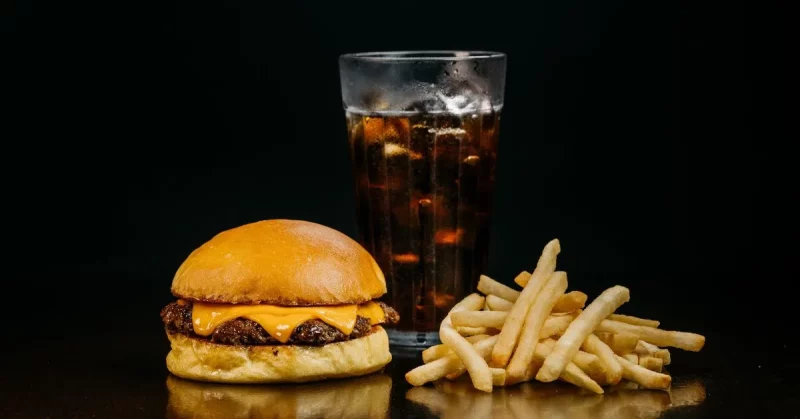
Recovering from a brain injury is a journey that affects both the body and the mind. Along with therapy, rest, and medication, nutrition plays an important role in how well the brain heals. The foods you eat can either support your recovery or make symptoms worse. Certain ingredients may increase inflammation, slow down cognitive function, or interfere with energy levels needed for healing.In this article, we’ll walk through eight foods to avoid after brain injury, why they may be harmful, and what you can eat instead.Why Diet Matters After Brain Injury
The brain requires a steady supply of nutrients to repair itself. Vitamins, minerals, antioxidants, and healthy fats all contribute to healing damaged cells and maintaining energy. On the other hand, processed or nutrient-poor foods can place extra stress on the brain and body. Some foods contribute to inflammation, which is especially harmful after a brain injury since inflammation can worsen swelling and slow recovery. Others can interfere with blood sugar regulation, mood, or sleep, all of which are important for rebuilding strength and mental clarity. Making thoughtful food choices is not about following a strict or complicated diet. Instead, it’s about knowing which foods to limit so that your brain has the best chance to heal.1. Avoid Processed Foods High in Additives After Brain Injury
Why to Avoid After Brain Injury Packaged snacks, frozen dinners, and other heavily processed foods often contain artificial additives, preservatives, and flavor enhancers. These ingredients provide little nutritional value and may trigger inflammation. They’re also high in sodium, which can contribute to high blood pressure. As individuals have a higher risk of developing cardiovascular diseases after TBI, it is important to avoid foods that may also contribute to these complications. Better Options Instead of reaching for boxed or pre-made meals, try simple whole-food choices. Fresh fruits, vegetables, lean proteins, and whole grains offer nutrients without the hidden chemicals. Preparing meals at home, even with basic recipes, helps ensure you know exactly what’s going into your body.2. Avoid Foods High in Added Sugar After Brain Injury
Why to Avoid After Brain Injury Candy, soda, pastries, and other sweets can cause sharp spikes and crashes in blood sugar. For someone recovering from a brain injury, these fluctuations can increase fatigue, worsen mood swings, and interfere with concentration. Research also suggests that high sugar intake contributes to oxidative stress in the brain, making it harder for cells to repair. Better Options Choose naturally sweet foods like fresh berries, bananas, or apples. If you want a sweet treat, consider a small piece of dark chocolate, which contains antioxidants. Pairing fruit with protein or healthy fat (like apple slices with peanut butter) can also keep blood sugar steady.
3. Avoid Fried and Greasy Foods After Brain Injury
Why to Avoid After Brain Injury French fries, fried chicken, and other greasy meals are often loaded with unhealthy trans fats or heavily processed oils. These fats increase inflammation and can impair blood flow to the brain. Regularly consuming fried foods may also lead to sluggishness, anxiety, and/or depression, making it harder to participate in therapy or stay mentally sharp. Better Options Baking, steaming, or air frying are healthier cooking methods. Instead of fried chicken, try baked chicken with herbs. Replace greasy fast food with meals rich in omega-3 fatty acids, like grilled salmon or walnuts, which support brain health.
4. Avoid Refined Carbohydrates After Brain Injury
Why to Avoid After Brain Injury White bread, pasta, and many breakfast cereals are made with refined flour that has been stripped of fiber and nutrients. These foods quickly break down into sugar, leading to the same energy crashes as desserts and candy. For someone with a brain injury, unstable energy can make recovery more difficult. Choose whole-grain versions of bread, pasta, and rice. Quinoa, oats, and brown rice provide longer-lasting fuel for the brain and body. Whole grains also contain B vitamins, which are essential for nerve function and energy production
5. Avoid Excessive Caffeine After Brain Injury
I completely disagree, here's why.
I'm not taking chances and do a 12 cup pot of coffee a day.
How coffee protects against Parkinson’s Aug. 2014
Coffee May Lower Your Risk of Dementia Feb. 2013
Coffee drinkers rejoice! Drinking coffee could lower the risk of Alzheimer’s disease
And this: Coffee's Phenylindanes Fight Alzheimer's Plaque December 2018
New research suggests drinking coffee may reduce the risk of frailty May 2025
I think I'm in this category: I never get
the jitters or flushed skin.
Genetics determine how much coffee you can drink before it goes wrong
I'm doing a 12 cup pot of coffee a day with full fat milk to lessen my chances of dementia and Parkinsons. Tell me EXACTLY how much coffee to drink for that and I'll change. Yep, that is a lot more than the 400mg. suggested limit, I don't care! Preventing dementia and Parkinsons is vastly more important than whatever problems it can cause!
Of course, your fuckingly incompetent? doctor did nothing with this from 2 years ago!
This line is great: The findings indicate that even the Espresso Martini cocktail contains the espresso's beneficial compounds - and can contribute to staving off dementia.
Why to Avoid After Brain Injury A cup of coffee or tea can be fine for many people, but too much may worsen brain injury symptoms. High intake can increase anxiety, disrupt sleep, and lead to headaches. Since rest is essential for healing, poor sleep caused by caffeine can interfere with recovery progress. Stick to moderate amounts of caffeine—usually no more than one cup of coffee per day. Try green tea, which contains less caffeine and has calming antioxidants. Herbal teas such as chamomile or rooibos provide warmth and comfort without overstimulating the nervous system.6. Avoid Alcohol After Brain Injury
For me, social connections are going to prevent dementia and that is lubricated by jazz and trivia at local bars. Also great for balance recovery, being perturbed by other patrons as you make your way to the bathroom.
Why to Avoid After Brain Injury Alcohol directly affects the brain and can slow healing after an injury. It may interfere with medications, worsen balance issues, and impair memory. Even small amounts of alcohol can increase the risk of falls, poor decision-making, and emotional instability during recovery. Better Options Stay hydrated with water, coconut water, or sparkling water flavored with lemon or berries. For social occasions, try mocktails made with fresh fruit, herbs, and soda water. These options provide flavor and enjoyment without the negative impact on your brain.
7. Avoid Foods High in Saturated Fat After Brain Injury
But full fat dairy is good for you; Dairy fat from milk, butter, and cheese could actually PREVENT a heart attack September 2021)
Why to Avoid After Brain Injury Diets heavy in red meat, butter, full-fat dairy, and processed meats like bacon can increase inflammation and raise cholesterol levels. Poor circulation reduces the delivery of oxygen and nutrients the brain needs to recover. Saturated fat has also been linked to reduced memory and cognitive decline when consumed in excess. Better Options Choose lean proteins like chicken, turkey, beans, and lentils. Incorporate healthy fats from sources such as olive oil, avocados, and nuts. These fats provide energy and protect brain cells without contributing to inflammation.
8. Avoid Artificial Sweeteners After Brain Injury
Why to Avoid After Brain Injury Sugar substitutes like aspartame or sucralose are common in diet sodas, sugar-free desserts, and protein bars. Some studies suggest these sweeteners may negatively affect mood, memory, and gut health. For individuals with a brain injury, any added strain on mood or cognition can be unhelpful. Better Options Use natural sweeteners in moderation, such as honey or maple syrup. Stevia is another plant-based option that doesn’t cause large blood sugar spikes. Keep sweetness minimal so your taste buds gradually adjust to less sugary foods overall. Putting It All Together Avoiding these foods doesn’t mean you’ll never enjoy your favorite flavors again. Instead, it’s about finding balance and choosing options that support your brain. For example, swapping fried foods for grilled versions or replacing soda with sparkling water flavored with fruit can make a meaningful difference. Recovery requires energy, focus, and emotional resilience. The right diet helps provide these essentials while reducing setbacks caused by poor nutrition. Think of food as one of the many tools in your recovery toolkit—alongside therapy, rest, and medical care. Practical Tips for Making Dietary Changes Start small: Pick one category, like sugary drinks, and replace them with healthier alternatives. Meal prep: Having pre-chopped vegetables or cooked grains ready makes it easier to choose nutrient-dense meals. Seek support: Family members and caregivers can help by preparing meals or encouraging healthier choices.Listen to your body: Notice how you feel after eating different foods. If certain meals leave you feeling tired or foggy, they may not be serving your recovery. When to Seek Professional Guidance Every brain injury is unique, and so is every recovery journey. A registered dietitian or healthcare provider can help create a plan tailored to your needs. This is especially important if you take medications, since some foods may interact with prescriptions. Don’t be afraid to ask for help in building a recovery-friendly meal plan. The right guidance can remove stress from mealtimes and allow you to focus more fully on your healing journey.Healing after a brain injury is about giving your body and mind the resources they need. Avoiding processed foods, excessive sugar, alcohol, fried meals, and other harmful ingredients helps reduce inflammation and support brain health. By choosing whole foods rich in vitamins, minerals, and healthy fats, you can create a foundation for better energy, clearer thinking, and more effective recovery. Making small, consistent changes adds up over time. Even if progress feels slow, every healthy choice supports your brain’s resilience. With patience and mindful eating, you can nourish your recovery and feel more in control of your journey. Want additional reading? Check out the 10 Best Foods for Brain Injury Recovery (Based on Clinical Evidence)
Flint Rehab is leading the way in neuro-rehabilitation with products that are backed by research and clinically proven to help you recover more effectively from stroke, TBI, and SCI.


No comments:
Post a Comment