Changing stroke rehab and research worldwide now.Time is Brain! trillions and trillions of neurons that DIE each day because there are NO effective hyperacute therapies besides tPA(only 12% effective). I have 523 posts on hyperacute therapy, enough for researchers to spend decades proving them out. These are my personal ideas and blog on stroke rehabilitation and stroke research. Do not attempt any of these without checking with your medical provider. Unless you join me in agitating, when you need these therapies they won't be there.

What this blog is for:

My blog is not to help survivors recover, it is to have the 10 million yearly stroke survivors light fires underneath their doctors, stroke hospitals and stroke researchers to get stroke solved. 100% recovery. The stroke medical world is completely failing at that goal, they don't even have it as a goal. Shortly after getting out of the hospital and getting NO information on the process or protocols of stroke rehabilitation and recovery I started searching on the internet and found that no other survivor received useful information. This is an attempt to cover all stroke rehabilitation information that should be readily available to survivors so they can talk with informed knowledge to their medical staff. It lays out what needs to be done to get stroke survivors closer to 100% recovery. It's quite disgusting that this information is not available from every stroke association and doctors group.

Showing posts with label brain inflammation. Show all posts

Tuesday, February 24, 2026

Low-Power-Activated Afterglow Nanoprobes With Naked-Eye Visibility for High-Contrast Imaging of Brain Inflammation

 You'll need your competent? doctor and hospital to get human testing going so they can objectively identify your brain inflammation and come up with ways to prevent it.

Do you prefer your doctor, hospital and board of director's incompetence NOT KNOWING? OR NOT DOING? Your choice; let them be incompetent or demand action!

Low-Power-Activated Afterglow Nanoprobes With Naked-Eye Visibility for High-Contrast Imaging of Brain Inflammation


ABSTRACT

Afterglow luminescence imaging ingeniously circumvents the need for real-time excitation, thereby substantially eliminating background interference. Nevertheless, its application in brain imaging has been hindered by low afterglow brightness under aqueous conditions. Here, we present naked-eye-visible afterglow nanoprobes excited by low-power light for high-contrast imaging of brain inflammation. By strategically integrating highly efficient donor–acceptor–donor (D–A–D) luminescent molecules into photochemical afterglow systems, we developed a series of ultrabright afterglow materials emitting in the yellow, orange, and red spectral regions. The resulting afterglow nanoparticles remain naked-eye detectable even under ultralow excitation power (0.73 mW cm−2). Their afterglow brightness is over 1300 times higher than that of commonly used afterglow nanoparticles, and they still maintain a 3-fold advantage compared to previously developed blue-emitting nanoparticles based on molecular fusion strategies. Leveraging this exceptional performance, we accomplished real-time naked-eye observation of freely moving mice. Moreover, macrophage-encapsulated nanoparticles enabled blood–brain barrier (BBB) penetration and high-contrast imaging of brain inflammation. This work introduces a new paradigm for constructing high-brightness afterglow materials and opens transformative avenues for real-time visualization of brain disorders.

Graphical Abstract

By integrating D–A–D molecules into photochemical afterglow systems, we developed nanoprobes exhibiting naked-eye-detectable afterglow under low-power excitation (0.73 mW cm−2). Their brightness is 1305 times higher than that of common afterglow nanoparticles such as MEHPPV-NPs, enabling naked-eye tracking of freely moving mice and high-contrast imaging of brain inflammation.


Description unavailable

Conflicts of Interes

The authors declare no conflicts of interest.

Data Availability Statement

The data that support the findings of this study are available from the corresponding author upon reasonable request.

Monday, January 27, 2025

Mapping the brain's self-healing ability after stroke

 Of course, your competent? doctor is already working on myelin repair using the research from these two pieces! That's right; YOU DON'T HAVE A COMPETENT DOCTOR, DO YOU?

 Why does your doctor know less about stroke recovery than I do? And I'm not medically trained. Your doctor should have the ability to contact stroke leadership and get important research done.

Mapping the brain's self-healing ability after stroke

The brain attempts to repair damage following a stroke using its own repair cells, acting like small craftsmen. However, their work is often hindered by inflammation.

This is shown by new research from the University of Southern Denmark (SDU) and the University of Milan. 

The study by researchers at the Department of Molecular Medicine at SDU sheds light on one of the most severe consequences of stroke: damage to the brain's "cables"—the so-called nerve fibers—which leads to permanent impairments. The study, which is based on unique tissue samples from Denmark's Brain Bank located at SDU, may pave the way for new treatments that help the brain repair itself. 

The study is published in the Journal of Pathology.

The differences [in brain healing between women and men] underscore the importance of future treatments being more targeted and taking into account the patient's gender and individual needs

Kate Lykke Lambertsen

A stroke occurs when the blood supply to part of the brain is blocked, leading to brain damage. Following an injury, the brain tries to repair the damaged nerve fibers by re-establishing their insulating layer, called myelin. Unfortunately, the repair process often succeeds only partially, meaning many patients experience lasting damage to their physical and mental functions. According to Professor Kate Lykke Lambertsen, one of the study's lead authors, the brain has the resources to repair itself: "We need to find ways to help the cells complete their work, even under difficult conditions." The researchers have thus focused on how inflammatory conditions hinder the rebuilding. The study has identified a particular type of cell in the brain that plays a key role in this process. These cells work to rebuild myelin, but inflammatory conditions often block their efforts. 

"Using the brain collection, we can precisely map which areas of the brain are most active in the repair process," explains Professor Kate Lykke Lambertsen. This mapping has enabled researchers to analyze tissue samples from Denmark's Brain Bank and gain a deeper understanding of the mechanisms that control the brain's ability to heal itself.

Through advanced staining techniques, known as immunohistochemistry, the researchers have been able to detect specific cells that play a central role in the reconstruction of myelin in the damaged areas of the brain. The samples were analyzed to distinguish between different areas of the brain, including the infarct core (the most damaged area), the peri-infarct area (surrounding tissue where rebuilding is active), and tissue that appears unaffected. The analysis provided insight into where repair cells accumulate and how their activity varies depending on gender and time since the stroke. 

An interesting discovery in the study is that women’s and men’s brains react differently to injuries. "The differences underscore the importance of future treatments being more targeted and taking into account the patient's gender and individual needs," says Kate Lykke Lambertsen. In women, it seems that inflammatory conditions can prevent cells from repairing damage, while men have a slightly better ability to initiate the repair process. This difference may explain why women often experience greater difficulties after a stroke. 

The researchers behind the study emphasize that the discoveries could not have been made without the Danish Brain Bank at SDU. The collection consists of tissue samples from humans, used to understand brain diseases at a detailed level. With access to this resource, researchers can investigate the mechanisms behind diseases like stroke and develop new treatment strategies. 


Source: University of Southern Denmark

Thursday, August 10, 2023

Wheat Gluten Spurs Brain Inflammation

From this post comes the following line:

Brain Change Claims from David Perlmutter M.D. October 2015

BrainChange Claim #3: Gluten and grains can cause Alzheimer’s and other forms of dementia. Eliminate all grains and gluten-containing foods from your diet.
Scientific evidence for this claim: Crickets….aka None

You could check out this book or just ask your doctor about it: 

'Grain brain : the surprising truth about wheat, carbs, and sugar--your brain's silent killers'

The latest here for your doctor to tell you in understandable sentences what it means.


Wheat Gluten Spurs Brain Inflammation

Summary: Researchers found that wheat gluten induces brain inflammation in mice, a finding that could have implications for human health.

The study revealed that when mice consumed gluten, inflammation occurred in the hypothalamic region of the brain, which plays a vital role in regulating metabolism. While past research demonstrated gluten’s effects on weight gain and inflammation in the digestive system, this is the first study highlighting its impact on the brain.

The findings raise questions about potential long-term effects on humans, such as weight gain, blood sugar regulation issues, and impaired memory.

Key Facts:

  1. The research indicated that gluten, when added to the diet of mice, caused inflammation in the hypothalamic region of the brain.
  2. Mice models are deemed valuable for studying human physiology due to similarities in various systems, suggesting potential implications for humans.
  3. While the exact reason for the inflammation is still unknown, one theory suggests that indigestible components of gluten may trigger an immune response similar to that seen in celiac patients.

Source: University of Otago

In what is believed to be a world first discovery, University of Otago researchers have found that wheat gluten causes brain inflammation in mice.

The research, led by Associate Professor Alex Tups, and published in the Journal of Neuroendocrinology, may be of importance for human physiology.

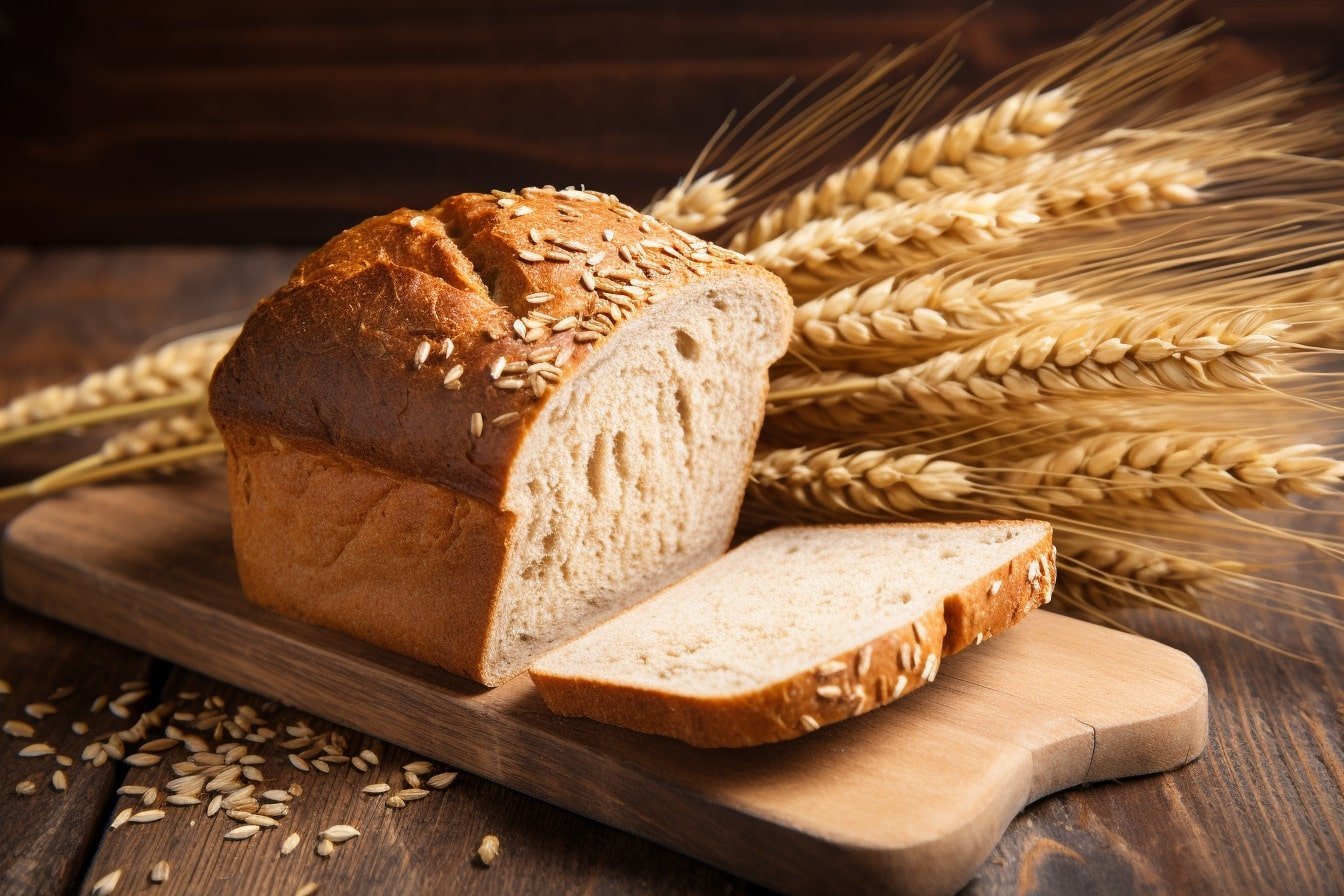
This shows a loaf of bread.
However, Associate Professor Tups says the finding does not mean people should suddenly stop eating gluten. Credit: Neuroscience News

“Mice are an excellent model to study human physiology. They have a very similar circulatory, reproductive, digestive, hormonal and nervous system. “So, it is quite possible that the same inflammation we found in mice could happen in humans.” (No they are not you blithering idiot!

Drugs That Work In Mice Often Fail When Tried In People Sept. 2018

The study investigated whether a standard diet, referred to as low fat diet (LFD), enriched with 4.5% gluten (matching human average daily consumption), or a high fat diet (HFD), enriched with 4.5% gluten, alters body weight, metabolic markers or central inflammation in male mice.

“Gluten, which is found in cereals such as wheat, rye and barley, makes up a major dietary component in most western nations.

“While previous studies have shown gluten promotes body mass gain and inflammation in mice in the enteric nervous system and gastrointestinal tract, we investigated the impact of gluten on the brain.”

While somewhat expectedly, the study confirmed a “moderate obesogenic effect of gluten when fed to mice exposed to a high fat diet, for the first time we can report gluten-induced hypothalamic (brain) inflammation,” Associate Professor Tups says.

“The brain has two types of immune cells similar to macrophages in the blood. These are called astrocytes and microglia. We found that gluten as well as HFD increases the number of those immune cells. The effect of gluten added to normal diet increased the cell number to the same extent as if mice were fed an HFD. When gluten was added to the HFD, the cell number went up even further.”

The hypothalamic region of the brain is vital for coordinating basic metabolic functions like body weight regulation and blood sugar regulation.

“If gluten led to hypothalamic inflammation in humans and therefore brain damage, it can be bad in the long run, such as increase in body weight and impaired blood sugar regulation. If these effects became persistent they might exacerbate the risk of e.g. impaired memory function which is linked to disturbed blood sugar regulation.

Why this is happening is not known, he says.

“This is entirely new and so we don’t know yet why it is the case.

“It could be that digestion resistant components of wheat of gluten can lead to an immune response as seen in celiac patients that then manifests in the brain. These are early days and we need future studies to confirm whether this has implications for celiac or gluten sensitive people.”

However, Associate Professor Tups says the finding does not mean people should suddenly stop eating gluten.

“We are not saying that gluten is bad for everyone. For gluten tolerant people to go entirely gluten free may have health implications that may outweigh potential benefits. Often people don’t consume wholefoods and highly processed gluten free products are often low in fiber and high in sugar.

“We are saying that future studies need to reveal whether our findings in mice are translatable to humans and whether gluten-induced astro- and microgliosis may also develop in gluten sensitive individuals.”

About this neuroscience research news

Author: Alex Tups
Source: University of Otago
Contact: Alex Tups – University of Otago
Image: The image is credited to Neuroscience News

Original Research: Open access.
Dietary wheat gluten induces astro‐ and microgliosis in the hypothalamus of male mice” by Alex Tups et al. Journal of Neuroendocrinology

Friday, November 18, 2022

The Dialogue Between Neuroinflammation and Adult Neurogenesis: Mechanisms Involved and Alterations in Neurological Diseases

What will your doctor get from this to reduce your inflammation post stroke? NOTHING? Then you don't have a functioning stroke doctor or hospital. 

Do you prefer your  doctor and hospital incompetence NOT KNOWING? OR NOT DOING?

The Dialogue Between Neuroinflammation and Adult Neurogenesis: Mechanisms Involved and Alterations in Neurological Diseases

Abstract

Adult neurogenesis occurs mainly in the subgranular zone of the hippocampal dentate gyrus and the subventricular zone of the lateral ventricles. Evidence supports the critical role of adult neurogenesis in various conditions, including cognitive dysfunction, Alzheimer's disease (AD), and Parkinson's disease (PD). Several factors can alter adult neurogenesis, including genetic, epigenetic, age, physical activity, diet, sleep status, sex hormones, and central nervous system (CNS) disorders, exerting either pro-neurogenic or anti-neurogenic effects. Compelling evidence suggests that any insult or injury to the CNS, such as traumatic brain injury (TBI), infectious diseases, or neurodegenerative disorders, can provoke an inflammatory response in the CNS. This inflammation could either promote or inhibit neurogenesis, depending on various factors, such as chronicity and severity of the inflammation and underlying neurological disorders. Notably, neuroinflammation, driven by different immune components such as activated glia, cytokines, chemokines, and reactive oxygen species, can regulate every step of adult neurogenesis, including cell proliferation, differentiation, migration, survival of newborn neurons, maturation, synaptogenesis, and neuritogenesis. Therefore, this review aims to present recent findings regarding the effects of various components of the immune system on adult neurogenesis and to provide a better understanding of the role of neuroinflammation and neurogenesis in the context of neurological disorders, including AD, PD, ischemic stroke (IS), seizure/epilepsy, TBI, sleep deprivation, cognitive impairment, and anxiety- and depressive-like behaviors. For each disorder, some of the most recent therapeutic candidates, such as curcumin, ginseng, astragaloside, boswellic acids, andrographolide, caffeine, royal jelly, estrogen, metformin, and minocycline, have been discussed based on the available preclinical and clinical evidence.

Thursday, October 6, 2022

Identifying how inflammation affects stroke recovery

 Instead of looking for useless biomarkers why not do the research that prevents this inflammation?

Identifying how inflammation affects stroke recovery

A new research grant will enable University of Cincinnati researchers to learn more about how inflammation affects patient recovery after certain kinds of strokes.

Kyle Walsh, MD, is the principal investigator of the CAPSTONE study, and his team received a five-year, $2.5 million grant from the National Institute of Neurological Disorders and Stroke (NINDS).

Research foundation

Kyle Walsh Emergency Medicine in White Coat

Kyle Walsh, MD. Photo/University of Cincinnati.

The name of the study, CAPSTONE, is an acronym for Central And Peripheral STrOke inflammatioN with Exosomes. The research focuses on patient recovery after intracerebral hemorrhage (ICH), a particular type of stroke caused by a blood vessel in the brain rupturing. 

ICH strokes account for about 20% of all strokes, but are often deadly and cause high disability. They also occur in Black and Hispanic populations twice as often and an average of 10 years earlier in life compared to their white counterparts.

Walsh explained that the brain suffers injury from the bleeding itself during an ICH stroke, called the “primary injury,” but following this a number of inflammatory processes occur both inside the brain and in the circulating blood. Previous research has suggested that while some of these inflammatory processes help repair the damage, others are harmful and contribute to a “secondary injury.”

Daniel Woo, MD, co-investigator of the study, said sometimes inflammation can persist and become chronic in the brain long after it has done its job, which is believed to lead to neurodegeneration. Nearly 40% of patients who survive an ICH stroke develop progressive cognitive decline, comparable to dementia, within a few years after the stroke occurred, he said.

Research methodology

In the CAPSTONE study, the research team will analyze different inflammatory biomarkers to see which are associated with positive outcomes and which are tied to poor outcomes in patients. 

“So we’ll be using the blood and plasma samples from those patients to look at a number of different mediators of inflammation,” said Walsh, associate professor in the Department of Emergency Medicine in UC’s College of Medicine and a UC Health attending physician in the Emergency Department, Neurosciences Intensive Care Unit and with the UC Stroke Team

These mediators include three main categories: gene expression (messenger RNA or mRNA), specific types of RNA called microRNA and exosomes, which are essentially small pieces of cells that travel between or “talk” from one cell to another. 

The patient samples will be obtained from Woo’s ROSELAWN grant that is recruiting 500 patient cases of ICH and following 250 patients long term.

I’m hopeful for the future about the potential of having an actual treatment for ICH based on these inflammatory biomarkers.

Kyle Walsh, MD

“Many studies may only follow patients for three months or six months after stroke. ROSELAWN actually follows patients much longer, up to a few years after the ICH, to look for clinical outcomes as well as long-term cognitive decline,” Walsh said. 

Woo noted that in the past, it was difficult to identify exactly what inflammatory processes were occurring inside the brain during stroke recovery, as researchers were limited by only being able to draw blood and see what was going on in the larger bloodstream. 

With new technology, however, testing this same circulating blood provides an opportunity to identify biomarkers from inside the brain. Walsh said this is because exosomes that are released from brain cells into the circulating bloodstream can be tagged and isolated, and the microRNA inside the exosomes can be characterized.

“We can look at the inflammation that’s occurring in a living human just by looking at these exosomes,” said Woo, vice chair of research in UC’s Department of Neurology and a UC Health physician. “This study will do this very fancy exosome testing, looking at the information that occurs not just at baseline, but also to see if it’s persisting years later, and what kind of inflammation that is.”

Potential treatments

Daniel Woo, MD,
Professor,
Vice Chair of Clinical Research,
Neurology and Rehabilitation Medicine, College of Medicine

Daniel Woo, MD. Photo/Andrew Higley/UC Marketing + Brand.

The ultimate goal of the study is to identify which inflammatory biomarkers lead to worse outcomes in the hopes of targeting treatments to improve patient outcomes, including to prevent long-term degeneration in the brain. Some of these biomarkers may already have treatments available that could be tested in patients.

“CAPSTONE is critically important in helping us break down inflammation into very specific parts of which cells are doing it, which actual proteins or what we call cytokines are actually causing it, and it looks very deeply into the molecular mechanisms,” Woo said.

There will likely be multiple biomarkers that are found to cause worse outcomes, so the team will also aim to prioritize treatments for what is found to have the strongest effects. But in the future, there may be the potential to personalize treatments based on which group of biomarkers each patient has.

“I’m very excited to see what markers we’re able to identify on this larger scale,” Walsh said. “I’m hopeful for the future about the potential of having an actual treatment for ICH based on these inflammatory biomarkers.”

Support and mentorship

Walsh said he is grateful for pilot grant funding from UC’s Department of Emergency Medicine, Department of Neurosurgery and the UC Gardner Neuroscience Institute that led first to a larger American Heart Association grant and now to the NINDS funding. He also credited Woo and former UC faculty member Opeolu Adeoye as mentors who have supported him as he advances as a researcher.

“It’s just such a testament to the importance of mentoring and of mentors who are willing to dedicate the time and their expertise and resources. In the case of CAPSTONE, of course the mentoring from Dr. Woo over several years has been invaluable, but it’s also the opportunity to utilize some of the resources from one of his grants,” Walsh said. “I would say it’s really almost impossible to succeed in this type of research without strong mentors, for many different reasons.”

Woo said often young researchers will think that mentors will simply tell them the trick to get funding for their research and progress in their careers, but he encourages his mentees simply to do the best science they can and ask questions about what can do the most good for the most people in the area they are interested in.

“Kyle [Walsh] has been fantastic to work with and an outstanding mentee. He has been great at taking that constant thought — that idea that, ‘I’m not here to get funding, I’m here to do the best science I can and to think about what’s the most good that I can do,’” Woo said. “I want Kyle to become a generational leader teaching others in the emergency department and other areas to have that same philosophy.”

Other co-investigators for the CAPSTONE study include UC’s Scott Langevin, PhD, and Leyla Esfandiari, PhD, and Carl Langefeld, PhD, of Wake Forest University.

Featured photo at top courtesy of Unsplash.

Next Lives Here

The University of Cincinnati is classified as a Research 1 institution by the Carnegie Commission and is ranked in the National Science Foundation's Top-35 public research universities. UC's graduate students and faculty investigate problems and innovate solutions with real-world impact. Next Lives Here.

Tuesday, April 12, 2022

Thinning, Leaky Brain Blood Vessels Seen in COVID-19

 You don't want this or the other findings on brain damage post COVID-19.  So get vaccinated and mask up.

Earlier has these reports:

1. The researchers observed that, in slices of hamster brain, SARS-CoV-2 blocks the functioning of receptors on pericytes, causing capillaries in the tissue to constrict. “It turns out this is a big effect,” says Attwell.

2. Evidence has also accumulated that SARS-CoV-2 can affect the brain by reducing blood flow to it — impairing neurons’ function and ultimately killing them.

3. A new study offers the first clear evidence that, in some people, the coronavirus invades brain cells, hijacking them to make copies of itself. The virus also seems to suck up all of the oxygen nearby, starving neighboring cells to death.

Thinning, Leaky Brain Blood Vessels Seen in COVID-19

High-resolution MRI shows injury and inflammation, but no direct viral attack

Three MRI images showing the brain blood vessels displayed on a computer monitor.

Microvascular brain injury was seen in COVID-19 patients who died, but no evidence of a direct viral attack on the brain was detected, a pathology report showed.

Damage caused by thinning and leaky brain blood vessels consistently appeared on high-resolution MRI, but there were no signs of SARS-CoV-2 infection in tissue samples, reported Avindra Nath, MD, clinical director of the National Institute of Neurological Disorders and Stroke (NINDS), and co-authors in a New England Journal of Medicine letter.

"We found there were many foci of small blood vessel damage from which there was leakage of blood products into the brain tissue," Nath said. "The cause of this was not clear but is most likely due to damage from the immune cells or lymphocytes. We found some lymphocytes attached to the endothelial cells in the blood vessels and in the perivascular regions," he told MedPage Today.

"The inflammatory response is key to the neuropathogenesis of this syndrome, since we were unable to find virus in the brain," Nath added. "The study potentially has important implications for long-term damage to several structures in the brain, particularly the olfactory bulb and the brainstem."

Other researchers have found SARS-CoV-2 RNA and protein in the brain and nasopharynx of patients who died with COVID-19, with highest levels of viral RNA found in the olfactory mucous membrane.

In this study, Nath and colleagues looked at brain tissue samples of COVID-19 patients -- 16 cases from the New York City chief medical examiner's office and three from the University of Iowa in Iowa City -- who died between March and July 2020. Their analysis included 11.7T MRI images of 13 patients at resolutions of 25 μm for the olfactory bulb and 100 μm for the brain, plus conventional histopathological brain exams of 18 patients.

Ages ranged from 5 to 73, with a median of 50. Fourteen patients had chronic illnesses, including diabetes and hypertension, and 11 had been found dead or had died suddenly. Of 16 patients with available medical histories, one had delirium, five had mild respiratory symptoms, four had acute respiratory distress syndrome, two had pulmonary embolism, and symptoms were unknown in three.

Magnetic resonance microscopy showed punctate hyperintensities representing areas of microvascular injury and fibrinogen leakage in nine patients that correlated with histopathological exam, which showed thinning of the basal lamina of endothelial cells.

In contrast, punctate hypointensities in 10 patients corresponded to congested blood vessels with areas of fibrinogen leakage and "relatively intact vasculature," the researchers said. They also observed minimal perivascular inflammation but no vascular occlusion, consistent with other studies.

Perivascular-activated microglia, macrophage infiltrates, and hypertrophic astrocytes were seen in 13 patients. In eight patients, T cells were observed in perivascular spaces and in lumens adjacent to endothelial cells.

"We were completely surprised," Nath said. "Originally, we expected to see damage that is caused by a lack of oxygen. Instead, we saw multifocal areas of damage that is usually associated with stroke and neuroinflammatory disease."

SARS-CoV-2 was not detected in brain tissue, but it's possible the virus was cleared by the time of death or viral copy numbers were below levels of detection by the assays used, the researchers noted.

So far, the findings suggest the damage was not caused by direct brain infection, Nath observed. With limited clinical information available in this study, no conclusions can be drawn about how these findings relate to neurologic features of COVID-19.

But studies are underway to "further characterize the inflammatory infiltrates and the pattern of neuronal injury in the autopsy material," Nath said. In addition, NINDS researchers are studying a cohort of COVID-19 patients with neurologic sequelae to determine whether they also have microvascular injury and whether inflammatory infiltrates are linked to persistent neurologic symptoms.

  • Judy George covers neurology and neuroscience news for MedPage Today, writing about brain aging, Alzheimer’s, dementia, MS, rare diseases, epilepsy, autism, headache, stroke, Parkinson’s, ALS, concussion, CTE, sleep, pain, and more. Follow

Disclosures

This study was supported by the NIH Intramural Research Program at NINDS.

The researchers had no disclosures.


Thursday, April 9, 2020

First in-human study of drug targeting brain inflammation supports further development

If we had ANY STROKE LEADERSHIP AT ALL, we could get research done much faster than 8 years.  

New drug could treat Alzheimer's, multiple sclerosis and brain injury

July 2012

The latest here:

First in-human study of drug targeting brain inflammation supports further development

Wrong, first study was way back in 2012.

University of Kentucky


IMAGE
IMAGE: SBCoA director Linda J. Van Eldik, Ph.D. Mark Cornelison | UKphoto view more 
Credit: Mark Cornelison | UKphoto
LEXINGTON, Ky. (April 9, 2020) -- Linda J. Van Eldik, director of the Sanders-Brown Center on Aging at the University of Kentucky, co-authored a paper reporting the first human clinical study of a drug candidate that suppresses injury and disease-induced inflammation of the brain.
The paper was accepted in February by Clinical Pharmacology in Drug Development and the article published online this week. Clinical Pharmacology in Drug Development is an international, peer-reviewed, online publication focused on publishing high-quality clinical studies, especially those presenting first-time in-human study results.
The article explains how acute brain injuries resulting from trauma or cerebrovascular injury, such as traumatic brain injury (TBI) and intracerebral hemorrhage (ICH), are major medical problems that cause substantial mortality and neurologic damage. The authors state in the article, "Although there have been significant advances in the medical management of patients with acute brain injuries, there is a clear and urgent need for interventions that improve neurologic recovery and outcomes."
To address that need, a small-molecule drug candidate now known as MW189 was developed. MW189 blocks abnormal inflammation in the brain that is known to contribute to injury- and disease-induced neurologic impairments in a number of acute and chronic brain disorders. This study examining MW189 in healthy adult volunteers was performed by a collaborative team from UK, Duke University, and Northwestern University. The work by Van Eldik and the rest of the team is substantial as it is the first time MW189 had been tested in humans. The study was open to healthy men and women between the ages of 18 and 50 years.
The article reports that MW189 was safe and well-tolerated by volunteers, with no clinically significant concerns after either a single dose or multiple administrations of MW189. "This is an important result," said Van Eldik, "because in order to get future FDA approval of any drug for patients, the drug candidate first has to be tested and shown to be safe in healthy volunteers." Van Eldik goes on to say "overall, these studies support further development of MW189 for treatment of patients with acute brain injuries such as TBI or hemorrhagic stroke."
###
The study was supported in part by an Alzheimer's Association Part the Cloud grant.

Wednesday, December 7, 2016

Blood-Brain Barrier on a Chip Sheds New Light on 'Silent Killer'

For when we actually need to get drugs thru the blood brain barrier that can help improve neuroplasticity and neurogenesis.  I wonder what researcher is working on kickstarting neuroplasticity and neurogenesis?
http://www.rdmag.com/news/2016/12/blood-brain-barrier-chip-sheds-new-light-silent-killer?et_cid=5717649&
The blood-brain barrier is a network of specialized cells that surrounds the arteries and veins within the brain. It forms a unique gateway that both provides brain cells with the nutrients they require and protects them from potentially harmful compounds.
An interdisciplinary team of researchers from the Vanderbilt Institute for Integrative Biosystems Research and Education (VIIBRE) headed by Gordon A. Cain University Professor John Wikswo report that they have developed a microfluidic device that overcomes the limitations of previous models of this key system and have used it to study brain inflammation, dubbed the "silent killer" because it doesn't cause pain but contributes to neurodegenerative conditions such as Alzheimer's and Parkinson's diseases. Recent research also suggests that it may underlie a wider range of problems from impaired cognition to depression and even schizophrenia.
The project is part of a $70 million "Tissue Chip for Drug Testing Program" funded by the National Institutes of Health's National Center for Advancing Translational Sciences. Its purpose is to develop human organ-on-a-chip technology in order to assess the safety and efficacy of new drugs in a faster, cheaper, more effective and more reliable fashion.
The importance of understanding how the blood-brain barrier works has increased in recent years as medical researchers have found that this critical structure is implicated in a widening range of brain disorders, extending from stroke to Alzheimer's and Parkinson's disease to blunt force trauma and brain inflammation.
Despite its importance, scientists have had considerable difficulty creating faithful laboratory models of the complex biological system that protects the brain. Previous models have either been static and so have not reproduced critical blood flow effects or they have not supported all the cell types found in human blood-brain barriers.
Creating a blood-brain barrier on a chip
The new device, which the researchers call a NeuroVascular Unit (NVU) on a chip, overcomes these problems. It consists of a small cavity that is one-fifth of an inch long, one-tenth of an inch wide and three-hundredths of an inch thick - giving it a total volume of about one-millionth of a human brain. The cavity is divided by a thin, porous membrane into an upper chamber that acts as the brain side of the barrier and a lower chamber that acts as the blood or vascular side. Both chambers are connected to separate microchannels hooked to micropumps that allow them to be independently perfused and sampled.
To create an artificial blood-brain barrier, the researchers first flip the device over so the vascular chamber is on top and inject specialized human endothelial cells. They found that if they maintain a steady fluid flow through the chamber during this period, the endothelial cells, which left to themselves form shapeless blobs, consistently orient themselves parallel to the direction of flow. This orientation, which is a characteristic of the endothelial cells in human blood-brain barrier, has been lacking in many previous models.
After a day or two, when the endothelial cells have attached themselves to the membrane, the researchers flip the device and inject the two other human cell types that form the barrier -- star-shaped astrocytes and pericytes that wrap around endothelial cells -- as well as excitatory neurons that may regulate the barrier. These all go into the brain chamber that is now on top. The porous membrane allows the new cells to make physical and chemical contact with the endothelial cells just as they do in the brain.
The researchers were able to purchase the human endothelial cells, astrocytes and pericytes that they need from commercial sources. For the excitatory neurons required, they turned to Vanderbilt University Medical Center collaborators M. Diana Neely, research associate professor of pediatrics, and Aaron Bowman, associate professor of pediatrics, neurology and biochemistry. Starting with human induced pluripotent stem cells that are generated directly from adult cells they were able to produce the specialized neurons that the project needed.
"This is one of the most exciting projects I'm involved with," said Neely. "Although it's still in its infancy, it has tremendous potential."
According to Bowman, one potential application is to develop tissue chips that contain cells from individual patients, making it possible to predict their personal reactions to different drugs.
Device passes tests with flying colors
"Once we had successfully created the artificial barrier, we subjected it to a series of basic tests and it passed them all with flying colors. This gives us the confidence to state that we have developed a fully functional model of the human blood-brain barrier," said VIIBRE staff scientist Jacquelyn Brown, who is first author of the paper "Recreating blood-brain barrier physiology and structure on chip: A novel neurovascular microfluidic bioreactor" that described this achievement in the journal Biomicrofluidics.
"The NVU has reached the point where we can begin using it to test different drugs and compounds," observed team member Donna Webb, associate professor of biological sciences who is interested in studying how different substances affect synapses -- the junctions between neurons. "There is an urgent need for us to understand how various substances affect cognitive processes. When we do, we will be in for a number of surprises!
Providing the first continuous picture of inflammation response
Already, the VIBRE team has used the NVU to overcome a basic limitation of existing studies of brain inflammation, which have only produced snapshots of the process at various stages. Because the NVU can be continuously monitored, it has provided the first dynamic view of how the brain and blood-brain barrier respond to systemic inflammation.
These results are summarized in a paper titled "Metabolic consequences of inflammatory disruption of the blood-brain barrier in an organ-on-chip model of the human neurovascular unit" accepted for publication in the Journal of Neuroinflammation.
The scientists exposed the NVU to two different compounds known to induce brain inflammation: a large molecule found on the surface of certain bacteria called lipopolysaccharide and a "cocktail" of small proteins called cytokines that play an important role in immune response to inflammation.
"One of our biggest surprises was the discovery that a critical component in the blood-brain barrier's response to these compounds was to begin increasing protein synthesis," said Brown. "Next will be to find out which proteins it is making and what they do."
The researchers also found that the blood vessels in the barrier respond to inflammation by pumping up their metabolic rate while the metabolism of the brain cells slows down. According to Brown, "It might be that the vasculature is trying to respond while the brain is trying to protect itself."

Tuesday, March 8, 2016

Chronic Stress Causes Brain Inflammation, Memory Loss

What is your doctors answer to brain inflammation?
Tumeric? How much? Which derivative?
Nanoparticles? How much? Where delivered?
tristetraprolin? How much?
Natural killer (NK) cells? How much? How delivered?
Gout drug - colchicine? How much? How delivered?
CSF1R protein? How much? How delivered?
Puerarin? How much? How delivered?
Resveratrol from red wine? How much? How delivered?
How is your doctor handling your stress from not getting any stroke protocols to get you to 100% recovery?

http://www.biosciencetechnology.com/news/2016/03/chronic-stress-causes-brain-inflammation-memory-loss?
A new study suggests that long-term stress can hurt short-term memory, in part due to inflammation brought on by an immune response.
Researchers from Ohio State University performed experiments where mice were exposed to repeated social defeat by exposure to an aggressive, larger, alpha mouse.  The mice that were under chronic stress, had difficulty remembering where the escape hole was in a maze they had previously mastered before the stressful period.
The findings were published in The Journal of Neuroscience.
“The stressed mice didn’t recall it. The mice that weren’t stressed really remembered it,” lead researcher Johnathan Godbout, associate professor of neuroscience at Ohio State, said in statement.
The researchers noted that this kind of stress isn’t the once-in-a-while, acute stress someone might feel before a big meeting or presentation, but prolonged, continued stress.
The mice also displayed depressive-like behavior through social avoidance that continued after four weeks of observation.
Brain changes were also observed in the stressed mice, including inflammation associated with the presence of immune cells, known as macrophages, in the brain.  The researchers also recorded shortfalls in the development of new neurons at 10 days and 28 days after the chronic stress ended.
John Sheridan, associate director of Ohio State’s Institute for Behavioral Medicine said in a statement that there might be ways to interrupt the inflammation that occurs in the brain.
When the mice were given a chemical that inhibited inflammation, both memory loss and the inflammatory macrophages disappeared, leading researchers to conclude that post-stress memory deficits is directly tied to inflammation and the immune system. The depressive symptoms and the brain-cell problem did not go away.
“Stress releases immune cells from the bone marrow and those cells can traffic to brain areas associated with neuronal activation in response to stress,” Sheridan said. “They’re being called to the brain, to the center of memory.”
The team aims to understand the underpinnings of stress and responses that could one day lead to treatments for people that suffer from anxiety, depression, or post-traumatic stress disorder.
New information from this study could lead to immune-based treatments, Godbout said.