Changing stroke rehab and research worldwide now.Time is Brain! trillions and trillions of neurons that DIE each day because there are NO effective hyperacute therapies besides tPA(only 12% effective). I have 523 posts on hyperacute therapy, enough for researchers to spend decades proving them out. These are my personal ideas and blog on stroke rehabilitation and stroke research. Do not attempt any of these without checking with your medical provider. Unless you join me in agitating, when you need these therapies they won't be there. Did your doctor somehow miss the recovery protocol that Pedro Bach-y-Rita used to recover fully back in 1958 with only a partial brain?

What this blog is for:

My blog is not to help survivors recover, it is to have the 10 million yearly stroke survivors light fires underneath their doctors, stroke hospitals and stroke researchers to get stroke solved. 100% recovery. The stroke medical world is completely failing at that goal, they don't even have it as a goal. Shortly after getting out of the hospital and getting NO information on the process or protocols of stroke rehabilitation and recovery I started searching on the internet and found that no other survivor received useful information. This is an attempt to cover all stroke rehabilitation information that should be readily available to survivors so they can talk with informed knowledge to their medical staff. It lays out what needs to be done to get stroke survivors closer to 100% recovery. It's quite disgusting that this information is not available from every stroke association and doctors group.

Showing posts with label International Stroke Conference. Show all posts

Thursday, March 12, 2026

Optimism reduces stroke severity, inflammation


The only way to have optimism post stroke is for your competent? doctor to have EXACT 100% RECOVERY PROTOCOLS! Doesn't have them, your doctor, hospital and board of directors ARE COMPLETELY FUCKING INCOMPETENT! They have all known since medical school that stroke recovery is a complete shitshow and HAVE DONE NOTHING! In my opinion, that doing nothing to get to 100% recovery is the biggest fucking failure out there!

Optimism reduces stroke severity, inflammation

American Stroke Association International Stroke Conference – Poster Presentation WP466
Print

Research Highlights:

  • Optimistic stroke survivors had lower inflammation levels, reduced stroke severity and less initial physical disability after three months compared to less optimistic survivors, according to the findings of a small study.  
  • Previous studies have associated optimism with improved health outcomes for other medical conditions, however, no studies previously assessed if this association exists among stroke patient.

Embargoed until 4 a.m. CT/5 a.m. ET Wednesday, Feb. 12, 2020  

DALLAS, Feb. 12, 2020 — Stroke survivors with high levels of optimism had lower inflammation levels, reduced stroke severity and less physical disability after three months, compared to those who are less optimistic, according to preliminary research presented at the Nursing Symposium of the American Stroke Association’s International Stroke Conference 2020 – Feb. 18-21 in Los Angeles. The conference is a world premier meeting for researchers and clinicians dedicated to the science of stroke and brain health.

In a small study of 49 stroke survivors, researchers examined the relationship among optimism, inflammation, stroke severity and physical disability for three months after a stroke. Researchers said that understanding how these elements relate to or impact one another may provide a scientific framework to develop new strategies for stroke recovery.

“Our results suggest that optimistic people have a better disease outcome, thus boosting morale may be an ideal way to improve mental health and recovery after a stroke,” said Yun-Ju Lai,  Ph.D., M.S., R.N., the study’s first author and a postdoctoral fellow in the neurology department at The University of Texas Health Science Center at Houston.

Post-stroke inflammation is detrimental to the brain and impairs recovery. Optimism has been associated with lower inflammation levels and improved health outcomes among people with medical conditions, however, no prior studies assessed if this association exists among stroke patients.

This pilot study is a secondary analysis of data collected from a repository of neurological diseases. Outcomes included optimism levels from the revised Life Orientation Test, a standard psychological tool for measuring optimism; stroke severity evaluation through the National Institutes of Health Stroke Scale, and levels of inflammatory markers—interleukin-6 (IL-6), tumor necrosis factor alpha (TNFα) and C-reactive protein (CRP).

As optimism levels increased, stroke severity and the inflammatory markers IL-6 and CRP decreased even after considering other possible variables. However, this was not true of TNFα.

“Patients and their families should know the importance of a positive environment that could benefit the patient,” Lai said. “Mental health does affect recovery after a stroke.”

The list of study authors and disclosures are available in the abstract. The study was funded by NIH/NINDS and the American Heart Association.

Additional Resources:

Statements and conclusions of study authors that are presented at American Stroke Association scientific meetings are solely those of the study authors and do not necessarily reflect Association policy or position. The Association makes no representation or warranty as to their accuracy or reliability. The Association receives funding primarily from individuals; foundations and corporations (including pharmaceutical, device manufacturers and other companies) also make donations and fund specific Association programs and events. The Association has strict policies to prevent these relationships from influencing the science content. Revenues from pharmaceutical and device corporations are available at https://www.heart.org/en/about-us/aha-financial-information.

The American Stroke Association’s International Stroke Conference (ISC) is the world’s premier meeting dedicated to the science of stroke and brain health. ISC 2020 will be held February 19-21 at the Los Angeles Convention Center in California. The 2 ½-day conference features more than 1,600 compelling scientific presentations in 21 categories that emphasize basic, clinical and translational science for health care professionals and researchers. These science and other clinical presentations will provide attendees with a better understanding of stroke and brain health to help improve prevention, treatment and outcomes for the more than 800,000 Americans who have a stroke each year. Stroke is the fifth leading cause of death and a leading cause of serious, long-term disability in the U.S. Worldwide, cerebrovascular accidents (stroke) are the second leading cause of death and the third leading cause of disability, according to the World Health Organization. Engage in the International Stroke Conference on social media via #ISC20.

Sunday, March 8, 2026

Conference MDAngle: ISC 2026 Post-Stroke Care

 Look how fucking useless the International Stroke conference is! 'Care' NOT RECOVERY! All because they never listen or talk to stroke survivors. Staying in your own insular bubble isn't going to help you recover when you are the 1 in 4 per WHO that has a stroke? Then you just might want 100% recovery.

Conference MDAngle: ISC 2026 Post-Stroke Care

Conference MDAngle offers personal perspectives from conference attendees, showcasing their anticipation, quick takeaways, and insights into how the presented research will affect their patients.

The International Stroke Conference (ISC) was held February 4-6, 2026, in New Orleans, where leading experts presented late‑breaking research and practice‑changing innovations across stroke science, including sessions focused on post‑stroke care(NOT RECOVERY!). Featured topics included spasticity management in post‑stroke recovery; comprehensive post‑stroke care(NOT RECOVERY!), including stroke‑unit best practices, secondary prevention, and long‑term management; rehabilitation and recovery with an emphasis on innovative methods and sustained support; and the psychosocial and behavioral aspects of stroke, including mental health and social‑support systems essential for recovery. Results were presented from a randomized controlled trial looking at transcutaneous electrical nerve stimulation, including transcutaneous vagus nerve stimulation and transcutaneous spinal cord stimulation, to improve cognitive and upper limb motor function after stroke. Presentations were given on the ANIMATOR trial, looking at brain-computer interface technology interfacing with virtual reality therapy in post-stroke recovery, and on contralaterally controlled functional electrical stimulation for subacute stroke rehabilitation. Results were also presented from a trial of the IpsiHand system, an at-home brain-computer interface therapy for patients with chronic upper extremity motor deficit after stroke.

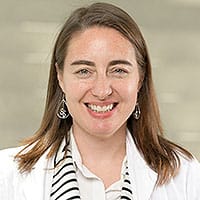
photo of Annie Ferris

Annie J. Ferris, MD

Assistant Professor, Department of Neurology, Stroke Division, UMass Memorial Health, Worcester, Massachusetts

"We heard an amazing amount of data, trials, devices, innovations, research, and publications on all the things that doctors, nurses, and therapists are doing in this field. But what it all comes down to is the human experience of stroke.”

Preconference Considerations

ISC 2026: Previewing Advances in Post-Stroke Care

Heading to the International Stroke Conference, Dr Ferris suggests that post-stroke care(NOT RECOVERY!) is neglected compared with acute treatment. She highlights promising technologies such as vagus nerve stimulation and transcranial stimulation for motor recovery, aphasia, mood, and vision, and anticipates updates on their broader uses. Dr Ferris calls for standardized, reliable systems to connect patients to recovery therapies earlier to improve outcomes while the neuroplasticity window is open.

Quick Clinical Takeaways

ISC 2026: Innovations in Post-Stroke Care 

At ISC 2026, Dr Ferris reports on exciting advances in stroke rehabilitation, including brain-computer interface technology, functional electrical stimulation, and devices such as the IpsiHand, which have demonstrated significant improvements even for chronic stroke survivors. Additional therapies such as vagal nerve stimulation, virtual reality, and emerging stem cell treatments are expanding options for recovery across all phases of stroke. These developments, alongside innovative assessment methods like hand grip strength, signal a new era of hope and possibility for stroke recovery.

How Will My Patients Benefit?

ISC 2026: The Power of Creativity in Post-Stroke Care 

Dr Ferris reflects on the human aspect of post-stroke recovery, which is often overshadowed by clinical data and research, and was particularly moved by stories of survivors of stroke who used artistic expression to process their experiences and rebuild their identities. Dr Ferris emphasizes that creativity can play a vital role in helping patients regain dignity and self-worth after a stroke, which healthcare providers should always keep in mind.


Thursday, February 5, 2026

ISC26 Draws More Than 5,000 Global Stroke Experts

And NONE OF THESE 'EXPERTS' are working on 100% recovery! Totally ignoring what survivors want! Hope they all get their comeuppance when they are the 1 in 4 per WHO that has a stroke? Then you just might want 100% recovery. Scream at these blithering idiots for putting any limit on your recovery.  

Let's see how long this conference has been TOTALLY FUCKING INCOMPETENT!

  • International Stroke Conference (30 posts to February 2014) And I'm sure much much earlier than that!
  •  ISC26 Draws More Than 5,000 Global Stroke Experts

    NEW ORLEANS – More than 5,000 medical professionals are in New Orleans for the American Stroke Association International Stroke Conference 2026 (ISC26) which started on Feb. 4 and runs for three days. Taking place at the New Orleans Ernest N. Morial Convention Center, ISC26 is the world’s premier scientific meeting focused exclusively on stroke

    Friday, January 9, 2026

    International Stroke Conference February 4–6, 2026 Ernest N. Morial Convention Center | New Orleans, Louisiana

     Absolutely nothing on getting to 100% recovery! It's as if survivor needs mean nothing! 

    I'd fire everyone presenting here for incompetence since they don't know what survivors want! Been doing the same useless crapola for years and never learn anything since there are NO survivor presentations. I'd have a barnburner, offending everyone there that needed to be offended!

    International Stroke Conference February 4–6, 2026
    Ernest N. Morial Convention Center | New Orleans, Louisiana       


    Wednesday, February 19, 2025

    Lessons Learned From the 2025 International Stroke Conference: Keith Churchwell, MD, FAHA, FACC, FACP

     The lesson I  learned is that stroke medical 'professionals' still don't listen to survivors! 'Care' is NOT THE GOAL; RECOVERY IS! GET THERE!

    Lessons Learned From the 2025 International Stroke Conference: Keith Churchwell, MD, FAHA, FACC, FACP

    The president of the American Heart Association provided post-conference commentary on the advances shaping stroke care(NOT RECOVERY!) and excitement behind this year’s International Stroke Conference. [WATCH TIME: 3 minutes]

    "Fast forward to 2025, and what was once science fiction in stroke care(NOT RECOVERY!) is now reality—it’s truly remarkable."

    This year’s International Stroke Conference (ISC), held from February 5-7 at the Los Angeles Convention Center in California, marked a significant event in the field of cerebrovascular research and treatment. Overall, the conference attracted over 4500 attendees from more than 60 countries, including stroke neurologists, interventional radiologists, emergency medicine physicians, neurosurgeons, and researchers. Throughout the meeting, participants engaged with more than 1400 submitted abstracts covering a wide array of topics such as acute stroke management, prevention strategies, health systems improvement, and advancements in neuroimaging techniques.

    ISC 2025 also featured over 10 late-breaking trials, focusing on areas like expanded time windows for thrombolysis, novel adjunctive therapies for thrombectomy, and enhanced post-stroke recovery protocols. While some of these trials were considered “negative” for their results, they will be critical in shaping the future of stroke care(NOT RECOVERY!) and research, Keith Churchwell, MD, FAHA, FACC, FACP, told NeurologyLive®.

    Churchwell, president of the American Heart Association (AHA), sat down to discuss some of the main takeaways from the meeting, highlighting the exciting research and innovative ideas being brought to the table. In the discussion, he spoke on the progress made over the decades, emphasizing the contrast between the limited stroke treatments available earlier in his career and the remarkable innovations of today. Churchwell, who most recently served as president of Yale New Haven Hospital and associate clinical professor of medicine at Yale School of Medicine, provided comment on the global collaboration observed at the meeting, the buzz surrounding advances in acute stroke intervention, and the willingness of researchers to embrace negative study findings as essential stepping stones in stroke care(NOT RECOVERY!).

    Click here for more ISC 2025 coverage.

    Wednesday, February 7, 2024

    Honoring Scientific Excellence: Insights from the American Stroke Association’s International Stroke Conference 2024

    I doubt there will be any stroke scientific excellence here; there was never any in years past! There has never been ANY ATTEMPT TO GET TO 100% RECOVERY! That would be excellence; until then I would fire everyone involved in this for pure incompetence! The only goal in stroke is 100% recovery and no one here is doing a damn thing towards that!

    Honoring Scientific Excellence: Insights from the American Stroke Association’s International Stroke Conference 2024

    A Celebration of Stroke Research and Brain Health

    The American Stroke Association’s International Stroke Conference (ISC) 2024 is set to recognize and celebrate the exceptional professional achievements of eleven leading stroke scientists. Scheduled to be held in Phoenix from February 7-9, this high-profile event is the world’s premier meeting dedicated to the science and treatment of cerebrovascular disease and brain health.

    A Platform for Groundbreaking Scientists

    The awardees include groundbreaking scientists who have dedicated their careers to stroke research and those recognized for their notable new research. The awards cover a wide range of categories such as mentoring, clinical excellence, basic science, new investigator, and emergency care. Each honoree will present a lecture or winning presentation at the conference, providing valuable insights into their respective fields.

    Exclusive Access to Conference Details

    For those interested in the conference, you can find more information, including abstracts, journal and editor sessions, networking events, and featured publications on the American Stroke Association’s International Stroke Conference 2024 webpage. The website also provides detailed information about specific sessions and topics to be discussed during the conference. Additionally, embargoed newsroom content with specific details on navigating the site and accessing meeting materials is available here.

    Recognizing Lifetime Contributions

    Among the awards, special recognition will be given for outstanding stroke research mentorship, lifetime contributions to investigation, management, mentorship, and community service in the field of racial and ethnic stroke disparities, and excellence in clinical stroke. These awards highlight the importance of mentorship and community service in the scientific community, alongside groundbreaking research and clinical excellence.

    The Link Between Stroke and Dementia

    Stroke research is critical, given the significant impact strokes have on public health. A stroke may substantially increase the risk of developing dementia, with the risk being highest in the first year after a stroke and remaining elevated over a period of twenty years. According to a study, the rate of post-stroke dementia was higher than the rate of recurrent stroke over the same time period. This research underscores the importance of stroke prevention and post-stroke care in mitigating the risk of dementia.

    Looking Forward

    I look forward to firing all of you and putting survivors in charge of solving stroke. You have completely failed at your only job! Solving stroke!

    As the second leading cause of death worldwide and a significant contributor to disability, stroke remains a critical area of focus. The American Stroke Association, through events like the International Stroke Conference, continues to honor and encourage the tireless efforts of scientists in advancing the science of stroke and brain health. Let us all look forward to the invaluable insights and breakthroughs that the ISC 2024 will undoubtedly bring.

    Tuesday, February 6, 2024

    American Stroke Association Honors 11 Top Stroke Scientists

    REALLY? None of these seem to be measuring human stroke recovery! This is a total farce for stroke survivors! 

    Where are the statistics for 100% recovery? No measurement, you'll never get there.

    “What's measured, improves.” So said management legend and author Peter F. Drucker 

    The latest crapola here:

    American Stroke Association Honors 11 Top Stroke Scientists

    PHOENIX, Feb. 6, 2024 – Eleven scientists leading the way in stroke research will be recognized during the American Stroke Association's International Stroke Conference 2024 for their exceptional professional achievements. The meeting will be held in Phoenix, Feb. 7-9, and is a world premier meeting for researchers and clinicians dedicated to the science of stroke and brain health.

    The illustrious group of awardees includes four groundbreaking scientists who have devoted their careers to stroke research and six scientists will be recognized for their notable new research. The awards include the Ralph L. Sacco Outstanding Stroke Research Mentor Award, which honors Ralph L. Sacco, M.D., M.S., FAHA, a past president of the American Heart Association and American Stroke Association, who passed away in January 2023.

    The 2024 honorees are:

    • Bernadette Boden-Albala, M.P.H., Dr.P.H., University of California, Irvine, who will receive the Edgar J. Kenton III Lecture Award.
    • The first two pages of searching bernadette boden albala stroke in Google Scholar brought up NOTHING  on getting human stroke survivors recovered.
    • Steven Warach, M.D., Ph.D., Dell Medical School at The University of Texas at Austin, who will receive the David G. Sherman Lecture Award.
    • The first two pages of searching Steven Warach stroke in Google Scholar brought up NOTHING  on measuring human stroke survivors recovery.
    • James F. Meschia, M.D., FAHA, Mayo Clinic in Jacksonville, Florida, who will be honored with the William M. Feinberg Award for Excellence in Clinical Stroke.
    • The first two pages of searching James F. Meschia stroke in Google Scholar brought up NOTHING  on measuring human stroke survivors recovery. 
    • Marc I. Chimowitz, M.B., Ch.B., Medical University of South Carolina, who will receive the Ralph L. Sacco Outstanding Stroke Research Mentor Award.
    • The first two pages of searching Marc I. Chimowitz stroke in Google Scholar brought up NOTHING  on measuring human stroke survivors recovery. 
    • Louise D. McCullough, M.D., P.H.D., McGovern Medical School at UTHealth Houston, who will be awarded the Thomas Willis Lecture Award.
    • The first two pages of searching Louise D. McCullough stroke in Google Scholar brought up NOTHING  on measuring human stroke survivors recovery.
    • ·Takuma Maeda, M.D., Ph.D., Barrow Neurological Institute in Phoenix, who will receive the Mordecai Y.T. Globus New Investigator Award, for a research abstract.
    • The first two pages of searching Takuma Maeda stroke in Google Scholar brought up NOTHING  on measuring human stroke survivors recovery.
    • Raed Joundi, M.D., D.Phil., McMaster University in Hamilton, Ontario, Canada, who will receive the Vascular Cognitive Impairment Award for research being presented at the meeting.
    • The first two pages of searching Raed Joundi stroke in Google Scholar brought up NOTHING  on measuring human stroke survivors recovery.
    • Oriana Sanchez, M.D., University of Texas, Houston, who will receive this year's Robert G. Siekert New Investigator Award in Stroke for a research abstract.
    • The first two pages of searching Oriana Sanchez stroke in Google Scholar brought up NOTHING  on measuring human stroke survivors recovery.
    • ·Mohammed Abdelsaid, R.P.H., Ph.D., Mercer University School of Medicine, Savannah, Georgia, who will receive the Stroke Basic Science Award for a research abstract.
    • The first two pages of searching Mohammed Abdelsaid stroke in Google Scholar brought up NOTHING  on measuring human stroke survivors recovery.
    • Shumei Man, M.D., Ph.D., FAHA, Cleveland Clinic in Ohio, who will receive the Stroke Care in Emergency Medicine Award for research being presented at the meeting.
    • The first two pages of searching Shumei Man stroke in Google Scholar brought up NOTHING  on measuring human stroke survivors recovery.
    • Susan Linder, P.T., D.P.T., Ph.D., Cleveland Clinic in Ohio, who will be awarded the Stroke Rehabilitation Award for a research abstract.
    • The first two pages of searching Susan Linder stroke in Google Scholar brought up NOTHING  on measuring human stroke survivors recovery.

    Bernadette Boden-Albala, M.P.H., Dr.P.H., the winner of the Edgar J. Kenton III Lecture Award, is the director and founding dean of the University of California, Irvine's Program in Public Health and future School of Population and Public Health. With more than two decades of research experience, Boden-Albala is an internationally recognized expert in the social epidemiology of chronic disease whose research has focused on eliminating health disparities through defining and intervening on social support, structural and institutional barriers to optimal health. Her areas of expertise include community-based participatory research, health equity, stroke and cardiometabolic health disparities. She has led numerous large, multi-site studies utilizing community-based participatory research methods in urban and rural communities across the United States and globally, as well as large community health assessment, evaluation, capacity building and workforce training projects. The Edgar J. Kenton III Lecture Award recognizes lifetime contributions to the investigation, management, mentorship and community service in the field of racial and ethnic stroke disparities or related disciplines. Boden-Abala will present her Edgar J. Kenton III lecture, "A Roadmap for Health Equity: Understanding the Importance of Community-Engaged Research," at 10:18 a.m. MT, Tuesday, Feb. 6.

    Steven Warach, M.D., Ph.D., the recipient of the David G. Sherman Lecture Award, is a professor of neurology at Dell Medical School at The University of Texas at Austin, where he is executive director of the Seton Dell Medical School Stroke Institute and also serves as the regional stroke director for Ascension Texas. Warach is known for his seminal contributions in magnetic resonance imaging of stroke. He earned his Ph.D. in psychology-neuroscience from Michigan State University and M.D. from Harvard Medical School, where he completed his neurology residency. The Sherman Award honors David G. Sherman, M.D., a prominent stroke physician and an internationally recognized leader and researcher in stroke prevention and treatment. The award recognizes lifetime contributions to the investigation, management, mentorship and community service in the stroke field. Warach will present his lecture, "Improving Stroke Diagnosis and Treatment: A Journey Toward the End of Time," at 11:32 a.m. MT, Wednesday, Feb. 7.

    James F. Meschia, M.D., FAHA, the awardee of the William M. Feinberg Award for Excellence in Clinical Stroke, is professor of neurology and chair emeritus of the department of neurology at Mayo Clinic in Jacksonville, Florida. Meschia is certified by the American Board of Psychiatry and Neurology (ABPN) in neurology and vascular neurology. Meschia is a pioneer in the study of inherited risk factors for ischemic stroke and has had a longstanding commitment to providing the latest evidence for carotid revascularization as a means for stroke prevention. He was the inaugural medical director of the first Joint Commission-certified stroke center within the Mayo Clinic Foundation, and he has authored or co-authored over four hundred peer-reviewed publications. The William M. Feinberg Award for Excellence in Clinical Stroke is named for the prominent stroke clinician-researcher and American Heart Association volunteer who contributed to a more comprehensive understanding of the causes of stroke. The award recognizes significant contributions to the investigation and management of clinical research in stroke. Meschia's lecture, "Asymptomatic Carotid Stenosis: Current and Future Considerations," will be presented at 11:03 a.m. MT, Thursday, Feb. 8.

    Marc I. Chimowitz, M.B., Ch.B., the recipient of the Ralph L. Sacco Outstanding Stroke Research Mentor Award is professor emeritus of neurology at the Medical University of South Carolina in Charleston, South Carolina. His main career interests are in improving treatments for patients with intracranial arterial atherosclerosis and helping to mentor the next generation of clinical and translational scientists.The Ralph L. Sacco Outstanding Stroke Research Mentor Award recognizes outstanding achievements in mentoring future generations of stroke researchers in the field of cerebrovascular disease. Chimowitz will present his lecture, "Mentoring Clinical Stroke Researchers in Challenging Times," at 11:34 a.m. MT, Thursday, Feb. 8.

    Louise D. McCullough, M.D., P.H.D., FAHA, the winner of the Thomas Willis Lecture Award, is the Roy M. and Phyllis Gough Huffington Distinguished Chair of Neurology at McGovern Medical School; chief of neurology at Memorial Hermann Hospital-Texas Medical Center and co-director of UTHealth Neurosciences, all in Houston. McCullough is a physician-scientist and a practicing vascular neurologist with clinical expertise in sex/gender disparities, the microbiome, stroke and aging, and acute stroke treatments. A renowned investigator, she is well recognized for her work in cerebral vascular disease and is known for her research identifying sex differences in cell death pathways during stroke, which have now been shown to be a major factor in the response to ischemic insult. The Thomas Willis Award recognizes contributions to the investigation and management of stroke basic science. McCullough's lecture, "Aging, Sex, and Stroke: The Three Amigos of Brain Misadventures," will be presented at 11:03 a.m. MT, Friday, Feb. 9.

    Takuma Maeda, M.D., Ph.D., the Mordecai Y.T. Globus New Investigator Award in Stroke awardee, is a postdoctoral fellow at Barrow Aneurysm & AVM Research Center (BARRC) at the Barrow Neurological Institute in Phoenix. This award recognizes Globus' major contributions to research in cerebrovascular disease and his outstanding contributions to the elucidation of the role of neurotransmitters in ischemia and trauma; the interactions among multiple neurotransmitters; mechanisms of hypothermic neuroprotection; and the role of oxygen radical mechanisms and nitric oxide in brain injury. Maeda's award-winning presentation, Abstract 15, "Pharmacological Activation of Efferocytosis Prevents Intracranial Aneurysm Rupture," will be presented at 7:30 a.m. MT, Wednesday, Feb. 7.

    Raed Joundi, M.D., D.Phil., is the Vascular Cognitive Impairment Award recipient. He is an assistant professor at McMaster University, an adjunct scientist at the Institute for Clinical Evaluative Sciences (ICES) and an investigator at the Population Health Research Institute, a joint institute of McMaster University and Hamilton Health Sciences, all in Hamilton, Ontario, Canada. The Vascular Cognitive Impairment Award encourages investigators to undertake or continue research or clinical work in the field of vascular cognitive impairment and submit an abstract to the International Stroke Conference. Joundi' s award-winning presentation, Abstract 67, "Risk and Time-Course of Post-Stroke Dementia: A Population-Wide Cohort Study, 2002-2022," will be presented at 7:30 a.m. MT, Thursday, Feb. 8.

    Oriana Sanchez, M.D, the winner of the Robert G. Siekert New Investigator Award in Stroke, is currently completing a vascular neurology fellowship in the department of neurology at the University of Texas in Houston. The Siekert New Investigator Award in Stroke recognizes Robert G. Siekert, M.D., who was the founding chairman of the American Heart Association's International Conference on Stroke and Cerebral Circulation, now known as the International Stroke Conference. The award encourages new investigators to undertake or continue stroke-related research. Sanchez's award-winning presentation, Abstract 1, "Overcoming Clinical Trial Enrollment Challenges by Monitoring EMS Radio Transmissions: Pre-Hospital Screening of Acute Ischemic Stroke Patients," will be presented at 7:30 a.m. MT, Wednesday, Feb. 7.

    Mohammed Abdelsaid, R.P.H., Ph.D., the recipient of the Stroke Basic Science Award, is an assistant professor at Mercer University School of Medicine in Savannah, Georgia. The Stroke Basic Science Award recognizes outstanding basic or translational science that is laboratory-based. Abdelsaid's winning presentation, Abstract 17, "SARS-CoV-2 Spike Protein Exacerbates Thromboembolic Cerebrovascular Complications in Humanized ACE2 Mouse Model," will be presented at 7:54 a.m. MT, Wednesday, Feb. 7.

    Shumei Man M.D., Ph.D., FAHA, the Stroke Care in Emergency Medicine Award awardee, is a neurologist at the Cleveland Clinic and stroke center director of Cleveland Clinic Fairview Hospital in Ohio. The Stroke Care in Emergency Medicine Award encourages investigators to undertake or continue research in the emergent phase of acute stroke treatment and submit an abstract to the International Stroke Conference. Man's winning presentation, Abstract 43, "Race-Ethnic Specific Trends in Stroke Thrombolysis Care Metrics in Relation to U.S. Target: Stroke Nationwide Quality Improvement Program 2003-2021," will be presented at 2:00 p.m. MT, Wednesday, Feb. 7.

    Susan Linder P.T., D.P.T., Ph.D., the Stroke Rehabilitation Award recipient, is director of clinical research for the department of physical medicine and rehabilitation at the Cleveland Clinic in Ohio. The Stroke Rehabilitation Award encourages investigators to undertake or continue research and/or clinical work in the field of stroke rehabilitation. Linder's winning presentation, Abstract TMP28, "Forced-Rate Aerobic Cycling Enhances Motor Recovery in Persons With Chronic Stroke: A Randomized Clinical Trial," will be presented at 6:15 p.m. MT, Thursday, Feb. 8.

    Statements and conclusions of studies that are presented at the American Heart Association's scientific meetings are solely those of the study authors and do not necessarily reflect the Association's policy or position. The Association makes no representation or guarantee as to their accuracy or reliability. Abstracts presented at the Association's scientific meetings are not peer-reviewed, rather, they are curated by independent review panels and are considered based on the potential to add to the diversity of scientific issues and views discussed at the meeting. The findings are considered preliminary until published as a full manuscript in a peer-reviewed scientific journal.

    /Public Release. This material from the originating organization/author(s) might be of the point-in-time nature, and edited for clarity, style and length. Mirage.News does not take institutional positions or sides, and all views, positions, and conclusions expressed herein are solely those of the author(s).View in full here.

    Monday, May 15, 2023

    Paul Dudley White International Scholar Award for Stroke

    The five pages from the International Stroke Conference of the 2023 List of Attendees has no research that actually gets survivors close to 100% recovery. So in my opinion this is an absolutely worthless award since our stroke researchers aren't even doing correct research. The whole point of stroke research should be to get survivors recovered, if you can't explain how your research does that, YOU DON'T BELONG IN STROKE RESEARCH!

     Paul Dudley White International Scholar Award for Stroke

    The Award

    The Paul Dudley White International Scholar Award recognizes the team of authors with the highest-ranked scientific abstract from every participating country for each AHA scientific meeting.

    Paul Dudley White was one of the founders of the AHA and a champion for heart health who pioneered preventive cardiology. Since 2017, the Paul Dudley White International Scholar Award has promoted Dr. White’s vision for excellence in cardiovascular and brain health science.

    The award is based on abstract scores only. You don't have to apply, and professional membership is not required.

    Schedule of AHA meetings

    2022 List of Awardees (PDF)

    2023 List of Awardees (PDF)


    Tuesday, February 14, 2023

    4 key takeaways from ISC 2023: AFib detection, improved stroke survival and more

    So ABSOLUTELY NOTHING ON 100% RECOVERY! This is why survivors need to be in charge, we'll actually get solutions to survivor needs.  All this research and we haven't moved the needle towards better survivor recovery one iota!

     4 key takeaways from ISC 2023: AFib detection, improved stroke survival and more

    Leading researchers, physicians and other specialists from all over the world gathered in Dallas on Feb. 8-10 for International Stroke Conference (ISC) 2023, an annual event hosted by the American Stroke Association (ASA).

    ISC 2023 was jam-packed with fascinating sessions, late-breaking studies and more. These are some of the biggest studies shared with attendees during the three-day event:

    1. Insertable cardiac device boosts AFib detection by a significant amount

    Heart rhythm issues such as atrial fibrillation (AFib) could be much more common in stroke patients than previously believed, according to new a follow-up study of the Stroke AF trial. Also, researchers noted, the heightened risk does not appear to fade as time goes on.

    The study’s authors used an insertable cardiac device (ICM)—Medtronic’s Reveal Linq ICM, to be exact—to continuously track the hearts of stroke patients for three years. Overall, signs of AFib were detected in more than 20% of patients who received the device. Among patients who did not receive an ICM and just received normal follow-up care, however, AFib was detected in just 2.5% of patients.

    This 10-fold increase in AFib detection, and the fact that a majority of the incidents occurred more than 30 days after the initial stroke, suggests that the long-term cardiac monitoring of stroke patients may provide significant value.

    “We found that the rate of AFib continued to increase over the course of the three years, therefore, it’s not just a short-lived event and self-resolving related to the initial stroke,” lead author Lee H. Schwamm, MD, a vascular neurologist with Massachusetts General Hospital and Harvard Medical School, said in a prepared statement. “Fibrillation is common in these patients. Relying on routine monitoring strategies is not sufficient and neither is placing a 30-day continuous monitor on the patient.”

    Medtronic funded this analysis.

    2. New brain medication improves stroke survival

    ApTOLL, a toll-like receptor 4 (TLR4) antagonist developed and distributed by aptaTargets, is associated with improved outcomes among stroke patients, according to a new study presented at ISC 2023.

    The new medication was designed to limit tissue damage in the brain. Researchers examined data from 150 adult patients from France or Spain who were randomly assigned to either receive 0.05mg/kg of ApTOLL, 0.2 mg/kg of ApTOLL or a placebo. The average patient age was 70 years old, and all patients were treated from July 2021 to April 2022. Each patients also underwent mechanical blood clot removal, and tPA was given out when needed.

    Overall, the larger dose was associated with significant reductions in mortality and the amount of brain damage identified by medical imaging exams compared to a placebo; no changes were noted among patients given the smaller dose.

    In addition, the authors noted, 64% of patients given the higher dose of ApTOLL were free of disability 90 days after their stroke; this was true for just 47% of patients in the placebo group.

    “The results are promising because for the first time a medicine studied as a neuroprotectant demonstrated not only a biological benefit by reducing the volume of damaged brain tissue, but also a reduction in long term disability and risk of death,” senior author Marc Ribó, MD, an interventional neurologist at Hospital Vall d’Hebron in Spain, said in a prepared statement.

    3. Lowering blood pressure right away after vascular treatment may do harm

    It may not be safe to lower the systolic blood pressure of stroke patients immediately after mechanical clot removal, according to a new study presented at ISC 2023.

    Researchers examined data from 120 patients with an average age of 70 years. Patients were treated at one of three high-volume stroke centers from January 2020 to February 2022. Overall, the team found that “there may only be marginal benefit” associated with rapidly working to lower a stroke patient’s systolic blood pressure following treatment. There was actually some evidence that it could lead to a higher risk of long-term disability.

    “Healthcare professionals should be cautious when lowering blood pressure after endovascular treatment, as there are some signs that blood pressure that’s too low may be harmful,” lead author Eva Mistry, MBBS, a stroke neurologist and assistant professor in the department of neurology and rehabilitation medicine at the University of Cincinnati, said in a prepared statement. “Individual patients might require lowering of blood pressure due to medical and neurological reasons, however, it should not be done as blanket practice with all patients. It may benefit some patients and needs to be customized,” she said.

    4. Two cardiovascular medications may be effective treatments for small vessel stroke

    Cilostazol and isosorbide mononitrate, two common cardiovascular medications, may offer clinicians a new way to treat patients who have experienced a lacunar stroke, according to new data presented at ICS 2023.

    The study included data from more than 350 patients who experienced a lacunar stroke from February 2018 to May 2022 at one of 26 stroke centers in the United Kingdom. The average age was 64 years old, and 69% were men. Patients were randomly chosen to either receive one of the medications, both of the medications or neither medication for one full year.

    Overall, the study results suggested that these medications may offer potential benefits for lacunar stroke patients. In fact, taking both medications at the same time appeared to reduce the risk of cognitive issues and increase the patient’s mood and quality of life.

    However, the team warned, more research is still needed to confirm these findings.

    “We saw good hints of efficacy, particularly for isosorbide mononitrate on reducing recurrent stroke and cognitive impairment, and we also found that both medications together seemed to work synergistically, rather than counteracting any benefit,” lead study investigator Joanna M. Wardlaw, MD, chair of applied neuroimaging at the University of Edinburgh in the U.K., said in a prepared statement. “This is very encouraging since no study has previously found any medications that positively affect cognitive impairment in small vessel disease strokes. So, we cautiously hope that these medications may have wider implications for other types of small vessel disease.”

    Saturday, February 11, 2023

    U.S. Sen. Ben Ray Luján Delivers Keynote Address At International Stroke Conference

    He totally missed the opportunity to deliver the truth: That everything in stroke is a fuckup. The message should have been. 'Stroke survivors want 100% recovery. The research is out there that will get us close to that and if we create a decent strategy we can get there.' A completely missed opportunity since stroke conferences almost never hear from survivors.

    U.S. Sen. Ben Ray Luján Delivers Keynote Address At International Stroke Conference

    Luján Delivers Keynote Address at International Stroke Conference. Courtesy/BRL

    From the Office of Ben Ray Luján:

    DALLAS, Texas – Today, U.S. Sen. Ben Ray Luján (D-N.M.) delivered the keynote address at the International Stroke Conference in Dallas, Texas – an annual conference dedicated to the science and treatment of cerebrovascular disease and brain health.

    Since recovering from a stroke, Luján has used his platform to raise awareness about the warning signs of strokes and the importance of seeking medical care.

    ICYMI – Luján Highlights Stroke Awareness:

    Good Morning America – New Mexico Sen. Ben Ray Lujan puts spotlight on stroke awareness
    Santa Fe New Mexican – Luján speaks about stroke: ‘It kind of changed my perspective’

    Last May, Luján introduced and unanimously passed a resolution to recognize May as Stroke Awareness Month. The resolution encourages continued coordination and cooperation between the federal government, researchers, families, and the public to improve prognoses by increasing access to timely treatments for individuals who suffer strokes. 

    WATCH: Luján Delivers Keynote Address at International Stroke Conference

    An excerpt of Sen. Luján’s speech is below:

    One of the reasons I have been willing to speak about this [stroke recovery] is that I was encouraged by so many to share this story.

    What it was like going through this, especially in a public way.

    Because so many are discouraged from coming forward.

    Because they believe they will be treated differently.

    That’s why this public education matters. We have to change this.

    One of the priorities that we are working on is to ensure that in more rural parts of America, that you are able to get post-stroke rehabilitation.

    It doesn’t matter where you live, what your area code is, how much money you make if you need help because you feel a stroke coming on.

    The only way that those of us that are feeling this will be able to stand in front of others to speak is if you have the tools you need, if your research is funded, if we can change the stigma, if we can provide more support for rehabilitation every step of the way.

    So, while I’m here because of the stroke that I survived, I’m grateful for every one of you that I have learned from, and will continue to learn from.

    Sunday, February 14, 2021

    International Stroke Conference 2021March 17–19, 2021 A Fully Virtual Experience

    I only see two that might be useful for survivors:

    I Swear to Treat the Stroke, the Whole Stroke, and Nothing but the Stroke

    Where We Are Going, Do We Need Roads? Discussing the Future of Neuroprotection(Wrong. The neuronal cascade of death! is the correct term) in Stroke 

    None of the previous conferences had anything specific that got survivors recovered.

     So in general these are useless but maybe if they had survivor presentations they might actually try to solve stroke.

    The latest here: 

    International Stroke Conference 2021 March 17–19, 2021 A Fully Virtual Experience

    Mark your calendar!
    #ISC21 will now be held virtually, March 17–19, 2021.

    New rates! AHA Members pay $49 | Non-Members pay $99

    Scroll down to see the virtual Schedule-at-a-Glance

    Registration will include complimentary access to OnDemand through April 16, 2021. PLEASE NOTE: CME/CE credit claiming is limited to participation during March 17-19, 2021.


    Registration is now open!

    Agenda here:


    Thursday, February 14, 2019

    ISC Session: “What’s Old Is New Again: Neuroprotection for Stroke in 2019”

    Until we demand that the milquetoast term 'neuroprotection' be called 'neuronal cascade of death' there will never be any urgency to solving it.  I see nothing here that anyone has taken responsibility for solving all the various parts of that

    neuronal cascade of death.  None of these seem to have a specific target they are trying to solve. Everything is general, with NO specifics there will never be success. If you can't describe the complete problem you are trying to solve you will fail.  This is why survivors need to be in charge, they have a single-minded goal, 100% recovery.

    ISC Session: “What’s Old Is New Again: Neuroprotection for Stroke in 2019”

    International Stroke Conference
    February 6–8, 2019
    Robert W. Regenhardt, MD, PhD
    @rwregen
    Moderators: Jean Claude Baron, Andrew Demchuk
    The first talk, by Nerses Sanossian, was titled “Neuro-protection in the Pre-hospital Setting.” Sanossian began by introducing the ischemic cascade in which there are rapid changes over minutes to hours (O2 depletion, energy failure, terminal depolarization, ion homeostasis failure), secondary changes over minutes to days (excitotoxicity, SD-like depolarizations, disturbance of ion homeostasis), and delayed changes over days to weeks (inflammation, apoptosis). While no neuro-protective agent has proven successful in phase 3 clinical trials, he asserts that these agents still hold promise. Reconsideration of mechanistic targets is important as there has been a shift in treatment paradigm with thrombectomy now the priority for LVO strokes. As these patients are collected from locations of symptom onset, transported to thrombectomy capable hospitals, and admitted for acute care, when is the best time to offer a neuro-protective agent? Future trials must balance the timing against the cost. An agent could be administered pre-hospital, post-arrival/pre-imaging, post-tPA, pre/during transfer if needed, pre-thrombectomy, or post-thrombectomy. There are unique considerations for each timepoint. In the pre-hospital setting, consent can be difficult, there is no imaging available, agents should be safe in ICH, have no interaction with tPA, easily stored in ambulances, administration should be easy (avoid pumps and compounding), agents should be effective despite fewer patients recanalizing, and have robust experimental data at early time points. In-hospital initiation allows standard consent, imaging is available (could tailor agent to stroke subtype), pharmacies can store and dispense agents, agents can be combined with recanalization (improved delivery to target tissue and opportunity for targeting reperfusion injury and hemorrhagic transformation), and patients can be more carefully selected after imaging for those most likely to benefit.

    Indeed, a long criticism of many animal models was that they utilized ischemia followed by reperfusion; in the thrombectomy era, now 80% of LVO patients may achieve reperfusion making the prior model more translatable. Several pre-hospital trials have paved the way for future work, including FAST-MAG testing magnesium (completed 2015), RIGHT 2 testing glyceryl trinitrate (completed 2019), FRONTIER testing NA1 (recruiting until 2020), and PHAST-TSC testing trans-sodium crocetinate (approved to start 2019). FAST-MAG had an average symptom onset to agent administration time of 45 min. The agent to tPA time was 92 min and the agent to thrombectomy time was 230 min, illustrating how much faster these pre-hospital agents can be administered. One of the latest agents, trans-sodium crocetinate (PHAST-TSC), is intended to work by enhancing diffusion of oxygen to hypoxic tissues by altering the structure of water molecules in plasma. Preclinical data suggests there may be a benefit for both ischemic and hemorrhagic stroke, making this an exciting pre-hospital target.
    Michael Hill gave the second talk, titled “Expanding the Time Window for Thrombectomy: Neuro-protection in the Era of Endovascular Treatment.” Hill began by reminding us that despite thrombectomy’s enormous efficacy for LVO strokes, 37% of those treated are still disabled and 10% still die. The problem is not solved. One approach may be expanding the time window by administering an agent, perhaps pre-hospital, that can prevent infarct expansion and allow more patients to be candidates for thrombectomy. While time is a convenient “surrogate for physiology,” there is significant variation between individual patients and it is only one variable in the equation for infarct progression. Indeed, imaging characteristics may be more important than time as shown in the DAWN and DEFUSE 3 trials for thrombectomy and the WAKEUP and EXTEND trials for tPA.
    Hill asked, “Can we help patients on the way to thrombectomy?” He believes we can as about 1/3 have infarct progression while being transferred for thrombectomy. He favors the approach of in-field delivery of an agent to “suspend” strokes. “Freezing ischemic penumbra evolution” has been shown in a rodent model using NA1. Hill also argued that in the era or thrombectomy our human patients are now better modeled by preclinical rodent monofilament ischemia and reperfusion experiments since humans are now achieving reperfusion. Much of the preclinical work with this model is now more translatable. Hill stated that the ESCAPE- NA1 trial is testing the efficacy of NA1 specifically in patients undergoing thrombectomy (recruiting until 2020). It is recruiting at 50 sites and has over 800 already enrolled. He told the audience to look for the results next year.
    “Preventing Reperfusion Injury: Neuro-protection after Acute Stroke Treatment” by Lauren Sansing was the third talk. Sansing outlined reasons for the renewed interest in neuro-protection. Like the previous speaker, she made the point that while thrombectomy is highly effective, there is still room for improvement as only 10% of those treated achieve full recovery with mRS 0. Previous trials of neuro-protective agents may have failed as there were low rates of recanalization. In the thrombectomy era, drug is more likely to be delivered to target tissue after recanalization. In the past, there was less regulation on preclinical design. More recently, both the NIH and most journals have increased the level of rigor expected. There has also been increased interactions between basic scientists and clinicians through efforts of NINDS, Stroke Net, and academic groups.
    Sansing believes that inflammation plays a key central role in many underlying mechanisms of ischemic injury. She described that the inflammatory response after stroke can be described as a balance of injurious effects and reparative effects. The injurious effects involve IL-1β, TNF, IL-6, endothelial cell activation, platelet aggregation, recruitment of pro-inflammatory neutrophils, monocytes, T cells, and inflammatory microglia. These processes lead to infarct growth, neuronal loss, and astrogliosis. In contrast, the reparative effects involve TGFβ, IL-10, IL-4, BDNF, alternatively activated microglia and macrophages, and regulatory T and B cells. These processes lead to clearance of debris, resolution of inflammation, angiogenesis, and neurogenesis.
    Sansing further discussed thrombo-inflammation and the no-reflow phenomenon, in which there is infarct growth into the penumbra, failure of collateral flow, and tissue infarction despite recanalization of the parent vessel. She described that inflammation may be the underling mechanism, including NFΚB, MMP-9, PAI-1, PAR4, leukocyte margination, and neutrophil-platelet aggregates. Inflammation is also involved in several biologic comorbidities, such as aging, diabetes, and hyperglycemia.
    Sansing then outlined several promising immunomodulatory targets in the translational pipeline. IL-6 receptor antagonism is one example; a meta-analysis of 24 studies showed elevated IL-6 is associated with poor outcomes. Tocilizumab (anti-IL-6R) is FDA approved for RA and GCA and has shown promising results in preliminary studies. Another is PAR1 functional selectivity with 3K3A-APC. Multiple preclinical studies in aged mice of both sexes with comorbidities such as hypertension have demonstrated effects. The RHAPSODY trial, a phase 2A dose escalation of 3K3A-APC in conjunction with tPA and/or thrombectomy, showed possibly lower rates of hemorrhagic transformation. Sphingosine 1 phosphate signaling with the use of fingolimod, which is FDA approved for MS, is another target. It modulates several cell types but is best known for inhibiting egress of memory T cells from lymph nodes. A meta-analysis of many preclinical models and early preclinical trials are promising. The FAMTAIS trial is ongoing. Lastly, IL-1 receptor antagonism has been explored in over 25 papers and 76 experiments. The phase 2 trial, SCIL-STROKE, enrolled 80 patients to examine Anakinra. While there was no effect on 90-day outcomes, a mediation analysis with baseline IL-6 showed promise and raised new questions.
    Angel Chamorro gave the final talk, titled “Vasculo-protection for Stroke.” He opened by stating “Failure is not the opposite of success. It is part of success.” He summarized major lessons learned in the field, including the importance of studying the whole neurovascular unit and not just neurons. He stated the “ischemic cascade is a mess,” underscoring its complicated, inter-related, and multidirectional mechanisms. Chamorro argued that perhaps the best target is reducing oxidative stress. Recanalization is important and full reperfusion is better than partial reperfusion.
    Chamorro believes that the vessels themselves are the next exciting target for vasculo-protection. Endothelial cells produce free radicals, which can lead to tight junction opening with blood brain barrier (BBB) degradation and pericyte contraction with no reflow. This may underlie mechanisms of futile recanalization. Indeed, it appears that neuro-protective agents can act directly on the vessels as agents to suppress ROS are still effective in reducing infarct size even when unable to cross the BBB.
    Chamorro then discussed uric acid, the end product of nucleotide metabolism, in depth. By reducing nitrosylation of proteins, it is one of the strongest antioxidants, according to Chamorro. In preclinical models, uric acid has met all the STAIR criteria. Furthermore, it has been studied in both sexes, in hypertensive rats, in hyperglycemic mice, and there is tPA synergism. In human stroke patients, Chamorro has shown that uric acid levels are associated with good functional outcomes at hospital discharge. The URICO-ICTUS phase 2b/3 trial showed a trend for improvement given soon after tPA. Uric acid appears to have the most pronounced effects in patients with hyperglycemia, perhaps by blunting toxic effects of glucose. Chamorro believes this may be particularly important as we now know intensive glucose control is not enough to influence outcomes (SHINE). He showed data that glucose is a treatment modifier of thrombectomy utilizing HERMES data. He concluded by stating that uric acid is ready for definitive validation in a large phase 3 trial, but funding is lacking.
    The ensuing discussion involved several interesting questions, but one of the most widely debated was, How should we decide which agent to test next in humans? The NINDS recently launched a model to test up to 6 neuroprotectants in parallel. Perhaps combinations of agents will be more effective. Agents should only be considered if all STAIR criteria are met. Others questioned if we should re-test agents that previously failed in the pre-thrombectomy era given that the human condition of LVO and thrombectomy now includes reperfusion. Drug companies may lack incentive to re-test agents that are past their patents. Furthermore, it may be that patient selection is key. I believe that for any agent, we should learn lessons from the thrombectomy trials; we should select patients that are most likely to benefit from a given agent as to not dilute their effects. Time and target are critical. Considerations of stroke subtypes and white matter vs gray matter injury mechanisms will also likely be important. I agree with the speakers and appreciate their optimism. Neuro-protective strategies have a role in the future, and funding their study is essential.