Changing stroke rehab and research worldwide now.Time is Brain! trillions and trillions of neurons that DIE each day because there are NO effective hyperacute therapies besides tPA(only 12% effective). I have 523 posts on hyperacute therapy, enough for researchers to spend decades proving them out. These are my personal ideas and blog on stroke rehabilitation and stroke research. Do not attempt any of these without checking with your medical provider. Unless you join me in agitating, when you need these therapies they won't be there. Did your doctor somehow miss the recovery protocol that Pedro Bach-y-Rita used to recover fully back in 1958 with only a partial brain?

What this blog is for:

My blog is not to help survivors recover, it is to have the 10 million yearly stroke survivors light fires underneath their doctors, stroke hospitals and stroke researchers to get stroke solved. 100% recovery. The stroke medical world is completely failing at that goal, they don't even have it as a goal. Shortly after getting out of the hospital and getting NO information on the process or protocols of stroke rehabilitation and recovery I started searching on the internet and found that no other survivor received useful information. This is an attempt to cover all stroke rehabilitation information that should be readily available to survivors so they can talk with informed knowledge to their medical staff. It lays out what needs to be done to get stroke survivors closer to 100% recovery. It's quite disgusting that this information is not available from every stroke association and doctors group.

Showing posts with label Lion's Mane Mushroom. Show all posts

Sunday, March 31, 2024

Neuroplasticity Supplements, Herbs, and Nootropics

 Didn't your competent? doctor prescribe this stuff for you a long time ago?

Neuroplasticity Supplements, Herbs, and Nootropics

What Are Neuroplasticity Supplements, Herbs, Nootropics, and How Do They Work?
Omega-3 Fatty Acids 


Omega-3s, found in fish and algae oil supplements, are important for brain health.

They can potentially increase neuroplasticity through several mechanisms:

Enhancing Neuronal Membrane Fluidity 

Omega-3s, such as EPA (eicosapentaenoic acid) and DHA (docosahexaenoic acid), are essential components of neuronal cell membranes. They help maintain the fluidity and flexibility of these membranes, which is crucial for efficient communication between neurons. Flexible membranes allow for easier transmission of signals and the formation of new connections, supporting neuroplasticity.

Promoting Synaptic Function 

The proper functioning of synapses is essential for learning and memory. Omega-3s may help optimize synaptic transmission and facilitate the strengthening of synaptic connections, which are vital aspects of neuroplasticity.

Supporting Healthy Inflammatory Response

Inflammation in the brain can hinder neuroplasticity by disrupting communication between neurons. Omega-3 fatty acids support healthy inflammatory responses in the nervous system. Therefore,omega-3s create a more conducive environment for neural connections to form and adapt, thereby supporting neuroplasticity.

Increasing Brain-Derived Neurotrophic Factor (BDNF) Levels

BDNF is a protein that promotes the growth, survival, and maintenance of neurons. It is also involved in the formation of new synapses and the adaptation of existing ones, both of which are fundamental processes in neuroplasticity. 

Omega-3 fatty acids, particularly DHA, increase BDNF levels in the brain, facilitating neural connectivity and enhancing the brain’s adaptive capacity.

Modulating Neurotransmitters 

Omega-3s can influence the production and release of neurotransmitters like dopamine, serotonin, and glutamate. These neurotransmitters play central roles in cognitive processes and mood regulation. By helping regulate the balance of neurotransmitters, omega-3s can support overall brain function and emotional well-being, which are integral components of neuroplasticity.

Antioxidants 

Antioxidants can potentially increase neuroplasticity through their ability to neutralize oxidative stress, which can impair the brain’s adaptive capacity. Antioxidants support neuroplasticity in the following ways:

Reducing Oxidative Stress (ROS)

Oxidative stress occurs when there is an imbalance between harmful ROS and the body’s antioxidant defenses. Excessive oxidative stress can damage neurons and their components, including DNA, proteins, and lipids. 

Antioxidants neutralize ROS and help protect neurons from this damage, preserving their function and viability. Healthy neurons are better equipped to engage in neuroplasticity.

 Protecting Mitochondrial Function

Mitochondria are the energy-producing organelles within neurons. Oxidative stress can impair mitochondrial function, leading to energy deficits and decreased neuronal plasticity. Antioxidants can help maintain mitochondrial health by mitigating oxidative damage, ensuring neurons have the energy they need to support neuroplasticity.

Inflammation Modulating Effects 

Unmodulated Chronic inflammation in the brain can hinder neuroplasticity by disrupting the normal functioning of neurons and glial cells. Antioxidants, by modulating inflammation, create a more favorable environment for neural plasticity. They can modulate immune responses, supporting overall brain health.

 Promoting BDNF Production

As previously mentioned, BDNF is a protein that plays a crucial role in neuroplasticity. Some antioxidants, such as flavonoids found in certain fruits and vegetables, increase the production of BDNF. Elevated BDNF levels facilitate the formation of new synapses and strengthen existing ones, which are essential aspects of neuroplasticity.

B Vitamins 

B vitamins play an important role in brain health and can support neuroplasticity through several mechanisms:

 Neurotransmitter Production 

B vitamins, particularly B6 (pyridoxine), B9 (folate), and B12 (cobalamin), are essential for the synthesis of neurotransmitters such as serotonin, dopamine, and norepinephrine. Ensuring an adequate supply of these B vitamins helps maintain neurotransmitter balance, which is important for neuroplasticity.

 Homocysteine Regulation 

Elevated levels of homocysteine, an amino acid, are associated with an increased risk of cognitive decline. B vitamins, specifically folate, B6, and B12, help regulate homocysteine levels in the body. B vitamin supplementation may help reduce the risk of cognitive impairment and support overall brain health, including neuroplasticity.

 DNA Methylation and Synaptic Plasticity

DNA methylation is an epigenetic process that can influence gene expression. B vitamins, particularly folate, play a role in DNA methylation, which can affect the expression of genes involved in synaptic plasticity. Proper methylation patterns are necessary for the formation and strengthening of synaptic connections, a fundamental process in neuroplasticity.

 Protection Against Oxidative Stress 

B vitamins, including niacin (B3) and riboflavin (B2), are involved in your body’s antioxidant defenses. Antioxidants help protect neurons from oxidative stress, which can damage cell membranes, proteins, and DNA. By reducing oxidative stress, B vitamins support the health and function of neurons and facilitate neuroplasticity.

 Mood Regulation 

B vitamins are known to play a role in mood regulation, and mood is closely linked to cognitive function and neuroplasticity. For example, B6 is involved in the production of serotonin, a mood-enhancing neurotransmitter. Balancing mood can indirectly support cognitive processes and neuroplasticity.

A balanced diet with foods rich in B vitamins, such as leafy greens, legumes, nuts, and fortified cereals, can provide the necessary nutrients to support brain health and neuroplasticity. However, in cases of deficiency or certain medical conditions, B vitamin supplementation may be recommended under the guidance of a healthcare professional. 

Lion’s Mane Mushroom (Hericium erinaceus)

Lion’s mane mushroom (Hericium erinaceus) is a natural dietary supplement that has gained attention for its potential to support neuroplasticity and overall brain health. While the exact mechanisms of how lion’s mane mushroom influences neuroplasticity are still being researched, there are several ways it may contribute to this process:

 Nerve Growth Factor (NGF) and pro-BDNF Stimulation 

Lion’s Mane Mushroom contains compounds known as hericenones and erinacines, which have been shown in some studies to stimulate the production of nerve growth factor (NGF). NGF is a protein essential for the growth, maintenance, and survival of neurons. 

By promoting NGF production, Lion’s Mane Mushroom may facilitate the growth of new neurites (extensions of nerve cells) and the formation of new synaptic connections, which are key aspects of neuroplasticity.

Lion’s Mane Mushroom supplements increase levels of pro-BDNF, which is a precursor to BDNF. Pro-BDNF is synthesized and released by neurons and is involved in synaptic pruning which is an important process of neuroplasticity. 

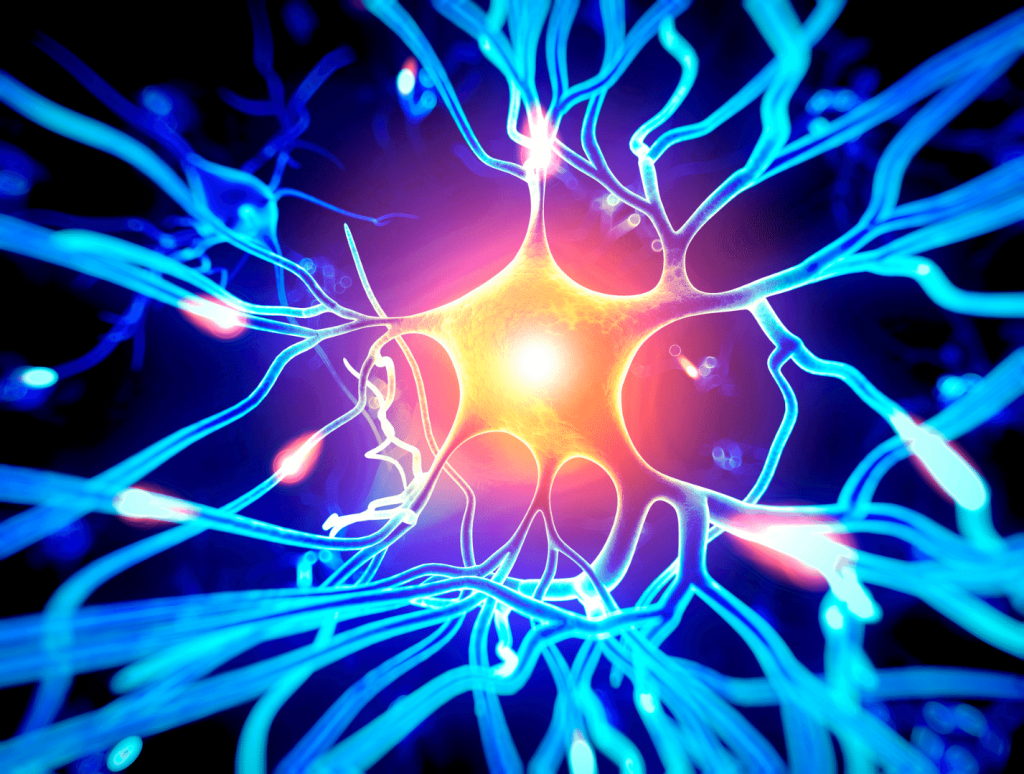
neuron cell

 Enhanced Myelination 

Myelin is the protective sheath that covers nerve fibers and enhances the efficiency of signal transmission between neurons. Lion’s Mane Mushroom may support myelination by promoting the growth and differentiation of oligodendrocytes, the cells responsible for myelin production. 

Improved myelination can lead to faster and more efficient communication between neurons, potentially enhancing neuroplasticity.

 Antioxidant Properties 

Lion’s Mane Mushroom is rich in antioxidants, which help combat oxidative stress and reduce damage to neurons caused by free radicals. Oxidative stress can impair neuronal function and hinder neuroplasticity. By reducing oxidative stress, Lion’s Mane Mushroom may create a more favorable environment for synaptic plasticity and neural adaptation.

 Inflammation-Balancing Effects

Lion’s Mane Mushroom has immune-balancing properties, which may help promote a healthy inflammatory response and thus a healthier environment for synaptic remodeling and plasticity.

 Improved Cognitive Function 

Some studies suggest that lion’s mane mushroom supplementation can lead to improved cognitive function, including memory and learning. Enhanced cognitive abilities can indirectly support neuroplasticity by facilitating the acquisition of new information and the formation of new neural connections.

While there is promising research on the potential benefits of Lion’s Mane Mushroom for neuroplasticity, more studies are needed to fully understand its mechanisms and effects. 

Individual responses to Lion’s Mane Mushroom may vary, and its use should be approached with caution, especially if you have any underlying medical conditions or are taking medications. As with any dietary supplement, it’s advisable to consult with a healthcare professional before incorporating lion’s mane mushroom into your routine.

Caffeine

Caffeine is a stimulant that primarily affects the central nervous system, and while it is more commonly associated with increasing alertness and concentration, it can also have some indirect effects on neuroplasticity.

man drinking coffe

 Enhanced Cognitive Function

Although there is no clear consensus, some studies suggest that caffeine can temporarily improve cognitive function, including attention, memory, and learning. 

By increasing alertness and mitigating the sensation of fatigue, caffeine may help individuals engage more effectively in cognitive tasks that require neuroplasticity, such as learning new information or adapting to changing circumstances. This enhanced cognitive function can indirectly support neuroplasticity by facilitating the acquisition and processing of new information.

 Stimulation of Neurotransmitter Release 

Caffeine stimulates the release of certain neurotransmitters, including dopamine and norepinephrine, in the brain. These neurotransmitters play roles in mood regulation, attention, and arousal. Increased neurotransmitter activity can enhance alertness and focus, potentially aiding in the engagement of cognitive processes associated with neuroplasticity.

 Improved Synaptic Transmission 

Caffeine can enhance synaptic transmission, the process by which signals are transmitted between neurons at synapses. It can increase the release of neurotransmitters like glutamate, which is crucial for synaptic plasticity and learning. 

By promoting more efficient signaling between neurons, caffeine can indirectly support the strengthening and formation of neural connections, essential aspects of neuroplasticity.

 Neuroprotective Effects 

Some studies suggest that caffeine has neuroprotective properties, which means it may help protect neurons from damage caused by factors like oxidative stress and neuroinflammation. By preserving the health of neurons, caffeine can create a more conducive environment for neuroplasticity to occur.

By blocking adenosine receptors, caffeine enhances alertness, potentially influencing neural activity and learning. This heightened neuronal firing, along with potential BDNF elevation, might foster an environment conducive to neuroplasticity. However, individual responses to caffeine vary, and excessive intake can lead to negative effects.

The caffeine’s effect on neuroplasticity can vary among individuals and depend on factors such as the dose of caffeine consumed and an individual’s tolerance to caffeine. 

While moderate caffeine consumption may have some potential cognitive benefits, excessive caffeine intake can lead to side effects, including anxiety, jitteriness, and disrupted sleep, which can ultimately impair cognitive function and neuroplasticity.

Additionally, the long-term effects of chronic caffeine use on neuroplasticity are still an active area of research, and more studies are needed to fully understand the relationship between caffeine and brain plasticity. It’s advisable to consume caffeine in moderation and be mindful of its potential side effects, especially if you have underlying medical conditions or are sensitive to caffeine.

Bacopa Monnieri

Bacopa monnieri, commonly known as Brahmi, is an herb used in traditional medicine, particularly in Ayurveda, that is believed to have several cognitive-enhancing properties, including the potential to increase neuroplasticity. 

Although no research has directly shown that Bacopa monnieri directly causes neuroplasticity, here are some ways Bacopa monnieri may influence neuroplasticity:

 Enhanced Synaptic Transmission

Bacopa monnieri is thought to enhance synaptic transmission, which is the process by which neurons communicate at synapses. It may increase the release of neurotransmitters like acetylcholine, which is important for learning and memory. 

Improved synaptic transmission can facilitate the strengthening and formation of neural connections, a key aspect of neuroplasticity.

 Neuroprotective Effects

Bacopa monnieri is rich in antioxidants, which help protect neurons from oxidative stress and damage caused by free radicals. By preserving the health of neurons, Bacopa monnieri can create a more conducive environment for neuroplasticity to occur.

 Modulation of Neurotransmitters 

Bacopa monnieri may influence the levels and activity of various neurotransmitters, including serotonin, dopamine, and GABA (gamma-aminobutyric acid). Modulating neurotransmitter activity can indirectly support neuroplasticity by enhancing cognitive function and emotional well-being.

mudulation of neurotransmitters

 Stress Reduction 

Chronic stress can impair cognitive function and hinder neuroplasticity. Bacopa monnieri may promote calmness and enhance mood. By mitigating stress, it can create a more favorable environment for the brain to engage in neuroplasticity processes.

 Enhanced Memory Consolidation

Bacopa monnieri may help with improved memory retention and consolidation. The formation of long-term memories involves synaptic plasticity, and enhancing memory processes can indirectly support neuroplasticity.

 Neurotrophic Factor Modulation

Some research suggests that Bacopa monnieri may influence the expression of brain-derived neurotrophic factor (BDNF), a protein critical for the growth, survival, and adaptability of neurons. Elevated BDNF levels facilitate the formation of new synapses and the strengthening of existing ones, fundamental processes in neuroplasticity.

Supplements, herbs, and nootropics show promise in enhancing neuroplasticity, which is crucial for brain adaptability and cognitive health. Omega-3 fatty acids, antioxidants, B vitamins, Lion’s Mane Mushroom, and caffeine can potentially support neuroplasticity through various mechanisms. 

These compounds aid in maintaining neuronal health, promoting synaptic function, balancing inflammation, and enhancing neurotransmitter activity. 

While these supplements offer exciting potential, individual responses vary, necessitating consultation with healthcare professionals, especially for those with underlying health conditions. A well-balanced diet rich in these nutrients can also contribute to brain health and cognitive adaptability. 

These supplements offer a promising avenue for individuals seeking to improve cognitive function and overall well-being.

References at link.

Thursday, May 18, 2023

How eating mushrooms may lower blood pressure levels

Didn't your competent doctor already add Lion's Mane mushrooms and magic mushrooms to your diet protocol already? 

How eating mushrooms may lower blood pressure levels

In a recent Phytotherapy Research study, scientists review existing literature on edible mushrooms and their bioactive constituents and their impact on hypertension.

Study: Edible mushrooms as potential functional foods in amelioration of hypertension. Image Credit: New Africa / Shutterstock.com Study: Edible mushrooms as potential functional foods in amelioration of hypertension. Image Credit: New Africa / Shutterstock.com

The health benefits of mushrooms

Edible mushrooms are enriched with nutritional bioactive compounds, dietary fiber, amino acids, sterols, proteins, vitamins, and minerals that can influence cardiovascular functions. These types of mushrooms are considered a common functional food that is present in different types of diets, such as the Mediterranean diet and Dietary Approaches to Stop Hypertension (DASH).

The role of mushrooms as a dietary intervention to alleviate cardiovascular events and hypertension is not clear. Thus, it is imperative to understand the underlying mechanism of action of bioactive constituents of mushrooms on heart and allergenicity.

What is hypertension?

Hypertension is a chronic, modifiable, non-communicable, and multifactorial condition that leads to an increase in arterial blood pressure. As a result, hypertension is a major risk factor for heart disease. In 2015, around 4.5 million and 4.0 million deaths in men and women, respectively, were attributed to higher systolic pressure.

Normal blood pressure is attributed to an average diastolic blood pressure of 80 mmHg and average systolic blood pressure of 120 mmHg. An individual is considered to have hypertension when their systolic blood pressure is above or equal to 140 mmHg, and diastolic blood pressure is greater than or equal to 90 mmHg.

If hypertension remains untreated, the individual is at a high risk of experiencing cardiovascular events, stroke, aortic syndromes, heart failures, atrial fibrillation, aortic valve stenosis, and hypertensive cardiomyopathy.

The role of mushrooms in ameliorating hypertension

Dietary interventions associated with the inclusion of functional foods (FF) have become increasingly popular in the management of several chronic ailments, including hypertension. Mushrooms are macrofungus abundantly loaded with essential bioactive compounds, including polyphenols, terpenes, ergosterols, and terpenoids, as well as proteins and polysaccharides.

The bioactive compounds of mushrooms have been shown to reduce hypertension. Furthermore, mushrooms also contain many vitamins such as cobalamin, riboflavin, thiamine, vitamin D, and ascorbic acid, and minerals, including magnesium, sodium, iron calcium, manganese, potassium, phosphorus, and copper.

Several studies have indicated that mushrooms present in the DASH and Mediterranean diets significantly benefit patients with hypertension. Some of the different types of mushrooms that might be incorporated into these diets include portobello, maitake, shiitake, reishi, oyster, yellow-cap, shimeji, enoki, and cauliflower mushrooms.

How do mushrooms improve hypertension?

Cholesterol, homocysteine, high-density lipoprotein (HDL), low-density lipoprotein (LDL), homeostasis, fasting triacylglycerol, antiplatelet aggregation, and inflammation biomarkers are often used to determine the effect of food on hypertension.

Cholesterol biosynthesis is associated with the mevalonate pathway that occurs in the hepatic system, which involves various enzymatic reactions.

Changes in the enzyme 3-hydroxy-3-methylglutaryl coenzyme A (HMG-CoA) appear to influence cholesterol biosynthesis. The transformation of HMG-CoA to mevalonic acid is therapeutically targeted to alleviate hypertension. Notably, bioactive components in mushrooms inhibit the activity of HMG-CoA reductase, which is essential for cholesterol synthesis.

Mushrooms also contain high levels of flavanols, particularly quercetin, and fibrinolytic enzymes that exert vasorelaxation and inhibit vascular plaque within arteries. Synergistic effects linked to vasorelaxation, cholesterol biosynthesis, and fibrinolytic systems prevent hypertension.

Several components of mushrooms, such as cordycepin, ergosterol, chitosan, mannitols, β-glucans, tocopherols, indoles, and ergothioneine, are associated with positive effects on heart function. Ergosterol undergoes photolysis and produces various metabolites of vitamin D, which regulates calcium levels in the body. Reduced vitamin D levels have been associated with an elevated risk of hypertension.

Lovastatin has been extracted from the fruiting portion of Agaricus bisporus, Lentinula edodes and Chanterelle cibarius. This bioactive compound enzymatically transforms to hydroxy acid, which inhibits the transformation of HMG-CoA to mevalonic acid, thereby leading to the lowering of cholesterol levels.

Tocopherols are extracted from Craterellus cornucopioides, which appear to exert positive effects on heart function. Chitosan, which is present in Imerlia badia, can alleviate LDLs and triglyceride levels in the blood.

Many in vivo and in vitro studies have revealed that systematic introduction of γ-aminobutyric acid (GABA) antagonist can lower blood pressure and bradycardia through activation of GABA-receptors in cardiovascular tissues.

Conclusions

The current review described how mushrooms and their bioactive compounds can ameliorate hypertension. Dietary interventions, such as the DASH and Mediterranean diets that often include mushrooms, can alleviate chronic hypertension.

Several bioactive compounds obtained from mushrooms, such as lovastatin, cordycepin, ergosterol, and eritadenine, influence gene expression that induces cardiovascular functionalities as a result of their structural similarities with adenosine or cholesterol moieties. Therefore, these molecules are potential drug candidates that can be used to reduce hypertension; however, this requires further research.

The dietary intake of mushrooms can be used as a prophylactic measure without circumventing antihypertensive drug treatment. More studies are needed to understand the role of mushroom polysaccharides such as D-mannitol in modulating cholesterol biosynthesis and adsorption.

Journal reference:
  • Rauf, A., Joshi, P. B., Ahmad, Z., et al. (2023) Edible mushrooms as potential functional foods in amelioration of hypertension. Phytotherapy Research. doi:10.1002/ptr.7865

Monday, February 13, 2023

Active compound from edible mushrooms boosts nerve growth and enhances memory

 I bet your stroke medical staff DID NOTHING with this earlier research and will do nothing with this newest research. THAT IS HOW FUCKING INCOMPETENT THEY ARE!

Can Lion's Mane Mushroom Improve Brain Function? September 2021 


Was any research done about this on ergothioneine from Nov. 2017?

Mushrooms are full of antioxidants that may have antiaging potential  November 2017


But what about magic mushrooms? Do you get two for one?

Psilocybin: Magic mushrooms have been found to boost neurogenesis.(Aug. 2013) Science isn’t really sure why. 

This should be among the highest research priorities for stroke, but with NO leadership and NO strategy; NOTHING WILL BE DONE!

The latest here:

Active compound from edible mushrooms boosts nerve growth and enhances memory

Researchers from The University of Queensland have discovered the active compound from an edible mushroom that boosts nerve growth and enhances memory.

Professor Frederic Meunier from the Queensland Brain Institute said the team had identified new active compounds from the mushroom, Hericium erinaceus.

Researchers have discovered lion's mane mushrooms improve brain cell growth and memory in pre-clinical trials. Image UQ.

"Extracts from these so-called 'lion's mane' mushrooms have been used in traditional medicine in Asian countries for centuries, but we wanted to scientifically determine their potential effect on brain cells," Professor Meunier said.

"Pre-clinical testing found the lion's mane mushroom had a significant impact on the growth of brain cells and improving memory.

"Laboratory tests measured the neurotrophic effects of compounds isolated from Hericium erinaceus on cultured brain cells, and surprisingly we found that the active compounds promote neuron projections, extending and connecting to other neurons.

"Using super-resolution microscopy, we found the mushroom extract and its active components largely increase the size of growth cones, which are particularly important for brain cells to sense their environment and establish new connections with other neurons in the brain."(Absolutely required for stroke recovery!)

Co-author, UQ's Dr Ramon Martinez-Marmol said the discovery had applications that could treat and protect against neurodegenerative cognitive disorders such as Alzheimer's disease.

"Our idea was to identify bioactive compounds from natural sources that could reach the brain and regulate the growth of neurons, resulting in improved memory formation," Dr Martinez-Marmol said.

Dr Dae Hee Lee from CNGBio Co, which has supported and collaborated on the research project, said the properties of lion's mane mushrooms had been used to treat ailments and maintain health in traditional Chinese medicine since antiquity.

"This important research is unravelling the molecular mechanism of lion's mane mushroom compounds and their effects on brain function, particularly memory," Dr Lee said.

The study was published in the Journal of Neurochemistry.

Wednesday, September 22, 2021

Can Lion's Mane Mushroom Improve Brain Function?

Probably all mushrooms.

What types? For your doctor to answer. 

Was any research done about this on ergothioneine from Nov. 2017?

Mushrooms are full of antioxidants that may have antiaging potential  November 2017


But what about magic mushrooms? Do you get two for one?

Psilocybin: Magic mushrooms have been found to boost neurogenesis.(Aug. 2013) Science isn’t really sure why.

The latest here:

Can Lion's Mane Mushroom Improve Brain Function?

Jordan Bishop has always been interested in working more efficiently. The 29-year-old, New York-based founder of Yore Oyster, a personal finance site, first heard about lion's mane from some friends looking into nootropics: substances claiming to improve thinking and memory. After looking into different nootropics companies and what they offered, Bishop opted to try lion's mane in coffee form, meaning he purchased coffee mix pre-made with lion's mane included.

"I've been using it for several years now," Bishop says. "The effects (of lion's mane) are subtle to the point where you're not even sure it's working. But looking back on the day, you notice the increase in productivity." Bishop continues, emphasizing the subtle, but undeniable improvements in cognitive function. Of course, the effect of lion's mane may vary from person to person.

Lion's mane, or Hericium erinaceus, is an edible mushroom native to North America, Europe and Asia. Identified by its long, white and fluffy top that looks similar to a lion's mane -- hence the name -- this fungi has long been harvested for culinary purposes.

In recent years, lion's mane has seen an increase in popularity for its potential health benefits, including:

-- Improved cognitive function.

-- Decreased mental health symptoms, such as more manageable depression.

-- Gut health benefits.

"The possibilities with medicinal mushrooms like lion's mane are endless," says Sharon Brown, a clinical nutritionist, founder and president of Bonafide Provisions in Carlsbad, California. So, can lion's mane really improve brain function? Early research suggests it might.

[READ: 8 Tips for Coping With Work-Related Anxiety.]

Benefits of Lion's Mane

Lion's mane "has been found to have anti-inflammatory properties, which may help with stress and work as an antidepressant," says Dr. Alex Dimitriu, a double board-certified psychiatrist and the founder of Menlo Park Psychiatry & Sleep Medicine in Menlo Park, California.

There is research to support Dimitriu's analysis. For example, a 2018 study published in the International Journal of Molecular Sciences concluded lion's mane supplementation normalized changes in behavior, such as loss of appetite, nervous behaviors and procrastination, frequently triggered by high stress. According to the study, "this offers new pathways into depression treatment, and lion's mane may constitute a strong alternative therapy for depression."

"With lion's mane, and most other medicinal mushrooms, we see it passing the blood brain barrier," Brown says. Many supplements aren't able to pass this barrier, making it part of the reason lion's mane may hold such potential for improving brain function. And it's in the brain itself, claim proponents of lion's mane, where the cognitive effects can be seen. Without lion's mane ability to pass this barrier, it may not have such a powerful impact.

Dimitriu agrees, noting "most interestingly, it has been proposed that (lion's mane) may increase neurogenesis in the hippocampus," the part of your brain responsible for learning and memory. Neurogenesis is your brain's way of forming new connections -- such as thoughts, ideas and memories. "Lion's mane mushroom powder is believed to improve this process of neurogenesis," Dimitriu adds.

A 2019 review published in the third volume of Current Developments in Nutrition found that dietary supplementation with lion's mane and other medicinal mushrooms may have a beneficial effect for people who have Alzheimer's and other impairments of brain function.

"There are clinical trials with lion's mane products on their protection against both Alzheimer's disease and Parkinson's disease. The results are promising and more (research) needs to be done," says Dr. Patrick Fratellone, integrative cardiologist and founder of Fratellone Medical Associates in New York. He's also the previous chief of medicine and director of cardiology at the Atkins Center for Complementary Medicine in Ithaca, New York.

These studies are looking into lion's mane's effectiveness in preventing these diseases and improving symptoms of those already diagnosed with Alzehiemer's and Parkinson's.

Side Effects of Lion's Mane

If you have mushroom allergies or sensitivities, this may not be the best option and should be avoided. As with any new supplement or changes to your diet, you should consult with a registered dietitian or your primary care physician first. Similarly, women who are pregnant should consult with their health care provider beforehand.

Brown notes, though, that lion's mane is "one of the safest (medicinal mushrooms) you can take, and there have been no proven adverse side effects."

A 2017 study published in the Journal of Restorative Medicine concluded that no toxicity was found in lion's mane. The results show lion's mane is safe and has significant potential to protect against nerve damage and promote the growth of nerve tissue. This is especially significant for individuals with neurological conditions such as Alzheimer's disease, multiple sclerosis and more. However, more studies are needed to confirm the conclusions.

There's no best age to start using lion's mane, but as memory declines with age, it's never too soon to start. Dimitriu recommends this supplement to patients for its low side effect risk and high potential gain when it comes to improving brain function.

[READ: What Increases Dementia Risk?]

Where Is Lion's Mane Available?

Lion's mane is available as whole mushrooms, which can be included in daily recipes, or as a powdered supplement, which may be easier to find.

Lion's mane is considered alternative medicine, meaning it's not regarded as a traditional medical solution, but has become more commonly recommended for its potential benefits for the brain and gut. Unlike most medications, it's not subject to Food and Drug Administration regulations, meaning it hasn't been federally approved for its safety and effectiveness.

Brown notes the importance of knowing where you're buying from, saying "with everything you need to be careful with the quality of mushroom you're getting. If you purchase the physical product online, it needs to be an organic, certified grower."

If you're using whole, fresh mushrooms, lion's mane can last up to a week. She recommends you don't wash the mushrooms until you're about to cook them. Store them in the fridge until then.

As for supplements, Dimitriu recommends taking lion's mane earlier in the day as it is known to boost energy.

Fratellone agrees, and even prefers lion's mane as a supplement as it's often easier to find in this form.

[READ: New Treatments for Alzheimer's Disease.]

Cooking With Lion's Mane

As with any supplement, it's recommended to take the indicated dosage on the bottle. For mushrooms you're cooking with, however, it can be difficult to find consistently recommended dosages and the suggestions of each expert varies.

Brown suggests starting with ¼ cup in every recipe, increasing the amount as you're comfortable. Dimitriu suggests taking 2 to 4 grams of mushroom powder daily, which can be consumed with food, a smoothie, coffee or tea with hot water.

Additional Remedies for Memory Improvement

Decline of memory and overall brain function with age may seem inevitable. While lion's mane offers great potential for improved brain function, there are many other ways to keep your brain sharp:

-- Physical activity.

-- Mental exercises.

-- Adequate sleep.

-- Eating healthy.

-- Learning new things.

By continuing to challenge your brain and supplementing nerve growth with supplements like lion's mane, brain function can be improved and stabilized.