Changing stroke rehab and research worldwide now.Time is Brain! trillions and trillions of neurons that DIE each day because there are NO effective hyperacute therapies besides tPA(only 12% effective). I have 523 posts on hyperacute therapy, enough for researchers to spend decades proving them out. These are my personal ideas and blog on stroke rehabilitation and stroke research. Do not attempt any of these without checking with your medical provider. Unless you join me in agitating, when you need these therapies they won't be there.

What this blog is for:

My blog is not to help survivors recover, it is to have the 10 million yearly stroke survivors light fires underneath their doctors, stroke hospitals and stroke researchers to get stroke solved. 100% recovery. The stroke medical world is completely failing at that goal, they don't even have it as a goal. Shortly after getting out of the hospital and getting NO information on the process or protocols of stroke rehabilitation and recovery I started searching on the internet and found that no other survivor received useful information. This is an attempt to cover all stroke rehabilitation information that should be readily available to survivors so they can talk with informed knowledge to their medical staff. It lays out what needs to be done to get stroke survivors closer to 100% recovery. It's quite disgusting that this information is not available from every stroke association and doctors group.

Showing posts with label end-effector robot. Show all posts

Saturday, November 20, 2021

Robotics for rehabilitation of hand movement in stroke survivors

 Still don't know what end-effector is or how to explain to my therapist if I may want one.

Robotics for rehabilitation of hand movement in stroke survivors

First Published April 25, 2019 Research Article 

This article aims to give an overall review of research status in hand rehabilitation robotic technology, evaluating a number of devices. The main scope is to explore the current state of art to help and support designers and clinicians make better choices among varied devices and components. The review also focuses on both mechanical design, usability and training paradigms since these parts are interconnected for an effective hand recovery. In order to study the rehabilitation robotic technology status, the devices have been divided in two categories: end-effector robots and exoskeleton devices. The end-effector robots are more flexible than exoskeleton devices in fitting the different size of hands, reducing the setup time and increasing the usability for new patients. They suffer from the control of distal joints and haptic aspects of object manipulation. In this way, exoskeleton devices may represent a new opportunity. Nevertheless their design is complex and a deep investigation of hand biomechanics and physical human–robot interaction is required. The main hand exoskeletons have been developed in the last decade and the results are promising demonstrated by the growth of the commercialized devices. Finally, a discussion on the complexity to define which design is better and more effective than the other one is summarized for future investigations.

Over the past years, rehabilitation engineering has played a crucial role in improving the hand and finger function after stroke. The applications of robotics and mechatronic devices have rapidly expanded from the industrial environment to human assistance in rehabilitation and functional improvements. Rehabilitation engineering has increased the quality lives of individuals with disabilities, offering dedicated training that performs better than conventional methods.

In this way, there are many challenges and opportunities to integrate engineering concepts into hand rehabilitation, and increasing population wellbeing and wealth as well as reducing healthcare costs. This motivates researchers to study, design, and develop novel rehabilitative and assistive technologies and devices to help people to motor functions. Specifically, the current challenge is to transfer the research results and new knowledge to stakeholders creating a general awareness of the importance of rehabilitation engineering.

This review aims to present and discuss the main robotic technologies for hand recovery rehabilitation in stroke survivors, evaluating and comparing previous and current works and researches. This study explores the current state of art to help and support designers and clinicians make better choices among varied devices and components. The review also focuses on both mechanical design (e.g. concept), usability (e.g. setup, lightness, portability) and training paradigms (e.g. hand, hand/wrist or entire arm) since these parts are interconnected for an effective hand recovery. An overview of the main advantages and drawbacks in applying robotics to hand motor impairments is provided in order to give a general view of the relationship between hand rehabilitation devices, rehabilitation theories and results. The challenge is to restore the hand movements such as opening, closing, grasping and releasing movements. Second, a discussion on the application and new challenges of rehabilitation robotic devices is summarized for future investigations. In particular, the main challenges are to develop safe devices with less complex designs, increasing potential for portability and efficacy. In fact, future development for patient treatment should include the device portability to increase the potential applications. The preliminary results have highlighted the robot-assisted therapy currently works hand in hand rather than a replacement of traditional therapy. Therapies and rehabilitation strategies should be not only more effective but also more cost-efficient.

Stroke is one of the leading causes of long-term disability, affecting approximately 14% of world’s population.1,2 33% of survivors reports very limited or no functional use of the upper limb.3 Rehabilitation activities based on repeated exercises have been identified suitable in recovering some degree of motion, in particular, a simple flexion and extension of fingers has demonstrated improvements in hand functionality.4,5 In this way, medical devices and robot-assisted strategies may provide a number of advantages guaranteeing the range of motion (ROM) and avoiding inappropriate movements. Nevertheless, only a limited part of the proposed devices by the literature has been clinically tested, highlighting as the design complexity and development costs may negatively impact the system implementation. The previous and current robots and devices are often too complex to be used by patients limiting any testing on the real users.

Note that the hand functional improvement may be the result of a set of compensatory strategies based on an initial support assisted by the physiotherapist. Usually, these approaches may be suggested during the first months after stroke, when the impairment reduction may be preferred to extensive functional training. In this phase of impairment, the patients show a loss of control and a decreased tactile sensation and proprioception, reducing the physical independence and social integration. The patient’s motivation associated with verbal encouragement may significantly impact the therapy efficacy.

Over the last decades, a set of studies has evaluated the influence of the robot-assisted therapies on arm motor improvement and impairment reduction using randomized clinical controlled trials.612 The obtained results have not shown a complete consensus; nevertheless, the therapy assisted by robotics seems to obtain results beyond what is done by conventional methods.1317 In particular, researchers have been slow to investigate the hand function due to the complexity of this limb.11,12,1820

In any case, a number of studies observed that the rehabilitation training can improve the hand motor in terms of pull, push, and grip strengths, confirming that robotic training is at least as effective as conventional training.13,2124 A significant part of the obtained outcomes have been also proved by Fugl-Meyer Assessment (FMA) and Functional Independence Measure (FIM) tests, performed after the robot treatment.2527

Despite these promising results, the literature review shows also researches that did not observed significant difference between conventional and robotic training groups, highlighting as the conventional therapies are more effective in decreasing levels of impairment and disability.2,8,28,29 Mazzoleni et al.29 and Colombo et al.30 have underlined that there are other significant factors that may impact the efficacy of the training outcome, such as recovery stage, intensity, or duration of the rehabilitation therapy. This point needs to be considered to evaluate and compare different therapy treatments. In the light of these considerations, there are not evident conclusions that sustain the robot-therapy efficacy, suggesting further investigations.31,32

 More at link.

Friday, June 4, 2021

Mechanical Design and Analysis of the End-Effector Finger Rehabilitation Robot (EFRR) for Stroke Patients

They never say if this will be able to provide 100% recovery  in the time you'll be able to use this in the hospital.

Mechanical Design and Analysis of the End-Effector Finger Rehabilitation Robot (EFRR) for Stroke Patients 

 
1 Parallel Robot and Mechatronic System Laboratory of Hebei Province, Yanshan University, Qinhuangdao 066004, China
2 Key Laboratory of Advanced Forging & Stamping Technology and Science of Ministry of Education, Yanshan University, Qinhuangdao 066000, China
3 Academy for Engineering & Technology, Fudan University, Shanghai 200433, China
4 State Key Laboratory of Robotics and System, Harbin Institute of Technology, Harbin 150080, China
5 College of Arts & Design, Yanshan University, Qinhuangdao 066004, China
*
Author to whom correspondence should be addressed.
Academic Editor: Giovanni Legnani
Machines 2021, 9(6), 110; https://doi.org/10.3390/machines9060110
Received: 26 April 2021 / Revised: 19 May 2021 / Accepted: 24 May 2021 / Published: 26 May 2021
(This article belongs to the Special Issue Design and Control of Advanced Mechatronics Systems)

Abstract

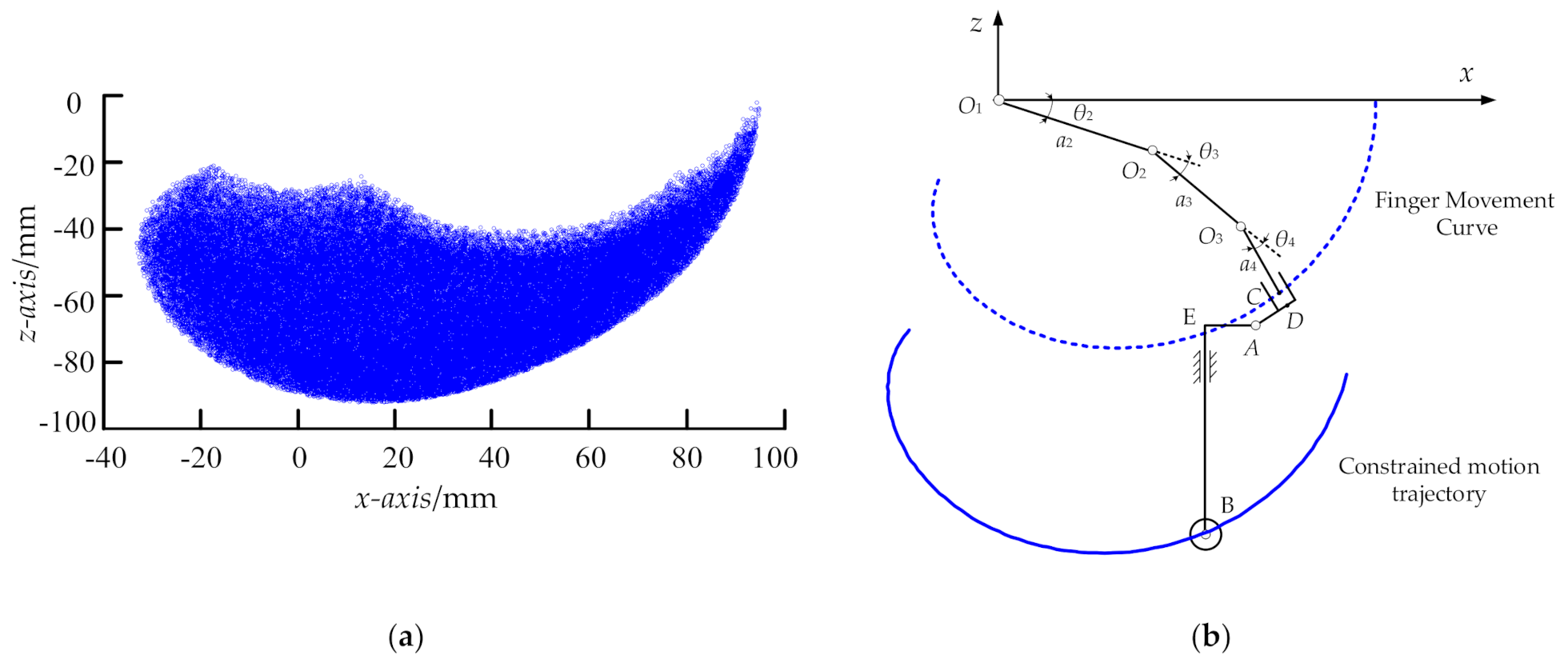
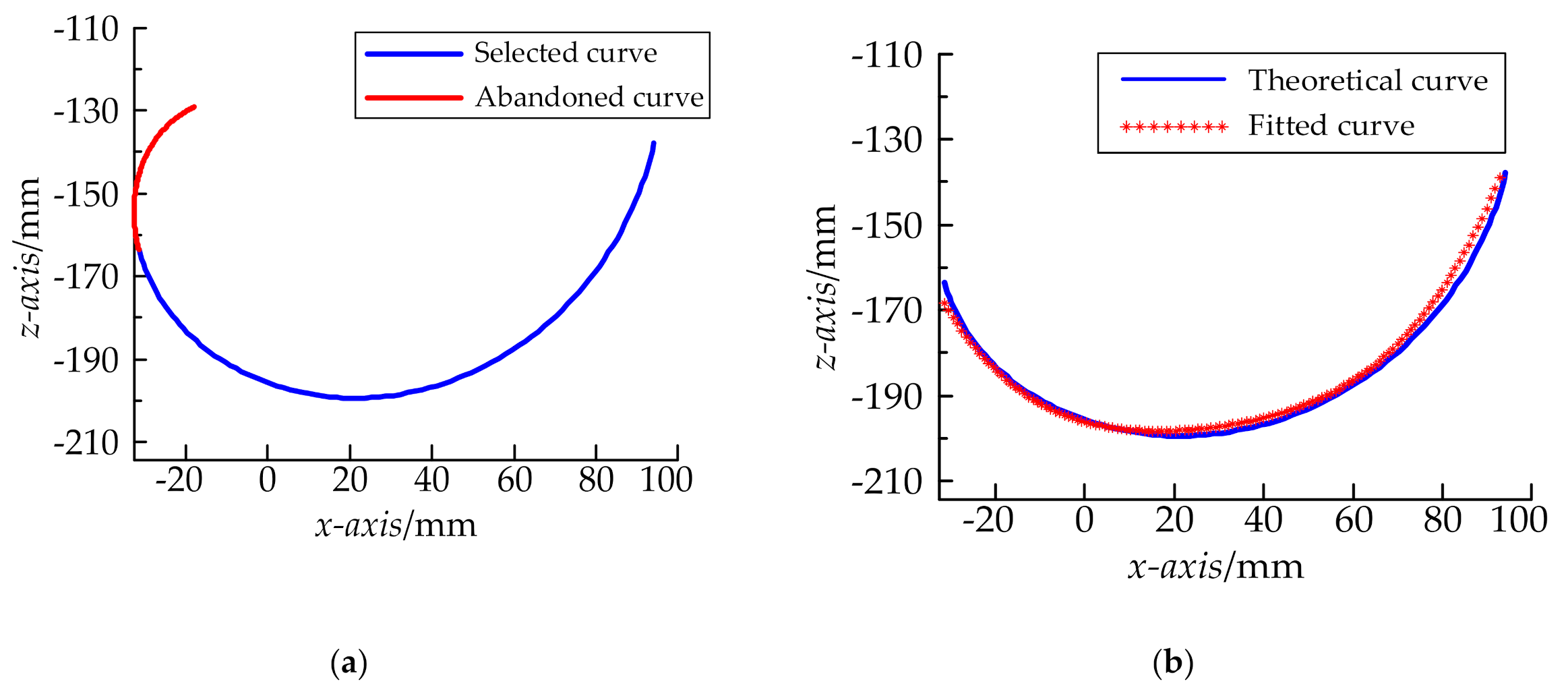
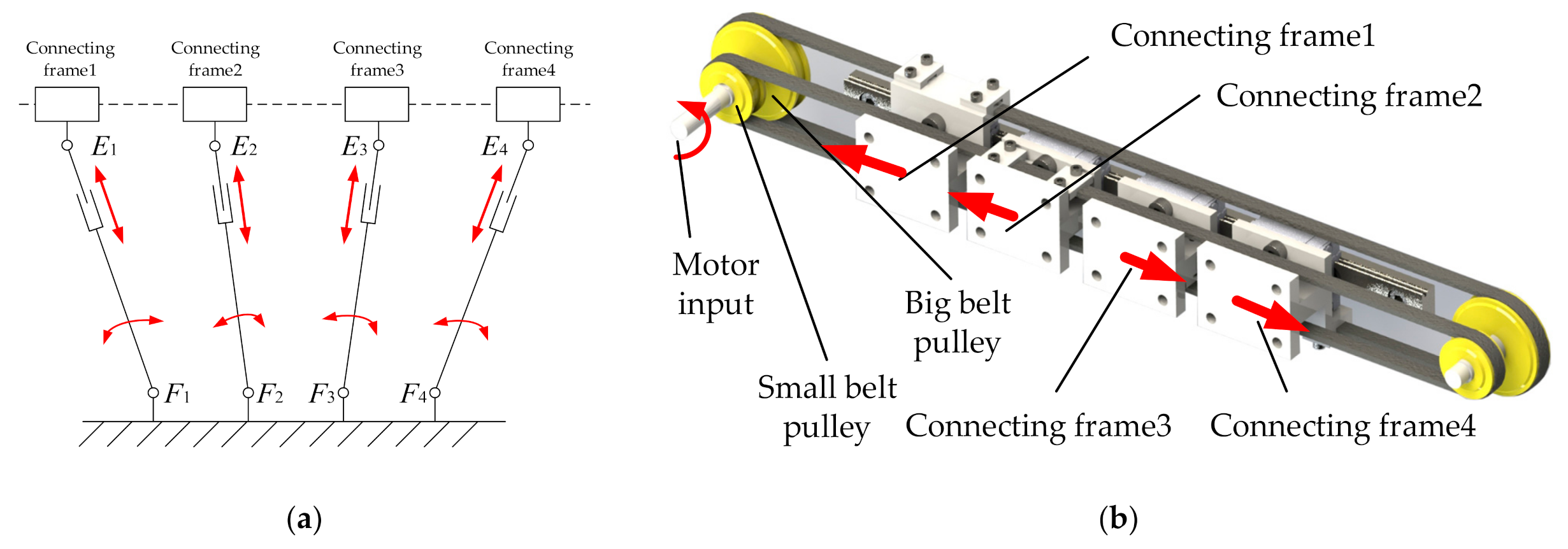
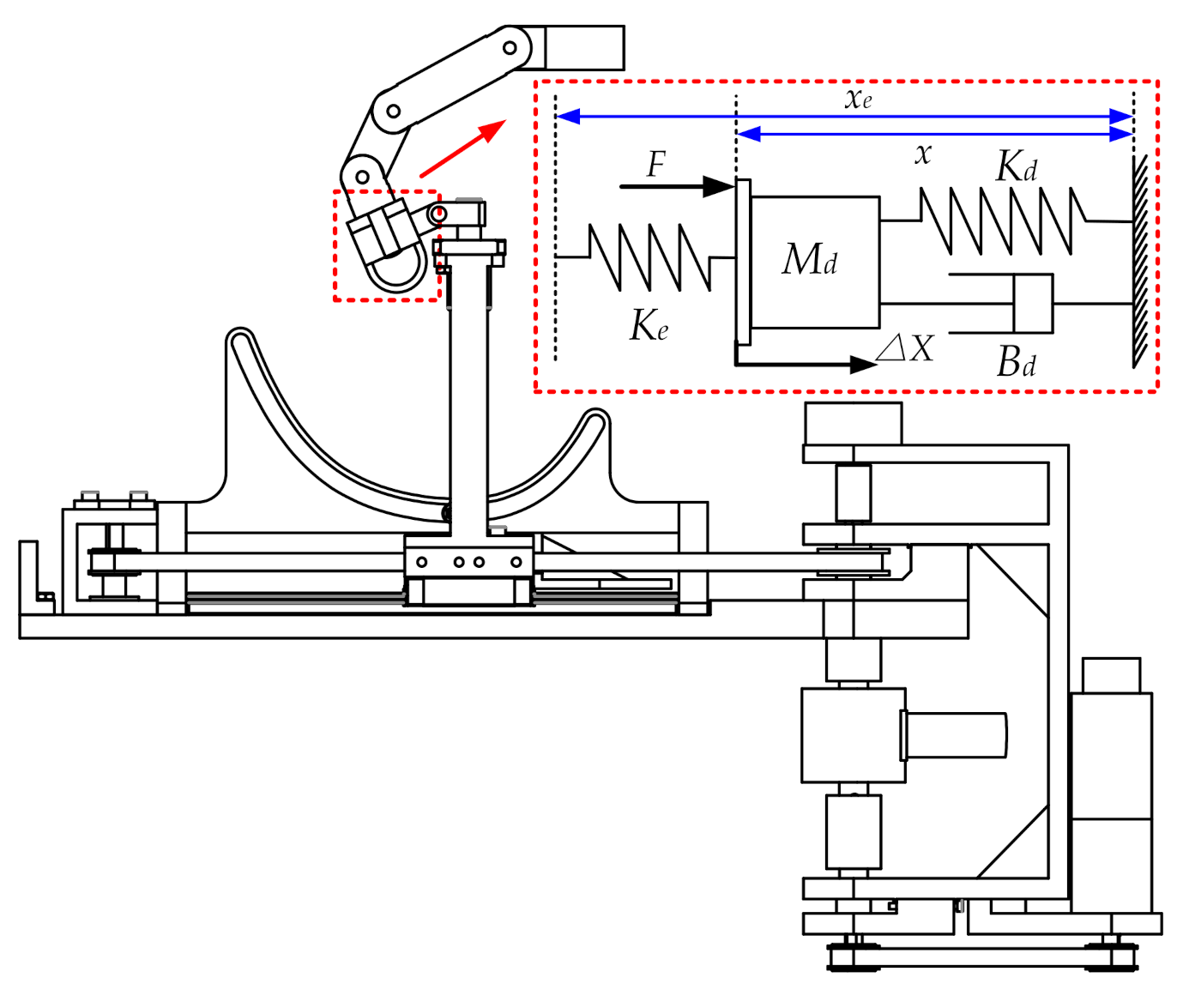
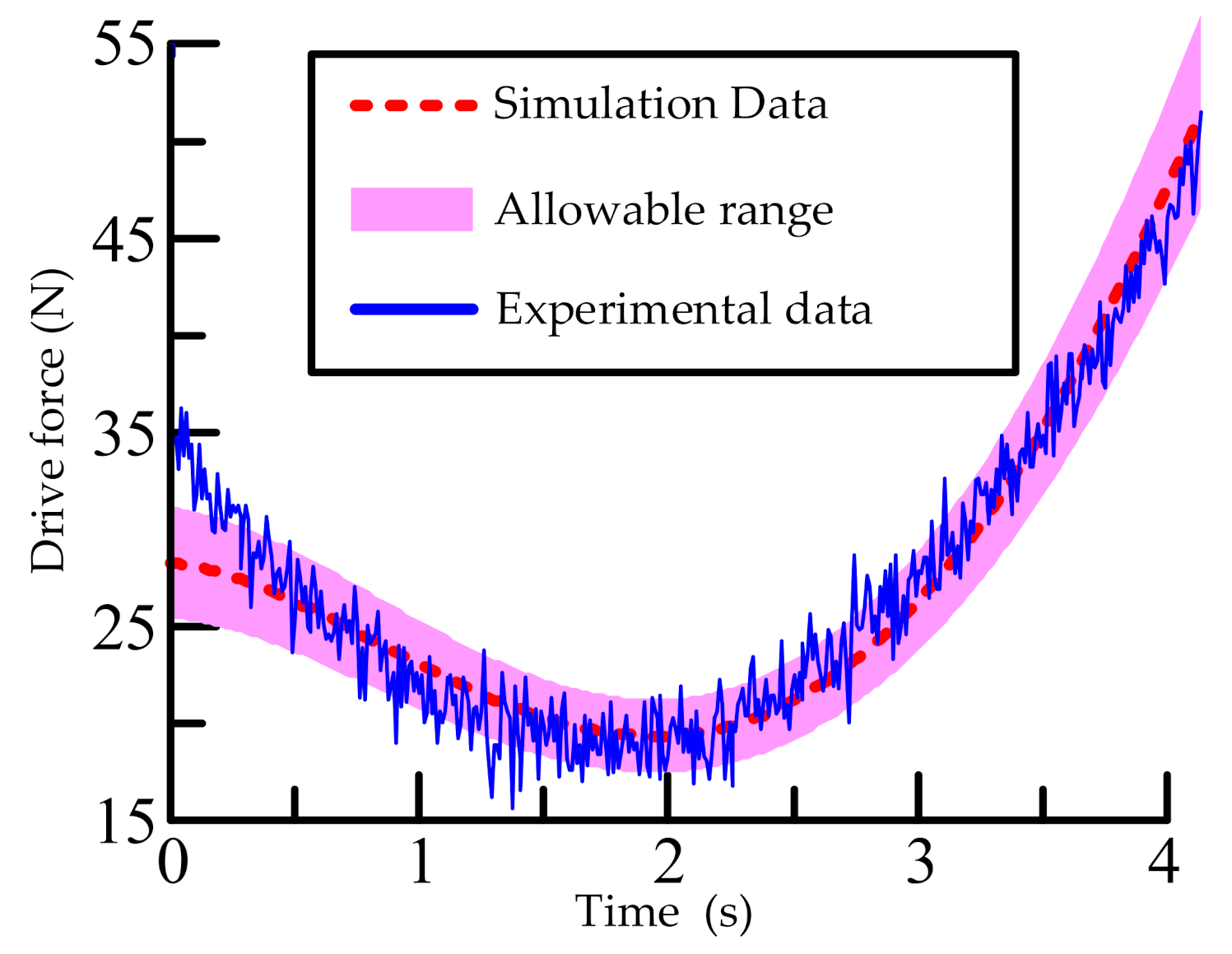
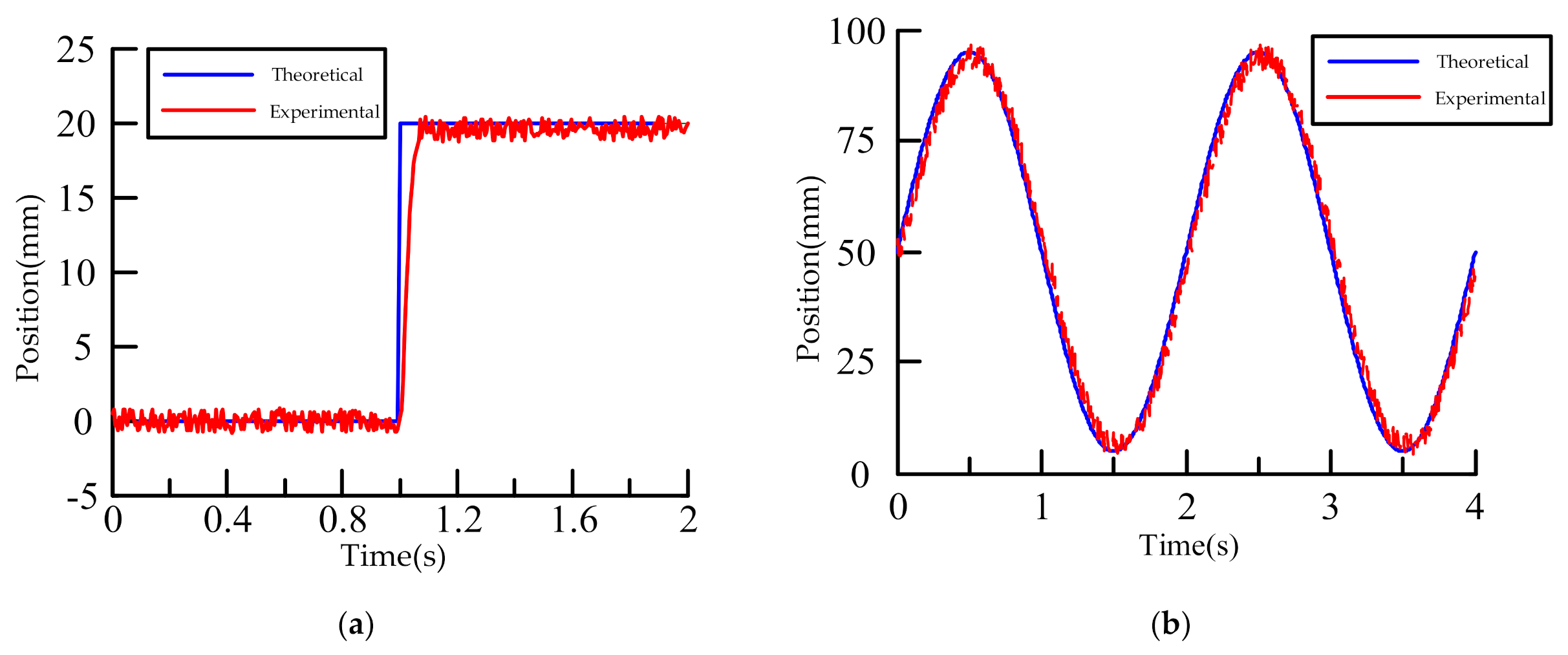
Most existing finger rehabilitation robots are structurally complex and cannot be adapted to multiple work conditions, such as clinical and home. In addition, there is a lack of attention to active adduction/abduction (A/A) movement, which prevents stroke patients from opening the joint in time and affects the rehabilitation process. In this paper, an end-effector finger rehabilitation robot (EFRR) with active A/A motion that can be applied to a variety of applications is proposed. First, the natural movement curve of the finger is analyzed, which is the basis of the mechanism design. Based on the working principle of the cam mechanism, the flexion/extension (F/E) movement module is designed and the details used to ensure the safety and reliability of the device are introduced. Then, a novel A/A movement module is proposed, using the components that can easily individualized design to achieve active A/A motion only by one single motor, which makes up for the shortcomings of the existing devices. As for the control system, a fuzzy proportional-derivative (PD) adaptive impedance control strategy based on the position information is proposed, which can make the device more compliant, avoid secondary injuries caused by excessive muscle tension, and protect the fingers effectively. Finally, some preliminary experiments of the prototype are reported, and the results shows that the EFRR has good performance, which lays the foundation for future work.

1. Introduction

According to the World Health Organization (WHO), there are more than 15 million people around the world suffer strokes every year, and about 5 million of them are permanently disabled. Moreover, the global lifetime risk of stroke from the age of 25 years onward has increased from 22.8% in 1990 to 24.9% in 2016. Stroke is still the main cause of death worldwide [1,2,3]. Stroke causes damage to the nervous system, and can cause patients to lose part or all of their ability for activities of daily living (ADL), which brings a heavy burden to the family and society. Currently, the functional impairment of the fingers poststroke is rarely considered life-threatening. Together with the limited resources (time, cost, number of the caregivers and equipment etc.), it rates low on the priority of rehabilitation tasks [4,5,6]. In some ways, this increases the number of people with finger injury sequelae. Therefore, research on finger rehabilitation after stroke should be given more attention.
Rehabilitation robots can assist poststroke patients with continuous, repetitive training with a standardized process, reducing the workload of therapists and providing more clinical options for patients. Hand rehabilitation robots can be divided into end-effector devices, exoskeletons and glove type in terms of wearing form [7]. Among all the end-effector devices, Amadeo [8,9] is the most commercially successful hand rehabilitation robot available. HandCARE [10] adopts ropes to fix fingers, and a clutch system is designed to allow all the fingers to be driven by only one motor. Rutgers Master II [11] is a four-degree-of-freedom pneumatically driven finger rehabilitation device which has been clinically tested. It achieves active flexion/extension (F/E) motion for four fingers, and the maximum output force can reach 16.4 N. Reha-Digit [12] is a passive rehabilitation device: patients need to put the fingers into four plastic roller sets during the training process. SAFE [13] drives the patient’s fingertips to do rehabilitation exercises by using rigid connecting rod structures. In addition, some universities have conducted researches on end-effector finger rehabilitation devices [14,15]. As for the exoskeletons, the robot developed by Gifu University [16] controls all of the fingers independently by arranging side-by-side dual motors on the back of the hand. The researchers at the University of Texas at Austin [17,18] applied the series elastic actuator (SEA) to finger rehabilitation. Their device uses Bowden cables to transmit power and obtains joint information through angle sensors, and it is lightweight and easy-to-wear by moving the motors outside of the back of the hand. The rehabilitation robotic exoskeleton hand [19] realizes finger F/E training through two worm gears, and passive pins are set to achieve adduction/abduction(A/A) motion simultaneously and a virtual reality system has been developed for rehabilitation scenarios. The Powered Finger–Thumb Wearable Hand Exoskeleton [20] adopts an under-driven cord control form and designed a self-alignment mechanism that prevents misalignment for the joints between the human and machine, besides, parallel mechanism has been attempt to applied on the hand rehabilitation [21]. The glove-type devices have developed significantly in recent years due to their good adaptability. Their driving form includes pneumatic [22,23], cord drive [24], layered reed drive [25,26,27] and so on.
Force-based control is one of the control strategies for finger rehabilitation robots [28]. Cheng et al. [29] proposed a controller combing the iterative learning control (ILC) and the active disturbance rejection control (ADRC) to adapt the repeating training manner and overcome the external interference in a wearable hand rehabilitation robot. Park et al. [30] used proportional-integral-derivative (PID) control to design a control strategy capable of automatically switching between position and force control. Chiri et al. [31] utilized the PID control strategy to compensate for the external forces exerted by the patient on the robot. Huang et al. [32] proposed a variable integral PID (VIPID) controller to track the patients’ finger trajectory which has better performance than the conventional ones. Jones et al. [33] used a PI controller to compensate the auxiliary torque for fingers, and the control of either position or torque can be implemented in this device. Polygerinos et al. [34] presented a sliding-mode controller (SMC) for their finger rehabilitation robot with the obvious advantage of not requiring an explicit model of the system for the synthesis of the controller.
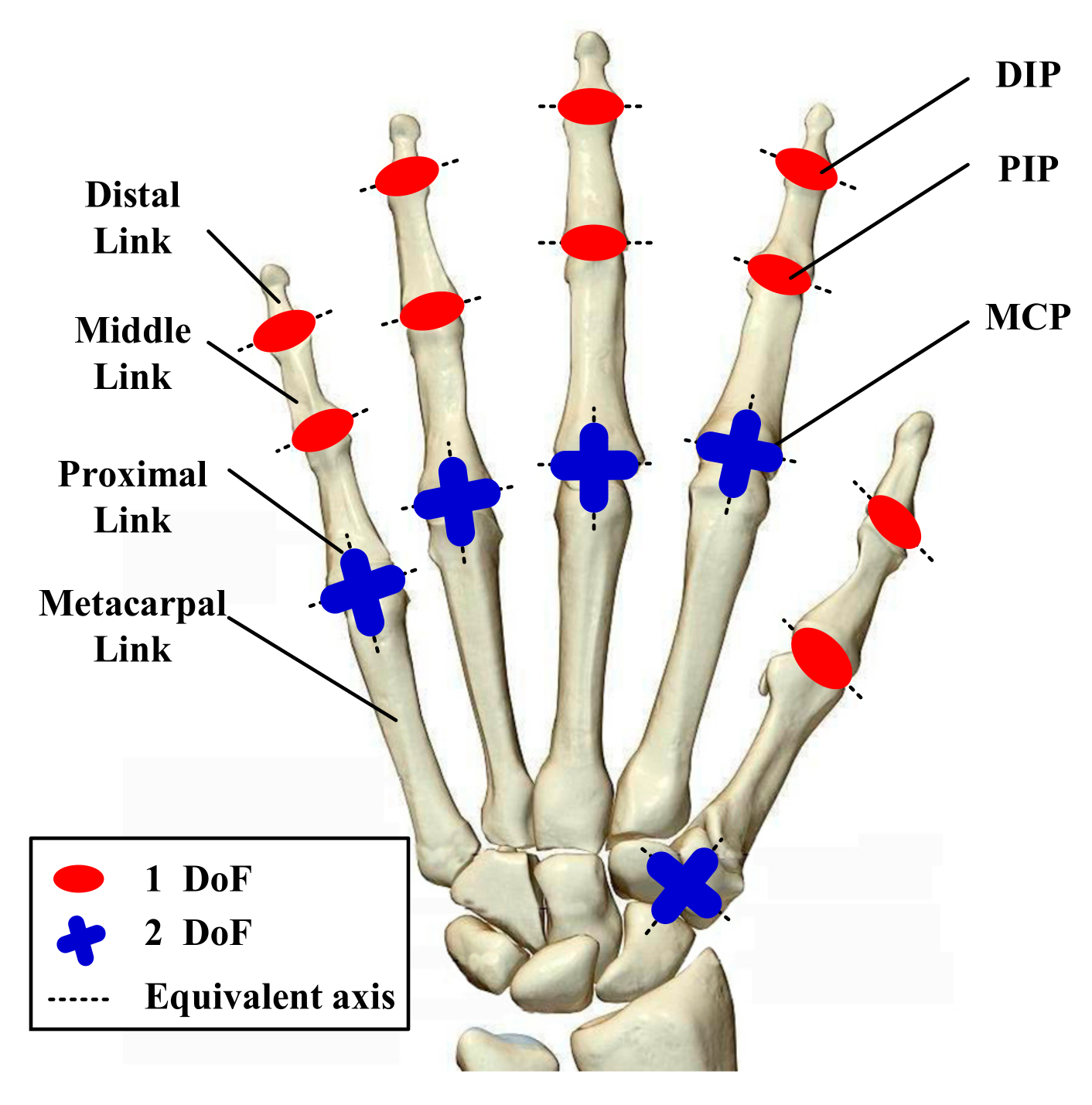
The large number of degrees of freedom (DoF) and strong interjoint coupling in human fingers make the development of finger rehabilitation robots difficult, leading to the complex structure and difficulty in wearing most of the existing devices. The inability of the fingers to perform A/A motion is one of the signs of nerve damage [35], which affects the patient’s ability to ADL. The active A/A exercise can carry out targeted muscle strength training on the palmar interossei and the dorsal interossei, and fully open the range of motion of the MCP joint [36]. However, few existing robots can achieve active A/A training and cannot fully open the joint mobility of the fingers, which affects the rehabilitation outcome and patient experience. As for the control strategy, it is mainly based on the PID, and the corresponding strategy is developed for the characteristics of the developed equipment.
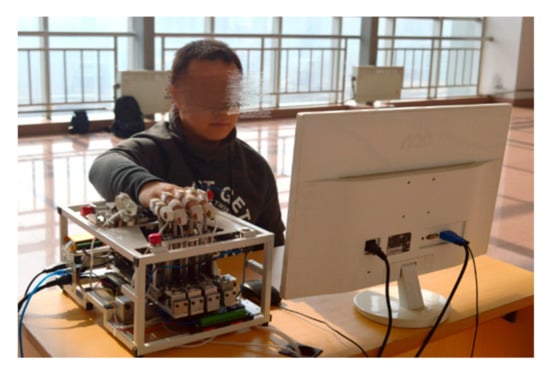
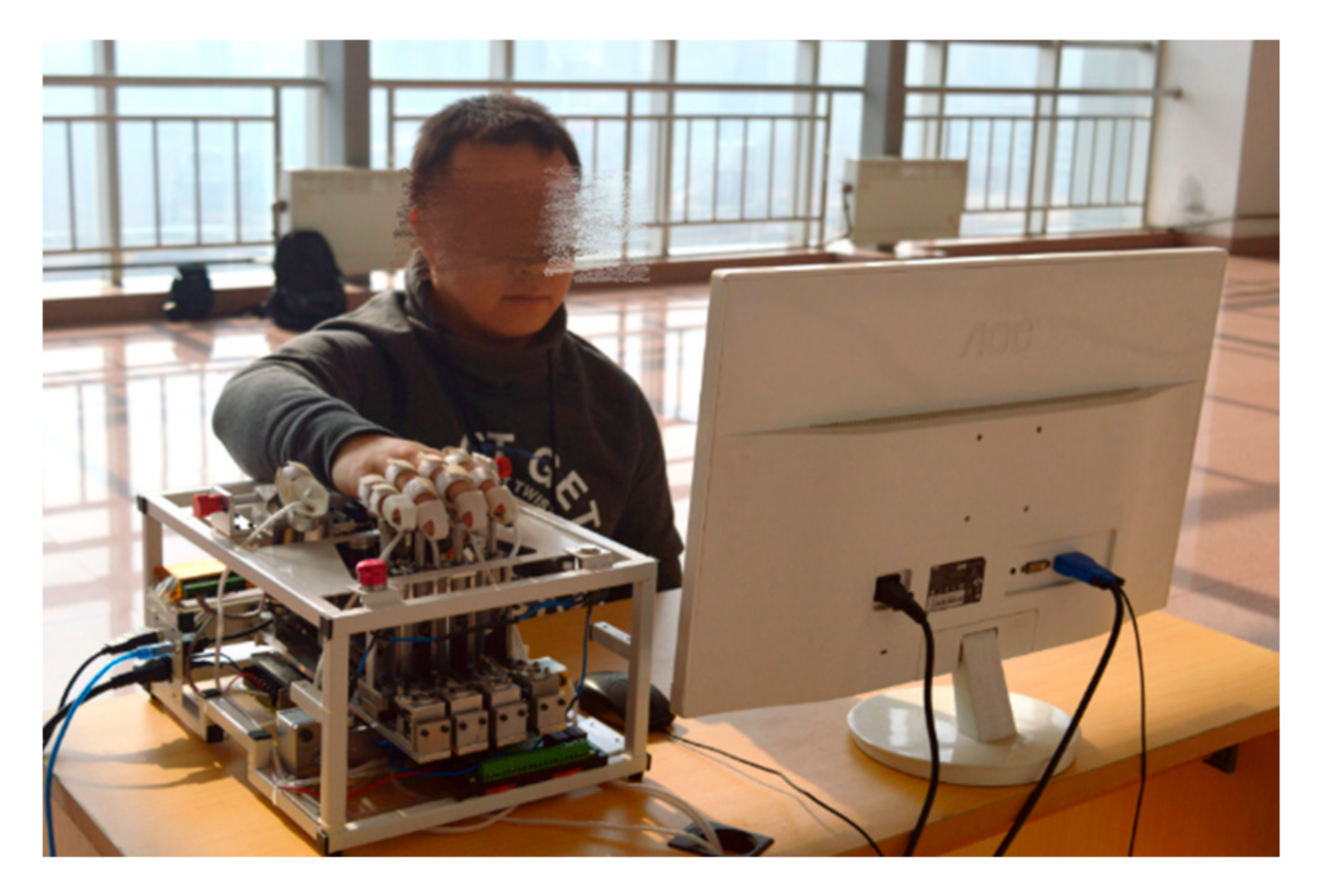
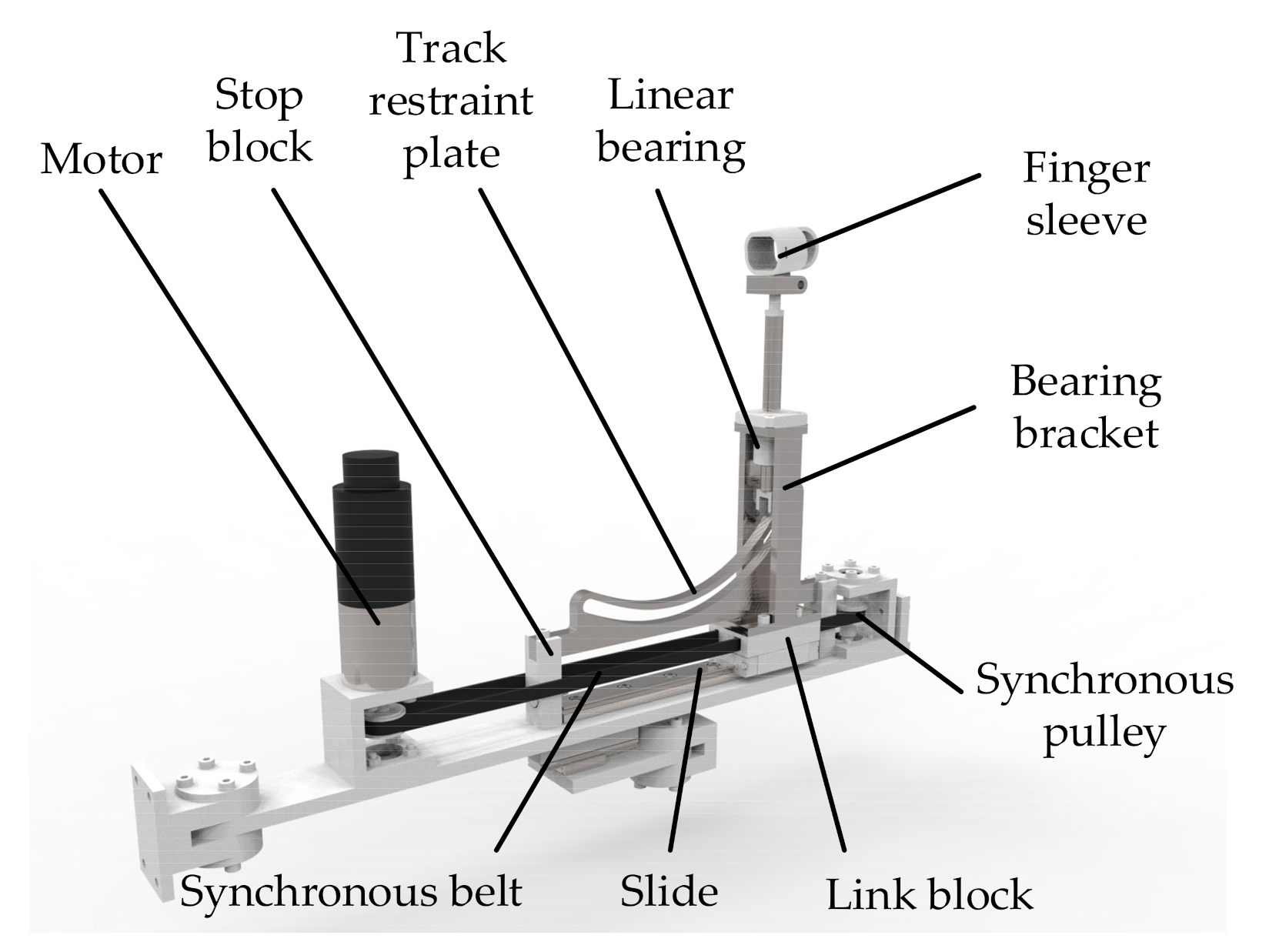
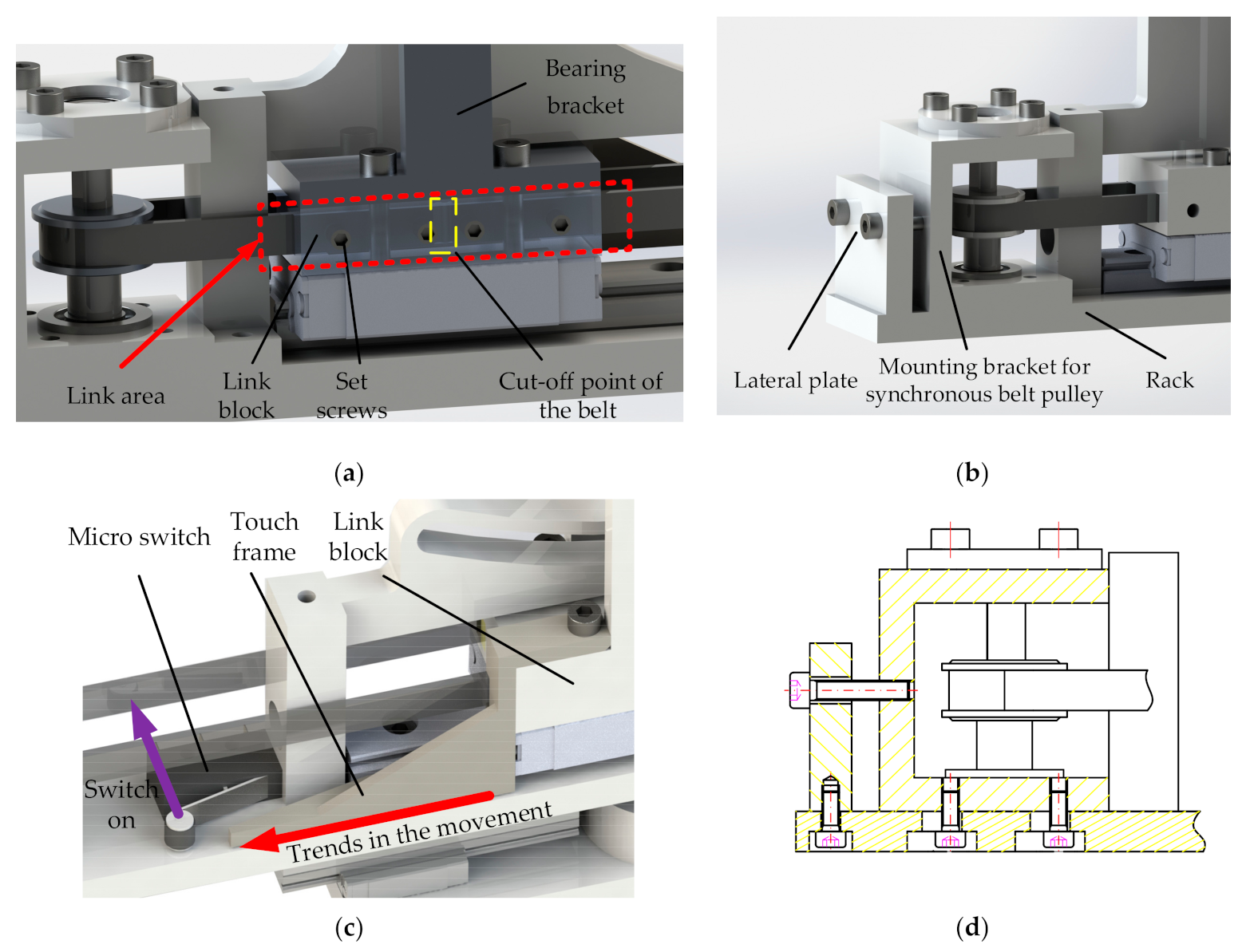
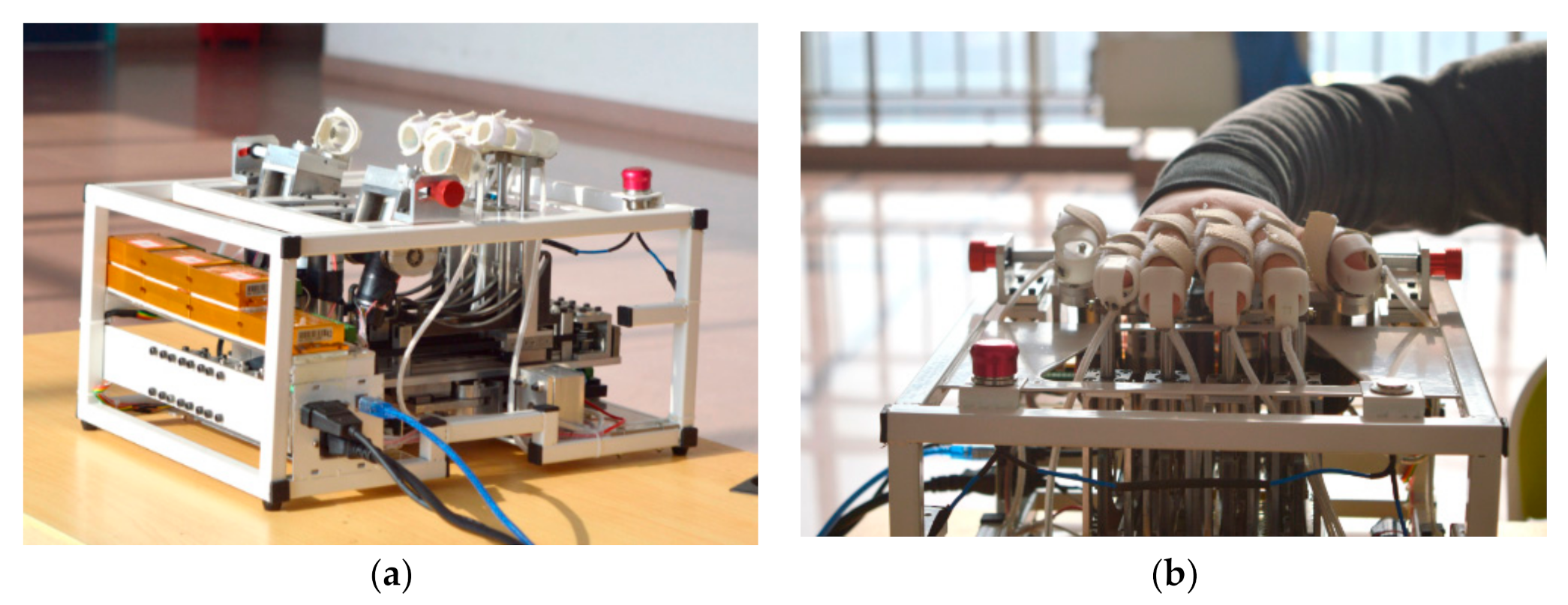
This paper presents the design and development of an end-effector finger rehabilitation robot (EFRR) (see Figure 1). EFRR utilizes a fixed pulley-track module for finger F/E motion, and a novel synchronous pulley set has been proposed for active A/A motion driven by a single motor. This allows patients to open up their joint mobility fully. EFRR has two thumb rehabilitation structures with left/right symmetry, which makes it possible for functional impairment of the left/right hand to train on the device and can reduce the cost greatly. The design above is also the result of a comprehensive consideration of wearing convenience, hand weight bearing, and manufacturing cost. In terms of control strategy, an adaptive control strategy based on fuzzy PD is designed according to the characteristics of the EFRR, which makes it compliant during the training process and ensures the safety of patients.
Figure 1. Prototype of the EFRR. EFRR: end-effector finger rehabilitation robot.
The rest of this paper is organized as follows. Section 2 presents the innovative structural design of the EFRR, including the design principles and rationale; Section 3 introduces the adaptive control strategy based on fuzzy PD; Section 4 shows the preliminary experiments conducted at the EFRR and the related analysis; finally, Section 5 concludes this study and provides suggestions for future work.
More at link.

Sunday, January 14, 2018

A comparison of locomotor therapy interventions: Partial-body weight-supported treadmill, Lokomat, and G-EO training in people with traumatic brain injury

Your doctor can analyze this and see what can be translated for stroke rehab.

A comparison of locomotor therapy interventions: Partial-body weight-supported treadmill, Lokomat, and G-EO training in people with traumatic brain injury


PM & R , Volume 9(9) , Pgs. 839-946.

NARIC Accession Number: J77461.  What's this?
ISSN: 1934-1482.
Author(s): Esquenazi, Alberto; Lee, Stella; Wikoff, Amanda; Packel, Andrew; Toczylowski, Theresa; Feeley, John.
Publication Year: 2017.
Number of Pages: 8.
Abstract: Study examined the impact of 3 different modes of locomotor therapy using an end-effector robot (G-EO), a robotic exoskeleton (Lokomat), and manual-assisted partial-body weight-supported treadmill training (PBWSTT) on gait velocity and spatiotemporal symmetry in participants with traumatic brain injury (TBI). Twenty-two individuals with chronic TBI completed 18 sessions of training that included 45 minutes of assigned locomotor training. Outcome measures included overground walking self-selected velocity (SSV), maximal velocity (MV), spatiotemporal asymmetry ratio, endurance measure by the 6-Minute Walk Test (6MWT), and mobility domain of Stroke Impact Scale (MSIS). Severity in walking dysfunction was similar across groups as determined by walking velocity data. At baseline, participants in the Lokomat group had a baseline velocity that was slightly slower compared with the other groups. Training elicited a statistically significant median increase in SSV for all groups compared with pretraining and MV excluding the G-EO group. There were no pre-post significant differences in swing time, stance time, and step length asymmetry ratios at SSV or MV for any of the interventions. Mean rank in the change of SSV and MV was not statistically significantly different between groups. Participants in the G-EO and PBWSTT groups significantly improved their 6MWT posttraining. The MSIS significantly improved only for the Lokomat group. The data did not elicit between-groups significant differences for 6MWT and MSIS. There was less use of staff for Lokomat than G-EO. Finding indicate locomotor therapy using G-EO, Lokomat, or PBWSTT in individuals with chronic TBI increased SSV and MV without significant changes in gait symmetry.
Descriptor Terms: AMBULATION, BIOENGINEERING, BRAIN INJURIES, INTERVENTION, MOBILITY TRAINING, OUTCOMES, PHYSICAL THERAPY, REHABILITATION TECHNOLOGY, ROBOTICS.


Can this document be ordered through NARIC's document delivery service*?: Y.

Citation: Esquenazi, Alberto, Lee, Stella, Wikoff, Amanda, Packel, Andrew, Toczylowski, Theresa, Feeley, John. (2017). A comparison of locomotor therapy interventions: Partial-body weight-supported treadmill, Lokomat, and G-EO training in people with traumatic brain injury.  PM & R , 9(9), Pgs. 839-946. Retrieved 1/14/2018, from REHABDATA database.