Changing stroke rehab and research worldwide now.Time is Brain! trillions and trillions of neurons that DIE each day because there are NO effective hyperacute therapies besides tPA(only 12% effective). I have 523 posts on hyperacute therapy, enough for researchers to spend decades proving them out. These are my personal ideas and blog on stroke rehabilitation and stroke research. Do not attempt any of these without checking with your medical provider. Unless you join me in agitating, when you need these therapies they won't be there. Did your doctor somehow miss the recovery protocol that Pedro Bach-y-Rita used to recover fully back in 1958 with only a partial brain?

What this blog is for:

My blog is not to help survivors recover, it is to have the 10 million yearly stroke survivors light fires underneath their doctors, stroke hospitals and stroke researchers to get stroke solved. 100% recovery. The stroke medical world is completely failing at that goal, they don't even have it as a goal. Shortly after getting out of the hospital and getting NO information on the process or protocols of stroke rehabilitation and recovery I started searching on the internet and found that no other survivor received useful information. This is an attempt to cover all stroke rehabilitation information that should be readily available to survivors so they can talk with informed knowledge to their medical staff. It lays out what needs to be done to get stroke survivors closer to 100% recovery. It's quite disgusting that this information is not available from every stroke association and doctors group.

Showing posts with label implement research. Show all posts

Sunday, September 27, 2026

Five everyday habits are quietly driving the brain damage behind vascular dementia

 Is your doctor competent enough for creating protocols that will ensure you don't get more brain damage? Sorry, your doctor doesn't read and implement research, right?

Here is all the research your doctor better know about to prevent vascular dementia.

Five everyday habits are quietly driving the brain damage behind vascular dementia

Vascular dementia is the second most common form of dementia after Alzheimer’s disease, and unlike conditions that arrive without warning it usually builds over years of quiet damage to the blood vessels that feed the brain. The disorder does not begin with forgotten names or missed appointments. It begins with narrowed, stiffened or blocked vessels that slowly starve brain tissue of the oxygen and glucose it needs to function. Much of that vascular injury traces back to a handful of ordinary daily habits that rarely feel urgent in the moment.

What happens when brain tissue loses its blood supply

The brain consumes roughly a fifth of the body’s oxygen despite making up only about two percent of its weight, which leaves it acutely sensitive to any interruption in circulation. When arteries feeding the brain narrow or clot, the tissue downstream is injured in a pattern that can range from a single large stroke to dozens of tiny, symptomless infarcts scattered through the deep white matter.

That accumulation is why the condition is often described as a stepwise decline rather than a smooth slide. According to a medical overview of vascular dementia, the damage frequently strikes regions that govern planning, attention and processing speed before it touches memory, which is one reason it is misread early on as ordinary aging or stress. The habits below all feed the same underlying process: they injure the vessel walls, raise the pressure inside them, or make the blood more likely to clot.

 Related video: Alzheimer’s disease: Warning signs to watch for early (Espresso) 


Uncontrolled high blood pressure grinds down the smallest vessels. Chronic hypertension is the single most consequential driver of vascular brain injury. Sustained high pressure thickens and stiffens the walls of the brain’s smallest arteries, a process that damages the deep white matter and produces the scattered micro-infarcts that define small-vessel disease. The National Institute on Aging identifies managing blood pressure as one of the clearest levers for protecting long-term cognition. The insidious part is that hypertension rarely announces itself. Blood pressure can sit at damaging levels for a decade with no symptoms at all while the vessels quietly degrade. That silence is what turns a routine, treatable number into a foundation for later decline, and it is why clinicians treat unmonitored pressure as a habit of neglect rather than a benign background reading.

Smoking narrows the arteries feeding the brain

 Tobacco use attacks the cerebral circulation on several fronts at once. The chemicals in smoke injure the delicate lining of blood vessels, accelerate the buildup of fatty plaque, and make platelets stickier, raising the odds of the clots that trigger strokes. Nicotine also constricts arteries directly, cutting flow to tissue that has no reserve to spare. Because smoking compounds the effects of high blood pressure and high cholesterol, its contribution to vascular dementia is larger than any single mechanism suggests. People who quit see their stroke risk begin to fall within years, which underscores that the vascular damage is driven by ongoing exposure rather than fixed at some point in the past.

Physical inactivity and poor diet reshape the vascular system

 A sedentary routine works against the brain indirectly but powerfully. Regular movement helps keep blood pressure down, improves the body’s handling of blood sugar, supports healthy cholesterol balance and keeps arteries flexible. Remove it, and each of those protective effects erodes, letting the risk factors that damage cerebral vessels drift upward together. Diet operates through the same channels. Eating patterns heavy in salt, refined carbohydrates and saturated fat push blood pressure and blood lipids higher and encourage the plaque buildup that narrows arteries. The point is not any single meal but the cumulative load, which is why diets rich in vegetables, whole grains and unsaturated fats are consistently linked to lower vascular risk. Inactivity and poor diet also tend to travel together, reinforcing each other over years.

Diabetes and heavy drinking accelerate the damage

 Poorly controlled diabetes is a major accelerant. Persistently elevated blood sugar damages the lining of both large and small vessels, promotes inflammation and thickens vessel walls, all of which raise the risk of the strokes and micro-infarcts underlying vascular dementia. People with diabetes face a substantially higher lifetime risk, and the danger climbs the longer glucose stays uncontrolled. Excessive alcohol rounds out the list. Heavy, sustained drinking raises blood pressure, contributes to irregular heart rhythms that can throw clots toward the brain, and appears to have direct toxic effects on brain tissue. The common thread across all five habits is that each one either raises the pressure inside cerebral vessels, damages their walls, or makes the blood more likely to clot, and they rarely act alone.

Why the window to intervene is wider than it feels

The encouraging counterpoint to a grim mechanism is that vascular dementia is considered among the most preventable forms of cognitive decline, precisely because its drivers are modifiable. Blood pressure can be lowered, blood sugar controlled, tobacco set aside, activity restored and drinking moderated, and each change reduces the vascular injury still to come even when some damage has already occurred.What makes the habits dangerous is their quietness. None produce an alarming symptom in the year they are doing harm, so they accumulate risk while feeling entirely tolerable. Treating routine blood pressure checks, movement and moderation as protective medicine rather than optional lifestyle tweaks is, in practical terms, how the slow damage behind the disorder is kept from ever reaching the threshold where memory and independence begin to slip.

This article was produced with the assistance of AI and reviewed by Morning Overview editors prior to publication.

More from Morning Overview

Saturday, September 12, 2026

Cognitive Strategy Training at Home Shows Very Large Effects After Brain Injury

 Is your doctor and hospital competent enough to know of AND IMPLEMENT THIS! NO? So, PURE INCOMPETENCE THEN! 

Have your fired the incompetent? board of directors and reconstituted the hospital? NO? Waiting for your children and grandchildren to have strokes?

Cognitive Strategy Training at Home Shows Very Large Effects After Brain Injury

For the millions of people who survive a stroke or traumatic brain injury each year, the most stubborn obstacles to recovery are often invisible. While paralysed limbs and unsteady gait attract immediate clinical attention, the cognitive aftershocks—faltering attention, scrambled planning, unreliable memory—frequently go unrecognised until a person returns home and discovers they can no longer send an email, brew a pot of coffee, or pull on a sweater without help. A new study published in the Scandinavian Journal of Occupational Therapy offers striking evidence that a structured, home-based cognitive intervention can restore exactly these kinds of everyday abilities, with effects the authors describe as very large.

The research, led by M. Ø. Lindstad and colleagues at the Norwegian University of Science and Technology, Oslo Metropolitan University and Oslo University Hospital, tested the Perceive, Recall, Plan and Perform (PRPP) Intervention in three adults over the age of 67 who were receiving home-based rehabilitation after acquired brain injury. Rather than a traditional clinical trial, the team used single-case experimental designs with multiple baselines, a methodology well suited to rehabilitation research where participants are heterogeneous and recruiting large groups is difficult. Each participant acted as their own control, with repeated measurements taken during staggered baseline phases before the intervention was introduced, allowing the researchers to demonstrate a functional relationship between treatment and improvement.

The PRPP system is grounded in an information-processing model of cognition. It frames everyday task performance as a continuous loop of four processes: perceiving incoming sensory information, recalling stored knowledge, planning and evaluating responses, and monitoring performance as the task unfolds. The assessment stage catalogues how a person applies 35 observable cognitive strategies—called descriptors—during a chosen activity, rating each as efficient, questionable or ineffective. The intervention stage then works on those weak links directly. Therapists use a structured prompting sequence, ‘Stop, Attend, Sense, Think, Do’, deploying verbal, visual or physical cues calibrated to each client’s cognitive profile. As the client grows more proficient, the therapist deliberately withdraws support, transferring control of the strategies to the client so that they can be generalised across tasks and settings.

Crucially, the intervention took place where cognitive difficulties actually bite: in participants’ own homes. Three Norwegian municipal home-based rehabilitation teams delivered the programme, which consisted of nine sessions over three weeks. Each participant selected one personally meaningful task as the focus of treatment. For one participant, pseudonymised as Helge, the goal was to write and send an email independently—something that had become laborious and error-prone since his brain injury. For Georg, it was putting on a sweater, a task that had defeated him despite his physical capability, apparently due to insecurity and learned non-use of intact skills. For Frank, it was brewing coffee, a multi-step activity in which he would omit critical steps such as filling the water reservoir or inserting the filter.

The results were measured with the PRPP Assessment Stage 1, which scores percent task mastery from 0 to 100, with independence set at a cut-off above 85 percent. Visual analysis of graphed data across baseline, intervention, post-intervention and follow-up phases was complemented by Tau-U, a statistical technique that combines non-overlap between phases with trend analysis within the intervention phase. All three participants showed clear improvements in task mastery, with 70 to 100 percent of intervention and follow-up data points exceeding baseline levels. Individual Tau-U values ranged from 0.8 to 1.0, and the weighted average across participants reached 0.94 for task mastery when baseline was compared with post-intervention and follow-up phases—a magnitude classified as a very large effect.

Equally important, the gains held. Improvements persisted immediately after the intervention ended and again at follow-up four weeks later, even though the therapists had by then withdrawn all prompting. Georg achieved full independence in dressing and scored beyond his expected goal on Goal Attainment Scaling, a change with ripple effects: he could get out of bed and stay warm in his wheelchair without waiting for home care staff, easing pressure on an entire morning routine. Frank maintained performance above the independence threshold four weeks after his final session and managed untrained tasks, such as collecting post from a locker and pouring coffee into a thermos, using the strategies he had acquired. His Barthel Index score had already been at the maximum of 20, illustrating a limitation of broad functional measures in capturing task-specific change.

Not every outcome was uniform. Helge achieved 100 percent task mastery only intermittently during follow-up, fluctuating between complete independence and partial dependence on the email task. The authors suggest that intellectual familiarity with a cognitive strategy is not the same as internalising it, and that the meaningfulness of the task itself may have played a role. Helge was approaching retirement, and the email task was anchored to a working identity that was fading; his motivation, they note in light of prior rehabilitation research, may have shifted accordingly. His residual difficulties clustered in the planning quadrant, and errors in follow-up were mostly about time efficiency rather than accuracy—yet he still reported confidence in sending emails on his own.

The study addresses a well-documented gap. Recent Cochrane reviews concluded that evidence for occupational therapy in cognitive impairment after stroke, and for cognitive rehabilitation in adults with acquired brain injury, remains insufficient and of low quality—drawn mostly from hospital settings and often from computer-based remediation aimed at impairments rather than real-world function. Evidence-based guidelines instead favour performance-focused, strategy-based, compensatory approaches, precisely the category into which the PRPP Intervention falls. Meanwhile, community-based occupational therapists, particularly generalists in small municipalities, report lacking the specialised competencies and evidence-based tools they need to serve clients with cognitive challenges. A system designed to apply across diagnoses, ages, severities and contexts could fill that void, though the authors caution that adoption requires cultural change within services and funding for the specialised PRPP training.

The authors are candid about limitations. Data collection by the therapists who delivered the intervention introduces potential bias, although blinded inter-observer agreement checks on 20 percent of sessions mostly exceeded the 80 percent acceptability threshold. Frank completed only eight sessions and fewer follow-up measurements than planned, partly because of impatience once he considered himself independent, though his perfectly stable baseline and daily independent performance partially offset the missing data. Crucially, the generalisation of cognitive strategies to untrained tasks could not be conclusively established, because new tasks were measured at only a single point. The Barthel Index, moreover, proved too coarse an instrument for home-based contexts, hitting ceiling effects and missing the richer activities that matter in daily life.

Even so, the study’s ecological validity is its signature strength. By measuring outcomes on the very tasks participants needed and wanted to perform, in the environments where they live, the research captures the kind of functional change that laboratory-based cognitive training often fails to deliver—and that randomised trials with underpowered samples have struggled to demonstrate. Single-case experimental designs, the authors argue, can generate robust evidence close to ordinary clinical practice even with small numbers, and they call for systematic replication, including multiple-baseline designs across behaviours within participants, to test whether strategy use truly transfers to novel and more complex activities. If the very large effects observed here hold up across that replication series, a structured prompting method delivered in a client’s own kitchen or living room may become one of the most practical weapons yet against the hidden cognitive toll of brain injury.

Subject of Research: Effectiveness of the PRPP cognitive strategy intervention for task performance in home-based rehabilitation after acquired brain injury

Article Title: Effectiveness of the PRPP Intervention after brain injury in home-based rehabilitation: Single-case experimental designs with multiple baselines

Article References: Lindstad, M. Ø., Obstfelder, A., Sveen, U., & Stigen, L. (2025). Effectiveness of the PRPP Intervention after brain injury in home-based rehabilitation: Single-case experimental designs with multiple baselines. Scandinavian Journal of Occupational Therapy, 32(1), Article 2444591. https://doi.org/10.1080/11038128.2024.2444591

Image Credits: AI Generated

DOI: 10.1080/11038128.2024.2444591

Keywords: cognitive rehabilitation, PRPP Intervention, acquired brain injury, home-based rehabilitation, occupational therapy, cognitive strategy use, task mastery, single-case experimental design, stroke, Tau-U, evidence-based practice, Effectiveness

Cite Scienmag News
APA MLA Chicago

Cassandra Pierce. (September 12, 2026). Cognitive Strategy Training at Home Shows Very Large Effects After Brain Injury. Scienmag. https://scienmag.com/cognitive-strategy-training-at-home-shows-very-large-effects-after-brain-injury/

Copy citation Download RIS

Friday, December 19, 2025

First-of-its-kind study proves positive impact of art on the body

 Or doesn't your competent? doctor read and implement research? You're under massive stress because your incompetent? doctor doesn't have 100% recovery protocols, even after knowing about the stroke recovery shitshow in medical school!

  • art (7 posts back to March 2012)

First-of-its-kind study proves positive impact of art on the body

A first-of-its-kind study launched by Art Fund’s National Art Pass has provided the most compelling scientific evidence to date that viewing art has immediate, measurable benefits for our health and wellbeing.

Undertaken by King’s College London and co-funded by Art Fund, the UK’s national charity for museums and galleries, and the Psychiatry Research Trust, the study measured the physiological responses of participants while viewing masterpieces by world-renowned artists including Manet, Van Gogh and Gauguin at the Courtauld Gallery.

The research found that art activates the immune, endocrine (hormone), and autonomic nervous systems all at once – something never previously recorded. Art Fund hopes the findings will encourage more people to visit their local museums and galleries to experience these proven health benefits firsthand.

This project reflects the deepening collaboration between King’s and the Courtauld, and our shared ambition to foster interdisciplinary collaboration and new research programmes. 

Dr Tony Woods, researcher at Kings College London, said: “The research clearly shows the stress-reducing properties of viewing original art and its ability to simultaneously excite, engage and arouse us.

“From a scientific perspective, the most exciting outtake is that art had a positive impact on three different body systems – the immune, endocrine and autonomic systems – at the same time. This is a unique finding and something we were genuinely surprised to see.”

The study involved 50 volunteers aged 18-40, who either viewed original artworks at The Courtauld Gallery or reproductions of the same paintings in a matched, non-gallery environment. It took place between July and September 2025. Participants were monitored for heart rate variability and skin temperature using research-grade digital watches to track levels of interest and arousal. Their cytokines and cortisol levels were also measured through saliva samples, providing a clear indication of stress levels.

Cortisol levels – the key stress hormone – fell by an average of 22% in the gallery group, compared to just 8% for the reproduction group. Those viewing original art also had more dynamic heart activity – indicating that art engages the body through both emotional arousal and stress regulation.

Pro-inflammatory cytokines (IL-6 and TNF-α) – which are linked to stress and a number of chronic diseases – dropped by 30% and 28% respectively for those viewing original art, with no change observed in the reproduction group. This suggests art has a potential calming effect on the body’s inflammatory responses.

Expanding on why this helps to demonstrate art is good for us, Dr Woods said: “Stress hormones and inflammatory markers like cortisol, IL-6 and TNF-alpha are linked to a wide range of health problems, from heart disease and diabetes to anxiety and depression. The fact that viewing original art lowered these markers suggests that cultural experiences may play a real role in protecting both mind and body.”

As well as appearing less stressed, participants also showed physiological signs of excitement whilst viewing art, including dips in skin temperature (-0.74C) and more variation in heartbeat patterns, as well as higher overall heart rates – indicating bursts of emotional arousal.

These findings suggest that art can arouse, deeply relax and reduce stress levels at the same time when viewed in a gallery – which experts say is effectively a “cultural workout for the body”.

Dr Woods added: “In short, our unique and original study provides compelling evidence that viewing art in a gallery is ‘good for you’ and helps to further our understanding of its fundamental benefits. In essence, Art doesn’t just move us emotionally – it calms the body too.”

The research also revealed that neither personality traits nor emotional intelligence influenced responses, suggesting the broad health benefits of art on the body are universal.

While previous studies have linked regular gallery visits to long-term wellbeing, this is the first to capture real-time physiological benefits whilst viewing art, demonstrating its immediate benefits.

Art Fund’s director, Jenny Waldman, said: “This study proves for the first time what we’ve long felt at Art Fund – that art really is good for you. What’s particularly exciting is that the findings show these benefits are universal – they can be experienced by anyone. We want to encourage everyone to make time to visit their local museum or gallery and experience these powerful effects for themselves. With a National Art Pass, you can enjoy free or discounted entry to hundreds of inspiring places across the UK – and discover just how good art can make you feel.”

The study represents a successful co-funding collaboration between Art Fund and the mental health charity, the Psychiatry Research Trust.

The Chair of the Psychiatry Research Trust, Professor Carmine Pariante, said: “We are delighted to have worked so collaboratively with the Art Fund. The Trust funds research and education in mental health and this type of interdisciplinary research, relevant to both science and wellbeing, is exactly the type of studies that are needed to understand how arts influences both mind and body.”

Thursday, May 15, 2025

Direct oral anticoagulants increase bleeding risk after intracerebral hemorrhage in patients with atrial fibrillation

 Hope your stroke medical 'professionals' read AND IMPLEMENT RESEARCH!

Direct oral anticoagulants increase bleeding risk after intracerebral hemorrhage in patients with atrial fibrillation

1. Ischemic stroke occurred less often in patients with atrial fibrillation on DOACs compared to those on placebo.

2. Patients in the DOAC group reported an increased risk of intracerebral hemorrhage.

Evidence Rating Level: 1 (Excellent)

Study Rundown: Patients with atrial fibrillation are often prescribed direct oral anticoagulants (DOACs) to reduce the risks of thromboembolism and stroke. However, the safety and efficacy of restarting anticoagulation after spontaneous intracerebral hemorrhage (ICH) remains uncertain. This randomized controlled trial aimed to determine whether DOACs could reduce the risk of ischemic stroke without significantly increasing the risk of recurrent ICH in this high-risk population. The primary outcome was first occurrence of ischemic stroke, while key secondary outcome was recurrence of ICH. According to study results, DOACs significantly lowered the risk of ischemic stroke compared to no anticoagulation; however, they were also associated with a higher risk of recurrent ICH. Although this study was well done, it was limited by a small sample size, which may affect the generalizability of its findings.

Click to read the study in The Lancet

Relevant Reading: Early versus Later Anticoagulation for Stroke with Atrial Fibrillation

In-depth [randomized controlled trial]: Between May 31, 2019, and Nov 30, 2023, 327 patients were assessed for eligibility across 75 hospitals in 6 European countries. Included were patients ≥ 18 years with spontaneous ICH, a clinical diagnosis of atrial fibrillation, and a modified Rankin Scale score ≤ 4. Altogether, 319 patients (158 in DOAC group and 161 in no anticoagulant group) were included in the final analysis. The primary outcome of ischemic stroke occurred significantly less often in the DOAC group (hazard ratio [HR] 0.05, 95% confidence interval [CI] 0.01-0.36, log-rank p<0.0001). The secondary outcome of recurrent ICH occurred more frequently in the DOAC group (event rate 5.00 per 100 patient-years in DOAC vs. 0.82 per 100 patient-years in placebo). Findings from this study suggest that while DOACs reduce the risk of ischemic stroke in patients with atrial fibrillation, they increase bleeding.

Image: PD

©2025 2 Minute Medicine, Inc. All rights reserved. No works may be reproduced without expressed written consent from 2 Minute Medicine, Inc. Inquire about licensing here. No article should be construed as medical advice and is not intended as such by the authors or by 2 Minute Medicine, Inc.

Sunday, March 30, 2025

GLP-1 may have potential to improve poststroke outcomes, prognosis

 You're living in la-la land if you think your doctors and hospital implement research without YOU insisting it get tried. 

GLP-1 may have potential to improve poststroke outcomes, prognosis

               ByScott Buzby

Fact checked byRichard Smith

Key takeaways:

  • Liraglutide may improve outcomes and prognosis after minor stroke/transient ischemic attack in patients with diabetes.
  • However, the trial was halted prematurely and the data should be interpreted with caution.

The GLP-1 liraglutide showed potential benefit in reducing stroke recurrence and improving functional outcomes after minor stroke or transient ischemic attack, a speaker reported.

However, the LAMP study, presented at the International Stroke Conference, was terminated early due to slow enrollment and cost.

Graphical depiction of data presented in article
Data were derived from Zhu H, et al. LB44. Presented at: International Stroke Conference; Feb. 5-7, 2025; Los Angeles (hybrid meeting).

“Diabetes increases the [incidence] and recurrence of stroke by two to four times. But insulin or sulfonylurea-based treatment for glycemic control did not reduce the risk of microvascular complications such as myocardial infarction and ischemic stroke. Even with 3 weeks of dual antiplatelet therapy, 12.8% of diabetic patients with minor acute ischemic stroke experienced recurrence within 90 days,” Hui-Li Zhu, MD, associate professor at The First Affiliated Hospital of Jinan University, Guangzhou, China, said during a presentation. “Liraglutide is a synthetic long-acting GLP-1 receptor agonist, and has the ability to cross the blood-brain barrier. Our previous study showed liraglutide decreased the infarct volume and improved neurologic deficits in a rat model of [middle cerebral artery] occlusion. ... Both basic research and clinical studies have suggested that GLP-1 receptor agonists may have the potential to improve stroke recurrence and prognosis.”

LAMP was a multicenter, randomized controlled, prospective trial designed to evaluate the efficacy and safety of liraglutide (Victoza/Saxenda, Novo Nordisk) for the prevention of recurrent stroke after minor ischemic stroke or high-risk TIA in patients with diabetes.

The LAMP study was terminated early due to a lower-than-expected enrollment and financial constraints, which prevented completion within the planned timeframe or target sample size, according to the presentation.

Overall, 636 patients hospitalized with minor ischemic stroke or high-risk TIA within 24 hours of symptom onset were included in the study and were randomly assigned to liraglutide or usual care.

Individuals assigned to liraglutide were provided ascending daily doses of the drug, starting with 0.6 mg and rising to 1.8 mg by day 30.

The primary endpoint was occurrence of new strokes within 90 days of index stroke.

Baseline characteristics were balanced between the liraglutide and usual care groups (mean age, 64 years; 36% women; 91% with history of diabetes; mean baseline HbA1c, 8.2%). The average BMI was approximately 24 kg/m2 and one-third of patients were currently smoking.

Subsequent new stroke occurred in 13.8% of the usual care arm compared with 7.9% of the liraglutide arm, which in the intention-to-treat analysis translated to a hazard ratio of 0.56 favoring liraglutide (95% CI, 0.34-0.91; P = .02). However, due to insufficient sample size, statistical power was only 67%.

In secondary analysis, the researchers reported that after minor ischemic stroke or high-risk TIA, individuals with diabetes assigned to liraglutide were more likely to achieve a modified Rankin score of 1 or less at 90 days compared with usual care (OR = 1.95; 95% CI, 1.28-3; P = .002). Similarly, liraglutide was associated with greater likelihood to achieve a modified Rankin score of 2 or less compared with usual care (OR = 1.77; 95% CI, 1.06-3.02; P = .032).

“Among Chinese patients with minor acute ischemic stroke or high-risk TIA who were diagnosed with type 2 diabetes, treatment with liraglutide probably reduced the risk of stroke recurrence and improved outcomes at 90 days,” Zhu said during the presentation. “Careful interpretation of these early terminated study results is warranted, and additional research is required to confirm these potential benefits. The LAMP study is the first and largest-scale trial investigating GLP-1 receptor agonists in patients with ischemic stroke, offering some valuable insights into their potential benefits for improving patient outcomes.”

Friday, January 17, 2025

Nutrigenomics and the Future of Nutrition

 Has the dietician been instructed to create individual diet protocols based on this? NO? So, you don't have a functioning stroke doctor that follows and implements research, do you?

Nutrigenomics and the Future of Nutrition

Proceedings of a Workshop—in Brief

; ; ; .

Washington (DC): National Academies Press (US); .

March 2018

On December 5, 2017, the Food Forum of the National Academies of Sciences, Engineering, and Medicine hosted a public workshop in Washington, DC, to review current knowledge in the field of nutrigenomics and to explore the potential impact of personalized nutrition on health maintenance and chronic disease prevention. This Proceedings of a Workshop—in Brief highlights key points made by individual speakers during the workshop presentations and discussions and is not intended to provide a comprehensive summary of information shared during the workshop. The information summarized here reflects the knowledge and opinions of individual workshop participants and should not be seen as a consensus of the workshop participants, the Food Forum, or the National Academies of Sciences, Engineering, and Medicine.

SETTING THE STAGE

In her opening presentation, Patsy Brannon of Cornell University explained how the first two steps of the risk assessment framework are central to current, population based dietary guidance. First, a health outcome is identified from a review of the literature and a synthesis of the evidence and, second, the dose–response relationship between a nutrient, or diet, and the health outcome is characterized. Using this population-based approach, Dietary Reference Intakes (DRIs) are based on distributions of nutrient intake. In the past, Brannon continued to explain, it has been impossible to ascertain where in one of these distributions an individual's needs fall. Therefore, it has been impossible to provide specific nutrition recommendations for individuals. “That's at the heart of the change of what nutrigenomics opens up as a possibility,” she said.

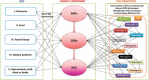
The fact that there is a distribution of responses to nutrient intakes, even in a healthy population, raised the question for Brannon: Why do people vary? She discussed how genetic, epigenetic, and nutrient–gene interactions drive individual variation in nutritional kinetics and dynamics, elaborated on the complexity of these interrelationships, and illustrated how this complexity is reflected in the variety of ways that different authoritative bodies have defined nutrigenomics. In her opinion, this complexity will need to be addressed as population-based nutrition guidance transitions into personalized nutrition guidance (see Figure 1).

FIGURE 1. Complexities of nutrigenomics, using cardiovascular disease (CVD) phenotypes as the endpoints.

FIGURE 1

Complexities of nutrigenomics, using cardiovascular disease (CVD) phenotypes as the endpoints. NOTE: GRS = genetic risk score; NGS = next-generation sequencing; SNP = single nucleotide polymorphism. SOURCE: Presented by Patsy Brannon on December 5, 2017. (more...)

“Adding to this complexity,” Brannon continued, “is the reality that consumer and food behavior is very, very difficult to fully elucidate and understand.” Health is not the only driving force and is likely not even the major driving force in food choices. “Taste is often the primary force,” she said, “and nutrigenomics is not going to change that reality.”

In closing, Brannon opined that, because of these complexities, rather than thinking about population-based and personalized dietary guidance as an either-or situation, the two approaches will likely need to be integrated.

NUTRIGENOMICS AND CHRONIC DISEASE ENDPOINTS

In the first session, moderated by Naomi Fukagawa of the U.S. Department of Agriculture, speakers discussed the interrelationships of diet, genomics, and health outcomes, with a focus on chronic disease endpoints.

To begin, José Ordovás of Tufts University discussed both the genome and epigenome in relation to nutrition and disease risk. According to Ordovás, the root of personalized therapies is newborn screening. In the United States, each year, more than 1,000 babies are born with congenital hypothyroidism (CH), one of several monogenic diseases that require specific treatments. A cording to Ordovás, the approximate cost of screening for CH is $20 million, compared to $400 million in benefits (i.e., costs avoided by having treated the disease). Costs and benefits of such screening aside, he continued, “what we know” is that the genome influences what therapies we need and how we respond to pharmacological and diet treatments. As a less extreme example than CH, he described what scientists have been learning about APOA2 and how earlier research had showed that individuals homozygous for the less common C allele (CC genotype) ate more food, specifically fatty foods, and as a result weighed more than individuals with TT and TC genotypes. Yet, in later work, scientists discovered that under low saturated fat conditions, genotype no longer mattered and that only when consuming a high saturated fat diet, which Ordovás described as a diet that stresses the physiology, do individuals with the CC genotype gain more weight than individuals with either of the other two genotypes. “This is a polymorphism that may have a significant impact in terms of personalized recommendations,” he said. He emphasized that this later finding has been replicated not only across populations worldwide, but also across ethnicities.

Although the absolute complexity of the epigenome is smaller than the genome, with its 30 million CpG dinucleotides in various states of methylation, compared to the genome's more than 300 million base pairs, Ordovás remarked that it is much more difficult to study in humans with respect to its importance in nutrition because of its dynamic nature. Unlike the genome, the epigenome changes over time and across organs and cell types. Yet, evidence in humans that nutrition-related epigenetic changes can influence adult-onset chronic diseases is beginning to emerge. Ordovás described some of what has been learned about the consequences of fetal starvation during the Dutch famine of 1944–1945 (the “Dutch Hunger Winter”), including obesity and neurological disorders later in life and significant differences in the epigenetic profiles of individuals who experienced fetal starvation compared to those who did not. He provided additional examples as well, including cases where both genetics and epigenetics ought to be taken into consideration when predicting the impact of diet on health. Otherwise, he said, recommending that everyone increase their intake of the omega-3 fatty acid or EPA (eicosapentaenoic acid) for example, would result in a positive effect in some individuals with respect to HDL cholesterol, but a negative effect in others.

In closing, Ordovás remarked that the microbiome also plays a role in nutrition and that personalized nutrition will likely require combining not just an individual's genomics and epigenomics, but his/her microbiome as well. “I don't know that we'll ever get to perfect,” he concluded, meaning 100 percent personalized nutrition. However, paraphrasing an old Italian proverb, he said, “perfection is the enemy of good.” There is enough known now, in Ordovás's opinion, to begin putting the pieces of the puzzle together in the right places and to control some of what he described as the “snake oil” being sold by some commercial ventures.

“Why can't we understand and cure the common metabolic and degenerative diseases?” Douglas Wallace of the University of Pennsylvania began his presentation on mitochondrial genetics and its relationship with disease risk. He suspected that perhaps the problem is not the effort, given the trillions of dollars that have been spent trying to understand chronic disease in humans; rather it is the basic assumptions upon which the scientific community is studying disease. Rather than focusing on anatomy and Mendelian (i.e., nuclear) inheritance alone, Wallace suggested also thinking about bioenergetics and non-Mendelian (i.e., mitochondrial) inheritance. He described how nuclear and mitochondrial DNA have differentiated over evolutionary time, with today's mitochondrial genome specializing in energy. The flow of energy across the mitochondrial membrane is, he said, “absolutely critical” to life.

Wallace explained how the different components of the mitochondrial “wiring diagram” have co-evolved and how maternal inheritance of mitochondrial DNA has ensured that these co-evolved components remain tightly coupled. Through this tight coupling, energy production is more efficient than it would be otherwise. However, although mitochondrial DNA does not undergo sexual recombination, mitochondria are constantly replicating and, as they replicate, mutations accumulate. As these mutations accumulate, the different tissues in the body become mosaics of different mitochondrial genotypes, Wallace continued to explain. And as the number of mutant mitochondrial DNA increases, energy output declines. Regardless of the type of mitochondrial mutation, when energy output crosses a minimum energy threshold for that organ, disease begins.

“Once we begin to think energetically,” Wallace said, “then all the common diseases have the same etiology: a bioenergetics defect.” He described results from several studies of mitochondrial mutations, as well as mitochondrial heteroplasmy (cells with a mixed population of mutant and normal mitochondria), in relation to a wide range of disease and behavior phenotypes.

PERSONALIZED NUTRITION IN THE REAL WORLD

Shifting the focus from research to personalized nutrition in the real world, Nathan Price of the Institute for Systems Biology presented work under way at Arivale, a wellness and personal coaching company he co-founded. But first, he discussed the complexity of the relationship between nutrition and disease at the molecular level; the many different systems biology inputs that contribute to this complexity (e.g., genetics, metabolic function, physical activity); and the estimated 90 percent of a person's lifetime health that is attributed to genetics, behavior, or the environment (as opposed to health care). He differentiated between the health care industry and the wellness industry, the latter having a mixed reputation, in his opinion, because of the many non-scientifically-based approaches being applied. Price discussed how he and a colleague proposed the 100K Wellness Project to increase credibility in the wellness industry. The goal of scientific wellness, he explained, is to predict and prevent disease before it happens; the goal of the 100K Wellness Project is to collect a dense, dynamic dataset for 100,000 individuals that can be watched over time for early warning signs of disease.

In the meantime, Price and colleagues have completed a 9-month feasibility study, the Pioneer 100 Wellness Project, which involved 108 participants who underwent detailed laboratory tests at three different times and received personal wellness coaching for the duration of the study. Data were collected on hundreds of metabolites and markers and the investigators also provided participants with wellness coaching. Regarding the coaching, Price referred to other workshop speakers' emphases on the critical role of behavior change in personalized nutrition. Over the course of the study, participants showed improvements in a number of clinical markers, such as a 12 percent improvement in inflammation by 6 months (i.e., inflammation was reduced). Price noted that participants who have stayed with the program, through participation in Arivale's scientific wellness program, have shown continued improvements. In addition to mining the data and returning new health discoveries back to the study participants, Price and colleagues have also been studying the nearly 4,000 correlations detected among the different data types (e.g., associations between metabolites in the blood and genetic risk scores). “These data types had never before been measured simultaneously on a population of people,” he said.

Continuing the focus on the potential for nutrigenomics in the real world, next, Claudia Morris of Emory University shared her research on arginine deficiency syndromes, mostly in relation to sickle cell disease and trauma. She described both as having distinct nutritional requirements that develop because of metabolic abnormalities that may benefit from arginine replacement therapy. Arginine, a conditionally essential amino acid (i.e., it becomes indispensable under stress or critical illness, but is otherwise non-essential) is an obligate substrate for nitric oxide (NO) production. NO, in turn, is a potent vasodilator with multiple functions. Morris stressed that a drop in an amino acid does not necessarily translate into a clinically significant deficiency. For a nutritional deficiency to occur, a biological process that is dependent on that nutrient has to be compromised, that compromise has to lead to an abnormal physiological response that is causative of a poor outcome, and those poor outcomes need to be reversible when the nutrient is replaced. In the case of pulmonary hypertension in sickle cell disease, Morris demonstrated how low arginine bioavailability meets these criteria: it leads to endothelial dysfunction (i.e., the compromised biological process), which may lead to pulmonary hypertension (i.e., the abnormal physiological response), which is associated with increased mortality in patients with sickle cell disease (i.e., the poor outcome) and may be reversible with arginine supplementation.

Patients with sickle cell disease have also been shown to have lowered arginine-to-ornithone ratios, which, in turn, have been associated with higher risk for pulmonary hypertension. Morris and colleagues observed decreases in pulmonary hypertension among sickle cell patients treated with arginine similar to what has been reported for some of the pulmonary hypertension medications on the market. She described how arginine deficiency also has been shown to play a role in other diseases, including cardiovascular disease. In one study, the arginine-to-ornithone ratio was more predictive of cardiovascular disease than cholesterol.

Although the potential benefit of arginine therapy for sickle cell disease, as well as for trauma, has been demonstrated in mice and humans, most of these studies are limited by methodological weaknesses, according to Morris. Additionally there is a paucity of data in children. There are other therapeutic strategies to consider as well, such as arginine precursors (e.g., glutamine) and combination therapies that target multiple mechanisms. Morris concluded by calling for more research, including the identification of sub-populations that would likely benefit the most from arginine replacement therapy.

“We have heard a lot of evidence that has tremendous promise,” David Alpers of the Washington University School of Medicine in St. Louis began, but said, “we are just in the early stages of where we can utilize this information.” Nutrigenomic studies are difficult not only because they are complex, but also because proving causation from associations is especially challenging in the field of nutrition. There are many components in the diet that interact and which, together, cause multiple metabolic changes in the body. Additionally, except for diseases caused by single gene defects, it is very difficult to isolate which components of a disease phenotype are related to nutrition and which to other factors. In the clinic, Alpers said, “usually by the time we see a well-developed chronic disease, the effects of the disease itself are more potent than that of nutritional deficiencies.” Because of these difficulties, many scientific approaches to studying links between genomics and nutritional phenotypes have relied on in vitro and in vivo animal studies. For example, turmeric and garlic extracts and other nutrient components have been shown to play potent roles in preventing some cancer changes in cells or in animals. But most of these findings have not been translated to human data. Alpers further stated that the human data that do exist, for example, studies on omega-3 fatty acid supplementation, are not as suggestive as they are in animal studies. In sum, Alpers expects a long lag before strong human data are available and nutrigenomics can be commercially implemented.

Meanwhile, he continued, there are many personalized Internet services currently available to consumers that provide individuals with information based on an analysis not of their genomes, but of their dietary patterns. Many of these services are mobile phone based, which Alpers predicts will become a potent method for modifying behavior when nutrigenomics does become commercially implemented. Also available are personalized programs based on phenotypic data, for example, wrist-watch accelerometers that monitor and deliver physical activity information. Alpers acknowledged that these programs work in terms of the immediate feedback they provide, but reiterated that what is missing is whether the information provided, if used by the recipient, will actually change a disease phenotype. Finally, in fact, there are some personalized nutrition services already available that rely on genomic data; however, most of the information comes from observational studies linking single nucleotide polymorphisms (SNPs) to dietary patterns. “That's not really enough in itself,” Alpers said, as those links have yet to be translated into changes in disease phenotypes.

In closing, Alpers remarked, “the concept of genomics for personalized nutrition is a sound one, and many of the strategies are in place. What is missing is the data that translate those strategies or the preclinical work to actual clinical outcomes.”

The final speaker of this session, Ahmed El-Sohemy of the University of Toronto and founder of Nutrigenomix, Inc., remarked that, while he agreed with many of Alpers's comments, he would also be presenting evidence to show that many of Alpers' criticisms “are actually not true.” He acknowledged, however, that the field is not without controversy, as what is being offered is quite varied and some of what is being offered is not rooted in robust scientific evidence. But where there have been enough observational studies linking nutritional factors with health outcomes, the responses are variable. El-Sohemy emphasized the importance of understanding genetic differences that help to explain these variable responses. Without this understanding, he argued, “outlier” individuals could actually be harmed by advice that benefits others. As an example, he described coffee intake and how the risk of myocardial infarction associated with coffee intake depends on whether one is a fast metabolizer or a slow metabolizer based on the CYP1A2 genotype. The CYP1A2 genotype has also been shown to modify the association between coffee intake and several other health outcomes, El-Sohemy continued to describe. While questions remain about the economic and social aspects of genetic testing, including the cost and accessibility of such testing, in terms of the science, referring to the CYP1A2 studies, El-Sohemy said, “I think these are some really good examples of proof of concept at how an individual SNP, a single SNP, can modify the association between a dietary component and a variety of different health outcomes.”

El-Sohemy went on to describe some of the ways that nutrigenomics is portrayed in the media and what he perceived as problems in how information is communicated. He provided an example of an article where a pediatrician who was asked during an interview about the variability of diet response and he was unaware of the evidence that suggests that people respond differently to different diets. Per El-Sohemy, not only does such evidence exist, but it is “pretty robust” and has been replicated. He was referring to evidence showing that a person's response (i.e., change in fat mass) to a low protein versus a high protein diet depends on an individual's FTO gene variant. Specifically, people with an AA genotype lost a considerably greater amount of fat mass on a high protein diet, compared to a low protein diet. In contrast, individuals with the TT or TA genotypes showed no difference in loss of fat mass on a low protein versus a high protein diet. Bringing to mind Brannon's prediction in her opening presentation that the future likely will bring an integration of population-based and individualized dietary guidance, as opposed to completely transitioning into individualized dietary guidance, El-Sohemy asked: How can this kind of personalized dietary advice (e.g., regarding FTO genotype) be balanced with public health recommendations for populations? He described the results of a randomized clinical trial showing that people who were provided with DNA-based dietary advice had a greater understanding of the recommendations, compared to people who did not receive the advice; were motivated to change their eating habits; and showed greater compliance 1 year later. This finding has been replicated, according to El-Sohemy, suggesting that providing people with personal information can be a very useful tool for motivating them to change their eating habits.

More at link.