Changing stroke rehab and research worldwide now.Time is Brain! trillions and trillions of neurons that DIE each day because there are NO effective hyperacute therapies besides tPA(only 12% effective). I have 523 posts on hyperacute therapy, enough for researchers to spend decades proving them out. These are my personal ideas and blog on stroke rehabilitation and stroke research. Do not attempt any of these without checking with your medical provider. Unless you join me in agitating, when you need these therapies they won't be there. Did your doctor somehow miss the recovery protocol that Pedro Bach-y-Rita used to recover fully back in 1958 with only a partial brain?

What this blog is for:

My blog is not to help survivors recover, it is to have the 10 million yearly stroke survivors light fires underneath their doctors, stroke hospitals and stroke researchers to get stroke solved. 100% recovery. The stroke medical world is completely failing at that goal, they don't even have it as a goal. Shortly after getting out of the hospital and getting NO information on the process or protocols of stroke rehabilitation and recovery I started searching on the internet and found that no other survivor received useful information. This is an attempt to cover all stroke rehabilitation information that should be readily available to survivors so they can talk with informed knowledge to their medical staff. It lays out what needs to be done to get stroke survivors closer to 100% recovery. It's quite disgusting that this information is not available from every stroke association and doctors group.

Showing posts with label gout. Show all posts

Tuesday, June 16, 2026

Gout and Risk of Ischemic Stroke in Patients With Atrial Fibrillation: A Nationwide Cohort Study


Ask your competent? doctor to compare all this research for the best course of action.


Gout drug could reduce stroke risk, study suggests January 2026

The latest here:

Gout and Risk of Ischemic Stroke in Patients With Atrial Fibrillation: A Nationwide Cohort Study


Gout is an emerging cardiovascular risk factor. We aimed to assess whether gout is associated with an increased risk of stroke in patients with atrial fibrillation (AF).

METHODS:

The nationwide registry-linkage FinACAF study (Finnish Anticoagulation in Atrial Fibrillation) included all patients with AF in Finland between 2007 and 2018 from all levels of care. Based on diagnosis codes and pharmacy claims data, the association of gout and urate-lowering therapy with the incidence of ischemic stroke was assessed.

RESULTS:

We identified 229 565 patients with new-onset AF (50.0% female; mean age, 72.7 years; mean follow-up, 4.0 years), of whom 6 910 (3.0%) had a history of gout. A total of 16 296 (7.1%) patients experienced an ischemic stroke. Gout was associated with higher stroke rates in both unadjusted and adjusted analyses (incidence rate ratio, 1.35 [95% CI, 1.22–1.49] and incidence rate ratio, 1.12 [95% CI, 1.02–1.24], respectively). Analyses restricted to follow-up without anticoagulation yielded consistent results with slightly higher point estimates (incidence rate ratio, 1.88 [95% CI, 1.63–2.17] unadjusted; incidence rate ratio 1.26 [95% CI, 1.09–1.46] adjusted). In patients with gout and AF, time-dependent exposure to urate-lowering therapy was associated with a 30% lower stroke rate. Nonanticoagulated crude stroke rates were 1.5, 1.0, and 4.8 per 100 patient-years for gout patients with CHA2DS2-VA scores of 0, 1, and ≥2, respectively.

CONCLUSIONS:

Gout is an important risk factor for ischemic stroke in patients with AF, and considering gout could improve stroke risk stratification. Urate-lowering therapy was associated with reduced stroke risk, suggesting that gout is a modifiable risk factor in patients with AF.

REGISTRATION:

URL: https://www.clinicaltrials.gov; Unique identifier: NCT04645537.

Graphical Abstract

 Atrial fibrillation (AF) is the most common cardiac arrhythmia, affecting up to 5.2% of the adult population.1 It is a major cause of ischemic stroke, with the risk of stroke varying considerably among individuals based on their specific comorbidities and other characteristics.2,3 With optimal therapy, including oral anticoagulant (OAC) treatment as well as management of relevant comorbidities, the risk of stroke can be significantly reduced.4 Identifying patients who would benefit from OAC therapy and have modifiable stroke risk factors is therefore essential for improving their prognosis.
Gout is the most common form of inflammatory arthritis with increasing prevalence globally.5 It is characterized by recurrent painful flares caused by an inflammatory reaction against monosodium urate crystals deposited in joints and surrounding tissues as a result of hyperuricemia.6 Gout has been associated with the risk of cardiovascular events, including myocardial infarction, stroke, and venous thromboembolism.7–10 AF is common in patients with gout and hyperuricemia, and patients with gout often share many risk factors for AF, particularly older age, male sex, obesity, hypertension, chronic kidney disease, and alcohol use.11–14 Gout is also often undertreated, with both low rates of urate-lowering therapy initiation and poor treatment adherence.15
In patients with AF, it remains uncertain whether gout contributes to an additional and potentially modifiable risk of stroke. Moreover, while there is some evidence that long-term urate-lowering therapy may lower the risk of acute coronary syndrome and stroke in patients with gout, whether this also applies to stroke risk in patients with coexisting AF and gout is unknown.16–18 These questions are clinically important, as appropriate management of gout might offer a relatively simple and cost-effective strategy to improve outcomes in patients with AF. Therefore, we conducted a nationwide retrospective cohort study to examine the association of gout with ischemic stroke in patients with AF. Additionally, we explored whether urate-lowering therapy is associated with a reduced stroke risk in patients with gout and AF.

METHODS

Data Availability Statement

Because of the sensitive nature of the data collected for this study, requests to access the data set from qualified researchers trained in human subject confidentiality protocols may be sent to the Finnish national register holders (Social Insurance Institution of Finland, Finnish Institute for Health and Welfare, Population Register Center, and Tax Register) through Findata (https://findata.fi/en/). In the interest of research transparency and reproducibility, the analysis code used in this study has been made publicly available on GitHub and permanently archived on Zenodo under DOI 10.5281/zenodo.17228485. It can be accessed directly online at https://doi.org/10.5281/zenodo.17228485.

Study Population

The FinACAF study (Finnish Anticoagulation in Atrial Fibrillation; ENCePP Identifier: EUPAS29845) is a nationwide retrospective cohort study that includes all patients documented with AF in Finland from 2004 to 2018.19 Patients were identified using all available national health care registers, including hospitalizations and outpatient specialist visits, and primary health care. and the National Reimbursement Register maintained by the Social Insurance Institute. The cohort inclusion criterion was an International Classification of Diseases, Tenth Revision diagnosis code of I48, encompassing AF and atrial flutter, collectively referred to as AF, recorded between 2004 and 2018. Exclusion criteria encompassed permanent emigration abroad before December 31, 2018, and age below 20 years at AF diagnosis. The present substudy was conducted within a cohort of patients with incident AF from 2007 to 2018, established in previous studies of the FinACAF cohort.20–22 The patient selection process is summarized in Figure S1.

Follow-Up

The follow-up period was evaluated using 2 distinct approaches. In both strategies, the follow-up started from the first diagnosis of AF. In the main approach, follow-up continued until the occurrence of the first ischemic stroke event, death, or the end of the observation period on December 31, 2018, whichever occurred first. In this approach, the regressions were adjusted for the use of OACs in a time-dependent manner. Moreover, since it is the nonanticoagulated stroke rate that drives the clinical decision-making regarding stroke prevention with OACs, the second approach focused exclusively on the follow-up without OAC therapy.23 Thus, in the second approach, the follow-up ended on the first OAC purchase, the first stroke event, death, or the end of the observation period, whichever occurred first.

Definition of Gout

Patients were classified as having gout if they had recorded gout diagnosis codes (International Classification of Diseases, Tenth Revision: M10 or International Classification of Primary Care, Second Edition: T92) in any of the nationwide hospital or primary care registers before or at the date of the first AF diagnosis. Furthermore, to explore gout severity and gauge potential causality between gout and stroke (on the assumption that a causal risk factor should show stronger associations with greater severity), we classified patients into 2 groups: those with a hospital-recorded diagnosis of gout (a surrogate for more severe disease requiring hospital-level care) and those with gout diagnosis recorded only in primary care (a surrogate for less severe disease). Additionally, gout patients were categorized into those with a pharmacy purchase of urate-lowering therapy (allopurinol or febuxostat) within the year before their first AF diagnosis and those without urate-lowering drug purchases.

Exposure to Urate-Lowering Therapy

We considered allopurinol and febuxostat, the most commonly used urate-lowering therapies in Finland, in our analyses. First, we assessed stroke risk in patients with gout with and without these drug purchases at baseline, defined as at least 2 pharmacy purchases of allopurinol or febuxostat within the year before the first AF diagnosis (start of follow-up), including the date of diagnosis. Second, among patients with gout, we analyzed the effect of these drugs on stroke risk using a time-dependent exposure definition. In this approach, exposure to urate-lowering therapy began at the first pharmacy purchase occurring within 1 year before or any time after cohort entry and was assumed to continue until 120 days after the last recorded purchase. Follow-up with exposure to urate-lowering therapy was then compared with time without urate-lowering therapy. Purchases made >1 year before cohort entry were not considered as therapy initiation. The 120-day interval was chosen because, in Finland, medications can be reimbursed for up to 90 days at a time, with an additional 30-day grace period allowed to account for potential stockpiling and waning of the urate-lowering effect.

Definition of Ischemic Stroke

In patients without prior ischemic stroke before the first AF diagnosis, an ischemic event was considered to occur on the first date of a recorded I63 or I64 International Classification of Diseases, Tenth Revision diagnosis code in the hospital care register after the cohort entry. In patients with prior ischemic stroke, the event was considered to occur on the date of the first new hospitalization with I63 or I64 International Classification of Diseases, Tenth Revision code as the main diagnosis, with at least a 90-day gap from the prior event, which had occurred before AF diagnosis.

Study Ethics

The study protocol was approved by the Ethics Committee of the Medical Faculty of Helsinki University, Helsinki, Finland (nr. 15/2017 and 15/2024), and received research permission from the Helsinki University Hospital (HUS/46/2018 and HUS/217/2024). Respective permissions were obtained from the Finnish register holders (KELA 138/522/2018; Finnish Institute for Health and Welfare 2101/5.05.00/2018; Population Register center VRK/1291/2019-3; Statistics Finland TK-53-1713-18/ u1281; and Tax Register VH/874/07.01.03/2019). Patients’ personal identification numbers were pseudonymized, and the research group received individualized but unidentifiable data. Informed consent was waived due to the retrospective registry nature of the study. The study conforms to the Declaration of Helsinki as revised in 2024. This study is reported in accordance with the STROBE guidelines (Strengthening the Reporting of Observational Studies in Epidemiology; Supplemental Material).

Statistical Analyses

We calculated incidence rates and incidence rate ratios (IRRs) for ischemic stroke using the Poisson regression model. The model employed a Lexis-type data structure, incorporating 2 time scales: follow-up time from AF diagnosis and age.24 This statistical approach was selected to address age progression over the relatively long observation period (2007–2018). Adjusted IRRs accounted for age (categorical variable with 10-year intervals), calendar year period, sex, heart failure, diabetes, hypertension, prior ischemic stroke, vascular disease, dyslipidemia, prior bleeding, alcohol use disorder, renal failure, cancer, dementia, psychiatric disorders, and income level (divided into tertiles). The definitions of the comorbidities are presented in Table S1. In analyses that also included follow-up with anticoagulation, OAC use was treated in a time-dependent manner, with treatment initiation marked by the first OAC purchase and continuation until 120 days after the last drug purchase. Additionally, we assessed the association between urate-lowering therapy (allopurinol or febuxostat) exposure and stroke risk among patients with gout. In these analyses, urate-lowering therapy use was modeled in a time-dependent manner (as detailed above in the exposure to urate-lowering therapy paragraph), and adjusted models included the aforementioned variables, including OAC use. Sensitivity analyses were conducted among patients without baseline stroke, as first-ever strokes may be more reliably defined than recurrent events in administrative registry data. Moreover, we assessed whether the association between gout and stroke risk differed across stroke risk categories by fitting a Poisson regression model including gout, stroke risk category (3 groups: CHA2DS2-VA scores 0, 1, or ≥2), and their interaction term. Baseline variables were compared using the χ2 test, Student t test, and ANOVA. Standardized mean differences of baseline variables are also reported. All tests were 2-sided, with statistical significance assessed using a P value threshold of 0.05 or the 95% CIs. Statistical analyses were conducted using IBM SPSS Statistics software version 28.0 (SPSS Inc, Chicago, IL) and R version 4.0.5 (R Core Team, Vienna, Austria; https://www.R-project.org).

RESULTS

We identified 229 565 patients with new-onset AF (50.0% female; mean age, 72.7 years; mean follow-up time, 4.0 years). Overall, 6 910 patients (3.0%) had a history of gout, of whom 3 796 (1.7%) were diagnosed at the hospital level, and 3 114 (1.4%) had a gout diagnosis recorded only in primary care. Of the patients with gout, 2 978 (43.1%) had purchased urate-lowering therapies within a year before the first AF diagnosis. Patients with gout had a higher overall prevalence of comorbidities than patients without gout, which was also reflected in their higher stroke and bleeding risk scores (Table). Of all patients with gout, 103 (1.5%), 443 (6.4%), and 6 364 (92.1%) were classified as low (CHA2DS2-VA=0), moderate (CHA2DS2-VA=1), and high (CHA2DS2-VA≥2) stroke risk, respectively. Patients with gout diagnosed in a hospital setting had a higher prevalence of comorbidities compared with those diagnosed only in primary care. Similarly, patients with urate-lowering medication at baseline had more comorbidities than those without urate-lowering treatment (Table S2). None of the patients in the cohort used colchicine at baseline. Patients with gout were more likely to initiate OAC therapy during the follow-up period, compared with patients without gout (73.7% versus 70.4%; P<0.001). Moreover, mortality during follow-up was higher in those with gout than in those without gout (35.0% versus 33.2%; P<0.001).



Wednesday, January 28, 2026

Gout drug could reduce stroke risk, study suggests


Ask your competent? doctor to compare all this research for the best course of action.


Gout drug could reduce stroke risk, study suggests

A gout drug taken at the right dose may cut heart attack and stroke risk in people with gout, a study of 109,504 patients in the UK, Sweden and Italy suggests.

Gout is a common arthritis caused by uric acid crystals forming in joints, triggering sudden severe pain, often in the big toe, feet, ankles, hands, wrists, elbows and knees.

Medicines such as allopurinol lower uric acid and can dissolve crystals when dosed correctly, which varies by person. Patients are usually advised to aim for under 360 micromol/L in blood.

Gout has been linked with a higher risk of cardiovascular disease, including heart attacks and stroke.

Researchers analysed Clinical Practice Research Datalink Aurum records linked to hospital and mortality data from January 2007 to March 2021.

All participants were 18 or over, had gout and had uric acid levels above target before treatment.

They were split into two groups, one prescribed urate-lowering drugs, mainly allopurinol.

Researchers then assessed heart attacks, strokes or death from heart problems within five years of the first prescription.

Those on medication had a lower risk of heart problems over five years and fewer gout flares. Risks fell further in patients who achieved uric acid below 300 micromol/L.

University of Nottingham’s professor Abhishek Abhishek, who led the study, said: “People with gout are at an increased risk of illnesses such as heart disease and stroke.

“This is the first study to find that medicines such as allopurinol that are used to treat gout reduce the risk of heart attack and stroke if they are taken at the right dose.”

“The right dose varies from person to person and is the dose that gets the blood urate level to less than 360 micromol/L (6 mg/dL).”

He described the findings as “very positive.”

He added: “Previous research from Nottingham showed treat-to-target urate-lowering treatment prevents gout flares.”

“This current study provides an added benefit of reduced risk of heart attack, stroke, and death due to these diseases.”

The UK Gout Society estimates gout affects around one in 40 people in the UK.

Saturday, July 19, 2025

NSAIDs May Pose Greater Heart Risks Than Colchicine in Gout

 Your competent? doctor knows precisely what to do with colchicine for your recovery. Right?

  • colchicine (27 posts to December 2011)
  • And knows about the association of gout with dementia?

    Your doctor has a lot of explaining to do. All this other information.

    Ask your doctor to compare this research for the best course of action.

    Gout may lessen Alzheimer risk March 2015


    Study finds no association between gout and neurodegenerative diseases in the general population March 2023


    Gout unveiled as surprising culprit in neurodegenerative diseases May 2023

    The latest here:

    NSAIDs May Pose Greater Heart Risks Than Colchicine in Gout

    TOPLINE:

    In patients with gout starting allopurinol as a long-term urate-lowering therapy, the prophylactic use of nonsteroidal anti-inflammatory drugs (NSAIDs) was associated with a higher risk for major adverse cardiovascular events (MACEs) than the use of colchicine or no prophylaxis.

    METHODOLOGY:

    • Researchers followed a target trial framework to emulate a randomized clinical trial using data from administrative databases in British Columbia, Canada, to compare the cardiovascular safety of the prophylactic use of NSAIDs vs colchicine in patients with gout who started allopurinol between 1995 and 2022.
    • They included 9060 patients who were prescribed NSAIDs (mean age, 60.9 years; 83.5% men) who were propensity score-matched with 9060 patients prescribed colchicine on the same day as allopurinol.
    • The primary outcome was MACE, a composite of myocardial infarction, ischemic stroke, or cardiovascular death. Secondary outcomes included the individual components of MACE and all-cause mortality.
    • Sensitivity analyses were also conducted with follow-up truncated after 3 months or 6 months and using inverse probability treatment weighting.
    • Additionally, the cardiovascular safety of NSAIDs and colchicine was compared with that of no prophylaxis after propensity matching.

    TAKEAWAY:

    • The risk for MACE was higher in patients using NSAIDs than in those using colchicine (hazard ratio [HR], 1.56; 95% CI, 1.11-2.17). Findings were consistent in sensitivity analyses.
    • The use of NSAIDs was associated with significantly higher risks for cardiovascular death (HR, 2.50; 95% CI, 1.14-5.26) and all-cause mortality (HR, 2.00; 95% CI, 1.19-3.45) than the use of colchicine.
    • Compared with no prophylaxis, the use of NSAIDs was associated with a 50% higher risk for MACE (HR, 1.50; 95% CI, 1.17-1.91) and a 93% higher risk for myocardial infarction (HR, 1.93; 95% CI, 1.35-2.75), whereas the use of colchicine was not associated with risk for MACE or its individual components.

    IN PRACTICE:

    “The findings of this present study have the potential to impact clinical care as well as current guidelines, as they highlight the real potential dangers of NSAID use, even short-term, among patients with gout and provide additional evidence in support of colchicine as the preferred paradoxical gout flare prophylaxis agent,” the authors wrote.

    SOURCE:

    This study was led by Chio Yokose, MD, MSc, Massachusetts General Hospital, Boston. It was published online on May 26, 2025, in Arthritis & Rheumatology.

    LIMITATIONS:

    The risk for residual confounding factors remained owing to the observational nature of this study. Data on key cardiovascular risk factors such as use of tobacco, BMI, or lipid panel were unavailable. Cardiovascular risk associated with different types of NSAID was not analyzed.

    DISCLOSURES:

    Some authors reported receiving support from the National Institutes of Health and the Canadian Institutes of Health Research. Several authors reported receiving personal fees, consulting fees, royalties, and grants, and having board positions and other financial ties with multiple pharmaceutical and healthcare companies.

    Saturday, August 17, 2024

    10 Reasons To Start Drinking Tart Cherry Juice A.S.A.P.

    I'm absolutely positive your competent? doctors DID NOTHING with tart cherry juice based on this earlier knowledge. Why the fuck are you seeing them?

    Effect of tart cherry juice (Prunus cerasus) on melatonin levels and enhanced sleep quality March 2021 

    10 Foods to Calm Inflammation May 2015


    10 Reasons To Start Drinking Tart Cherry Juice A.S.A.P.

    cherry fruit juice pouring in a drinking glass
    10 Little-Known Tart Cherry Juice BenefitsStefania Pelfini, La Waziya Photography

    When the “sleepy girl mocktail” became a viral sensation in 2023, the main ingredient—tart cherry juice—started flying off of grocery store shelves. So many people wanted to see if the drink would really give them a better night's sleep. It turns out that helping you catch some Zs is only one of many tart cherry juice benefits. This ruby red elixir has also been shown to provide joint relief, decrease inflammation, boost brain function, as well as offer several other advantages to your health.

    If you’ve seen the bottles at the market and asked, “What is tart cherry juice good for?” then read on to find out why this superfruit drink is getting so much (well-deserved) buzz.

    What is tart cherry juice?

    As the name suggests, it is the juice from tart cherries. Also known as sour, Montmorency or dwarf cherries, this variety is different from sweet cherries. Tart cherries are often too mouth-puckering to be consumed fresh so they can be found dried, frozen, or as juice to make them more palatable. However, if your goal is to get health benefits from tart cherry juice, then make sure you select one that is unsweetened to match the kind used in health studies. Avoid brands that add large doses of sugar to the juice.

    Benefits

    Tart cherry juice is a powerhouse of nutrients. According to the USDA, one 8-ounce serving provides 91 calories, 35 grams of carbs, and the following percent of the daily value of:

    • Copper: 12%

    • Potassium: 8%

    • Manganese: 7%

    • Magnesium: 7%

    • Iron: 6%

    • Vitamin A: 6%

    This nutritional profile is what allows tart cherry juice to furnish the following purported health benefits:

    1. Promote better sleep

    Tart cherry juice gives you a one-two punch of melatonin and tryptophan, ingredients that are known to send you into a slumber. If you suffer from insomnia or often wake up tired, you might consider drinking the juice consistently before bedtime to help you doze off, sleep longer, and have improved quality during that period of shut-eye.

    In a 2018 pilot study of tart cherry juice for treating insomnia, the majority of subjects with insomnia increased sleep time by 84 minutes. Drinking tart cherry juice may also help with better sleep quality, especially if it’s consumed in the evening after a meal of sleep-supporting foods.

    2. Relieve gout and other forms of arthritis

    Gout is a painful form of arthritis that occurs when there is a buildup of uric acid in the body. According to the Arthritis Foundation, “in 2019, a review of six studies found that tart cherry juice significantly lowered uric acid and led to less severe disease and fewer reported gout flares.” Other research has found that tart cherries may relieve joint pain in people with osteoarthritis, for those seeking natural fixes for arthritis.

    However, it’s important to note that the effects are relatively small, and medical experts do not recommend relying on tart cherry juice for “acute gout attacks.”

    3. Improve workouts with less soreness

    Many athletes drink tart cherry juice to help with performance as well as speed up muscle recovery and relieve soreness but does it actually work? A study in the Journal of the International Society of Sports Nutrition published in 2010 looked at pain reduction after long-distance running. Participants who drank tart cherry drink twice daily for 7 days prior to the event and on the day of the race reported that they had less increase in pain post-race, compared to the placebo group, and were more willing to use the drink in the future. The researchers attributed this result to the natural anti-inflammatory and antioxidant capacity of tart cherries, which they believe can help protect muscles from damage and pain.

    4. Boost brain function and memory

    Besides improving the physical body, tart cherry juice may enhance the mind, too. In a 2019 clinical study funded by the Cherry Marketing Institute, researchers found that older adults who drank the juice every day for 12 weeks showed improvements in cognitive function (including performance on visual memory tests to recognize patterns). They attributed the potential beneficial effects to the polyphenols, anthocyanins, and melanin in tart cherries. These bioactive compounds can decrease inflammation and oxidative stress, which, in part, may contribute to degenerative brain disorders, such as Alzheimer’s and Parkinson’s disease. “The effects may also be related to tart cherry’s potential blood pressure-lowering effects,” per the lead researcher, “as blood pressure can influence blood flow to the brain.”

    5. Lower blood pressure

    Tart cherry juice is one of many foods high in potassium, which has shown in studies that it may help those with high blood pressure maintain it in a healthy range and could reduce the risk of stroke. However, the reduction is not drastic and the juice should not be considered a replacement for doctor-prescribed medication for hypertension.

    6. Decrease inflammation

    You may have heard of the benefits of ”eating the rainbow.” What gives tart cherry juice its bright red color are anthocyanins. Research shows that these polyphenols can fight tissue inflammation the same way that medication like ibuprofen does.

    7. Strengthen the immune system

    The trifecta of antioxidants, vitamin A, and vitamin C in tart cherry juice can improve immune health, which can in turn fight off illness. While it’s not the only food to boost your immune system, it’s a welcome addition to your diet, along with the others on this list.

    8. Reduce risk of cancer

    Because it's packed with antioxidants, which helps play a role in minimizing oxidative stress and inflammation, tart cherry juice can potentially decrease the risk of diseases like cancer. A study published in 2003 looked at how anthocyanins in tart cherries could inhibit tumor development in mice and reduce the proliferation of human colon cancer cells. However, more research on humans needs to be conducted to bolster these findings.

    9. Promote weight loss

    While more research needs to be done on humans, tart cherry juice could help shed some pounds due to its anti-inflammatory properties. In one study published in 2008, rats fed tart cherries had less belly fat than those on a more typical Western diet. That said, it's worth flagging that a recent study showed that 100% fruit juice is linked to weight gain. For a lower calorie drink alternative, you can add a splash of tart cherry juice to some plain sparkling water along with ice and a wedge of lime.

    10. Improve vision

    Carrots get a lot of attention for their connection to better eyesight, but tart cherries should not be overlooked. One study found that patients with glaucoma reported improved vision and decreased symptoms after taking anthocyanins, a compound that is found in tart cherry juice.


    How much cherry juice should I drink?

    Many of the participants in the studies cited drank two 8-oz glasses of the juice daily. This dose should be safe to consume for most people but see Warnings (below).

    Warnings

    Always consult a doctor before trying new remedies to make sure they do not interfere with any medications you are taking, such as blood thinners, or adversely affect your health in any way.

    Tart cherry juice is high in sorbitol, a type of sugar alcohol that can cause abdominal cramping, nausea, or diarrhea in some people.

    Tuesday, May 23, 2023

    Gout unveiled as surprising culprit in neurodegenerative diseases

    Your doctor has a lot of explaining to do. All this other information.

    Ask your doctor to compare this earlier research to the newest .

    Gout may lessen Alzheimer risk March 2015


    Study finds no association between gout and neurodegenerative diseases in the general population March 2023


    The latest here:

    Gout unveiled as surprising culprit in neurodegenerative diseases

    In a recent study published in the journal Nature Communications, researchers explore the relationship between gout and neurodegenerative disease susceptibility.

    Study: Association of gout with brain reserve and vulnerability to neurodegenerative disease. Image Credit: Triff / Shutterstock.comStudy: Association of gout with brain reserve and vulnerability to neurodegenerative disease. Image Credit: Triff / Shutterstock.com

    What is gout?

    Gout, which is often referred to as hyperuricemia, is the most prevalent form of inflammatory arthritis, as it affects between 1% and 4% of the population. Gout is the result of monosodium urate crystal deposition in the joints and peri-articular tissues, which subsequently leads to an inflammatory reaction, swelling, and pain.

    Recent studies have made conflicting observations regarding the relationship between gout and neurodegenerative diseases. For example, some observational studies have reported that gout is associated with a reduced risk of dementia, especially Alzheimer's disease, whereas Mendelian randomization studies have not confirmed these findings. A history of gout has also been shown to increase the risk of stroke.  

    These contradictory findings emphasize the need for more studies, particularly those involving brain structure analysis, to better understand the relationship between gout and neurodegenerative diseases.

    About the study

    Study participants were recruited from the United Kingdom Biobank (UKB) study, which enrolled 40 to 69-year-old volunteers between 2006 and 2010. A subset of these patients underwent imaging, including magnetic resonance imaging (MRI) of the brain.

    Diagnostic criteria for gout were derived algorithmically from UKB baseline assessment information collection. All participants' serum urate levels were estimated at the beginning of the study.

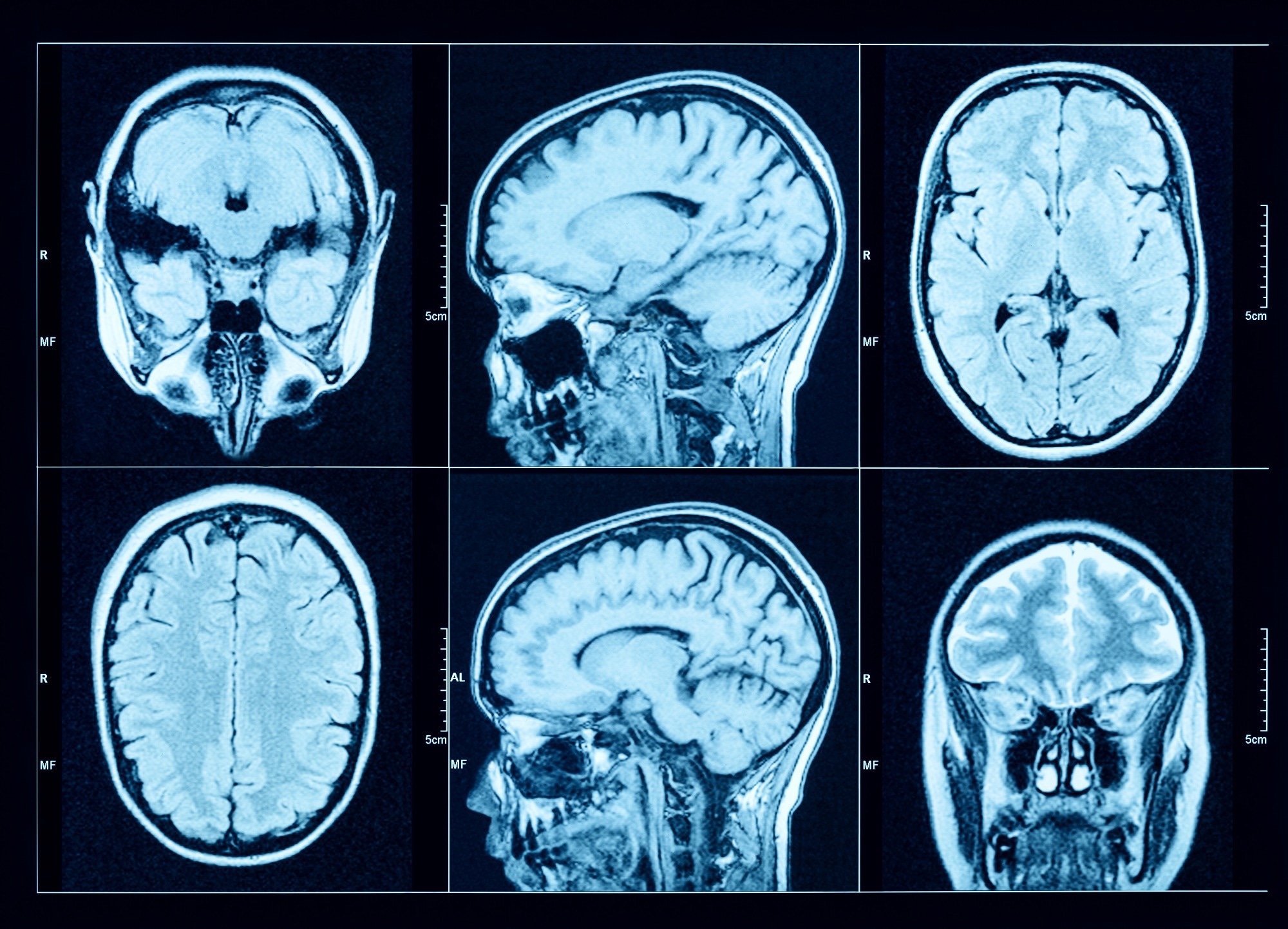
    The team utilized 2,138 summary image-derived phenotypes (IDPs) that represented different estimates of brain structure using T1-weighted and T2-weighted-FLAIR structural imaging, diffusion MRI, and susceptibility-weighted MRI. FMRIB software library voxel-based morphometry (FSL-VBM) was used to determine the precise spatial distribution of relationships between gout and gray matter volume throughout the brain.

    MRI results were used to determine whether causal relationships could explain the observed associations with brain structure. One-sample (gout) and two-sample (urate) linear MRI assessments utilizing summary statistics obtained from European participants were also performed.

    Variant harmonization guaranteed that the correlation between single nucleotide polymorphisms (SNPs) and exposures, as well as SNPs and outcomes, described the same allele. Several robust MRI techniques were employed to evaluate the consistency of each causal inference.

    Gout increases the risk of dementia and Parkinson's

    A total of 11,735 participants with gout were included in the current study, 1,165 of whom underwent brain imaging. About 31% of all gout patients were currently being treated with urate-lowering therapy (ULT).

    Most of the patients with gout were older and males. Notably, urate levels in male gout patients were positively correlated with alcohol intake and lower socioeconomic status.  

    During the follow-up period, 3,126 participants reported dementia, and 16,422 died, with gout patients twice as likely to die as compared to controls.

    Urate levels were inversely associated with global brain, grey matter, white matter, and high cerebrospinal fluid volumes. In fact, gout was found to exert the same impact on global grey matter volume as that which is observed when comparing the brain scans of a healthy individual to those of an individual who is two years older.

    Some of the specific gray matter regions of the brain that were affected by gout included the cerebellum, pons, and midbrain. Likewise, white matter regions, including the fornix, exhibited higher mean diffusivity and lower fractional anisotropy in gout patients.

    A history of gout and high urate serum levels were also associated with a greater degree of iron deposition in the bilateral putamen and caudate, both of which are basal ganglia structures. High iron levels within these brain structures may be due to gout-related inflammatory processes or poor urinary iron excretion, as controlling for renal function was found to reduce this association.

    Gout was positively associated with dementia, particularly vascular dementia, with the highest risk of a dementia diagnosis occurring in the first three years following a gout diagnosis. Additionally, gout increases the risk of both Parkinson's disease and probable essential tremors.

    Conclusions

    The current study is the first of its kind to correlate neuroimaging studies with gout, with its findings providing evidence for a causal involvement of gout in dementia and other neurodegenerative disease. Nevertheless, the researchers did not observe any classical imaging markers of Alzheimer's disease or vascular dementia in the brains of gout patients.  

    Taken together, the study findings are important for clinicians treating gout patients, as prophylactic treatments for gout may also reduce the risk of these patients developing neurodegenerative disorders in the future. These observations may also provide new insights into the different pathways involved in the pathogenesis of neurodegenerative diseases that can be used to identify novel therapeutic targets.

    Journal reference:
    • Topiwala, A., Mankia, K., Bell, S., et al. (2023). Association of gout with brain reserve and vulnerability to neurodegenerative disease. Nature Communications 14(1); 1-9. doi:10.1038/s41467-023-38602-6