Changing stroke rehab and research worldwide now.Time is Brain! trillions and trillions of neurons that DIE each day because there are NO effective hyperacute therapies besides tPA(only 12% effective). I have 523 posts on hyperacute therapy, enough for researchers to spend decades proving them out. These are my personal ideas and blog on stroke rehabilitation and stroke research. Do not attempt any of these without checking with your medical provider. Unless you join me in agitating, when you need these therapies they won't be there.

What this blog is for:

My blog is not to help survivors recover, it is to have the 10 million yearly stroke survivors light fires underneath their doctors, stroke hospitals and stroke researchers to get stroke solved. 100% recovery. The stroke medical world is completely failing at that goal, they don't even have it as a goal. Shortly after getting out of the hospital and getting NO information on the process or protocols of stroke rehabilitation and recovery I started searching on the internet and found that no other survivor received useful information. This is an attempt to cover all stroke rehabilitation information that should be readily available to survivors so they can talk with informed knowledge to their medical staff. It lays out what needs to be done to get stroke survivors closer to 100% recovery. It's quite disgusting that this information is not available from every stroke association and doctors group.

Saturday, May 31, 2025

Maury Regional Receives Recognition For Advanced Stroke Care


This is the whole problem in stroke enumerated in one word; 'care'; NOT RECOVERY!

If your hospital is following this it means they are a failure because they are delivering 'care'; NOT RECOVERY! I would never go to a failed hospital!

YOU have to get involved and change this failure mindset of 'care' to 100% RECOVERY! Survivors want RECOVERY, NOT 'CARE'!

I see nothing here that states going for 100% recovery! You need to create EXACT PROTOCOLS FOR THAT!

ASK SURVIVORS WHAT THEY WANT, THEY'LL NEVER RESPOND 'CARE'! This tyranny of low expectations has to be completely rooted out of any stroke conversation! I wouldn't go there because of such incompetency as not having 100% recovery protocols!

RECOVERY IS THE ONLY GOAL IN STROKE! GET THERE!

Maury Regional Receives Recognition For Advanced Stroke Care(NOT RECOVERY!)

Maury Regional Medical Center (MRMC) has earned The Joint Commission’s Gold Seal of Approval® for Advanced Primary Stoke Center Accreditation. This national distinction recognizes the medical center’s commitment to providing advanced neurological care(NOT RECOVERY!) for patients experiencing a stroke.

The Joint Commission’s Gold Seal of Approval is a symbol of quality that reflects a health care organization’s commitment to providing safe and quality patient care(NOT RECOVERY!), including continuous compliance with performance standards. The certification evaluates how organizations use clinical outcomes and performance measures to improve care(NOT RECOVERY!) across the continuum and the steps they take to prepare patients and their caregivers for discharge. MRMC last received the Advanced Primary Stroke Center Accreditation in 2023.

“MRMC is committed to providing advanced, best-practice health care(NOT RECOVERY!) to our patients and the community, especially for emergency situations, such as strokes,” said Maury Regional Health CEO Martin Chaney, MD. “We are honored to have earned a recertification as an Advanced Primary Stroke Center by The Joint Commission and will continue to strive for exceptional care(NOT RECOVERY!) for our stroke patients and their families and caregivers.”

Physicians on the medical staff at Maury Regional Health utilize state-of-the-art technology to care(NOT RECOVERY!) for patients presenting with stroke symptoms in the Emergency Department or an inpatient unit.

For nearly 10 years, caregivers at the medical center have implemented a sophisticated telemedicine platform for stroke patients. When individuals present to the hospital with symptoms of a stroke, emergency and hospital medicine physicians on the medical staff have 24/7 access to consultations from board-certified neurologists in the Ascension Saint Thomas system. This partnership allows for critical support around the clock for patients who require a rapid response. In addition, Maury Regional Medical Center offers RAPID® software with computed tomography (CT) technology to map blood flow and provide fast and automated diagnostic testing for patients experiencing signs of a stroke. This helps physicians and the care(NOT RECOVERY!) team to determine the best course of action for expedited treatment.

Following a stroke, Maury Regional Health offers resources for patients and their families, including outpatient stroke rehabilitation from experienced physical, speech and occupational therapists. The medical center also hosts a monthly stroke support group to share resources and education.

“Maury Regional Health is always striving to implement new and innovative technology and care(NOT RECOVERY!) models as we strive to fulfill our vision of being southern Middle Tennessee’s trusted choice for health care(NOT RECOVERY!),” Dr. Chaney said. “I am deeply appreciative of the team that provides life-saving care(NOT RECOVERY!) for our patients when time is of the essence.”

As part of The Joint Commission’s reaccreditation process, MRMC underwent a rigorous onsite review earlier this year. During the visit, a team of Joint Commission reviewers evaluated compliance with related certification standards, including program management and delivering and facilitating clinical care(NOT RECOVERY!). The Joint Commission’s standards are developed in consultation with health care(NOT RECOVERY!) experts and providers, measurement experts and patients. They are informed by scientific literature and expert consensus to help health care(NOT RECOVERY!) organizations measure, assess and improve performance. The surveyors also conducted onsite observations and interviews.

“As a health care(NOT RECOVERY!) accreditor, The Joint Commission works with health care(NOT RECOVERY!) organizations across care(NOT RECOVERY!) settings to inspire safer and higher quality of care(NOT RECOVERY!) that is more equitable and compassionate,” said Ken Grubbs, DNP, MBA, RN, executive vice president of Accreditation and Certification Operations and chief nursing officer for The Joint Commission. “Through collaborating on innovative solutions and evidence-based resources and tools, The Joint Commission helps drive improvement while maintaining accountability through our leading survey methods and standards. We commend Maury Regional Medical Center for its commitment to advance safety, quality, equity and compassion for all patients.”

Stroke warning signs include:

  • Sudden numbness or weakness of the face, arm or leg (especially on one side of the body)
  • Confusion or trouble speaking
  • Trouble seeing in one or both eyes
  • Trouble walking and dizziness or loss of balance
  • A sudden severe headache with no know cause

If individuals begin to show signs of a stroke, call 9-1-1 immediately. It is crucial to recognize these signs and act quickly to seek medical attention.

To learn more about Maury Regional Health’s stroke services, visit MauryRegional.com/stroke.

For more information on the accreditation process and The Joint Commission, please visit The Joint Commission website.

Sulfuretin Alleviates Cognitive Impairment in Mice Following Cerebral Ischemia by Promoting Hippocampal Neurogenesis via BDNF/TrkB/CREB Pathway

 Your incompetent? doctor will or will not get this research done in humans? I'm guessing your doctor WILL CHOOSE INCOMPETENCE! Less work to do.

Sulfuretin Alleviates Cognitive Impairment in Mice Following Cerebral Ischemia by Promoting Hippocampal Neurogenesis via BDNF/TrkB/CREB Pathway


Abstract

Background

Adult hippocampal neurogenesis is crucial for the improvement of cognitive function following cerebral ischemia (CI). Sulfuretin, a flavonoid extracted from Rhus verniciflua, has been found to exert neuroprotection in cerebral disease. Here, we studied the effects of sulfuretin on cognitive function and hippocampal neurogenesis in mice with CI.

Methods

CI was induced in adult mice using the middle cerebral artery occlusion (MCAO) method. Mice were injected with sulfuretin (300 μg/kg, i.p.) from day 1 to day 28 after MCAO and 5-bromo-2′-deoxyuridine (BrdU) (50 mg·kg, i.p.) from day 1 to day 6, and sacrificed on days 7 and 14. Cerebral infarct and neuronal survival in the hippocampal dentate gyrus (DG) were examined using triphenyltetrazolium chloride staining and Nissl staining, respectively. Immunofluorescence staining of BrdU and doublecortin (DCX) was performed to evaluate neurogenesis in the hippocampal DG. The levels of neurotrophic factors including BDNF, TrkB, and CREB in the hippocampus were measured using western blotting. Spatial learning and memory were assessed using the Morris water maze test.

Results

Sulfuretin significantly mitigated cerebral infarct and increased neuronal survival following CI. Sulfuretin promoted hippocampal neurogenesis and increased the number of immature neurons. Sulfuretin significantly enhanced the protein levels of BDNF, phosphorylated TrkB, and phosphorylated CREB in the hippocampus. Moreover, sulfuretin effectively improved spatial learning and memory ability post-CI.

Conclusion

Overall, sulfuretin can improve cognitive dysfunction induced by CI in mice by improving hippocampal neurogenesis, suggesting that sulfuretin might be a candidate drug to treat CI.

Psychometric comparisons of 2 versions of the Fugl-Meyer Motor Scale and 2 versions of the Stroke Rehabilitation Assessment of Movement

 Measurements NEVER GET ANYONE RECOVERED! I'd have you all fired for incompetency in not solving stroke!

Stroke Rehabilitation Assessment of Movement (STREAM) Nothing objective here!

Using Fugl-Meyer for anything in stroke is the height of stupidity, nothing objective in it, so nothing is repeatable.

Psychometric comparisons of 2 versions of the Fugl-Meyer Motor Scale and 2 versions of the Stroke Rehabilitation Assessment of Movement

Abstract

Objective

 To provide empirical justification for selecting motor scales for stroke patients, the authors compared the psychometric properties (validity, responsiveness, test-retest reliability, and smallest real difference [SRD]) of the Fugl-Meyer Motor Scale (FM), the simplified FM (S-FM), the Stroke Rehabilitation Assessment of Movement instrument (STREAM), and the simplified STREAM (S-STREAM). 

Methods. 

For the validity and responsiveness study, 50 inpatients were assessed with the FM and the STREAM at admission and discharge to a rehabilitation department. The scores of the S-FM and the S-STREAM were retrieved from their corresponding scales. For the test-retest reliability study, a therapist administered both scales on a different sample of 60 chronic patients on 2 occasions. 

Results

Only the S-STREAM had no notable floor or ceiling effects at admission and discharge. The 4 motor scales had good concurrent validity (rho ≥ .91) and satisfactory predictive validity (rho = .72-.77). The scales showed responsiveness (effect size d ≥ 0.34; standardized response mean ≥ 0.95; P < .0001), with the S-STREAM most responsive. The test-retest agreements of the scales were excellent (intraclass correlation coefficients ≥ .96). The SRD of the 4 scales was 10% of their corresponding highest score, indicating acceptable level of measurement error. The upper extremity and the lower extremity subscales of the 4 showed similar results. 

Conclusions

The 4 motor scales showed acceptable levels of reliability, validity, and responsiveness in stroke patients. The S-STREAM is recommended because it is short, responsive to change, and able to discriminate patients with severe or mild stroke.

Plasma cholinergic markers are associated with post-stroke walking recovery—revisiting the STROKEWALK study

But you gave us NOTHING ON HOW TO ASSIST IN GETTING PROPER BDNF LEVELS! Useless. I'd have you all fired!

 Plasma cholinergic markers are associated with post-stroke walking recovery—revisiting the STROKEWALK study


Sumonto Mitra1*†, Taher Darreh-Shori1, Erik Lundström2†, Staffan Eriksson3,4,5†, Tommy Cederholm6, Maria Eriksdotter1,7 and Birgit Vahlberg3*†

1Division of Clinical Geriatrics, Department of Neurobiology, Care Sciences and Society (NVS), Karolinska Institutet, Center for Alzheimer Research, Huddinge, Sweden

2Department of Medical Sciences, Neurology, Uppsala University, Uppsala, Sweden

3Department of Public Health and Caring Sciences, Geriatrics, Uppsala University, Uppsala, Sweden

4Centre for Clinical Research, Sörmland, Uppsala University, Eskilstuna, Sweden

5Department of Community Medicine and Rehabilitation, Physiotherapy, Umeå University, Umeå, Sweden

6Department of Public Health and Caring Sciences, Clinical Nutrition and Metabolism, Uppsala University, Uppsala, Sweden

7Theme Inflammation and Aging, Karolinska University Hospital, Huddinge, Sweden

Edited by
Haipeng Liu, Coventry University, United Kingdom

Reviewed by
Nazareno Paolocci, Johns Hopkins University, United States
Patricia Concepción García Suárez, University of Kansas, United States
Maria Luisa Garo, Mathsly Research, Italy
Abdur Raheem Khan, Integral University, India

*Correspondence
Birgit Vahlberg, birgit.vahlberg@pubcare.uu.se; Sumonto Mitra, Sumonto.mitra@ki.se

†ORCID
Sumonto Mitra, orcid.org/0000-0001-6381-5344
Erik Lundström, orcid.org/0000-0002-5313-9052
Staffan Eriksson, orcid.org/0000-0003-3572-8918
Birgit Vahlberg, orcid.org/0000-0002-1508-1435

Received 10 March 2025
Accepted 14 May 2025
Published 30 May 2025

Citation
Mitra S, Darreh-Shori T, Lundström E, Eriksson S, Cederholm T, Eriksdotter M and Vahlberg B (2025) Plasma cholinergic markers are associated with post-stroke walking recovery—revisiting the STROKEWALK study. Front. Neurol. 16:1568401. doi: 10.3389/fneur.2025.1568401

Introduction: Optimizing post-stroke rehabilitation strategies remains imperative for improving patient outcomes. Physical exercise, including outdoor walking, represents a promising intervention; however, its clinical efficacy, along with the utility of SMS-guided instructions to support adherence, requires further investigation. This study aims to elucidate the association of BDNF levels and cholinergic markers in the plasma of patients with previously reported post-stroke walking recovery (STROKEWALK study).

Methods: Post-stroke patients were randomly selected to receive SMS-guided exercise instructions (intervention group, n = 31) or not (control group, n = 31) at the time of stroke (baseline) and continued for the next 3 months. Plasma samples were collected at baseline (n = 28) and at 3-month follow-up (n = 28) and analyzed for Brain-Derived-Neurotrophic-Factor (BDNF) protein as a primary outcome. Secondary outcomes included enzyme activities of choline acetyltransferase (ChAT) and Butyrylcholinesterase (BChE), and the six-minute walking test (6MWT), which was assessed at the same time as the plasma sampling.

Results: A significant decline in BDNF was observed at 3 months in the total population (n = 56), primarily driven by the control group. Stratifying groups as intervention or control displayed no significant difference in BDNF protein levels, nor in ChAT or BChE activities at baseline or at 3-month follow-up, except for a significant correlation between BChE and Body-Mass Index (BMI). Patient stratification based on 6MWT performance displayed higher BDNF levels in the intervention group versus the control group, especially among females but not males. Females showed higher BChE than the males in the control group, but not in the intervention. Interestingly, the change in ChAT activity and cholinergic index (ChAT/BChE) from baseline to follow-up is significantly correlated with 6MWT performance.

Discussion: We conclude that SMS-guided exercise training improves post-stroke walking performance (6MWT) which attenuates the decline in BDNF levels. Cholinergic function correlates with improved walking performance and could be a useful marker to evaluate rehabilitation outcomes.(Why the indirect step? Just ask the patient if they recovered 100% walking! See how simple this can be?)

Keywords
brain-derived neurotrophic factor (BDNF); stroke; cholinergic index; exercise; rehabilitation

Top Doctor Shares Little-Known Method for Feeling “Superhuman at 70”!

 An ad, so ask your competent? doctor what are the real facts. I have nothing to do with this except as info to you.

Or you could read my nitric oxide posts.

  • endothelial nitric oxide (2 posts to January 2019)
  • nitric oxide (119 posts to March 2011)

  • Top Doctor Shares Little-Known Method for Feeling “Superhuman at 70”!

    How an MIT scientist’s discovery is helping thousands of people live their best lives in their 70s, 80s, and beyond. When it comes to anti-aging, tens of thousands of people have turned to Dr. Greg Eckel. He’s been featured on major networks like ABC, NBC, and FOX, where he’s shared his expertise on how to regain youth and energy. And more than 150,000 people have attended his summits. For 23 years, Dr. Eckel has been helping patients that others consider hopeless cases. In fact, he’s famous for taking on the toughest challenges. Like one woman who was bedridden for years. But after working with Dr. Eckel, she's back on her feet. She's not just walking – she's hiking and outpacing her husband! It’s no wonder people fly from all over the world to seek his expertise. Now, Dr. Greg Eckel has developed a new breakthrough that doesn’t require going to his office to see him. It’s helping people boost their energy, improve focus, and feel stronger. And you can use it without leaving your home. Here’s what you can expect: At the age of 70, Mike seems almost “superhuman.” He tours as a drummer in 2 rock bands … and plays marathon sets that last until the wee hours of the morning. One of his bands was even featured in a recent 3-day festival under the sweltering Nevada sun. Mike loves every minute of it! He tells people he’s living his retirement dream. And his smile says it all. When you see him now, it’s hard to believe Mike came so close to missing out on the dream he worked so hard for. For 37 years, Mike worked as an elementary school custodian. But he was a musician at heart. He knew he wanted to get back to playing the drums as soon as he retired and had more time. But when that time came, Mike was just too tired. He didn’t have the energy he used to have. And to top it off, his fingers would get cold and numb. Sometimes they’d even fall asleep for no reason at all. That alone could have been the end of his dream. And Mike’s not alone. There’s also Eddie. When Eddie was in his 60s, his health took a nosedive. It was so bad he had to stop doing a lot of the things he loved most in life. But now at 82, Eddie also feels superhuman. And he acts it, too! He plays 2 hours of tennis several times a week and competes in tournaments. He also swims regularly, travels, and he and his wife still enjoy a steamy sex life. Then there’s Pam. For 15 years she couldn’t walk up a flight of stairs without feeling pain in her knees. It got so bad that it even hurt walking on a flat surface. She tried taking “joint care” supplements, but they didn’t do much. Pam’s blood pressure was also higher than it used to be. She felt like she was falling apart. And she was starting to worry about what her future would be like if things continued along this path. But once Pam heard about what I’m going to share with you here today, she started to feel much better. In just a few weeks, her blood pressure came down … and her knee pain vanished. Best of all, she didn’t make any changes to his diet or exercise regimen. So how did Pam, Eddie, and Mike go from feeling worn out and old to feeling superhuman?All It Took Was One Simple Thing They all improved their health by improving the function of their endothelium(end-oh-THEE- lee-um). The endothelium is a layer of cells that lines your blood vessels. It’s in the major arteries in your heart and lungs. It’s even in the tiniest capillaries in your fingers and toes, your eyes, and in every one of your organs. In fact, the endothelium is the largest organ in your body. If you could spread it out, the cells would cover almost 2 entire football fields! And we now know the endothelium is one of the most important organs concerning your health. People with a healthy endothelium feel good. They have few if any symptoms and stay active. When you see an older person who looks and acts younger than their age, they’re sure to have a healthy endothelium. The reason why the endothelium is so vital is because it controls blood flow throughout your entire body. When you have good blood flow, fresh oxygen and nutrients are delivered to all your organs, tissues, and cells. This keeps everything working the way it should! But if you have poor blood flow, your cells will be slowly deprived of oxygen and vital nutrients. For many people, the first sign of poor blood flow is they start feeling low on energy some days … or like they need to grab a cup of coffee or something sugary to get through the afternoon. For other people they notice they have a harder time sleeping or have difficulty concentrating or remembering things. Or maybe, like Mike, their hands and feet get cold more easily or their fingers go numb.Other signs of a sluggish endothelium are declining vision, a lower sex drive, aches and pains in the knees or other joints, or an increase in blood pressure or cholesterol levels. This is when people often say they’re starting to feel “old.” The fact is, most of the things we think are “health problems” are actually just symptoms. They have an underlying cause. And whenever people have any of the symptoms mentioned earlier, the underlying cause is most likely a sluggish endothelium Here’s The SolutionToday I’m going to tell you about a surprising discovery made by an MIT scientist… and how it led to an extraordinary breakthrough that allows your body to restore your endothelium. This reverses many of the symptoms that can slowly deteriorate your quality of life as you get older. It’s how Mike, Eddie, and Pam reversed their symptoms and are now healthier and more active than ever. I’m going to show you exactly how you can do the same, too. In fact, what I’m going to tell you has already helped thousands of people. Just like them, you can: Restore healthy blood pressure… without doing anything that causes unpleasant side effects Supercharge your energy! Get back to doing more of the things you love … play more tennis, spend time in the garden, enjoy time with your grandchildren, or hit the dance floor Wake up feeling well-rested and raring to go! No more tossing and turning or waking up in the middle of the night and not being able to get back to sleep Eliminate swelling in your joints…and enjoy the freedom to move without pain remember people’s names, where you put your keys, and what you wanted to get from the room you just walked into Restore flexibility to your arteries… so your heart and circulatory system stay healthy Improve your lung function and reverse breathing difficulties… no more feeling winded or out of breath Plan a second honeymoon! Why not? With all the energy and everything back to “working the way it should,” you may enjoy it more than your first one! But before we tell you about the discovery, there’s something you need to know about the endothelium. For a long time, the medical community thought it was just a barrier that separates your blood from the tissue walls. But in 1980, a pharmacologist from New York named Robert Furchgott discovered it does much more than that. Furchgott discovered that the endothelium controls your blood vessels. It makes them relax and dilate when you need more blood flow. So when the endothelium doesn’t work well, your blood flow is restricted. Since your blood delivers oxygen and vital nutrients to your cells, you can see how important the endothelium is in controlling your overall health. But there was something about the endothelium that puzzled Furchgott. He couldn’t explain why sometimes it would relax and allow more blood flow, while other times it didn’t. Nobel Prize Winners Crack the Code While Furchgott was doing his research, 2 other scientists were doing research of their own. They had discovered a mysterious molecule that seemed to appear out of nowhere and quickly spread throughout the body. Wherever it went, the molecule sent signals that affected the nearby cells. When Furchgott found out about their research, he wondered if there was a connection with the endothelial cells. Turns out he was right! And when the 3 scientists combined their research, Furchgott’s mystery was solved! It turns out the signaling molecule was a very fragile gas called nitric oxide. Nitric oxide sends messages to the endothelium that tell it to relax and allow more blood flow. The nitric oxide discovery was so revolutionary that in 1998, it earned all 3 scientists the Nobel Prize. And it set off a massive wave of research around the world. Nitric oxide is essential for your health and overall wellbeing. It’s as important for your body as oil is for your car. As you may know, if you stop getting the oil changed in a car, the engine will get gummed up. Eventually, it will run out of oil. And without oil, it won’t be long before your car suffers a critical engine failure. Well it’s the same with nitric oxide. But instead of it being an oil, it’s a gas that keeps the endothelium healthy, so your body stays fueled with oxygen and nutrient-rich blood. And here’s something else you need to know about nitric oxide. It’s actually very fragile. It lasts only a few seconds before it disappears. So your body needs a constant new supply to keep you healthy and active. That’s why if a person is low on nitric oxide and suddenly gets more of it, they can feel the difference almost immediately. Nitric oxide is nothing short of a health miracle-maker! It’s so important that your body has 2 ways to make it.
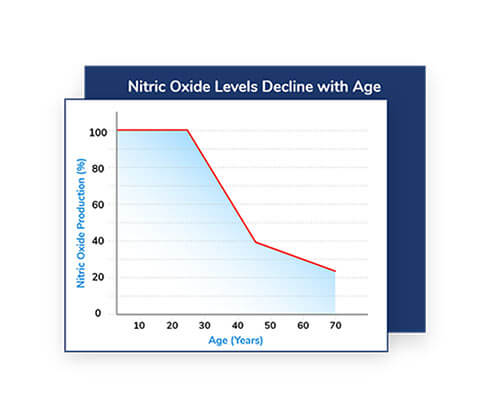
    The first way happens right in the endothelium. There’s a process that converts an amino acid called  L-arginine [L-AR-jeh-neen] into nitric oxide. But if your endothelium starts to get sluggish, the L-arginine has a harder time converting into nitric oxide. In fact, once people get past their 20s, their nitric oxide often plummets.A study showed that most people in their 70s have lost 75% of their nitric oxide! No wonder so many people develop health symptoms and stop enjoying life.Nitric Oxide Chart
    Usually Don’t Work
    Since the endothelium uses L-arginine to make nitric oxide, many people believe the problem is they don’t have enough L-arginine. So they think taking an L-arginine supplement will help. And you can find plenty of them on the market that promise to boost nitric oxide. But they’re usually a waste of money. Here’s why. Studies show once the L-arginine is swallowed, your body immediately starts to break it down. By the time it’s ready to be absorbed into the bloodstream, it’s lost as much as 75% of its effectiveness. What’s more, L-arginine isn’t well tolerated by some people. People who take it often suffer with bloating, diarrhea, nausea, and stomach pain. So researchers who study L-arginine now say people should avoid it. They don’t see any benefit in taking it and it could cause some unpleasant side effects. Besides, you don’t need L-arginine to make nitric oxide! Because your body has a backup plan that gives you a steady stream of it.Nitrate

    Your Body’s Backup Plan

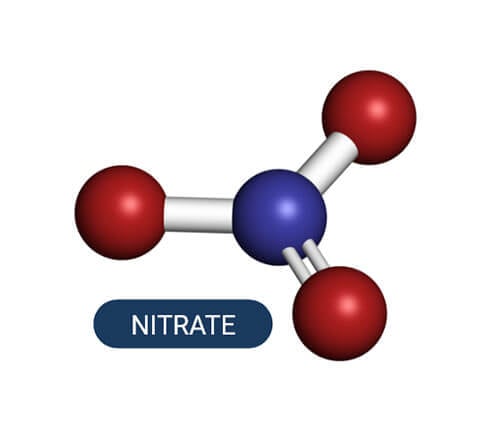
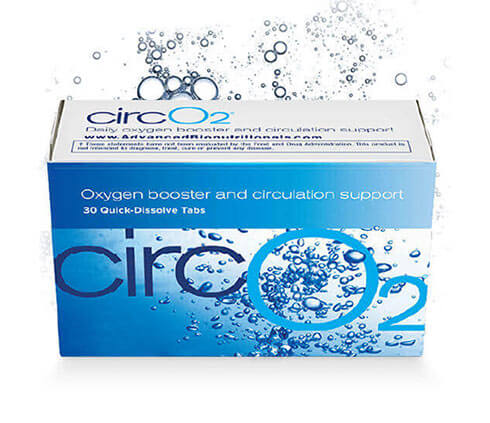
    When your body has a harder time converting L-arginine to nitric oxide, it relies more on another way to make it. This one involves your diet.You see, there are some foods that contain a certain nutrient. Your body uses the nutrient to make nitric oxide. And what’s so surprising is that it’s a nutrient people used to think was bad. That nutrient is nitrate.That's right… nitrate.You may remember hearing that hotdogs are bad for you because they contain nitrates. And it’s true that eating hotdogs may be bad for you … but it’s not because of nitrates. It turns out nitrates are a vital nutrient because your body needs them to make nitric oxide.So what healthier foods contain nitrates? Some of the best sources are beets, garlic, spinach, nuts and seeds, and dark chocolate. Now you may already be eating some of these foods … maybe even a lot of them. Even so, you may still be low on nitric oxide. Why? Because you need to eat a specific amount of nitrates to get the nitric oxide effect your body needs. That amount is 300 mg. We wish we could tell you exactly how many cups that would be of each of those nitrate-rich foods. But it’s difficult to know. Because the amount of nitrates in food varies dramatically depending on where and how plants are grown, how they were stored, and how they’re prepared. For example, the nitrate level of a beet grown in one type of soil can have 50 times more nitrate than a beet grown in another type of soil! But there’s another, even more surprising problem. The Common Habit That Robs You of Nitric Oxide Here’s that discovery we wanted to tell you about … A scientist from MIT named Stephen J. Lippard was researching how the body makes nitric oxide. And he found out something quite surprising. It turns out that your body needs a special type of bacteria to start converting the nitrate in food into nitric oxide. And the bacteria live on your tongue. So the process needs to start in your mouth. Without those bacteria, you could be eating nitrate-rich foods by the truckload, and you’d never make the nitric oxide your body needs to stay healthy. And get this … It turns out 2 out of 3 people don’t have enough of the special bacteria! And it may surprise you to hear why. If you take good care of your teeth, there’s a good chance you don’t have much of the special bacteria left.That’s right. Most mouthwashes … and even fluoride toothpastes … kill the bacteria your body needs to make nitric oxide.That’s why a person can eat a healthy diet, exercise, and still not stop the decline in nitric oxide as they age. Luckily, you don’t have to sacrifice healthy teeth and fresh breath to boost your nitric oxide. Because the tongue bacteria discovery gave some scientists an idea. The scientists were doing research at the University of Texas Health Science Center. And they discovered there’s a simple way to get your body to produce more nitric oxide. It works even if you have a sluggish endothelium. They discovered that with the right ingredients, your body can still produce nitric oxide… provided the ingredients mix with a certain amount of the tongue bacteria. And after a lot of trial and error, the scientists discovered the winning formula. It’s a 5-ingredient combo that works like magic! But now the scientists had another problem to solve. They had to figure out how to get the ingredients to mix with enough of the bacteria. That meant a pill or a drink wouldn’t work because they don’t spend time in your mouth. So to solve the problem, they created a special lozenge. As it dissolves in your mouth, it mixes with just enough of the bacteria to get the nitric oxide process started. And the results are amazing! A group of doctors tested the nitric oxide lozenge to see if it really made a difference in blood flow. They split a group of patients with high blood pressure into 2 groups. One group got the lozenge, and the other got a placebo. In just 10 minutes, the group that got the nitric oxide lozenge had increased their blood flow as much as 34%! That makes this formula one of the most effective nitric oxide-boosters you can find! It’s so unique that it’s protected by an exclusive patent. But through a special arrangement, we can now make it available to you … in a supplement called CircO2®CircO2

    Check Availability

    The Groundbreaking Formula That Energizes a Sluggish Endothelium CircO2 is made with an exclusive blend of nitric oxide-boosting ingredients. But what makes this formula different is that it also helps your body re-energize the endothelium. That way your body will make nitric oxide all day … just like it did when you were in your 20s! The first step to energize your endothelium is to restore its function and get more blood flowing through your body. And CircO2 has a special ingredient that does exactly that! The Shrub That Keeps Your Blood Flowing Like Niagara Falls! You may not want unsightly shrubs in your garden, but if you want to reverse a sluggish endothelium, you’ll be glad this shrub is in CircO2! The shrub is+hawthorn. It’s been used in Asia since the 1st century to help people with heart, circulatory, and respiratory troubles. And modern scientific research confirms that hawthorn has a remarkable ability to protect endothelial cells from damage. 2 As you saw earlier, when your endothelium is damaged, your blood flow is restricted. This starves your cells of fresh oxygen and nutrients … including your endothelial cells. This shortens their life and starts a vicious cycle. As your endothelial cells die, your blood flow becomes more restricted, which causes more endothelial cells to die. And around it goes.Hawthorn breaks the vicious cycle … and throws it into reverse! It does it by protecting the endothelial cells from damage. In fact, researchers tested hawthorn extract against several other powerful medicinal herbs. And hawthorn gave endothelial cells 6 times more protection from damage!3 That means they live longer. That helps repair your endothelium, which improves your blood flow and brings your starving cells back to life. While other supplements may boost nitric oxide, CircO2 is the only supplement that includes hawthorn to restore your endothelial health, too.CircO2’s proprietary formula also includes the 2 most powerful nitric oxide-boosting ingredients you can find. beet root powder. Beet root powder is loaded with health benefits! It’s a powerful antioxidant … it fights inflammation … it improves brain function … and it’s an amazing source of nitrates. That makes it a nitric oxide-producing powerhouse! In fact, a study showed drinking beet root juice almost doubles your nitric oxide! In the study 4, researchers timed a group of people riding a stationary bike until they were too exhausted to continue. They also measured their nitric oxide levels, how much oxygen the participants had in their blood, and how much got into their muscles. Then they split them into 2 groups. One group got beet root juice to drink every day for 6 days. The other group got a sham drink that tasted like beet root juice but didn’t have any nitrates in it. At the end of the study, the people came back and were tested again. And the researchers were astonished by what they saw! The people drinking beet root juice increased their nitric oxide by 96%! That’s almost double! But not only that… Instead of gasping for air, they needed less oxygen to pedal … and they could pedal longer, too. But the people who got the fake drink didn’t see any benefit whatsoever. Beet root is one of the best nitric oxide-boosters you can find. That’s why CircO2 contains a standardized extract of it that gives you the correct amount you need. What’s more, the beet root in CircO2 comes in lozenge form. That way, it dissolves in your mouth and turns the nitrates into nitric oxide. If that was all CircO2 had in it, you’d already feel an amazing difference. But this special formula also contains an ingredient that gets around the L-arginine problem. And it helps your endothelium make more nitric oxide, too As we mentioned earlier, taking L-arginine supplements doesn’t do much to help your body make nitric oxide. And besides, there’s something even better you can do. You can get your body to make more L-arginine! How? With something called L-citrulline [L-sit-true-lean]. L-citrulline is an amino acid that your body uses to make L-arginine. And your digestive system doesn’t break L-citrulline down. That’s why CircO2 ends up giving you more L-arginine than you’d get from taking an L-arginine supplement. And L-citrulline gives you other benefits, too. It improves concentration, increases blood flow, and reduces muscle fatigue. In fact, a study found L-citrulline can even give you more muscle power. In this study 5, the researchers split people into two groups. One group took L-citrulline capsules for 7 days. The other group took capsules filled with a cornstarch placebo. After a week, both groups met with the researchers for testing. First, the researchers tested their level of L-arginine. And they were amazed! In just 7 days, the people taking the L-citrulline had an astonishing 38% more L-arginine in their bodies! Then both groups were tested to see how fast they could ride 4-kilometers on a stationary bike. The L-citrulline group finished faster! But the researchers had to make sure it was because of the L-citrulline. So they did the study a second time. Only they switched the capsules. So the ones who got the L-citrulline the first time got the placebo, and vice versa.And the results from the second test confirmed it! In each case, the L-citrulline group had more L-arginine and finished the bike race faster. Not only that … the people all said when they took the L-citrulline, their muscles didn’t feel as tired. And they noticed they had more concentration. So L-citrulline helps your body both physically and mentally. And it keeps your level of L-arginine elevated so your endothelium can make nitric oxide all day, without any side effects. The 2 Essential Nitric Oxide Vitamins CircO2 also contains 2 vitamins that are essential to your body’s ability to make and use nitric oxide. Vitamin B12: Many people don’t get enough B12, or they have trouble absorbing it. B12 is important because it protects the nerve endings in your brain. People who don’t get enough of it often notice they have problems with their memory. Not only that. Low B12 is shown to lower your nitric oxide levels too. 6 That’s why CircO2 has 1000 mcg of B12. This helps your body to make nitric oxide, while also giving your memory a boost! Vitamin C: You already know that vitamin C is great for supporting your immune system. Well studies show it also helps your body make nitric oxide … especially when you’re over 60. Right around the age of 60, people’s bodies start having a hard time clearing out toxins. And toxic build-up is one of the things that wears out your endothelium. But vitamin C is shown to seek out and remove the toxins that weaken your endothelium. The combination of these 5 powerful nitric oxide-boosting ingredients … in a delicious lozenge that melts on your tongue … makes CircO2 the best nitric oxide-booster you can find. And the results speak for themselves. Boosts Nitric Oxide in Just 20 minutes! Most supplement companies rely on studies that test the individual ingredients in their supplements. But they never study how people respond to the product itself. That’s not the case with CircO2. In fact there are several studies that show how well the actual CircO2 lozenge works. In one study 7, researchers gave people the lozenge to dissolve on their tongue. Then every 5 minutes, the researchers used the same process we mentioned earlier to measure the amount of nitric oxide in their body. They kept measuring them for over an hour. And the results were astonishing! The participants’ nitric oxide levels began to rise almost immediately. In less than 20 minutes, And it stayed elevated, too! In another study8, researchers tested the formula on a group of people aged 42 to 79. All of them had high triglycerides. The researchers split them into two groups. One group got a box of lozenges with the CircO2 ingredients, and the other got a placebo. They were told to let a lozenge dissolve on their tongue every morning and evening. When the 2 groups returned 30 days later, the researchers tested their triglycerides again. The CircO2 group’s triglycerides dropped by as much as 55%… without making any other changes to their lifestyle! But even better was how the CircO2 group felt. At the end of the study, the participants from both groups filled out a questionnaire. Many people in the CircO2 group said they: – Felt more relaxed – Slept better– Had more energy – Were less anxious And most of them said they felt so good they wanted to continue taking the lozenge. There’s just no denying it! You feel noticeably better when your cells are flushed with oxygen and nutrients! And it makes you healthier, too. Nitric oxide can do more for your health and wellbeing than practically anything else I’ve seen. In fact, I’m shocked that the standard screening tests we get when we’re older don’t include a way to test for nitric oxide.

    Sleep Aid May Protect Brain from Alzheimer’s Damage

     All this for your competent? doctor to decipher. Well, does your doctor have the brains to create a sleeping protocol for you?

    Well, hasn't your competent? doctor has known of this for years?


    Or this for a great click-bait title!

    Wow, a two night study and this fantastic headline was created. Don't do this until much more research is created.

    These sleeping pills could help reduce Alzheimer’s risk

    Your doctor should be prescribing sex instead.  

    For Some, Sex Is Better Sleep Aid Than Pill, Small Survey Finds

    Two-thirds of people who use sleep meds said they slept just as well or better after sex

    This is a reason why;

    Sleep medications associated with higher risk for dementia in white individuals February 2023

    My hospital had the nurses handing out sleeping pills like candy at 10pm. I would have much preferred sex. 

    You doctor is responsible for getting you fucking again post stroke.

    With all the benefits of sex I bet your doctor doesn't know or do a damn thing for your sex life.  I'll have to add this one: Among them are delayed onset of dementia

    All this is why you need to be doing lots of sex, why the hell can't your doctor get you fucking again? In fact you should be doing it in the hospital.

    The latest here:

    Sleep Aid May Protect Brain from Alzheimer’s Damage

    Summary: A common sleep medication, lemborexant, may do more than promote rest—it appears to reduce harmful tau buildup and protect the brain from neurodegeneration in mouse models of Alzheimer’s disease. Researchers found that this orexin receptor antagonist not only restored healthier sleep patterns but also preserved brain structure and reduced inflammation.

    Mice treated with lemborexant had up to 40% greater hippocampal volume than untreated controls or those given a different sleep aid. Importantly, these neuroprotective effects were seen only in male mice, which may reflect sex differences in tau pathology severity.

    Key Facts:

    • Neuroprotection: Lemborexant reduced tau accumulation and brain cell death in male mice.
    • Selective Mechanism: Only sleep aids blocking orexin receptors, like lemborexant, showed benefits.
    • Structural Preservation: Treated mice had significantly larger hippocampal volumes, a region key to memory.

    Source: WUSTL

    A common sleep aid restores healthier sleep patterns and protects mice from the brain damage seen in neurodegenerative disorders, such as Alzheimer’s disease, according to new research from Washington University School of Medicine in St. Louis.

    The drug, lemborexant, prevents the harmful buildup of an abnormal form of a protein called tau in the brain, reducing the inflammatory brain damage tau is known to cause in Alzheimer’s.

    The study suggests that lemborexant and other drugs that work in the same way could help treat or prevent the damage caused by tau in multiple neurodegenerative diseases, including Alzheimer’s, progressive supranuclear palsy, corticobasal syndrome and some frontotemporal dementias.

    The study is published May 27 in Nature Neuroscience.

    “We have known for a long time that sleep loss is a risk factor for Alzheimer’s disease,” said senior author David M. Holtzman, MD, the Barbara Burton and Reuben M. Morriss III Distinguished Professor of Neurology at WashU Medicine.

    “In this new study, we have shown that lemborexant improves sleep and reduces abnormal tau, which appears to be a main driver of the neurological damage that we see in Alzheimer’s and several related disorders.

    “We are hopeful this finding will lead to further studies of this sleep medication and the development of new therapeutics that may be more effective than current options either alone or in combination with other available treatments.

    “The antibodies to amyloid that we now use to treat patients with early, mild Alzheimer’s dementia are helpful, but they don’t slow the disease down as much as we would like,” he added.

    “We need ways to reduce the abnormal tau buildup and its accompanying inflammation, and this type of sleep aid is worth looking at further. We are interested in whether going after both amyloid and tau with a combination of therapies could be more effective at slowing or stopping the progression of this disease.”

    Holtzman and his team were among the first to identify the connection between poor sleep as a risk factor for Alzheimer’s disease and the buildup of proteins such as amyloid and tau.

    In past work studying mice genetically prone to amyloid and tau buildup characteristic of Alzheimer’s disease, they showed that sleep deprivation makes this buildup worse. Improving sleep in these mice with lemborexant appeared to be protective, the latest study showed, with less buildup of tau protein tangles and less nerve cell death associated with Alzheimer’s disease.

    The protein tau accumulates in the brain in multiple neurological disorders, including Alzheimer’s, and causes inflammation and the death of brain cells. Holtzman and his team, co-led by first author Samira Parhizkar, PhD, an instructor in neurology, tested lemborexant in part because it has effects in parts of the brain known to be affected by abnormal tau accumulation.

    It also does not impair motor coordination, which is a concern for people with dementia taking hypnotic sleep aids.

    Lemborexant is one of three sleep drugs approved by the Food and Drug Administration that inhibit the effect of orexins, small proteins that regulate sleep, by acting as orexin receptor antagonists. Lemborexant blocks both orexin receptors (type 1 and type 2).

    Receptors are proteins on the cell surface that bind to other molecules and regulate cell activity. These receptors are known to play important roles in sleep-wake cycles and appetite, among other physiological processes.

    The pharmaceutical company Eisai provided lemborexant for these studies as part of a research collaboration with WashU Medicine focused on developing innovative treatments for Alzheimer’s disease, Parkinson’s disease and other neurodegenerative diseases.

    In mice genetically prone to harmful tau buildup, lemborexant reduced brain damage compared with control mice. For example, those receiving lemborexant showed 30% to 40% larger volume in the hippocampus — a part of the brain important for forming memories — compared with control mice and those receiving a different sleep drug, zolpidem, which belongs to a different class of drugs.

    Zolpidem increased sleep but had none of the protective effects against tau accumulation in the brain that were seen with lemborexant, suggesting that the type of sleep aid — orexin receptor antagonist — is key in producing the neuroprotective effects.

    The researchers also found that the beneficial effects were only seen in male mice, which they are still working to understand.

    Normal tau is important in maintaining the structure and function of neurons. When healthy, it carries a small number of chemical tags called phosphate groups. But when tau picks up too many of these chemical tags, it can clump together, leading to inflammation and nerve cell death.

    The authors found that by blocking orexin receptors, lemborexant prevents excess tags from being added to tau, helping tau maintain its healthy roles in the brain.

    Holtzman said his team is continuing to explore the reasons lemborexant treatment’s neuroprotective effects were seen only in male mice.

    He speculated that the sex discrepancy could be due to the observation that female mice with the same genetic predisposition to tau accumulation developed less-severe neurodegeneration compared with male mice. With less damage to begin with, potential beneficial effects of the drug could have been smaller and more difficult to detect.

    Funding: This work was supported by the National Institutes of Health (NIH), grant numbers P01NS074969, RF1NS090934 and RF1AG061776; the JPB Foundation; the Alzheimer’s Association, grant number AARF-21-850865; the Rainwater Foundation, and a COBRAS Feldman Fellowship.

    Holtzman is an inventor on a patent licensed by Washington University to C2N Diagnostics on the therapeutic use of anti-tau antibodies. Holtzman cofounded and is on the scientific advisory board of C2N Diagnostics.

    About this neuropharmacology and Alzheimer’s disease research news

    Author: Jessica Church
    Source: WUSTL
    Contact: Jessica Church – WUSTL
    Image: The image is credited to Neuroscience News

    Original Research: Closed access.
    Lemborexant ameliorates tau-mediated sleep loss and neurodegeneration in males in a mouse model of tauopathy” by David M. Holtzman et al. Nature Neuroscience

    Which Sports are Best for Longevity?

    Most, if not all racquet sports require a usable second hand to toss the ball and start the game. So, your doctor's COMPLETE RESPOSIBILITY IS TO GET YOUR HAND AND ARM RECOVERED! NO EXCUSES!

    Which Sports are Best for Longevity?

    More than a workout, sports offer physical, mental, and social benefits that may extend your life by nearly a decade. 

    If your goal is to stay as healthy, active, and engaged for as long as possible, you might want to pick up a racquet. Research over the past few years has found that racquet sports are likely more beneficial to

    [lon-jev-i-tee] noun

    Living a long life; influenced by genetics, environment, and lifestyle.

    Learn More
    longevity and healthspan than other forms of exercise. 

    The first large study to report on this phenomenon was the Copenhagen City Heart Study, which after following more than 8,500 people for 25 years, concluded that people who regularly played racquet sports increased their lifespan by almost a decade longer than sedentary people. Tennis players fared the best, living an average 9.7 years more, while badminton players increased their lives by 6.2 years.  By comparison, those who exercised alone experienced milder increases in lifespan: cycling (3.7 years), swimming (3.4), jogging (3.2), and working out at the gym (1.5). 

    The study authors surmised that the social nature of these sports is key to their longevity benefits, a theory that’s widely supported

    In a 2025 review, researchers concluded that in addition to racquet sports’ physical benefits, namely improved cardiovascular function and musculoskeletal health, their interactive nature offers “crucial mental health benefits.” And specifically, by fostering social connection, they prevent loneliness and depression. 

    Meanwhile, other studies have found that adults over age 50 who participate in group sports are more likely to remain active, and that people who exercise with others tend to go longer, feel more committed and motivated, and enjoy it more. 

    What the research says

    Need more reasons to pick up a racquet? Consider this:

    • large cohort study of more than 272,000 adults (ages 59-82) conducted by the National Institutes of Health and AARP found that 7.5-15 hours of moderate-intensity aerobic exercise was associated with 13% lower mortality risk compared to non-exercisers, with racquet sports and running offering the greatest reductions. But racquet sports provided the most protection from cardiac death.

    Which sports are best for longevity?

    So far, no studies have compared the longevity traits of different racquet sports, but tennis, badminton, and pickleball are accumulating a promising body of research.  

    • Tennis: A 2020 study published in the International Journal of Exercise Science reported that regular tennis players over age 45 have lower rates of heart disease and obesity than non-players. And a 2024 survey of British tennis players found that people who played at least once a week reported a 13% higher rate of well-being than people who did not play tennis. 
    • Badminton: Researchers in Japan discovered that 30 minutes of moderate-intensity weekly badminton play can enhance cognitive function, and 3 hours of recreational play per week can effectively manage blood pressure. They also concluded that 100 minutes per week of play was enough to help manage midlife depression, a risk factor for dementia. 
    • Pickleball: A 2023 review found that pickleball players experience psychological benefits including personal well-being, sense of life satisfaction, decreased rates of stress and depression, and overall happiness, prompting the researchers to conclude that “pickleball shows potential as a new tool to work and improve people’s mental health.” These findings may also explain why pickleball is the fastest growing sport worldwide — between 32-50 million Americans alone played at least once in the previous year.  (And if you think pickleball is only for older folks, think again. The average age for beginning pickleball players is now 35.)

    We know that regular exercise is essential for longevity and thriving:  Adults should aim for at least 150 minutes of moderate-intensity aerobic activity per week, 2-3 sessions of resistance training, and regular balance practice. And, having a robust social life consistently ranks among the top factors that lead to a long, healthy, happy life. So, maybe consider joining a pickleball class, dusting off your tennis racquet, or finding a local squash or badminton court to get your game on!

    Assessing the Streamlined Wolf Motor Function Test as an Outcome Measure for Stroke Rehabilitation

     Lots wrong here:

    1. Assessments DO NOTHING FOR RECOVERY!
    2. Wolf Motor is not objective, so useless for any measurements. Wolf Motor Function Test (WMFT
    3. Outcome measures don't get you recovered, so completely fucking useless! You ask the survivor one question; 'Are you fully recovered?' Y/N? And that is the only question needed!

    Assessing the Streamlined Wolf Motor Function Test as an Outcome Measure for Stroke Rehabilitation

    Abstract

    Objective
     This study investigates the clinimetric properties of the streamlined Wolf Motor Function Test (WMFT), a 6-item version of the performance time scale of the WMFT. 

    Methods

    The streamlined WMFT, along with 2 criterion measures, the Fugl-Meyer Assessment (FMA) and the Stroke Impact Scale (SIS), were administered to 64 stroke patients before and after a 3-week intervention. Responsiveness was examined using the Wilcoxon signed rank test and standardized response mean (SRM). Criterion-related validity was investigated using the Spearman correlation coefficient (ρ). 

    Results

    The mean score on the baseline FMA upper extremity of the patients was 44.84 (standard deviation = 12.77). The streamlined WMFT and the original performance time scale showed comparable responsiveness (SRM = 0.29 and 0.37, respectively). The concurrent validity of the streamlined WMFT was good (ρ = 0.57-0.69). For predictive validity, the streamlined WMFT showed slightly better association with the criterion measures (ρ = 0.60-0.68) than did the original scale (ρ = 0.56-0.64). 

    Conclusions

    Compared with the original scale, the streamlined WMFT showed improved clinical utility.

    Introduction

    The 21-item Wolf Motor Function Test (WMFT) was originally developed to assess the effects of constraint-induced movement therapy on the return of upper extremity (UE) movement ability in stroke survivors.1 It was subsequently modified and contains 17 tasks, including 2 strength-based tasks and 15 function-based tasks, divided into 2 scales: performance time and functional ability.2 The reliability and validity of the WMFT have been well established in previous studies. The WMFT had good test-retest reliability2,3 and criterion validity3,4 for performance time and functional ability. In addition, interrater reliability of the WMFT was high (range, 0.97-0.99).5 This test has been widely used as an outcome measure in stroke motor rehabilitation trials.6-10
    Owing to lengthy administration times, the WMFT was further shortened to 6 tasks in a recent study.11 Although the 6 tasks of the streamlined WMFT had a significant relationship with overall improvement in the Extremity Constraint Induced Therapy Evaluation (EXCITE) trial,11 no study to date has reported the sensitivity of change of this shortened version. To be of practical use in rehabilitation trials, the short form of an outcome measure should not only show reliability and validity but also be sensitive in measuring change within persons over time.12 That is, the demonstration of sound clinimetric properties of an outcome measure is a priority before its application in clinical trials or in the evaluation of the effects of rehabilitation therapies.13,14
    Because the streamlined WMFT has not been sufficiently validated, the responsiveness and criterion validity of the short form of the WMFT remain unknown. To address the gap, we evaluated the clinimetric properties of the streamlined WMFT in a stroke cohort other than the sample studied in the EXCITE trial. Responsiveness indicates an instrument’s ability to detect the smallest change in score.15 Furthermore, responsiveness is neither a constant statistic nor a context-free attribute.16 In other words, responsiveness of an instrument should be described in relation to a particular group of people under certain conditions. Lin et al3 studied the responsiveness of the WMFT during the recovery course of the first 6 months after stroke, but no rehabilitation therapy was specified for the change in WMFT. This study evaluated the responsiveness of the streamlined WMFT in patients with subacute stroke, defined as 3 to 9 months poststroke in the Bogard et al study,11 who had undergone rehabilitation therapies.
    As suggested by Bogard et al,11 this study also examined the criterion validity of the streamlined WMFT. Criterion validity includes concurrent validity and predictive validity, which considers the degree of consistency of an instrument with the criterion measures and the ability of an instrument to predict future events.17 The examination of the concurrent validity of the streamlined WMFT enables researchers to determine if this streamlined version measures the same construct as is assessed by the 17-item WMFT. The streamlined WMFT may be taken as an important tool for guiding clinical decision making for rehabilitation goal planning if it shows a level of predictive validity similar to that of the 17-item WMFT.
    The purpose of the present study was therefore to examine the clinimetric domains of the streamlined WMFT, including the responsiveness and validity (concurrent and predictive validity) in a cohort of subacute stroke patients. Because Bogard et al11 suggested that the tasks selected for streamlined WMFT depend on the time poststroke (subacute vs chronic), we used the streamlined WMFT with 6 tasks appropriate for subacute patients.

    Too much time in bed may harm brain health after TIA, mild stroke

     It it your doctor's COMPLETE RESPONSIBILITY TO GET YOU RECOVERED so you don't do this. You doctor needs to solve the problem instead of just telling you not to lie in bed. That would be a sign of an incompetent doctor! NO solutions!

    Too much time in bed may harm brain health after TIA, mild stroke

    After a mild stroke or transient ischaemic attack (TIA), longer in-bed time and sleep duration were linked to greater small vessel disease burden and poorer cognitive performance, underscoring the potential role of sleep patterns as modifiable risk factors for brain health after a stroke, according to a study published in the journal Neurology.

    “These results show that disturbed sleep may be a marker of adverse brain health, even for people with mild strokes or TIAs,” said Joanna M. Wardlaw, MD, University of Edinburgh, Edinburgh, United Kingdom. “While many people know that a lack of sleep can lead to health issues, less is known about the effects of sleeping longer at night or spending a long time in bed trying to make up for having trouble sleeping --whether people are doing this consciously or not.”

    The study involved 422 people (65.6 ± 11.8 years; 67% male) from Edinburgh and Hong Kong with an average age of 66 years who had a mild stroke or a TIA (NIHSS <7). Within 1 to 3 months after the stroke, cerebral small vessel disease was assessed on MRI, cognitive performance was assessed using Montreal Cognitive Assessment (MoCA), and sleep quality was analysed using a structured sleep questionnaire at baseline visit.

    Longer in-bed time was independently associated with greater global small vessel disease and Fazekas periventricular white matter hyperintensity burden, and with lower total MoCA score after covariate adjustment. Longer sleep duration was independently associated with presence of cerebral microbleeds.

    “More research is needed to confirm these findings and also to look at whether prolonged sleep has negative effects on people who have never had a stroke or TIA,” Dr. Wardlaw said. “Of course, research is also needed on whether improving people’s sleep patterns after stroke could ward off some of these possible detrimental effects.”

    The researchers noted that their results should be interpreted with caution because they only examined baseline cross-sectional data, which cannot establish causal relationships.

    “Some relationships between sleep, small vessel disease, and cognition may differ in a longitudinal context and at different time points after stroke,” they stated.

    Reference: https://www.neurology.org/doi/10.1212/WNL.0000000000213734

    SOURCE: American Academy of Neurology

    Systematic Review Reveals Why That Morning Glass of Fruit Juice May Do More Harm Than Good

     I gave up fruit juice over a decade ago, didn't need the extra calories and now use water to wash down the pills.

    Systematic Review Reveals Why That Morning Glass of Fruit Juice May Do More Harm Than Good


    Timely initiation of statin therapy for diabetes shown to dramatically reduce risk of heart attack and stroke: Study

     Isn't your competent? doctor already initiating statin therapy immediately post stroke? NO? So, your doctor is completely out of date on stroke?

    1. Statins.

    tested in rats from 2003

    http://Statins induce angiogenesis, neurogenesis, and synaptogenesis after stroke Statins induce angiogenesis, neurogenesis, and synaptogenesis after stroke  

    Simvastatin Attenuates Stroke-induced Splenic Atrophy and Lung Susceptibility to Spontaneous Bacterial Infection in Mice

    Or,

    Simvastatin attenuates axonal injury after experimental traumatic brain injury and promotes neurite outgrowth of primary cortical neurons 

    October 2012

    tested in humans, March, 2011

    http://www.medwirenews.com/39/91658/Stroke/Acute_statin_therapy_improves_survival_after_ischemic_stroke.html

    And now lost even to the Wayback Machine

    So I think this below is the actual research;

    Association Between Acute Statin Therapy, Survival, and Improved Functional Outcome After Ischemic Stroke April 2011 

    The latest here:

    Timely initiation of statin therapy for diabetes shown to dramatically reduce risk of heart attack and stroke: Study