So you really think your incompetent? doctor and hospital will get followup research done by creating an EXACT PROTOCOL on its' use? Neuroprotection is needed in the first week post stroke to stop the neuronal cascade of death saving hundreds of millions to billions of neurons! You just might want that!
Hydroxytyrosol from olives shows new promise as a brain-protective compound

A Spanish review uncovers how hydroxytyrosol, the powerhouse molecule in olives, activates key brain-protective pathways, paving the way for next-generation foods that support mental and vascular health.
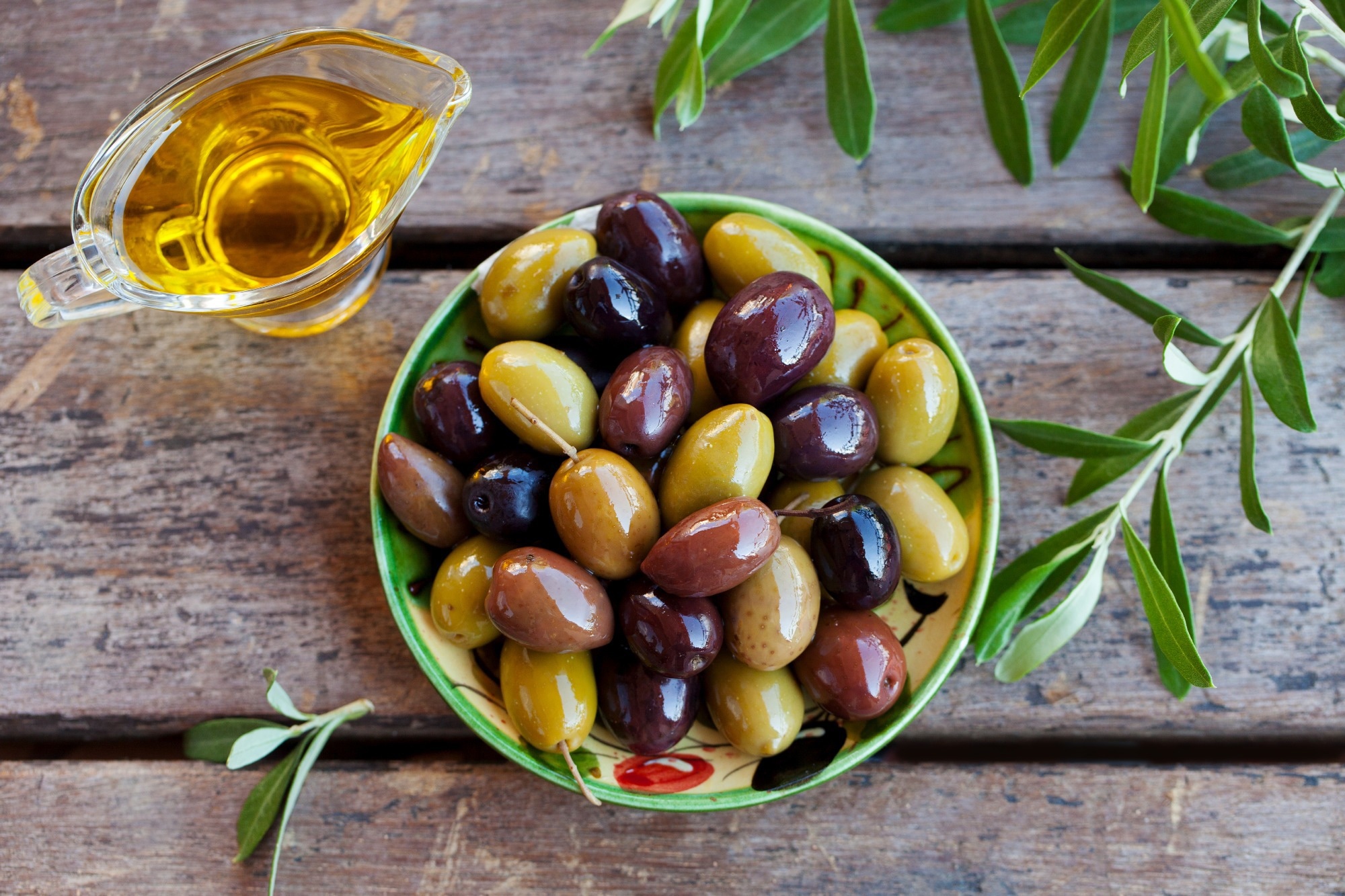 Study: Novel Ingredients: Hydroxytyrosol as a Neuroprotective Agent; What Is New on the Horizon? Image credit: Anna_Pustynnikova/Shutterstock.com
Lorena Martínez-Zamora at Miguel Hernández University, Spain, recently published a review article in the journal Foods. In it, she discussed the emerging evidence on the efficacy and utility of a phenolic compound derived from olives as a neuroprotective agent.
Background
Hydroxytyrosol (HXT) is one of the most important phenolic compounds found in olives. This compound has gained significant attention during the past 20 years because of its health-promoting properties, including antioxidant, anti-inflammatory, anti-cancer, anti-diabetic, anti-microbial, cardio-protective, neuro-protective, cognition-enhancing, and immune-modulatory properties.
Several requests have been made to the Food and Drug Administration (FDA) to consider HXT as an antioxidant food additive and use it to prepare functional foods. The European Food Safety Authority (EFSA) and the Spanish Agency for Consumer Affairs, Food Safety, and Nutrition (AESAN) have considered HXT safe for proposed uses and levels. The FDA regards it as safe up to about 5 mg per serving and roughly 51 mg per person per day.
Brain bioavailability of HXT
Like other food items, HXT is absorbed in the intestine, metabolized in the liver, and circulates in the blood. Existing evidence suggests that HXT and its metabolites can cross the blood-brain barrier and accumulate in the brain.
In preclinical and mechanistic studies, the compound has been suggested to alter neuroimmune activities, activate antioxidant pathways, regulate the memory-cognition-mood axis, and interact with dopaminergic metabolism in some brain regions, including the hippocampus and cortex.
Neurovascular and neuroimmune pathways
HXT can protect the neurovascular system in many ways. Studies have found that the compound reduces vascular oxidative stress, supports endothelial functions and blood-brain barrier integrity and permeability, preserves nitric oxide bioavailability, reduces neuroinflammation, and improves neural connectivity and cognition.
Robust activation of the Keap1-Nrf2-ARE pathway across endothelial and neural tissues is considered a major mediator of HXT’s neuroprotective function. Mechanistic evidence suggests that HXT triggers nuclear translocation of Nrf2 (a transcription factor involved in antioxidant system regulation) and upregulates Nrf2 targets in the brain, improving mitochondrial antioxidant system and reducing oxidative protein and DNA damage.
Regarding neuroimmune pathways, existing evidence suggests that HXT reduces the production of proinflammatory cytokines in microglial cells. Microglial cells are resident immune cells of the brain that act as macrophages to protect the brain from pathogens.
HXT has also been found to suppress NF-κB/MAPK signaling and NLRP3 inflammasome activation in the brain, a central pathogenic axis produced during Parkinson’s disease. These effects have been demonstrated mainly in cell and animal models, but they provide a coherent mechanistic basis for neuroprotection. Mechanistic evidence suggests that HXT consistently suppresses pro-inflammatory cytokine signaling across innate-immune cascades that drive neuroinflammation.
Dopaminergic pathways
The chemical structure of HXT is identical to 3,4-dihydroxyphenylethanol (DOPET), a dopamine metabolite. Dopamine is a neurotransmitter and hormone that plays essential roles in movement, motivation, reward, emotion, and memory.
Both DOPET and HXT exhibit dual relevance to dopamine homeostasis through antioxidant activity that limits dopamine oxidative stress and feedback modulation of catecholamine synthesis.
In stress- and toxin-based models, HXT has been found to improve motivation-related behaviors by altering mesolimbic functions. In chronic stress models, HXT has been found to increase sucrose preference, reduce immobility, augment antioxidant pathways, reduce inflammation, and improve synaptic plasticity within reward circuitry. These findings remain preclinical but suggest dopaminergic and mood-related potential worth exploring in humans.
Clinical evidence on HXT’s neuroprotective functions
Several randomized controlled trials and pilot studies have reported that increasing exposure to pure HXT, HXT-rich olive oils, or HXT-containing foods is associated with improved cerebral blood circulation, blood-brain barrier stability, and neuroimmune modulation.
Recent animal studies have suggested that HXT can significantly mitigate cognitive decline by modulating neurotrophic and inflammatory factors. However, these findings must be translated into humans for clinical implications.
Recent human studies have highlighted that chronic intake of approximately 7–15 milligrams of HXT per day effectively improves vascular oxidative balance, low-grade inflammation, and endothelial function. Similarly, a single-dose intake of approximately 30-60 milligrams of HXT has shown efficacy in short-term improvement of vascular and oxidative responses.
Regarding cognitive benefits, recent evidence suggests that desert olive tree pearls rich in HXT and oleuropein can improve composite memory and psychomotor speed after 8 and 12 weeks of intake. This is consistent with enhanced attention–memory coupling and motor–cognitive integration in old adults.
HXT supplementation has been found to significantly improve health-related quality of life in children with mitochondrial disease. The children have also exhibited health benefits consistent with HXT’s mitochondria-supporting Nrf2-linked mechanisms relevant to neuroimmune and synaptic homeostasis.
While these human data are promising, the evidence remains preliminary, and harmonized pharmacokinetic–pharmacodynamic (PK–PD) studies are required to confirm clinical efficacy and establish optimal dosing strategies.
Development of HXT-enriched foods
Olive leaves, which contain high levels of oleuropein and HXT, are the most suitable ingredients for developing HXT-enriched ready-to-eat foods. However, both compounds impart a distinct bitter profile that can limit the acceptability of HXT-enriched foods. Some strategies can be implemented to reduce this bitterness, including cyclodextrin complexation, microencapsulation, microemulsions, and the addition of suitable flavoring agents.
Some complementary routes have been developed to translate HXT into real foods. These include transfer from extra virgin olive oil by immersion, enzymatic modification of edible oils, valorization of olive by-products in beverages and baked goods, and incorporation into active packaging.
Further research is needed to standardize the HXT dose and improve its bioavailability, sensory properties, and industrial stability. According to Martínez-Zamora, future work should also integrate exposure–response analytics, matrix-specific testing, and biomarker tracking to advance HXT toward claim-ready nutrition for brain health.
- Lorena Martínez-Zamora. 2025. Novel Ingredients: Hydroxytyrosol as a Neuroprotective Agent; What Is New on the Horizon? Foods. https://doi.org/10.3390/foods14213624. https://www.mdpi.com/2304-8158/14/21/3624


No comments:
Post a Comment