Good news for me; Dad died at 91 from Parkinson's dementia, Mom still living alone at home at 97.
Scientists Rethink How Much Lifespan Is in Our Control
As interest in longevity grows, researchers are revisiting a long-running question: How much of lifespan is under our control?
For decades, the consensus held that lifestyle and environment were the primary drivers of aging. But that view is being re-examined as new analyses suggest the genetic contribution may have been underestimated.
A recent study published in Science found that lifespan is about 50% heritable — roughly double earlier estimates and on par with other complex traits like height and cognitive function. For clinicians, this reinterpretation could help ground patients consumed by the “kale and cardio” promise of extreme longevity.
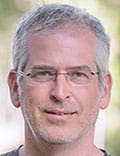
“We can relax from the compulsion to get all the lifestyle factors right,” said co-lead study author Uri Alon, PhD, a professor of molecular cell biology at the Weizmann Institute of Science in Rehovot, Israel.
The wellness industry often touts claims that 80% of longevity is within our control, but Alon’s research suggests that’s not the case. “The aging field was working for decades under the dogma that heritability of lifespan is 25% or less,” Alon said. “That was true for 1870, but it’s not true for modern times.”
Previous studies of Danish twins born in the late 19th century estimated a 15%-33% heritability of lifespan, while 2018 research based on Ancestry subscriber family trees, and crowdsourced genealogy data, estimated just 6%-16%. But those analyses don’t account for extrinsic mortality — deaths from accidents and infections, Alon said.
He and his team hypothesized that for later generations less affected by accidents and infections, genetics would matter more. After analyzing data from Swedish twins born early in the 20th century, they found extrinsic mortality decreased by a factor of three while lifespan heritability doubled. It was estimated at about 40% in twins born between 1920 and 1935 — those who died between 1990 and 2010, placing them in the era of modern medicine.
After removing extrinsic mortality from the Swedish cohort and two others (the Danish twins and siblings of US centenarians), they found that heritability was virtually the same across the board. The Danish twins (born 1870-1880), the centenarian siblings (1873-1910), and the Swedish twins (1900-1935) all converged at 50%. This suggests that while medicine has improved at preventing “extrinsic” deaths, like curing an infection or treating a wound, it hasn’t yet changed the biological aging process we inherit from our parents. “Modern medical improvements aren’t strong enough yet,” Alon said.
Untangling ‘Intrinsic’ vs ‘Extrinsic’
The analysis separates causes of death into intrinsic factors (over which you have no control) and extrinsic factors (over which you have some control). The researchers also controlled for the influence of genes on extrinsic causes of death, such as tuberculosis, which is heritable.

But teasing apart “intrinsic” and “extrinsic” can be tricky because they are often intertwined, said Michael Snyder, PhD, a professor of genetics at Stanford University School of Medicine, Stanford, California, who was not involved in the research.
The likelihood of being in an accident can be affected by genes (risky behavior has genetic components), while proclivity for and exposure to violence are likely affected by both genes and environment. Infection, too, has inherited and environmental influences – genetic factors can predispose you to severe COVID.
“It’s an important paper because it does say, ‘If we could avoid these things, well then genetics is a bigger deal,’” Snyder said. “The other way to look at it is, even if we can avoid those things, lifestyle and environmental exposures are still counting for 50% of your lifespan.”
The Quest for ‘Longevity Genes’
The findings reinforce the case for searching for “longevity genes,” specific genes that influence lifespan. So far, that hunt has turned up very little, Snyder said. In 2016, whole-genome sequencing of about 1000 Wellderly — people aged 80-105 years who lack chronic diseases — found no significant genome-wide signals.
“There hasn’t been a smoking gun for longevity,” Snyder said. “Do I think such genes exist? Yes. They just may not be single-gene longevity promoters. It’s a complex trait.”
The Wellderly have a significantly lower inherited risk for Alzheimer’s disease and coronary artery disease. Prior studies have also linked exceptional longevity (often defined as reaching age 100 or older) to a combination of resistance to and reduced risk for age-related diseases. Centenarians also get an aging boost from many different genetic variants, rather than a single gene.
Later onset of menopause has been associated with longer lifespan, and a 2021 study found that DNA repair genes — known to drive aging — affect when menopause begins. “Menopause timing might be our best proxy right now to rate of aging,” Alon said.
For now, researchers are looking toward a clinical milestone in September, when results are expected from a phase 2 trial on the impact of rapamycin on ovarian aging. The drug, typically used to prevent organ transplant rejection, is gaining traction in aging research for its potential to improve longevity. However, the field is still navigating potential tradeoffs; results published this month suggest the drug may slightly blunt the benefits of exercise.
More large-scale studies are needed on the genetics of aging, Alon said. “Heritability is not fatalism but rather a call to action.”
As scientists and clinicians await new findings, Alon advises focusing on the present and embracing habits that enhance quality of life. For Alon, that means eating salad and swimming. “I do it because it makes me feel good today,” he said.
Snyder reported being a cofounder and scientific advisor of Crosshair Therapeutics, Exposomics, Filtricine, Fodsel, iollo, InVu Health, January AI, Marble Therapeutics, Mirvie, Next Thought AI, Orange Street Ventures, Personalis, Protos Biologics, Qbio, RTHM, and SensOmics. He reported being a scientific advisor for AbbraTech, Applied Cognition, Enovone, Jupiter Therapeutics, M3 Helium, Mitrix, Neuvivo, Onza, Sigil Biosciences, TranscribeGlass, WndrHLTH, and Yuvan Research. He reported being a cofounder of NiMo Therapeutics; an investor and scientific advisor for R42 and Swaza; and an investor in Repair Biotechnologies.


No comments:
Post a Comment