Changing stroke rehab and research worldwide now.Time is Brain! trillions and trillions of neurons that DIE each day because there are NO effective hyperacute therapies besides tPA(only 12% effective). I have 523 posts on hyperacute therapy, enough for researchers to spend decades proving them out. These are my personal ideas and blog on stroke rehabilitation and stroke research. Do not attempt any of these without checking with your medical provider. Unless you join me in agitating, when you need these therapies they won't be there.

What this blog is for:

My blog is not to help survivors recover, it is to have the 10 million yearly stroke survivors light fires underneath their doctors, stroke hospitals and stroke researchers to get stroke solved. 100% recovery. The stroke medical world is completely failing at that goal, they don't even have it as a goal. Shortly after getting out of the hospital and getting NO information on the process or protocols of stroke rehabilitation and recovery I started searching on the internet and found that no other survivor received useful information. This is an attempt to cover all stroke rehabilitation information that should be readily available to survivors so they can talk with informed knowledge to their medical staff. It lays out what needs to be done to get stroke survivors closer to 100% recovery. It's quite disgusting that this information is not available from every stroke association and doctors group.

Showing posts with label wingsuit. Show all posts

Thursday, August 19, 2021

This Surprising Thing Can Help Protect Our Brains from Dementia—and It's Totally Free

 I have numerous friends that can do this for me.  We look out for each other, including one who will strap me into a wingsuit if I decide the end is better than nothing.

This Surprising Thing Can Help Protect Our Brains from Dementia—and It's Totally Free

·4 min read

As many as one in five people 65 and older are currently living with some form of mild cognitive impairment (MCI), which might negatively impact memory, decision-making, or reasoning skills. In 60 to 80% of cases, MCI eventually progresses to Alzheimer's disease, reports the Alzheimer's Association.

Since we're still unsure what causes the vast majority of cognitive impairment diagnosis—nor do we yet have a cure—scientists are rapidly diving into current health databases and conducting their own research to try to determine if there are any factors we can control. Recently, we've learned more about how important many of our daily habits are for potentially preventing dementia (defined as MCI strong enough to alter daily life). In the past few months, researchers have discovered that walking three times per week, not smoking, eating a berry-strong menu and averaging more than six hours of sleep per night can make a serious impact on your brain health throughout your lifespan.

And this week, scientists from NYU Langone Health landed on a new surprising brain-booster. According to their study published August 16 in the journal JAMA Network Open, people who have another person available most or all of the time who can listen show better greater "cognitive resilience," or have a brain that functions about 4 years younger than expected relative to their physical age.

"These four years can be incredibly precious. Too often we think about how to protect our brain health when we're much older, after we've already lost a lot of time decades before to build and sustain brain-healthy habits," lead researcher Joel Salinas, M.D., assistant professor of neurology at NYU Grossman School of Medicine and a member of the Department of Neurology's Center for Cognitive Neurology, tells NYU Langone Health News Hub. "But today, you can ask yourself if you truly have someone available to listen to you in a supportive way, and ask your loved ones the same. Taking that simple action sets the process in motion for you to ultimately have better odds of long-term brain health and the best quality of life you can have."

So as a strong echo to these 13 factors that can lower or raise risk for Alzheimer's disease, social support—including having a friend, family member or even acquaintance to talk to who will truly listen—can help your brain ward off decline.

Flowers in the shape of a brain that have scratches all over it on a designed background

Getty Images / Hiroshi Watanabe

"We think of cognitive resilience as a buffer to the effects of brain aging and disease. This study adds to growing evidence that people can take steps, either for themselves or the people they care about most, to increase the odds they'll slow down cognitive aging or prevent the development of symptoms of Alzheimer's disease—something that is all the more important given that we still don't have a cure for the disease," Dr. Salinas adds.

Related: What to Eat to Reduce Your Risk of Alzheimer's Disease, According to Science

The research team used data from the long-running Framingham Heart Study (FHS), and selected 2,171 participants with an average age of 63 to study. They analyzed self-reported details about the availability of supportive social interactions (such as others who will listen, offer advice, show love and affection) as well as sufficient contact with close connections and overall emotional support. The participants' cognitive resilience was measured by "total cerebral brain volume on global cognition, using MRI scans and neuropsychological assessments," according to the research team, which were taken as part of the larger FHS study. People with lower brain volumes tend to experience lower cognitive function, so for this study, the scientists looked at levels of social support, cerebral volume and cognitive performance.

The aspect of social support that was most strongly correlated to higher total cerebral volume and greater cognitive resilience? Having "listener availability," the scientists say.

"While there is still a lot that we don't understand about the specific biological pathways between psychosocial factors like listener availability and brain health, this study gives clues about concrete, biological reasons why we should all seek good listeners and become better listeners ourselves," says Dr. Salinas, who suggests that doctors might want to ask their patients whether they have someone to count on to listen when they need to chat.

"Loneliness is one of the many symptoms of depression, and has other health implications for patients. These kinds of questions about a person's social relationships and feelings of loneliness can tell you a lot about a patient's broader social circumstances, their future health, and how they're really doing outside of the clinic," he adds.

Since this was just one study performed on a specific pool of Americans, we'll need more data to confirm this link to brain health. Still, it can never hurt to tap into your social networks—in real life, via video chat or even phone conversation—when you would like to get something off your chest. And if you don't feel comfortable doing so with a loved one or feel like you might benefit from calling in the pros, the U.S. Centers for Disease Control and Prevention (CDC) has a thorough list of resources for finding a skilled mental health expert tailored to you.


Thursday, December 20, 2018

Exercise Boosts Executive Skills of Those at Risk for Dementia

YOU are at an elevated risk for dementia. Your doctor needs to get you recovered enough to be able to easily do aerobic exercise. That is your doctors responsibility, keep asking what your doctor is doing to get you recovered. Doctor responsibility, not yours. If your doctor quotes; 'All strokes are different, all stroke recoveries are different', laugh in their face and ask 'How stupid do you think I am? That statement is not a get out of jail free card for your responsibility to get me recovered.' 

The reason you need dementia prevention: 

1. A documented 33% dementia chance post-stroke from an Australian study?   May 2012.

2. Then this study came out and seems to have a range from 17-66%. December 2013.

3. A 20% chance in this research.   July 2013.

I want enough executive functioning to understand when I'm going down the dementia route so I still have enough brains to use the wingsuit. 


Exercise Boosts Executive Skills of Those at Risk for Dementia

Six months of aerobic exercise led to improved executive functioning, but not memory or verbal fluency

  • by Contributing Writer, MedPage Today
Six months of regular aerobic exercise led to improved executive functioning in adults at risk for cognitive decline, researchers for the ENLIGHTEN trial reported.
In a randomized clinical trial of exercise and diet in sedentary adults with cognitive impairment but no dementia (CIND) and cardiovascular risk factors, regular aerobic exercise three times a week for 6 months was tied to significant improvements in executive function, but not in memory or language/verbal fluency domains, according to James Blumenthal, PhD, of Duke University Medical Center in Durham, N.C., and colleagues.
And while the DASH (Dietary Approaches to Stop Hypertension) diet boosted the executive functioning benefits of exercise, it did not show any cognitive function benefit by itself, they wrote in Neurology.
"An interesting finding is that the DASH diet alone did not provide any benefit for cognitive function, even though the DASH diet did improve cardiovascular health," observed Teresa Liu-Ambrose, PhD, PT, of the University of British Columbia in Vancouver, who was not involved with the study. "However, it should be noted that aerobic exercise not only improves cardiovascular health, but also induces the release of growth factors that are beneficial for neuronal health."
While participants who engaged in both aerobic exercise and DASH demonstrated the most improvement in executive functions, the difference in the magnitude of benefit -- of exercise alone versus exercise plus DASH -- was 25%, Liu-Ambrose told MedPage Today. "As adoption and adherence to health habits is often a challenge for individuals, one may consider adopting one habit first, i.e., exercise, and then slowly incorporating the second habit, i.e., diet," she said.
The ENLIGHTEN trial used a 2-by-2 factorial design (exercise/no exercise and DASH/no DASH) to compare the independent effects of exercise and diet on an array of cognitive abilities. At baseline, participants had subjective memory complaints, objective evidence of cognitive impairment, and at least one additional cardiovascular disease risk factor besides being sedentary. They had a mean age of 65.4 and 66% were female.
Researchers randomly assigned 160 inactive men and women to 6 months of either exercise alone (n=41), DASH diet alone (n=41), combined exercise and DASH diet (n=40), or a no-exercise, no-diet control group that received weekly phone calls about health-related topics (n=38). Effect sizes were measured with the Cohen d to indicate the difference between means.
Participants in the exercise group worked out under supervision three times a week for 35 minutes at 70% to 85% of their initial peak heart rate reserve for 3 months, then continued exercising at that rate at home, documenting activity in weekly exercise logs. DASH diet group members received education about the DASH diet and frequent feedback about adherence from a nutritionist.
At the end of 6 months, participants who engaged in aerobic exercise (beta coefficient 4.2, 95% CI 0.2-8.2, d=0.32, P=0.046), but not those only in the DASH group (beta coefficient 3.7, 95% CI −0.2 to 7.7, d=0.30, P=0.059), demonstrated significant improvements in the executive function domain. There were no significant improvements in the memory or language/verbal fluency domains.
The largest improvements in executive functioning occurred for participants in the combined exercise and DASH diet group (d=0.40, P=0.012) compared with controls. To illustrate the potential clinical significance of this, the authors estimated that participants had average scores for select subtests of executive function consistent with 93-year-old people at baseline -- 28 years older than their chronological age. After 6 months, people who exercised and followed the DASH diet had average executive function scores corresponding to 84-year-olds, a 9-year improvement. In contrast, executive function scores for control group participants worsened by a half year (which actually was the duration of the study).
"Individuals with CIND -- cognitive impairment, no dementia -- are at risk for developing dementia over time," Blumenthal said. "Currently there are no known treatments to prevent the progression of this disorder, so findings from this study are very important by suggesting that regular exercise can improve cognitive function and potentially delay the onset of dementia in these individuals."
"These findings raise the possibility that adopting a healthy lifestyle of diet and exercise can not only reduce the risk of heart disease, but also reduce the risk of developing dementia later in life," he added. "Future studies, with larger samples followed over more extended time periods are needed, along with studies that examine the mechanisms by which these lifestyle modifications improve cognitive functioning," he told MedPage Today.
The ENLIGHTEN trial may have been underpowered to detect differences between aerobic exercise and DASH diet alone, Blumenthal and co-authors noted; because of this potential limitation, they provided limited evidence of the relative benefits of these two interventions. The study also was only 6 months long and longer-term effects of exercise and diet on cognitive outcomes are unknown. No one dropped out of the study and trial results may not apply to less motivated groups, they added.
The study was supported by the National Heart, Lung, and Blood Institute.
Blumenthal and co-authors disclosed no relevant relationships with industry.


Monday, December 17, 2018

Living well with Parkinson’s disease

You may very well need this, I'll take bets on your doctor not telling you about Parkinsons or this. After seeing what my dad went thru I'm going to use that wingsuit for a final flight while I still can.

Your risk of getting Parkinsons here:

Parkinson’s Disease May Have Link to Stroke


Living well with Parkinson’s disease

More than 80,000 people are living with Parkinson’s disease in Australia, and of these, approximately two thirds will fall each year. Ensuing injuries, hospitalisations, fear of falling and caregiver burden are devastating, widespread and costly. As the prevalence of Parkinson’s disease will double between 2010 and 2040, the associated human and economic burden will also grow. Innovative therapies to improve balance and prevent falls in Parkinson’s disease are therefore urgently needed.
“People with Parkinson’s disease particularly struggle with taking secure steps, avoiding hazards at short notice or recovering their balance after unexpected slips or trips or if they are knocked or bumped when walking,” says Professor Stephen Lord, NHMRC Senior Principal Research Fellow at NeuRA.
To further our understanding of fall risk in people living with Parkinson’s disease, researchers at NeuRA conducted a study on the role of attention in stepping and the ability to adjust steps while walking in response to unexpected hazards. This involved a step mat test of reaction time and an obstacle course designed by Joana Caetano, as part of her PhD studies.
This research showed that compared with their healthy peers, people with Parkinson’s disease had slower and more variable reaction times in situations that involved a distracting task. They were also less able to adapt their stepping while they were walking. The participants were therefore, more likely to miss step targets and strike the obstacle in their path.
“This impaired stepping and gait adaptability in people with Parkinson’s disease increases their risk of falling when negotiating unexpected hazards in everyday life,” says Professor Lord. Professor Lord and his team, Dr Jasmine Menant, Dr Daina Sturnieks, Dr Yoshiro Okubo and PhD student Mr Paulo Pelicioni, are now commencing a study to investigate whether a step training intervention can improve stepping and balance and reduce fall risk in people with Parkinson’s disease.
Processed with VSCO with a6 preset
As part of this four-month randomised controlled trial, participants will be allocated at random into a control group, and continue their daily activities as usual, or in a training group.
Participants in the training group will train in stepping while playing games on an electronic mat connected to their television or computer, for 80 to 120 minutes per week.
“The games are training not only stepping but also thinking abilities. They are inspired from video games such as Tetris, Pacman etc, are fun and their difficulty can be easily adjusted,” says Dr Jasmine Menant.
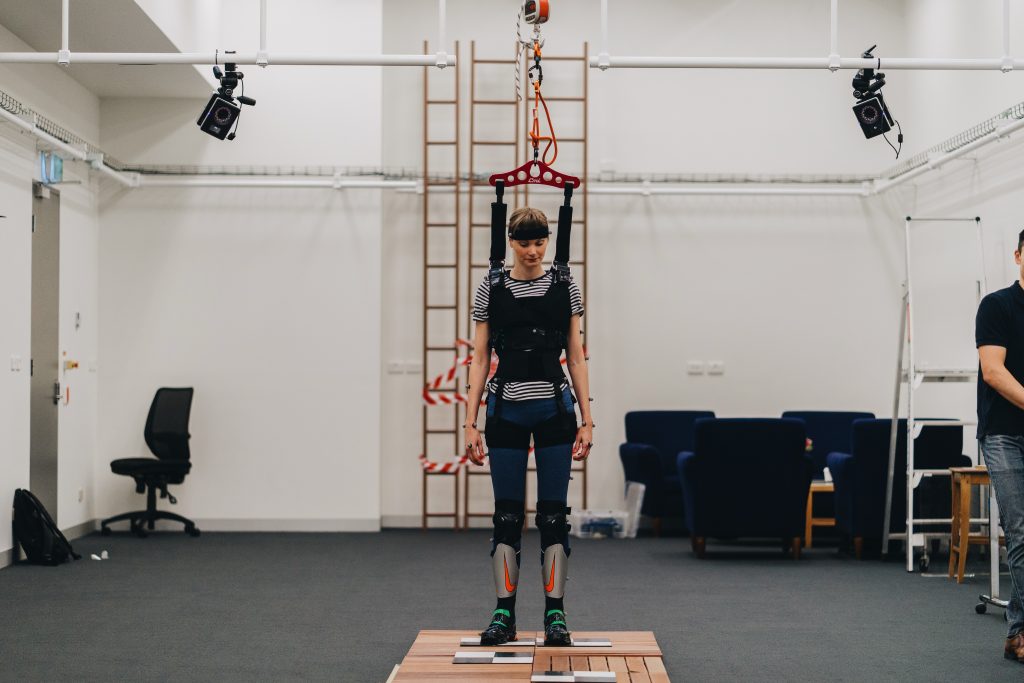
Training group participants will also attend four sessions in the gait laboratory at NeuRA to train their ability to recover from slips and trips. Participants will be fitted with a comfortable harness and asked to walk several times on a special walkway designed at NeuRA which can provide unexpected slips or trips.
“We hope the stepping training program done at home and at NeuRA will result in improvements in people with Parkinson’s disease and subsequently reduce fall risk. This study will provide the ground work for a future, larger study that we hope will prevent falls in people with Parkinson’s disease,” says Professor Lord.
The advances in fall prevention made in this project and the team’s future work have the potential to reduce personal and financial costs to individuals, their families, healthcare resources and the community.
Watch Professor Stephen Lord’s NeuRAtalk:

Thursday, March 1, 2018

Retirement - It happened

My last contract in Boston had a very toxic environment. My project lead was into making sure that none of the problems in the project would point back to him. As a result he was trying his best to set me up for blame with misleading emails.  Because I wasn't playing nice with such crap I was released early from the contract. That precipitated the whole, why not retire now? My financial planner says I have enough to live on for 30+ years.  Will take full SS when I reach 66 years and 4 months assuming it still exists.
Lots to do;
Sleep
Write books
Travel a lot
Swim
Bicycle, will get a 3 wheel folding recumbent.
Have fun
Drink to excess.
Learn Spanish, 4 books and 2 DVDs in possession
Do a TED talk
Run a stroke research foundation.

"Twenty years from now you will be more disappointed by the things that you didn't do than by the ones you did do, so throw off the bowlines, sail away from safe harbor, catch the trade winds in your sails. Explore, Dream, Discover."
- Mark Twain

I'm doing the Hunter S. Thompson thing;
“Life should not be a journey to the grave with the intention of arriving safely in a pretty and well preserved body, but rather to skid in broadside in a cloud of smoke, thoroughly used up, totally worn out, and loudly proclaiming "Wow! What a Ride!”

If dementia rears its ugly head I've consulted with several friends to tell me it is occurring in myself so I can  use that wingsuit to jump off a cliff and slam right back into the cliff.  My Dad has dementia, I don't want to go there. It is like Charlie in Flowers for Algernon. 

Thursday, October 12, 2017

Being Unaware of Memory Loss Predicts Alzheimer’s Disease

This is why I already have pacts with two friends to tell each other about memory loss that we might not be able to recognize. I'll add lots more friends, I want to know so I can address the issue or take a wingsuit flight into a cliff face. You  will likely need this because of your likely chance of getting dementia.

1. A documented 33% dementia chance post-stroke from an Australian study?   May 2012.
2. Then this study came out and seems to have a range from 17-66%. December 2013.
3. A 20% chance in this research.   July 2013.


Being Unaware of Memory Loss Predicts Alzheimer’s Disease


TORONTO -- October 10, 2017 -- While memory loss is an early symptom of Alzheimer's disease, its presence doesn't mean a person will develop dementia. A new study published in the Journal of Clinical Psychiatry has found a clinically useful way to predict who won’t develop Alzheimer's disease, based on patients’ awareness of their memory problems.
People who were unaware of their memory loss were more likely to progress to Alzheimer’s disease, according to the study. Those who were aware of memory problems were unlikely to develop dementia.
“If patients complain of memory problems, but their partner or caregiver isn’t overly concerned, it's likely that the memory loss is due to other factors, possibly depression or anxiety,” said lead author Philip Gerretsen, MD, Centre for Addiction and Mental Health (CAMH), Toronto, Ontario. “They can be reassured that they are unlikely to develop dementia, and the other causes of memory loss should be addressed.”
In other cases, the partner or caregiver is more likely to be distressed while patients don’t feel they have any memory problems. Both unawareness of illness (anosognosia) and mild cognitive impairment (MCI) can be objectively assessed using questionnaires.
The study, believed to be the largest of its kind on illness awareness, had data on 1,062 people aged 55 to 90 years from the Alzheimer's Disease Neuroimaging Initiative (ADNI). This included 191 people with Alzheimer's disease, 499 with MCI, and 372 as part of the healthy comparison group.
The researchers also wanted to identify which parts of the brain were affected in impaired illness awareness. They examined the brain’s uptake of glucose, a type of sugar.
Using positron emission tomography (PET) brain scans, they showed that those with impaired illness awareness also had reduced glucose uptake in specific brain regions, even when accounting for other factors linked to reduced glucose uptake, such as age and degree of memory loss.
As the next stage of this research, the researchers will be tracking older adults with MCI who are receiving an intervention to prevent Alzheimer's dementia. This ongoing study, the PACt-MD study, combines brain training exercises and brain stimulation, using a mild electrical current to stimulate brain cells and improve learning and memory. While the main study is focused on dementia prevention, Dr. Gerretsen will be looking at whether the intervention improves illness awareness in conjunction with preventing progression to dementia.
Reference: http://dx.doi.org/10.4088/JCP.16m11367
SOURCE: Centre for Addiction and Mental Health

Friday, September 29, 2017

Five Daily Habits For Future-Proofing Your Brain

I think I'm doing pretty good here, since I do plan on living to 94 when I will die in a wingsuit flying accident. 

Five Daily Habits For Future-Proofing Your Brain


Dr. Tara Swart is a neuroscientist, leadership coach, author, and medical doctor. Follow her on Twitter at @TaraSwart.

1. Switch Up Some Of Your Food Habits

This is where your doctor and hospital should create SPECIFIC diet protocols: for blood pressure reduction; for stroke recovery; for stroke prevention; for dementia prevention; for cognitive improvement; for cholesterol reduction; for plaque removal; for inflammation reduction. NOT the lazy prescription of the MIND or  Mediterranean diets.

2. Add Just 20 Minutes Of Movement To Each Day

I'm good with this, usually 1.5-2 hours a day of walking to get in my 10,000 steps. Needed along with eating only 2 meals a day to maintain my weight. 


3. Bust Out Of Your Comfort Zone More Regularly

I originally did this by moving someplace where I knew no one, had to join numerous Meetup groups

4. Prioritize Sleep

I'm failing at this. With my active social life and the amount of exercise I need to do sleep is where the time is stolen from. Caffeine is used to get me awake in the morning.


5. Maintain An Active Social Life

There are times when I have activities 5 nights a week. As the book, 'The Tao of Dating; The Smart Woman's Guide to Being Absolutely Irresistible' states, you should be dating 3 people at a time. Dating one person at a time will limit your social life. I'm not dating anyone but have plenty of female friends to do things with. 

Details at link from the writer.

Sunday, February 14, 2016

Wingsuit flying as an ADL

This would be perfect therapy post stroke, requiring you to hold both arms out from your shoulders, all that cognition required to plan your route so you don't hit a tree or cliff, all that wonderful extra sensation of wind whipping your body.  Great as an enriched environment.  Ask for it. Our stroke associations should be able to calculate how far up you need to be able to lift your affected arm in order to fly properly.
http://www.wimp.com/extremeflying/


Friday, January 25, 2013