Changing stroke rehab and research worldwide now.Time is Brain! trillions and trillions of neurons that DIE each day because there are NO effective hyperacute therapies besides tPA(only 12% effective). I have 523 posts on hyperacute therapy, enough for researchers to spend decades proving them out. These are my personal ideas and blog on stroke rehabilitation and stroke research. Do not attempt any of these without checking with your medical provider. Unless you join me in agitating, when you need these therapies they won't be there.

What this blog is for:

My blog is not to help survivors recover, it is to have the 10 million yearly stroke survivors light fires underneath their doctors, stroke hospitals and stroke researchers to get stroke solved. 100% recovery. The stroke medical world is completely failing at that goal, they don't even have it as a goal. Shortly after getting out of the hospital and getting NO information on the process or protocols of stroke rehabilitation and recovery I started searching on the internet and found that no other survivor received useful information. This is an attempt to cover all stroke rehabilitation information that should be readily available to survivors so they can talk with informed knowledge to their medical staff. It lays out what needs to be done to get stroke survivors closer to 100% recovery. It's quite disgusting that this information is not available from every stroke association and doctors group.

Showing posts with label wrong objective. Show all posts

Wednesday, July 8, 2026

Toward a paradigm shift in post-stroke management

 Better late than never in coming to the conclusion that blood pressure management is a complete shitshow! Wrong objective! Had you been thinking at all you would be solving the  5 causes of the neuronal cascade of death in the first week saving hundreds of million to billions of neurons!

Toward a paradigm shift in post-stroke management

 New HOPE trial explores individualized approach based on reperfusion pathophysiology. Blood pressure management after thrombectomy for acute ischemic stroke may require a change in approach. The HOPE clinical trial—short for Hemodynamic Optimization of Cerebral Perfusion after Endovascular Therapy—led by the Sant Pau Research Institute (IR Sant Pau), has shown that adapting blood pressure targets to the degree of cerebral reperfusion significantly improves patients’ functional recovery without increasing the risk of complications.  “Until now, we have applied fairly uniform strategies after thrombectomy, but probably not all patients need the same approach,” says Dr. Pol Camps-Renom, head of the Cerebrovascular Diseases Research Group at IR Sant Pau and one of the study coordinators. “Our results suggest that adjusting blood pressure according to the degree of reperfusion can have a direct impact on recovery.” The findings, presented during a plenary session at the annual European Stroke Organisation conference—the leading European scientific society dedicated to stroke—and now published in JAMA Neurology position this work among the most important recent contributions in the stroke field. They have the potential to guide new hemodynamic management strategies after thrombectomy.  Rather than applying rigid targets, the key is to better understand each patient's physiologyPol Camps-Renom

Mechanical thrombectomy has been a major advance in the treatment of large-vessel occlusion stroke because it can restore blood flow in previously blocked arteries. However, a well-known paradox remains in clinical practice: despite successful angiographic reperfusion, a substantial proportion of patients—around half—do not achieve satisfactory functional recovery in the medium term. 

This phenomenon, known as “clinically ineffective reperfusion,” reflects the fact that reopening the vessel does not always result in effective restoration of cerebral perfusion at the tissue level. Mechanisms involved include reperfusion injury, microcirculatory dysfunction, loss of cerebral autoregulation, and hemorrhagic transformation, all of which can compromise brain tissue viability even after a technically successful intervention. 

“Many times we can reopen the artery, but the brain tissue does not respond as expected,” explains Dr. Pol Camps-Renom. “The reason is that microvascular perfusion and autoregulatory mechanisms may be impaired, and this is where factors such as blood pressure become critical.” (You blithering idiots are ignoring the neuronal cascade of death in the first week and thus letting die hundreds of millions to billions of neurons! No wonder stroke recovery never gets better with this level of absolute stupidity in not knowing why artery opening doesn't solve the problem!)


As a result, blood pressure control during the hours following thrombectomy has become a key component of clinical management because it directly influences the balance between maintaining adequate perfusion and avoiding hemorrhagic complications. However, the evidence available so far has been limited and, at times, contradictory. Previous trials based on uniform intensive blood pressure reduction strategies have not demonstrated consistent benefits and have even suggested possible adverse effects. 

The HOPE trial introduces a different approach based on the concept that hemodynamic management should be adapted to each patient's physiological condition after thrombectomy. The study included 440 patients treated at 11 Spanish hospitals, who were randomly assigned either to a conventional strategy or to blood pressure management tailored to the degree of reperfusion achieved. 

Unlike previous trials, HOPE implemented a differentiated strategy according to the final angiographic result. Patients with near-complete or complete reperfusion were treated with lower blood pressure targets to reduce the risk of reperfusion injury, whereas patients with incomplete reperfusion maintained higher blood pressure levels to preserve cerebral perfusion. 

This approach recognizes that the brain may be in extremely diverse hemodynamic states, in which both excessively high blood pressure and overly aggressive reductions can be harmful. For this reason, the protocol included close monitoring during the first 72 hours, with dynamic treatment adjustments. 

This strategy resulted in a significant and consistent improvement in clinical outcomes. At 90 days, 60.0% of patients in the intervention group achieved functional independence, compared with 47.1% in the control group, representing an absolute difference of 13.3 percentage points, a clinically meaningful improvement. In addition, the overall analysis showed a favorable trend toward better levels of recovery, reinforcing the consistency of the benefit. 

In terms of safety, the strategy was associated with a lower incidence of hemorrhagic transformation, without increasing mortality or serious complications, confirming a favorable balance between efficacy and safety. “We have shown that it is possible to improve patient recovery without adding risk,” adds Dr. Joan Martí-Fàbregas, another investigator involved in the study. “This balance between efficacy and safety is probably one of the most relevant aspects of the findings.” 

The results of the HOPE trial point toward a more individualized model for blood pressure control after thrombectomy. In a setting where previous trials had produced neutral or unfavorable results, this study introduces a physiology-based approach that can optimize the balance between perfusion and hemorrhagic risk. 

Beyond its findings, HOPE provides key elements for the design of future studies, including the stratification of therapeutic targets and prolonged hemodynamic monitoring. The study also reinforces the idea that stroke treatment does not end with recanalization but continues during the hours that follow. “Rather than applying rigid targets, the key is to better understand each patient's physiology,” concludes Dr. Camps-Renom. 

Although the trial was stopped before reaching the planned sample size, its results demonstrate a clinically meaningful effect size. Nevertheless, additional studies will be required to confirm these findings before they can be broadly incorporated into routine clinical practice. 

Overall, the HOPE trial positions blood pressure control as a key component in optimizing stroke treatment after thrombectomy and opens the door to more precise strategies tailored to individual patients. 


Source: Institut de Recerca Sant Pau 

Monday, June 29, 2026

Neuromuscular-related interventions for post-stroke dysphagia: a comprehensive narrative review


You didn't put together recovery solutions; SO COMPLETELY FUCKING USELESS! You're all fired! The whole point of stroke research is recovery and you miserably failed!

Neuromuscular-related interventions for post-stroke dysphagia: a comprehensive narrative review


  • 1. Liaoning University of Traditional Chinese Medicine, Shenyang, China

  • 2. Affiliated Hospital of Liaoning University of Traditional Chinese Medicine, Shenyang, China

Abstract

Objective: 

To systematically review the efficacy, mechanisms, and application characteristics of neuromuscular-related interventions for post-stroke dysphagia (PSD), and to examine strategy selection across different swallowing stages to inform individualized rehabilitation strategies.

(Wrong objective; It should be create protocols for this! Your mentors are that incompetent?)

Methods: 

PubMed, Web of Science, Embase, and MEDLINE were systematically searched for studies published between 1995 and 2025. Titles and abstracts were screened, and the full texts of eligible studies were retrieved for further analysis. Interventions related to neural and muscular regulation were categorized and synthesized into four main groups: exercise training and behavioral interventions; peripheral neuromuscular stimulation; central nervous system modulation techniques; and other adjunctive interventions.

Results: 

A total of 293 publications were included, of which 56.63% were randomized controlled trials. The interventions were summarized into four major categories comprising more than 10 techniques. Exercise training and behavioral interventions (e.g., oral motor exercises) enhanced swallowing muscle strength and coordination. Peripheral neuromuscular stimulation (e.g., neuromuscular electrical stimulation and acupuncture) enhanced or modulated swallowing function by directly stimulating relevant nerves or muscles. Central nervous system modulation techniques (e.g., transcranial magnetic stimulation and transcranial direct current stimulation) influenced swallowing-related neural networks indirectly by regulating cortical excitability. Other adjunctive interventions included botulinum toxin injection, which directly targeted the cricopharyngeal muscle. Further analysis examined the selection of key rehabilitation techniques across different clinical stages of PSD, integrating central and peripheral neuromodulation approaches. It explored the potential implications of soft-tissue surgery and meridian-muscle theory for PSD management to inform individualized clinical decision-making.

Conclusion: 

Neuromuscular interventions were found to be widely used in PSD management, particularly transcranial magnetic stimulation, acupuncture, and neuromuscular electrical stimulation. Future strategies should integrate pathology, clinical manifestations, and lesion localization to develop central lesion–oriented multimodal therapies that combine peripheral nerve and muscle interventions, potentially improving clinical outcomes.


More at link.

Wednesday, October 15, 2025

'Stroke care is very good if you give it a chance – but often it doesn’t have the resources'

 What a complete and total fucking lie! As if stroke survivors want 'care' NOT RECOVERY!

'Stroke care is very good if you give it a chance – but often it doesn’t have the resources'

Seventeen hours. That’s how long it took for Anthony Bundy to receive surgery for his stroke from the first 999 call. He died four days later, having never woken up following the thrombectomy procedure.

“Medically speaking it was successful(But not for the patient! Your measurement of success is totally WRONG!). The blood clot was removed, and he had survived the operation. But he was still on life support and the damage had already been done by that time,” explains Anthony’s son, James Bundy, who for the last two years has been campaigning for a better service from stroke patients.

Anthony was a fit and healthy 53-year-old; he didn’t smoke, he didn’t drink a lot, and he had a good diet. He had in the months before his death set up his own business and was optimistic about the future. “All of that was taken away from him,” says his son.

When Bundy tells the story of how his dad died, it’s clear there were multiple failures that prevented the seriousness of his condition from being picked up and him not receiving the care he should have.

My mum, in the ambulance, was starting to make the calls for her family to get to Glasgow

Anthony had been at the opticians with his wife, Selena, when he collapsed one Sunday in June 2023. An ambulance was called but not immediately dispatched. His was an atypical presentation of stroke. “My dad’s face was not dropping, his speech was not slurred, and he could raise his arms. So, over the phone, they ruled out a stroke and an ambulance initially wasn’t dispatched,” Bundy explains.

“Clearly it wasn’t getting any better about 25 to 30 minutes later and it was called for again. They did a teleconference call, and it was clear that my dad was struggling to do it. He was struggling to take in information; his speech was much slower – but again not slurred – and the dizziness was there so trying to look at a screen and have a conversation was very difficult for him. But they eventually sent an ambulance.”

Anthony was taken to the Glasgow Royal Infirmary, but still no one suspected a stroke. He was left in the hospital corridor for five and a half hours, with the A&E “overwhelmed” with other patients. Only then did FAST symptoms begin to appear.

He was rushed to the stroke unit where a blood clot was confirmed and thrombolysis, an injection which aims to break up clots, was recommended. Unfortunately, the GRI only has this service available between the hours of 9am-5pm on weekdays. Anthony had to be moved to the Queen Elizabeth University Hospital, only a short distance away but the journey still taking up precious minutes.

“My mum, in the ambulance, was starting to make the calls for her family to get to Glasgow. I met my family at the Queen Elizabeth, and there [dad] received thrombolysis but he was already on life support, unconscious. I never spoke to my dad again,” recalls Bundy.

Doctors told the family that Anthony required a thrombectomy, a surgery to physically remove the blood clot. But again, the lack of a 24-hour service meant he had to wait until the next morning for treatment. It took place at 9:30am on the Monday, but it was already too late. He was taken off life support on Thursday 29 June.

Act FAST

In the years since Anthony’s death, Bundy has been campaigning to improve awareness of the symptoms of stroke beyond the big three of face, arms and speech. He believes that changing the FAST acronym to BE-FAST – inclusive of balance and eyes (a loss of focus) – would lead to better public awareness both among the public and within the medical profession.
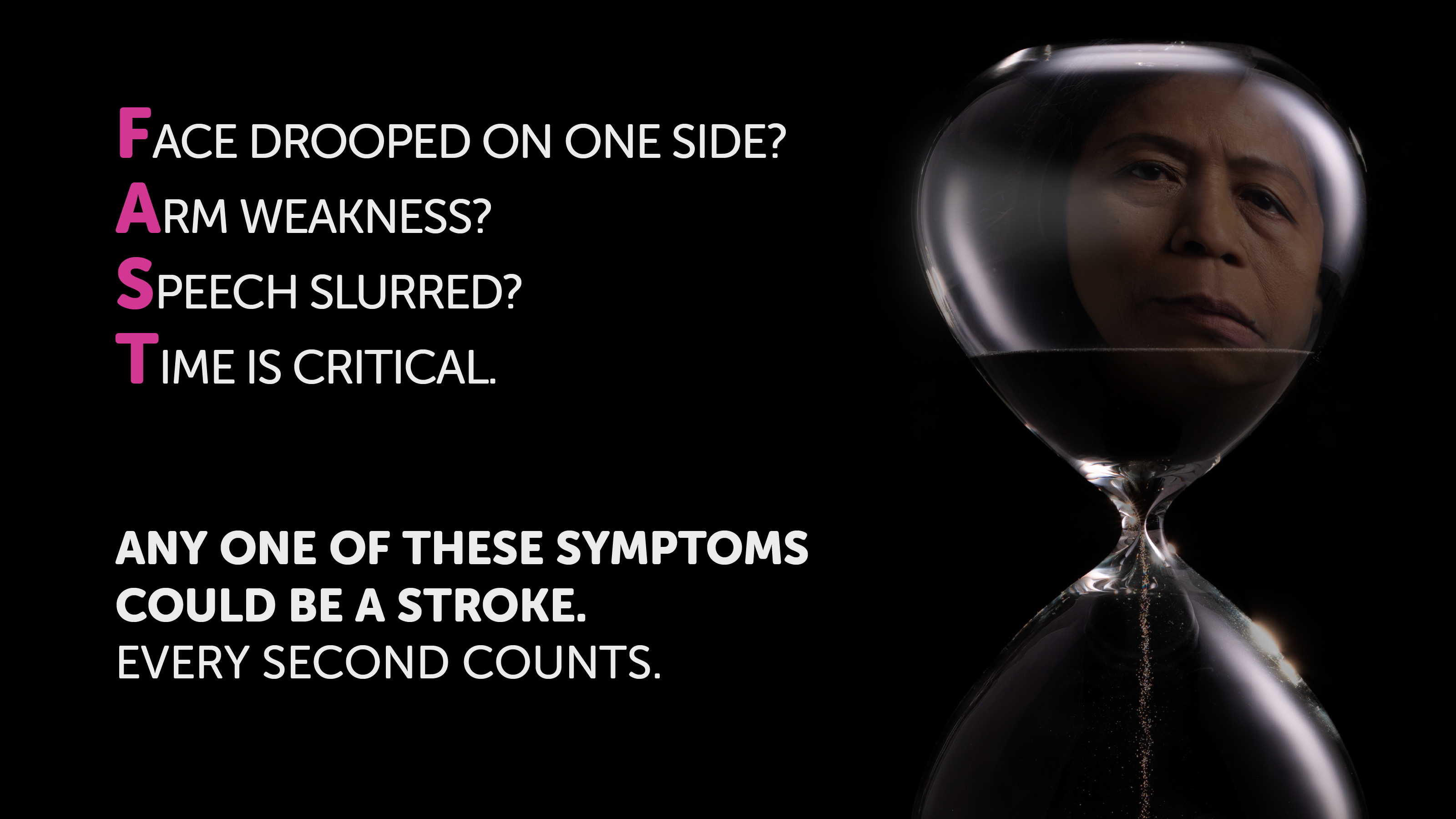
In September 2023, Bundy, who is a Scottish Conservative councillor in Falkirk and previously worked for Tory MSP Stephen Kerr, lodged a petition with the parliament seeking a review of FAST. While accepting that a drooping face, inability to raise both arms and slurred speech are more common indicators, he is concerned that these symptoms have become the main test and others are being overlooked – particularly when emergency departments are “under too much pressure”, essentially forcing staff to rely on “the basics rather than going to that next level”.

“That’s why we should expand to BE-FAST, be a bit more informative [for the public]. If they’re taught BE-FAST rather than FAST, they’re going to capture more strokes,” Bundy argues. “It’s better to get the scan, find out it’s not a stroke, compared to what happened with my dad. It’s better to be more inclusive and have that risk of false positives than it is to be so narrow where people are losing their life.”

But stroke charities and the Scottish Government have disputed this. Public health minister Jenni Minto, in a letter to the parliament’s petitions committee earlier this year, said there was “insufficient evidence to support replacing FAST with BE-FAST”. And John Watson, associate director for the Stroke Association in Scotland, warned that doing so might actually do more harm than good. That’s because it would push more people into already under-resourced stroke units, which would end up preventing people who are having a stroke from being seen as quickly.

FAST works, Watson says, because the three symptoms are “indicative of a stroke, but are not really indicative of anything else”. “That makes FAST a very good initial triaging question. The best thing to do is divert them onto the stroke care pathway and that means going to a stroke unit, being seen by a stroke clinic, getting a brain scan, getting into a stroke ward.”

If a system is under that kind of pressure, any system, no matter how good it is, it’s going to fail people

Where Watson and the Bundy family agree is that there is too much pressure on A&E departments generally, which means people are being failed because healthcare staff are unable to spend enough time with patients. That’s been borne out in figures published by the Royal College of Emergency Medicine last month, which estimated there were over 800 excess deaths due to long A&E waits in 2024.

Watson says the Bundys were “let down by the system”. “After Anthony Bundy wasn’t showing FAST symptoms, nobody spent time with him trying to figure out what was going on. He was left for hours. I’ve spoken to people working in emergency departments about this and how they use this, and in theory they should be looking beyond FAST; FAST is an initial test but they should be having in mind other things. But they need the time and the capacity to be able to sit with somebody and figure that out because it’s not obvious what’s going on.

“And the problem is that when you have emergency departments working at double capacity, they’re dealing with twice as many people as they’re resourced to do, those people cannot get the care that they’re supposed to get. I spoke to one emergency department physician who said to me, look, if a system is under that kind of pressure, any system, no matter how good it is, it’s going to fail people because it’s overloaded.

“But the answer to that is not to send lots more people to the stroke team because they are not set up to deal with that. They’re less well-equipped to deal with it than the emergency department are.”

24/7

The delays in treatment experienced by Anthony Bundy are sadly not uncommon. Recent figures published by Public Health Scotland (PHS) show a record of failure for stoke patients. Scottish ministers were accused this summer of having “failed stroke survivors” after a series of targets were missed for the seventh year in a row.

Last year, almost half of patients did not receive the inpatient bundle – care that includes brain imaging, aspirin, swallow screening and rapid admission to a stroke unit. It is the latter two that  are causing the biggest problem, with only two-thirds of patients receiving a swallow screening within four hours (unchanged from 2023) and three in ten not being admitted to a specialist ward within a day (slightly improved from 2023).

Currently there is extremely limited treatment at weekends and no access to treatment overnight anywhere in Scotland

“The stroke unit admission standard remains very challenging,” the PHS report says. “Much of the poor performance reflects larger issues with hospital flow but is also a marker that stroke is, perhaps, not given the same priority as other specialties within our hospitals.”

This, too, is believed to be behind the poor performance on thrombolysis and thrombectomy. There is no national clinical standard for the proportion of patients receiving thrombolysis, but there is an expectation that among those that do, door-to-needle (DTN) time should be within 30 minutes for half of patients, and within an hour for 80 per cent of patients. Yet in 2024, no health board was close to meeting either target. Worryingly, due to a lack of a 24-hour service “different hospitals have significantly different DTN times in and out of hours,” the report says.

Thrombectomy performance is even worse, with only 2.2 per cent of stroke patients undergoing this surgery in 2024. Performance in Scotland compares poorly to England, where 3.9 per cent of stroke patients got a thrombectomy in 2023/24. Not everyone is a suitable candidate, but research estimates between 10 and 15 per cent of stroke patients should receive one. No part of the UK is close to meeting that.

In part, the low numbers of people getting a thrombectomy in Scotland is because facilities are extremely limited. Only three hospitals are able to carry out the procedure – Queen Elizabeth University Hospital, the Royal Infirmary of Edinburgh, and Ninewells Hospital in Dundee – and none of them are 24-hour services.

“Most of the population of Scotland now has access to thrombectomy at some time during the week. However, there are still significant periods of time when people are not able to get treatment,”  the PHS report confirms. “This is the most significant issue leading to lower treatment rates than we should be delivering and means the current access is very inequitable. Currently there is extremely limited treatment at weekends and no access to treatment overnight anywhere in Scotland.”

The report goes on to highlight that a lack of appropriately trained staff, the small number of operating suites, limited financial resources, and the competing priorities of health teams involved all contribute towards this.

Graham McGowan was one patient who missed out on a thrombectomy because of the time of day he had a stroke. He’s been left with a life-altering disability that might have been avoided.

“I don’t want to dwell too much on the ‘what ifs’ and the cost of me not getting a thrombectomy, as it doesn’t help me mentally,” he says. “But if you take me as an example, I was working and had an active, healthy lifestyle before I had a stroke. Now, I can’t live independently. I can’t work. I can’t drive, ski, run or mountain bike. My wife is now also my carer and there has been a dramatic change in our circumstances.”

McGowan, who lives in Aboyne, was rushed to Aberdeen Royal Infirmary in May 2022. A brain scan revealed a blood clot, and doctors advised he should receive a thrombectomy. But it was 9pm in the evening and the nearest specialist hub, Ninewells in Dundee, does not perform thrombectomy after 7pm. Instead, Graham was given thrombolysis, and has been left with paralysis down one side of his body.

His story is unusual, in that most stroke survivors who don’t receive a thrombectomy don’t know whether it would have made a difference. Stroke doctors are understandably reluctant to tell patients they should be treated with thrombectomy but can’t be because of limited availability. Yet with rates so low, doctors and stroke charities believe many hundreds of people must be missing out.

You save a lot of money, you get the system working more efficiently. It’s exactly the kind of change that you need

The Scottish Government has previously committed to providing a 24/7 thrombectomy service. The stroke improvement plan published in 2022 set out an aim to have “24/7 availability across Scotland by 2023”. But with that deadline having come and gone, campaigners are concerned the ambition has fallen by the wayside. Minto has said the government “remains committed to implementing a high quality, clinically safe and equitable thrombectomy service”.

The lack of capacity within stroke care not only comes at great cost to the patients, but it’s also expensive for the NHS. Research suggests that thrombectomy saves the health and care system around £47,000 per patient over five years because the cost of ongoing care is reduced. Watson argues getting stroke care right is therefore not only good for patients, but beneficial to the wider NHS too. 

He says: “We hear a lot about reform to the NHS to enable it to deal with the demands that are put on it. This is what those kind of reforms look like. It’s getting a system whereby you treat somebody quickly, they spend less time in hospital… and they leave hospital with less in the way of ongoing support needs. You save a lot of money, you get the system working more efficiently. It’s exactly the kind of change that you need when you’re under pressure. But the fact that they’re under pressure gets in the way of making the change. That’s really, really frustrating.”

Stroke remains one of the leading causes of death in Scotland, alongside heart disease, cancer and dementia. But death from stroke has decrease by 12.7 per in the last decade, even while incidence rates have been stable. That’s attributed to medical improvements.

Watson suggests these relatively new advances are part of the reason stroke is not yet being prioritised. “The system is yet to catch up with the fact that there’s a lot we can do,” he says. “Our general view on stroke care is that it’s now very good if you give it a chance to be good, but often it doesn’t have the resources. It doesn’t have the place within the hospital planning system. It doesn’t have the place at the top table when the hospital-wide planning decisions are getting made.”

Long-term care

Beyond emergency care, access to rehabilitation is crucial for reducing survivors’ long-term support needs. Stroke is a leading cause of disability and while much of that is related to how fast someone gets emergency treatment, proper aftercare also has a role.

Clinical guidelines currently recommend survivors get at least three hours a day, five days a week. That can come from a range of sources, depending on what a patient needs – from speech and language therapy to orthotics to psychology and more. However, there is little in the way of data to show how many people are receiving the recommended amount.

We should be providing a seven-day day service, but most of the health boards are providing five-day

Watson says: “Some people get really good rehabilitation; some people don’t… We don’t know how much people actually get because rehabilitation figures are not included in the stroke care audit. The stroke care audit is going to expand to include some key rehab numbers, but we hear from all across the country that’s not what people are getting. There’s a big gap in terms of rehab provision.”

On the bright side, the importance of access to rehab has been increasingly recognised in recent years, according to stroke consultant Gillian Capriotti.

Capriotti, who chairs the Scottish Stroke Allied Health Professional Forum, praises experts in the field and the voices of those with lived experience for this change. “It has become much more of a focus within the publications and the national guidelines as well,” she says, “and that’s allowed us to make sure that we’re addressing gaps and have clear pathways for people with different levels of disability and different areas of disability, to make sure that there’s a consistency of approach, a level of quality and that people are receiving the same high standards of rehabilitation in areas across the country.”

But proper resourcing is a barrier to delivery. Capriotti suggests when it comes to funding, “the conversation tends to have got stuck” at providing emergency care. “The papers and the plans and the programmes are all very much advocating that stroke rehab is important and we need to have therapies and resources to support that, but in reality the funding isn’t really there to enable that just now.”

Staffing, too, is a problem across the allied health professions who lead on rehab. Capriotti says across Scotland staffing levels are “pretty far away” from what is required. “We should be providing a seven-day day service, but most of the health boards are providing five-day. In some areas they’ve been able to increase that but it’s not consistent and if we want to be able to provide that level of rehabilitation to allow patients to move, to get home quicker, and to be able to keep the throughput going and continue to drive that forward and get people better, we do need to invest in seven-day working, which is not something we’re doing.”

She adds that efforts are underway to make stroke care a more attractive career path, such as the creation of senior positions to enable progression without needing to change clinical area of expertise. But she says it’s also important to consider what care does need to be delivered by AHPs and what can be delivered by others, such as healthcare support workers, community workers or the third sector.ms | Alamy

Professor Lorna Paul, an expert in allied health science at Glasgow Caledonian University, is taking forward a feasibility study in this area – looking at whether telerehabilitation could help deliver more community-based options. Paul explains: “With the best will in the world, even if you see the community team twice or three times a week, you might see them for an hour at a time. But what are you doing for the rest of the time? The premise of this study really is how can we support patients to do three hours of therapy, what we call self-management, without a therapist looking over the top of you to see to see what you’re doing.”

She’s working with the health boards in Greater Glasgow and Clyde, Forth Valley, and Tayside to test out how a telerehab platform might work, with the aim to later do a UK-wide study which would look at clinical outcomes and cost savings. The idea is that by supporting some patients via telerehab, clinicians’ time will be freed up to deal with more complex cases.

Responding to all these issues is becoming ever-more pressing as cases of stroke are predicted to rise significantly over the next two decades. The Scottish Burden of Disease study has projected a 35 per cent increase in cerebrovascular disease between now and 2044. Without intervention, this is “likely to impact on the sustainability of services in the future,” it warns.

But, it adds, this is “not inevitable – effective prevention at all levels can contribute to reducing the number of people having a stroke and assist those who have had a stroke to live at lower levels of severity”.

It’s a point echoed by Watson. “We always say there’s three elements to it: stroke is preventable, stroke is treatable, and stroke is recoverable. I always put all of these things down as prevention… Preventing somebody having a stroke is great. If you treat somebody quickly, you prevent damage from happening to their brain. But also, if you then get the right rehabilitation, you prevent whatever damage has happened from being the norm from there on.”

Back in Falkirk, Bundy is determined to keep pushing for change so that fewer people die like his dad. “If his death means that hundreds of thousands of Scots lives are saved in the future, then… well, I’m not saying it would have been worth it, but his life would have more of a legacy than it has now.”

Monday, June 9, 2025

New technique improve success rates in treating strokes and other clot-related diseases

 Success is 100% recovery NOT REPERFUSION! When you have the wrong objective, you'll never get to survivor requirements of 100% recovery! The only goal in stroke is 100% recovery and you blithering idiots don't know that!

New technique improve success rates in treating strokes and other clot-related diseases

When treating an ischemic stroke – where a clot is blocking the flow of oxygen to the brain – every minute counts. The more quickly doctors can remove the clot and restore blood flow, the more brain cells will survive, and the more likely patients are to have a good outcome. But current technologies only successfully remove clots on the first try about 50% of the time, and in about 15% of cases, they fail completely.

Researchers at Stanford Engineering have developed a new technique called the milli-spinner thrombectomy that could significantly improve success rates in treating strokes, as well as heart attacks, pulmonary embolisms, and other clot-related diseases. In a paper published June 4 in Nature, the researchers used both flow models and animal studies to show that the milli-spinner significantly outperforms available treatments and offers a new approach for fast, easy, and complete clot removal.

For most cases, we're more than doubling the efficacy of current technology, and for the toughest clots – which we're only removing about 11% of the time with current devices – we're getting the artery open on the first try 90% of the time. It's unbelievable. This is a sea-change technology that will drastically improve our ability to help people."

Jeremy Heit, co-author, chief of Neuroimaging and Neurointervention at Stanford and an associate professor of radiology

Taking advantage of tangles

Blood clots are held together by tangles of fibrin, a tough, thread-like protein that traps red blood cells and other material to form a sticky clump. Typically, doctors try to remove them by inserting a catheter into the artery and either vacuuming up the clot or snaring it with wire mesh. But these methods don't always work and can snap the fibrin threads, causing pieces of the clot to break off and get lodged in new, harder to reach places.

With existing technology, there's no way to reduce the size of the clot. They rely on deforming and rupturing the clot to remove it. What's unique about the milli-spinner is that it applies compression and shear forces to shrink the entire clot, dramatically reducing the volume without causing rupture."

 Renee Zhao, assistant professor of mechanical engineering and senior author on the paper

The milli-spinner, which also reaches the clot through a catheter, consists of a long, hollow tube that can rotate rapidly, with a series of fins and slits that help create a localized suction near the clot. This applies two forces – compression and shear – to roll the fibrin threads into a tight ball without breaking them.

Imagine a loose ball of cotton fibers (or a handful of long hair pulled from a hairbrush, if you'd prefer). If you press it between your palms (compression) and rub your hands together in a circle (shear), the fibers will become increasingly tangled into a smaller, denser ball. The milli-spinner is able to do this same thing to the fibrin threads in a clot, using suction to compress the clot against the end of the tube and rapidly spinning to create the necessary shear.

Zhao and her colleagues showed that the milli-spinner could reduce a clot to as little as 5% of its original volume. The process shakes free the red blood cells, which move normally through the body once they aren't trapped in fibrin, and the now-tiny fibrin ball is sucked into the milli-spinner and out of the body.

  • Brought to you by Pfizer Medical Affairs, EM-USA-plb-0156

"It works so well, for a wide range of clot compositions and sizes," Zhao said. "Even for tough, fibrin-rich clots, which are impossible to treat with current technologies, our milli-spinner can treat them using this simple yet powerful mechanics concept to densify the fibrin network and shrink the clot."

A surprising success

The milli-spinner design is an extension of Zhao's work on millirobots – tiny, origami-based robots built to swim through the body to dispense medicine or assist with diagnostics. The spinning hollow structure with fins and slits was intended as a propulsion mechanism, but when the researchers realized that it was also creating localized suction, they decided to see if it could have other uses as well.

"At first, we simply wondered whether this suction could help remove a blood clot," Zhao said. "But when we tested the spinner on a clot, we observed a striking clot color change, from red to white, along with a dramatic reduction in volume. Honestly, it felt like magic. We didn't fully understand the mechanism at the time."

Intrigued by this unexpected and unprecedented clot response, the researchers set out to uncover the underlying mechanism and then went through hundreds of design iterations to make the milli-spinner as efficient and effective as possible. But they haven't forgotten about its propulsion possibilities. Zhao and her colleagues are also working on an untethered version of the milli-spinner that could swim freely through blood vessels to target and treat clots.

While they have focused on treating blood clots first, there are many other potential uses for the milli-spinner, Zhao said. She and her team are already working on using the milli-spinner's localized suction to capture and remove kidney stone fragments.

"We're exploring other biomedical applications for the milli-spinner design, and even possibilities beyond medicine," Zhao said. "There are some very exciting opportunities ahead."

Knowing the difference it could make for stroke patients and those with other blood clot-related diseases, Zhao, Heit, and their colleagues are hoping to get the milli-spinner thrombectomy approved for patient use as soon as possible. They have started a new company that licenses the technology from Stanford in order to develop and bring it to market, with clinical trials planned for the near future.

"What makes this technology truly exciting is its unique mechanism to actively reshape and compact clots, rather than just extracting them," Zhao said. "We're working to bring this into clinical settings, where it could significantly boost the success rate of thrombectomy procedures and save patients' lives."

Source:
Journal reference:

Chang, Y., et al. (2025). Milli-spinner thrombectomy. Nature. doi.org/10.1038/s41586-025-09049-0.

Friday, May 16, 2025

Predictive role of a combined model for futile recanalization in acute ischemic stroke: a retrospective cohort study

The correct objective would be to determine why futile recovery occurs after mechanical thrombectomy!  The goal of every stroke survivor is 100% recovery, they don't care about recanalization unless it leads directly to 100% recovery. Don't any of you know how to think?

Predictive role of a combined model for futile recanalization in acute ischemic stroke: a retrospective cohort study

Yangbin Zhou1†, Yitao Zhou1†, Huijie Yang2, Xiaoyan Wang2, Xiping Zhang2 and Ganying Huang1,2*

1School of Nursing, Zhejiang Chinese Medical University, Hangzhou, China

2Department of Emergency, Afliated Hangzhou First People’s Hospital, School of Medicine, Westlake University, Hangzhou, Zhejiang, China

Edited by
Linlin Zhang, Capital Medical University, China

Reviewed by
Abhi Pandhi, University of Tennessee Health Science Center (UTHSC), United States
Dan-Victor Giurgiutiu, Augusta University, United States

*Correspondence
Ganying Huang, ganying3304@163.com

†These authors have contributed equally to this work

Received 25 January 2025
Accepted 30 April 2025
Published 15 May 2025

Citation
Zhou Y, Zhou Y, Yang H, Wang X, Zhang X and Huang G (2025) Predictive role of a combined model for futile recanalization in acute ischemic stroke: a retrospective cohort study. Front. Neurol. 16:1566842. doi: 10.3389/fneur.2025.1566842

Objective: There is a lack of data regarding patients with acute ischemic stroke caused by large vessel occlusions (LVOs) undergoing mechanical thrombectomy (MT) and their predictors of futile recanalization (FR). We sought to investigate the predictors of FR in patients with AIS-LVO undergoing mechanical thrombectomy.

Method: A retrospective analysis was conducted on 229 acute AIS patients who received MT, after eliminating the 31 patients not meet the requirements. The patients were categorized into the FR group and the useful recanalization (UR) group. Multivariate logistic regression analysis was used to explore the factors that influence FR after mechanical thrombectomy. ROC curve was used to plot the ability to predict FR after MT, and then the combined model was constructed and evaluate the predictive ability of this model to FR.

Results: 198 patients who achieved successful recanalization were included in the analysis, of whom 124 experienced UR and 74 experienced FR. Patients with FR had higher Baseline NIHSS; they were more frequently on hypertension history and had longer door-to-puncture time (DPT) and door-to-recanalization time (DRT). Multivariable regression analysis showed that the hypertension history, Admission NIHSS, Admission DBP, Admission blood glucose, ischemic core, and DPT were associated with an increased probability of FR. The combined model was better than the models alone in predicting the risk of FR.

Conclusion: Admission blood pressure, admission NIHSS scores, admission DBP, ischemic core and DPT are independent risk factors for FR after MT in patients with AIS, and the combined model established by them has high predictive efficacy for FR risk after MT.

Keywords
futile recanalization; acute ischemic stroke; ROC curve; mechanical thrombectomy; AIS-LVO

Introduction
As the second-leading cause of death disease, Stroke is a widespread neurological condition and the primary cause of disability worldwide (1). Also, it resulted in approximately 6 million annual fatalities. Ischemic stroke accounts for 71% of all strokes worldwide and 81.9% in China. The proportion of acute ischemic stroke (AIS) caused by large vessel occlusions (LVOs) in Chia was 20% (2). Acute ischemic stroke (AIS) is a sudden neurologic dysfunction caused by focal brain ischemia which is accompanied by imaging evidence of acute infarction (3). AIS occur caused by focal cerebral hypoperfusion, particularly from embolism and atherosclerotic disease. At present, the main effective treatment method for early reperfusion in acute ischemic stroke is intravenous rt-PA thrombolysis (4–6). For AIS-LVOs, the vascular revascularization rate of intravenous thrombolysis is low (13% ~ 18%) and the therapeutic effect is not good (7). The successful recanalization rate of MT has achieved 41–88%, which was much higher than that yielded by traditional therapies, including intravenous thrombolysis (8). Partial randomized clinical trials (RCTs) (9–14) have proven benefits on functional outcomes of endovascular thrombectomy (EVT) compared with intravenous thrombolysis. The functional outcomes of AIS patients with proximal anterior circulation LVO were improved by MT, particularly in those with good collateral circulation (6, 15). Preceding randomized controlled trials (10–12, 14, 16, 17) have consistently demonstrated that, among patients receiving standard care, MT markedly enhances successful reperfusion.

The modified Thrombolysis in Cerebral Infarction (mTICI) score can evaluate the degree of recanalization, which is considered a powerful predictor of good functional prognosis (18, 19). However, FR are not always associated with successful or complete reperfusion. Previous studies have revealed that more than 50% of patients suffer from futile recanalization (FR), which is defined as an adverse functional outcome at 90 days despite successful recanalization (mTICI = 2b-3) (18, 20). FR was linked to age, admission NIHSS, comorbidities, Alberta Stroke Program Early CT Score (ASPECTS), as well as time from symptom onset to recanalization (21, 22). Furthermore, studies have demonstrated that a high mRS score prior to stroke onset, coexisting dyslipidemia, and atrial fibrillation were identified as predictors of FR (23).

Therefore, it is of paramount importance to better understand the therapeutic effect of patients after MT and determine the factors that may help predict the occurrence of FR in patients. Predictive models for the occurrence of FR following MT surgery in patients are relatively scarce. Such models are necessary to accurately convey potential risks and benefits to the patients themselves or the proxies, and facilitate patient-oriented informed decision-making. The advent of reliable prediction models is capable of adapting to the continuously escalating healthcare demands and costs in China.

We conducted an observational retrospective study aiming to explore the predictors of futile recanalization in patients with LVO undergoing MT. Therefore, this study aims to utilize the National Stroke Center Construction Management Information System (NSCCMI) registry to clarify the predictive ability of admission blood pressure, baseline NIHSS scores, admission DBP, ischemic core and DPT for the risk of FR after MT in patients with AIS.

Methods
Study design and participants
The cohort was comprised of patients enrolled in the NSCCMI registry (National Stroke Center Construction Management Information System), a cohort study registering AIS patients in China which includes a hospital-based follow-up study. We enrolled 229 AIS-LVO patients from Hangzhou First People’s Hospital who were treated with mechanical thrombectomy between March 2022 and February 2024. The sample size met the principle of 10 Events Per Variable (EPV) (24). Inclusion criteria were 198 patients who achieved successful recanalization were included in the analysis, of whom 124 (62.63%) experienced UR and 74 (37.37%) experienced FR. The sample size met the principle of 10 Events Per Variable (EPV). All participating subcenters were obligated to recruit consecutive patients, and all patients or their legal representatives supplied informed consent. All patients used computed tomography and/or magnetic resonance imaging to diagnose AIS. According to TOAST criteria (25), AIS can be divided into four subtypes: (1) large-artery atherosclerosis (LAA), (2) cardioembolism (CE), (3) small-artery occlusion, (SAO), (4) stroke of other determined etiology, and (5) stroke of undetermined etiology (25). Categories 4 to 5 were defined as “other causes” in this study. This study included patients with subtypes according to TOAST criteria. All patients were followed for 3 months after AIS onset.

The present study enrolled patients with AIS-LVO undergoing MT between March 2022 and February 2024. Patients met the following inclusion criteria: (1) Age 18–90 years; (2) meet the diagnostic criteria for AIS (26); (3) patients treated with MT; (4) mTICI of 2b-3 after MT (27); (5) without rheumatoid immune disorders, severe hepatic or renal disorders, hematological disorders, or malignant tumors; (6) without any systemic infections that occurred at the time of specimen collection or 2 weeks before stroke onset; (7) finish 90-day follow-up.

MT was selected for patients meeting the following criteria: (1) confirmed AIS, and bleeding or other pathological brain diseases ruled out by CT; (2) LVO confirmed by CTA or digital subtraction angiography; (3) MT treatment can be initiated between 6 and 16 h of stroke onset (28); (4) obtaining informed consent from family members. Exclusion criteria: (1) confirmed intracranial hemorrhage or intracranial tumor on admission; (2) inability to take care of oneself; (3) previous psychiatric disorders that would interfere with neurologic evaluation; (4) Other serious, advanced, or terminal illness (investigator judgment) or life expectancy is less than 6 months; (5) Any other condition that, in the investigator’s judgment, precludes an endovascular procedure or poses a considerable risk to the subject in the event that an endovascular procedure is performed; (6) incomplete baseline data.


More at link.

FACTORS AFFECTING QUALITY OF LIFE IN PATIENTS SUFFERING FROM CVA (STROKE) WITH HEMIPARESIS

100% recovery is the quality of life survivors want! THAT'S NON-NEGOTIABLE! That is the only goal in stroke; 100% RECOVERY! GET THERE! The tyranny of low expectations raises its' ugly head once again! You'll need to scream at your therapists and doctors to get you protocols that deliver 100% recovery. Embarrass them about their incompetence in not doing that.

 FACTORS AFFECTING QUALITY OF LIFE IN PATIENTS SUFFERING FROM CVA (STROKE) WITH HEMIPARESIS

Ravi Prakash Degala*1, Naga Subrahmanyam Satupati2, N. Ramya3, D. Ainwesly4,
B. Jaya Madhuri5 and V. Pravallika6
1,2Associate Professor, Department of Pharmacy Practice, Koringa College of Pharmacy,
Korangi, Kakinada, Andhra Pradesh, India.
3Associate Professor, Department of Pharmaceutical Analysis, Koringa College of Pharmacy,
Korangi, Kakinada, Andhra Pradesh, India.
4,5,6Pharm D Scholar, Department of Pharmacy Practice, Koringa College of Pharmacy,
Korangi, Kakinada, Andhra Pradesh, India.

ABSTRACT

Background: 

Cerebrovascular accident (CVA), commonly known as stroke, is a leading cause of long-term disability worldwide. Hemiparesis, a frequent post-stroke complication, significantly impairs functional independence and may adversely affect the overall quality of life (QoL) of patients. Understanding the multifactorial determinants of QoL in this population is crucial for effective rehabilitation and care
planning. 

Objective: 
To identify and analyze the key factors influencing the quality of life in patients with post-stroke hemiparesis.(Totally wrong objective! Should be ' Deliver protocols that result in 100% recovery'!)

Methods: 

A cross-sectional observational study was conducted involving stroke survivors diagnosed with hemiparesis. Data were collected using validated tools, including the Stroke-Specific Quality
of Life (SS-QOL) scale. Factors such as demographic variables, severity of hemiparesis, level of functional independence (measured by the Barthel Index), presence of comorbidities, depression, and social support were analyzed for their correlation with QoL outcomes.
Results: The study revealed that lower levels of functional independence, presence of
depression, limited social support, and severe motor impairment were significantly associated
with reduced QoL scores (p < 0.05). Age, gender, and duration since stroke onset also
showed variable effects on different QoL domains. 

Conclusion: 

Quality of life in patients with stroke-induced hemiparesis is influenced by a combination of physical, psychological, and social factors. Targeted interventions addressing mental health, social support systems,
and functional rehabilitation are essential to enhance QoL in this vulnerable group.

Sunday, July 28, 2024

Neurotechnology-aided interventions for upper limb motor rehabilitation in severe chronic stroke

Survivors don't want 'potential'! They want their researchers to CREATE EXACT REHAB PROTOCOLS!

If your mentors and senior researchers didn't specify that as your objective, they don't belong in stroke!

 Neurotechnology-aided interventions for upper limb motor rehabilitation in severe chronic stroke

Martina Coscia, 1 Maximilian J. Wessel, 2,3 Ujwal Chaudary, 1 Jose ´ del R. Milla ´n, 4 Silvestro Micera, 5,6 Adrian Guggisberg, 7 Philippe Vuadens, 8 John Donoghue, 1,9 Niels Birbaumer 1,10, * and Friedhelm C. Hummel 2,3,7, * *These authors contributed equally to this work. 
 
Upper limb motor deficits in severe stroke survivors often remain unresolved over extended time periods. Novel neurotechnologies have the potential to significantly support upper limb motor restoration in severely impaired stroke individuals. Here, we review recent controlled clinical studies and reviews focusing on the mechanisms of action and effectiveness of single and combined technology-aided interventions for upper limb motor rehabilitation after stroke, including robotics, muscular electrical stimulation, brain stimulation and brain computer/machine interfaces. We aim at identifying possible guidance for the optimal use of these new technologies to enhance upper limb motor recovery especially in severe chronic stroke patients. We found that the current literature does not provide enough evidence to support strict guidelines, because of the variability of the procedures for each intervention and of the heterogeneity of the stroke population. The present results confirm that neurotechnology-aided upper limb rehabilitation is promising for severe chronic stroke patients, but the combination of interventions often lacks understanding of single intervention mechanisms of action, which may not reflect the summation of single intervention’s effectiveness. Stroke rehabilitation is a long and complex process, and one single intervention administrated in a short time interval cannot have a large impact for motor recovery, especially in severely impaired patients. To design personalized interventions combining or proposing different interventions in sequence, it is necessary to have an excellent understanding of the mechanisms determining the effectiveness of a single treatment in this heterogeneous population of stroke patients. We encourage the identification of objective biomarkers for stroke recovery for patients’ stratification and to tailor treatments. Furthermore, the advantage of longitudinal personalized trial designs compared to classical double-blind placebo-controlled clinical trials as the basis for precise personalized stroke rehabilitation medicine is dis- cussed. Finally, we also promote the necessary conceptual change from ‘one-suits-all’ treatments within in-patient clinical rehabili- tation set-ups towards personalized home-based treatment strategies, by adopting novel technologies merging rehabilitation and motor assistance, including implantable ones.

Saturday, April 13, 2024

Higher baseline serum bilirubin levels are associated with increased risk of early neurological deterioration in women with acute ischemic stroke

 So you described a problem, offered NO solution. FUCKING USELESS!

Higher baseline serum bilirubin levels are associated with increased risk of early neurological deterioration in women with acute ischemic stroke

  • Department of Neurology, Putuo Hospital, Shanghai University of Traditional Chinese Medicine, Shanghai, China

Background and objectives: Early neurological deterioration (END) occurs in up to one-third of patients with acute ischemic stroke (AIS) and associated with poor outcome. The role of serum bilirubin in END remains controversial. This study aims to investigate the association of total bilirubin (TBIL), direct bilirubin (DBIL) and indirect bilirubin (IBIL) with END.(Totally wrong objective! It should have been; How to prevent this early neurological deterioration.)

Methods: This study was a cross-sectional retrospective study with 344 AIS patients enrolled. We retrospectively reviewed consecutive AIS patients with END through a medical record retrieval system and enrolled patients as control randomly from the AIS patients without END at the same period. The bilirubin levels were compared between the END group and No END group. The correlations of bilirubin with END were assessed according to the bilirubin tertiles on the cohort of different genders.

Results: In women, as the bilirubin level increased, the occurrence of END showed an increasing trend. The linear association was significant based on the tertiles of all bilirubin types (TBIL p = 0.003; DBIL p = 0.025; IBIL p = 0.025), while in men no similar trend was observed. After adjustment for confounders, higher TBIL (p for trend 0.009) and DBIL (p for trend 0.033) levels were associated with increased risk of END in women. The adjusted OR for T3 relative to T1 was 5.240 (95% CI 1.496–18.347) in TBIL and 3.549 (95% CI 1.089–11.566) in DBIL. Multivariate logistic regression showed that DBIL was independently associated with END in women (OR 1.717, 95% CI 1.106–2.666). The study also found that DBIL was superior to TBIL and IBIL in prediction of END occurrence in women, with greater predictive value.

Discussion: There were gender differences in the relationship between bilirubin and END, and DBIL level was positively associated with END occurrence in women, not in men. DBIL had greater incremental predictive value for END than TBIL and IBIL.