Changing stroke rehab and research worldwide now.Time is Brain! trillions and trillions of neurons that DIE each day because there are NO effective hyperacute therapies besides tPA(only 12% effective). I have 523 posts on hyperacute therapy, enough for researchers to spend decades proving them out. These are my personal ideas and blog on stroke rehabilitation and stroke research. Do not attempt any of these without checking with your medical provider. Unless you join me in agitating, when you need these therapies they won't be there.

What this blog is for:

My blog is not to help survivors recover, it is to have the 10 million yearly stroke survivors light fires underneath their doctors, stroke hospitals and stroke researchers to get stroke solved. 100% recovery. The stroke medical world is completely failing at that goal, they don't even have it as a goal. Shortly after getting out of the hospital and getting NO information on the process or protocols of stroke rehabilitation and recovery I started searching on the internet and found that no other survivor received useful information. This is an attempt to cover all stroke rehabilitation information that should be readily available to survivors so they can talk with informed knowledge to their medical staff. It lays out what needs to be done to get stroke survivors closer to 100% recovery. It's quite disgusting that this information is not available from every stroke association and doctors group.

Showing posts with label yogurt. Show all posts

Saturday, June 27, 2026

I’m a surgeon and gut health expert—the No. 1 magical food I eat every day for a longer life

 Alcohol is fermented but surely that doesn't count; See this


My succinct comments here: for more details you can read my vast number of posts.

  • alcohol (209 posts to December 2011) 

I’m a surgeon and gut health expert—the No. 1 magical food I eat every day for a longer life


As a heart surgeon, people often ask what supplements I take. I tell them that yes, targeted ones can help, but the daily habit that consistently delivers real results for my patients and me are fermented foods.

Fermented foods don't come with a trendy label or a miracle marketing claim, but they do something far more important: support the trillions of microbes living in your gut, which influence digestion, immunity, metabolism and inflammation. All these factors play a major role in how fast we age.

Modern nutrition tends to focus on macros, calories and willpower. In my experience, that's backwards. The real question is whether you're feeding the ecosystem inside you.

Forget supplements. Here's what makes fermented foods magical

Your gut is made up of an entire community. When that community is diverse and resilient, it helps your gut lining stay strong and your immune system respond appropriately rather than overreact.

Fermented foods can shift the environment in your gut in a direction that supports better balance. 

You don't need to start fermenting vegetables in mason jars to get the benefits. A few simple choices can make fermented foods a daily habit. Of course, you should always check with your health provider before making any drastic changes to your diet.

1. Coffee and tea

Yeah, yeah, yeah!

Most people don't realize coffee beans are fermented during processing, and many teas are, too. This matters because fermentation reduces bitterness and makes plant compounds, especially polyphenols, more available. Your gut bacteria thrive on polyphenols, and for many people, coffee and tea are the easiest daily sources.

As for coffee, lighter roasts contain more polyphenols. I always avoid adding milk or cream to my tea or coffee because dairy binds to polyphenols, reducing their benefits. If you want a creamier drink, choose a nut milk like walnut or hazelnut.

2. Kombucha

If you want an intentionally fermented drink, kombucha can be a smart option — as long as you choose wisely. Many brands are essentially soda in disguise. 

Look for low sugar (under 5 grams), real tea and no fruit juice "cover-ups." A small serving can provide organic acids and compounds that support gut diversity. The key is to treat kombucha like a tool, not something you sip all day.

3. Yogurt (goat or sheep)

At breakfast, yogurt is one of the most accessible fermented foods, but the type matters. I prefer unsweetened goat or sheep yogurt over most conventional cow yogurt.

One reason is that most cow dairy products contain A1 beta-casein, a protein that can break down into compounds that may promote inflammation and increase gut permeability in susceptible people, even those who think they tolerate dairy.

A2 dairy is generally a better option than standard A1, but goat and sheep are still my first choice for daily use. And skip flavored yogurt. If it tastes like dessert, it functions like dessert.

4. Kefir

Kefir is an even bigger upgrade. It contains strains of beneficial bacteria, plus beneficial yeasts and organic acids that support gut balance. If yogurt is the entry point, kefir is fermented on steroids. As with yogurt, choose unsweetened versions and, when possible, goat, sheep or water kefir.

5. Fermented vegetables (sauerkraut and kimchi)

If I had to name the single most powerful daily fermented food, it would be fermented vegetables, especially sauerkraut and kimchi. These foods deliver beneficial bacteria along with fermentation byproducts that can support gut barrier function and immune signaling.

When you buy them, ideally choose raw, unpasteurized versions from the refrigerated section. But don't shy away from the regular jars and cans; they are just as good. You don't need a lot. Start with a forkful a day.

Dr. Steven Gundry, MD, is a former cardiac surgeon, founder of GundryMD, and author of the bestselling books "The Gut-Brain Paradox″ and "The Plant Paradox." For over two decades, his research has focused on the microbiome's role in chronic disease and longevity. He received his degrees from Yale University and the Medical College of Georgia, and completed his surgical residency at the University of Michigan. Follow him on Instagram @drstevengundry.

Want to get ahead at work? Then you need to learn how to make effective small talk. In CNBC's new online course, How To Talk To People At Work, expert instructors share practical strategies to help you use everyday conversations to gain visibility, build meaningful relationships and accelerate your career growth.

Tuesday, May 12, 2026

Yogurt, cheese, and chocolate consumption is tied to reduced mortality risk, researchers report

Ak your competent? doctor TO CREATE AN EXACT PROTOCOL on these! There aren't even guidelines suggested!

Yogurt, cheese, and chocolate consumption is tied to reduced mortality risk, researchers report

Could everyday foods like yogurt and chocolate quietly shape how long we live? A sweeping global analysis reveals which fermented foods may be linked to longer life and lower disease risk.

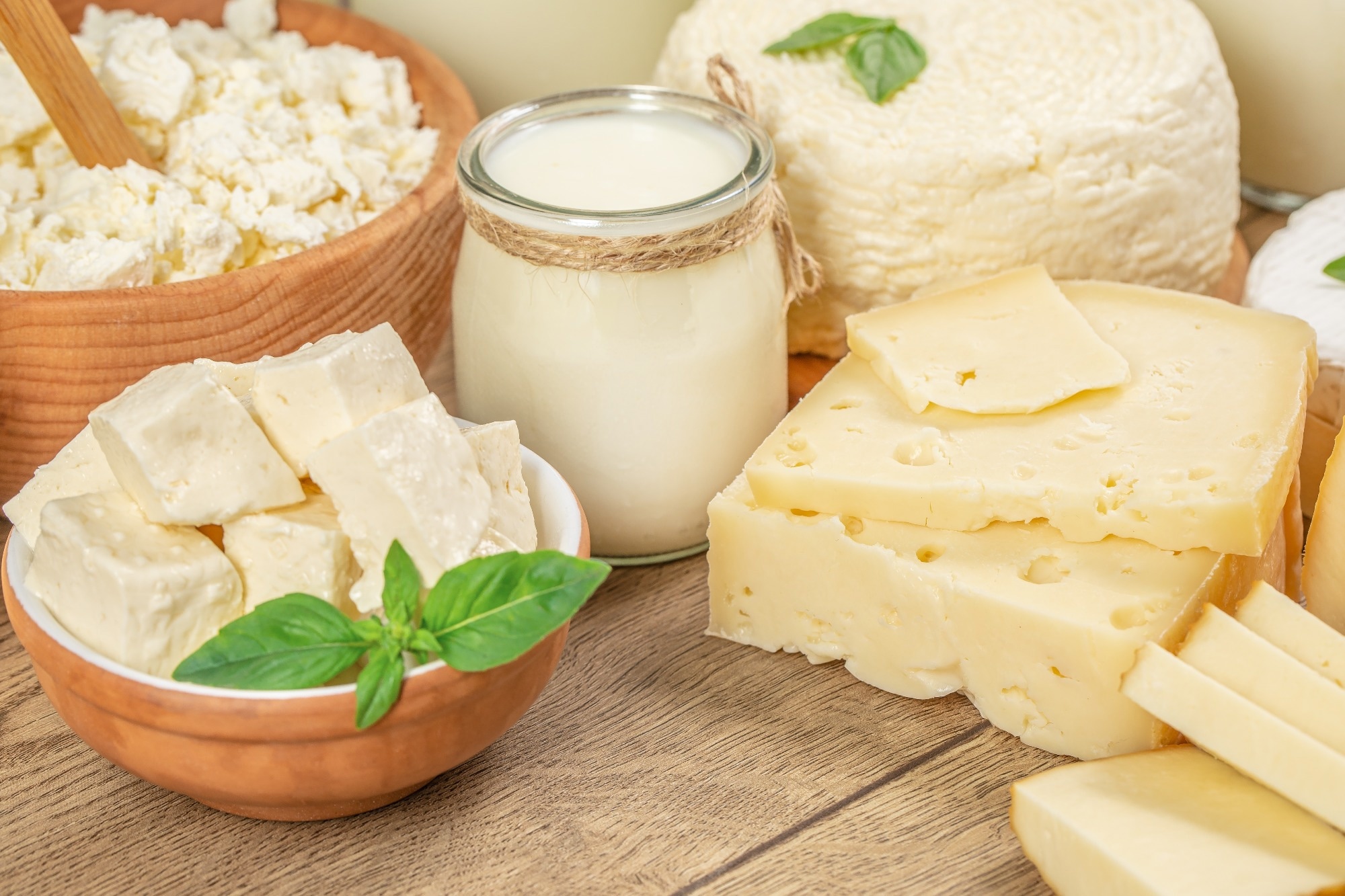
Study: Fermented foods consumption, all-cause, and cause-specific mortality: a meta-analysis of prospective cohort studies. Image Credit: sweet marshmallow / Shutterstock

Study: Fermented foods consumption, all-cause, and cause-specific mortality: a meta-analysis of prospective cohort studies. Image Credit: sweet marshmallow / Shutterstock

In a recent study published in the journal Frontiers in Nutrition, researchers evaluated whether consuming fermented foods is associated with reduced all-cause and cause-specific mortality in healthy adults.

Health Benefits and Research Gaps in Fermented Foods

What if everyday foods like yogurt, cheese, or even chocolate could influence how long we live? Fermented foods are a major component of global diets and contribute up to 27% of daily caloric intake in some populations. These foods provide bioactive compounds, microbial metabolites, and probiotic microorganisms that support gut health and immune function and may help reduce the risk of chronic diseases.

However, existing research has produced conflicting evidence regarding the effects of fermented foods on cardiovascular disease and cancer. Much of the available evidence focuses primarily on fermented dairy products, highlighting the need for broader analyses that include diverse food types and populations.

Meta-Analysis Methods and Study Selection Criteria

The study followed Meta-Analyses of Observational Studies in Epidemiology (MOOSE) and Preferred Reporting Items for Systematic Reviews and Meta-Analyses (PRISMA) 2020 guidelines. A systematic literature search was conducted using PubMed, Scopus, and Cochrane databases to identify prospective cohort studies on fermented food consumption and mortality outcomes.


The search initially included studies up to March 2023 and was later updated to March 2025. Outcomes of interest included all-cause mortality, cardiovascular disease, and cancer-related mortality.

Eligible studies included healthy adult populations and excluded those involving pre-existing disease, pregnancy, infancy, or interventions with probiotics or fermented alcoholic beverages. A structured selection process using the Population, Intervention, Outcome (PIO) framework ensured consistency. Extracted data included participant characteristics, mortality counts, follow-up duration, and dietary exposure levels.

Study quality was assessed using the Newcastle-Ottawa Scale (NOS). A random-effects meta-analysis using log-transformed estimates accounted for heterogeneity. Effect sizes were reported as risk ratios (RRs) derived from hazard ratios (HRs) or relative risks, comparing high- and low-intake groups. Sensitivity analyses, heterogeneity testing, and publication bias assessments were also performed.

Fermented Food Consumption and Mortality Outcomes

The meta-analysis included 50 prospective cohort studies with more than three million participants. Results showed that some fermented foods were associated with reduced mortality risk, while others showed no significant association.

Fermented dairy products, including yogurt, were strongly associated with reduced mortality. Higher intake was associated with approximately a 6% lower risk of all-cause mortality. Daily consumption was also associated with reduced cardiovascular mortality (RR = 0.932) and cancer mortality (RR = 0.940). These associations may be mediated by mechanisms such as modulation of the gut microbiota, anti-inflammatory effects, and improved metabolic health.

Yogurt consumption was associated with reduced all-cause mortality (RR = 0.933), although associations with cardiovascular and cancer mortality were not statistically significant.

Cheese intake showed a modest reduction in all-cause mortality (RR = 0.970), but no significant associations with cardiovascular or overall cancer mortality. A potential protective effect was observed for lung cancer mortality.

Chocolate consumption was associated with reduced all-cause mortality (RR = 0.901) and cardiovascular mortality (RR = 0.843). These effects may be linked to cocoa polyphenols, which can improve vascular function and reduce oxidative stress, although residual confounding cannot be excluded.

In contrast, miso consumption did not show consistent associations with all-cause mortality. A reported protective effect in women from a single study was limited and may reflect population-specific factors. Overall, no strong associations were found between miso or bread consumption and any outcome.

Results were consistent across sensitivity analyses, although heterogeneity was observed due to differences in population characteristics, dietary patterns, and study design. While most analyses did not indicate significant publication bias, some subgroup analyses suggested potential bias, warranting cautious interpretation.

Conclusions on Fermented Foods and Longevity

This meta-analysis suggests that higher consumption of certain fermented foods - particularly fermented milk, yogurt, cheese, and chocolate - is associated with reduced all-cause and cardiovascular mortality. Fermented milk also showed associations with reduced cancer mortality.

However, these findings are based on observational data and do not establish causality. The results also highlight that not all fermented foods provide equal benefits, emphasizing the importance of food type, composition, and fermentation processes.

Journal reference:

Wednesday, September 3, 2025

8 Foods to Eat More Of Once You Turn 40, According to Dietitians

 You did get AN EXACT DIET PROTOCOL from your competent? doctor already? NO?  The key word there is EXACT; not just guideline crapola. Guidelines don't guarantee results, so DEMAND YOUR DOCTOR GIVE YOU PROTOCOLS!

For dementia prevention; for cognitive improvement; for cholesterol reduction; for plaque removal; for Parkinsons prevention; for inflammation reduction; etc.

Do you prefer your doctor and hospital incompetence NOT KNOWING? OR NOT DOING?

So, you DON'T have a functioning stroke doctor, do you? Nothing below is even remotely close to a protocol, it's all just guessing.

8 Foods to Eat More Of Once You Turn 40, According to Dietitians


Turning 40 and thinking about healthy aging in a new light?

Deborah Murphy, M.S., RDN
7 min read

Reviewed by Dietitian Kelly Plowe, M.S., RD

Adopting healthier habits at 40 can help reduce the risk of chronic disease as you age.
  • Dietitians suggest nuts, teff, berries and more to help you get the nutrients you need to age healthfully.

  • A healthy eating pattern provides essential nutrients to prevent or delay age-related diseases.

  • Blowing out the candles on your 40th birthday is often accompanied by mixed emotions as you turn the corner into midlife. Besides welcoming new wrinkles and gray hairs, turning 40 may have you thinking about your health in a new light. Chronic diseases commonly associated with aging—like cancer, heart disease and dementia—that once felt they were “a ways off yet” are now top of mind.

    While there’s no magic food that can turn back the clock, adopting healthier habits at 40 can help reduce the risk of chronic disease as you look forward to your 50s, 60s and beyond. We asked dietitians for their top foods to prioritize at 40—here’s what they recommend.

    1. Olive Oil

    If you already use olive oil regularly when cooking, you are off to a great start at maintaining your health beyond 40. Many of the robust health benefits associated with the Mediterranean diet are linked to the use of this popular cooking oil. That’s because olive oil has a healthier fat profile than many other oils (or butter) and is rich in polyphenols—plant-based compounds that have antioxidant and anti-inflammatory benefits.

    Tackling inflammation is important since it’s a common denominator in the development of chronic diseases associated with aging. What’s more, turning 40 is a great time to adopt habits that may protect your brain as you age. One recent study found that consuming about ½ tablespoon of olive oil per day was linked to a 28% reduced the risk of dying from dementia.

    2. Nuts

    Nuts are more than just a healthy and convenient snack option; they are linked with numerous health benefits. Snacking often on nuts is associated with reduced risk of type 2 diabetes, heart disease and some cancers. In fact, one study found that women who snacked on three servings of nuts per week throughout their midlife were more likely to be “healthy agers” than those who didn’t eat nuts. Walnuts, in particular, were most likely associated with healthier aging in that study.

    3. Dark Leafy Greens

    “Prioritizing dark leafy greens is a simple yet powerful way to invest in long-term health,” says Sarah Nash, M.S., RD, LDN. “Leafy greens such as arugula, spinach, kale and Swiss chard are essential after 40 for maintaining cognitive function, heart health and bone strength”.

    A study found an association between fruit and vegetable consumption and lower rates of cognitive decline. This may not be entirely novel, but the study also highlighted green leafy vegetables (along with cruciferous and red/orange vegetables) as having the greatest beneficial impact. Some of those brain-supporting nutrients in leafy greens include “folate, a key nutrient for brain function, as well as antioxidants that promote heart health and may slow cognitive decline,” says Nash.

    Adding more dark, leafy greens to your plate is a simple strategy to boost bone health, thanks to their vitamin K content. Turning 40 is an important time to prioritize bone health—the earlier you start being proactive about protecting your bones, the better.

    4. Flaxseed

    A low-effort way to score more fiber and other essential nutrients in your diet after 40 is to add a sprinkle of ground flaxseed to your oats, smoothies, salads and more. A 2-tablespoon serving of flaxseed provides 4 grams of fiber, about 14% of your daily recommended intake.

    Like the other foods on this list, it’s a combination of all the unique nutrients in flaxseed that are responsible for most of the anti-aging benefits. In addition to fiber, “flaxseeds are rich in omega-3 fatty acids, which help to decrease chronic inflammation—something that tends to increase as we age,” says Caitlin Ogletree, M.S., RD. These nutrient-rich seeds may also be particularly helpful for women in their 40s. “Flaxseeds are rich in phytoestrogens, which can help to balance estrogen levels and reduce perimenopause symptoms such as hot flashes and night sweats,” says Ogletree.

    5. Teff

    Quinoa, step aside; there’s a new whole grain in town. “Teff is a tiny, gluten-free grain that has been a staple in Ethiopian cuisine for centuries, and it’s gaining popularity worldwide for good reason,” says Lauren Manaker, M.S., RDN, LD. Why should you give this whole grain a try? For starters, research has found that folks who regularly consume more whole grains in midlife enjoy longer lives with more disease-free years. That’s because whole grains, like teff, are rich in dietary fiber, which helps promote healthy digestion and supports heart health, per Manaker. Since heart disease remains the No. 1 cause of death for both men and women in the U.S, adding more heart-healthy foods to your diet at 40 can keep your ticker in top top shape.

    6. Strained (Greek-Style) Yogurt

    Your gut microbiome plays a critical role in reducing your risk of chronic disease as you age, making 40 an ideal time to start optimizing your gut health. Strained (Greek-style) yogurt is rich in probiotics and other nutrients that can help beneficial gut bacteria thrive. Research has found that people who thrived in older age were more likely to have a more diverse gut microbiome, with a higher ratio of good-to-bad strains of bacteria, compared to those with numerous health conditions.

    Reaching for strained (Greek-style) yogurt versus conventional yogurt also helps you get more protein, and prioritizing protein in your diet can help minimize some of the muscle loss that progresses after 40. Yogurt is also a good source of another under-the-radar nutrient called choline, which research has linked to better brain health later in life.

    7. Berries

    You probably don’t need much convincing to include more flavorful berries in your diet. These juicy, bite-size fruits are rich in the antioxidants needed to tackle the oxidative stress and inflammation that put you at increased risk of age-related disease. What’s more, regularly enjoying berries has been shown to help protect your brain against the negative effects of aging and inflammation. So stock up on both fresh and frozen berries.

    8. Fatty Fish

    If you’re looking for one food that can boost both your heart and brain health, fatty fish is our top pick. As we mentioned before, it’s important to start prioritizing your protein intake at 40 to temper the muscle loss that naturally occurs with aging, and fatty fish are a great option. One study found that when individuals over age 50 consumed about 5 ounces of fish for lunch twice a week for 10 weeks, they lost less muscle mass than those who didn’t have fish.

    Besides protein, fatty fish like salmon, trout and mackerel are rich in omega-3 fats, which aid in heart and brain health and help reduce inflammation, says Carrie Gabriel, M.S., RDN. For women in their 40s, those omega-3 fats are also helpful for hormone balance and reducing the severity of symptoms associated with perimenopause and menopause, per Gabriel.

    Our Expert Take

    While aging is inevitable, adopting healthier habits will help you thrive as you grow older. Turning 40 is a great time to start thinking about your health into your 50s, 60s and beyond. Prioritizing a healthy eating pattern will provide your body with the essential nutrients it needs to prevent or at least delay age-related diseases. Dietitians recommend filling your plate with foods like fatty fish, flaxseed, strained (Greek-style) yogurt, olive oil, berries and more to make sure you get the right nutrients to age more healthfully.

    Read the original article on EatingWell