Use the labels in the right column to find what you want. Or you can go thru them one by one, there are only 34,483 posts. Searching is done in the search box in upper left corner. I blog on anything to do with stroke. DO NOT DO ANYTHING SUGGESTED HERE AS I AM NOT MEDICALLY TRAINED, YOUR DOCTOR IS, LISTEN TO THEM. BUT I BET THEY DON'T KNOW HOW TO GET YOU 100% RECOVERED. I DON'T EITHER BUT HAVE PLENTY OF QUESTIONS FOR YOUR DOCTOR TO ANSWER.
Changing stroke rehab and research worldwide now.Time is Brain!trillions and trillions of neuronsthatDIEeach day because there areNOeffective hyperacute therapies besides tPA(only 12% effective). I have 523 posts on hyperacute therapy, enough for researchers to spend decades proving them out. These are my personal ideas and blog on stroke rehabilitation and stroke research. Do not attempt any of these without checking with your medical provider. Unless you join me in agitating, when you need these therapies they won't be there. Did your doctor somehow miss the recovery protocol that Pedro Bach-y-Rita used to recover fully back in 1958 with only a partial brain?
What this blog is for:
My blog is not to help survivors recover, it is to have the 10 million yearly stroke survivors light fires underneath their doctors, stroke hospitals and stroke researchers to get stroke solved. 100% recovery. The stroke medical world is completely failing at that goal, they don't even have it as a goal. Shortly after getting out of the hospital and getting NO information on the process or protocols of stroke rehabilitation and recovery I started searching on the internet and found that no other survivor received useful information. This is an attempt to cover all stroke rehabilitation information that should be readily available to survivors so they can talk with informed knowledge to their medical staff. It lays out what needs to be done to get stroke survivors closer to 100% recovery. It's quite disgusting that this information is not available from every stroke association and doctors group.
Instead of useless research like this why don't you research the effectiveness of the stroke rehab patients are given? Then you can correct the problems within the medical system, instead of blaming the patients.
Correspondence Address: Manju Dhandapani National Institute of Nursing Education, PGIMER, Chandigarh India Source of Support: None, Conflict of Interest: None
DOI: 10.4103/jnrp.jnrp_25_18
Abstract
Background:
Rehabilitation is probably one of the most important phases of recovery
for many stroke survivors. The current study was conducted with the
objective to assess the utilization of rehabilitation services and
factors affecting nonutilization of rehabilitation services among the
stroke survivors.
Materials and Methods: The current study was
carried out in the Neuro Outpatient Department of a tertiary care
hospital in India. It was a descriptive study. Consecutive 55 stroke
survivors who had met the inclusion and exclusion criteria were
recruited in this study. Self-structured rehabilitation tool was used to
collect the data.
Results: Data were analyzed using the
descriptive and inferential statistics. Majority of the patients
comprised 70.9% of males and 29.1% of females. Among participants,
70.90% were aware about rehabilitation, 67% were utilizing
rehabilitation services, whereas 33% were not utilizing rehabilitation
services. In the current study, certain reasons were found behind not
utilizing rehabilitation services. There were 83.3% of participants who
had lack of awareness about rehabilitation services and 61.1% of
participants who had no availability of rehabilitation services. Only
45.5% of rural inhabitants were utilizing rehabilitation services as
compared to 81.2% of urban inhabitants and 83.23% of suburban
inhabitants.
Conclusion: Rehabilitation is of utmost importance.
Hemiparesis, difficulty in performing activity of daily living,
difficulty in performing social activities, and difficulty in reasoning
were the most common problems faced by people suffering stroke after
discharge from the hospital. There was lack of awareness and utilization
of rehabilitation services by patients among Indian stroke population.
Hence, health workers have an immense role in educating, motivating, and
ensuring that rehabilitation services in rural inhabitants.
If most stroke survivors don't develop dementia, where the fuck is the research pointing out the distinction? I need to know how much effort I have to put in in preventing dementia. I bet I drained my cognitive reserve just surviving my stroke.
FRIDAY, Aug. 31, 2018 (HealthDay News) --
People who've had a stroke face up to twice the normal risk of
dementia, a new review suggests.
In what they say is the largest
analysis of its kind, British researchers examined 48 studies that
included 3.2 million people worldwide.
"We found that a history of
stroke increases dementia risk by around 70 percent, and recent strokes
more than doubled the risk," said researcher Ilianna Lourida, from the
University of Exeter Medical School.
"Given how common both stroke
and dementia are, this strong link is an important finding," Lourida
added in a university news release. "Improvements in stroke prevention
and post-stroke care may therefore play a key role in dementia
prevention."
The association between stroke and increased dementia
risk remained even after other dementia risk factors such as blood
pressure, diabetes and heart disease were taken into account, the
researchers said.
Though the study did not prove that strokes
cause dementia, this is the strongest evidence to date of a link between
the two, according to the researchers.
Researcher David
Llewellyn, also from the University of Exeter, said, "Around a third of
dementia cases are thought to be potentially preventable, though this
estimate does not take into account the risk associated with stroke.
"Our
findings indicate that this figure could be even higher, and reinforce
the importance of protecting the blood supply to the brain when
attempting to reduce the global burden of dementia," he said.
More
study is needed to find out if factors such as ethnicity and education
influence dementia risk following stroke, the study authors added. In
the latest review, there was some suggestion that the risk might be
higher for men.
The investigators also noted that most stroke
survivors do not develop dementia, so further research is needed to
determine whether differences in post-stroke care and lifestyle can
reduce the risk of dementia.
About 15 million people worldwide
have a stroke each year, according to the World Health Organization.
About 50 million people worldwide have dementia, and that's expected to
almost double every 20 years, reaching 131 million by 2050.
The findings were published Aug. 31 in Alzheimer's & Dementia: The Journal of the Alzheimer's Association. More information
The U.S. National Institute of Neurological Disorders and Stroke has more on dementia.
SOURCE: University of Exeter, news release, Aug. 31, 2018
You need to read and take this Tiny Buddha post to heart. In your stroke recovery you are going to fail millions of times. I have failed in getting my walking correct 4,594,974 steps in the past 4 years, yet I persist. I'm sure I will never walk correctly again because my spasticity will never be cured. I blame that lack of spasticity cure directly at Dr. William M. Landaus' feet because of this totally misguided crapola of his.
“Perfectionism doesn’t believe in practice shots.” ~Julia Cameron
Within each of us lurks a perfectionist. And perfectionists set themselves up for a lot of pain in life.
How so? I’ll come to that.
First let me describe how our first child took her first step. She
was less than ten months old. A very bright girl, who wanted nothing
less than my approval at all times.
On one occasion, a few months previous to that, she was crawling on
the carpet and picked up some small thing. As she started to put it in
her mouth, I called out loudly “No!”
That was the first time she experienced any negative or critical
words from me. Otherwise, I had been steadily adoring. What was her
response?
She fell flat on the floor and remained perfectly still. It was as if she had been laid flat by a sledgehammer blow.
That’s how much she had come to rely on my approval.
So, what happened when one day she could finally stand up? I decided,
as a very proud parent, to teach her how to walk right away.
Now, walking is easy for someone who’s already confident with
standing up. It’s more challenging for someone who’s just learned how to
stay on their feet unsupported. I was too young and foolish and
overeager to think through all that.
In my excitement, I stood by her and urged, “You can walk. Just do
this. Look at me. Just lift a foot like this and put it forward.”
In retrospect, I was too hasty and cruel. I’ve grown to recognize that everything happens in its own good time.
Anyhow, I was young and foolish then. So, allow me to tell you the rest of the story.
Our baby looked very doubtful. I demonstrated a step once again. She remained hesitant.
After some more cajoling from me, she decided to do something.
She took the oddest first step you can imagine.
Did she lift one foot as I kept urging? No.
She simply hopped forward, keeping both feet on the ground. Like a
baby kangaroo. That was only minutes after she had first stood up
without support.
Of course, not long after that she was walking very confidently, and
then running, and has gone on to do amazing things with her life. Imagine if we were all so afraid of failure that we always
kept both feet on the ground for safety. How much would that interfere
with a full and meaningful life? How would that affect our ability to do
whatever we considered to be good and important?
We can see this quite clearly in babies. In order to be able to lift
their head, they need to accept that they’ll sometimes flop.
In order to learn how to crawl, they need to accept that they’ll sometimes fall flat on their face.
In order to learn how to stand, they need to accept that they’ll sometimes fall in a heap.
In order to learn how to walk, they need to accept that they’ll sometimes tumble.
In order to learn how to cycle, they need to accept that they’ll sometimes fall off and get bruised.
In order to learn how to swim, they need to accept that they’ll sometimes need rescuing.
In order to learn how to read and write, they need to accept that they’ll get many things hilariously wrong.
In order to learn to love wholeheartedly, they need to accept that some people will betray their trust.
Whenever they want to do something that’s good and important in their lives, they need to accept the possibility of failure.
It’s easy to acknowledge such facts, but it’s more difficult to live by them. Why is it that we often struggle with failure? Why do we so
often consider it as a full stop rather than a necessary comma in our
life story? Why does it seem more like a trap than a springboard?
It may have something to do with our need for approval.
Our daughter didn’t want to hear the word “No!” from her beloved
parent. It crushed her the first time she encountered it from me.
Only after I picked her up and comforted her did she loosen up and
smile again. She was learning that she could get things wrong and still
remain completely lovable to me.
People can be good to us. They can build us up. They can teach us
that it’s okay to fall and fail, because we’ll still be completely lovable.
However, we’re all human beings. We don’t always do what we set out
to do. We don’t stick to doing what we know to be good and important.
As a result, we often wound others and are too often wounded by them.
That tends to suck us into the rat race. Not content with being
intrinsically and unshakably lovable, we tend to look for reassurance.
And too often we seek it by trying to be one up on others. We sometimes pounce on the mistakes or flaws of others
because it allows us to feel superior despite our own mistakes or
shortcomings.We sometimes become overly reliant on
praise because we’re terrified that criticism confirms how worthless we
are under the surface.
All this tends to make life a bit like walking on thin ice. Even when
it looks as if we’re winning, we’re on edge because we fear that the
ice might give way at any moment. I know, because I've struggled with
these things myself.
Imagine a different way of living. A calm and courageous way of
reaching for whatever we consider to be good and important in our lives,
with full acceptance of whatever failures come our way.
Paradoxically, the perfectionist is more likely to fail because
they’re too afraid to bring out the best in themselves. They’re so
hungry for approval, and so afraid of failure, that they often don’t do
what they know to be good and important.
They keep the safety wheels on their bicycles even though it slows
them down. That’s because they’re convinced that failure will confirm
their worthlessness.
Imagine a different way. Imagine having a deep, unshakable anchor
within yourself. An anchor of self-acceptance. No storms in life can
then blow you out of the safe harbor of being intrinsically lovable.
The baby who’s uncertain of being lovable might be too afraid to attempt anything worthwhile. It’s the same with us adults. Our perfectionism goes hand in hand with fear of failure. It’s like a prison. However, we have the key, or we can find it.
This may be the most important lesson life has taught me, and I’m going to share it.
You can get the key to calm, courageous living by letting others know that they are unshakably lovable despite their failures and mistakes and flaws.
When you give this gift to others, you begin to believe it yourself.
Not as a sterile principle. But as a reality that you feel deep in your
being.
Once you have this key, perfectionism loses its stranglehold over
you. You recognize that you are intrinsically worthy and lovable, just
like every other human being.
Life becomes really good and inviting, failure can no longer terrorize, and you get more good and important things done.
Once you’re prepared to fall flat on your face, life starts to sparkle.
With the various brains on a chip our researchers can figure out what intervention needs to pass thru the blood brain barrier to accelerate neuroplasticity and neurogenesis. Five steps to solve this. This is so fucking simple, getting it right might take a while but the concept is simple.
1. Describe the problem exactly. 2. Write an RFP to researchers to solve that problem.
3. Fund them with foundation grants.
4. Write stroke rehab protocols based on the research.
5. Get the Nobel prize in medicine
In my youth and now I have optimal cardio scores. But that probably means nothing since having a stroke probably overrides those good things. I want to know NOW exactly what I need to do to prevent dementia. But I'm screwed since there is NO protocol for that and no one seems to be even looking for that protocol. With some decent stroke leadership that could be solved.
Both young and old people showed better brain health with optimal cardiovascular scores
by Judy George, Contributing Writer, MedPage Today
Action Points
Cardiovascular health at
young and old ages were associated with better brain function,
according to two reports: the first, a longitudinal study of older
adults in France; the second, an observational assessment of young
adults in England.
Note that prior analyses have examined links
between cognitive outcomes and cardiovascular risk factors mostly in
middle age, not earlier or later in life, and earlier investigations
also focused more often on the deleterious associations of
cardiovascular risk factors with cognitive outcomes rather than the
advantageous associations of optimal risk factor status.
Cardiovascular health at young and old ages showed ties to better brain function, according to two reports.
Optimal scores on an American Heart Association (AHA) seven-item checklist(now Essential 8) were linked to a lower risk of dementia, a longitudinal study of nearly 7,000 older adults in France found.
And an observational assessment of 125 young adults
in Oxford, England, demonstrated that better cardiovascular metrics
were associated with higher cerebral vessel density and caliber, higher
cerebral blood flow, and fewer white matter hyperintensities.
Previous analyses have examined links between cognitive outcomes and
cardiovascular risk factors mostly in middle age, not earlier or later
in the life span, noted Jeffrey L. Saver, MD, of the University of
California Los Angeles, and Mary Cushman, MD, MSc, of the University of
Vermont in Burlington.
Earlier investigations also "more often focused on the deleterious
associations of moderate or severe cardiovascular risk factors with
cognitive outcomes rather than the advantageous associations of
attaining optimal status for each cardiovascular health factor; i.e.,
ideal cardiovascular health," they wrote in an editorial accompanying the two studies in JAMA. Older Adults
Among older adults in France, additional improvements in
cardiovascular health score were associated with lower risks for
dementia and lower rates of cognitive decline, reported Cecilia Samieri,
PhD, of the Université de Bordeaux, and co-authors.
"Each
additional favorable health factor or behavior was associated with a
10% lower risk to develop dementia in the following decade," Samieri
told MedPage Today.
In the Three-City Study, 6,626 people ages 65 or older from Bordeaux,
Dijon, and Montpellier who did not have a history of cardiovascular
diseases or dementia at baseline underwent in-person neuropsychological
testing from 1999 to 2016 and systematic detection of incident dementia
until July 2016.
The researchers assessed participants' adherence to the AHA Life's Simple 7 metrics at baseline. Each item was scored as 0 (poor), 1 (intermediate), or 2 (optimal):
Nonsmoker for more than 12 months
Body mass index <25
Regular physical activity
Eating fish twice a week or more, and fruits and vegetables daily
Untreated total cholesterol <200 mg/dL
Untreated fasting glucose <100 mg/dL
Untreated blood pressure <120/80 mm Hg
Participants had a mean age of 74 at baseline and 63% were women. At
baseline, 36.5% of participants had 0 to 2 metrics at optimal levels,
and 6.5% had 5 to 7 optimal metrics.
For participants with 0 to 2 optimal metrics, the incidence rate of
dementia per 100 person-years over an average follow-up period of 8.5
years was 1.56. For individuals with 3 to 4 optimal metrics, it was
1.23; for those with 5 to 7 optimal metrics, it was 0.83.
In
multivariable models, the risk of dementia decreased linearly with both
increasing number of metrics at the recommended optimal level (HR 0.90
per each additional metric) and increasing global cardiovascular health
score (HR 0.92 per 1-point increase).
The researchers used composite scores of global cognition and memory
to determine cognitive decline. In standard units, with values
indicating distance from population means (0 equal to the mean, and +1
equal to 1 SD above the mean), the estimated change in cognitive score
for each additional metric at the optimal level was 0.031 standard units
at inclusion, 0.068 at year 6, and 0.072 at year 12. Young Adults
Optimal cardiovascular health in 125 young adults in England was
associated with more robust cerebral perfusion and fewer subclinical
lesions in brain white matter, reported Paul Leeson, PhD, of the
University of Oxford, and colleagues.
Examining eight modifiable cardiovascular risk factors, the
researchers assigned a value of 1 for each item at the recommended
level:
Body mass index <25
Highest tertile of cardiovascular fitness and/or physical activity
Alcohol consumption <8 drinks/week
Nonsmoker for more than 6 months
Blood pressure on awake ambulatory monitoring <130/80 mm Hg
Non-hypertensive diastolic response to exercise (peak diastolic blood pressure <90 mm Hg)
Total cholesterol <200 mg/dL
Fasting glucose <100 mg/dL
In
this analysis, the mean age was 25; 49% were women, and participants
had an average of 6.0 modifiable cardiovascular risk factors at
recommended levels.
Cardiovascular factors were correlated with cerebrovascular
morphology and white matter hyperintensities in multivariable models.
For each additional risk factor at the recommended level, vessel density
was greater by 0.3 vessels/cm3, vessel caliber was greater by 8 μm, and white matter hyperintensity lesions were fewer by 1.6 lesions.
The researchers also examined cerebral blood flow in 52 participants
using vessel-encoded arterial spin labeling. Cerebral blood flow varied
with vessel density and was 2.5 mL/100 g/min higher for each healthier
risk factor.
Both this study and the Three-City Study of older adults in France
were observational, so they indicate association, not causation, Saver
and Cushman noted. And in both studies, unmeasured and residual
confounding may exist.
But with these caveats, these studies convey an immediate message to
clinicians, policymakers, and patients, they said: "Available evidence
indicates that to achieve a lifetime of robust brain health free of
dementia, it is never too early or too late to strive for attainment of
ideal cardiovascular health."
In the Three-City Study, even subtle changes decreased dementia risk, Samieri pointed out.
"From a pragmatic and public health perspective, promoting change in
cardiovascular health from poor to intermediate levels may be more
achievable and have a greater population-level effect than the more
challenging change from poor to optimal levels," she said.
"These results offer new insights on the way to formulate
recommendations for dementia prevention which may be implemented at both
collective and individual levels."
The Three-City
Study was conducted under a partnership agreement between INSERM, the
ISPED of the University of Bordeaux, and Sanofi-Aventis. One researcher
reported receipt of a grant from Roche. No other disclosures were
reported.
The Oxford study was funded by a British Heart
Foundation (BHF) project grant, the Oxford BHF Centre for Research
Excellence, and National Institute for Health Research, Oxford
Biomedical Research Centre. Researchers reported relationships with
Siemens Healthcare, Michael J. Fox Foundation, Deutsche Parkinson
Gesellschaft, and Prothena Biosciences.
The editorialists reported no industry relationships.
Reviewed by Henry A. Solomon, MD, FACP, FACC
Clinical Associate Professor, Weill Cornell Medical College
and Dorothy Caputo, MA, BSN, RN, Nurse
Planner
Background:
Stroke affects widespread brain regions through interhemispheric
connections by influencing bilateral motor activity. Several noninvasive
brain stimulation techniques have proved their capacity to compensate
the functional loss by manipulating the neural activity of alternative
pathways. Over the past few decades, brain stimulation therapies have
been tailored within the theoretical framework of modulation of cortical
excitability to enhance adaptive plasticity after stroke. Objective:
However, considering the vast difference between animal and human
cerebral cortical structures, it is important to approach specific
neuronal target starting from the higher order brain structure for human
translation. The present study focuses on stimulating the lateral
cerebellar nucleus (LCN), which sends major cerebellar output to
extensive cortical regions. Methods: In this study, in vivo
stroke mouse LCN was exposed to low-intensity focused ultrasound (LIFU).
After the LIFU exposure, animals underwent 4 weeks of rehabilitative
training. Results: During the cerebellar LIFU session,
motor-evoked potentials (MEPs) were generated in both forelimbs
accompanying excitatory sonication parameter. LCN stimulation group on
day 1 after stroke significantly enhanced sensorimotor recovery compared
with the group without stimulation. The recovery has maintained for a
4-week period in 2 behavior tests. Furthermore, we observed a
significantly decreased level of brain edema and tissue swelling in the
affected hemisphere 3 days after the stroke.
. This
study provides the first evidence showing that LIFU-induced cerebellar
modulation Conclusions: Could be an important strategy for poststroke recovery. A
longer follow-up study is, however, necessary in order to fully confirm
the effects of LIFU on poststroke recovery.
Maybe when I'm 80 and tired of all the traveling and fun I might have to settle in these places for a year at a time. It would be way too boring and expensive to fully retire in the US. I've already visited Malta, Spain, France, Ecuador, Italy and soon Portugal. In only six years, ever since moving to Michigan and getting divorced.
In 2018, American retirees are collecting average monthly Social Security payments of just $1,404, or a mere $16,848 for the year.
That's hardly enough to afford a decent life in America, particularly
when seniors are facing out-of-pocket health care costs of more than $13,000 per year.
But what if you didn’t retire in the U.S.? The fact is that health
care, housing and daily expenses cost significantly less in other
countries.
We count down our picks for the cheapest — and safest — countries for
retiring outside the U.S., the places where even $150,000 or less in retirement savings would be enough to live comfortably.
Our recommendations reflect local daily living costs, changes to visa programs and political developments.
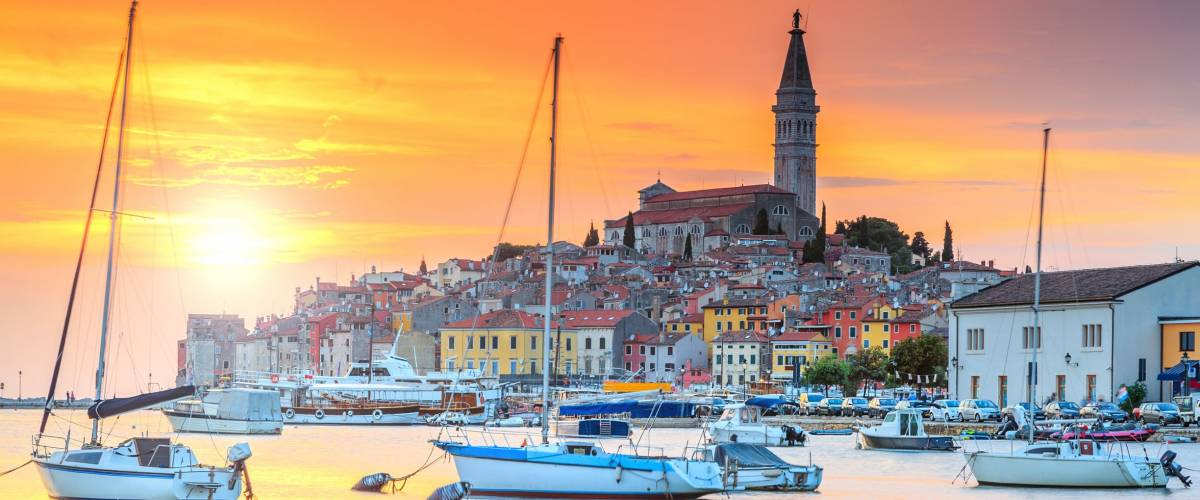
20. Croatia
Gaspar Janos / Shutterstock Croatia's Istrian Peninsula has been compared to Tuscany.
With
more than 1,000 islands to explore off its shores, seaside towns,
mountain getaways and a simple, peaceful lifestyle, Croatia will never
be a boring retirement destination.
The Balkan nation has cold
winters and very hot summers, although its infamous "bura" wind will
cool you right off. English is widely spoken in seaside towns, but
you'll need to know some basic Croatian to get by in inland villages.
In-the-know expats head to the northern peninsula of Istria, which is "the new Tuscany," according to International Living magazine.
A one-bedroom in the small coastal towns of Pula and Rovinj will rent for around $300 a month, while you could buy an apartment that size for $70,000. Or, for as little as $110,000, you could own a home in the vibrant capital, Zagreb.
How to retire to Croatia
John_Silver / Shutterstock You'll need to live in Croatia for five years before you can apply for permanent residency. To
gain residency, first you must register for the state health system and
pay a year's worth of back payments, which costs about $800 for two
people, says International Living. The best hospitals are in Zagreb, Pozega and Slavonski Brod.
To
stay longer than 90 days, you’ll need to apply for a temporary
residence permit at the local Ministry of Interior office or police
station and prove you have adequate financing and that you own property
or that your yacht is moored in the marina(!).
After renewing this temporary residence visa for five years, you can apply for permanent residency.
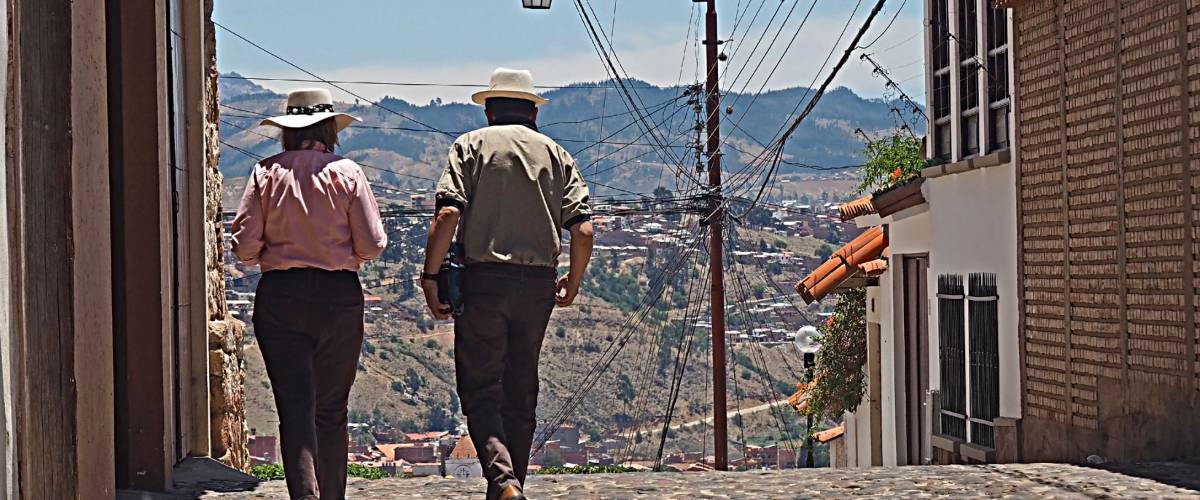
19. Bolivia
Olga Kot Photo / Shutterstock If you retire to Bolivia, you'll be lured to the famed salt flats.
The
landlocked South American nation of Bolivia has been luring expats for
years with its lovely weather, unique geographical features and
extremely low cost of living.
If exploring mountains, salt flats,
charming colonial towns and bustling cities sounds like a good time,
then you might just enjoy retiring in Bolivia!
Public
health care in Bolivia is still under development, so you’ll find
better care in private clinics. Health insurance can help cover the
costs.
Expats can lead a comfortable life for around $1,000 a
month in affordable Tarija. Many foreign retirees also have happily
visited and settled in Santa Cruz and La Paz. Being able to speak
Spanish will help you fit in.
How to retire to Bolivia
Bruce Raynor / Shutterstock Bolivia is a nation that's rich in history and has an abundance of natural wonders.
If you want to retire in Bolivia, you’ll need to enter the country with a "specific purpose visa",
which requires you to submit a letter stating your intentions and
including proof of your economic situation and a police record check.
But
you’ll probably want to check the place out before you make the leap.
To visit, you’ll need to get a tourist visa from the Bolivian consulate. Calculate how much more you need to save each month to reach your retirement nest egg goal.
18. Belize
Matyas Rehak / Shutterstock Belize is stunning.
Belize
has been growing in popularity with international retirees thanks to
its Caribbean vibes, beautiful nature preserves and beaches, and
affordable, slower pace of life. It's an English-speaking nation;
Spanish is the second most widely used language.
Popular expat
destinations include Placencia Peninsula, a 19-mile swath of land
bordered by white sands and blue waves, and the island of Ambergris
Caye. These are among the most expensive areas of Belize, but you can
still find rents as low as $700 a month.
You
will want to stay away from border towns, isolated regions and Belize
City, as criminal activity is much higher in these areas.
In
Belize, most hospitals are not well-equipped to deal with serious health
concerns. Health care in Mexico, Nicaragua, and Costa Rica is
significantly better by comparison, says Expat Exchange.
How to retire to Belize
triocean / Shutterstock Belize offers plenty of opportunities for field trips with your fellow expats.
If
you’re in good health or you just want to move to Belize for a few
years, then you can become a resident of the country fairly easily.
After
staying in the country for the required 50 weeks, you can apply for
residency once you can prove you will be able to transfer $24,000 each
year into a Belize bank account. The application costs $1,000.
Note that officials prefer to see your income stream coming from a combination of Social Security, a pension plan and/or a 401(k) or IRA.
17. Vietnam
Richie Chan / Shutterstock Da Nang is an exciting, bustling city.
Culture-rich
Vietnam is quickly becoming a popular retirement destinations for North
Americans. And with its French colonial architecture, endless natural
pursuits and amazing street food, what’s not to love?
Particularly
affordable expat-friendly destinations include the beach town Nha Trang
and the bustling city of Da Nang, where around $1,000 can cover your
living costs for a month.
There’s
a growing expat community in Nha Trang and expanding services catering
to Westerners and locals alike. Da Nang is modern, international and
welcoming, and its lovely weather will allow you to enjoy the city’s
parks, beach and riverfront year-round.
In Vietnam’s cities and
tourist centers, English is becoming more commonly spoken, and the
government has put more emphasis on English-language learning in
schools. But you’ll need some knowledge of Vietnamese to communicate in
smaller towns and rural areas.
How to retire to Vietnam
Jochen Netzker / Shutterstock You can relocate to Vietnam via a renewable one-year visa.
Vietnamese health care is good for basic needs, but the country doesn’t score high for specialized care or surgeries.
Vietnam
doesn’t have a retirement visa, but U.S. citizens can get a one-year
multiple-entry visa that will have to be renewed. It requires that you
leave the country once every 90 days.
16. Ecuador
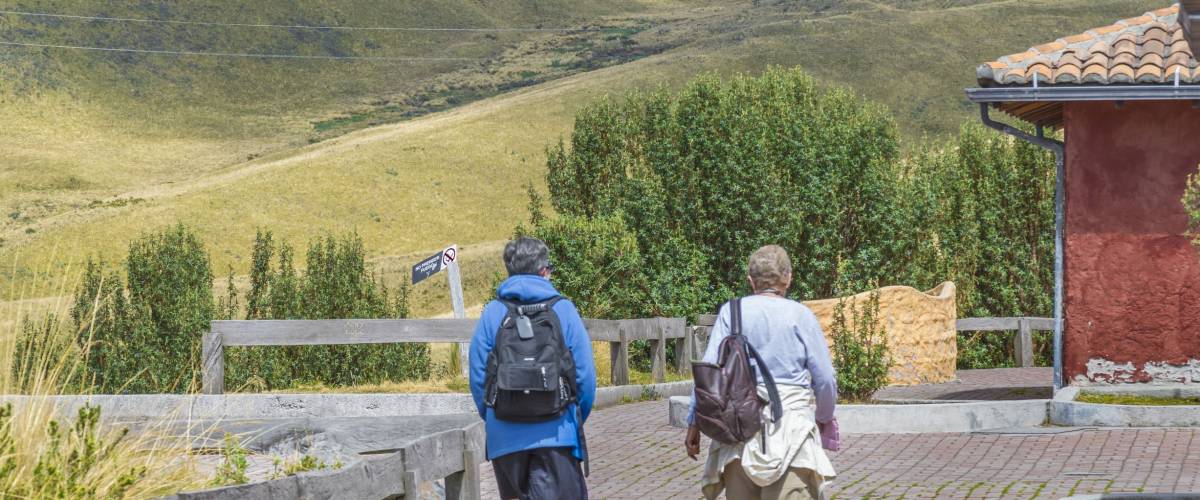
Ecuadorpostales / Shutterstock Ecuador's scenery is breathtaking.
For
years, Ecuador has come out on top as one of the most popular
retirement destinations for expats, and the majority of foreign retirees
in the country are Americans.
With its pristine natural
surroundings, busy cities, charming historical towns, and low cost of
living, there’s something for everyone in Ecuador.
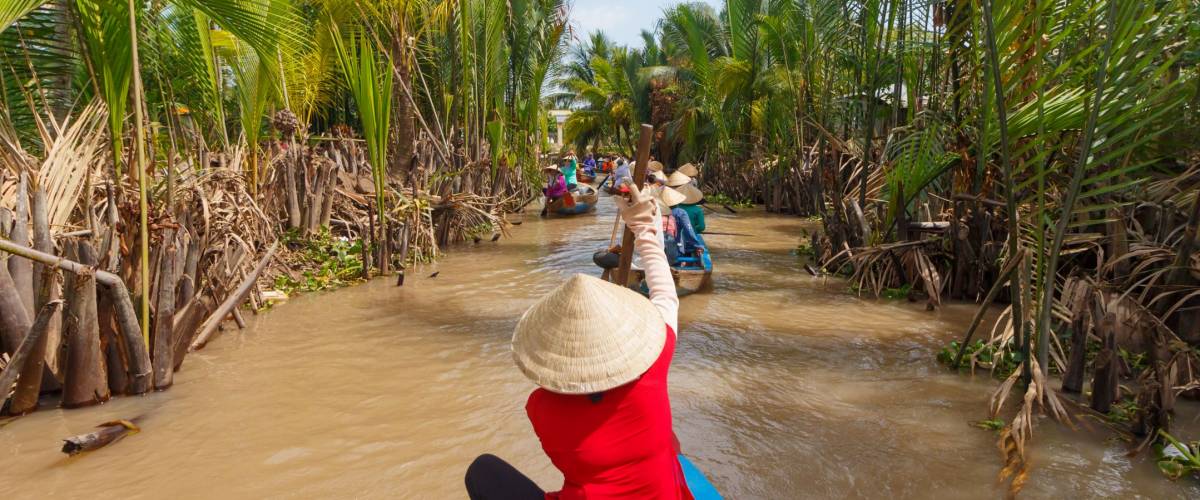
In the capital city, Quito, you’ll spend about $460 a month to rent a one-bedroom apartment in the middle of town.
In the quaint and friendly town of Cuenca, the same thing will cost you about $340 a month, reports living-costs website Numbeo.
How to retire to Ecuador
DFLC Prints / Shutterstock Ecuador is a popular retirement choice among U.S. seniors.
Visitors
can stay for only 90 days, so retirees should consider applying for the
pensioner residency visa at an Ecuadorean consulate in the U.S.
The visa requires proof that you will be receiving $800 or more per month from a recognized pension source, says International Living magazine. Once the visa is approved, you’ll have to sign up for public or private health insurance.
Ecuador’s
political forecast is looking quite sunny these days. Citizens voted in
early 2018 to reinstate presidential term limits, setting the country
apart from more troubled nations in the region, such as Venezuela.
15. Ireland
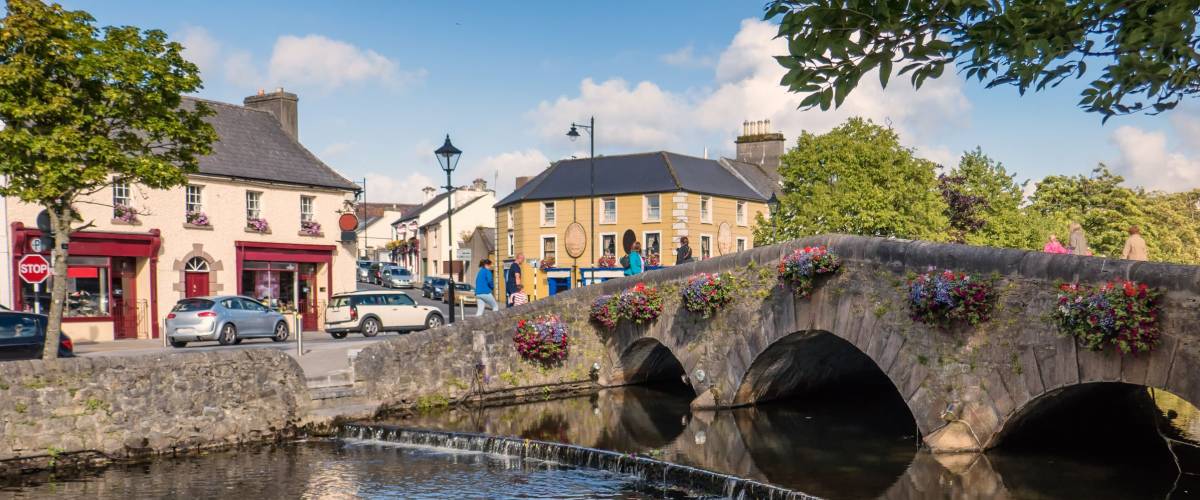
Frank Bach / Shutterstock County Mayo is affordable and looks like something out of a storybook.
Settle
here, and you’ll find the people welcoming, the culture and castles
stunning, and the nearby travel options in the U.K. and Europe
inspiring. Plus, Ireland can be very affordable.
While housing
prices in major cities like Dublin have hit all-time highs, there are
still plenty of perfect places for a lower-cost and low-key retirement
on the Emerald Isle. In County Mayo, Roscommon or Monaghan, homes sell
for under $100,000.
Hospitals
in Ireland are generally very well-appointed, and the level of care is
highly rated. Since you're not a citizen of the European Union, you will
need health insurance to cover your health care costs.
How to retire to Ireland
Sandra Mori / Shutterstock Ireland can be a breathtakingly beautiful retirement destination. Unlike
some other countries on this list, Ireland does not have a retirement
visa option if you are not an EU national. So, you'd need to apply for a
“D” visa that would allow you to stay for three months.
Next,
you'd need to apply for permission to remain as a "person of independent
means" and show clear proof that you have sufficient resources to cover
your expenses in Ireland.
That can mean annual income of 50,000 euros (about $58,000) per person, plus savings to cover emergencies and large expenses, such as buying a home or car.
14. Chile
Jose Luis Stephens / Shutterstock Chile is known for its majestic mountains and busy cities.
Chile is known for its beautiful beaches, majestic mountains, busy cities and warm and welcoming people.
As
one of the most stable countries in South America, Chile offers the
chance to enjoy a safe, comfortable, middle-class lifestyle for a
fraction of the cost of retiring in the U.S.
For about $1,000 a
month, you’d be able to cover housing and basic costs just about
anywhere in the country. Spend a little more, and you can eat, hike and
travel the land to your heart’s content.
How to retire to Chile
Pablo Inones / Shutterstock Chile offers retirees opportunities for travel and hiking.
If
you want to enter Chile with the intent to retire there, you’ll need a
regular tourist visa and then apply to change it to a retirement or
income visa. Those are good for one year.
After
your temp visa is approved, you’ll need to stay in Chile for 180 days
out of the year to be able to apply for permanent residency.
There is no official minimum income requirement. But the Spencer Global
law firm in Chile estimates you’d need at least $1,000 per person for
the first one or two years as you complete the visa process and set up
your home in Chile.
13. Uruguay
RUBEN M RAMOS / Shutterstock Uruguay offers a mix old-world charm and modern amenities.
Uruguay
is one of the most affluent countries in South America and has a strong
democratic government, modern infrastructure, white sand beaches and
temperate four-season weather.
The
cost of living is higher than in other Latin American nations — yet
food, housing and clothing are still far cheaper than in the U.S. In
Salto, the second-largest city in Uruguay, you can spend $800 a month
and live comfortably.
Uruguay's most popular health care option is called a mutualista.
It costs around $100 a month, offers access to a private hospital and
clinics, and covers just about any health care need you’ll have.
How to retire to Uruguay
bmszealand / Shutterstock The living is very easy for American retirees in Uruguay.
Uruguay
has several visas that might work for retirees. The first is the
rentista visa, which requires proof of monthly income of $1,500 for a
single applicant.
There's also a foreign retiree visa
that allows a duty-free import of your personal items. But this visa is
harder to come by, and you’d need a lawyer to help you apply.
It’s
worth noting that while obtaining residency in Uruguay is simple
enough, the country generally does not want to give out citizenship to
foreigners.
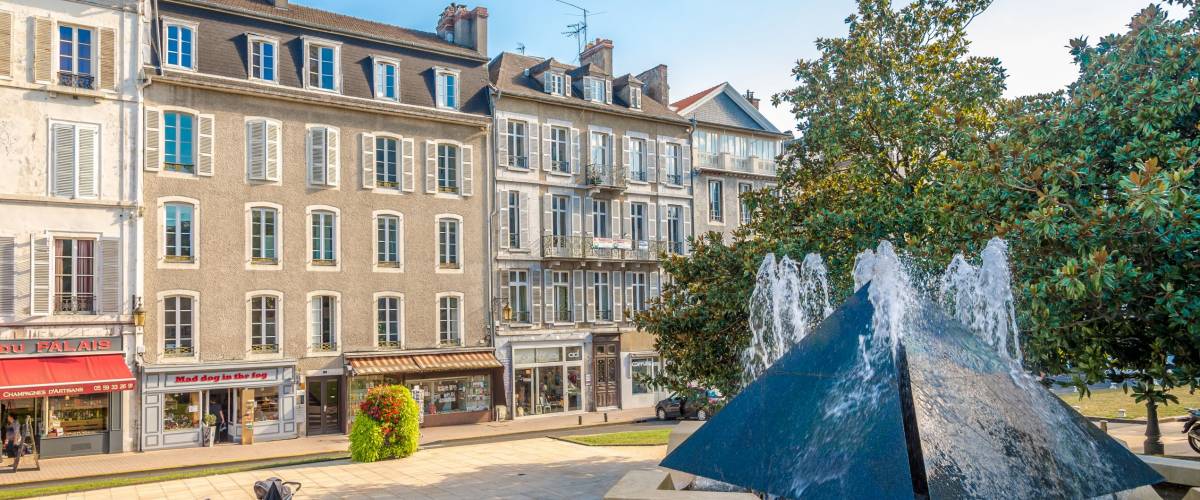
12. France
milosk50 / Shutterstock Pau is a smaller French city that's surprisingly affordable.
France
isn’t the first destination you’d think of for a cheap retirement — but
several of its smaller towns are known for their affordable housing.
The
city of Pau, which sits near the Spanish border, has mild winters and
summers, and a one-bedroom apartment in the center of town goes for
around $500 a month. A nice dinner for two costs about $46, reports
living-costs website Numbeo.
The
lovely Mediterranean university town of Montpellier also is very
reasonably priced. Renting a one-bedroom flat will cost between $500 and
$750. Both Pau and Montpellier have great health care and hospitals.
How to retire to France
Fotoluminate LLC / Shutterstock If you want to spend retirement in France, you'll have to apply for a long-term visa.
France
doesn’t have a special visa for retirees, so you’d have to apply for a
long-term visa at a French consulate in the U.S., reports International Living magazine.
Watch this new video to learn more
This advertiser wants to share their trending video
Ad By Sponsor
The consulate will want to see that you can finance your trip and that you have health insurance that works in France. Social Security statements, bank account information and investments all can help demonstrate your financial situation.
The long-term visa can be renewed yearly, and you’d have to submit current financial information at renewal.
11. Thailand
501room / Shutterstock Chiang Mai in Thailand provides a good mix of the old and the new.
Your
retirement checks will definitely go further in tropical Thailand. You
can live comfortably anywhere in the country on $1,500 to $2,000 a
month, including rent.
The affordable city of Chiang Mai is full of modern amenities, like health clubs, shopping
malls and high-quality (yet inexpensive) health care. Beautiful and
sun-soaked island haven Koh Samui also offers an economical cost of
living.
Even busy Bangkok is affordable and has some of the best
private hospitals in the country. Thailand’s political climate is quite
stable, and there is an active police presence, especially in big cities
and tourist centers.
How to retire to Thailand
View Apart / Shutterstock To retiree in Thailand, you need only have savings and annual income totaling about $24,000.
Thailand offers a one-year retirement visa that can be extended.
Expat
retirees must have savings and annual income totaling at least 800,000
Thai baht — currently about $24,000. You'd also need to report to the
Thai immigration authorities every 90 days.
Want to save more for your retirement? Find out how much more you need to put away each month to reach your goal.
10. Italy
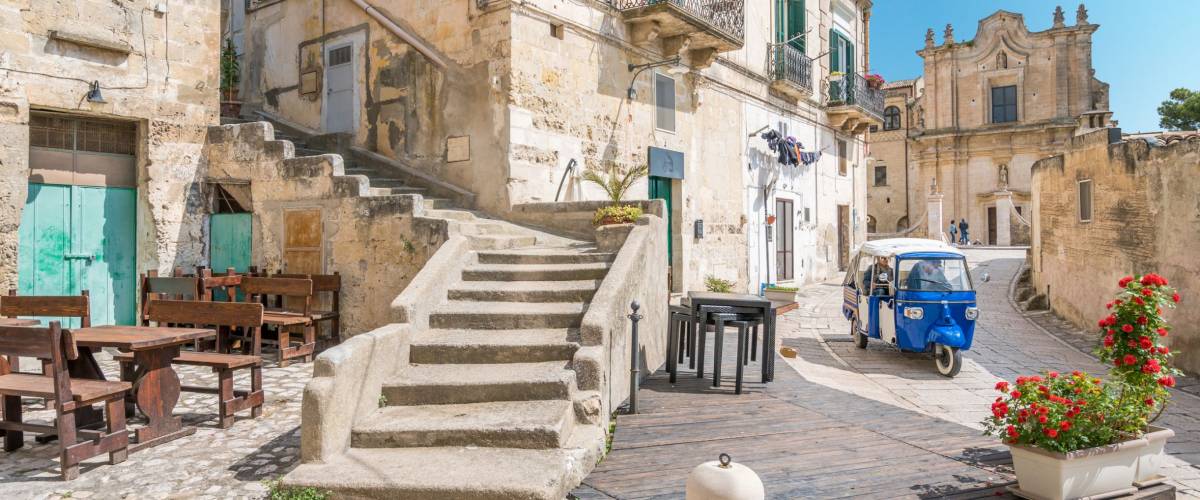
Stefano_Valeri / Shutterstock Matera, in the Basillicata region, looks like a movie set. But it's real!
If
you’re among the many people who have fallen in love with Italy’s
regional cultures, mouthwatering cuisines and fantastic climate, then
you’ll be happy to hear that retiring here is cheaper than you think!
In
the southern region of Basilicata, you could buy a home in one of the
smaller villages for just $32,000. In the charming historical town of
Matera, you can rent a one-bedroom apartment for less than $600 a month.
In the eastern Puglia region, renowned for its sunny beaches and fresh seafood, the cost of living is even lower.
How to retire to Italy
Diego Cervo / Shutterstock U.S. retirees who become Italian residents can enroll in the national health care system.
Italy doesn’t have a retirement visa program, so your best bet is to apply for an elective residency visa.
You'd
need to provide proof of your yearly income from a pension, 401(k) or
other liquid assets. The minimum is currently about $35,000 for one
person and between $40,000 and $70,000 for two people.
Plus,
you'd need to show proof of a rental agreement and medical insurance.
Once you’re a resident of Italy, you qualify for the national health
care system, which is ranked second in the world by the World Health
Organization and costs about $400 a year per person.
9. Peru
sharptoyou / Shutterstock The biggest health risk for U.S. retirees in Peru is altitude sickness.
Adventure-seekers
already know that Peru offers the amazing Machu Picchu, beautiful
beaches and fascinating ancient cultures. For retirees, the cost of
living is a big draw: A couple can get along very comfortably on $1,500 a
month, says International Living.
In
popular expat destinations such as Arequipa and Cusco, a one-bedroom
apartment rents for about $225 a month, and a nicer three-course meal
for two costs between $10 and $12.
Public health care is pretty
affordable, too, but expats prefer to have health insurance and use
private health clinics. The main health concern for newcomers is
altitude sickness in Peru's high elevations.
Retiring to Peru
Elzbieta Sekowska / Shutterstock Peru offers American retirees lots of photo opportunities.
The country offers an infinitely renewable retirement visa called the rentista visa.
To
qualify, you’d have to demonstrate that you have a permanent monthly
income of $1,000 for one person, plus $500 per dependent.
Anyone holding the rentista visa is exempt from paying the taxes owed with other Peruvian visas, which is pretty great!
8. Slovenia
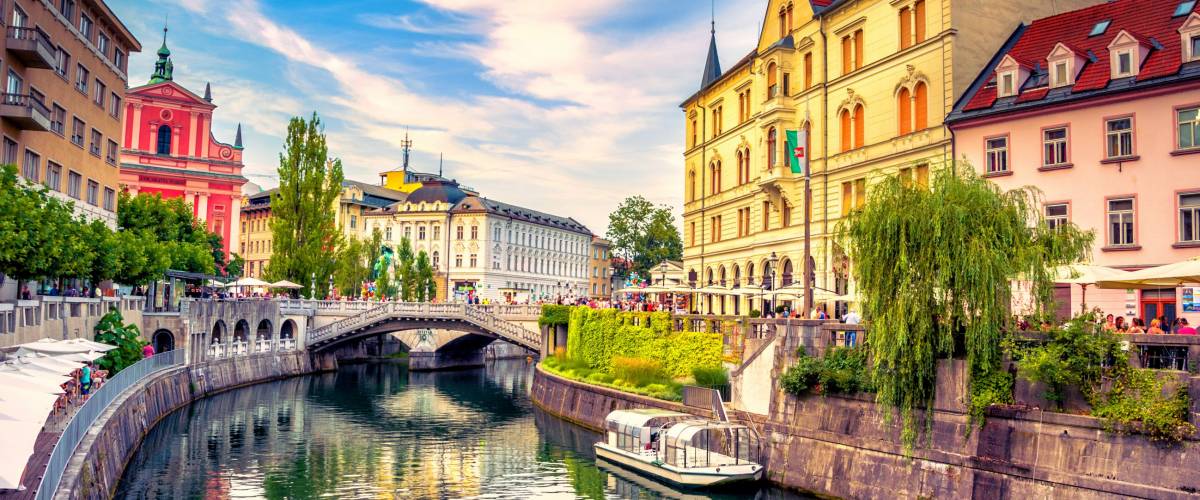
Georgios Tsichlis / Shutterstock Slovenia is a hidden gem.
Slovenia
has been gaining a reputation as a beautiful and affordable retirement
destination in eastern Europe. In this hidden gem, you'll find lovely
historical villages, a livable four-season climate and a range of
outdoor pursuits.
Renting a
one-bedroom apartment in the modern capital city of Ljubljana costs
about $550 a month, and local food and staples also are reasonably
priced.
All residents must pay for compulsory state health
insurance, which provides access to very adequate health care. Expats
and residents often add on private, local health insurance for additional services.
How to retire to Slovenia
Roman Babakin / Shutterstock The word is getting out: Slovenia is a great place for North American retirees.
Slovenia
doesn’t have a retirement visa for noncitizens of the European Union
citizens, so you'd have to start your retirement plans by applying for a
one-year temporary residence permit before you leave the U.S.
The
permit must be renewed every year. After five years of living in
Slovenia with this visa, you could apply for permanent residency.
To
apply for temporary residency, you’d have to show you have an income at
least equal to the basic minimal income in Slovenia, which is currently
equivalent to about $1,000 per month.
7. Spain
Maylat / Shutterstock Valencia is spectacularly affordable.
Europeans
have long seen Spain as a warm and sunny retirement haven, and it
remains one of the most popular cities on the continent for expats.
With low food costs, natural beauty and practically no winter to speak of, Spain makes a great base for retirees hungry to travel around Europe.
Be
aware that housing costs vary hugely across Spain. In major tourist
centers like Barcelona, rents are comparable to those in the U.S.. In
smaller towns like Valencia, a one-bedroom apartment goes for about $630
a month.
How to retire to Spain
VCoscaron / Shutterstock To spend your retirement in Spain, you'll need to show monthly income of at least $2,500.
To apply for a "retirement visa" in Spain, it's important to nail down proof that you have an income of at least $2,500 per month, or $30,000 per year.
You'd also need to show that you have health insurance that works in Spain.
It
might take a few appointments to obtain your foreign visitor number
(the NIE, necessary for everything from opening a bank account to
installing internet in your home), but after that bureaucratic nonsense,
the rest is gravy.
6. Portugal
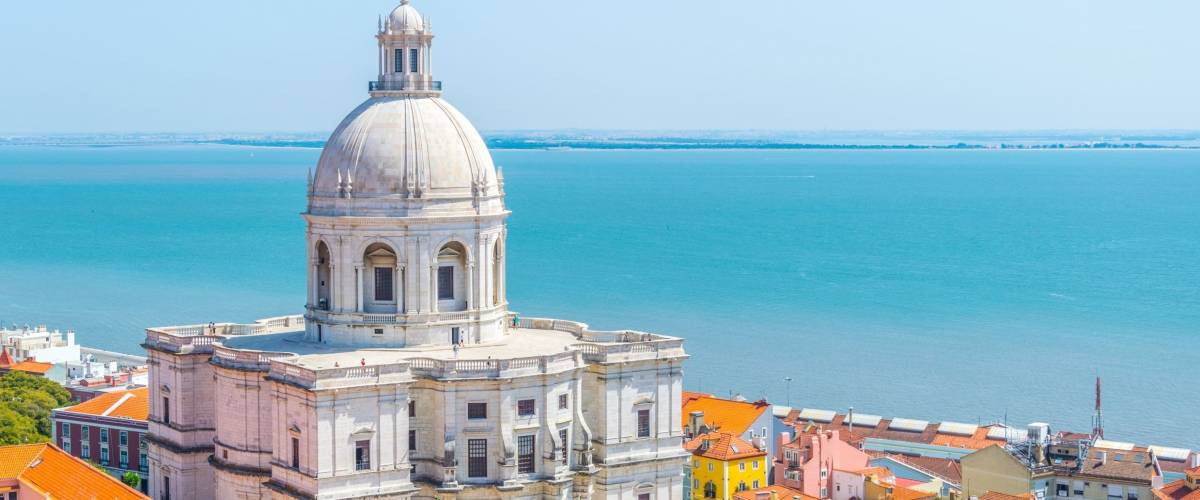
trabantos / Shutterstock Portugal promises sun, sea and history.
Portugal has been winning travelers' hearts, and more people are deciding to move there every year.
The
nation offers a lower cost of living than next-door Spain, sun for more
than 300 days a year, and all the historical castles and fresh seafood
you could want. Plus, it’s fairly stable, politically.
Renting an
apartment in a smaller town is your best bet for an affordable
retirement. Portuguese public health care has gotten a bit under the weather recently, so private health care is strongly preferred by international residents.
How to retire to Portugal
dabyki.nadya / Shutterstock Portugal has been gaining popularity as a retirement destination.
To
apply for a residence permit as a retiree, first you’d need to go to a
Portuguese consulate in the U.S. and bring a valid passport, proof of
income and health insurance, and show you've undergone a criminal
background check.
All of this would allow you to apply for permanent residency after you arrive in Portugal.
Income
requirements are not specified for either temporary or permanent
resident applicants, but you must have sufficient income to sustain you
for the length of time you intend to stay in your chosen region in
Portugal.
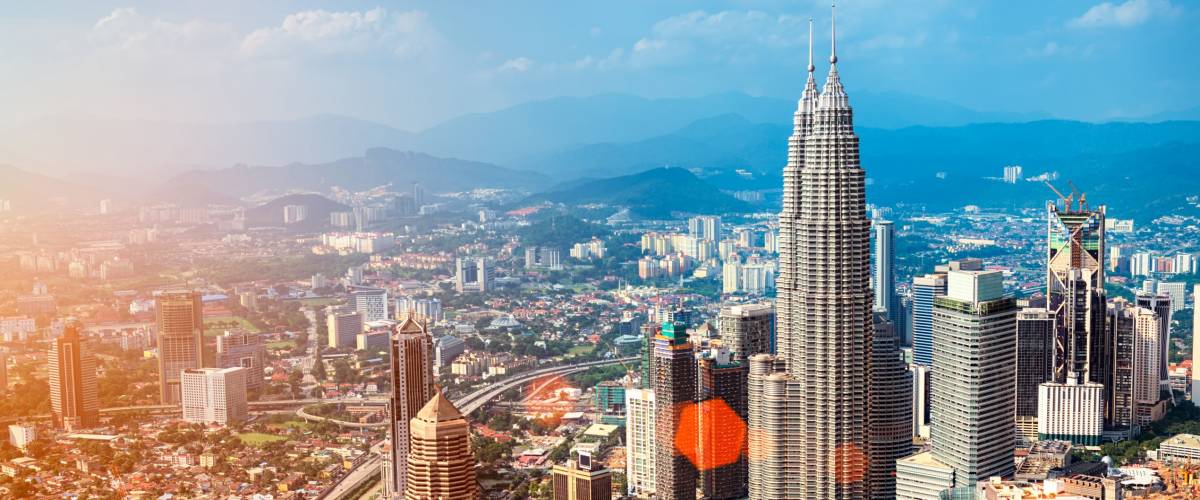
5. Malaysia
r.nagy / Shutterstock Kuala Lumpur, Malaysia's capital and largest city, is more affordable than U.S. cities.
Ever-popular
Malaysia has plenty to offer retirees, from warm weather to affordable
food and entertainment and many English-speaking services. Just brace
yourself for Malaysia’s monsoon season during the winter months.
Kuala
Lumpur offers lower-cost living than in U.S. cities; a one-bedroom
apartment rents for $550 a month. If the island lifestyle beckons, check
out colorful Penang, where a one-bedroom will cost you just $290 a
month.
How to retire to Malaysia
FamVeld / Shutterstock To retire in Malaysia, you'll need to get a 10-year visa.
The
country offers a 10-year visa that is renewable to those who are 50 or
older and can prove a monthly income of at least $2,386, or liquid
assets of around $83,500, says International Living.
Malaysia
is generally quite safe, but petty theft is common in tourist centers,
and home break-ins may happen when houses are empty.
The State Department advises Americans to avoid the eastern Sabah region due to violent activity and kidnappings-for-ransom.
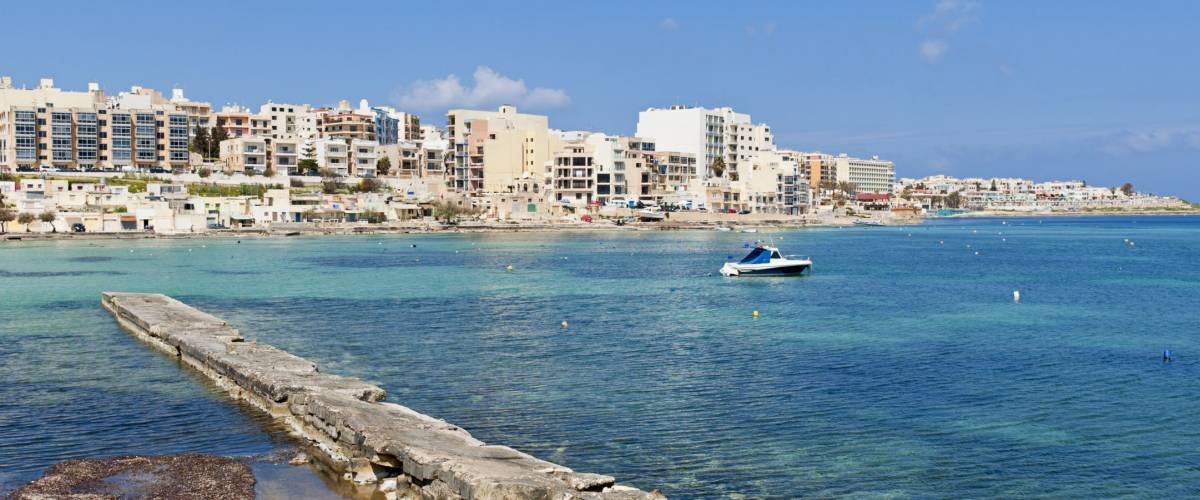
4. Malta
Allard One / Shutterstock You can rent an apartment in Qawra, Malta, for $450 a month.
Malta
is a temperate and cultured country with a lower cost of living than
other Mediterranean locales in the EU. The island is rich in history and
natural beauty.
Making
things easier for North American retirees, English is one of Malta’s
official languages. The nation’s health care system is in the top five
globally, according to the WHO.
In the northern coastal villages
of St. Paul’s Bay, Qawra and Mellieha, rent can cost just $450 per
month, and there’s plenty of beach to keep you occupied. And since this
is an island, you can drive to a bigger town quite easily.
How to retire to Malta
abitaev / Shutterstock Retiring in Malta is relatively easy.
Malta's residency permit programs live up to the country's reputation for being open and peaceful.
Check out this quick video
The
country offers several visa options for non-EU residents, including
infinitely renewable one-year visas for pensioners and self-employed
people who wish to live and work in Malta.
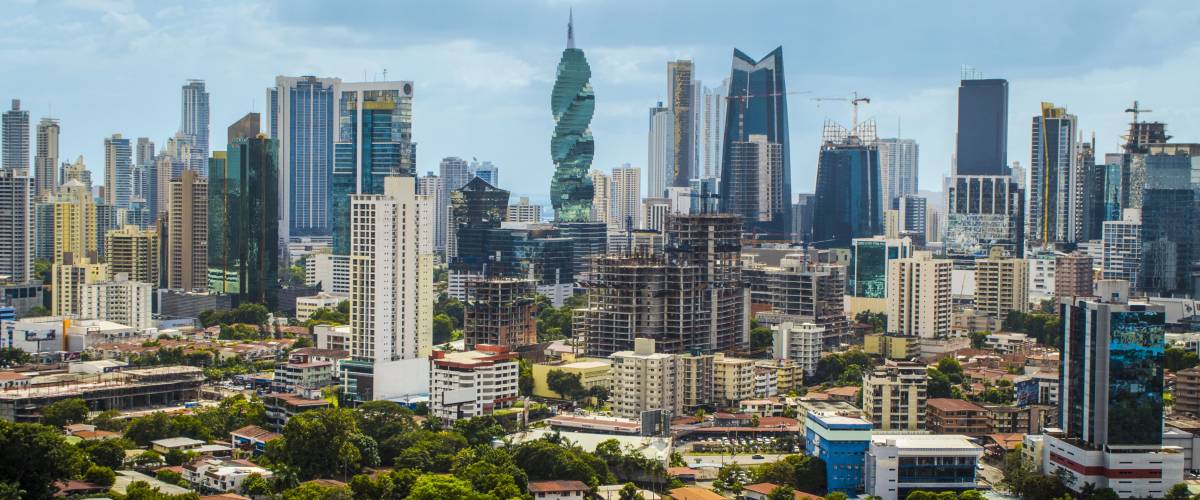
3. Panama
marshalgonz / Shutterstock For a big city, Panama City is surprisingly affordable.
Noted
for its high quality of life, laissez-faire tax laws and great health
care, Panama has been popular with retirees and investors for many
years.
Watch this video for more information
Living
here comes with all the glorious sunshine, culture, and natural beauty
you could want to fill your retirement years. Spanish is the first
language, but English is widely-spoken, especially in big cities.
The
capital, Panama City, is surprisingly affordable. A one-bedroom in the
city center rents for about $1,000 a month; internet costs about $52 a
month; and a nice dinner for two at mid-range restaurant is about $50,
says Numbeo.
How to retire to Panama
hanohiki / Shutterstock Activities in Panama include watching ships go through the Panama Canal.
Panama’s retirement program, called the visa pensionado,
is very attractive. You’d need to provide proof of a lifetime
retirement income of $1,000 a month from a recognized source in the U.S.
If
you’ll be getting less than $1,000 but more than $750, then you can buy
a property in Panama for at least $100,000, and your lifetime monthly
pension requirement will be reduced to $750.
This visa entitles
you to a wide range of discounts on medical care (including dental and
vision), travel, utility costs, loans and much more. There is no minimum
or maximum age to qualify for the visa.
2. Mexico
mandritoiu / Shutterstock When you live in the Yucatan, you'll want to visit Chichen Itza.
Mexico
is another top retirement destination, particularly its Yucatan
peninsula. Considered to be the safest area for international retirees,
the Yucatan is home to white sand beaches, fantastic wildlife, and the
legendary Mayan complex at Chichen Itza.
Plus, you’ll see plenty of familiar businesses, from Starbucks to Petco and Walmart, around town.
A
centrally located one-bedroom apartment rents for less than $200 a
month in the town of Merida in the Yucatan. Because Mexico is so close
to the U.S., many retirees keep their medical insurance from home and
pay out of pocket for occasional medical needs.
How to retire to Mexico
kurhan / Shutterstock Income retirements to retire in Mexico can be surprisingly low.
It's
recommended that potential residents apply for a temporary resident
permit, which allows free movement in and out of Mexico for up to four
years. After that, you’d need to apply for a permanent resident visa. Temporary
resident applicants need to show they had an income of approximately
$1,400 over the past six months (from pensions, investments, etc.) or
that they've had savings of about $23,500 over the past year. Permanent
resident applicants need to show proof of at least $2,325 in income
over the previous six months, or savings of $93,000 during the preceding
year.
Stay tuned for any changes to Mexico's visa requirements as a result of the country's recent election.
1. Costa Rica
Jane Petrick / Shutterstock Costa Rica's Southern Zone is gorgeous and convenient.
Our winner for 2018's top affordable retirement spot is Costa Rica, with its famed pura vida lifestyle, safety and stability, and fantastic travel opportunities.
Costa Rica's Pacific coastline, known as the Southern Zone, is very popular with North American expats.
Offering
sunny beach living near the region's amazing biodiversity, southern
towns like Dominical, Ojochal and Uvita have lots of amenities including
restaurants, markets, and public and private medical clinics.
How to retire to Costa Rica
Jorge A. Russell / Shutterstock You can retire to Costa Rica if you can show income of at le
To get and keep residency under the pensionado
program for retirees, you’d have to show proof of at least $1,000 in
monthly income from a recognized source like Social Security or a state
retirement fund.
Note that
IRAs and 401(k)s are not recognized here. You’d also have to pay a
percentage of your monthly income into the public health care system.
Most expats opt for higher-quality private health care, for an
additional cost.
Costa Rica is stable thanks to its influx of
tourism dollars, and the living is quite safe as long as you show some
common sense. If you haven’t been to Costa Rica yet, then isn’t it about
time to check it out?
This useless crap is the best you can expect from the ASA. NO PROTOCOLS. Guide your journey, NOT Guide your recovery. A slight distinction but everything to a stroke survivor. Words like that mean the ASA knows nothing about stroke recovery.


 Abstract