Absolutely nothing here will guarantee gait recovery! Why don't you have those protocols?
Laziness? Incompetence? Or just don't care? NO leadership? NO strategy? Not my job? Not my Problem?
What Is Hemiplegic Gait? Exploring Its Symptoms, Causes and Treatment
Learn about hemiplegic gait, a walking problem caused by a stroke or brain injury. Our expert explains the symptoms, causes, and treatments available to help people improve their movement and quality of life.
_11zon-1732005712539.jpg)
- Written by: Vivek Kumar
- Updated at: Jan 16, 2025 11:29 IST
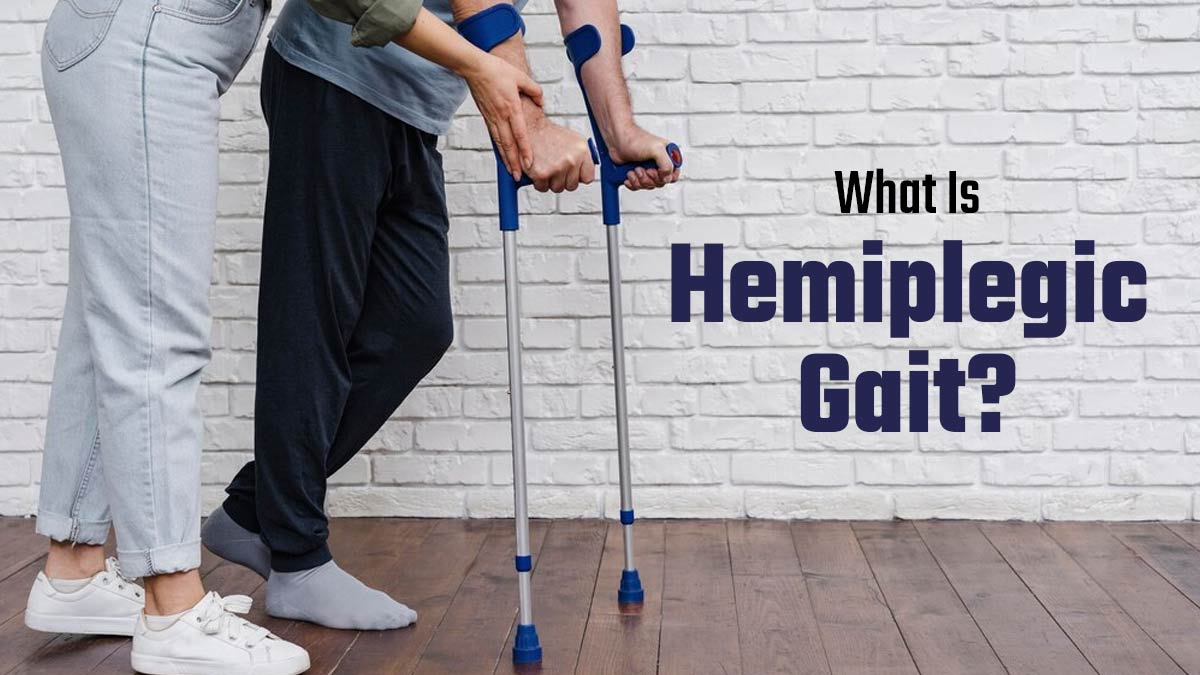
Walking is something most people do every day without thinking. However, for those with hemiplegic gait, even taking a simple step can be very hard. Hemiplegic gait is a type of walking problem caused by weakness or paralysis on one side of the body. This condition often happens after a stroke or brain injury. People with hemiplegic gait may drag one leg or move it in a circular way to avoid tripping.
To learn more about this condition, we spoke with Dr. Agnetia Vinoth, a consultant neurosurgeon at Apollo Cancer Centre in Chennai. He explained the challenges of hemiplegic gait and highlighted the symptoms, causes and treatments to improve the lives of those affected.
What Is Hemiplegic Gait?
Hemiplegic gait (tudoraneuro) #Neurotwitter #Medtwitter #MedEd #FOAMed pic.twitter.com/49avCXOVAT
Dr. Agnetia Vinoth explains that hemiplegic gait often happens after a stroke or brain injury. This condition makes it hard for a person to move, which can lead to less independence and a lower quality of life. Hemiplegic gait means that one arm or leg is weak or paralysed due to these injuries, causing unusual walking patterns.
Dr Vinoth also notes that people with this condition may struggle to lift the affected limb, drag it, or swing it awkwardly while walking. While hemiplegic gait is most common in stroke patients, it can also occur in those with brain tumours, cerebral palsy, or multiple sclerosis.
What Are the Causes of Hemiplegic Gait?
-1737006841601.jpg "Hemiplegic Gait")
According to our expert, hemiplegic gait results from an impairment in the brain's motor control pathways. Below are a few causes of the walking disorder.
- Stroke: This is the most common cause. A stroke happens when blood flow to the brain is blocked, leading to brain cell death and loss of movement abilities.
- Head Injuries: Traumatic brain injuries can also damage the brain's motor control pathways, affecting how a person walks.
- Multiple Sclerosis: This disease affects the nervous system and can lead to movement problems, including hemiplegic gait.
- Cerebral Palsy: This condition occurs before or during birth and can cause weakness in one side of the body, resulting in walking difficulties.
The above-mentioned conditions disrupt the corticospinal tract, which is important for coordinating voluntary movements.
Symptoms of Hemiplegic Gait
Dr. Agnetia Vinoth claims that symptoms of hemiplegic gait can vary with the severity of the neurological damage, but common signs include the following.
- Weakness or paralysis on one side: The affected limb will have a weakened leg, causing an inability to lift, move, or bear weight.
- Leg circumduction: A patient will drag his affected leg outward in a circular motion because of weakness; sometimes dragging along the floor.
- Foot drop: When muscles cannot be lifted from under the foot, they tend to drag on the ground.
- Hip adduction: The involved limb can rotate medially sometimes causing scissoring of the limbs while walking.
- Limited swing of arms: The limb on the side may be rigid and cannot swing from the body's side.
“The effects of hemiplegic gait can vary from mild to severe. Some people may have a significant disability that makes it very hard for them to walk, while others may only have mild difficulties,” said the expert. For those with milder symptoms, using walking aids like canes or walkers can help them balance and avoid falling. These tools allow them to support their weight on both sides, making it easier to move around safely.
ALSO READ: Cold Weather and Cigarettes: Heightened Risks for Heart Disease and Impaired Lung Health
Hemiplegic Gait Treatment
-1737007115163.jpg "Hemiplegic Gait")
“Therapy for hemiplegic gait adopts an approach for mobilising the patient to overcome this disability maximally and obtain the highest possible level of function,” said Dr Agnetia Vinoth. He further detailed the treatment options in an interdisciplinary manner, which includes the following.
(YOU'RE MISSING THE MOST IMPORTANT PROBLEM! CURE SPASTICITY! Are you that much of a blithering idiot?)
- Physical Therapy: A big part of the treatment is physical therapy, which involves strengthening the muscles, flexibility, and coordination, and will include the return to the biomechanics of daily life.
- Occupational Therapy: Services would offer support to patients to adapt to their practical life despite the restrictions of their illness by improving activities in the activities of daily living such as dressing, eating, and bathing.
- Assistive Devices: Assistive devices such as canes, walkers, or orthotic braces will offer stability and good support to patients who are severely impaired in their gait, thus reducing the chances of falls and average mobilization in some patients.
- Botox injections: These patients also benefit a lot from Botox injections when the spasticity level is more than normal it decreases the stiffness and makes moving easier.
Conclusion
Hemiplegic gait is a complex and common problem that can happen after a stroke or brain injury. Many patients find it difficult to move after being diagnosed. However, with the right mix of medical care and physical therapy, people with hemiplegic gait can see significant improvements(But survivors want 100% recovery! Why are you OK with setting the tyranny of low expectations for your patients? They aren't OK with such crapola!). This tailored treatment can help reduce severe mobility issues and make it easier for them to move around.


No comments:
Post a Comment