How is your competent? doctor preventing your brain aging? DOING NOTHING LIKE USUAL? So, you don't have a functioning stroke doctor, do you?
Measuring aging with brain scans
At a Glance
- Researchers developed a way to measure how fast a person is aging from a single brain scan.
- The findings may aid efforts to predict a person’s risk for age-related diseases and test interventions to slow aging.
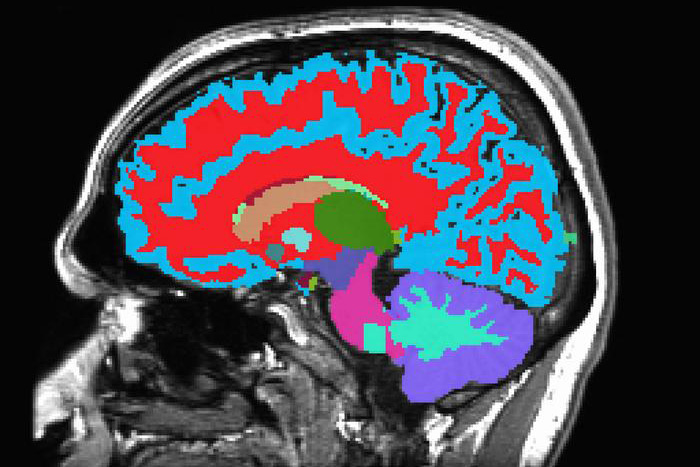
Aging is an inevitable part of life. But, biologically speaking, some people age faster than others. To understand how aging differences affect health and disease risks, and to test if interventions slow aging, scientists need ways to measure how fast a person is biologically aging.
Many earlier attempts to measure biological age relied on biomarkers that capture various aspects of a person’s health. A chemical change to DNA called DNA methylation is now the most widely used method for measuring differences in aging. In a new study, researchers led by Drs. Ahmad Hariri, Terrie Moffitt, Max Elliott, and Ethan Whitman at Duke University developed an accurate and reliable tool to measure aging based on a single brain scan. Their findings were reported in Nature Aging on July 1, 2025.
The researchers had previously developed ways to measure biological aging. They used data from the Dunedin Study, which tracked the health of more than 1,000 people born in a single year (1972-1973) in New Zealand from the time they were born to age 45. At four time points over 20 years, researchers measured 19 biomarkers related to health. These included heart function, metabolism, immune system, and others. Based on the decline in function over time, the team developed a measure they called the Pace of Aging.
Later, they developed a way to correlate DNA methylation patterns at a single time point with the Pace of Aging measure. They called this measure DunedinPACE. DunedinPACE has since enabled many studies of aging outside of the Dunedin Study. However, it depends on having DNA methylation data, which are lacking in many neuroscience aging studies. In their new study, the researchers aimed to capture aging rates from brain images instead.
The team used MRI scans collected from 860 participants in the Dunedin study at age 45. They used those images and their earlier data on declining function over time to develop a model for measuring aging rates from brain scans alone. They call their new measure, which uses 315 structural measures in the brain scans, Dunedin Pace of Aging Calculated from Neuroimaging (DunedinPACNI).
DunedinPACNI predicted aging rates with similar accuracy to past tests of DNA methylation. Higher DunedinPACNI scores were associated with declining physical and cognitive function as well as facial aging. Those with higher DunedinPACNI scores also had worse balance, slower walking, weaker muscles, worse coordination, and reported worse health overall.
To see if the tool would work to measure aging rates in other groups of people, the researchers applied it to data from tens of thousands of participants, mostly older adults, in other studies. DunedinPACNI accurately predicted cognitive impairment, faster brain atrophy, and dementia. Higher DunedinPACNI scores also predicted physical frailty, poor health, future diseases, and mortality.
This new tool enables researchers to measure a person’s rate of aging based on a single MRI scan. While more study is needed before such a test could be used in the clinic, it could ultimately help to identify those at greater disease risk to allow for increased monitoring and earlier interventions. It might also aid clinical testing of interventions to slow aging.
“What’s really cool about this is that we’ve captured how fast people are aging using data collected in midlife, and it’s helping us predict diagnosis of dementia among people who are much older,” Hariri says. “We really think of it as hopefully being a key new tool in forecasting and predicting risk for diseases, especially Alzheimer’s and related dementias, and also perhaps gaining a better foothold on progression of disease.”
—by Kendall K. Morgan, Ph.D.


No comments:
Post a Comment