Changing stroke rehab and research worldwide now.Time is Brain! trillions and trillions of neurons that DIE each day because there are NO effective hyperacute therapies besides tPA(only 12% effective). I have 523 posts on hyperacute therapy, enough for researchers to spend decades proving them out. These are my personal ideas and blog on stroke rehabilitation and stroke research. Do not attempt any of these without checking with your medical provider. Unless you join me in agitating, when you need these therapies they won't be there.

What this blog is for:

My blog is not to help survivors recover, it is to have the 10 million yearly stroke survivors light fires underneath their doctors, stroke hospitals and stroke researchers to get stroke solved. 100% recovery. The stroke medical world is completely failing at that goal, they don't even have it as a goal. Shortly after getting out of the hospital and getting NO information on the process or protocols of stroke rehabilitation and recovery I started searching on the internet and found that no other survivor received useful information. This is an attempt to cover all stroke rehabilitation information that should be readily available to survivors so they can talk with informed knowledge to their medical staff. It lays out what needs to be done to get stroke survivors closer to 100% recovery. It's quite disgusting that this information is not available from every stroke association and doctors group.

Showing posts with label grapes. Show all posts

Wednesday, August 5, 2026

Review finds blueberry and grape polyphenols may improve vascular health

 If your competent? doctor waited this long before including these in your diet protocol! THAT IS PURE INCOMPETENCE!

Why hasn't that doctor been fired yet? With NO protocol and not following research what is keeping them employed?

Review finds blueberry and grape polyphenols may improve vascular health

From endothelial function to blood pressure, the review maps where blueberry and grape bioactives show promise and where the clinical evidence still falls short.
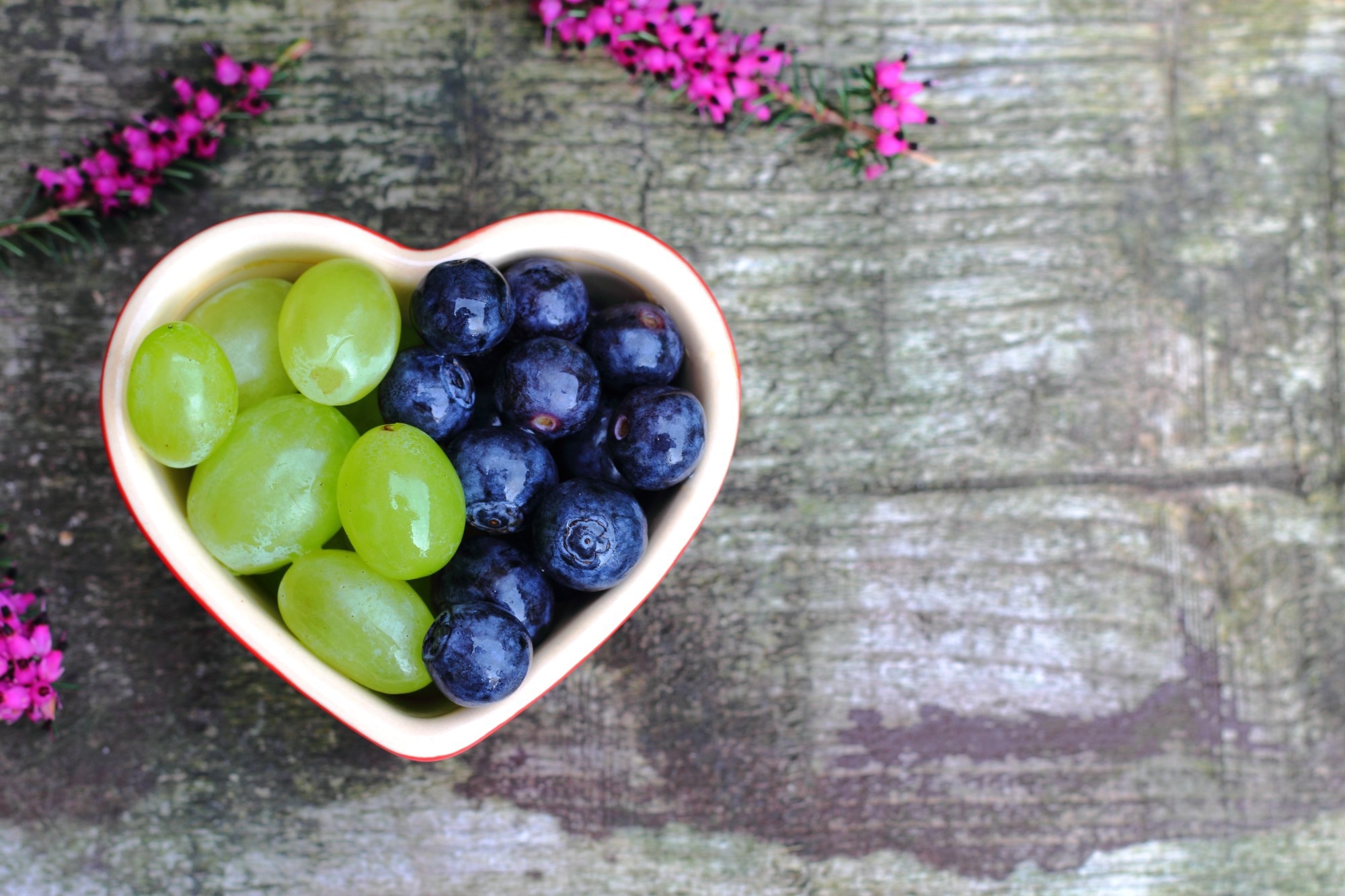
Study: Polyphenols and Cardiovascular Health: Emerging Relevance for Blueberries, Grapes, and Red-Fleshed Table Grapes. Image Credit: Den Debono / Shutterstock

Study: Polyphenols and Cardiovascular Health: Emerging Relevance for Blueberries, Grapes, and Red-Fleshed Table Grapes. Image Credit: Den Debono / Shutterstock

A recent review published in the journal Nutrients examined the evidence on the effects of blueberries, grapes, and their bioactive compounds on cardiovascular risk markers.

Cardiovascular disease (CVD) is among the most prevalent noncommunicable diseases and a leading cause of mortality in Europe. The paper reports that CVD accounts for more than 60 million potential years of life lost in Europe. Diet is increasingly recognized as a modifiable risk factor for CVD, and dietary bioactive compounds have attracted attention for their potential role in cardiovascular prevention and risk management. Several fruits, including grapes, have been investigated for their potential cardioprotective effects.

Berries and grapes contain a wide range of polyphenolic bioactive compounds, including resveratrol, flavonoids, and anthocyanins, with anti-inflammatory, antioxidant, and potentially cardioprotective biological effects. Experimental evidence indicates that grape polyphenols may influence processes implicated in CVD by reducing platelet aggregation and low-density lipoprotein (LDL) oxidation, suppressing inflammation, and improving endothelial function.

Evidence also suggests that gut microbiota metabolize polyphenols, especially anthocyanins, into bioactive metabolites that influence cardiovascular function. Resveratrol, abundant in the skin of dark grapes, is reported to modulate cardiac remodeling, exert antioxidant and anti-inflammatory actions, and enhance mitochondrial biogenesis. It may also reduce oxidative stress in heart tissues by regulating oxidation-inducing proteins.

The study and findings

In the present study, researchers reviewed evidence on the effects of blueberries, grapes, and their bioactive compounds on cardiovascular health. First, a comprehensive systematic literature search was conducted in PubMed to identify randomized controlled trials (RCTs), systematic reviews, and meta-analyses published from January 2015 through April 2026. Secondary searches of ScienceDirect and Semantic Scholar sought additional publications, including mechanistic evidence.

Studies were eligible for inclusion if they included interventions involving grapes, blueberries, or red-fleshed table grapes, focused on key bioactive compounds present in grapes or blueberries, and measured cardiovascular outcomes, such as endothelial function, platelet aggregation, LDL oxidation, inflammatory biomarkers, or blood pressure (BP). Studies focused solely on in vitro or animal models were excluded from the clinical synthesis, except when they provided relevant mechanistic evidence. Studies involving multiple interventions or mixed polyphenol supplements were excluded.

Validated appraisal tools, including the Jadad scale and A Measurement Tool to Assess Systematic Reviews 2 (AMSTAR-2), were used to assess study quality. In total, 37 publications, including 20 RCTs and 17 systematic reviews and meta-analyses, were included. Two systematic reviews and meta-analyses were of high quality; one reported that grape polyphenols at doses exceeding 500 mg/day for at least 12 weeks significantly reduced C-reactive protein levels, while the other reported improvements in vascular function or BP in 84% of the human studies it assessed, including a significant reduction in systolic BP.

Further, two other systematic reviews and meta-analyses of moderate quality reported cardiovascular benefits. One found a modest reduction in BP and improvement in endothelial function with flavan-3-ol foods, such as tea, apples, cocoa, and grape-derived products. The other study reported that consuming whole-grape products was associated with significant decreases in systolic BP. The remaining systematic reviews and meta-analyses were of low or critically low quality.

The RCT evidence was generally based on small, short-term studies, and interventions focused mainly on polyphenols and resveratrol. Seventeen RCTs were of moderate or high quality, while three were of low quality; more rigorous methodological designs were associated with more consistent lipid and vascular effects. Nine RCTs focused on grape pomace, whole grapes, red grape cell powder, or grape seed extracts, and generally reported favorable effects on cardiovascular risk markers.

Moderate- and high-quality RCTs reported improvements in lipid peroxidation, lipid profiles, flow-mediated dilation, diastolic BP, and paraoxonase activity. These lipid changes were often accompanied by reductions in markers of endothelial dysfunction and oxidative stress, especially in populations with metabolic risk or hypercholesterolemia. For instance, a low-quality RCT found that consuming 500 g of whole red grapes daily for eight weeks was associated with decreases in total cholesterol and LDL cholesterol in hypercholesterolemic adults.

Resveratrol and blueberry RCTs mainly reported endothelial and vascular benefits, such as improved nitric oxide production and flow-mediated dilation and reduced BP and inflammatory markers, but had limited effects on lipid endpoints. One high-quality RCT involving 115 older men with metabolic syndrome showed significant improvements in arterial stiffness and endothelial function after six months of daily blueberry consumption. The observed changes produced effect sizes that the investigators considered predictive of a possible 12% to 15% reduction in CVD risk; however, the trial did not measure cardiovascular events.

The review also discussed compositional analyses of newly developed red-fleshed table-grape hybrids, which generally contained more phenolic compounds and anthocyanins than standard comparator grapes. Nevertheless, no human RCTs tested the newly developed red-fleshed table-grape varieties, whose potential benefits were inferred from compositional data and evidence involving other grapes, berries, and bioactive compounds. Comparisons across grape varieties should be interpreted cautiously because analytical methods, extraction protocols, reporting units, and seasonal conditions varied.

Conclusions

In sum, current evidence suggests that polyphenols derived from berries and grapes may produce modest, reasonably consistent improvements in cardiovascular risk markers, particularly endothelial function. However, the review did not establish that these changes prevent heart attacks, strokes, or cardiovascular death. Increasing awareness of the potential effects of consuming dark-fleshed grapes and blueberries could help inform adjunctive strategies to promote cardiovascular health.

Many interventions involved concentrated extracts, powders, supplements, or red wine rather than whole fresh fruit, limiting direct translation to habitual diets. Alcohol content and concurrent medication use may also have influenced some findings. The authors also acknowledged that AMSTAR-2 and Jadad are appraisal guides rather than definitive measures of study quality. Nevertheless, larger and longer-term RCTs using whole, fresh grapes and blueberries at habitual dietary intakes are needed and should prioritize clinically meaningful cardiovascular endpoints rather than using short-term surrogate markers.

Funding and conflicts of interest

The lead author disclosed that Bloom Fresh International Limited funded her time spent conducting the searches and drafting the manuscript. The company bred and markets the red-fleshed table grapes discussed in the review. This disclosure appears inconsistent with the paper's separate statement that the research received no external funding.

Journal reference:
  • Derbyshire, E. J., Abellán-Alemán, J. A., & Aslam, N. (2026). Polyphenols and Cardiovascular Health: Emerging Relevance for Blueberries, Grapes, and Red-Fleshed Table Grapes. Nutrients, 18(12), 1968. DOI: 10.3390/nu18121968, https://www.mdpi.com/2072-6643/18/12/1968

Sunday, September 28, 2025

Grapes and Brain Health

 Your competent? doctor already has AN EXACT PROTOCOL ON GRAPES, RIGHT? NO? 

So you DON'T have a functioning stroke doctor, do you?

  • grapes (9 posts to October 2012)

Grapes and Brain Health


  • 7 Accesses

Abstract

Given the central importance of the brain to both a person’s survival and their quality of life, the identification of treatments that can maintain, restore, or improve brain function is of great interest. Furthermore, the possibility that grapes, a readily available component of a healthy diet, might have benefits in this context is especially appealing. Indeed, as interest in simple and safe approaches to improving brain health has grown, many more studies on the effects of various grape products on brain function in humans are being conducted. Freeze-dried grape powder, various grape and grape seed extracts, and grape juice have all been shown to positively impact multiple aspects of brain function, including cognition, in a variety of different in vivo models in both humans and rodents. These models include stress, aging, ischemia, Alzheimer’s disease, Parkinson’s disease, multiple sclerosis, Gulf War illness, and autism. In the brain, the consumption of grape products has been shown to reduce oxidative stress, enhance trophic factor signaling, stimulate neurogenesis, improve various aspects of neurotransmission, and reduce inflammation. Furthermore, there is growing evidence that the levels of specific polyphenols in the blood or urine that are derived from the consumption of grape products correlate with the beneficial effects of these products on brain function. Together, these studies strongly suggest that further work on the impact of grape products on brain function, not only in areas where beneficial effects have already been seen but also in pathological conditions where they have not yet been explored, is highly worthwhile.

 This is a preview of subscription content, log in via an institution  to check access.


Saturday, July 26, 2025

Perspective: Are Grapes Worthy of the Moniker Superfood?

 Fresh grapes, so ask your competent? doctor how many and the kind; green, black, red, white! 

Do you prefer your doctor and hospital incompetence NOT KNOWING? OR NOT DOING?

Perspective: Are Grapes Worthy of the Moniker Superfood?

  • John M. Pezzuto*
Other Access Options

Abstract

Abstract Image

Superfood, an au courant word in the American vernacular, refers to mainstream foods that are basically individual components of the Mediterranean diet, i.e., berries, fish, olive oil, cruciferous vegetables, legumes, etc., and perceived as “healthy.” There is no regulation; the main source of information is the Internet. Blueberries and strawberries are generally featured as superior. However, when tested as a whole food in human beings, grapes modulate the gut microbiome, the metabolome and gene expression, and there are associated health benefits. Thus, based on actual scientific data, grapes have earned what should be a prominent position in the superfood family.

© 2025 American Chemical Society

Friday, July 11, 2025

1.5 Cups of Grapes a Day May Help Combat Age-Related Muscle Loss: Study Shows

 What is your competent? doctors EXACT PROTOCOL TO PREVENT MUSCLE LOSS? Incompetently doesn't have one, right?

Let's see how long your doctor has been incompetent!
  • muscle atrophy (32 posts to July 2013)
  • muscle loss (1 post to March 2018)
  • muscle wasting (5 posts to September 2012)
  • sarcopenia (21 posts to March 2016)
  • 1.5 cups of grapes will produce a very small amount of wine, likely less than a glass. Generally, it takes roughly 2.75 to 3.3 pounds of grapes (or about 600-800 individual grapes) to produce a standard bottle of wine.


    A great solution would be a glass of wine! Your doctor will never approve, ask him/her if the benefit is from the skins which will tell you if white or red wine is better.

    1.5 Cups of Grapes a Day May Help Combat Age-Related Muscle Loss: Study Shows

    Saturday, December 21, 2019

    5 foods that can help stop cognitive decline

    Pretty much useless, just fucking guidelines, NOT WHAT WE NEED, PROTOCOLS. I can't do cilantro. And if your stroke hospital had any competence at all they would initiate research into this regardless of the difficulty of food research.  Unless of course they have solved the prevention issue of you getting dementia. 

    Your chances of getting dementia.

    1. A documented 33% dementia chance post-stroke from an Australian study?   May 2012.

    2. Then this study came out and seems to have a range from 17-66%. December 2013.

    3. A 20% chance in this research.   July 2013.

    4. Dementia Risk Doubled in Patients Following Stroke September 2018 

    5. Parkinson’s Disease May Have Link to Stroke March 2017

    Nothing done by your doctor or stroke hospital?

    Laziness? Incompetence? Or just don't care? No leadership? No strategy? Not my job?  The board of directors didn't tell them that totally solving stroke was their job, not just lazily relying on the status quo?


    The latest here: 


    5 foods that can help stop cognitive decline


    Naveed Saleh, MD, MS, for MDLinx | December 19, 2019
    Plenty of debate surrounds the topic of age-related cognitive decline. No one yet knows exactly when this decline begins, although some researchers have shown that changes can begin as early as one’s 20’s or 30’s. Unfortunately, researchers have also shown that—starting in the second decade of life—adults can experience decreases in regional brain volume, cortical thickness, and myelin integrity, as well as the accumulation of neurofibrillary tangles.

    “The age at which cognitive decline begins is relevant to the optimum time to implement interventions designed to prevent or reverse age-related declines. Many interventions currently target adults 60 years of age and older. However, if people start to decline when they are in their 20’s and 30’s, a large amount of change will likely have already occurred by the time they are in their 60’s and 70’s. This may affect the likelihood that interventions at that age will be successful because the changes might have accumulated to such an extent that they may be difficult to overcome,” wrote Timothy A. Salthouse, PhD, Department of Psychology, University of Virginia, Charlottesville, VA, in a review article.

    In the face of such disquieting news, it may be heartening to know that you can fight age with something as simple as your diet. Many foods may work to prevent or even reverse age-related decline. Here of five foods with proven cognitive benefits—ie, “brain” foods.
    Advertisement

    Grapes and blueberries

    blueberry grape
    Polyphenols are a hot topic in nutrition, in the hope that they can battle age-related cognitive decline.
    In a randomized, double-blind, placebo-controlled trial in 215 elderly participants aged 60 to 70 years, researchers assessed the effects of polyphenol-rich extracts from grapes and blueberries (PEGB) on visuospatial learning, episodic memory, verbal episodic and recognition memory (VRM), and working memory. Participants received 600 mg/d of PEGB (containing 258 mg flavonoids) or placebo for 6 months.
    Their results were encouraging. PEGB improved VRM-free recall, compared with placebo. In a subgroup of patients with advanced cognitive decline who responded positively to PEGB, PEGB was associated with a better VRM-delayed recognition, lower polyphenol consumption, and higher metabolite excretion.
    “Urinary concentrations of specific flavan-3-ols metabolites were associated, at the end of the intervention, with the memory improvements. Our study demonstrates that PEGB improves age-related episodic memory decline in individuals with the highest cognitive impairments,” they concluded.

    Fish

    fish
    In a recent study published in JAMA Neurology, researchers demonstrated that fatty fish may stave off cognitive decline in the elderly. The study sample included 6,158 adults aged 65 years and older drawn from the Chicago Health and Aging Project (CHAP).
    Researchers used a food-frequency questionnaire to assess fish intake. Tests of cognition included the East Boston Tests of Immediate and Delayed Recall, the Mini-Mental State Examination, and the Symbol Digit Modalities Test.
    The researchers found that, on average, cognitive scores dropped by a rate of 0.04 standardized units per year in all participants. But in those who ate one fish meal each week, they observed a 10% slower decline in cognitive function than those who ate fish less than once a week. Similarly, those who ate two or more fish meals per week experienced a 13% slower rate of cognitive decline.
    Importantly, ω-3 fatty acid intake did not have a significant effect on mitigating cognitive decline, but there was a nonsignificant trend toward slower decline.
    Encouragingly, fish eaters were 3 to 4 years younger in cognitive terms compared with those who did not eat fish. Of note, the effects of fish on cognitive decline remained even after accounting for age, sex, race, or education.
    According to the authors, the results of this study are supported by several other observational studies, as well as studies linking higher fish intake to decreased risk of Alzheimer.
    “A major strength of the CHAP study is the use of multiple cognitive tests and multiple periods of assessment that served to reduce bias and random error. The analytic method increased the ability to separate within-person cognitive change from between-person differences in cognitive ability,” they concluded.

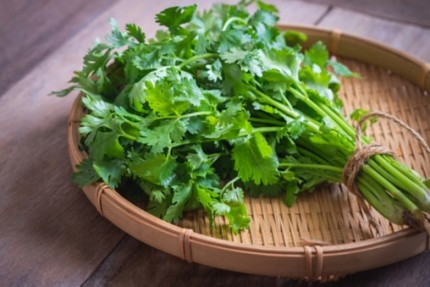
    Cilantro

    Cilantro New
    Cilantro is an herb that salsa lovers know well. People have been cooking and pickling with cilantro for eons. In fact, cilantro seeds were found in King Tut’s tomb.
    In addition to being yummy, cilantro has established anticonvulsant properties, with researchers identifying the molecular underpinnings explaining its anti-seizure activity in a mechanistic study published in FASEB Journal.
    "We discovered that cilantro, which has been used as a traditional anticonvulsant medicine, activates a class of potassium channels in the brain to reduce seizure activity," wrote principal investigator, Geoff Abbott, PhD, professor, Physiology and Biophysics, University of California, Irvine, School of Medicine, Irvine, CA. "Specifically, we found one component of cilantro, called dodecenal, binds to a specific part of the potassium channels to open them, reducing cellular excitability. This specific discovery is important as it may lead to more effective use of cilantro as an anticonvulsant, or to modifications of dodecenal to develop safer and more effective anticonvulsant drugs."

    Chocolate

    chocoloate
    Chocolate is a rich source of flavonoids, which burrow into the areas of the brain responsible for memory and learning—in particular, the hippocampus.
    The neural effects of flavanoids are hypothesized to occur for two reasons. First, flavanols—a popular group of flavonoids—interact with cellular cascades that form proteins involved in neuroprotection and neuromodulation, and promote neurogenesis, brain connectivity, and neuronal function. Second, they enhance angiogenesis and blood-flow in the central nervous system.
    The neuroprotective effects of flavanol consumption on age- and disease-related cognitive decline has been demonstrated in animal models, as well as in a handful of observational studies and trials. Nevertheless, any immediate action of flavanols on cognition is unclear.

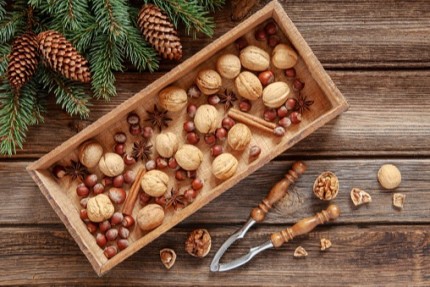
    Nuts

    Nuts 2
    Like chocolate, nuts are a rich source of flavonoids and may also promote brain health, in addition to anti-inflammatory, anti-carcinogenic, and cardiovascular benefits. (Anyone thinking dark chocolate almonds?)
    In a low-power study published in FASEB Journal, researchers analyzed the effects of nut consumption on brain waves, and found that certain types of nuts stimulated some brain frequencies more than others. For instance, pistachios stimulated gamma waves more than other types of nuts. Gamma waves play a crucial role in information retention, perception, rapid eye movement sleep, and learning.
    So, take heart. In the battle against age-related cognitive decline, which may start earlier than any of us suspected, it might never be too early to include these brain-friendly items in your diet.

    Friday, April 21, 2017

    Cognitive and mood improvements following acute supplementation with purple grape juice in healthy young adults

    It would take a lot to extrapolate this to most stroke survivors, they aren't healthy or young. But the real question to be answered; is red wine even better than grape juice for cognition and mood improvements? Both are sorely needed for stroke survivors, When will followup and an updated diet protocol occur?

    Cognitive and mood improvements following acute supplementation with purple grape juice in healthy young adults

    European Journal of Nutrition
    HaskellRamsay CF, et al. –
    In this study, researchers explore the benefit of acute supplementation of purple grape juice in healthy young adults. These outcomes in a small sample of healthy young adults propose that purple grape juice can acutely improve aspects of cognition and mood. No major impacts of juice were seen on memory measures, proposing that these may be less susceptible to manipulation following acute supplementation in healthy young adults. Potential mechanisms underlying these impacts include modulation of cerebral blood flow, glucoregulation and inhibition of monoamine oxidase activity, all of which require further exploration.

    Methods

    • For this research, they designed a randomised, placebo–controlled, double–blind, counterbalanced–crossover study.
    • This study evaluated the impacts of 230 ml purple grape juice or sugar–matched control in 20 healthy young adults.
    • Computerised measures of episodic memory, working memory, attention and mood were finished at baseline and following a 20–min absorption period.

    Results

    • In this study, they observed that the purple grape juice significantly enhanced reaction time on a composite attention measure (p = 0.047) and increased calm ratings (p = 0.046) when compared to placebo.
    • Order impacts likewise showed an enduring positive effect on pre–dose memory reaction time (p = 0.018) and post–dose calm ratings (p = 0.019) when purple grape was consumed first.

    Sunday, February 5, 2017

    Regular intake of grapes may protect against early memory decline linked to Alzheimer's disease

    Ask your doctor what type of grapes, red, green, black? Or will red wine be even more helpful? If s/he doesn't know ask when they will know the specific answer as to amounts and type.  4 years and still doing nothing with this is incredible incompetency.

    Novel Role of Red Wine-Derived Polyphenols in the Prevention of Alzheimerʼs Disease Dementia and Brain Pathology: Experimental Approaches and Clinical Implications  Oct. 2012

    Ask Well: Health Benefits of Red Wine vs. Grape Juice Jan. 2016

    Grape Juice, Berries, and Walnuts Affect Brain Aging and Behavior March 2016

     The latest here:

    Regular intake of grapes may protect against early memory decline linked to Alzheimer's disease


    Consuming grapes twice a day for six months protected against significant metabolic decline in Alzheimer-related areas of the brain in a study of people with early memory decline. Low metabolic activity in these areas of the brain is a hallmark of early stage Alzheimer's disease. Study results showed a grape-enriched diet protected against the decline of metabolic activity. Additionally, those consuming a grape-enriched diet also exhibited increased metabolism in other areas of the brain that correlated with individual improvements in attention and working memory performance, compared to those on the non-grape diet. Results of the randomized controlled research study, conducted by the University of California, Los Angeles, were recently published in Experimental Gerontology.
    "The study examines the impact of grapes as a whole fruit versus isolated compounds and the results suggest that regular intake of grapes may provide a protective effect against early decline associated with Alzheimer's disease," said Dr. Daniel H. Silverman, lead investigator of the study. "This pilot study contributes to the growing evidence that supports a beneficial role for grapes in neurologic and cardiovascular health, however more clinical studies with larger groups of subjects are needed to confirm the effects observed here."
    In the study, subjects with early memory decline were randomly selected to receive either whole grape powder - equivalent to just 2 ¼ cups of grapes per day - or a polyphenol-free placebo powder matched for flavor and appearance. Cognitive performance was measured at baseline and 6 months later. Changes in brain metabolism, assessed by brain PET scans, were also measured at baseline and 6 months later. PET scans provide valuable predictive and diagnostic value to clinicians evaluating patients with dementia symptoms.
    The results showed that consuming grapes preserved healthy metabolic activity in the regions of the brain that are affected by the earliest stages of Alzheimer's disease, where metabolic decline takes hold. Subjects who didn't consume grapes exhibited significant metabolic decline in these critical regions. Additionally, those consuming the grape-enriched diet showed beneficial changes in regional brain metabolism that correlated to improvements in cognition and working memory performance.
    Grape polyphenols help promote antioxidant and anti-inflammatory activities. Research suggests that grapes may help support brain health by working in multiple ways - from reducing oxidative stress in the brain to promoting healthy blood flow in the brain to helping maintain levels of a key brain chemical that promotes memory to exerting anti-inflammatory effects.
    Alzheimer's disease is a brain disease that results in a slow decline of memory and cognitive skills. Currently 5.4 million Americans are living with Alzheimer's disease and the numbers continue to grow. The cause of Alzheimer's disease is not yet fully understood, but believed to be a combination of genetic, environmental and lifestyle factors.

    Tuesday, March 1, 2016

    Grape Juice, Berries, and Walnuts Affect Brain Aging and Behavior

    Only from 2009 and I bet your hospital has DONE NOTHING to create a stroke diet protocol based on this. I bet no one has created a protocol for the amounts needed to achieve these results. 

    Grape Juice, Berries, and Walnuts Affect Brain Aging and Behavior


    1. Lauren M. Willis
    + Author Affiliations
    1. USDA-Agricultural Research Service, Jean Mayer Human Nutrition Research Center on Aging at Tufts University, Boston, MA 02111
    1. *To whom correspondence should be addressed. E-mail: jim.joseph@ars.usda.gov.

    Abstract

    Numerous studies have indicated that individuals consuming a diet containing high amounts of fruits and vegetables exhibit fewer age-related diseases such as Alzheimer's disease. Research from our laboratory has suggested that dietary supplementation with fruit or vegetable extracts high in antioxidants (e.g. blueberries, strawberries, walnuts, and Concord grape juice) can decrease the enhanced vulnerability to oxidative stress that occurs in aging and these reductions are expressed as improvements in behavior. Additional mechanisms involved in the beneficial effects of fruits and vegetables include enhancement of neuronal communication via increases in neuronal signaling and decreases in stress signals induced by oxidative/inflammatory stressors (e.g. nuclear factor κB). Moreover, collaborative findings indicate that blueberry or Concord grape juice supplementation in humans with mild cognitive impairment increased verbal memory performance, thus translating our animal findings to humans. Taken together, these results suggest that a greater intake of high-antioxidant foods such as berries, Concord grapes, and walnuts may increase “health span” and enhance cognitive and motor function in aging.

    Footnotes

    • ↵1 Published in a supplement to The Journal of Nutrition. Presented at the conference “Grape Health Workshop,” held in San Francisco, CA, December 2–3, 2008. The supplement coordinator for this supplement is John M. Pezzuto, University of Hawaii at Hilo. Publication costs for this supplement were defrayed in part by the payment of page charges. This publication must therefore be hereby marked “advertisement” in accordance with 18 USC section 1734 solely to indicate this fact. The conference was organized by the National Grape and Wine Initiative (NGWI) (its contents are solely the responsibility of the authors and do not necessarily represent the official views of NGWI). Supplement Coordinator disclosure: John M. Pezzuto serves as Chair of the Grant Review Committee of the California Table Grape Commission. John M. Pezzuto received an honorarium to serve as moderator at the Grapes and Health Workshop. Supplement Guest Editor disclosure: Maria-Luz Fernandez has no relationships to disclose. The opinions expressed in this publication are those of the authors and are not attributable to the sponsors or the publisher, Editor, or Editorial Board of The Journal of Nutrition.

    Saturday, January 9, 2016

    Ask Well: Health Benefits of Red Wine vs. Grape Juice

    So you have an answer when your doctor doesn't allow red wine. It is just me, but my doctor told me nothing about my stroke or recovery, maybe you have an outlier for a doctor, you better hope so. 

    Ask Well: Health Benefits of Red Wine vs. Grape Juice


    The relevant paragraphs;

    We keep hearing about the benefits of drinking red wine. Why not grape juice instead? It has the same benefits, plus no alcohol.

    Reader Question • 60 votes
    A
    Red wine is probably better for you than grape juice because the fermentation process involved in making wine changes the makeup of the juice, and the skin of the grape, which is loaded with healthful antioxidants, is more likely to be used in the winemaking process, said Dr. Antonia Trichopoulou, a professor and director of the World Health Organization Collaborating Center for Nutrition at the University of Athens School of Medicine in Greece.
    The color of the wine indicates how many healthful nutrients known as polyphenols the drink contains. “Red has more than white, and white more than beer,” said Dr. Miguel Ángel Martínez González of the University of Navarra in Spain. Red wine also contains alcohol, and many observational studies have shown that drinking alcoholic beverages in moderation reduces the risk of coronary heart disease, he said, by increasing levels of healthy HDL cholesterol and reducing the clumping of platelets that can lead to clots inside blood vessels.
    A compound that may be responsible in part for wine’s health benefits, called resveratrol, is also present in grape juice. But it’s almost impossible to tell how much there is in a particular glass of wine or grape juice, and naturally occurring levels of resveratrol may be too low to have a pronounced effect on health, said Leonard Guarente, who studies the biology of aging at M.I.T.


    Tuesday, October 2, 2012

    Novel Role of Red Wine-Derived Polyphenols in the Prevention of Alzheimerʼs Disease Dementia and Brain Pathology: Experimental Approaches and Clinical Implications

    Since we as stroke survivors may be more likely to get Alzheimers your doctor will need to get this article and see if there is any way a prevention protocol can be inferred from it.  Ask your doctor.
    https://www.thieme-connect.com/ejournals/abstract/10.1055/s-0032-1315377

    Abstract

    Recent studies suggest that by the middle of this century, as many as 14 million Americans will have Alzheimerʼs disease, creating an enormous strain on families, the health care system and the federal budget. There are still widespread misconceptions about issues related to the prevention and/or treatment of disease pathogenesis, leaving us unprepared to deal with the disease. To address these challenges, several therapeutic approaches are currently under investigation, mainly in an attempt to delay disease onset and eventually slow down its progression. Recent epidemiological evidence has implicated the protective role of dietary polyphenols from grape products against Alzheimerʼs disease. Furthermore, experimental evidence supports the hypothesis that certain bioactive grape-derived polyphenols may protect against Alzheimerʼs disease-type cognitive deterioration, in part by interfering with the generation and assembly of β-amyloid peptides into neurotoxic oligomeric aggregated species. Brain-targeting polyphenols have been shown to significantly reduce the generation of β-amyloid peptides in primary cortico-hippocampal neuron cultures, and preliminary results indicate that they may influence neuronal synaptic plasticity. Recent evidence has also implicated the role of certain grape-derived preparations in beneficially modulating tau neuropathology, including reducing tau aggregation. Studies suggest that dietary polyphenolics may benefit Alzheimerʼs disease by modulating multiple disease-modifying modalities, both β-amyloid-dependent and independent mechanisms, and provide impetus for the development of polyphenolic compounds for Alzheimerʼs disease prevention and/or therapy.