Changing stroke rehab and research worldwide now.Time is Brain! trillions and trillions of neurons that DIE each day because there are NO effective hyperacute therapies besides tPA(only 12% effective). I have 523 posts on hyperacute therapy, enough for researchers to spend decades proving them out. These are my personal ideas and blog on stroke rehabilitation and stroke research. Do not attempt any of these without checking with your medical provider. Unless you join me in agitating, when you need these therapies they won't be there.

What this blog is for:

My blog is not to help survivors recover, it is to have the 10 million yearly stroke survivors light fires underneath their doctors, stroke hospitals and stroke researchers to get stroke solved. 100% recovery. The stroke medical world is completely failing at that goal, they don't even have it as a goal. Shortly after getting out of the hospital and getting NO information on the process or protocols of stroke rehabilitation and recovery I started searching on the internet and found that no other survivor received useful information. This is an attempt to cover all stroke rehabilitation information that should be readily available to survivors so they can talk with informed knowledge to their medical staff. It lays out what needs to be done to get stroke survivors closer to 100% recovery. It's quite disgusting that this information is not available from every stroke association and doctors group.

Showing posts with label doctor competence?. Show all posts

Wednesday, September 2, 2026

Some people carry Alzheimer’s damage yet stay sharp, and scientists think they know why


Will your competent? doctor and hospital get further research going so you can be like Bernadette the nun?(The link has disappeared but any competent doctor will know exactly what Bernadette represents!)

Some people carry Alzheimer’s damage yet stay sharp, and scientists think they know why

Some people carry the biological hallmarks of Alzheimer’s disease in their brains yet stay mentally sharp, and scientists believe they are closing in on why. According to ScienceDaily, a study from the Netherlands Institute for Neuroscience suggests the answer may lie in how a rare group of brain cells responds to damage.

The existence of people who resist Alzheimer’s despite having its physical signature has long puzzled researchers and hinted at a hidden protective mechanism. Understanding that resilience could be as valuable as understanding the disease itself, because it points toward what keeps a brain functioning even under attack.

Resilience despite the damage

Researchers have long puzzled over individuals whose autopsies reveal the plaques and tangles associated with Alzheimer’s but who showed little or no cognitive decline in life. The new work points to immature neurons — a small population of cells — and how they react when the brain is under assault, as a possible source of that resilience.

 Related video: Study identifies protein that could help protect memory as we age (WKYC-TV Cleveland) 

These immature neurons, capable of adapting and maturing, may help the brain compensate for damage rather than succumb to it. If their response is what preserves memory in resilient individuals, then bolstering that same response could, in principle, help others withstand the disease’s physical toll — a very different goal from simply removing the toxic proteins.

Why this angle is promising

Much Alzheimer’s research has focused on removing the toxic proteins that accumulate in the disease. Studying resilience flips the question: instead of asking only what causes decline, it asks what protects against it. If the brain has natural defenses that keep some people sharp, understanding those defenses could point toward ways to strengthen them in others. Years of drug development aimed at clearing plaques have produced only modest results, which has pushed the field to look for complementary strategies. Learning how some brains stay sharp despite the damage offers one such path: rather than fighting the pathology directly, treatments might aim to enhance the brain’s own capacity to cope with it.

A different route to treatment

Identifying the cells and mechanisms behind cognitive resilience could eventually inform therapies aimed at preserving memory rather than only clearing plaque. That approach is early and far from a treatment, but it reflects a broader shift in the field toward understanding why some brains withstand Alzheimer’s pathology — a question whose answer could matter as much as understanding the damage itself. Turning insights about immature neurons into a therapy would require far more research, and animal or laboratory findings do not always translate to patients. But the resilience angle broadens the search for solutions beyond the plaque-clearing strategies that have dominated the field, and it holds out the possibility of protecting cognition even when the disease’s physical hallmarks are present. This article was researched with the help of AI, with human editors creating the final content.

Monday, August 31, 2026

A new study says this simple change may reduce dementia risk by 50%


Until my spasticity is cured I'll never become a 'super mover'. Which means your competent? doctor has to have other protocols that prevent dementia.

A new study says this simple change may reduce dementia risk by 50%

By this point, we have all heard about the health benefits of walking—from helping manage blood sugar to boosting mood. However, a new study shows a simple change in how you walk may reduce your dementia risk by 50%—and it has nothing to do with walking 10,000 steps per day or for 15 minutes after every meal. Spoiler alert: It has to do with your pace.

The study published in Neurology on July 14 analyzed data from seven studies. Five were aging studies from the Health and Retirement Study International Network of Studies (HRS-INS) that involved approximately 4,000 older adults with an average age of about 84. The other two were smaller studies (the LonGenity Study and RUSH Memory Aging Project (RUSH MAP)) of adults ages 80 and older. The researchers used brain scans or examined post-mortem brain tissue.

"We studied adults aged 80 and older to identify a unique group we call ‘super movers’—people whose walking speed is comparable to that of adults in their 50s and 60s," says Joe Verghese, M.D., the head neurologist behind the new research and chair of neurology at Renaissance School of Medicine at Stony Brook University. "We then compared their cognition with that of other adults the same age to understand what makes them different."

 Related video: New study examines dementia risk factors (WKRN Nashville)
What the study found

The results were drawn from follow-up periods between approximately 3.5 to 5.5 years and showed that the "super movers" had about a 50% lower risk of developing cognitive impairment than their peers and 60% less likely to report a diagnosis of Alzheimer’s disease or another dementia. They also had a slower decline in memory and thinking skills over time, which was measured by memory recall, processing speed, and mental flexibility tests.

"Even more surprisingly, despite having better cognitive function, they had similar levels of dementia-related brain pathology which suggests they may have resilience mechanisms that protect the brain from developing cognitive symptoms," says Dr. Verghese.

For example, “super mover” brains had bigger hippocampi (the part of the brain responsible for memory functioning), according to Erica Weiss, Ph.D., a clinical neuropsychologist on the study and associate professor of neurology at Albert Einstein College of Medicine.

The takeaway

This new research not only supports the idea that you should walk more, but that you should pick up the pace if you can. "Gait speed at 80 years of age and older is one of the best single predictors of overall physiological health because it integrates cardiovascular, musculoskeletal, neurological, and metabolic function simultaneously," says Nir Barzilai, M.D., one of the study’s researchers and a professor from the department of genetics at the Albert Einstein College of Medicine. "What this study captures isn't just ‘movement is good for the brain’; it's that whole-body biological aging pace shows up in how you walk, and that same pace protects every system."

Staying physically active and maintaining mobility should be viewed as an important part of brain health, adds Dr. Verghese. "Regular exercise, managing chronic medical conditions, and paying attention to changes in walking or balance may help preserve both physical independence and cognitive function as we age," he says.


Friday, August 28, 2026

Can Creatine Help Non-Athletes? A Physical Therapist Weighs In


Ask your competent? doctor EXACTLY what should be done with this! Hemming or hawing is grounds for firing!

creatine (21 posts to February 2015)

Can Creatine Help Non-Athletes? A Physical Therapist Weighs In

Creatine may have less risk than other supplements, but who might benefit is unclear

Creatine may help boost athletes' ability to perform high-intensity activities like resistance training, sprinting, and jumping.

But can it help others?

Muscle mass declines with age, and the purported benefits of creatine supplements may extend beyond athletes to other people who don't have a contraindication, said Brian DeVeaux, DPT, of Northwell STARS Rehabilitation and Hofstra University in Hempstead, New York.

While a 2004 randomized trial found that patients did not benefit from creatine 12 weeks after anterior cruciate ligament reconstruction, DeVeaux believes the supplement can help improve recovery after injury, especially for people who have been in a brace for some time and haven't been mobile.

"I think it can help enhance strength gains," DeVeaux told MedPage Today, noting that patients need more than creatine supplements to support the rehabilitation process.

Creatine might have other benefits. The overall body of literature about creatine and brain health is inconsistent and has significant knowledge gaps, but in a study of 20 Alzheimer's patients who received creatine monohydrate supplements, brain creatine increased by 11% from baseline over 8 weeks -- an outcome that should be interpreted with caution, the researchers said.

Creatine is produced naturally in the body. It helps improve metabolism by regenerating adenosine triphosphate (ATP) from adenosine diphosphate (ADP).

Creatine supplements are not recommended for adolescents due to limited data. Except for people with significant kidney disease, creatine appears to be safe for most adults if it's accurately labeled, Pieter Cohen, MD, of Cambridge Health Alliance and Harvard Medical School in Boston, said in an interview last year with MedPage Today.

"The problem is that's not assured, because all creatine is being sold as dietary supplements," Cohen pointed out.

"Supplements don't get vetted like pharmaceutical or even over-the-counter medications do," he said. "Study after study has demonstrated that what's in a supplement product is not necessarily what's on the label." A good way to prevent that would be to buy a supplement that's verified by a high-quality third-party certification program like the U.S. Pharmacopeia (USP) dietary supplement verification program, he added.

Large clinical trials are not required to promote the benefits of supplements, Cohen noted. "Unlike pharmaceutical drugs, a supplement could be promoted as having health benefits, even when none are proven in humans," he said.

Individuals need to be aware of what kind of creatine they are buying and how much they are taking, DeVeaux emphasized. The product should be creatine monohydrate, he added. A daily dose of 3 to 5 grams is considered standard.

Creatine users may have gastrointestinal problems like bloating or stomach discomfort, DeVeaux noted. Not staying well-hydrated while taking the supplement can lead to dehydration and cramping.

People who want to use creatine need to start with a good nutrition plan from food and not rely on supplements, DeVeaux observed. Creatine can help "build strength and power," he stated. But it's critical to have a solid strength and conditioning program and guidance "on top of that" for creatine to be effective, he said.

Wednesday, August 26, 2026

Recombinant CXCL16 reduces brain injury by modulating microglial phenotype and attenuating apoptosis in acute ischemic stroke

 Your competent? doctor can tell you all about chemokines and their role in your recovery, right? Or are you going to say nothing and let incompetence fester? And not initiating human testing is an even worse offense!

Recombinant CXCL16 reduces brain injury by modulating microglial phenotype and attenuating apoptosis in acute ischemic stroke


Abstract

Chemokines are traditionally known for their roles in immune cell recruitment during inflammation, but emerging evidence suggests that they may also directly regulate cellular states within the central nervous system. Specifically, it remains unclear whether CXCL16 affects microglial functional states in ischemic stroke. Here, we demonstrated that recombinant CXCL16 (rCXCL16) modulated the expression of inflammation- and repair-associated markers in primary microglia and in the ischemic brain. Functionally, microglia pretreated with rCXCL16 increased HT-22 cell viability and reduced apoptosis in an indirect co-culture system. Consistently, in vivo administration of rCXCL16 reduced infarct size, restored neurobehavior performance, and suppressed apoptosis in experimental stroke in mice. These findings identify rCXCL16 as a modulator of microglial responses and suggest that its neuroprotective effects are associated with reduced inflammatory marker expression and attenuation of apoptotic injury after ischemic stroke.

Study Finds Peppermint Oil May Lower Blood Pressure Within Just 20 Days

 Do nothing until your competent? doctor prescribes this in 50 years.

Study Finds Peppermint Oil May Lower Blood Pressure Within Just 20 Days

Cocoa looks promising for mood, but the brain benefits come with a catch

Have your competent? doctor verify an EXACT PROTOCOL on cocoa, you don't want to wait 50 years before even getting conclusive research!

 Or you could read all this research on your own and decide since your doctor won't do a damn thing!

 Cocoa looks promising for mood, but the brain benefits come with a catch

From mood regulation and gut microbes to memory and neuroplasticity, cocoa shows intriguing effects on the brain, but the strongest cognitive benefits remain largely confined to preclinical studies.
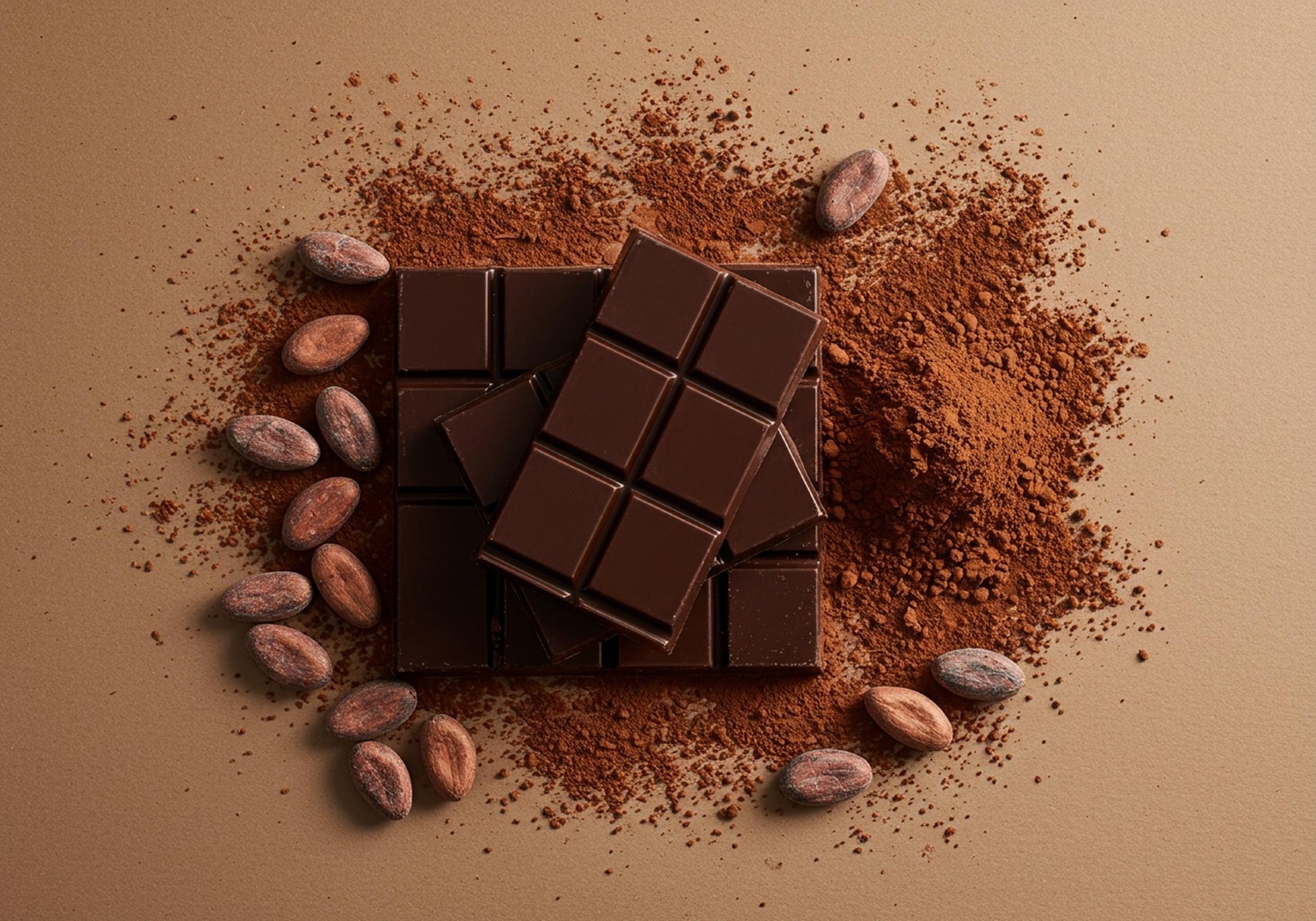
Review: Cocoa polyphenols in brain health: BDNF/CREB-mediated mechanisms in depression, cognition, and the gut–brain axis. Image Credit: InspireNest / Shutterstock

Review: Cocoa polyphenols in brain health: BDNF/CREB-mediated mechanisms in depression, cognition, and the gut–brain axis. Image Credit: InspireNest / Shutterstock

A recent study published in the journal Frontiers in Nutrition reviewed evidence on the effects of cocoa polyphenols on brain health.

Neurological and depressive disorders are significant health concerns worldwide. The pathophysiology of both depressive and neurological disorders comprises interrelated mechanisms, including excitotoxicity, mitochondrial dysfunction, and reduced expression of neurotrophic factors (e.g., brain-derived neurotrophic factor [BDNF]). Diet and nutrition have increasingly been recognized as modifiable determinants of cerebral health.

Dietary bioactive compounds, especially polyphenols, have diverse effects on the central nervous system (CNS) by acting on anti-inflammatory, neuromodulatory, and antioxidant pathways. Cocoa contains high levels of polyphenols and is recognized as a potential neuroprotective candidate. Flavanols and procyanidins are abundant in cocoa, and some cocoa-derived compounds and metabolites may reach the brain and influence cerebral regions linked to cognitive function.

Cocoa flavanols can improve cerebral blood flow and endothelial function and modulate neuroinflammation. Moreover, the flavanol epicatechin has been shown to enhance learning and spatial memory in animal models. Nevertheless, the molecular mechanisms linking cocoa polyphenols to neuroprotection have yet to be elucidated. In the present study, researchers summarized current evidence on cocoa polyphenols in the context of brain health.

Effects of cocoa polyphenols on depressive symptoms and the gut-brain axis

Clinical studies have examined the effects of dark chocolate or cocoa polyphenols on mood, emotional well-being, and depression. A randomized controlled trial in 47 overweight or obese middle-aged adults found that depressive symptoms decreased in both the cocoa and control groups after four weeks; cocoa supplementation also increased plasma homovanillic acid, which was associated with changes in depressive symptoms. Separately, another trial found modest but statistically non-significant reductions in neuropathy scores after 12-week cocoa supplementation among people with type 2 diabetes.

Further, dark chocolate intake for eight weeks was found to reduce depression among menopausal women relative to milk chocolate intake. Another study showed that consuming cocoa polyphenol beverages improved contentment and calmness after 30 days, although no significant acute effects on cognition or mood were observed. An eight-week crossover study reported that high cocoa liquor improved mood, fatigue, and residual function in individuals with chronic fatigue syndrome.

A study reported improvements in negative affect in healthy individuals with 30 g/day of 85% cocoa dark chocolate for three weeks, but not with 70% cocoa chocolate. 16S ribosomal RNA (rRNA) sequencing of fecal samples revealed an increase in gut microbial diversity and Blautia obeum levels and a reduction in Faecalibacterium prausnitzii levels. Notably, changes in negative affect negatively correlated with the relative abundance of B. obeum and microbial diversity. However, these associations did not establish that the microbiome changes caused the improvement in negative affect.

Effects of cocoa polyphenols on neural plasticity and cognitive function

Cocoa interventions have generally been reported to modulate cognitive performance and synaptic plasticity in animal models. A combination of polyunsaturated fatty acids, probiotics, and chocolate improved memory and spatial learning in Wistar rats, although the study could not isolate the contribution of chocolate. In a rat model of Alzheimer’s disease (AD), cacao administration enhanced recognition and spatial memory and decreased neuronal degeneration in the hippocampus.

Human studies have yielded more heterogeneous results. For instance, an acute dose of cocoa flavanols with or without caffeine had no effect on working memory or attention in young adults. In contrast, slight improvements in processing speed and cognitive flexibility were reported in postmenopausal women consuming 99% cocoa chocolate for six months, although other cognitive measures did not improve. However, one trial did not find improvements in reaction time and cognitive accuracy with cocoa flavanols.

Dark chocolate consumption was reported to improve verbal episodic memory in healthy young adults. Likewise, another study reported improvements in cognitive performance and increases in plasma nerve growth factor with dark chocolate. Consuming beverages high in cocoa flavanols before exercise enhanced exercise-induced improvements in executive function but did not improve memory. A four-week study found that dark chocolate intake reduced fatigue and may have indirectly enhanced cognitive performance.

Concluding remarks

Taken together, cocoa polyphenols have diverse neurocognitive health effects. The review identified the strongest evidence for effects on depression and mood, although human clinical studies remain limited and heterogeneous, and preliminary findings highlight that cocoa-induced gut microbiota changes may play a role in improving negative affect. However, their effects on cognitive domains (e.g., learning and memory) are heterogeneous. Preclinical studies report consistent improvements in hippocampal neurogenesis, spatial memory, and plasticity.

However, large randomized clinical trials have generally found negligible or no substantial improvements in overall cognition. Moreover, while preclinical studies indicate the involvement of multiple pathways underlying the reported effects, these mechanisms have not been adequately investigated in human populations. Future research should adopt more integrative, translational, and precise methodologies alongside larger, standardized, and longer-term clinical trials to better elucidate the potential therapeutic effects of cocoa polyphenols.

Journal reference:

Tuesday, August 25, 2026

Nano Proton Scavengers Modulate Endosomal pH to Inhibit Microglial Activation and Enhance Stroke Recovery

 Ask your competent? doctor when this will be ready for prime time and deliver 100% recovery. 

Nano Proton Scavengers Modulate Endosomal pH to Inhibit Microglial Activation and Enhance Stroke Recovery


1,2, 1,2, 1,2, 1,2,, 2,3,
PMCID: PMC13496290  PMID: 42627642

ABSTRACT

Endosomes play a crucial role in immune regulation, yet their effect on microglial behavior in ischemic stroke is not well‐documented. While drug‐loaded nanoparticles can modulate microglial inflammation, their intrinsic biological effects on microglial activation are underexplored. We demonstrate that inhibiting endosomal acidification reduces pro‐inflammatory microglial polarization, limits pathological engulfment of neurons, and reduces neuronal apoptosis. To achieve the same effects in vivo, building on a validated dual‐site buffering mechanism of sulfonated chitosan, we develop sulfonated Nano Proton Scavengers (sNPS) as a materials‐based strategy to modulate endo/lysosomal pH. After cerebral ischemia, sNPS showed greater fluorescence‐associated enrichment in the ipsilateral than in the contralateral hemisphere and was associated with brain‐resident and infiltrating immune‐cell populations. In the injured brain, sNPS alleviated endo/lysosomal acid stress, suppressed TLR3/4‐linked inflammatory signaling, and normalized inflammation‐driven endo/lysosomal remodeling and proton‐loading machinery, thereby restraining maladaptive microglial activation. This immunomodulation was accompanied by improved neural structural preservation and post‐stroke survival and functional outcomes. These findings identify endosomal pH homeostasis as a tractable intracellular cue for material‐driven immunoregulation and suggest that sNPS offers a complementary therapeutic direction for ischemic stroke.

Keywords: endosomes, inflammation, ischemic stroke, microglia, toll‐like receptors


Amphiphilic sulfonated chitosan nanoparticles buffer endo/lysosomal acidity in microglia by limiting V‐ATPase membrane recruitment and restoring endosomal homeostasis. Following systemic administration, they accumulate in the ischemic hemisphere partly through association with infiltrating immune cells, suppress TLR3/IRF3 and TLR4/NF‐κB signaling, reshape the inflammatory microenvironment, and promote neural repair and functional recovery after stroke.

graphic file with name ADVS-9999-e77311-g008.webp

More at link.