Changing stroke rehab and research worldwide now.Time is Brain! trillions and trillions of neurons that DIE each day because there are NO effective hyperacute therapies besides tPA(only 12% effective). I have 523 posts on hyperacute therapy, enough for researchers to spend decades proving them out. These are my personal ideas and blog on stroke rehabilitation and stroke research. Do not attempt any of these without checking with your medical provider. Unless you join me in agitating, when you need these therapies they won't be there.

What this blog is for:

My blog is not to help survivors recover, it is to have the 10 million yearly stroke survivors light fires underneath their doctors, stroke hospitals and stroke researchers to get stroke solved. 100% recovery. The stroke medical world is completely failing at that goal, they don't even have it as a goal. Shortly after getting out of the hospital and getting NO information on the process or protocols of stroke rehabilitation and recovery I started searching on the internet and found that no other survivor received useful information. This is an attempt to cover all stroke rehabilitation information that should be readily available to survivors so they can talk with informed knowledge to their medical staff. It lays out what needs to be done to get stroke survivors closer to 100% recovery. It's quite disgusting that this information is not available from every stroke association and doctors group.

Showing posts with label aging in place. Show all posts

Friday, January 23, 2026

Adapting a Home to Age in Place: An Age Well conversation with Lakelyn Eichenberger, Ph.D.

I'll be living here for a long time

And because I just bought a 4-level condo with 7 steps to each floor I'll have enough practice doing steps, I'll still be doing them at age 100(currently 69). One level living means you didn't plan early enough to keep doing steps. Which means you can't travel to Europe since most bar/restaurant bathrooms are in the basement with no railings.)

Adapting a Home to Age in Place: An Age Well conversation with Lakelyn Eichenberger, Ph.D.

At a Glance
  • Adapting homes for physical challenges involves practical modifications in high-risk areas like bathrooms and kitchens, along with thoughtful solutions for stairs and improved lighting throughout the home. 
  • For individuals experiencing cognitive decline, specific home adjustments such as specialized shower heads, automatic stove shutoffs, and various alarm systems can significantly enhance safety and manage daily challenges. 
  • Successfully aging in place also relies heavily on a strong support system, encompassing social connections, community resources, professional home care services, and proactive planning for evolving needs. 

Lakelyn Eichenberger, Ph.D., is a gerontologist and spokesperson for Home Instead, an organization providing home care services for older people. Based in Omaha, Neb., she is a frequent public speaker and has appeared on programs including the Dr. Oz and Dr. Phil shows. We spoke with Dr. Eichenberger recently about ways people can adapt their homes as they age to make living in them safer and more manageable.  


The idea of aging in place — continuing to live independently in one’s own home in later years — is appealing to many people. What do you think drives that? 

It is a very popular sentiment. In fact, 90% of people would prefer to age in place at home. I think that correlates very directly to their perceived quality of life and happiness. 

Often they’ve lived in their homes for many years. Perhaps they raised their children there. Their home holds a lot of their memories. They also usually feel tied in various ways to their community. They have a local bank and grocery store they always go to. They may be involved in a faith community. They know their neighbors. All of that creates a social support network for them that they rightly want to retain.  

I think, too, that staying in one’s home can be important just from an emotional standpoint. It’s a symbol of independence and for some, leaving a home behind feels like admitting defeat. 

With that said, many homes aren't necessarily set up for aging in place, so there are some things people need to consider changing in order to stay home. Given the benefits, it's worth thinking about investing a little bit of money into just making sure your living environment is meeting your needs as you get older. 
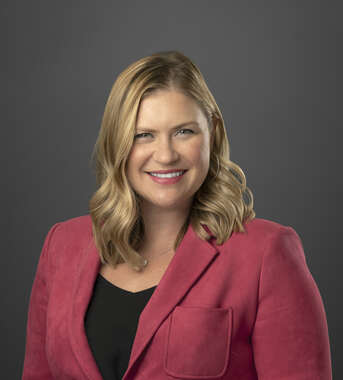
 

Pictured: 

Lakelyn Eichenberger

If you’re looking at what you can do to stay in your home longer or help your parents or other family members stay in theirs, it seems like the steps would be quite a bit different for addressing physical issues versus cognitive issues. Can you talk about each of those a bit? 

Taking the physical challenges first, I think there are four key areas that people should be thinking about. The first is adapting the home for safety. The second is minimizing the risks. Third is bringing in outside help, and fourth is making a plan which involves all of that.  

Begin by taking a look at which areas of the home you use most frequently. Are you experiencing any challenges in those areas? You may want to adopt some safety measures.  

Bathrooms and kitchens are where most falls occur. In a bathroom, adding things like grab bars can make a huge difference. Some people get concerned about the resale value of a home outfitted with things like that, but I say safety far outweighs that concern. Besides, the hardware can always be removed, so that’s not something to stress about. 

You should also make sure you have a secure mat outside the shower or bath that has a rubber backing to reduce tripping hazards. More significantly, cost-wise, you might consider converting a tub into a step-in shower to get more easily in and out and lessen the risk of slips and falls. It takes some advanced planning, obviously, but it’s an adaptation many people have found essential. 

Looking at the kitchen, if arthritis is starting to impact your dexterity and your ability to prepare meals for yourself, there’s a vast array of arthritis-friendly products, from jar grippers to large-handled utensils to reachers. If you have a rug in front of the sink that’s easy to trip over, consider getting one with a rubber backing or using double-sided tape to tape your current one to the floor.  

In the living room, do you have a favorite chair that’s getting harder to get in and out of, perhaps because the cushions have sunk in? Maybe it’s time to invest in a new comfortable chair to make watching TV more enjoyable and to improve your mobility.  

Small things like that can go a long way toward minimizing risks. 
What about stairs, and the reality that many people live in multi-story homes? 

Not only do most homes have multiple stories, but many of them don’t have a full bedroom and bathroom on the first floor. That is something to think through. If a person were no longer able to get up and down the stairs, is there a room on the main floor that could be temporarily converted into a bedroom, or would it be possible to build out a full bath if there is currently only a powder room or a half bath?  

If navigating stairs is still possible but becoming challenging, at the very least a staircase should be very well lit, with a light switch at the top and the bottom. Perhaps consider installing handrails on both sides for added stability. It can also be helpful to put a piece of colorful duct tape on the edge of the final stair at the bottom, just to provide a visual queue that it’s the end of the staircase. (Yep, my place has handrails on both sides, will need to re-install some of the brackets since they didn't drive them into studs.)

It would be wise, if climbing stairs is becoming difficult, to avoid carrying armloads of things up and down them — awkward laundry baskets, for instance. Very often, laundry rooms are in the basement or on the main floor while the bedrooms are all upstairs. So a couple of things could be considered here. Most simply, perhaps you switch from a basket to a laundry bag so you’re grasping just one little handle. As a pricier solution, some folks will have a stackable washer/dryer installed in a closet in the master bedroom or a hallway.  

There are lifts that you can install in a staircase, whether the staircase is straight or turns a corner. Split-level homes are an interesting challenge, because they’ll often have two or more short stairways. I’ve seen people install multiple lifts in those houses, but obviously that adds expense. 

There are several ways to manage issues with stairs, but I want to reemphasize lighting. People underestimate good lighting in places like hallways and stairs, and people of certain generations worry about their electricity bills, so they don’t keep a lot of lights on in the home. I understand where they’re coming from, but the great news is, we have a lot of very efficient light bulbs now, and having that light — especially at dusk and dawn — can prevent a lot of unnecessary falls and accidents. 

In addition, a motion-sensor nightlight by your bed can light the way to the bathroom at night, which is a very common time for serious falls. 
Can you share some adaptations to help people experiencing cognitive decline? 

There’s a lot to consider. One simple bathroom modification would be to install a detachable shower head that allows you to control where the water goes. People with dementia can become agitated when there’s water on their head or face. 

Kitchen safety is another source of concern for those living with cognitive impairment. An automatic stove shutoff can be installed that turns burners off after a certain length of time. Instead of having a knife block on the counter, maybe you move all the knives to a drawer just for safety. You should consider securing chemicals — for instance, a bottle of laundry soap could be mistaken for a jug of milk. 

Oftentimes, people living with cognitive impairment experience something called late-day agitation, or “sundowning.” Their circadian rhythm is disrupted, they become more agitated in the early evening hours and they sometimes are wakeful during the night at certain points. In those cases, it can be helpful to install a bed alarm underneath the top sheet or on the floor next to the bed to alert family if they’ve gotten up in the middle of the night. That may prevent falls or keep a person from wandering. 

If your loved one has wandered, or if you’re concerned that they may, putting alerts or alarms on the doors that lead to the exterior of the house to notify a family member can be helpful. Some phones and other personal emergency-response devices have GPS monitoring, as well. 


Aside from cognitive decline, isolation can have a negative impact on mental health too, correct? 

Oh, for sure, and that’s why a support network is so important. Who are the friends and family members? A lot of families have kind of dispersed nowadays, so you might not have a direct family member within driving distance, within the same state or even in the same country. If there isn’t family around, it’s important to figure out who you can lean on. Maybe it’s your faith community — many have volunteer programs. Maybe it’s tapping into your Area Agency on Aging. Look into things like senior centers — a lot of area agencies on aging have senior centers or community centers or multigenerational programming that you can get involved in. Do a self-audit of hobbies and activities you enjoy, and how you might do them in a social setting to continue those interactions and connections. 

We tend to see that when somebody has to stop driving themself, especially in communities where there's not great public transport, isolation starts to take root. So, if somebody does have to stop driving, it's really important to also come up with a plan on how they’re still going to be able to connect with those that they find enjoyment connecting with or getting to their social activities or to their appointments, because the last thing we want somebody to do is have to give up their keys and then become totally isolated. So, coming up with options and things to look forward to — maybe it’s a monthly or weekly family dinner, or continuing to go to a faith service on the weekend and having a volunteer come pick them up. Those kinds of things are really important to make sure that people aren't isolated, because we know that isolation can lead to a lot of health concerns — physical, mental and emotional. It can even increase the risk for cognitive decline.  


“We know that isolation can lead to a lot of health concerns — physical, mental and emotional. It can even increase the risk for cognitive decline.”

Lakelyn Eichenberger

What other steps should people consider to improve their ability to stay at home? 

Even though there are a lot of tools and conveniences to help you age in place, your own health, strength and mobility obviously impact your ability to stay home. So I think it’s extremely important to stay physically active as you get older in whatever way works for you that has your doctor’s approval. Keeping up your strength and mobility can help you move about your environment better and live in it more safely. 


Practically speaking, there comes a point when you just can’t do all the things you once did. So part of aging in place inevitably has to include having help around the house, doesn’t it? 

Yes, most of the time. A lot of people think, “Oh, my family will just help out,” and many family members do want to jump in and help. But we’re seeing more adult children in that “sandwich” generation, raising their own kids and helping to look after their older loved one while still working, and that limits the amount of time that they could be there to provide support. I think it’s important again to start thinking ahead about who’s in your support network, and while that can perhaps include family and neighbors that you know, professional support can really be an important supplement. 


When you’re talking about professional support in-home, you’re not talking about health-care issues, but more about things like cleaning, cooking, doing chores around the house? 

Yes. Home health care is what a lot of people know of as a service that comes into the home, and those folks do more of the medical tasks. Home care is a very complementary service to home health care. To your point, they can help with meal preparation, laundry, running errands and transportation to appointments. Of course, there are also service providers that can help with snow removal, lawn care and other things like that. And especially in more metropolitan areas, delivery services are available from pharmacies and grocery stores. 

Sometimes local governments provide services. For example, a lot of local fire stations will come and install fire alarms or will change out the batteries on an annual basis for older adults. 

So there are plenty of support options around you that can be helpful in prolonging your ability to stay in your home. 
You mentioned fire alarms. On the topic of alarms and sensors generally, what about wearable alarm systems? 

They’re abbreviated as PERS, for personal emergency response systems. I think that those are a great option for individuals, especially if they live alone. A lot of older adults don’t want to wear them because they’re not fashionable, or because they’re kind of an outward expression that you’re getting older. But iPhones and iWatches now have fall-detection technology, and so do a lot of other smart watches and fitness monitors. PERS companies, too, are starting to make their devices less conspicuous, looking more like watches than pendants.  They really can be lifesaving for many people, often at pretty low cost. 


So, with the right combination of products and services and adaptations, aging in place is something that really is achievable for many people. 

Yes, and I would also add the other critical piece that I mentioned at the outset — having a plan. I cannot overstate the importance of thinking through, as best you can, when and how your needs are going to change. I have so many examples of people who have done this successfully with the right planning and support, and they experienced high levels of happiness and fulfillment. You can make it work! 

Tuesday, June 10, 2025

Experts Say This Type Of Exercise Is The 'Fountain Of Youth'— Especially If You're Over 50

 Your competent? doctor has a lot of work to do to get you recovered enough to do this!

Look at how long ago your doctor started working on this and incompetently has ACCOMPLISHED NOTHING!

  • resistance training (7 posts to November 2014)
  • Post-stroke Optimization of Walking Using Explosive Resistance training (1 post to September 2017)
  • Ballistic resistance training (1 post to November 2022)
  •   YOU REALLY THINK YOUR DOCTOR CAN DO THAT? I DON'T as proven but having no protocols to get there!

    Experts Say This Type Of Exercise Is The 'Fountain Of Youth'— Especially If You're Over 50

    Dr. Rachel Tavel PT, DPT, CSCS
    3 min read
    woman lifting weights, rear view
    Why Resistance Training Helps With Aging Paul Conrath - Getty Images
    Aging gracefully isn't just about staying active; it’s about choosing the right kind of activity to support your health. Resistance training (such as bodyweight, free weight, and resistance band exercises) is one of the best ways to counter the effects of aging, helping you build up muscle to support daily activities and prevent conditions like osteopenia and osteoporosis that can lead to bone fractures. And even if you've never lifted a weight before, it's never too late to start.

    “Weight training is the fountain of youth,” says Abby Bales, PT, DPT, CSCS, founder of Reform Physical Therapy. “Not only does it help increase and maintain bone density to prevent fractures, but the muscle mass that weight training builds also helps to regulate our blood sugar and metabolism.” Weight lifting can even improve balance and coordination, decreasing the frequency, severity, and likelihood of falls.

    On top of the physical benefits, resistance training has shown promise in staving off neurological conditions like Alzheimer’s and dementia, according to a 2023 study published in Frontiers in Neuroscience, making it a multi-benefit tool for aging well. You can think of lifting weights as your body’s best tool to promote resilience, energy, and independence through the aging process.

    Starting with small, manageable steps—such as incorporating resistance bands or light weights (at first) into your routine—can help you gain confidence and momentum while reaping the long-term benefits.

    Remember: Building a strength training routine doesn’t have to be complicated—it just needs to be consistent. “Start small, build gradually, and stick with it,” says Bales. She recommends starting with two or three sessions per week. Try rotating between upper body, lower body, and core exercises to keep things balanced.

    Progress takes time, so be patient. “Results usually show in six to eight weeks,” Bales explains. The key is to keep showing up and enjoy the process—your future self will thank you.

    Tips From Real Women Who Lift Weights

    Need some inspiration to get started? Weight lifting later in life doesn’t come without its fair share of challenges, but the rewards far outweigh the hurdles. Take it from these inspiring women, who spoke with WH previously about their later-in-life strength training journeys:

    • Marilynn Larkin says not to let fear or self-consciousness hold you back. “Feel your fear, then go through it,” she previously told WH. Following a cancer diagnosis, lifting weights became a way to push through her fears and embrace all that her body was capable of. “[Weight lifting] is all about allowing your body to reach its full potential and accepting it as it is.”

    • Ginny MacColl recommends starting with a small yet challenging goal and celebrating each milestone—no matter how small, focusing on progress, not perfection. “Little by little, these small steps lead to big changes,” she previously told WH, after becoming the oldest woman to complete an obstacle on American Ninja Warrior and breaking a Guinness World Record as a result. “Instead of letting negativity and thoughts like 'I can’t' creep in, I focus on getting stronger, physically and mentally. It works.”

    • Michelle Alber says don’t wait. After just 18 months of training focused on progressive overload (gradually increasing the weight and intensity of her workouts) and working with a coach to ensure her routine was safe and effective, she reversed her osteoporosis. “There is never a ‘perfect’ time to start or a ‘right’ time to do anything,” she previously told WH. “Was it hard to make major lifestyle changes at 65? Yes! But it’s about choosing your ‘hard’ and taking control of your life.”

    Wednesday, May 7, 2025

    A Longevity Expert’s 5 Tips for Aging Well

     This paragraph is hopeful for me: 

    The researchers suspected the key to healthier aging was genetic. But after sequencing the genomes of 1,400 of these aging outliers — a cohort they called the “Wellderly” — they found almost no difference between their biological makeup and that of their peers. They were, however, more physically active, more social and typically better educated than the general public. 

    I'm quite active, very, very social, better educated.

    And the social aspects are vastly increased by alcohol; Smarter People Tend To Drink More Alcohol

    But remember your doctor thinks alcohol has no valid use whatsoever, so you can't listen to me. Here is what your doctor will use, no thinking required:

    Safest level of alcohol consumption is none, worldwide study shows


    Your competent? doctor needs to get you 100% recovered immediately before you lose the first two groups of friends that Aristotle describes.  DEMAND results or your doctor will use the craptastic saying; 'All strokes are different, all stroke recoveries are different'. You can't allow your doctor to hide and cower behind that useless saying.

    I'm the happiest I've ever been and all because of my stroke.

    Aristotle believes that there are three different kinds of friendship; that of utility, friendship of pleasure, and virtuous friendship. 

     and that you will likely lose all of the first two post stroke?

    A Longevity Expert’s 5 Tips for Aging Well

    Friday, January 24, 2025

    Just bought a 3 level condo going against all advice to live on one level as you get older.

     I totally disagree, you stop doing steps, you stop being able to do them, thus vastly limiting your options for travel, dining out and recreation. As one of my moms' therapists told me, once you get an ejector recliner, pretty soon you won't be able to stand up from the kitchen table.
    Kitchen and dining room are on the entry level, downstairs bedroom with full bathroom down seven steps, up seven steps to living room and walkout deck, up 7 steps to main bedroom and full bath. Staire have good railings on both sides.  Since I'll be carrying cups of coffee up and down it will force better stair climbing.

    Friday, July 5, 2024

    Brain Rules for Aging Well: 10 Principles for Staying Vital, Happy, and Sharp

     Your basics in this book. Get the book for details, but it's mostly common sense

     Or these:

    10 brain rules for aging well
    1. Be a friend to others,
    and let others be a friend to you

    2. Cultivate an attitude
    of gratitude

    3. Mindfulness not only soothes
    but improves

    4. Remember, it’s never too late
    to learn—or to teach

    5. Train your brain
    with video games

    6. Look for 10 signs before asking,
    “Do I have Alzheimer’s?”

    7.  MIND your meals
    and get moving

    8.  For clear thinking, get enough
    (not too much) sleep

    9.  You can’t live forever,
    at least not yet

    10. Never retire,(I disagree on this one, work was ruining my health.)
    and be sure to reminisce

    Monday, April 29, 2024

    Climbing stairs reduces risk for all-cause, cardiovascular death

     But this goes against standard age-proofing your home:

    One of the best ways to age-proof a house is by having a master bedroom and bathroom on the first floor, says Mark Hager, founder of AgeInPlace.com. “You want to have everything you need on one level so that you don't have to climb stairs as you get older,” (I completely disagree! Climbing stairs keeps you fit and young! I just bought a condo on 4 levels; 7 steps between levels, that is going to keep me active. Age-proofing just enables much more sedentary behaviors which is going to kill you faster!)

    I'll be climbing stairs until the day I die. Or as we hear from our medical staff; 'Use it or lose it'.

    Climbing stairs reduces risk for all-cause, cardiovascular death

    Key takeaways:

    • Climbing stairs was associated with a 39% reduced risk for death from heart disease.
    • It was also associated with a 24% reduced risk for death from any cause.

    In a meta-analysis of studies covering more than 400,000 people, climbing stairs was associated with reduced risk for all-cause mortality and death from heart disease.

    “If you have the choice of taking the stairs or the lift, go for the stairs, as it will help your heart,” Sophie Paddock, MBBS, interventional cardiologist at the University of East Anglia and Norfolk and Norwich University Hospital Foundation Trust, Norwich, U.K., who presented the findings at ESC Preventive Cardiology 2024, said in a press release. “Even brief bursts of physical activity have beneficial health impacts, and short bouts of stair climbing should be an achievable target to integrate into daily routines.”

    Graphical depiction of data presented in article
    Data were derived from Paddock S, et al. Optimal exercise modalities for primary and secondary prevention. Presented at: ESC Preventive Cardiology; April 25-27, 2024; Athens, Greece.

    Paddock and colleagues reviewed nine studies with data from 480,520 participants and conducted a pooled analysis of five studies with 455,649 participants to determine the relationship between stair climbing and all-cause and CV mortality. The pooled cohort included healthy individuals as well as those with prior MI or peripheral artery disease. The age range was 35 to 84 years and 53% were women.

    Stair climbing was associated with a 39% reduced risk for CV mortality (RR = 0.61; 95% CI, 0.48-0.79; I2 = 84%; z-test = 3.76; P = .0002) and a 24% reduced risk for all-cause mortality (RR = 0.76; 95% CI, 0.62-0.94; I2 = 85%; z-test = 2.5; P = .01), according to the researchers.

    In a qualitative synthesis, the researchers concluded that there was a positive association between stair climbing and CVD including MI, ischemic stroke and HF.

    “Based on these results, we would encourage people to incorporate stair climbing into their day-to-day lives,” Paddock said in the release. “Our study suggested that the more stairs climbed, the greater the benefits — but this needs to be confirmed. So, whether at work, home, or elsewhere, take the stairs.”

    Reference:

    Climb stairs to live longer. https://www.escardio.org/The-ESC/Press-Office/Press-releases/Climb-stairs-to-live-longer. Published April 26, 2024. Accessed April 26, 2024.

    Sources/Disclosures

    Collapse

    Source:

    Paddock S, et al. Optimal exercise modalities for primary and secondary prevention. Presented at: ESC Preventive Cardiology; April 25-27, 2024; Athens, Greece.

    Disclosures: Paddock reports no relevant financial disclosures.

    Sunday, March 24, 2024

    Lessons on aging from the oldest people in the world: Eat your veggies, avoid toxic people, move your body and more

     I personally think social connections and fun are what is going to get me to 100

    Lessons on aging from the oldest people in the world: Eat your veggies, avoid toxic people, move your body and more

    This 117-year-old woman swears by
    This 117-year-old woman swears by "staying away from toxic people." The world's oldest man says to "work hard." What other longevity lessons can supercentenarians teach us? (Getty Images)
    This week, the Centers for Disease Control and Prevention announced that life expectancy in the United States rose to 77.5 years in 2022, though it still has not reached pre-pandemic levels. Some people, both in the U.S. and around the world, go on to live well past that — reaching their 110th birthday and beyond. They're called supercentenarians, and their habits can teach us a lot about aging and longevity, experts say.

    What has kept the oldest people in the world going, and what can we learn from them? Read on to get their lifestyle secrets — from prioritizing spirituality to eating produce — along with input from health experts on which ones are worth trying for ourselves.

    Cultivate positive relationships — and avoid toxic people

    Born in San Francisco in 1907, supercentenarian Maria Branyas, who currently lives in Spain, turned 117 earlier this month. Branyas is recognized by Guinness World Records as being the oldest validated living person in the world. She’s also among the oldest people known to have survived COVID-19, which she had in April 2020. When asked what contributes to her longevity, Branyas credited "order, tranquility, good connection with family and friends, contact with nature, emotional stability, no worries, no regrets, lots of positivity and staying away from toxic people."

    Connecting with friends and family is critical for longevity, Nathan Price, chief scientific officer at Thorne HealthTech and co-author of The Age of Scientific Wellness: Why the Future of Medicine Is Personalized, Predictive, Data-Rich, and in Your Hands, tells Yahoo Life. But you want to be conscious of the kind of people you’re associating with. “Positive social connections were found to be the strongest predictor of a longer life, as well as a greater sense of well-being,” notes Price, pointing to one of the longest-running studies on happiness out of Harvard.

    My ex was toxic and just now am cutting off a friend who displays a lesser version.

    Eat (and maybe even grow) your veggies

    In February, 114-year-old Elizabeth Francis of Houston became the oldest living person in the U.S. According to a profile by Today, Francis — born in 1909, when President William Howard Taft was in the White House — never smoked or drank alcohol, took regular walks until her early 90s and always had a little garden in her backyard where she grew her own vegetables, including collard greens, mustard greens, carrots and okra.

    “Home gardening and the consumption of fresh vegetables ... provide the body with essential nutrients, antioxidants and fiber that are crucial for maintaining health,” Diogo Barardo, a longevity researcher and director of research and development at anti-aging supplement brand NOVOS, tells Yahoo Life. “These practices promote a diet rich in plant-based foods, which has been associated with lower risks of obesity, heart disease, high blood pressure and certain cancers.” At the same time, gardening is a physical activity that can improve strength, flexibility and mental well-being, all of which contribute to a healthier, longer life, says Barardo.

    Move more

    Japan’s oldest known living person, Tomiko Itooka, is coming up on her 116th birthday on May 23. Itooka has prioritized physical activity throughout her life, from playing volleyball as a student to trekking as a senior. According to the Gerontology Research Group, Itooka was in her 80s when she participated in the Osaka 33 Kannon Pilgrimage — a pilgrimage to 33 Buddhist temples — twice. At 100, she reportedly climbed the long stone steps of Ashiya Shrine without a cane.

    Maddy Dychtwald, co-founder of the aging-focused group Age Wave and co-author of Ageless Aging: A Woman’s Guide to Increasing Healthspan, Brainspan and Lifespan, tells Yahoo Life she thinks of exercise as “a silver bullet for longevity.” “Regular movement of all kinds can lower your biological age as well as reduce your risk of cancer, stroke, heart disease, type 2 diabetes and osteoporosis,” the author says. “In addition, exercise can boost your mood and reduce the risk of sarcopenia, [which is] loss of muscle mass.” While Itooka’s ambitious adventures are admirable at any age, Dychtwald adds that “regular movement can even mean doing chores such as vacuuming, emptying the dishwasher.”

    When at home in Michigan I get 6-8,000 daily steps 4-5 times a week.

    Embrace spirituality — however that looks for you

    Born in 1908 in Brazil, Ina Canabarro Lucas, aka “Sister Inah,” is 115 years old and currently the oldest known living person in Latin America and the oldest living nun, according to the Gerontology Research Group. Currently residing in Porto Alegre, Rio Grande do Sul, Brazil, Lucas credits her longevity ​​to God.

    Although Lucas has been a nun for nearly 100 years, spirituality of all kinds can be a superpower for those who embrace it, says Dychtwald. “It gives them a strong sense of purpose and a feeling of connection to others and a power greater than themselves,” she notes. “Having a strong sense of purpose and meaning can add years to your life. It can also help you manage negative stress and help you feel more resilient, which helps you to live better longer.”

    Barardo agrees, adding, “Spirituality has been shown to contribute positively to longevity and quality of life by aiding in the healing of diseases, helping the elderly cope with stress and enhancing overall well-being.”

     I'm going after the spirituality of the Buddist Drukpa Kunley

    Drukpa Kunley - Divine Madman by Keith Dowman


    His temple we visited in Bhutan


    Work hard

    Venezuelan supercentenarian Juan Vicente Pérez Mora — who will turn 115 years old on May 27 — is the second-oldest Latin American and oldest living man in the world. According to a 2022 profile by Guinness World Records, Pérez Mora credits his long life to this: “Work hard, rest on holidays, go to bed early [and] drink a glass of aguardiente [a strong liquor made from sugarcane], love God and always carry him in your heart."

    Although work is often thought of as a root cause of stress, there’s a plus side, as well. “[Pérez Mora] has prioritized work which, for many, provides a strong sense of purpose,” says Dychtwald. “Purpose is one of the key ingredients I identify in Ageless Aging as part of a holistic plan for increasing health span, brain span and life span. In fact, a lack of purpose has been linked to shorter health spans and life spans.”

    I disagree with the work hard part, my work travel was destroying my health. My purpose in life is to convince stroke medical 'professionals' that everything they are doing in stroke is wrong because they aren't even working toward 100% recovery; THE ONLY GOAL IN STROKE!

    Sunday, February 25, 2024

    Exercise as an Aging Mimetic: A New Perspective on the Mechanisms Behind Exercise as Preventive Medicine Against Age-Related Chronic Disease

    FYI. Ask your doctor what this means. 

     Would this work?

    Exercise as an Aging Mimetic: A New Perspective on the Mechanisms Behind Exercise as Preventive Medicine Against Age-Related Chronic Disease

    Abstract

    Age-related chronic diseases are among the most common causes of mortality and account for a majority of global disease burden. Preventative lifestyle behaviors, such as regular exercise, play a critical role in attenuating chronic disease burden. However, the exact mechanism behind exercise as a form of preventative medicine remains poorly defined. Interestingly, many of the physiological responses to exercise are comparable to aging. This paper explores an overarching hypothesis that exercise protects against aging/age-related chronic disease because the physiological stress of exercise mimics aging. Acute exercise transiently disrupts cardiovascular, musculoskeletal, and brain function and triggers a substantial inflammatory response in a manner that mimics aging/age-related chronic disease. Data indicate that select acute exercise responses may be similar in magnitude to changes seen with +10–50 years of aging. The initial insult of the age-mimicking effects of exercise induces beneficial adaptations that serve to attenuate disruption to successive “aging” stimuli (i.e., exercise). Ultimately, these exercise-induced adaptations reduce the subsequent physiological stress incurred from aging and protect against age-related chronic disease. To further examine this hypothesis, future work should more intricately describe the physiological signature of different types/intensities of acute exercise in order to better predict the subsequent adaptation and chronic disease prevention with exercise training in healthy and at-risk populations.

    Monday, December 18, 2023

    Happy retirees do these 5 things really, really well — master them to make the most of your golden years


    Did your competent? doctor get you recovered enough to easily do all these? Or don't you have a competent doctor? My opinion is a competent doctor is one who gets you 100% recovered. There are no excuses allowed, your doctor has known since medical school the need to get stroke solved to 100% recovery. Doing nothing towards that is pure incompetency!

    Happy retirees do these 5 things really, really well — master them to make the most of your golden years

    Even if you love your career, you probably spend more time than you’d be willing to admit fantasizing about retirement.

    And whether you’re diligent about your savings goals or feeling behind on them, preparing for retirement isn’t just a financial endeavor.

    Many retirees who’ve successfully made the transition to their post-working world share certain habits and strategies that help them live the good life today and plan for an equally great one tomorrow.

    These rituals and routines can lead to happiness in retirement. But more importantly, if you develop them early enough, you can elevate your quality of life at every stage.


    Plan the work, work the plan

    Happy retirees often spend much of their careers actively laying the financial groundwork for their retirements. Careful deliberation about investment strategies, diligent and regular savings and other planning helped position them for a relaxing and financially independent life.

    It’s no surprise that many don’t just turn that switch off once they exit the workforce. That habit of planning and being prepared is forever useful, whether it’s remixing their portfolio and adjusting required minimum distributions or mapping the ideal European vacation.

    This age-agnostic practice can also prove invaluable when health issues or other sudden changes arise that necessitate a backup plan.
    Check in on your money

    Whether you’re 10 years from retirement or right on its doorstep, you might be tempted to put your assets on cruise control.

    Many of today’s younger investors choose target-date mutual funds that act as a sort of autopilot portfolio, ramping down risk the closer they get to retirement. Similarly, many retirees choose strategies emphasizing conservative returns to protect their capital against market volatility.

    Both moves have their merits, because they promote a meddle-free, risk-averse approach to savings.

    But young or old, it’s still prudent to keep a sharp eye on your investments and income flow, and to stay atop any government rule changes or other situations that could change how much you receive (along with any new taxes you may owe) in retirement.

    A “set it and forget it” mindset may keep you in the market, but don’t completely check out.

    According to recent data, only 40% of non-retirees feel confident about their retirement savings — a clear sign many Americans could use help navigating their finances and making sure their assets are protected.

    One solution to give you peace of mind: Find a financial advisor who can help you navigate your finances and make sure your assets are safeguarded.

    Researching and calling multiple financial planners can be a time-consuming hassle, but there are ways you can easily browse vetted advisers online that fit your needs.

    Calling in an expert can allow you to rest easy knowing all of your financial ducks are in a row so you can enjoy this new phase of your life to the fullest.

    Read more: Rich young Americans have lost confidence in the stock market — and are betting on these 3 assets instead. Get in now for strong long-term tailwinds
    Stay healthy and active

    Hitting the gym regularly now? Great. Keep it up, because paying attention to your health now can pay off in retirement, quite literally.

    While seniors can take advantage of fitness discounts, like the Silver Sneaker program and other breaks, staying fit can offer long-term security against increasingly steep medical and health expenses.

    Active routines will help avoid some of the costly medical scenarios that contribute to the estimated $315,000 in medical expenses older Americans can expect to spend in retirement. Walking, strength training and regular mobility exercises are key to longevity, according to the Centers for Disease Control and Prevention.
    Learn new tricks

    Picking up a hobby or learning a new skill is not only fun but keeps your mind sharp and actively engaged. The mental exercise and problem-solving required to learn guitar or take up painting is rewarding and can slow cognitive decline.

    Consider doubling the benefit by combining exercise and continuous learning through things like tennis lessons or ballroom dancing.
    Keep up your social network

    Research shows retirees report higher levels of happiness when their social engagement increases, while similar studies found isolation has links to heart disease, stroke and dementia.

    Loneliness can exacerbate inactivity and lead many older adults to pull back from the activities that made them vibrant in their earlier years, raising the risk for rapid health declines as we age.

    Even before you retire, think about the ways you’ll find stimulation, purpose and community in your later years. You may want to join a club or get involved in volunteer work so that when your career ends, you already know what you’d like to fill your time.

    And most importantly, maintain your connections with family and friends, which as the research shows, will keep you happy and reduce your stress. But you probably didn’t need Gallup to tell you that.

    Are you aging well? Here are the 7 signs geriatricians look for in older adults

    Did your competent? doctor get you recovered enough to easily do all these? Or don't you have a competent doctor? My opinion is a competent doctor is one who gets you 100% recovered. There are no excuses allowed, your doctor has known since medical school the need to get stroke solved to 100% recovery. Doing nothing towards that is pure incompetency!

    Are you aging well? Here are the 7 signs geriatricians look for in older adults

    There’s getting older — and there’s aging well.Healthy aging goes far beyond simply eating right and exercising, according to Dr. Parul Goyal, a geriatrician at Vanderbilt Health in Nashville.“Aging well, in my opinion, consists of three different components,” Goyal told HuffPost. Those components are physical well-being, emotional connection and mental support. When all those elements are in place, a healthy, happy, rewarding life is the result. And the following seven factors are an indication that you’re taking all the right steps. 

    Keep learning new things. 

    Because older people are usually far removed from school and work, there may be fewer opportunities to learn new things, so it’s important to seek out opportunities to stay engaged and keep learning.With her patients, Goyal spends time “making sure that they are staying mentally strong, they are using their mind, they are engaging in exercises to stimulate their mind, which means they are learning a new skill,” she said. She encourages her patients to practice new skills, whether it’s a board game, a sport or other physical activity, a new language or a musical instrument. “That will help form new pathways in the brain so that they can continue to stay cognitively strong,” Goyal said. And there’s data to back that up: A recent study published in looked at a range of activities that stimulate the brain. The research revealed that people who regularly participate in activities like using a computer, taking classes or journaling were up to 11% less likely to develop dementia. Are you aging well? Here are the 7 signs geriatricians look for in older adults Socializing with people, joining a book club, team sports and volunteering are good ways to exercise your brain and make it stronger.  

    Speak up about your needs

    Nobody wants to be a burden, but suffering in silence is counterproductive and can lead to physical and mental health issues, so experts advise people to speak up. “So often, people don’t age well because they’re not upfront about what their needs are,” said Robyn Golden of Rush University Medical Center in Chicago. “How do we make it OK for people to say, ‘This is what I need, I’m feeling lonely, I need someone to go out with on a Tuesday night?’ ”And if someone is struggling with depression or anxiety, they need to let their doctor know. There may be an assumption that anxiety or depression in old age is normal, but Golden said that’s not true. “Depression can be treated at any age, and not just with medication, with counseling, with group interventions, you name it. So, I think that’s part of how you age well, being open to being able to say, ‘This is who I am, this is what I need’,” Golden said. 

    Engage with a community 

    In May 2023, US Surgeon General Dr. Vivek Murthy declared loneliness is a serious health problem, saying, “Our epidemic of loneliness and isolation has been an underappreciated public health crisis that has harmed individual and societal health.” Are you aging well? Here are the 7 signs geriatricians look for in older adults Exercise and a healthy diet are as important as ever, even well into old age. The problem has become even worse since the COVID-19 pandemic shut down schools, churches and businesses: “With the COVID pandemic, this has become really important. There was a lot of social isolation among our geriatric patients because they were confined to their homes,” Goyal said. Socializing helps your cognitive health, too, said Dr. Lee Lindquist, the chief of geriatrics at Northwestern Medicine in Chicago. “We think of the brain as a muscle, so if you sit in a room with four walls all day and not talk to anybody … your brain is going to go to sludge because it’s not getting any stimulation,” Lindquist said. And a recent study published in the journal Nature Aging found that greater social participation in midlife and late life is associated with 30 to 50% lower risk of dementia. Socializing with people in person or on the phone, joining a book club, team sports and volunteering are good ways to exercise your brain and make it stronger. 

    Stay physically healthy 

    The fundamentals still apply, even in old age, so exercise and a healthy diet are as important as ever. “I want people to keep moving, exercising. If you haven’t moved in a long time, or you’ve been sitting down for a long time, it’s sometimes useful to ask your doctors for a physical therapy order to help you with your gait and balance,” said Lindquist. And eating a healthy diet that’s rich in fruits and vegetables, and one that aligns with a combination of the Mediterranean and DASH (Dietary Approaches to Stop Hypertension) diets, is a great way to fuel the older body, according to Goyal. 

    Do what you enjoy 

    Your senior years, even if you have an illness or an injury, don’t mean you can’t do what you love to do, whether that’s traveling, learning new recipes, hiking or playing games with your friends.“I love people who are doing activities and enjoying life, and doing it in a way that brings them enjoyment,” Lindquist said. “From my end, people get chronic illnesses throughout their life, but it’s all about managing their care and doing the best they can,” she added.Are you aging well? Here are the 7 signs geriatricians look for in older adults “Polypharmacy,” or taking multiple drugs and supplements, can cause health problems.  

    Review your medications 

    “Many times, we end up taking too many medicines for what we actually need,” Lindquist said, noting that a drug you were prescribed in your 50s might not be the best choice for you today. “Your body is always changing, it may not need [certain] meds.” problems related to “polypharmacy,” or taking multiple prescription drugs, over-the-counter medicines and supplements. These can often interact with one another, causing additional problems. A 2022 report from the University of California, San Francisco, found that about 58% of seniors with probable or possible dementia had otherwise good to excellent health, yet more than half took six or more medications — a habit that may result in adverse drug interactions and poor outcomes. “So, it’s imperative that you talk to your physician [or] a geriatrician … specifically looking at what drugs are unnecessary or can be dangerous as you get older,” Lindquist noted. 

    Have a plan 

    It’s always a good idea to talk to your family and friends about what you want to happen if you are hospitalized, incapacitated or suffer memory loss. This helps your loved ones will be prepared if any unplanned, stressful situations occur. “It’s not planning for end of life, which is like hospice, or [planning] you’re going to die in six months ― this is planning for the 20 years before you need help,” Lindquist explained. It’s a way to ensure your voice is heard as you get older, and that those around you don’t have to make important decisions for you. And if you need planning advice on how to talk to people about these potentially stressful conversations, Lindquist and her colleagues created Plan Your Lifespan, a free resource for older adults that’s backed by research, studies and funding from the National Institutes of Health.

    Tuesday, October 17, 2023

    7 Signs You're Aging Well, According To Geriatricians

    I consider my physical health quite good, emotional connections are great,mental support is good since it is me supporting myself. 

    7 Signs You're Aging Well, According To Geriatricians

    When it comes to getting older, there are many factors that help you live a fulfilled, healthy life — ones that go beyond working out and eating your vegetables (although that’s part of it, too).

    “Aging well, in my opinion, consists of three different components,” said Dr. Parul Goyal, a geriatrician at Vanderbilt Health in Nashville. These categories are physical health, emotional connection and mental support, Goyal said.


    These elements come together to help you live a life that’s rewarding, lively and healthful. Doctors say there are lots of behaviors that contribute to your physical, emotional and mental health as you grow older, and some clear signs that you’re taking care of yourself in these ways.

    Below, geriatricians share the indicators that someone is aging well, along with a little advice if you feel like you’re not hitting the mark.

    You take time to learn new things.

    The older we get, the less chances we have to absorb new information; many of us are far out of school or work. The opportunities to learn are limited if those opportunities aren’t sought out.

    “We also look at their cognitive health in this ... making sure that they are staying mentally strong, they are using their mind, they are engaging in exercises to stimulate their mind, which means they are learning like a new skill,” Goyal said.

    She encourages her patients to learn something new, whether it’s a new game, exercise, language or musical instrument.

    “That will help form new pathways in the brain so that they can continue to stay cognitively strong,” she said.

    You’re honest about your needs.

    “So often, people don’t age well because they’re not upfront about what their needs are,” said Robyn Golden, the associate vice president of social work and community health at Rush University Medical Center in Chicago. “How do we make it OK for people to say, ‘This is what I need, I’m feeling lonely, I need someone to go out with on a Tuesday night.’”

    Rampant ageism makes it easy for people to feel like a burden or invisible, Golden said, which can encourage silent suffering. But it’s important to push against that and let folks know when you’re having a tough time. So if you’re someone who can share your thoughts and needs with your family and friends, that’s a good sign.

    What’s more, if you’re struggling with depression and anxiety, it’s important to let your doctor know. There’s often a false belief that anxiety or depression after a certain age is more “normal,” but Golden said this is not true.

    “Depression can be treated at any age, and not just with medication, with counseling, with group interventions, you name it. So, I think that’s part of how you age well, being open to being able to say, ‘This is who I am, this is what I need,’” she explained.

    You have a community.

    Loneliness and isolation are a big problem, so much so that the surgeon general of the United States declared an epidemic of isolation and loneliness throughout the country.

    “As you know, with the COVID pandemic, this has become really important. There was a lot of social isolation among our geriatric patients because they were confined to their homes,” Goyal said.

    To combat feelings of loneliness and isolation, it’s important to bolster your social connections, whether that’s with friends, family, your church group or your community, she said.

    There isn’t one right way to connect with your community, either. Golden said this could look like anything from volunteering at a local food bank to helping a neighborhood child learn to read.

    Socializing can help your brain health, too, said Dr. Lee Lindquist, the chief of geriatrics at Northwestern Medicine in Chicago.

    “We think of the brain as a muscle, so if you sit in a room with four walls all day and not talk to anybody, you’re almost living in a nursing home ... your brain is going to go to sludge because it’s not getting any stimulation,” Lindquist said.

    Socializing, whether that’s talking to people in person or on the phone, interacting with folks on Zoom or joining a book club, is a way to exercise your brain and make it stronger, said Lindquist.

    Learning new things, whether it's a new workout or a new language, is beneficial to your brain as you get older.
    Learning new things, whether it's a new workout or a new language, is beneficial to your brain as you get older.© Provided by HuffPost

    You prioritize your physical health.

    Eating nutritious foods and exercising are important all throughout your life, including when you reach an older age.

    Goyal said she talks with her patients about eating a healthy diet that is rich in fruits and vegetables, and one that aligns with a combination of a Mediterranean diet and a DASH (Dietary Approaches to Stop Hypertension) diet. According to Goyal, the DASH diet is “a low sodium diet that is recommended for people that have high blood pressure.” The Mediterranean diet is a well-studied meal plan that is full of whole grains, healthy fats, lean meat and plant-based foods.

    Drinking enough water is also part of this, Goyal said. And, beyond what you eat and drink, it’s important to keep yourself physically fit, too.

    “I want people to keep moving, exercising. If you haven’t moved in a long time, or you’ve been sitting down for a long time, it’s sometimes useful to ask your doctors for a physical therapy order to help you with your gait and balance,” said Lindquist.

    He noted that many of us may be afraid to move around as we get older because of a fear of falling, but exercising — whether you’re walking or joining a tai chi class — can help with your fall risk.

    “Because what happens is if we choose not to walk or choose not to move, then it puts you at a higher risk for falling. So it’s almost like a catch-22,” added Lindquist.

    When exercising, Goyal said it’s also important to work on your muscle strength, since muscle mass is lost as you age. Lifting weights, pilates, yoga and tai chi can all be a part of a good muscle-building exercise routine, Goyal said. Additionally, cardio fitness — like walking, biking, swimming and running — are important for your heart health.

    You do things you enjoy.

    “I love people who are doing activities and enjoying life, and doing it in a way that brings them enjoyment,” Lindquist said.

    It’s not realistic to think that you’ll never deal with an illness or an injury, but that doesn’t mean you can’t do the things you love to do, whether that’s traveling, learning new recipes or playing games with your family.

    “From my end, people get chronic illnesses throughout their life, but it’s all about managing their care and doing the best they can,” Lindquist added.

    And if you’re doing things you enjoy, you likely won’t find yourself bored, and boredom can be a red flag as you age, Golden explained. “Feeling like the day is very, very long is not a good sign.”

    You talk to your doctor about the medications you take.

    Just because you were prescribed one medication in your 50s doesn’t mean it’s still serving you 20, 30 or 40 years later. 

    “Many times, we end up taking too many medicines for what we actually need,” Lindquist said. “Your body is always changing, it may not need [certain] meds.”

    She said it’s important to talk to your doctor about de-prescribing any unnecessary medications. For example, if you were prescribed medication for stress when you were working in your 50s, you may not need it after you retire.

    “And so it may be that they don’t need these medicines, or that these medicines might actually be bad for them as they get older. So, it’s imperative that you talk to your physician [or] a geriatrician ... specifically looking at what drugs are unnecessary or can be dangerous as you get older,” Lindquist noted.

    You plan for the future.

    “The other thing I always tell people is to plan ahead because as much as we all want to age well into our hundreds, healthy and happily, there is a very good chance that something might happen that you need to be hospitalized, or that you might need more support in your home,” Lindquist said.

    It’s important to talk to your family and friends about what you want to happen if you are hospitalized, if you fall or if you experience memory loss. This way, your loved ones will be prepared if any unplanned, stressful situations occur.

    “It’s not planning for end of life, which is like hospice, or [planning] you’re going to die in six months ― this is planning for the 20 years before you need help,” Lindquist explained. This is a way to ensure your voice is heard as you get older, and that those around you don’t make decisions for you.

    This could look like having a conversation with your kids about what kind of support you want if you get to a point where you can’t care for yourself. Or it could look like talking with your partner about downsizing to a one-story house that won’t require frequent stair use.

    Lindquist said it’s good to start this kind of planning when you retire, but it’s also important to know that these plans may change as your life progresses, and that is OK. As plans change, it’s crucial that you keep the conversation going and inform your loved ones.

    If you need future-planning advice or tips on how to talk to loved ones about these potentially stressful conversations, Lindquist and her colleagues created Plan Your Lifespan, a free future-planning resource for older adults that’s backed by research, studies and funding from the National Institutes of Health.

    If you haven’t done any of these things yet — or you haven’t prioritized them like you should — don’t panic. Now is always a good time to begin; the sooner you start focusing on these things the better. And even if you still think you have time, Goyal stressed that you still should make these behaviors a priority.

    “The important thing I want to really communicate with this topic is that oftentimes people will ask me this question: ‘How do I age well?’ when they’re well in their 60s or their 70s,” Goyal said. “I really want people to start thinking about aging well from the time they’re in their 30s and their 40s.”

    If you start focusing on healthy habits earlier in your life, you can carry them along into your golden years, Goyal said. Additionally, as you age, don’t focus so much on the number. That has nothing to do with aging well.

    “Chronological age doesn’t mean a whole lot — so, 65, 75, 85, it’s how you’re feeling that makes that difference, not that number,” Golden said.

    If you prioritize your relationships, your physical health, your mental health and your future plans, you’ll be set up to feel good no matter what year you were born.