Changing stroke rehab and research worldwide now.Time is Brain! trillions and trillions of neurons that DIE each day because there are NO effective hyperacute therapies besides tPA(only 12% effective). I have 523 posts on hyperacute therapy, enough for researchers to spend decades proving them out. These are my personal ideas and blog on stroke rehabilitation and stroke research. Do not attempt any of these without checking with your medical provider. Unless you join me in agitating, when you need these therapies they won't be there.

What this blog is for:

My blog is not to help survivors recover, it is to have the 10 million yearly stroke survivors light fires underneath their doctors, stroke hospitals and stroke researchers to get stroke solved. 100% recovery. The stroke medical world is completely failing at that goal, they don't even have it as a goal. Shortly after getting out of the hospital and getting NO information on the process or protocols of stroke rehabilitation and recovery I started searching on the internet and found that no other survivor received useful information. This is an attempt to cover all stroke rehabilitation information that should be readily available to survivors so they can talk with informed knowledge to their medical staff. It lays out what needs to be done to get stroke survivors closer to 100% recovery. It's quite disgusting that this information is not available from every stroke association and doctors group.

Showing posts with label joint commission. Show all posts

Friday, May 22, 2026

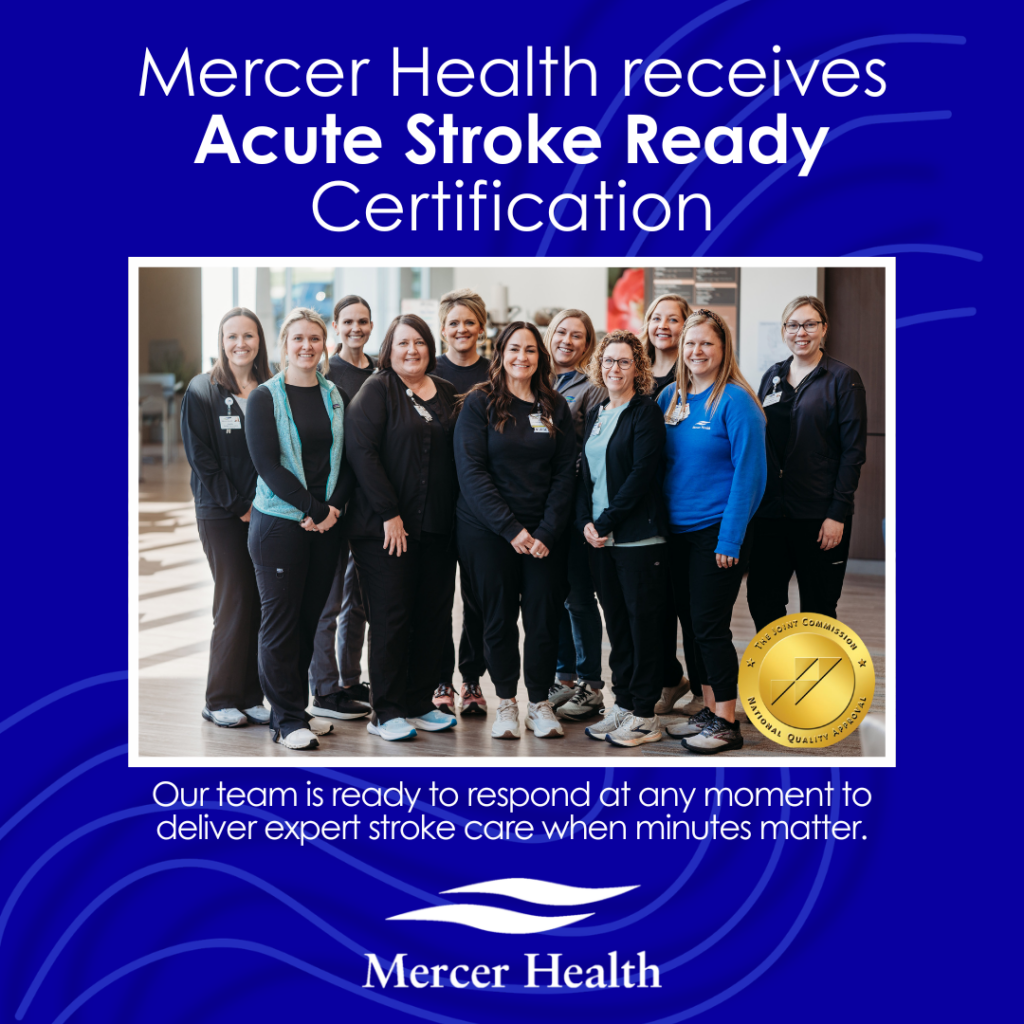
Mercer Health awarded Acute Stroke Ready Certification from The Joint Commission

 Ready does not mean recovery; so this place is still a failure! If you don't publish these three statistics no one should go there because they aren't even trying to improve their work.

Here is your business101 requirements. Not measuring 100% recovery is the height of incompetence!

“What's measured, improves.” So said management legend and author Peter F. Drucker

Mercer Health awarded Acute Stroke Ready Certification from The Joint Commission

Mercer Health has earned The Joint Commission’s Gold Seal of Approval® and the American Stroke Association’s Heart-Check mark for Acute Stroke Ready Certification.

Mercer Health underwent a rigorous onsite review on February 6, 2026. During the visit, a team of Joint Commission reviewers evaluated compliance with related certification standards including program management and  supporting self-management. Joint Commission standards(Your standards are shitworthy if you are not measuring 100% recovery; the only goal in stroke!) are developed in consultation with health care experts and providers, measurement specialists and patients(You obviously didn't listen to patients who were demanding recovery, not just 'care'!). The reviewers also conducted onsite observations and interviews.

“Acute Stroke Ready Certification recognizes healthcare organizations committed to striving for excellence and fostering continuous improvement in patient safety and quality of care,”(But nothing about actual recovery statistics!) says Ken Grubbs, DNP, MBA, RN, executive vice president of Accreditation and Certification Operations and chief nursing officer, The Joint Commission. “We commend Mercer Health for using The Joint Commission certification process to reduce variation in clinical processes and to strengthen its clinical program to drive safer, higher quality and more compassionate care(NOT RECOVERY!) for individuals served.”

“We congratulate Mercer Health for this outstanding achievement,” says Nancy Brown, chief executive officer, the American Stroke Association. “This certification reflects its commitment to providing the highest quality of care(NOT RECOVERY!) for stroke patients.”

“Achieving Acute Stroke Ready Certification strengthens our commitment to provide lifesaving care(NOT RECOVERY!) close to home,” says Jenny Conn, Director of Emergency Services and Disaster Preparedness at Mercer Health. “Our team collaborates across disciplines and is prepared every moment to respond when minutes matter. This recognition reflects the dedication of our providers, nurses and staff, and our promise to the community we serve.”

For more information about Mercer Health’s nationally recognized care(NOT RECOVERY!), visit https://mercer-health.com/leaders-in-stroke-care/.
Saturday, May 31, 2025

Maury Regional Receives Recognition For Advanced Stroke Care


This is the whole problem in stroke enumerated in one word; 'care'; NOT RECOVERY!

If your hospital is following this it means they are a failure because they are delivering 'care'; NOT RECOVERY! I would never go to a failed hospital!

YOU have to get involved and change this failure mindset of 'care' to 100% RECOVERY! Survivors want RECOVERY, NOT 'CARE'!

I see nothing here that states going for 100% recovery! You need to create EXACT PROTOCOLS FOR THAT!

ASK SURVIVORS WHAT THEY WANT, THEY'LL NEVER RESPOND 'CARE'! This tyranny of low expectations has to be completely rooted out of any stroke conversation! I wouldn't go there because of such incompetency as not having 100% recovery protocols!

RECOVERY IS THE ONLY GOAL IN STROKE! GET THERE!

Maury Regional Receives Recognition For Advanced Stroke Care(NOT RECOVERY!)

Maury Regional Medical Center (MRMC) has earned The Joint Commission’s Gold Seal of Approval® for Advanced Primary Stoke Center Accreditation. This national distinction recognizes the medical center’s commitment to providing advanced neurological care(NOT RECOVERY!) for patients experiencing a stroke.

The Joint Commission’s Gold Seal of Approval is a symbol of quality that reflects a health care organization’s commitment to providing safe and quality patient care(NOT RECOVERY!), including continuous compliance with performance standards. The certification evaluates how organizations use clinical outcomes and performance measures to improve care(NOT RECOVERY!) across the continuum and the steps they take to prepare patients and their caregivers for discharge. MRMC last received the Advanced Primary Stroke Center Accreditation in 2023.

“MRMC is committed to providing advanced, best-practice health care(NOT RECOVERY!) to our patients and the community, especially for emergency situations, such as strokes,” said Maury Regional Health CEO Martin Chaney, MD. “We are honored to have earned a recertification as an Advanced Primary Stroke Center by The Joint Commission and will continue to strive for exceptional care(NOT RECOVERY!) for our stroke patients and their families and caregivers.”

Physicians on the medical staff at Maury Regional Health utilize state-of-the-art technology to care(NOT RECOVERY!) for patients presenting with stroke symptoms in the Emergency Department or an inpatient unit.

For nearly 10 years, caregivers at the medical center have implemented a sophisticated telemedicine platform for stroke patients. When individuals present to the hospital with symptoms of a stroke, emergency and hospital medicine physicians on the medical staff have 24/7 access to consultations from board-certified neurologists in the Ascension Saint Thomas system. This partnership allows for critical support around the clock for patients who require a rapid response. In addition, Maury Regional Medical Center offers RAPID® software with computed tomography (CT) technology to map blood flow and provide fast and automated diagnostic testing for patients experiencing signs of a stroke. This helps physicians and the care(NOT RECOVERY!) team to determine the best course of action for expedited treatment.

Following a stroke, Maury Regional Health offers resources for patients and their families, including outpatient stroke rehabilitation from experienced physical, speech and occupational therapists. The medical center also hosts a monthly stroke support group to share resources and education.

“Maury Regional Health is always striving to implement new and innovative technology and care(NOT RECOVERY!) models as we strive to fulfill our vision of being southern Middle Tennessee’s trusted choice for health care(NOT RECOVERY!),” Dr. Chaney said. “I am deeply appreciative of the team that provides life-saving care(NOT RECOVERY!) for our patients when time is of the essence.”

As part of The Joint Commission’s reaccreditation process, MRMC underwent a rigorous onsite review earlier this year. During the visit, a team of Joint Commission reviewers evaluated compliance with related certification standards, including program management and delivering and facilitating clinical care(NOT RECOVERY!). The Joint Commission’s standards are developed in consultation with health care(NOT RECOVERY!) experts and providers, measurement experts and patients. They are informed by scientific literature and expert consensus to help health care(NOT RECOVERY!) organizations measure, assess and improve performance. The surveyors also conducted onsite observations and interviews.

“As a health care(NOT RECOVERY!) accreditor, The Joint Commission works with health care(NOT RECOVERY!) organizations across care(NOT RECOVERY!) settings to inspire safer and higher quality of care(NOT RECOVERY!) that is more equitable and compassionate,” said Ken Grubbs, DNP, MBA, RN, executive vice president of Accreditation and Certification Operations and chief nursing officer for The Joint Commission. “Through collaborating on innovative solutions and evidence-based resources and tools, The Joint Commission helps drive improvement while maintaining accountability through our leading survey methods and standards. We commend Maury Regional Medical Center for its commitment to advance safety, quality, equity and compassion for all patients.”

Stroke warning signs include:

  • Sudden numbness or weakness of the face, arm or leg (especially on one side of the body)
  • Confusion or trouble speaking
  • Trouble seeing in one or both eyes
  • Trouble walking and dizziness or loss of balance
  • A sudden severe headache with no know cause

If individuals begin to show signs of a stroke, call 9-1-1 immediately. It is crucial to recognize these signs and act quickly to seek medical attention.

To learn more about Maury Regional Health’s stroke services, visit MauryRegional.com/stroke.

For more information on the accreditation process and The Joint Commission, please visit The Joint Commission website.

Wednesday, April 2, 2025

Aspirus Ironwood Hospital earns honors for quality of stroke patient care

This is the whole problem in stroke enumerated in one word; 'care'; NOT RECOVERY!

YOU have to get involved and change this failure mindset of 'care' to 100% RECOVERY! Survivors want RECOVERY, NOT 'CARE'!


ASK SURVIVORS WHAT THEY WANT, THEY'LL NEVER RESPOND 'CARE'! This tyranny of low expectations has to be completely rooted out of any stroke conversation!

RECOVERY IS THE ONLY GOAL IN STROKE! GET THERE!

Aspirus Ironwood Hospital earns honors for quality of stroke patient care


IRONWOOD, Mich. (WBUP/WJMN) — The Aspirus Ironwood Hospital has earned a high-level certification for readiness in the case of an acute stroke after rigorous on-site review.

This is The Joint Commission's Gold Seal of Approval and the American Stroke Association's (ASA) Heart-Check Mark for Acute Stroke Ready Certification. 

Review of the hospital was held in July. During the visit, a team of joint commission reviewers conducted observations and interviews, evaluating the hospital's compliance with related certifications standards including program management, process for delivering clinical care and performance improvement. 

“Acute Stroke Ready Certification recognizes a health care organization committed to striving for excellence and fostering continuous improvement in patient safety and quality of care,” said Ken Grubbs, executive vice president of Accreditation and Certification Operations and chief nursing officer with The Joint Commission.

“We commend Aspirus Ironwood Hospital for using The Joint Commission certification process to reduce variation in clinical processes and to strengthen its clinical program to drive safer, higher quality, and more compassionate care for individuals served," Grubbs added.

CEO of ASA Nancy Brown congratulated the hospital for the "outstanding achievement." 

"This certification reflects the hospital’s commitment to providing the highest quality of care for stroke patients," Brown said. 

"Achieving Acute Stroke Ready Certification is a remarkable accomplishment," said Julie Monville, director of nursing for Aspirus Health. "I am incredibly proud of our dedicated team of staff and physicians who work tirelessly to deliver lifesaving education and treatment to our community. Our Stroke Team remains committed to educating both our patients and the public on stroke recognition, as well as providing timely, evidence-based stroke care in accordance with best practices and guidelines."

The hospital's chief administrative officer, Rae Kaare, called the certification a "significant milestone" for Aspirus Health. 

Aspirus Health encourages everyone to use BE FAST to recognize the signs of a stroke:

  • Balance; sudden loss of coordination
  • Eyes; sudden change in vision
  • Face; sudden weakness on one side or facial droop
  • Arm; sudden arm or leg numbness or weakness
  • Speech; sudden slurred speech
  • Terrible Headache or Time to call 9-1-1

Sunday, December 15, 2024

Washington Regional Achieves Recertification as NWA’s Only Comprehensive Stroke Center

 I wouldn't go there for stroke; they refer to 'care; NOT RECOVERY! Survivors want 100% recovery; this center does nothing of the sort! YOU are going to have to scream at them for not showing these three results:

There is no quality here if you don't measure the right things.

  1. tPA full recovery? Better than 12%?
  2. 30 day deaths? Better than competitors?
  3. rehab full recovery? Better than 10%?


You'll want to know results so call that hospital president(whomever that is) RESULTS are; tPA efficacy, 30 day deaths, 100% recovery. Because there is no point in going to that hospital if they are not willing to publish results.

Washington Regional Achieves Recertification as NWA’s Only Comprehensive Stroke Center

Washington Regional Medical Center has earned The Joint Commission’s Gold Seal of Approval® and the American Stroke Association’s Heart-Check mark for recertification as a Comprehensive Stroke Center. Washington Regional first achieved certification as a Comprehensive Stroke Center in 2019 and is the only Comprehensive Stroke Center in Northwest Arkansas. The prestigious designation means Washington Regional is prepared to treat even the most complex stroke cases with 24/7 in-person care(NOT RECOVERY!) from stroke experts.

“Stroke is a leading cause of death in the U.S. and in Arkansas. As a Joint Commission certified Comprehensive Stroke Center, Washington Regional provides patients with advanced treatments so they can receive the care(NOT RECOVERY!) they need without having to leave Northwest Arkansas,” says Washington Regional President and CEO Larry Shackelford. “Every minute counts during a stroke, and getting to the right place quickly for care(NOT RECOVERY!) is critical. As a Comprehensive Stroke Center, Washington Regional offers the best chance of survival and recovery with minimally invasive stroke treatment options, advanced neurosurgical care(NOT RECOVERY!), advanced imaging capabilities and the area’s only neurosurgical intensive care(NOT RECOVERY!) unit.”

“Comprehensive Stroke Center Certification recognizes health care organizations committed to striving for excellence and fostering continuous improvement in patient safety and quality of care(NOT RECOVERY!)” says Ken Grubbs, DNP, MBA, RN, executive vice president of Accreditation and Certification Operations and chief nursing officer, The Joint Commission. “We commend Washington Regional for using The Joint Commission certification process to reduce variation in clinical processes and to strengthen its clinical program to drive safer, higher quality and more compassionate care(NOT RECOVERY!) for individuals served.”

“We congratulate Washington Regional for this outstanding achievement,” says Nancy Brown, chief executive officer, the American Stroke Association. “This certification reflects its commitment to providing the highest quality of care(NOT RECOVERY!) for stroke patients.”

To achieve recertification, Washington Regional’s Stroke Program, part of the Washington Regional J.B. Hunt Transport Services Neuroscience Institute, underwent a rigorous onsite review in September. During the visit, a team of Joint Commission reviewers evaluated compliance with certification standards and conducted onsite observations and interviews. The Joint Commission is the nation’s oldest standards-setting and accrediting body in health care(NOT RECOVERY!).

Wednesday, April 24, 2024

Youngstown hospital gets high marks for stroke care


Anytime I see 'care' in any stroke press release I know the stroke medical world is not willing to disclose actual results because they are so fucking bad, it wouldn't look good, so misdirection is used. Don't fall for that misdirection! By touting 'care' they are not telling you about results or recovery which survivors want! Survivors don't care about door to needle time; you FUCKING BLITHERING IDIOTS; they want 100% recovery! Why aren't you providing that?

Big fucking whoopee.


 But you tell us NOTHING ABOUT RESULTS. They remind us they 'care' about us multiple times but never tell us how many 100% recovered.  You have to ask yourself why they are hiding their incompetency by not disclosing recovery results.  ARE THEY THAT FUCKING BAD?


Three measurements will tell me if the stroke medical world is possibly not completely incompetent; DO YOU MEASURE ANYTHING?  I would start cleaning the hospitals by firing the board of directors, you can't let incompetency continue for years at a time.

There is no quality here if you don't measure the right things.

  1. tPA full recovery? Better than 12%?
  2. 30 day deaths? Better than competitors?
  3. rehab full recovery? Better than 10%?


You'll want to know results so call that hospital president(whomever that is) RESULTS are; tPA efficacy, 30 day deaths, 100% recovery. Because there is no point in going to that hospital if they are not willing to publish results.

In my opinion this partnership allows stroke hospitals to continue with their tyranny of low expectations and justify their complete failure to get survivors 100% recovered. Prove me wrong, I dare you in my stroke addled mind. If your stroke hospital goal is not 100% recovery you don't have a functioning stroke hospital.


All you ever get from hospitals are that they are following guidelines; these are way too static to be of any use. With thousands of pieces of stroke research yearly it would take a Ph.D. level research analyst to keep up, create protocols, and train the doctors and therapists in their use. 

If your stroke hospital doesn't have that, you don't have a well functioning stroke hospital, you have a dinosaur. 

Read up on the 'care' guidelines yourself. Survivors want RECOVERY not 'care'

“What's measured, improves.” So said management legend and author Peter F. Drucker 

The latest invalid chest thumping here:

Youngstown hospital gets high marks for stroke care

YOUNGSTOWN — Mercy Health’s St. Elizabeth Youngstown Hospital has received high marks for stroke care from The Joint Commission, the highly-regarded organization that evaluates and accredits health care providers.

Meanwhile, word remains out on a grant request for $5 million the hospital would use to further improve on stroke care.

The hospital earned the commission’s thrombectomy-capable stroke center certification, which, according to Kathleen Harley, hospital president, is an advanced certification — “the next level up from a primary stroke center,” she said.

St. Elizabeth Youngstown has been a primary stroke center since 2004; it’s one of only a few in the immediate area to have earned the certification, according to a Mercy Health press release.

The newest certification is awarded to hospitals that are primary stroke centers that also perform endovascular thrombectomy procedures and provide care after the procedure, the release states.

The certification is given in collaboration with the American Heart and Stroke associations, according to the commission’s website.

Thrombectomy, according to the National Library of Medicine, involves removing a clot from a blood vessel, most commonly from the brain, heart or lungs.

Being given the commission’s Gold Seal of Approval and the stroke association’s Heart-Check mark for thrombectomy-capable stroke center certification “recognizes St. Elizabeth Youngstown for excellence in performing thrombectomies and reflects our commitment to serving our community by providing high-quality care,” Harley said.

In March, representatives of the commission performed an unannounced onsite review to evaluate compliance with related certification standards, and conduct observations and interviews.

The hospital, Harley said, is seeing more patients because of its two interventional neurologists, physicians who perform minimally invasive procedures called endovascular stroke care for hemorrhagic and ischemic strokes, with high quality outcomes.

“Before you can apply for this advanced certification, you must already have your program established, as the Joint Commission evaluates all aspects of your program to determine if you will be awarded this higher level of accreditation,” Harley said. “We started performing these endovascular procedures and building our program upon the hiring of these physicians. The surveyor noted that our program was one of (the) best she has seen and will be sharing a number of our ‘best practices’ with other stroke centers.”

Albany Medical Center Reaccredited as an Advanced Comprehensive Stroke Center by The Joint Commission

This means absolutely NOTHING! But they do uselessly 'care' about survivors 5 times. DO YOU NOT UNDERSTAND SURVIVORS WANT 100% RECOVERY?

Three measurements will tell me if the stroke medical world here is possibly not completely incompetent; DO YOU MEASURE ANYTHING?  I would start cleaning the hospitals by firing the board of directors, you can't let incompetency continue for years at a time.

There is no quality here if you don't measure the right things.

  1. tPA full recovery? Better than 12%?
  2. 30 day deaths? Better than competitors?
  3. rehab full recovery? Better than 10%?


You'll want to know results so call that hospital president(whomever that is) RESULTS are; tPA efficacy, 30 day deaths, 100% recovery. Because there is no point in going to that hospital if they are not willing to publish results.

Albany Medical Center Reaccredited as an Advanced Comprehensive Stroke Center by The Joint Commission

Albany Medical Center has once again earned The Joint Commission’s Gold Seal of Approval and the American Stroke Association’s Heart-Check mark for Advanced Certification for Comprehensive Stroke Centers.

To earn this certification, hospitals must demonstrate compliance with stroke-related standards expected of advanced comprehensive stroke centers, and meet additional requirements, including volume of complex stroke and cerebrovascular patients, quality of care and outcome, advanced imaging capabilities, 24/7 availability of specialized treatments, and providing staff with the unique education and experience to care for complex stroke patients. Albany Med underwent a rigorous onsite review when Joint Commission experts evaluated its compliance with stroke-related standards and requirements.

“Advanced Stroke Center Certification recognizes healthcare organizations committed to striving for excellence and fostering continuous improvement in patient safety and quality of care,” says Ken Grubbs, DNP, MBA, RN, executive vice president of Accreditation and Certification Operations and chief nursing officer, The Joint Commission. “We commend Albany Medical Center for using The Joint Commission certification process to reduce variation in clinical processes and to strengthen its clinical program to drive safer, higher quality, and more compassionate care for individuals served.”

“Our stroke team is available twenty-four hours a day, seven days a week, to provide patients with leading-edge treatments and to facilitate rapid transfer of patients for evaluation and treatment of stroke, and to improve their chances of a successful recovery,” said Jason Mouzakes, MD, Albany Medical Center Hospital General Director. “This advanced certification is a testament to our team’s steadfast commitment to the highest level of care possible for stroke patients.”

Albany Med’s stroke team consists of neurologists, neuro-radiologists, neurosurgeons, vascular surgeons, nurse practitioners, rehabilitation specialists, and nurses, advanced practice providers and residents with specialized training in diagnosis and treatment of stroke, making the hospital a resource for other hospitals in a 25-county area that transfer patients to Albany Med for treatment.

Friday, April 5, 2024

The Medical Center at Caverna awarded Acute Stroke Ready Hospital Certification from The Joint Commission

Not one word about RESULTS! Just 'care'!  Survivors don't fucking care about 'care'; they want RECOVERY AND RESULTS. This does almost nothing towards that! 

Big fucking whoopee.


 But you tell us NOTHING ABOUT RESULTS. They remind us they 'care' about us multiple times but never tell us how many 100% recovered.  You have to ask yourself why they are hiding their incompetency by not disclosing recovery results.  ARE THEY THAT FUCKING BAD?


Three measurements will tell me if the stroke medical world is possibly not completely incompetent; DO YOU MEASURE ANYTHING?  I would start cleaning the hospitals by firing the board of directors, you can't let incompetency continue for years at a time.

There is no quality here if you don't measure the right things.

  1. tPA full recovery? Better than 12%?
  2. 30 day deaths? Better than competitors?
  3. rehab full recovery? Better than 10%?


You'll want to know results so call that hospital president(whomever that is) RESULTS are; tPA efficacy, 30 day deaths, 100% recovery. Because there is no point in going to that hospital if they are not willing to publish results.

In my opinion this partnership allows stroke hospitals to continue with their tyranny of low expectations and justify their complete failure to get survivors 100% recovered. Prove me wrong, I dare you in my stroke addled mind. If your stroke hospital goal is not 100% recovery you don't have a functioning stroke hospital.

All you ever get from hospitals are that they are following guidelines; these are way too static to be of any use. With thousands of pieces of stroke research yearly it would take a Ph.D. level research analyst to keep up, create protocols, and train the doctors and therapists in their use. 

If your stroke hospital doesn't have that, you don't have a well functioning stroke hospital, you have a dinosaur. 

Read up on the guidelines yourself.

“What's measured, improves.” So said management legend and author Peter F. Drucker 

The latest invalid chest thumping here:

The Medical Center at Caverna awarded Acute Stroke Ready Hospital Certification from The Joint Commission

Horse Cave, Ky. – The Medical Center at Caverna has earned The Joint Commission’s Gold Seal of Approval® and the American Heart Association/American Stroke Association’s Heart-Check mark for Acute Stroke Ready Hospital Certification.

The Medical Center at Caverna underwent a rigorous onsite review in February. The Joint Commission surveyor evaluated compliance with stroke-related certification standards and requirements. The reviewer also conducted onsite observations and staff interviews to evaluate delivery of clinical care and performance improvement initiatives related to the care of stroke patients.

“Our team at The Medical Center at Caverna works diligently to provide compassionate and excellent patient care,” said Alan Alexander, Vice President and Administrator. “Becoming a certified Acute Stroke Ready Hospital is validation that we have incorporated best practices in stroke care. Further, this certification affirms the ongoing commitment to quality from our physicians, nurses, radiology, lab and other team members.”

“Acute Stroke Ready Hospital Certification recognizes health care organizations committed to fostering continuous improvement in patient safety and quality of care,” says Deborah Ryan, MS, RN, Interim Executive Vice President, Accreditation and Certification Operations, The Joint Commission. “We commend The Medical Center at Caverna for using certification to strengthen its program structure and management framework for stroke patients.”

“We owe a great deal of thanks to, not only our team members, but to Hart County Ambulance Service, who worked with us on improving protocols and response times,” said Megan Riggs, Stroke Care Coordinator and Performance Improvement Nurse. “It’s very rewarding to work together with dedicated people who strive daily to carry out our mission of caring for people and improving the quality of life in the communities we serve.”

For more information, please visit The Joint Commission website: https://www.jointcommission.org/

Friday, June 30, 2023

SIUH Stroke Center earns highest marks from American Stroke Association, Joint Commission


Big fucking whoopee.


 But you tell us NOTHING ABOUT RESULTS. They remind us they 'care' about us multiple times but never tell us how many 100% recovered.  You have to ask yourself why they are hiding their incompetency by not disclosing recovery results.  ARE THEY THAT FUCKING BAD?


Three measurements will tell me if the stroke hospital is possibly not completely incompetent; DO YOU MEASURE ANYTHING?  I would start cleaning the hospital by firing the board of directors, you can't let incompetency continue for years at a time.

There is no quality here if you don't measure the right things.

  1. tPA full recovery? Better than 12%?
  2. 30 day deaths? Better than competitors?
  3. rehab full recovery? Better than 10%?


You'll want to know results so call that hospital president(Whoever that is) RESULTS are; tPA efficacy, 30 day deaths, 100% recovery. Because there is no point in going to that hospital if they are not willing to publish results.

In my opinion this cert allows stroke hospitals to continue with their tyranny of low expectations and justify their complete failure to get survivors 100% recovered. Prove me wrong, I dare you in my stroke addled mind. If your stroke hospital goal is not 100% recovery you don't have a functioning stroke hospital.

All you ever get from hospitals are that they are following guidelines; these are way too static to be of any use. With thousands of pieces of stroke research yearly it would take a Ph.D. level research analyst to keep up, create protocols, and train the doctors and therapists in their use. 

If your stroke hospital doesn't have that, you don't have a well functioning stroke hospital, you have a dinosaur. 

Read up on the guidelines yourself.

“What's measured, improves.” So said management legend and author Peter F. Drucker 


 The latest invalid chest thumping here:


SIUH Stroke Center earns highest marks from American Stroke Association, Joint Commission

Staten Island University Hospital Stroke Center

Staten Island University Hospital North recently was recently named the only Advanced Comprehensive Stroke Center on Staten Island by the Joint Commission and the American Stroke Association, the hospital has announced. (Courtesy of Staten Island University Hospital)

STATEN ISLAND, N.Y – Staten Island University Hospital, Ocean Breeze, recently received the highest possible marks from the Joint Commission and the American Stroke Association, naming it the only Advanced Comprehensive Stroke Center on Staten Island, the hospital announced.

The hospital received the Gold Seal of Approval by the Joint Commission and the American Stroke Association’s Heart-Check after undergoing a rigorous, onsite review in December 2022.

During the visit, a team of Joint Commission reviewers evaluated SIUH’s compliance with the requirements related to certification standards, including the use of evidence-based guidelines for stroke care, adoption of standardized performance measures, composition of the program’s interdisciplinary team, the program’s mission and scope of services, stroke policies, EMS protocols and imaging capabilities.

Staff involvement in the process was vital to the success of the on-site visit because the tracer methodology focuses on the direct care of the patient, the hospital announcement said.

The non-profit Joint Commission standards are developed in consultation with health care experts and providers, measurement experts and patients. The reviewers also conducted on-site observations and interviews. The American Stroke Association is a division of the American Heart Association.

“The Advance Comprehensive Stroke Center Certification recognizes health care organizations committed to fostering continuous quality improvement in patient safety and quality of care,” said Mark Pelletier, chief operating officer of accreditation and certification operations, and chief nursing executive of The Joint Commission. “We commend Staten Island University Hospital North for using certification to reduce variation in its clinical processes and to strengthen its program structure and management framework for stroke patients.”

“We congratulate SIUH North for this outstanding achievement,” said Nancy Brown, chief executive officer of the American Stroke Association. “This certification reflects its commitment to providing the highest quality of care for stroke patients.”

Dr. Salman Azhar, director of the Stroke Program at SIUH, said the most recent expansion to the Stroke Program offers state-of-the-art diagnostic and imaging equipment to provide accurate and timely diagnosis of stroke.

“The stroke center has treated over 570 patients, with specially trained nurses and staff who are experienced in caring for stroke patients,” he said. “Our program is equipped with the latest monitoring and treatment technology to ensure that patients receive the best possible care, demonstrating our commitment to providing advanced, around the clock neurocritical care to the community we serve.”

Stroke is a serious and often life-threatening condition. The Neuro Intensive Care Unit, first of its kind on Staten Island, is designed to treat patients with the most complex neurological disorders and neurosurgical procedures, such as complex stroke, brain bleeds, aneurysm, brain injury, epilepsy, spinal cord disorders, and nerve diseases, according to the hospital announcement.

Stroke Center at Staten Island University Hospital North

The Stroke Center at Staten Island University Hospital North recently earned high marks from two non-profit accrediting organizations, the American Stroke Association and the Joint Commission. (Courtesy of Staten Island University Hospital)

Sunday, May 14, 2023

UR Medicine Noyes Health awarded accreditation from The Joint Commission


Big fucking whoopee.


 But you tell us NOTHING ABOUT RESULTS. They remind us they 'care' about us multiple times but never tell us how many 100% recovered.  You have to ask yourself why they are hiding their incompetency by not disclosing recovery results.  ARE THEY THAT FUCKING BAD?


Three measurements will tell me if the stroke hospital is possibly not completely incompetent; DO YOU MEASURE ANYTHING?  I would start cleaning the hospital by firing the board of directors, you can't let incompetency continue for years at a time.

There is no quality here if you don't measure the right things.

  1. tPA full recovery? Better than 12%?
  2. 30 day deaths? Better than competitors?
  3. rehab full recovery? Better than 10%?


You'll want to know results so call that hospital president(Whoever that is) RESULTS are; tPA efficacy, 30 day deaths, 100% recovery. Because there is no point in going to that hospital if they are not willing to publish results.

 The latest invalid chest thumping here:

 UR Medicine Noyes Health awarded accreditation from The Joint Commission 

Thursday, April 6, 2023

Revised Requirements for the Advanced Disease-Specific Care Certification Stroke Programs Field Review - Joint Commission

Maybe I'm missing something but I see nothing on measuring recovery. To me this is all crapola. Prove me wrong with exact location of such measurements. If all I did was to say in my goals and objective review was I'd follow the processes for installing code exactly and never mentioned the results of such install, I'd be fired in no time. So for that reason, I'd fire everyone here.

Since they are not measuring 100% recovery, they don't give a shit about getting there.

“What's measured, improves.” So said management legend and author Peter F. Drucker 

 Revised Requirements for the Advanced Disease-Specific Care Certification Stroke Programs Field Review - Joint Commission

Thursday, June 30, 2022

'Something we have dreamed about for years': EAMC gains stroke certification(East Alabama Medical Center)

Big fucking whoopee.


 But you tell us NOTHING ABOUT RESULTS. They remind us they 'care' about us multiple times but never tell us how many 100% recovered.  You have to ask yourself why they are hiding their incompetency by not disclosing recovery results.  ARE THEY THAT FUCKING BAD?


Three measurements will tell me if the stroke hospital is possibly not completely incompetent; DO YOU MEASURE ANYTHING?  I would start cleaning the hospital by firing the board of directors, you can't let incompetency continue for years at a time.

There is no quality here if you don't measure the right things.

  1. tPA full recovery? Better than 12%?
  2. 30 day deaths? Better than competitors?
  3. rehab full recovery? Better than 10%?


You'll want to know results so call that hospital president(Whoever that is) RESULTS are; tPA efficacy, 30 day deaths, 100% recovery. Because there is no point in going to that hospital if they are not willing to publish results.

 The latest invalid chest thumping here:


  'Something we have dreamed about for years': EAMC gains stroke certification 

After 18 months of preparation and a meticulous on-site review, East Alabama Medical Center is now stroke-certified, and its leader calls the achievement a dream come true.

“Having a certified stroke program is something we have dreamed about for years,” said Laura Grill, president and CEO of East Alabama Health, in a press release. “We want to be the provider of choice for our community and achieving this designation means fewer patients have to go outside of this region to receive top-notch stroke care.”

The Joint Commission, a nonprofit organization that accredits more than 22,000 U.S. health care organizations and programs, found EAMC compliant with its standards for the delivery of stroke patient care, timeliness of stroke-specific patient care and utilization of current evidence-based guidelines of stroke care, according to a press release from East Alabama Health

After the evaluation, EAMC was awarded The Joint Commission’s Gold Seal of Approval and the American Stroke Association’s Heart-Check mark for Primary Stroke Center Certification.


“This certification reflects its commitment to providing the highest quality of care for stroke patients,” said Nancy Brown, chief executive officer of the American Stroke Association in a press release.

Receiving the Gold Seal of Approval means the organization exceeds and maintains quality benchmarks and patient outcomes, according to The Joint Commission’s website.

“This certification reflects its commitment to providing the highest quality of care for stroke patients,” said Nancy Brown, chief executive officer of the American Stroke Association, in a press release. “We congratulate EAMC for this outstanding achievement.”

More achievements

The accreditation comes after Laura Grill was elected to serve on the executive committee of the Alabama Hospital Association as the secretary-treasurer. Grill was also selected as president to lead the Association’s Central Alabama Regional Hospital Council.


Thursday, March 10, 2022

UT Health East Texas Rehabilitation Hospital awarded Gold Seal of Approval for Stroke Rehabilitation Certification

Big fucking whoopee.


 But you tell us NOTHING ABOUT RESULTS. They remind us they 'care' about us multiple times but never tell us how many 100% recovered.  You have to ask yourself why they are hiding their incompetency by not disclosing recovery results.  ARE THEY THAT FUCKING BAD?


Three measurements will tell me if the stroke hospital is possibly not completely incompetent; DO YOU MEASURE ANYTHING?  I would start cleaning the hospital by firing the board of directors, you can't let incompetency continue for years at a time.

There is no quality here if you don't measure the right things.

  1. tPA full recovery? Better than 12%?
  2. 30 day deaths? Better than competitors?
  3. rehab full recovery? Better than 10%?


You'll want to know results so call that hospital president(Whoever that is) RESULTS are; tPA efficacy, 30 day deaths, 100% recovery. Because there is no point in going to that hospital if they are not willing to publish results.

 The latest invalid chest thumping here:

UT Health East Texas Rehabilitation Hospital awarded Gold Seal of Approval for Stroke Rehabilitation Certification


Tyler, Texas (March 9, 2022) — UT Health East Texas Rehabilitation Hospital has earned The Joint Commission’s Gold Seal of Approval® for Stroke Specific Rehabilitation Certification by demonstrating continuous compliance with its performance standards. The Gold Seal is a symbol of quality that reflects a health care organization’s commitment to providing safe and quality patient care.

The certification recognizes health care organizations that provide clinical programs across the continuum of care for stroke patients. The certification evaluates how organizations use clinical outcomes and performance measures to identify opportunities to improve care, as well as to educate and prepare patients and their caregivers for discharge.

UT Health East Texas Rehabilitation Hospital underwent a rigorous review conducted virtually. During the visit, a Joint Commission reviewer evaluated compliance with related certification standards including performance measurement, clinical management and patient education. Joint Commission standards are developed in consultation with healthcare experts and providers, measurement experts and patients. The reviewer also conducted virtual observations and interviews via internet connection.

“Stroke Rehabilitation Certification recognizes health care organizations committed to fostering continuous quality improvement in patient safety and quality of care,” said Mark Pelletier, RN, MS, chief operating officer, Accreditation and Certification Operations, and chief nursing executive, The Joint Commission. “We commend UT Health East Texas Rehabilitation Hospital for using certification to reduce variation in its clinical processes and to strengthen its program structure and management framework for stroke patients.”

UT Health East Texas Rehabilitation Hospital Administrator Laurie Lehnhof-Watts said the certification is a reflection of the outstanding care provided at the rehabilitation hospital.

“The stroke rehabilitation team at UT Health Rehabilitation Hospital was confident in being able to achieve this certification and will continue to enhance and improve the services we provide to patients who have experienced a stroke,” Laurie Lehnhof-Watts said. “We assess our compliance with the American Stroke Association Adult Stroke Rehabilitation and Recovery Guidelines to provide best practices for our patients. The team collaborates with The Joint Commission certified Comprehensive Stroke Center team at UT Health Tyler to bring the best acute care and rehabilitative care to patients in the East Texas region.”

Wednesday, March 24, 2021

Local hospital certified as 'stroke ready' - Varnville, SC

Really?  I see nothing on the protocols you would use to get to 100% recovery. But they do 'care' about something.

I personally think Joint Commission stuff is worthless for stroke, they aren't measuring recovery.

You can check out Joint Commission standards here:

The chest thumping below:

Local hospital certified as 'stroke ready' - Varnville, SC

Hampton Regional Medical Center awarded The Joint Commission’s Gold Seal of Approval for Acute Stroke Ready Hospital

Hampton Regional Medical Center has earned The Joint Commission’s Gold Seal of Approval and the American Heart Association’s Heart-Check mark for Acute Stroke Ready Hospital Certification.

Hampton Regional underwent a rigorous onsite review when the Joint Commission surveyors evaluated compliance with national disease-specific care standards, clinical practice guidelines, and performance measures. HRMC had to meet criteria that included a fully operational, stroke-focused program with telemedicine technology.  It had to be staffed by qualified medical professionals trained in stroke care, in collaboration with local emergency management agencies. It required the capability to perform rapid diagnostic and laboratory testing and the ability to administer intravenous clot-busting medications to eligible patients.

"Acute Stroke Ready Hospital Certification recognizes health care organizations committed to fostering continuous quality improvement in patient safety and quality of care,” says Mark Pelletier, RN, MS, chief operating officer, Accreditation and Certification Operations, and chief nursing executive, The Joint Commission. “We commend Hampton Regional Medical Center for using certification to reduce variation in its clinical processes and to strengthen its program structure and management framework for stroke patients.”

“We congratulate Hampton Regional Medical Center for this outstanding achievement,” says Nancy Brown, chief executive officer, the American Stroke Association. “This certification reflects its commitment to providing the highest quality of care for stroke patients.”

“I am very proud of the Hampton Regional Medical Center staff for achieving Joint Commission Certification!" says Caroline Dittman, BSN, RN, Stroke Coordinator at Hampton Regional. HRMC works closely with The Medical University of South Carolina and their TeleHealth services to ensure patients receive the fastest most reliable care. Many hands have played a role in developing our stroke program and with their dedication and hard work, Hampton Regional has been able to make a positive impact on many lives throughout Hampton and surrounding counties. It has been exciting to watch HRMC’s stroke program grow and I’m very proud to be a part of it.” 

For more information, please visit The Joint Commission website.


Monday, May 18, 2020

Long-term outcomes of monascin – a novel dual peroxisome proliferator-activated receptor γ/nuclear factor-erythroid 2 related factor-2 agonist in experimental intracerebral hemorrhage

I don't know why anyone writes these research articles, they never seem to make it to any useful intervention. Obviously stroke hospitals don't care, nothing seems to have been implemented in hospitals since tPA was approved in 1996.  I see NO PROTOCOLS ANYWHERE IN STROKE. If there were effective protocols hospitals would be shouting to high heaven about their success in stroke recovery. But no, all you get from hospitals are useless successes in following processes like Get With the Guidelines or Joint Commission crap.

Oops, I'm not playing by the polite rules of Dale Carnegie,  'How to Win Friends and Influence People'. 

Politeness will never solve anything in stroke. Yes, I'm a bomb thrower and proud of it. Someday a stroke "leader" will ream me out for being truthful by making them look bad, I look forward to that day. 

The latest here:

Long-term outcomes of monascin – a novel dual peroxisome proliferator-activated receptor γ/nuclear factor-erythroid 2 related factor-2 agonist in experimental intracerebral hemorrhage

First Published May 14, 2020 Research Article


Hematoma is the chief culprit in brain injury following intracranial cerebral hemorrhage (ICH). Noninvasive hematoma clearance could be an option to prevent and alleviate early brain injury after ICH. Peroxisome proliferator-activated receptor γ (PPAR-γ) and nuclear factor-erythroid 2 related factor-2 (Nrf2) facilitate removal of hematoma in ICH. Monascin acts as the natural Nrf2 activator with PPAR-γ agonist, and the long-term effects of monascin following ICH have not been elucidated.

ICH in rats was induced by stereotactic, intrastriatal injection of type IV collagenase. Monascin was administered twice daily by gastric perfusion for 14 days after ICH induction. Long-term neurological scores (T maze, Garcia scales, rotor rod test, and Morris water maze), hematoma volume, as well as iron overload around hematoma and brain atrophy were evaluated at 7, 14, and 28 days after ICH.

The results showed that monascin improved long-term neurological deficits, spatial memory performance, learning ability, and brain shrinkage after ICH. Monascin also reduced hematoma volume at 7 days and iron content at 7 and 14 days after ICH.(So human testing should follow immediately, but with NO STROKE LEADERSHIP NOTHING WILL HAPPEN.)

PPAR γ and Nrf2 play a crucial role in hematoma clearance after ICH in rat. As a dual agonist of PPAR γ and Nrf2, monascin improved long-term outcomes by facilitating hematoma clearance, and by attenuating iron overload and brain atrophy after experimental ICH.

Brain injury after intracerebral hemorrhage (ICH) initially occurs within the first few hours as a result of mass effects due to hematoma formation. Continued insults after primary hemorrhage are believed to be caused by intraparenchymal blood lysis.1,2 Since hematoma is the chief culprit of brain injury following ICH, appropriate removal of hematomas is crucial to prevent and alleviate early brain insults after ICH. However, surgical removal of hematomas has not achieved the expected results.3 Although preliminary studies suggest that minimally invasive hematoma removal may reduce secondary neurotoxicity,4,5 the effects of hematoma shrinkage on clinical outcome remain unclear.6 Therefore, targeting hematoma clearance by promoting an endogenous garbage scavenging system is promising for ICH.
Peroxisome proliferator-activated receptor (PPAR) -γ, which is a part of the nuclear hormone receptor superfamily, can regulate the expression of CD36 and CD163, which participate in phagocytosis.79 In addition, PPAR-γ agonist enhanced CD36 and CD163 expression, accelerated hematoma resolution, then improved neurological deficits.911 Nuclear factor-erythroid 2-related factor 2 (Nrf2) and PPAR-γ play similar roles in phagocytosis and hematoma resolution following ICH.8,1214 Monascin is a natural dual activator of both PPAR-γ and Nrf2, and is produced using a unique and natural fermentation process in China. Monascin constitutes one of the azaphilonoid pigments in the extracts of Monascus pilosus-fermented rice (red mold rice).15 Our previous study demonstrated that monascin was neuroprotective by facilitating hematoma clearance through the haptoglobin-hemoglobin-CD163 pathway in ICH.9,16 This study aims to further evaluate the long-term effects of monascin in an experimental ICH.