Changing stroke rehab and research worldwide now.Time is Brain! trillions and trillions of neurons that DIE each day because there are NO effective hyperacute therapies besides tPA(only 12% effective). I have 523 posts on hyperacute therapy, enough for researchers to spend decades proving them out. These are my personal ideas and blog on stroke rehabilitation and stroke research. Do not attempt any of these without checking with your medical provider. Unless you join me in agitating, when you need these therapies they won't be there.

What this blog is for:

My blog is not to help survivors recover, it is to have the 10 million yearly stroke survivors light fires underneath their doctors, stroke hospitals and stroke researchers to get stroke solved. 100% recovery. The stroke medical world is completely failing at that goal, they don't even have it as a goal. Shortly after getting out of the hospital and getting NO information on the process or protocols of stroke rehabilitation and recovery I started searching on the internet and found that no other survivor received useful information. This is an attempt to cover all stroke rehabilitation information that should be readily available to survivors so they can talk with informed knowledge to their medical staff. It lays out what needs to be done to get stroke survivors closer to 100% recovery. It's quite disgusting that this information is not available from every stroke association and doctors group.

Showing posts with label massage. Show all posts

Wednesday, December 4, 2024

Effectiveness of clove oil massage to improve circulation and muscle strength in patients with non-hemorrhagic stroke

 I've got no understanding of this.

Effectiveness of clove oil massage to improve circulation and muscle strength in patients with non-hemorrhagic stroke

  •          Nur Chafidhoh Auliya Rachmany Program Studi Magister Terapan Keperawatan, Poltekkes Kemenkes Semarang
  • Walin Walin Program Studi Magister Terapan Keperawatan, Poltekkes Kemenkes Semarang
  • Ta'adi Ta'adi Program Studi Magister Terapan Keperawatan, Poltekkes Kemenkes Semarang

DOI:

https://doi.org/10.33024/minh.v7i5.293

Keywords:

Clove Oil, Massage Therapy, Muscle Strength, Non-Hemorrhagic Stroke Patients

Abstract

Background: Stroke is a medical condition that arises from the disruption or rupture of blood vessels in the brain, making it an emergency that can lead to neuromuscular disorders, muscle weakness, and potentially result in disability or death. One effective treatment to alleviate muscle weakness in non-hemorrhagic stroke patients is massage therapy with clove oil. This therapy helps by boosting endorphin release and decreasing muscle spasticity, which in turn relaxes the muscle tissue in these patients.

Purpose: To explain the effectiveness of massage therapy with clove oil on the degree of muscle strength in non-hemorrhagic stroke patients.

Method: A quasi-experimental study employing a pre-post test with a control group design was carried out on 48 non-hemorrhagic stroke patients. These patients received range of motion exercises, massage therapy without oil, and massage therapy with clove oil, selected through consecutive sampling. Each treatment was administered six times for 30 minutes over six days. Data analysis was performed using the Friedman test and Kruskal-Wallis test (ρ<0.05) with SPSS version 22.

Results: The clove oil massage therapy had a greater effect on increasing the degree of muscle strength with a ρ-value of 0.000.

Conclusion: Massage therapy with clove oil is effective in increasing the degree of muscle strength in non-hemorrhagic stroke patients compared to other groups.

Saturday, December 16, 2023

Validation of Muscle and Nerve in Anatomical Terminologies for Traditional Malay Massage Techniques on Stroke Rehabilitation

FYI.  Your doctor can buy the e-book.

Validation of Muscle and Nerve in Anatomical Terminologies for Traditional Malay Massage Techniques on Stroke Rehabilitation

  • Source: Malaysian Journal of Medicine & Health Sciences . 2023 Supplement, Vol. 19, p101-101. 1p.
  • Author(s): Sejari, Nurhanisah; Bakrin, Faizah Safina; Chua Siew Kuan; Long Chiau Ming; Bahari, Syah Irwan Shamsul; Hon, Wan Hazmy Che
  • Abstract: 
  • Introduction: The involvement of specific muscles and nerves in Traditional Malay Massage (TMM) techniques has shown to have a causal effect on body function, especially for stroke patients. Anatomical knowledge supporting the understanding and communication of TMM techniques should be explored and learnt. The study aimed to validate the anatomical terminologies involved in TMM technique for stroke condition. 
  • Methods: The body parts of stroke patient that are involved in TMM were triangulated through qualitative techniques and validated through a quantitative approach. The data was triangulated from: 1) interview, 2) observation, and 3) document. Two TMM practitioners, one male stroke patient and two male workshop participants were involved during the interviews and observation. For document analysis, two types of documents related to: 1) Malay's anatomical terms in TMM for stroke, and 2) anatomy in medical terminology were selected. These documents were utilised to translate anatomical terms in the Malay language into medical terms. The images from all the documents were compared and reconciled among the researchers. Eight experts conducted content validation on the extracted anatomical terms in Malay that were tabulated side by side with the English terms. 
  • Results: The muscle and nerves were identified, translated and categorised based on the six sections during the step-by-step TMM procedure. Fifty-five of body parts were coded as content validation items and they produced an overall high validity index. 
  • Conclusion: This study documented the validated anatomical terminologies of TMM for stroke condition that used in our published e-book on stroke management, available at: https://heyzine.com/flip-book/4f42d210ec.html.
  • Copyright of Malaysian Journal of Medicine & Health Sciences is the property of Universiti Putra Malaysia and its content may not be copied or emailed to multiple sites or posted to a listserv without the copyright holder's express written permission. However, users may print, download, or email articles for individual use. This abstract may be abridged. No warranty is given about the accuracy of the copy. Users should refer to the original published version of the material for the full abstract.

Tuesday, March 29, 2022

Massage Considerations for Stroke Patients

Is your doctor familiar with these books and earlier research? What is your doctor's massage protocol?

Massage Considerations for Stroke Patients

Massage Considerations for Stroke Patients

Massage considerations for stroke patients have been suggested by authors of textbooks often used in entry level massage programs. Following these suggestions will make a massage therapists’ efforts with stroke patients easier when attempting to achieve client rehabilitation goals.

Kalyani Premkumar MD,  in her book, “Pathology A to Z – A Handbook for Massage Therapists,” recommends that important goals for stroke patients is to address joint stiffness, decrease muscle spasticity, reduce skin changes, address postural changes, and re-educate client movement pattern via improving sensory stimulation. Incorporating light touch techniques can help with improving sensory neurons regain stimulation capabilities. Adding stretching to sessions can aid the joint stiffness. Using static compression upon a muscle region may help with decreasing spasticity.

Premkumar mentions two more important ideas in her textbook. First, be sure to communicate and work in conjunction with a patients’ other allopathic therapists such as an Occupational Therapist. Second, clonus (abnormal involuntary muscle contractions) of the ankle of region is common for stroke patients. Do not forget about the feet and ankle regions. Reflexology and other foot massage techniques will be helpful in this case.

Ruth Werner, in her textbook, “A Massage Therapist’s Guide to Pathology,” discusses the risks and benefits of massage to stroke patients. Ms. Werner states the major risk of a massage to a stroke patient is the possibility of another cerebrovascular accident and threat of another stroke incident occurring. Since massage therapy increases blood circulation, slowing down our massage and focusing on one body region rather than full body massage are two good suggestions how to alleviate these risks.

Werner informs that massage and other therapeutic means that include gentle stretching, exercises and building awareness will be effective additions to a stroke patient’s treatment plan. Gentle range of motion, light myofascial release techniques including skin traction and gentle tapotement can help sensory neurons improve proprioceptive messages to enhance awareness within the nervous system.

Susan Salvo, in her textbook “Massage Therapy Principles and Practice,” includes many massage considerations for patients with cardiovascular conditions. If strokes are in connection with hypertension, check in about any sensations of dizziness in correlation with massage. Have client sit up in dizziness experienced. Ms. Salvo adds studies in her textbook how massage upon the back can reduce blood pressure, decrease heart rate and improve parasympathetic activity.

Salvo also describes massage modifications for Peripheral Arterial Disease (PAD), which may contribute to stroke incident. Avoid deep, vigorous massage for these patients. Rather, remain light with pressure application to avoid further stressing arteries potentially possessing a clot. Signs of blood clot include unilateral swelling, discoloration of local skin, changes in local skin temperature and puffy appearance of local vessels.

When working with stroke patients in my private practice, I also consider these ideas:

For patients with history of stroke, I ensure during intake to assess general cognition in terms of how well they are communicating with me and moving. I have them walk my long hallway a couple of times so I can assess gait noting any changes or disruptions.

I also inquire about medications taken and side effects they are currently experiencing. Common medications taken by stroke patients include thrombolytics (Eminase, Retavase, Streptase) to dissolve blood clots, anticoagulants (Warfarin, Heparin) and antiplatelets (Plavix, Effient, Aspirin, Novasen) to limit formation of new clots and antihypertensive (ACE inhibitors, Calcium channel blockers) medications to manage blood pressure. Common side effects of these drugs include gastrointestinal challenges, blurry vision, headaches and fatigue.

During a massage session, I will check in to ensure the client can still communicate verbally throughout the session. When working the neck region, I keep the work less intense to reduce blood flow expedition into the cranium. I include cranial sacral therapy to induce relaxation on central nervous system tissues.

An important reminder here is that cranial sacral therapy or massage of any kind is contraindicated within six weeks of a recent stroke incident.

During a session, I include stretching and lighter myofascial release techniques when I feel adhesions in muscle and fascial tissues. More of my focus is upon the hips and legs to promote more blood flow circulation to the lower limbs.

Research on Massage for Stroke Patients

There is research confirming the effects of massage therapy upon stroke patients in alleviating their symptoms. In “Evaluating the Efficacy of Massage Intervention for the Treatment of Poststroke Constipation: A Meta-Analysis,” researchers suggest that massage can be an effective means to reduce the effects of constipation in stroke patients in meta-analysis conducted.

Ayurvedic-based massage can promote healing in patients with flaccidity of muscles and lead to less need for antispastic drugs, according to a 2019 study in the Journal of Ayurvedic Integrative Medicine. This was observed in study with people who has experienced both simple and complex strokes.

Adding aromatherapy and foot baths into treatments with stroke patients showed such benefits as reduced stress, improved mood and increased sleep satisfaction (even greater than those receiving only massage) of stroke patients in a study published August 2017 in the Journal of Physical Therapy Science.

In a 2020 study on the effects of tactile massage with stroke patients Nursing Open Journal showed how physical touch eased worries and anxiety sensations felt by patients. Also, physical touch generated feelings of closeness and improved sleep satisfaction.

With the information gathered from research articles and trusted textbooks, a treatment plan for stroke patients is possible. It is my experience that stroke patients benefit greatly from massage and cranial sacral therapy. Awareness of medications taken, the functional impact of the stroke and how the body is responding to massage will help guide a therapist on necessary modifications.

For More Information:

National Stroke Foundation

American Stroke Foundation

American Heart Association

Jimmy Gialelis

About the Author

Jimmy Gialelis, LMT, BCTMB, is owner of Advanced Massage Arts & Education in Tempe, Arizona. He is a National Certification Board for Therapeutic Massage & Bodywork-approved provider of continuing education, and teaches “Professional Ethics for LMTs” and many other CE classes. He is a regular contributor to MASSAGE Magazine, and his articles include “Massage for Trauma: 3 Ways of Responding to an Emotional Release” and “TMJD: How to Assess for Dysfunction.”


Monday, September 13, 2021

Scientists plan expansion of cutting-edge wearable massage technology, Myovolt, used by Olympic athletes

 Way down in the article they mention stroke, so have your research analysis person at your hospital start following this. Oh you don't have a research analysis person? They get all management fired; especially the board of directors.

Scientists plan expansion of cutting-edge wearable massage technology, Myovolt, used by Olympic athletes

Co-owners of wearable massage technology Myovolt Dr Dianne Jones and Steve Leftly plan to develop it further for in-home therapeutic use. They developed it first to help enhance the performance and recovery of top athletes.
Supplied
Co-owners of wearable massage technology Myovolt Dr Dianne Jones and Steve Leftly plan to develop it further for in-home therapeutic use. They developed it first to help enhance the performance and recovery of top athletes.

Two research scientists are looking to raise several million dollars to expand production of their wearable massage technology used by members of the New Zealand Olympic gold-winning men’s eight rowing team.

The product, Myovolt, is used to boost the warm-up of muscles, reduce soreness after competitions and heavy workouts and to increase flexibility.

Electronic and wearable tech experts Steve Leftly and Dr Dianne Jones are the brains behind Myovolt, the vibration technology worn as a sports pad strapped to a part of the body.

Leftly said some members of the gold-medal winning men’s rowing eight and other members of the New Zealand Olympic team used Myovolt in their build-up to the Tokyo Olympics and for recovery after their events.

READ MORE:
* Covid-19: How wearable band technology could help detect signs of coronavirus
* Corrections looks to smartwatches to track and talk to criminals, monitor alcohol
* Wearable tech company Stretch Sense returns with sights set on Hollywood, VR

Paralympian Cody Everson, co-captain of the Wheel Blacks, had been using their technology for a couple of years.

Cody Everson, co-captain of the Wheel Blacks, uses Myovolt pads.
Supplied
Cody Everson, co-captain of the Wheel Blacks, uses Myovolt pads.

Now Leftly and Jones, who live in Christchurch, are turning their focus to the international rehabilitation market and therapeutic use of the technology in the home.

Myovolt had a consumer ready version for sale as well as other versions suitable for high-end athletes and medical or therapeutic uses.

They were bringing in a digital version of the Myovolt pad next year, enabling the person wearing it to receive information about their recovery as it was worn, and they were planning to create a lower back pain management device.

“We’ve got some pretty deep expertise in developing other wearable technologies, so we’re in a good position once we expand this business to bring other wearable therapeutic technologies under our umbrella within Myovolt,” Leftly said.

For many years they had worked on other wearable technology components for big companies like Adidas, NASA, Apple, the US Air Force and BAE.

One of their celebrated devices were the “hot pants” worn by the 2012 British Olympic cycling team. They were track pants with thermal threaded panels built into them, which they also supplied to the New Zealand and Australian Olympic cycling teams and to some US Olympic winter sport teams.


Leftly said they were at the cutting edge of the innovation, developing the first version of it in 2015 and then showing it in 2017 at the Consumer Electronics Show, a leading, annual global tech event.

“We created this space with wearable vibrations, so we’ve got the most advanced version of this technology out there.”

They were using a very specific range of frequencies to mimic what a medical device version of the technology did.

“We have basically taken that medical device and miniaturised it into this soft wearable strap.” The device produced a gentle hum massage.

“There are other companies that are starting to come in with wearable thermal products and others that have some vibration added into them. They don’t have any clinical backing or any clinical research behind them.”

Some members of the New Zealand men’s rowing eight used Myovolt in their build-up to the Tokyo Olympics. Team members Hamish Bond (centre), flanked by Tom Murray and Tom Mackintosh, celebrate winning New Zealand's first men's rowing eight Olympic gold medal since 1972.
Naomi Baker/Getty Images
Some members of the New Zealand men’s rowing eight used Myovolt in their build-up to the Tokyo Olympics. Team members Hamish Bond (centre), flanked by Tom Murray and Tom Mackintosh, celebrate winning New Zealand's first men's rowing eight Olympic gold medal since 1972.

They had to keep developing and improving to stay ahead of the game in a fast growing area.

They had been conducting clinical trials of the technology with medical and sports universities and research clinics in the United States for quite a wide range of uses outside of sports.

A couple of those were for musculoskeletal conditions like diabetic neuropathy, a type of nerve damage resulting from diabetes that can affect the mobility and function of legs and feet and other parts of the body, and for stroke rehabilitation.

Those studies were starting to be published showing good results and that was allowing them to get the technology into the high performance sports area much easier, Leftly said.

They had been testing their products for various conditions and knew they could enhance them and tailor them for a specific condition.

They were interested in producing easy to use in-home devices that could deliver that stimulation frequently, may be daily or more often as needed, in addition to say physiotherapy once a week at a clinic outside the home.

They planned two capital raisings for later this year and next year to invest in more R&D, expand the team and products for the rehabilitation of a wide range of musculoskeletal conditions and mobility problems. 

Subscribe for free

Jones said they had only scratched the potential of the technology.

“To take us to the next level in either the sports market or the wider one we are interested in, we need to expand our team, bring in some expertise, bring in investment and that’s what we are working on,” she said.

“We do feel our technology has got a lot of potential to provide a big impact and be a large company in this space. So we are ambitious, and we hope to get it there,” Leftly said.


  •  


    Monday, May 3, 2021

    Rehabilitation of Post-stroke Hemiplegic Patient with Integrative Medicine

     Anything with integrative in the title is suspect as quackery. Massage is not integrative, it is already scientific.

    Rehabilitation of Post-stroke Hemiplegic Patient with Integrative Medicine

    Kittiphum Ruangravevat, M.Sc., M.D.1
    , Siraprapa Veerapattananon, M.Sc., M.D.1
    , Sulakkana Noiprasert, Ph.D., M.D.1
    ,
    Watchara Rattanachaisit, M.D.2
    , Parichart Hongsing, Ph.D., ATTM.3
    1 Department of Traditional Chinese Medicine, School of Integrative Medicine, Mae Fah Luang University,
    Chiang Rai 57100, Thailand
    2 Chiang Rai Prachanukroh Hospital, Chiang Rai 57000, Thailand
    3 Department of Applied Thai Traditional Medicine, School of Integrative Medicine, Mae Fah Luang University,
    Chiang Rai 57100, Thailand
    Received 4 March 2021 • Revised 4 April 2021 • Accepted 14 April 2021 • Published online 1 May 2021

    Abstract:

    Numerous of stroke survivors are suffering from the body function impairments such
    as problems with balance or coordination, weakness, and paralysis. We describe a case
    in which use of integrative medicine rehabilitation for a 52-year-old female patient with
    ischemic stroke suffered a right hemiplegia, resulting in persistent weakness and problems
    with muscle control. The patient underwent sequential three healing processes including
    physical therapy, Thai traditional massage, and acupuncture in total of 10 times, at 2 times per
    week by professional practitioners. After management with this rehabilitation program, the
    patient had better effects on stroke recovery evaluating by The Barthel index for activities of
    daily living, Mini-Mental Status Examination (MMSE) Thai 2002 and muscle power grading.
    The outcomes of the study evidence that comprehensive integrative medicinal rehabilitation
    approach has multiple effects on individuals who have poststroke disability or weakness to
    confer greater rehabilitative benefit.
    Keywords: Rehabilitation, Poststroke, Acupuncture, Thai traditional massage
    Introduction
    Cerebrovascular disease or stroke
    has become the top three leading cause of
    mortality in non-communicable diseases
    which is also the cause of disability in Thai
    population1
    . Ischemic stroke is the common
    type of stroke which can be found in elderly
    people as the report of the Thai Stroke
    Registry indicating that the mean age of
    patients at the onset of ischemic stroke in
    Thailand is around 65 years old2
    . Stroke
    survivors with mobility limitation, motor
    dysfunction, cognitive impairment, and
    poststroke depression are unable to live
    independently because of disability and
    leading to physical, emotional, social, and
    financial problems leading to the dramatic
    impact on their quality of life (QOL)3
    . Thus, the poststroke rehabilitation therapy is
    recommended to improve the daily activities
    and quality of life of these patients.
    Ischemic stroke is a major type of
    stroke in Thai population which causes by a
    blockage in an artery that supplies blood to
    the brain, leading to damage or even death
    of brain cells4
    . The damage of brain cells
    typically impacts limbs and facial muscles
    of stroke survivors. It’s often accompanied
    by muscle pain, seizures, spasticity and
    atrophy5
    . The clinical study has shown that
    the use of herbal medicine and acupuncture
    along with conventional rehabilitation
    can reduce injury level and exert a neuroprotective role in ischemic stroke patients6
    .
    In addition, acupuncture and Thai traditional
    massage have been reported to stimulate
    the sensory via multiple efferent pathways
    of neural systems7, 8. However, early movement and exercise from physical therapy is
    recommended to prevent a long-term
    disability and promoting of neural function9
    .
    This case report demonstrated use of
    physical therapy (conventional rehabilitation) together with Thai traditional massage
    and acupuncture in a female patient suffered
    from stroke. After management with
    integrative approach, the patient’s neurological condition, mobility and balance have
    improved drastically without significant side
    effects.
    Case Presentation
    A poststroke 52-year-old female
    (body weight, 86 kg; height, 158 cm) was
    diagnosed with ischemic stroke which
    caused her to have a right hemiplegia. Seven
    months before stroke, she was a physically
    active person, but suddenly had experienced
    right-sided weakness and she was admitted
    to the nearby hospital within 4 hours. After
    discharge from the hospital, she visited
    the local hospital for exercise therapy by
    physiotherapists; however, there was no
    significant improvement. Therefore, she
    decided to come to Mae Fah Luang University
    Hospital for rehabilitation at brain and
    neurology department by integrative
    medicine with a chief complaint of rightsided paralysis. She had a history of
    hypertension as well as hyperlipidemia and
    the physician prescribed her Enalapril 5 mg
    and Simvastatin 10 mg per a day as the
    antihypertensive and antihyperlipidemic
    drugs, respectively. At the first visit, she
    could not move her right-sided upper and
    lower limbs, but she could smile and raise
    her eyebrows symmetrically. She denied
    a severe headache or visual disturbances.
    She had a hard time for information intake
    and processing such as slow thinking when
    compared to the pre-stroke time. She could
    communicate by talking and writing with
    her left hand. The patient had elevated blood
    pressure at the first to third time of visiting,
    after that she had normal vital signs when
    visited for the rehabilitation program.
    Investigation
    Blood chemistry tests were examined
    at the first and tenth time of the rehabilitation program, including HbA1c, eAG,
    fasting plasma glucose, total cholesterol,
    triglycerides, LDL-cholesterol, and
    HDL-cholesterol. The Barthel index for
    activities of daily living, Mini-Mental
    Status Examination (MMSE) Thai 2002
    and muscle power grading were evaluated
    at the first, fifth and tenth time of the
    rehabilitation program.
    Treatment
    The rehabilitation program was
    designed by the hospital for disability
    patients after stroke by integrating three
    medical professional fields including
    physical therapy, applied Thai traditional
    medicine and traditional Chinese medicine.
    The patients with disability after stroke
    (less than a year) who don’t need any
    intensive care monitoring by physicians
    with medically stable can apply for this
    integrative medicine rehabilitation program.
    In this study, all the techniques for the
    treatments were accepted as clinical care.
    The combination of three healing processes
    were delivered to the patient in the same
    sequence for ten times, two times per
    week. Initiation of the activity began with
    a physical therapy including exercise in
    the hospital gym with some equipments to
    improve mobility coordination, strengthen
    muscles and regain range of motion. This
    session was last for an hour under the
    supervision and monitoring by physiotherapists. In the next session, the patient received
    Thai traditional massage (Table 1). Following
    this, a hot herbal compress was applied to
    the same massage areas for approximately
    40 min. The main ingredient of the herbal
    compress is Zingiber cassumunar rhizome.
    After that, the patient was taken through the
    regime of traditional Chinese medicine using
    acupuncture. The 0.25x40 mm fine needles
    were inserted into specific 11 acupuncture
    points (Table 2) based on YangMing
    meridian lines and Dumai channel of the
    weak or painful area for 30 min.
    Table 1 Step, area and duration of Thai traditional massage treatment
    Step Area and duration
    1 Apply pressure on the right leg (beginning from lower leg to upper leg then
    return to lower leg) and right ankle (press at anterior of ankle joint) for 6 min
    2 Apply pressure on the back (along erector spinae muscle from L5 to C7) for 9 min
    3 Apply pressure on the lateral side of the right leg (beginning from gluteal area
    to lateral side of upper and lower leg) for 5 min
    4 Apply pressure on the medial side of the right leg (beginning from medial side
    of upper leg to lower leg) for 5 min
    5 Apply pressure on the medial side of the right arm (beginning from middle of
    medial side of upper arm to anterior of wrist) for 5 min
    6 Apply pressure on the lateral side of the right arm (beginning from middle of
    lateral side of upper arm to middle of lower arm) for 5 min
    7 Apply pressure on the right shoulder (upper part of back at posterior shoulder)
    for 5 min
    8 Apply pressure on the right shoulder (lateral side of lower neck and posterior of
    shoulder) for 5 min
    Table 2 Eleven acupuncture points and areas
    Point Areas
    BaiHui Insert the needle at the top of the head at midpoint of the posterior
    hairline.
    TongTian Insert the needle at the midline of the anterior hairline, lateral to the
    midline.
    Point Areas
    FengFu Insert the needle at the midline of the nape of the neck, above the
    midpoint of the posterior hairline.
    JianYu Insert the needle at the upper border of the deltoid muscle, in the anterior
    border of the acromion of the right arm.
    QuChi Insert the needle at the midpoint between the lateral end of the transverse
    cubical crease and the lateral epicondyle of the humerus of the right arm.
    WaiGuan Insert the needle at the dorsal aspect of the forearm, above the transverse
    crease of the dorsum of the wrist of the right arm.
    HeGu Insert the needle at the dorsum of the hand, midway between thumb
    and point fingers of the right hand
    HuanTiao Insert the needle at the junction of lateral 1/3 and medial 2/3 of the line
    linking the prominence of greater trochanter and the sacro-coccygeal
    hiatus of the right buttock.
    YangLingQuan Insert the needle at the depression anterior and inferior to the small
    head of the fibula of the right leg.
    ZuSanLi Insert the needle at the lateral to the anterior crest of the tibia of the
    right leg.
    JieXi Insert the needle at the midpoint of the transverse crease of the ankle
    joint, between the tendons of m. extensor digitorum longus and hallucis
    longus of the right leg.
    Results
    After the patient completed five weeks
    of the program, most of her blood chemistry
    profiles were at normal range at the tenth
    time of the program, except HbA1c (6.5%),
    eAG (140.8 mg/dL), fasting plasma glucose
    (109 mg/dL) (Table 3). Therefore, she was
    recommended to the physician to monitor
    and manage her diabetes. Additionally,
    she was managed to continue with
    antihypertensive and antihyperlipidemic
    drugs including Enalapril 5 mg and
    Simvastatin 10 mg per a day to reduce
    long-term cardiovascular as well as
    cerebrovascular mortality and morbidity
    after stroke10. The evaluations of Barthel
    index and muscle power grading revealed
    her improvement, especially the weakened
    right-sided leg and arm as shown in Table 4.
    The Mini-Mental Status Examination
    (MMSE-Thai 2002) indicated the normality
    of her cognitive function at the end of the
    program.

    Tuesday, October 31, 2017

    Massage Helps Treat The Most Common Mental Health Problem - anxiety

    With your doctor giving you nothing concrete about how you are going to 100% recover, s/he could at least address your anxiety by having Swedish massage done in the hospital. It would also help for that extra sensory stimulation needed to help your motor recovery. 
    http://www.spring.org.uk/2016/08/massage-treat-common-mental-health-problem.php
    The latest research could be a step up in the evidence for massage therapy.
    Just five sessions of Swedish massage is enough to improve the symptoms of anxiety, new research finds.
    Levels of cortisol — known as the stress hormone — were also reduced.
    People who took part in the study also saw reduced depression symptoms.
    Swedish massage is the type of deep-tissue massage that people are most familiar with.
    Professor Mark Hyman Rapaport, the study’s first author, said:
    “These finding are significant and if replicated in a larger study will have important ramifications for patients and providers.”
    The study was carried out on 47 people with generalised anxiety disorder or GAD.
    People experiencing GAD find they are in near-constant anxiety.
    With negative thoughts clouding their mind all day, it can be very hard to function normally.
    GAD is typically treated with therapy and/or medication.
    For the study itself, a group given Swedish massage was compared with another group in which people received light touch.
    Both groups had the massage or light touch twice a week for six weeks.
    Each therapy session lasted 45 minutes.
    The researchers found that massage reduced anxiety, along with depression symptoms, in comparison to the light touch condition.

    Better than relaxing?

    One previous study has found that massage is no better than simply being in a relaxing room with soft, soothing music (Sherman et al., 2010).
    Dr Karen J. Sherman, that study’s first author, said:
    “We were surprised to find that the benefits of massage were no greater than those of the same number of sessions of ‘thermotherapy’ or listening to relaxing music.
    This suggests that the benefits of massage may be due to a generalized relaxation response.”
    So the latest research could be a step up in the evidence for massage therapy.
    Other studies have linked massage therapy to better sleep and improvements in the immune system.
    The new study was published in The Journal of Clinical Psychiatry (Rapaport et al., 2016).

    Monday, June 5, 2017

    5 Ways Massage Therapy Can Help with Rehabilitation after Stroke

    Probably the reason massage would be helpful post-stroke is the same reason leg compressions are helpful. Sending pressure waves through the arteries, which significantly increases the brain's blood supply.
    https://www.massagetique.com/blog/health-wellness/5-ways-massage-therapy-can-help-with-rehabilitation-after-stroke/
    By Jo Sahlin, Massagetique Correspondent
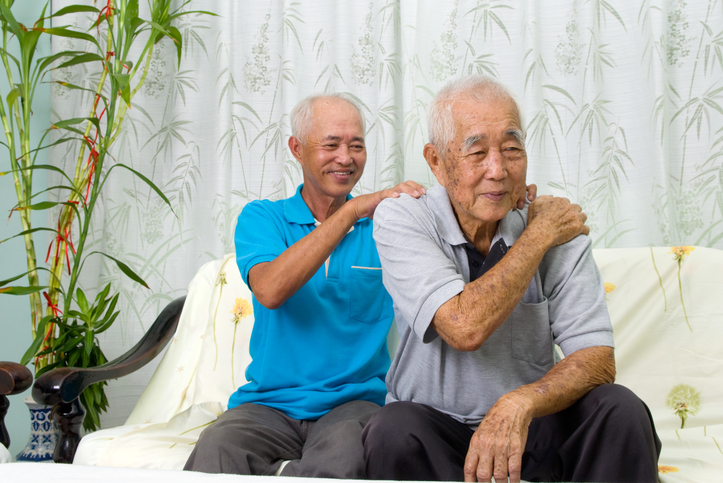
    Elderly man holds shoulder while mature adult provides massage in room of house
    National Stroke Awareness Month, observed in May, aims to educate the public about warning signs, risk factors, and symptoms of stroke and also make people aware of treatment options following a stroke and the impact of strokes on survivors and their loved ones.
    Immediate action is crucial to minimizing damage after a stroke. The sooner a stroke patient receives medical attention, the less likely they are to experience severe aftereffects. There are two stages of treatment after diagnosis: acute care and post-acute or chronic care. Massage therapy is not recommended as part of acute care immediately following a stroke and is in fact contraindicated due to the circulatory problems likely to be present in a stroke survivor. However, it can be an integral part of post-acute care.

    Massage for Chronic Care After Stroke

    Determining whether massage therapy can have a role in the post-acute or chronic care stage of treatment following a stroke depends on exactly what complications have been caused by the cerebrovascular accident (CVA). Not all CVAs leave lasting effects, but because strokes are a result of disrupted blood circulation to the brain, consequences may be physical, psychological, or both. Stroke complications, which might last only a few hours but may be present throughout the rest of an individual’s life, can include:
    • Sensory damage, including numbness or vision loss
    • Motor damage
    • Partial or full paralysis of one side of the body
    • Slurred speech or loss of language
    • Memory loss
    • Depression
    Depending on the severity of the effects after a stroke, rehabilitation might include speech therapy, occupational therapy, physical therapy, or even surgery. So while any of the above issues may be routinely improved by massage therapy when taken on their own, the complexities of stroke generally call for a more in-depth treatment plan. Massage therapy should only be considered after consultation with or recommendation from a physician and/or the survivor’s full recovery team.
    After consent from the stroke survivor and collaboration with other healthcare professionals involved in the recovery process, a massage treatment plan may commence. There is no typical approach to using massage for rehabilitation after a stroke, since there are different types of strokes and different types of complications following a CVA. However, there are many possible positive outcomes of incorporating massage into the healing process.

    How Can Massage Therapy Benefit Stroke Survivors?

    Success stories from using massage for rehabilitation after a stroke are currently largely anecdotal, but research does clearly support the use of massage for isolated issues that can arise after a stroke. Additionally, one active study in Sweden is specifically evaluating the use of touch massage for stroke patients. Researchers hypothesize the findings will support post-stroke massage therapy for increasing sensorimotor function, improving fine motor skills, decreasing anxiety and physiological stress, and improving overall health and quality of life.
    Some specific benefits that may be derived from massage after stroke include:
    1. Increased serotonin levels: One of the most promising ways massage therapy can help an individual who has had a stroke is by increasing serotonin levels, or alleviating depression. Upping serotonin levels has been shown to reduce the risk of vascular problems—issues related to blood vessels—as a result of antidepressants. Higher serotonin levels, in addition to helping ease depression, may reduce risk of heart attack or stroke. Thus, receiving massage after a stroke may not only offer relief from depression, but also lessen the likelihood an individual may experience another stroke. Because depression is one predictive factor of stroke, it is possible massage may reduce the risk of CVA even before a first incident.
    2. Improved circulation: Stroke may cause swelling or inflammation in the body. Only after this has subsided may a massage practitioner use very light touch and gentle techniques, such as lymphatic drainage, to improve circulation in a stroke survivor. Improving circulation and regenerating muscle function can both help repair sensory damage.
    3. Regenerated muscle function: Massage, especially when used in conjunction with physical therapy, can improve range of motion and help a client regain muscle control. Deep tissue massage that encourages client movement can improve proprioception, which refers to the nerves and sensory end organs that guide how muscles in the body work with one another. Stretching with assistance from a massage practitioner can also be beneficial.
    4. Regained memory: Studies have supported using reflexology for both dementia and Alzheimer’s, and the effects of this practice may also be specifically indicated for memory-related results of a stroke. A massage therapist trained in reflexology may work points related to the brain, spine, neck, adrenals, and heart points. Stroke patients who have complete memory loss, or are unable to communicate clearly because of memory loss, should receive special consideration to ensure they are able to consent to treatment and offer signals about how the therapy is accepted.
    5. Reduced stress and anxiety: In addition to reducing depression, massage therapy frequently eases stress and anxiety in both healthy clients and those experiencing pain or illness. A 2005 study conducted on stroke patients who received slow-stroke back massage for just 10 minutes per day demonstrated positive results: both shoulder pain and anxiety were reduced. Though a stroke survivor may not feel stress or anxiety as a direct result of a stroke, they may be co-occurring mental health issues to address simultaneously with other physical health issues. Improving one’s overall mental well-being can only help to encourage healing in all capacities.
    All massage after a stroke should be done with client activity and sensitivity in mind, in collaboration with a client’s other health care providers. With the right practitioner, integrating massage therapy with other aftercare following stroke can accelerate the healing process and encourage full mind-body wellness for survivors.
    References:
    1. American Stroke Association (2017). About stroke. Retrieved from http://www.strokeassociation.org/STROKEORG/AboutStroke/About-Stroke_UCM_308529_SubHomePage.jsp
    2. Beck, M. F. (2011). Theory & practice of therapeutic massage (5th ed.), 197-198, 610. Clifton Park, NY: Milady.
    3. Field, T., Hernandez-Reif, M., Diego, M., Schanberg, S., & Kuhn, C. (2005). Cortisol decreases and serotonin and dopamine increase following massage therapy. International Journal of Neuroscience, 115(10). Retrieved from https://www.ncbi.nlm.nih.gov/pubmed/16162447
    4. Hernandez-Reif, M., Field, T., Krasnegor, J., & Theakston, H. (2001). Lower back pain is reduced and range of motion increased after massage therapy. International Journal of Neuroscience, 106(3-4). Retrieved from https://www.ncbi.nlm.nih.gov/pubmed/11264915
    5. Hou, W. H., Chiang, P. T., Hsu, T. Y., Chiu, S. Y., & Yen, Y. C. (2010). Treatment effects of massage therapy in depressed people: A meta-analysis. Journal of Clinical Psychiatry, 71(7). Retrieved from https://www.ncbi.nlm.nih.gov/pubmed/20361919
    6. Lämås, K., Häger, C., Lindgren, L., Wester, P., & Brulin, C. (2016, February 4). Does touch massage facilitate recovery after stroke? A study protocol of a randomized controlled trial. BMC Complementary and Alternative Medicine, 16. Retrieved from https://www.ncbi.nlm.nih.gov/pmc/articles/PMC4743203
    7. Massage benefits stroke patients. (2009, March 18). Massage. Retrieved from https://www.massagemag.com/massage-benefits-stroke-patients-4160
    8. Vallet, M. (2011). A touch of compassion: Massage therapy and Alzheimer’s disease. Retrieved from https://www.amtamassage.org/articles/3/MTJ/detail/2495
    9. Werner, R. (2009). A massage therapist’s guide to pathology (Fourth edition), 302-307. Philadelphia, PA: Lippincott Williams & Wilkins.

    Saturday, September 10, 2016

    Effectiveness and safety of Chinese massage therapy (Tui Na) on post-stroke spasticity: A prospective multicenter randomized controlled trial

    Invalid comparison, should have been compared to other massages.
    It didn't work for Thai massage;

    The efficacy of traditional Thai massage in decreasing spasticity in elderly stroke patients

    Effectiveness and safety of Chinese massage therapy (Tui Na) on post-stroke spasticity: A prospective multicenter randomized controlled trial 


    1. Yu-jie Yang1
    2. Jun Zhang2
    3. Ying Hou3
    4. Bao-yin Jiang4
    5. Hua-fei Pan5
    6. Jian Wang6
    7. Da-yong Zhong7
    8. Hai-ying Guo1
    9. Yi Zhu1,8⇑
    10. Jie Cheng1
    1. 1The Second Clinical Medical School, Nanjing University of Chinese Medicine, Jiangsu, China
    2. 2The Graduate School, Nanjing University of Chinese Medicine, Jiangsu, China
    3. 3The Rehabilitation Department, The Suzhou Industrial Park Loufeng Hospital, Suzhou, China
    4. 4The Rehabilitation Department, The Second Xiangya Hospital of Central South University, Changsha, China
    5. 5The Rehabilitation Department, The Taixing Chinese Medicine Hospital, Taixing, China
    6. 6The Rehabilitation Department, The Dandong Hospital, Dandong, China
    7. 7The Rehabilitation Department, The Dayi Chinese Medicine Hospital, Dayi, China
    8. 8Rehabilitation Center, Hainan Provincial Nongken General Hospital, Hainan, China
    1. Yi Zhu, The Second Clinical Medical School, Nanjing University of Chinese Medicine, Road No. 138 Qixia District, Nanjing Xianlin University City, Jiangsu 210000, China; Rehabilitation center, Hainan Provincial Nongken General Hospital, Hainan 570000, China Email: zhuyi1010@163.com

    Abstract

    Objective: 

    To evaluate the effectiveness and safety of Chinese massage therapy (Tui Na) for patients with post-stroke spasticity.

    Design: 

    A prospective, multicenter, blinded, randomized, placebo-controlled intervention trial.

    Subject: 

    A total of 90 patients with post-stroke spasticity were randomly assigned to the experimental (Tui Na therapy) group (n = 45) or control (placebo Tui Na therapy) group (n = 45).

    Intervention: 

     Participants in the experimental group received Tui Na therapy, while those in the control group received placebo-Tai Na (gentle rubbing) for 20–25 minutes per limb, once per day, five days per week for a total of four weeks. All participants in both groups received conventional rehabilitation.

    Main measure: 

    The Modified Ashworth Scale, the Fugl-Meyer Assessment and the Modified Barthel Index were used to assess the severity of spasticity, motor function of limbs and activities of daily living, respectively. Assessments were performed at baseline, at four weeks and at three months.

    Results: 

    Tui Na group had a significantly greater reduction in Modified Ashworth Scale in only four muscle groups than the control did (elbow flexors, P = 0.026; wrist flexors, P = 0.005; knee flexors, P = 0.023; knee extensors, P = 0.017). Improvements were sustained at three months follow-up. There was no significant difference between the two groups in Fugl-Meyer Assessment (P = 0.503) and Modified Barthel Index (P = 0.544). No adverse reaction was recorded in any of the cases mentioned at all study sites.

    Conclusions: 

    Tui Na might be a safe and effective treatment to reduce post-stroke spasticity of several muscle groups.

    Friday, March 11, 2016

    What I wish I had been able to get post-stroke - finger massages

    Spasticity for my left hand kicked in around 3-4 months. An OT once spent 15 minutes just pulling on and massaging my fingers like you would hand milk a cow. It was the best feeling and if I could have had that done daily I might have looser fingers today. Doing it by yourself has no where near the same results. Well, my ex made it quite clear I was on my own for therapy so I never asked her.  Just recently a friend started massaging my hand like that, it's wonderful and hopefully not too late.

    Wednesday, August 27, 2014

    The efficacy of traditional Thai massage in decreasing spasticity in elderly stroke patients

    The fact that this doesn't work would be for the same reason that stretching doesn't work as explained by Peter Levine here, here and here. Any improvements would probably be due to spontaneous recovery anyway.

    http://www.dovepress.com/the-efficacy-of-traditional-thai-massage-in-decreasing-spasticity-in-e-peer-reviewed-article-CIA
    Authors Thanakiatpinyo T, Suwannatrai S, Suwannatrai U, Khumkaew P, Wiwattamongkol D, Vannabhum M, Pianmanakit S, Kuptniratsaikul V
    Published Date August 2014 Volume 2014:9 Pages 1311—1319
    DOI http://dx.doi.org/10.2147/CIA.S66416
    Received 22 April 2014, Accepted 4 June 2014, Published 11 August 2014
    Thanitta Thanakiatpinyo,1 Supakij Suwannatrai,2 Ueamphon Suwannatrai,2 Phanitanong Khumkaew,2 Dokmai Wiwattamongkol,2 Manmas Vannabhum,2 Somluck Pianmanakit,1 Vilai Kuptniratsaikul1

    1Department of Rehabilitation Medicine, 2Center of Applied Thai Traditional Medicine, Faculty of Medicine Siriraj Hospital, Mahidol University, Bangkok, Thailand

    Purpose: To study the efficacy of traditional Thai massage (TTM) versus conventional physical therapy (PT) programs in treating muscle spasticity, functional ability, anxiety, depression, and quality of life (QoL) in Thai stroke patients.
    Methods: This randomized controlled trial with a blinded assessor was carried out at the Department of Rehabilitation Medicine, Siriraj Hospital (Bangkok, Thailand). The study included 50 stroke (onset ≥3 months) outpatients experiencing spasticity at the elbow or knee muscles at a grade of ≥1+ on the modified Ashworth Scale who were ≥50 years old and able to communicate. The subjects were randomly allocated to the treatment group receiving TTM (24 subjects) or the control group receiving the PT program (26 subjects). Both groups received treatment (either TTM or PT) twice a week for 6 weeks. Spasticity grade, functional ability, anxiety, depression, and QoL were measured at Week 0 and Week 6.
    Results: At Week 6, the percentage of patients whose modified Ashworth Scale score had decreased by at least one grade was not statistically significant between the two groups. Both TTM and PT groups experienced a significant increase in functional ability and QoL, but no difference was found between the groups. Anxiety and depression scores showed a decreasing trend in the TTM group.
    Conclusion: This preliminary report showed no evidence that TTM differed from the PT program in decreasing spasticity. However, both interventions may relieve spasticity, increase functional ability, and improve QoL after 6 weeks. Only TTM can decrease anxiety and depression scores. Further studies with adequate sample size are necessary.