Changing stroke rehab and research worldwide now.Time is Brain! trillions and trillions of neurons that DIE each day because there are NO effective hyperacute therapies besides tPA(only 12% effective). I have 523 posts on hyperacute therapy, enough for researchers to spend decades proving them out. These are my personal ideas and blog on stroke rehabilitation and stroke research. Do not attempt any of these without checking with your medical provider. Unless you join me in agitating, when you need these therapies they won't be there.

What this blog is for:

My blog is not to help survivors recover, it is to have the 10 million yearly stroke survivors light fires underneath their doctors, stroke hospitals and stroke researchers to get stroke solved. 100% recovery. The stroke medical world is completely failing at that goal, they don't even have it as a goal. Shortly after getting out of the hospital and getting NO information on the process or protocols of stroke rehabilitation and recovery I started searching on the internet and found that no other survivor received useful information. This is an attempt to cover all stroke rehabilitation information that should be readily available to survivors so they can talk with informed knowledge to their medical staff. It lays out what needs to be done to get stroke survivors closer to 100% recovery. It's quite disgusting that this information is not available from every stroke association and doctors group.

Showing posts with label blithering stupidity. Show all posts

Thursday, June 25, 2026

NeuroLife® Launch Brings Non-Invasive Technology Aimed at Restoring Hand and Arm Movement After Stroke and Spinal Cord Injury

You'll have to ask your competent? doctor for THE EXACT RESEARCH PROVING THIS WORKS! Doesn't know about it; PURE INCOMPETENCE!

Ask how they are using this to jam the spasticity signals coming from the spinal cord, no planning of that solution; blithering stupidity!

Launch Brings Non-Invasive Technology Aimed at Restoring Hand and Arm Movement After Stroke and Spinal Cord Injury

The NeuroLife company closes $2.9 million seed round with founding partners Battelle and The NeuroTech Institute to advance wearable neurotechnology toward clinical validation
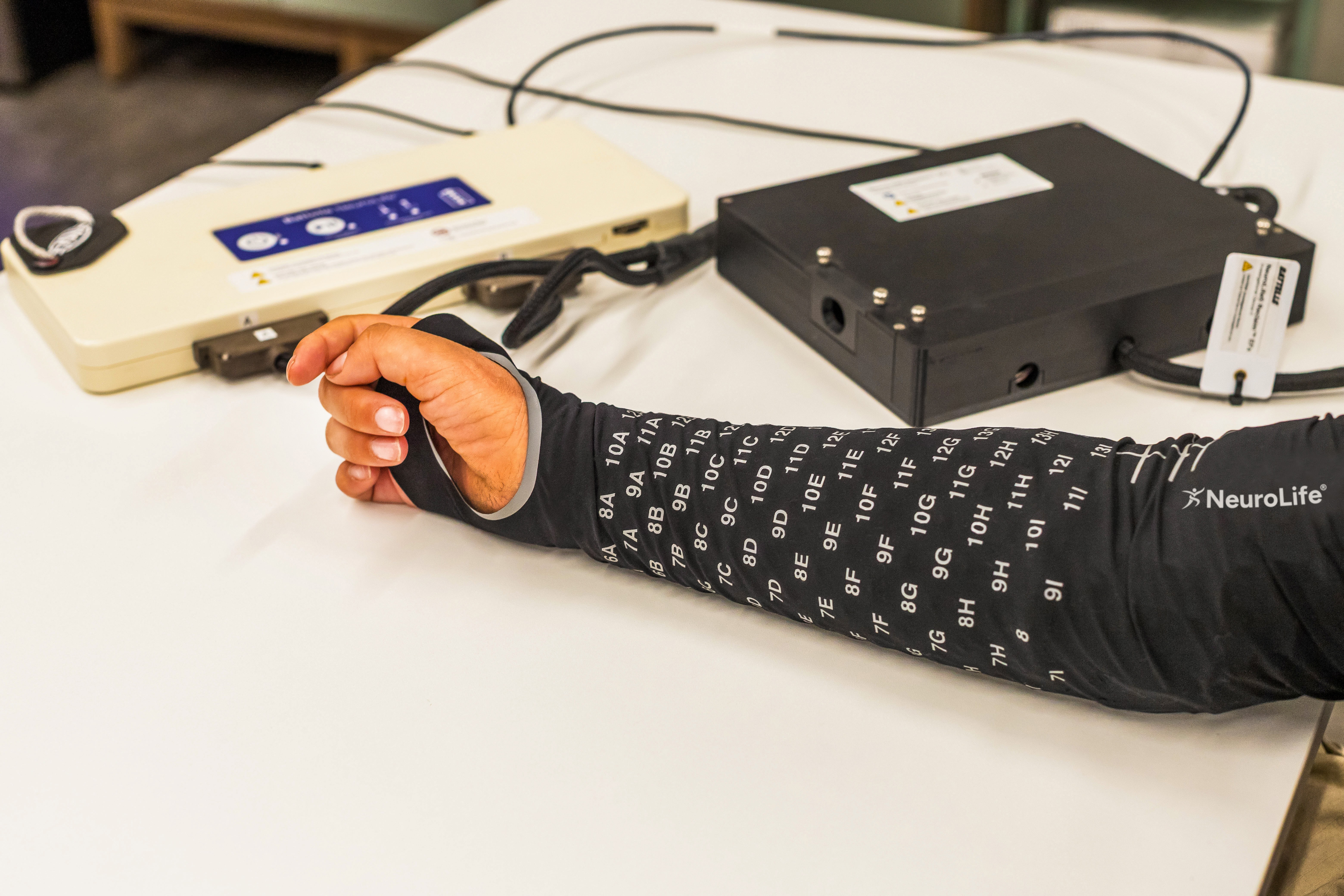
COLUMBUS, Ohio--(BUSINESS WIRE)--NeuroLife today launched as a non-invasive neurotechnology company developing wearable solutions to support rehabilitation for people affected by stroke or spinal cord injury. NeuroLife is the market-facing brand of ActivateNeuro, Inc. and is established through a strategic partnership between Battelle and The NeuroTech Institute (NTI).

"Our goal is to develop a non-invasive platform that supports functional hand and arm use by making therapy more personalized, responsive and aligned with how the body naturally moves," said Jon Snyder, CEO of NeuroLife.

Share

In the United States, stroke and spinal cord injury affect millions of people, including approximately 7.8 million stroke survivors, representing a significant and growing global rehabilitation market (Centers for Disease Control and Prevention). Despite significant need, access to personalized, high-intensity therapy remains limited for many patients.

NeuroLife technology addresses this gap with a wearable sleeve that reads electrical signals from muscles and nerves, interprets movement intent and delivers targeted stimulation to support functional hand and arm recovery during guided therapy. The platform integrates high-density neuromuscular sensing, intelligent decoding and adaptive stimulation translating neuromuscular signals into real-time feedback to support personalized, signal-driven rehabilitation.

"NeuroLife represents a focused step forward in how rehabilitation can evolve," said Jon Snyder, CEO of NeuroLife. "Our goal is to develop a non-invasive platform that supports functional hand and arm use by making therapy more personalized, responsive and aligned with how the body naturally moves."

"Battelle has a long history of translating scientific innovation into real-world impact," said Matt McFarland, Vice President of Commercial Strategy at Battelle. "Our collaboration with NTI and the formation of NeuroLife advances neurotechnology from foundational research into clinical and commercial development. NeuroLife brings the rigor of Battelle's research capabilities into a platform built for clinical environments and patient impact."

Built as a flexible system, the platform is designed to support applications across rehabilitation, neuromuscular analytics and future neuro-enabled solutions. Its wearable, non-invasive design is intended to support accessibility, ease of use and integration into clinical workflows.

NeuroLife has completed a $2.9 million seed round with founding partners Battelle and NTI providing foundational capital, including licensing of Battelle’s NeuroLife platform technology. The company is pursuing FDA clearance for its wearable platform and has established a development roadmap focused on clinical validation, regulatory progression and commercial scalability.

NeuroLife is actively engaging partners across medtech, digital health and clinical research to accelerate development. Organizations interested in co-development opportunities, clinical pilot programs or strategic investment are encouraged to contact the company directly.

About NeuroLife

NeuroLife is the market-facing brand of ActivateNeuro, Inc., formed through a strategic partnership between Battelle and The NeuroTech Institute (NTI). The company is advancing non-invasive neurotechnology to support personalized, data-driven rehabilitation for people recovering from stroke or spinal cord injury. NeuroLife® technology is designed to support applications across rehabilitation, neuromuscular analytics and future neuro-enabled solutions. Learn more at www.neurolifetech.com.

About Battelle

Every day, the people of Battelle apply science and technology to solving what matters most. At major technology centers and national laboratories around the world, Battelle conducts research and development, designs and manufactures products, and delivers critical services for government and commercial customers. Headquartered in Columbus, Ohio since its founding in 1929, Battelle serves the national security, health and life sciences, and energy and environmental industries. For more information, visit www.battelle.org.

About The NeuroTech Institute

The NeuroTech Institute (NTI) was launched in October 2022 in partnership with The Ohio State University, a leading academic medical center, to advance neurological research and treatments for patients with neurological disorders. www.neurotechinstitute.org.

Contacts

Jon J. Snyder, CEO, NeuroLife at (440) 487-7515 | jsnyder@neurolifetech.com, or Katy Delaney, Battelle (614) 424-7208 | delaneyk@battelle.org, or Amanda Ensinger at (419) 979-4334 or ensinger@battelle.org.

Tuesday, May 26, 2026

Multimodal CT radiomics-clinical ensemble machine learning model effectively predicts futile recanalization after endovascular treatment of acute ischemic stroke

 Did you even objectively identify futile recanalization? I don't think you identified cause and effect properly, measuring Rankin scores has nothing directly to do with reperfusion! My god, the blithering stupidity out there is astounding!

 What followup research did you do ensure reperfusion will work completely every time? Oh NO, YOU INCOMPETENTLY DID NOTHING, right? Predicting failure is totally fucking useless! 

But it probably is because you did NOTHING to stop the 5 causes of the neuronal cascade of death in the first week and thus letting die hundreds of millions to billions of neurons!

You really don't  know what the fuck you are doing in stroke, so get the hell out!

Multimodal CT radiomics-clinical ensemble machine learning model effectively predicts futile recanalization after endovascular treatment of acute ischemic stroke


  • 1. Department of Radiology, Guangzhou First People's Hospital, The Second Affiliated Hospital, School of Medicine, South China University of Technology, Guangzhou, China

  • 2. Department of Neurology, Guangzhou First People's Hospital, The Second Affiliated Hospital, School of Medicine, South China University of Technology, Guangzhou, China

Abstract

Backgrounds: 

Futile recanalization (FR) poses a significant challenge in endovascular treatment and there is a lack of reliable predictive models for assessing treatment outcomes in stroke. The aim of this study is to develop a robust CT radiomics-clinical ensemble model that predicts FR in patients with acute ischemic stroke (AIS) following endovascular treatment (EVT) utilizing machine learning techniques.

Methods: 

This study enrolled 101 patients diagnosed with AIS who underwent successful EVT. A total of 946 radiomics features were, respectively, extracted from non-contrast CT (NCCT), contrast-enhanced CT (CECT), and various CT perfusion maps (CBF, CBV, MTT, and TTP) using PyRadiomics prior to the endovascular intervention. Demographic characteristics, along with baseline clinical, laboratory, and angiographic variables, were incorporated as clinical features in the model analysis. Feature engineering was performed using SelectKBest. Five traditional machine learning algorithms were employed for modeling. The dataset was randomly split into a training cohort (n = 71, 70%) and an internal validation cohort (n = 30, 30%). Receiver operating characteristic (ROC) curves were utilized to evaluate the performance of each model.

Results: 

Among the 101 patients, FR occurred in 66 individuals (65%), as determined by the modified Rankin Scale (mRS) at 90 days. The ensemble model integrating clinical data, NCCT, and CBV achieved the highest performance, with an area under the curve (AUC) of 0.918 using the CatBoost algorithm.

Conclusion: 

The multimodal CT radiomics-clinical ensemble machine learning model demonstrated excellent predictive capability for identifying FR in AIS patients with large vessel occlusion prior to EVT.

Monday, May 11, 2026

Does bridging tPA before thrombectomy help (or harm) stroke patients over 80?

 You're measuring the wrong endpoints! Are you that blitheringly stupid that you  don't know that the only survivor goal in stroke is 100% recovery? Are you aren't listening to survivors?

Does bridging tPA before thrombectomy help (or harm) stroke patients over 80?


INTRODUCTION

Endovascular treatment (EVT) is an effective treatment(Effective is 100% recovery; NOT THE INTERMEDIATE STEP OF SUCCESSFUL REPERFUSION!) for patients with acute ischemic stroke (AIS); however, it remains to be determined if treatment with intravenous thrombolysis (IVT) prior to EVT confers any benefit in octogenarians and older. This study aimed to address if bridging tPA has improved functional outcomes or complications in patients 80 years and older.

METHODS

This multicentre retrospective cohort study included patients 80 years old and above who underwent endovascular therapy for large vessel occlusion acute ischaemic stroke in 10 compressive stroke centres across China and Singapore between 2018 and 2024. Clinical and procedural factors of patients in Singapore and China were compared using multivariate binary logistic regression. The primary outcome measured was 3-month functional independence defined as modified rankin scale (mRS) 0-2.(So, declaring failure a success! I'd have you all fired for using the tyranny of low expectations to declare success when it hasn't occurred!) Secondary outcomes included 3-month independent ambulation as defined as mRS 0-3, 3-month mortality rates and achieving successful recanalization. Data on intracranial haemorrhage was also collected.

RESULTS

Bridging IVT was not associated with improvement in 3-month functional independence (24.47% vs. 20.97%; p = 0.505), improvement in 3-month independent ambulation (32.80% vs. 41.49%; p = 0.512), 3-month mortality rates (36.17% vs. 33.33%; p = 0.637) or increased rates of successful recanalisation (89.36% vs. 87.63%; p = 0.672),. Instead, patients who underwent bridging IVT had higher rates of haemorrhage compared to patients who did not undergo bridging IVT even after adjusting for confounding factors (OR = 1.921; 95% CI 1.026-3.596; p = 0.041).

CONCLUSION

The findings of this study suggest that bridging IVT prior to EVT may not improve functional outcomes or mortality rates. However, it appears to be associated with an increase in risk of intracranial haemorrhage.

REFERENCES

  1. Efficacy and safety of bridging intravenous thrombolysis prior to endovascular treatment in patients over 80 years old with acute ischemic stroke.

    Chen Y, Siow I, Lee KS, Dai Q, Xiao X, Garg A, Gopinathan A, Yang C.

    Neuroradiology. 2026 May 2 [Epub ahead of print]

Monday, May 4, 2026

Clinical multidimensional prediction model for futile reperfusion in acute ischemic stroke after endovascular thrombectomy

 What followup research did you do ensure reperfusion will work completely every time? Oh NO, YOU INCOMPETENTLY DID NOTHING, right? Predicting failure is totally fucking useless! I don't think you identified cause and effect properly, measuring Rankin scores has nothing directly to do with reperfusion! My god, the blithering stupidity out there is astounding!

But it probably is because you did NOTHING to stop the 5 causes of the neuronal cascade of death in the first week and thus letting die hundreds of millions to billions of neurons!

You really don't  know what the fuck you are doing in stroke, so get the hell out!

Clinical multidimensional prediction model for futile reperfusion in acute ischemic stroke after endovascular thrombectomy


  • 1. Department of Neurology, Ningbo No.2 Hospital, Wenzhou Medical University, Ningbo, China

  • 2. Department of Cerebrovascular Diseases, Ningbo No.2 Hospital, Wenzhou Medical University, Ningbo, Zhejiang, China

Abstract

Background: 

Previous Studies on prediction models for futile reperfusion after endovascular thrombectomy (EVT) in acute ischemic stroke (AIS) related to large vessel occlusion (LVO) have yielded inconsistent results. This inconsistency may be largely attributed to methodological limitations, particularly in variable selection and missing data handling. Consequently, the prognostic value of several key clinical predictors remains to be fully elucidated.


Methods: 

This retrospective study included 390 patients with AIS who underwent EVT at Ningbo No.2 Hospital. All of them achieved successful reperfusion with modified Thrombolysis in Cerebral Infarction (mTICI) score ≥ 2b. Futile reperfusion was defined as a modified Rankin Scale score of 3–6 at 90-day. Missing data were handled with multiple imputation. Logistic regression models were built using a two step predictor selection process: first univariable screening with p < 0.2; then further selection based on event count constraints. Only variables that were selected in all five imputed datasets, meaning a 100% selection frequency, were retained. Model performance measures were pooled following Rubin’s rules.


Results: 

Based on preoperative assessments integrating clinical, imaging, and laboratory markers, the final model comprised nine variables: National Institutes of Health Stroke Scale (NIHSS) score, Computed Tomography angiography-source images Alberta Stroke Program Early Computed Tomography Score (CTA-SI ASPECTS), time from onset to reperfusion (OTR), collateral circulation scores (CCS), C-reactive protein (CRP), glucose, white blood cell (WBC) count, neutrophil count, and monocyte count. The final model demonstrated good discriminative ability, with a pooled test AUC of 0.795 and a Brier score of 0.178. At the optimal threshold (mean 0.457), the model achieved a specificity of 0.822 and accuracy of 0.761, with positive net benefit across clinically relevant threshold probabilities on decision curve analysis. A nomogram incorporating the nine consistently selected predictors was developed to facilitate individualized risk prediction.


Conclusion: 

We developed a multidimensional model integrating clinical, imaging, and laboratory markers to predict futile reperfusion following EVT in patients with anterior circulation stroke. Each marker provides independent prognostic information; collectively, they represent the multidimensional risk architecture underlying postprocedural outcomes.


More at link.