Changing stroke rehab and research worldwide now.Time is Brain! trillions and trillions of neurons that DIE each day because there are NO effective hyperacute therapies besides tPA(only 12% effective). I have 523 posts on hyperacute therapy, enough for researchers to spend decades proving them out. These are my personal ideas and blog on stroke rehabilitation and stroke research. Do not attempt any of these without checking with your medical provider. Unless you join me in agitating, when you need these therapies they won't be there.

What this blog is for:

My blog is not to help survivors recover, it is to have the 10 million yearly stroke survivors light fires underneath their doctors, stroke hospitals and stroke researchers to get stroke solved. 100% recovery. The stroke medical world is completely failing at that goal, they don't even have it as a goal. Shortly after getting out of the hospital and getting NO information on the process or protocols of stroke rehabilitation and recovery I started searching on the internet and found that no other survivor received useful information. This is an attempt to cover all stroke rehabilitation information that should be readily available to survivors so they can talk with informed knowledge to their medical staff. It lays out what needs to be done to get stroke survivors closer to 100% recovery. It's quite disgusting that this information is not available from every stroke association and doctors group.

Showing posts with label folate. Show all posts

Saturday, May 2, 2026

Best Supplements for Stroke Recovery: A Complete Guide for Natural and Brain Boosting Supplements Post Stroke by Flint Rehab


Best Supplements for Stroke Recovery: A Complete Guide for Natural and Brain Boosting Supplements Post Stroke


Elizabeth Denslow, OTR/L
Medically reviewed by Elizabeth Denslow, OTR/L — written by Flint Rehab.Last updated on April 29, 2026Recovering after a stroke can feel overwhelming. There are many moving parts including your therapy, medications, lifestyle changes, and the day-to-day effort of rebuilding strength and independence. Naturally, one of the most common questions many survivors and caregivers ask is: Are there supplements that can help support recovery? The short answer is yes, there are some supplements that may play a supportive role in your recovery post-stroke. However, they are not a replacement for therapy, medical care, or consistent exercise. Instead, think of them as one piece of a larger recovery plan that works together to support your brain and body. In this guide, we’ll walk through the best supplements for stroke recovery, including both brain-focused supplements and natural supplement options. We’ll also discuss what you should consider before adding anything new to your routine including any potential safety concerns to evaluate with your doctor. Let’s dive in! A quick but important reminder: Before starting any new supplement, it’s important to talk with your doctor(That's cute; thinking your doctor will know anything about supplements!). They understand your full medical history and can help you choose options that support your recovery safely.

Understanding Stroke Recovery, Nutrition, and Supplementation

After a stroke, the brain can rewire and repair itself through a process called neuroplasticity. This is the brain’s ability to reorganize, form new connections, and allow survivors to regain movement, speech, and other functions over time.

Now, while therapy and repetition are the primary drivers of neuroplasticity, nutrition plays an important supporting role. This is because the brain needs the right nutrients to repair cells, reduce inflammation, and maintain healthy blood flow.

And this is where supplements may help.

That said, it’s important to keep expectations realistic. Supplements won’t create recovery on their own but they can help support the processes already happening through therapy and daily practice.

Are Supplements Safe After a Stroke?

Before diving into specific options, there’s something important to understand about supplements post-stroke.

Not all supplements are safe for everyone in general, but especially after a stroke.

That’s because many stroke survivors may be taking medications like:

  • Blood thinners
  • Blood pressure medications
  • Cholesterol-lowering drugs

And some supplements can interact with these medications and cause adverse effects. For example, certain natural compounds may affect blood clotting or blood pressure.

This is why before taking any supplement, it is absolutely essential that you:

  • Talk with your doctor before starting a new supplement
  • Introduce one supplement at a time
  • Watch for any changes or side effects

This extra step can help you stay safe while introducing supplementation to support your recovery.

Best Brain Supplements for Stroke Recovery

After a stroke, many people begin looking for ways to support the brain as it heals and adapts. While no supplement can replace therapy or medical care, certain nutrients are often discussed for their potential to support brain health, cognitive function, and nerve repair. 

Let’s take a look at some of the best brain supplements for stroke recovery that may play a helpful role alongside a consistent rehabilitation routine.

1. Omega-3 Fatty Acids (Fish Oil)

omega-3 (110 posts to June 2012) My posts on the subject.

My posts on the subject.

Omega-3s are one of the most widely studied supplements for brain health.

They may help:

  • Reduce inflammation in the brain
  • Support cell membrane repair
  • Promote healthy blood flow

After a stroke, inflammation can slow recovery. Omega-3s may help create a more supportive environment for healing.

They are commonly found in:

  • Fish oil supplements
  • Fatty fish like salmon and sardines

For many people, this is a foundational supplement to consider.

2. Vitamin D

vitamin D(40 posts to May 2012) My posts on the subject.

Vitamin D is essential for overall health, but it also plays a role in brain function.

Low vitamin D levels have been linked to:

While vitamin D deficiency may contribute to fall risk, it is important to note that excessively high vitamin D levels are also associated with an increased risk of falls. This again demonstrates the importance of reviewing any new supplements with your doctor before starting, as they can help ensure the proper dosage for your specific situation.

3. B Vitamins (B6, B12, and Folate)


vitamin B6 (2 posts to January 2019) My posts on the subject.

Vitamin B12(26 posts to December 2011) My posts on the subject.

folate (10 posts to May 2012) My posts on the subject.

B vitamins are important for nerve health and energy production.

They may help:

Vitamin B12, in particular, is essential for maintaining healthy nerve cells.

For stroke survivors experiencing fatiguedepression, or nerve-related challenges, B vitamins are often part of a supportive plan.

4. Magnesium

magnesium (42 posts to March 2011) My posts on the subject.

Magnesium plays a role in hundreds of processes in the body, including brain function.

It may help:

  • Support nerve signaling
  • Reduce muscle stiffness or spasticity
  • Promote relaxation and better sleep

Sleep is often overlooked in recovery, yet it’s when much of the brain’s repair work happens. Magnesium can indirectly support that process.

5. Coenzyme Q10 (CoQ10)

CoQ10 (14 posts to May 2013) My posts on the subject.

CoQ10 is involved in energy production at the cellular level.

After a stroke, cells may struggle to produce energy efficiently. CoQ10 may help:

  • Support cellular energy
  • Reduce oxidative stress
  • Protect brain cells

While research is still ongoing, some people include CoQ10 as part of a broader brain health routine.

6. Curcumin (from Turmeric)

curcumin (46 posts to March 2011) My posts on the subject.

Curcumin is the active compound in turmeric and is known for its anti-inflammatory properties.

It may help:

  • Reduce inflammation
  • Support brain healing
  • Protect against oxidative damage

Because inflammation can interfere with recovery, curcumin is often discussed as a natural option to support healing.

Natural Supplements for Stroke Recovery

As recovery continues, some individuals look beyond traditional vitamins and begin exploring plant-based or naturally derived supplements. These options are often discussed for their potential to support circulation, reduce inflammation, and promote cognitive function. 

While they can feel like a more “natural” approach, it’s still important to use them carefully and as part of a broader recovery plan guided by your healthcare team.

1. Ginkgo Biloba

Ginkgo biloba (12 posts to May 2012) My posts on the subject.

Ginkgo is commonly used to support brain health and circulation.

It may help:

  • Improve blood flow to the brain
  • Support memory and cognition

However, it’s important to use caution. Ginkgo can affect blood clotting, so it may not be safe for those on blood thinners.

2. Green Tea Extract

Don't do anything with this until your doctor can guarantee the right prescription. Green tea extract can be dangerous.

green tea extract (8 posts to March 2016) My posts on the subject.

Green tea contains antioxidants called catechins.

These may help:

  • Reduce oxidative stress
  • Support overall brain health

Drinking green tea or using a supplement can be a gentle way to add more antioxidants into your routine.

3. Resveratrol

resveratrol (71 posts to January 2012) My posts on the subject.

Resveratrol is found in grapes and berries.

It may help:

  • Support blood vessel health
  • Reduce inflammation
  • Protect brain cells

While research is still developing, it’s often included in discussions about long-term brain health.

4. Garlic Extract

Aged Garlic Extract (13 posts to January 2016) My posts on the subject.

Garlic has long been used for heart health.

It may help:

  • Support healthy blood pressure
  • Improve circulation
  • Reduce cholesterol levels

Since stroke recovery often involves managing cardiovascular health, garlic may be a helpful addition for some individuals.

5. Ashwagandha

Be careful with this one:

For the study, published in JAMA Network Open, researchers analyzed data from more than 9,500 American adults with an average age of 47.5 who participated in the National Health and Nutrition Examination Survey from 2017 to 2020.
The researchers focused on six supplements previously linked to liver damage:

  • Ashwagandha
  • Black cohosh
  • Garcinia Cambogia
  • Green tea extract
  • Red yeast rice
  • Turmeric/curcumin

Ashwagandha is an adaptogenic herb that helps the body manage stress.

It may help:

  • Reduce stress and anxiety
  • Improve sleep
  • Support overall well-being

Recovery is not just physical. Emotional health plays a major role, and managing stress can support the healing process.

Whole Foods vs. Supplements

It’s worth pausing here to highlight something important. Whenever possible, nutrients should come from whole foods first.

For example:

  • Fatty fish instead of only fish oil
  • Leafy greens instead of only folate supplements
  • Nuts and seeds instead of isolated nutrients

Whole foods provide a combination of nutrients that work together. Supplements, on the other hand, are more targeted.

That said, supplements can still be helpful when:

  • There are nutrient deficiencies
  • Appetite is reduced
  • Dietary restrictions are present
  • Higher therapeutic doses are needed

In many cases, the best approach is a combination of both.

How to Choose the Right Supplements

With so many options available, it’s easy to feel unsure about where to start. First and foremost, talk with your doctor. After a stroke, your care plan often includes medications and specific health considerations. 

The supplements in the US have zero guarantee of purity or efficacy due to the fucking stupidity of the US Congress passing the Dietary Supplement Health and Education Act of 1994 (DSHEA).

A doctor can help you avoid potential interactions, confirm what’s safe for you, and guide you toward options that fit your recovery needs.

From there, here are a few simple guidelines to help you move forward with confidence:

1. Start with Your Needs

Think about your specific challenges:

  • Are you dealing with fatigue?
  • Memory issues?
  • Muscle stiffness?

Choosing supplements based on your needs can make the process more focused.

2. Keep It Simple

It can be tempting to try everything at once. However, starting with 1–2 supplements allows you to:

  • Track how your body responds
  • Avoid unnecessary interactions
  • Stay consistent

3. Look for Quality

Not all supplements are created equal.

Look for:

  • Third-party testing
  • Clear ingredient labels
  • Reputable brands

This helps ensure you’re getting what you expect. Your doctor may be able to recommend certain brands that are known for their high quality products.

4. Stay Consistent

Supplements are not quick fixes. In many cases, they take time to support your body. Because of this, consistency matters more than taking large amounts or constantly switching products. 

A steady routine, paired with your therapy and daily practice, is what supports long-term progress.

The Most Important Piece: Repetition and Therapy

While supplements can support recovery, they cannot replace the most important driver of progress:

Repetition.

The brain rewires through consistent practice. Every movement, every exercise, and every attempt helps reinforce new neural pathways.

This is why tools, exercises, and structured programs are so important during recovery. Supplements may support the process, but they do not create it.

Final Thoughts: Building a Supportive Recovery Plan

There is no single “best” supplement for stroke recovery.

Instead, the goal is to build a supportive environment for healing, which may include:

  • Therapy and high-repetition exercises
  • Balanced nutrition
  • Targeted supplements (when appropriate)
  • Rest and stress management

Supplements can play a role, but they work best when combined with consistent effort and guidance from healthcare professionals.

If you’re considering adding supplements, start small, stay informed, and remember to talk with your doctor to determine which supplements are safe and can support your long term recovery! 

We hope you enjoyed this article and subscribe to our newsletter for weekly articles just like this delivered straight to your inbox — subscribe here.

Flint Rehab is leading the way in neuro-rehabilitation with products that are backed by research and clinically proven to help you recover more effectively from stroke, TBI, and SCI.

Saturday, June 25, 2022

Problem in the Recent American Heart Association Guideline on Secondary Stroke Prevention: B Vitamins to Lower Homocysteine Do Prevent Stroke

Have your doctor prove their well reasoned conclusion from this disagreement.

Problem in the Recent American Heart Association Guideline on Secondary Stroke Prevention: B Vitamins to Lower Homocysteine Do Prevent Stroke

Originally publishedhttps://doi.org/10.1161/STROKEAHA.122.038640Stroke. 2022;0:10.1161/STROKEAHA.122.038640

In this article, we discuss a problem in the most recent American Heart Association guideline on secondary stroke prevention that apparently arose from the rules of evidence imposed on the guideline panel. We are told by the cochair of the panel that American Heart Association rules about guidelines for secondary prevention prohibited consideration of primary prevention studies and secondary analyses of secondary prevention studies. However, evidence-based medicine should consider all the best external evidence available and also clinical judgement. The most important problem in the guideline was the recommendation that B vitamins to lower homocysteine do not prevent recurrent stroke. When considering all the best external evidence, it is clear that B vitamins do prevent stroke, but in the early secondary stroke prevention studies, the benefit of B vitamins in participants with good renal function was apparently offset by harm from cyanocobalamin among participants with renal failure (level B-R evidence). We review the evidence that B vitamins should be used to prevent stroke, both in primary and secondary stroke prevention (class 2a recommendation). We also review issues in folate metabolism that require further study, with regard to the form of folate to be used for stroke prevention. We recommend that the guideline be revised to say that B vitamins to lower homocysteine prevent stroke and that methylcobalamin or hydroxycobalamin should be used instead of cyanocobalamin.

Friday, July 23, 2021

The Brain Benefits of Onions (Yes, Onions)

 How many decades will it take before your doctor informs the hospital dietician to get these on the menu? In time for your children's and grandchildren's strokes? Or maybe YOU should run the stroke hospital, you can't do any worse.

The Brain Benefits of Onions (Yes, Onions)

Who doesn’t love the fragrance of onions cooking on the stove? It warms the heart and whets the appetite for a good, hearty meal. Now we’re learning that those onions not only smell good, they may also help protect our brains from the effects of aging.

Onions, a staple in many cultures and diets around the world, are a nutrition powerhouse. They’re loaded with vitamin C, flavonoids, potassium and B vitamins. And it’s those B vitamins that may be beneficial for your brain.

To learn more, check out this article on Staying Sharp: Avocado-Palooza


A Harvard study showed that vitamin B (folate) seems to sweep away the debris that can clog the brain and lead to cognitive decline as people age. Folate breaks down a compound called homocysteine, which can build up in the blood and increase the risk of stroke and dementia.

You could pop a vitamin B tablet, but experts say it’s better to go straight to the source — and one of the best sources is the humble onion. So to help keep your brain healthy, get chopping and get your folates the tasty way.

Want to find out about the upsides of onions? Read Brain Benefits of Onions May Leave You Crying for More

- ADVERTISEMENT -


This content is provided for informational purposes only and is not intended to provide any expert, professional or specialty advice or recommendations. Readers are urged to consult with their medical providers for all questions.


Sunday, June 9, 2019

The vitamin that people don’t get enough of

Pretty much totally fucking useless. No mention of what test you should have your doctor run to determine your levels. This is just trying to scare people into buying this and likely just having expensive pee.  I expect exact levels needed, how to measure those levels and what to do to bring them up EXACTLY to the correct levels. THAT is what 'professionals' would do.

The vitamin that people don’t get enough of

John Murphy, MDLinx | June 07, 2019
Feeling weak, sluggish, or anemic? You may not be getting enough B vitamins. These are a group of eight vitamins that have important metabolic roles in converting food into energy. They’re also necessary for a wide range of other processes, such as blood cell production, neurological function, cellular signaling, DNA production and repair, metabolizing amino acids, and more. B vitamins are also believed to help reduce stress, anxiety, memory loss, and heart disease risk.

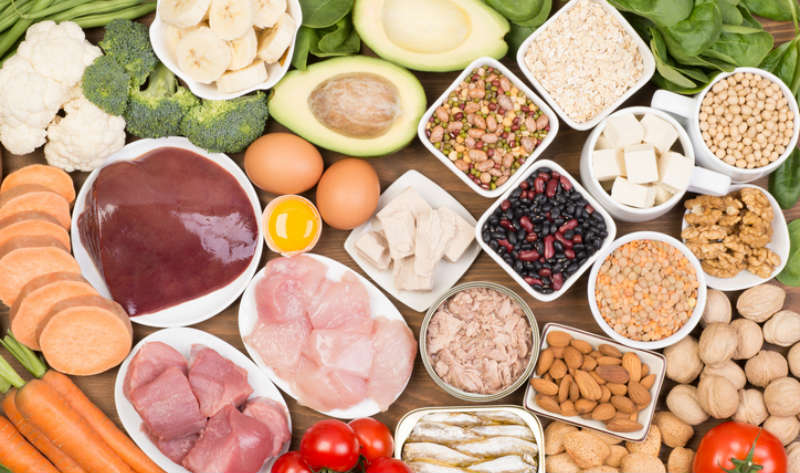
Need more vitamin B? Foods like liver, tuna, leafy greens, eggs, nuts, beans, and cereals help to make up for any diet deficiencies of the B complex vitamins.
Importantly, we have to replenish our B vitamins regularly. Because they’re water soluble, B vitamins aren’t stored in the body, and the ones that aren’t used get flushed out. That’s why we need to obtain B vitamins daily to avoid deficiencies.
B vitamin deficiencies, although uncommon, can be dangerous. There are eight great B vitamins, but let’s look at the four in which deficiencies may be more common and can be more serious.

Vitamin B1 (thiamine) deficiency

Most people in the United States get enough thiamine (vitamin B1). But for those who develop a thiamine deficiency, it can become a serious, potentially life-threating problem. Notably, people with chronic alcoholism frequently develop thiamine deficiency because ethanol reduces gastrointestinal absorption of thiamine, thiamine stores in the liver, and thiamine phosphorylation.
Other groups prone to thiamine deficiency include older adults, people with HIV/AIDS, people with diabetes, and those who have undergone bariatric surgery.
In its early stage, signs and symptoms of thiamine deficiency are nonspecific, and may include fatigue, irritability, poor memory, sleep disturbances, precordial pain, anorexia, and abdominal discomfort.
In severe stages, thiamine deficiency results in beriberi, which is characterized by peripheral neuropathy and muscle wasting, as well as impaired sensory, motor, and reflex functions. In rare cases, people with beriberi develop congestive heart failure that leads to edema in the legs and sometimes death. Although beriberi is rare in the United States, it does still occur here.
A more familiar consequence of thiamine deficiency in the United States is Wernicke-Korsakoff syndrome, which most commonly develops in people with chronic alcoholism—about 8-10 times more commonly than in the general population. Wernicke-Korsakoff syndrome often manifests in two phases. The first is Wernicke’s encephalopathy, an acute, life-threatening phase that’s characterized by peripheral neuropathy. Without supplemental thiamine treatment, up to 20% of people with Wernicke’s encephalopathy die.
Those who survive develop the second phase, Korsakoff’s psychosis, which is associated with severe short-term memory loss, disorientation, and confusion between real and imagined memories. Even with parenteral thiamine treatment, about one-quarter of patients with Korsakoff’s psychosis do not completely recover.
The daily Recommended Dietary Allowance (RDA) for thiamine is 1.2 mg in adult men and 1.1 mg in adult women. Primary food sources include whole grains, meat (notably pork), and fish. Americans get most of their thiamine from cereals and breads.

Vitamin B6 deficiency

Vitamin B6 deficiency is relatively rare in the United States, but some individuals can have low vitamin B6 status. Groups most likely to have inadequate vitamin B6 intake include people with poor renal function, including those with end-stage renal disease and chronic renal insufficiency, and people with autoimmune disorders, including rheumatoid arthritis. Other groups include patients with celiac disease, Crohn’s disease, ulcerative colitis, inflammatory bowel disease, and other malabsorptive autoimmune disorders, as well as people with alcohol dependence.
In addition, 24% of people in the United States who don’t take supplements containing vitamin B6 have low plasma concentrations of the vitamin. In particular, teenagers have the lowest vitamin B6 levels, followed by adults aged 21-44 years. Interestingly, the elderly do not have significantly low vitamin B6 plasma levels, even those who didn’t take supplements.

People with borderline vitamin B6 levels or mild deficiency may show no signs or symptoms for months or even years. In individuals with true vitamin B6 deficiency, symptoms can include anemia, seborrheic dermatitis, peripheral neuropathy, cheilosis (scaling on the lips and cracks at the corners of the mouth), glossitis (swollen/painful tongue), weakened immune function and, in adults specifically, depression, confusion, electroencephalographic abnormalities, and seizures. In infants, vitamin B6 deficiency causes irritability, abnormally acute hearing, and convulsive seizures.
People with low vitamin B6 concentrations should be sure to get adequate nutrients from food sources or vitamin supplements. Individuals with alcohol dependence or malabsorptive disorders may benefit from pyridoxine supplementation. Importantly, the patient’s underlying condition also needs to be addressed.
The daily RDA for vitamin B6 is 1.3 mg in adults up to age 50, and is higher in pregnant (1.9 mg) and lactating women (2.0 mg). In adults age 51 and older, the daily RDA is 1.7 mg for men and 1.5 mg for women.
Dietary sources of vitamin B6 include a wide variety of foods, particularly fish, beef liver and other organ meats, potatoes and other starchy vegetables, chickpeas, and non-citrus fruits.

Vitamin B9 (folate) deficiency

Although most Americans get enough vitamin B9 (folate), certain populations—including women of childbearing age and non-Hispanic black women—may not get a sufficient amount. Even among girls and women who take supplements with folic acid, 19% of those aged 14 to 18 years and 17% of those aged 19 to 30 years have an inadequate intake of folate. Likewise, 23% of non-Hispanic black women don’t get enough folate compared with 13% of non-Hispanic white women.
Other groups may also not get enough folate. For instance, pregnant women have a higher demand for folate, so they’re recommended to take a prenatal vitamin supplement that includes folic acid. Indeed, pregnant women with insufficient folate have an increased risk of giving birth to infants with neural tube defects. Inadequate folate intake in mothers is also associated with low infant birth weight, preterm delivery, and fetal growth retardation. The good news: Since 1998, the FDA has required manufacturers to add 140 mcg of folic acid to every 100 g of enriched breads, cereals, flour, cornmeal, pasta, rice, and other grain products to reduce the risk of these defects.
In addition, people with alcohol use disorder often have poor diets that don’t provide enough folate. Alcohol also interferes with folate absorption and hepatic uptake. Others who may not get enough folate include people with malabsorptive disorders and those with MTHFR gene polymorphism.
Although these groups may be at risk of insufficient folate intake, isolated folate deficiency is uncommon—it usually occurs along with other nutrient deficiencies related to poor diet, alcoholism, and malabsorptive disorders.
The primary clinical sign of folate deficiency (as well as vitamin B12 deficiency) is megaloblastic anemia, which is characterized by large, abnormally nucleated red blood cells. Symptoms include weakness, fatigue, difficulty concentrating, irritability, headache, heart palpitations, and shortness of breath.
Other signs and symptoms of folate deficiency are soreness and ulcerations on the tongue and oral mucosa; pigmentary changes in skin, hair, or fingernails; gastrointestinal symptoms; and elevated blood concentrations of homocysteine.
The RDA for folate in adults is 400 mcg dietary folate equivalents (DFE) per day, and is higher in pregnant and (600 mcg DFE) and lactating women (500 mcg DFE). Folate is naturally present in a wide variety of foods and found in the largest amounts in vegetables (especially spinach, asparagus, and brussels sprouts), meat (particularly beef liver), fruits and fruit juices, nuts, beans, peas, seafood, eggs, dairy products, poultry, and grains (notably breakfast cereal).
Bear in mind that some people are at risk of getting too much folic acid. About 5% of adults aged 51-70 years, as well as men aged 71 years and older, have folic acid intakes that exceed the tolerable limit of 1,000 mcg per day, mostly due to the folic acid they get from dietary supplements.

Vitamin B12 deficiency

Some people—particularly older adults and people with pernicious anemia—have difficulty absorbing vitamin B12. Consequently, vitamin B12 deficiency is common in the United States, affecting between 1.5% and 15% of the general population.
Older adults are prone to develop vitamin B12 deficiency due to atrophic gastritis, a condition that occurs in 10% to 30% of this population. Atrophic gastritis decreases the secretion of hydrochloric acid in the stomach, which reduces absorption of vitamin B12.
Similarly, some adults develop pernicious anemia, which is characterized by a lack of intrinsic factor in the stomach. Without enough intrinsic factor, people with pernicious anemia don’t properly absorb vitamin B12.
Other groups at risk of vitamin B12 deficiency include people with stomach and small intestine disorders (such as celiac disease and Crohn’s disease), people who have had gastrointestinal surgery (eg, for weight loss), and strict vegetarians (because animals are the only natural food source of B12).
Signs and symptoms of vitamin B12 deficiency include megaloblastic anemia, peripheral neuropathy, fatigue, weakness, constipation, loss of appetite, and weight loss. Other symptoms include difficulty maintaining balance, confusion, dementia and, rarely, soreness of the mouth or tongue.

The daily RDA for vitamin B12 in adults is 2.4 mcg, with higher amounts recommended for pregnant (2.6 mcg) and lactating (2.8 mcg) women. Vitamin B12 is naturally found in foods derived from animals, including seafood (eg, clams, trout, salmon, tuna), meat (notably beef liver), poultry, eggs, milk, milk products, and (for vegans) fortified breakfast cereals.
People with atrophic gastritis can absorb the synthetic vitamin B12 added to fortified foods and dietary supplements. So, adults older than age 50 are recommended to obtain vitamin B12 from vitamin supplements or fortified foods. People with pernicious anemia are usually treated with intramuscular injections of vitamin B12.
Other people who have trouble absorbing vitamin B12 from foods—as well as strict vegetarians who don’t eat foods derived from animal sources—can get their vitamin B12 from fortified foods, vitamin supplements, or vitamin B12 injections.

Tuesday, April 11, 2017

B-vitamin and choline supplementation increases neuroplasticity and recovery after stroke

Whom is going to follow this up with human clinical trials and translational efforts? Our fucking failures of stroke associations certainly won't. You are on your own to hire researchers to solve this.
http://www.sciencedirect.com/science/article/pii/S096999611730075X

Highlights

Dietary supplementation with B-vitamins and choline promotes recovery from stroke. How much and how long?
Supplementation promotes neuroplasticity and increased anti-oxidant activity.
Genetic deficiency in B-vitamins increases vulnerability to stroke, in vitro.

Abstract

Folates are B-vitamins that play an important role in brain function. Dietary and genetic deficiencies in folate metabolism result in elevated levels of homocysteine which have been linked to increased risk of developing a stroke. Reducing levels of homocysteine before or after a stroke through B-vitamin supplementation has been a focus of many clinical studies, however, the results remain inconsistent. Animal model systems provide a powerful mechanism to study and understand functional impact and mechanisms through which supplementation affects stroke recovery. The aim of this study was to understand the role of B-vitamins in stroke pathology using in vivo and in vitro mouse models. The first objective assessed the impact of folate deficiency prior to ischemic damage followed by B-vitamins and choline supplementation. Ischemic damage targeted the sensorimotor cortex. C57Bl/6 wild-type mice were maintained on a folic acid deficient diet for 4 weeks prior to ischemic damage to increased levels of plasma homocysteine, a risk factor for stroke. Post-operatively mice were placed on a B-vitamin and choline supplemented diet for a period of four weeks, after which motor function was assessed in mice using the rotarod, ladder beam and forepaw asymmetry tasks. The second objective was to determine how a genetic deficiency in methylenetetrahydrofolate reductase (MTHFR), an enzyme involved in folate metabolism, increases vulnerability to stroke. Primary cortical neurons were isolated from Mthfr+/+, Mthfr+/− and Mthfr−/− embryos and were exposed to in vitro models of stroke which include hypoxia or oxygen glucose deprivation. Cell viability was measured 24-h after exposure stroke like conditions in vitro. In supplemented diet mice, we report improved motor function after ischemic damage compared to mice fed a control diet after ischemic damage. Within the perilesional cortex, we show enhanced proliferation, neuroplasticity and anti-oxidant activity in mice fed the supplemented diet. A genetic MTHFR deficiency resulted in neurodegeneration after exposure to in vitro models of stroke, by activating apoptosis promoting p53-dependent mechanisms. These results suggest that one-carbon metabolism plays a significant role in recovery after stroke and MTHFR deficiency contributes to poor recovery from stroke.

Abbreviations

  • BDNF, Brain derived neurotrophic factor;
  • CD, Control diet;
  • FADD, Folic acid deficient diet;
  • OGD, Oxygen glucose deprivation;
  • Nrf-2, Nuclear factor (erythroid-derived 2)-like2;
  • MTHFR, Methylenetetrahydrofolate reductase;
  • SOD2, Superoxide dismutase 2;
  • SD, Supplemented diet

Keywords

  • Cerebral ischemia;
  • Homocysteine;
  • Folate;
  • Methylenetetrahydrfolate reductase;
  • Cortical plasticity
Choose an option to locate/access this article:
Check if you have access through your login credentials or your institution
Check access

Corresponding author at: Department of Neuroscience, Carleton University, 1125 Colonel By Drive, Ottawa, ON K1S 5B6, Canada.