Changing stroke rehab and research worldwide now.Time is Brain! trillions and trillions of neurons that DIE each day because there are NO effective hyperacute therapies besides tPA(only 12% effective). I have 523 posts on hyperacute therapy, enough for researchers to spend decades proving them out. These are my personal ideas and blog on stroke rehabilitation and stroke research. Do not attempt any of these without checking with your medical provider. Unless you join me in agitating, when you need these therapies they won't be there.

What this blog is for:

My blog is not to help survivors recover, it is to have the 10 million yearly stroke survivors light fires underneath their doctors, stroke hospitals and stroke researchers to get stroke solved. 100% recovery. The stroke medical world is completely failing at that goal, they don't even have it as a goal. Shortly after getting out of the hospital and getting NO information on the process or protocols of stroke rehabilitation and recovery I started searching on the internet and found that no other survivor received useful information. This is an attempt to cover all stroke rehabilitation information that should be readily available to survivors so they can talk with informed knowledge to their medical staff. It lays out what needs to be done to get stroke survivors closer to 100% recovery. It's quite disgusting that this information is not available from every stroke association and doctors group.

Showing posts with label stroke department head. Show all posts

Tuesday, October 24, 2017

Photobiomodulation therapy promotes neurogenesis by improving post-stroke local microenvironment and stimulating neuroprogenitor cells

Sounds promising. You will have to have your doctor contact their stroke research partners to get this tested in humans. If they don't have partners your stroke department head is incompetent along with your stroke hospital president.  With no partners they are just inert and useless doctors,

WAITING FOR SOMEONE ELSE TO SOLVE THE PROBLEM?

I could see significant problems getting through the skull to actually affect the brain itself. But that is for your doctor and researchers to solve. 

Photobiomodulation therapy promotes neurogenesis by improving post-stroke local microenvironment and stimulating neuroprogenitor cells


Highlights

PBM alleviates behavioral deficits after PT stroke.
PBM decreases cortical infarct size and increases neuronal survival.
PBM promotes cortical neurogenesis after PT stroke.
PBM inhibits local inflammatory status and promotes mitochondrial function.
PBM promotes proliferation and differentiation of neuroprogenitor cells.

Abstract

Recent work has indicated that photobiomodulation (PBM), also known as low-level laser/light therapy (LLLT), may beneficially alter the pathological status of several neurological disorders, although the mechanism currently remains unclear. The current study was designed to investigate the beneficial effect of PBM on behavioral deficits and neurogenesis in a photothrombotic (PT) model of ischemic stroke in rats. From day 1 to day 7 after the establishment of PT model, 2-minute daily PBM (CW, 808 nm, 350 mW/cm2, total 294 J at scalp level) was applied on the infarct injury area (1.8 mm anterior to the bregma and 2.5 mm lateral from the midline). Rats received intraperitoneal injections of 5-bromodeoxyuridine (BrdU) twice daily (50 mg/kg) from day 2 to 8 post-stoke, and samples were collected at day 14. We demonstrated that PBM significantly attenuated behavioral deficits and infarct volume induced by PT stroke. Further investigation displayed that PBM remarkably enhanced neurogenesis and synaptogenesis, as evidenced by immunostaining of BrdU, Ki67, DCX, MAP2, spinophilin, and synaptophysin. Mechanistic studies suggested beneficial effects of PBM were accompanied by robust suppression of reactive gliosis and the production of pro-inflammatory cytokines. On the contrary, the release of anti-inflammatory cytokines, cytochrome c oxidase activity and ATP production in peri-infarct regions were elevated following PBM treatment. Intriguingly, PBM could effectively switch an M1 microglial phenotype to an anti-inflammatory M2 phenotype. Our novel findings indicated that PBM is capable of promoting neurogenesis after ischemic stroke. The underlying mechanisms may rely on: 1) promotion of proliferation and differentiation of internal neuroprogenitor cells in the peri-infarct zone; 2) improvement of the neuronal microenvironment by altering inflammatory status and promoting mitochondrial function. These findings provide strong support for the promising therapeutic effect of PBM on neuronal repair following ischemic stroke.

Sunday, May 7, 2017

Cinnamon may lessen damage of high-fat diet in rats

Don't do this on your own. Ask your doctor what researcher they are collaborating with to answer if this works in humans. And when that answer will be known. No collaboration, call the president up and demand that the doctor be fired for incompetence, along with the stroke department head.  We have to get to the point where our doctors are actively trying to solve stroke problems rather than passively regurgitating knowledge from 20 years ago in medical school.
http://www.alphagalileo.org/ViewItem.aspx?ItemId=174807&CultureCode=en
Cinnamon may lessen the risk of cardiovascular damage of a high-fat diet by activating the body’s antioxidant and anti-inflammatory systems and slowing the fat-storing process, according to a preliminary animal study presented at the American Heart Association’s Arteriosclerosis, Thrombosis and Vascular Biology | Peripheral Vascular Disease 2017 Scientific Sessions.
In the study, researchers fed rats cinnamon supplements for 12 weeks along with a high-fat diet. They found:
The rats weighed less and had less belly fat and healthier levels of sugar, insulin and fat in their blood, compared to rats that did not receive cinnamon with their high-fat foods;
Rats fed cinnamon also had fewer molecules involved in the body’s fat-storing process and more antioxidant and anti-inflammatory molecules that protect the body from the damages of stress.
The results suggest that cinnamon may reduce the effects of a high-fat diet, researchers said.
Vijaya Juturu, Ph.D., OmniActive Health Technologies Inc, Morristown, NJ.
http://newsroom.heart.org/news/cinnamon-may-lessen-damage-of-high-fat-diet-in-rats?preview=8832aa437c34afa3942dda3235df3761

Thursday, May 4, 2017

Dalfampridine Improves Cognitive Impairment in Multiple Sclerosis

Would this help post-stroke? It seemed to fail in walking post-stroke. Since I have never been able to find out if stroke demyelinates nerves in the brain, that answer may tell us whether this would work for stroke. So ask your doctor that question, 'Does stroke demyelinate nerves in the brain?'  A neurologist I saw once tried to tell me that was the case but I think he was just blowing smoke out his ass, trying to pull the stunt that I(the doctor) know more than you, so just shut up about questions.

Acorda ditches dalfampridine poststroke walking studies

Ask your doctor for help in getting this clinically tested in stroke patients, you shouldn't have to ask, it should already be part of their goals and objectives. Assuming the stroke department head is competent and actually wants to solve all the problems in stroke.

Dalfampridine Improves Cognitive Impairment in Multiple Sclerosis

By Alex Morrisson
BOSTON -- May 2, 2017 -- Treatment with dalfampridine appears to improve cognitive impairment and some cognitive functioning tasks among patients diagnosed with multiple sclerosis (MS), according to clinical trial results presented at the 2017 Annual Meeting of the American Academy of Neurology (AAN).
“Dalfampridine should be considered as an effective treatment option for cognitive impairment in multiple sclerosis,” said lead author Laura De Giglio, MD, PhD, Sapienza University, Rome, Italy, speaking here on April 26.
Dr. De Giglio and colleagues randomised subjects in a 2:1 fashion to receive either 10-mg dalfampridine twice daily or placebo for 12 weeks.
Baseline score in the Symbol Digit Modalities Test (SDMT) was a mean of 30 seconds. The primary endpoint of the study was the improvement of processing speed measured with SDMT. Four weeks after the end of treatment, evaluable patients treated with dalfampridine (n = 70) achieved a scoring increase of 9.89 seconds on the Symbol Digit Modalities Test (SDMT) compared with evaluable patients on placebo (n = 37) who achieved a scoring increase of 4.89 seconds (P = .001).
In all, 76.1% of subjects treated with dalfampridine achieved at least a 20% improvement in the SDMT compared with 41.4% of the subjects receiving placebo (P = .001).
On a variety of secondary measures, subjects taking dalfampridine also showed some improvement on spatial memory, cognitive fatigue, and the overall Multiple Sclerosis Functional Composite.
Most subjects were in their mid-to-late 40s; about 60% were female. Subjects had a diagnosis of multiple sclerosis for about 15 years.
“Thirty-five to sixty percent of multiple sclerosis patients are believed to have some cognitive dysfunction, but results of treatment for this aspect of the disease have been limited or inconsistent,” noted Dr. De Giglio.
Dalfampridine, approved in the United States to improve walking difficulty in patients with MS, is a selective neuronal potassium-channel blocker that is designed to improve conduction of action potential in demyelinated nerve fibers. The drug is believed to increase the release of neurotransmitters in synapses and at the neuromuscular junctions.
Funding for this study was provided by Biogen, Cambridge, Massachusetts.
[Presentation title: Dalfampridine Improves Cognitive Impairment in Multiple Sclerosis (MS): Results From a Randomised, Double-blind, Placebo-controlled Trial.]

Tuesday, February 28, 2017

MicroRNA cluster miR-17–92 Cluster in Exosomes Enhance Neuroplasticity and Functional Recovery After Stroke in Rats

Just in rats so YOU will need to ask your doctor what research group they are collaborating with to test this in humans. No collaboration, call the hospital president and demand the incompetent stroke department head be fired. Someone has to light a fire under our stroke medical 'professionals' since they aren't doing it themselves.
Yes, I am a bad person, wanting some competency in stroke recovery.

MicroRNA cluster miR-17–92 Cluster in Exosomes Enhance Neuroplasticity and Functional Recovery After Stroke in Rats


Hongqi Xin, Mark Katakowski, Fengjie Wang, Jian-Yong Qian, Xian Shuang Liu, Meser M. Ali, Benjamin Buller, Zheng Gang Zhang, Michael Chopp

Abstract

Background and Purpose—Multipotent mesenchymal stromal cell (MSC) harvested exosomes are hypothesized as the major paracrine effectors of MSCs. In vitro, the miR-17–92 cluster promotes oligodendrogenesis, neurogenesis, and axonal outgrowth. We, therefore, investigated whether the miR-17–92 cluster–enriched exosomes harvested from MSCs transfected with an miR-17–92 cluster plasmid enhance neurological recovery compared with control MSC-derived exosomes.
Methods—Rats subjected to 2 hours of transient middle cerebral artery occlusion were intravenously administered miR-17–92 cluster–enriched exosomes, control MSC exosomes, or liposomes and were euthanized 28 days post–middle cerebral artery occlusion. Histochemistry, immunohistochemistry, and Golgi–Cox staining were used to assess dendritic, axonal, synaptic, and myelin remodeling. Expression of phosphatase and tensin homolog and activation of its downstream proteins, protein kinase B, mechanistic target of rapamycin, and glycogen synthase kinase 3β in the peri-infarct region were measured by means of Western blots.
Results—Compared with the liposome treatment, both exosome treatment groups exhibited significant improvement of functional recovery, but miR-17–92 cluster–enriched exosome treatment had significantly more robust effects on improvement of neurological function and enhancements of oligodendrogenesis, neurogenesis, and neurite remodeling/neuronal dendrite plasticity in the ischemic boundary zone (IBZ) than the control MSC exosome treatment. Moreover, miR-17–92 cluster–enriched exosome treatment substantially inhibited phosphatase and tensin homolog, a validated miR-17–92 cluster target gene, and subsequently increased the phosphorylation of phosphatase and tensin homolog downstream proteins, protein kinase B, mechanistic target of rapamycin, and glycogen synthase kinase 3β compared with control MSC exosome treatment.
Conclusions—Our data suggest that treatment of stroke with tailored exosomes enriched with the miR-17–92 cluster increases neural plasticity and functional recovery after stroke, possibly via targeting phosphatase and tensin homolog to activate the PI3K/protein kinase B/mechanistic target of rapamycin/glycogen synthase kinase 3β signaling pathway.
 

Saturday, February 11, 2017

Clot-busting drugs for ischemic stroke when the time of onset is not known got attention this week from two studies in Stroke.

Do you really think your stroke department will read and implement this research in the ER? Then you are way too gullible. You are going to have to call the president of the stroke hospital and demand that the stroke department head analyze this to see if changes are needed. Your life may depend on it. Get going and don't be bashful about screaming at the incompetency of the whole stroke hospital.
http://www.medpagetoday.com/Cardiology/Prevention/63066?

  • by
    Senior Associate Editor, MedPage Today
  • This article is a collaboration between MedPage Today® and:
    Medpage Today
Clot-busting drugs for ischemic stroke when the time of onset is not known got attention this week from two studies in Stroke.
In the Safe Implementation of Treatment in Stroke-International Stroke Thrombolysis Registry, thrombolysis in 502 such cases from 2010 through 2014 was not associated with greater risk of symptomatic intracerebral hemorrhage than seen among the 44,875 treated within a 4.5-hour window (adjusted OR 1.09, 95% CI 0.44-2.67)
Nor was there a significant difference in prospects of functional independence (adjusted OR 0.79, 95% CI 0.56-1.10, for modified Rankin Scale score of 0-2), researchers reported.
The other study was an analysis of baseline data from the first 1,000 patients in the WAKE-UP trial randomizing patients to placebo or thrombolysis based on MRI characteristics, such as mismatch between infarct on diffusion-weighted imaging and fluid-attenuated inversion recovery.
"Almost half of the patients with unknown time of symptom onset stroke otherwise eligible for thrombolysis had MRI findings making them likely to be within a time window for safe and effective thrombolysis," the researchers reported. "Patients with daytime onset unwitnessed stroke differ from wake-up stroke patients with regards to clinical characteristics but are comparable in terms of MRI characteristics of lesion age."

Sunday, November 6, 2016

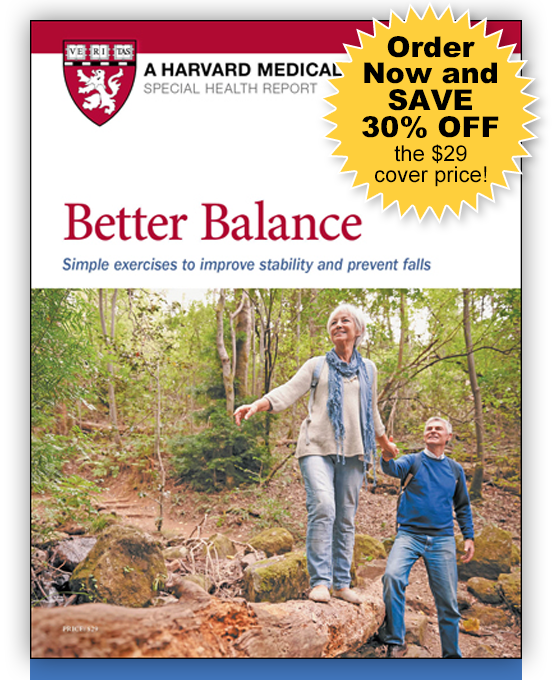
Simple exercises to improve your balance

You shouldn't have to buy this. Your Physical therapist should have a stroke protocol for balance already. If not incompetence reigns in your stroke hospital, the stroke department head needs to get fired.
---------------------------------------------------------------------------------------------------------
Harvard Medical School

Learn the steps that will keep you steady on your feet.

Harvard Health Publications

Learn the steps that will keep you steady on your feet!

Better Balance

Inside Better Balance, you’ll discover:
How balance works
6 complete workouts
SPECIAL BONUS SECTION: Preventing falls
Activities that enhance balance
And so much more!
Inside Better Balance, you’ll discover:
How balance works
6 complete workouts
SPECIAL BONUS SECTION: Preventing falls
Activities that enhance balance
And so much more!
Read More
Dear dean,
We've all heard stories that begin, "She broke her hip and after that..." Broken hips can be disastrous for independence and long-term health. Fortunately, many can be prevented — more than 90% of broken hips occur because of falls.
One of the best ways to prevent falls is to maintain a sound, responsive, and enduring sense of balance.
This important Special Health Report from doctors at Harvard Medical School shows you how you can prevent falls. In its pages you will discover what you can do to improve balance and maintain strength, mobility, and agility.
Better Balance will brief you on the conditions, medications, and situations that can create instability. You'll get tips for fall-proofing your home. And most important, Better Balance will walk, lift, bend, and stretch you through a series of workouts and exercises that will increase your stability, confidence, and self-reliance.
The report provides all you need to know about using exercise to improve posture, increase muscle strength and speed, sharpen reflexes, expand flexibility, and firm your core. Filled with workouts that respect your time and budget, Better Balance gives you step-by-step instructions for achieving greater static and dynamic balance.
The report includes complete, illustrated workouts that you can do at home — on your own schedule and at your own pace. Certified Master Trainers developed these exercises in consultation with Harvard Medical School physicians. These workouts include guidance on proper techniques, movement and tempo, and modifying the workouts to your own fitness level and exercise goals. These are exercises that will keep you motivated and keep you moving.
Our goal in this report is to help you keep yourself from a potentially devastating fall. If you want to protect yourself from instability, if you want to continue to enjoy the independence and peace of mind that sound balance gives you, take the first step now. Order your copy of Better Balance today.
To your good health,
Gregory D. Curfman, M.D.
Editor in Chief, Harvard Health Publications

Saturday, October 22, 2016

A post-stroke therapeutic regimen with omega-3 polyunsaturated fatty acids that promotes white matter integrity and beneficial microglial responses after cerebral ischemia

I bet your doctor will NEVER use this on you to help your recovery and prevent more disability. If this is not in your hospital in the next couple months you need to have the stroke department head and the president fired. We need to start demanding accountability in our stroke hospitals. The time for politeness is over, start screaming in their faces; 'Why the fuck do you know nothing  newer than your medical training days about stroke?'
https://www.mdlinx.com/internal-medicine/medical-news-article/2016/10/14/myelinoligodendrogenesiscorpus-callosummicroglial-polarization/6903402/?news_id=881&newsdt=102216&subspec_id=488&utm_source=WeeklyNL&utm_medium=newsletter&utm_content=Weeks-Best-Article&utm_campaign=article-section&category=latest-weekly


Translational Stroke Research, 10/14/2016

Researchers, in this present study, report a post–stroke omega–3 polyunsaturated fatty acid (n–3 PUFA) therapeutic regimen that not only confers protection against neuronal loss in the gray matter but also promotes white matter integrity. As per the outcomes the post–stroke docosahexaenoic acid (DHA) injections in combination with fish oil (FO) dietary supplement benefit white matter restoration and microglial responses, thereby dictating long–term functional improvements.

Go to PubMed Go to Abstract Print Article Summary Cat 2 CME Report

Tuesday, August 30, 2016

Mediterranean Diet linked to mortality risk reduction in patients with cardiovascular disease

Are you getting a Mediterranean Diet while still in the hospital? How incompetent does your stroke department and doctors have to be before you call on them to be fired? You have cardiovascular disease, i.e. stroke.
http://www.news-medical.net/news/20160828/Mediterranean-Diet-linked-to-mortality-risk-reduction-in-patients-with-cardiovascular-disease.aspx
The Mediterranean diet is associated with a reduced risk of death in patients with a history of cardiovascular disease, according to results from the observational Moli-sani study presented at ESC Congress 2016 today.
"The Mediterranean diet is widely recognised as one of the healthier nutrition habits in the world," said Professor Giovanni de Gaetano, head of the Department of Epidemiology and Prevention at the I.R.C.C.S. Neuromed Institute in Pozzilli, Italy. "In fact, many scientific studies have shown that a traditional Mediterranean lifestyle is associated with a lower risk of various chronic diseases and, more importantly, of death from any cause."
"But so far research has focused on the general population, which is mainly composed of healthy people," he added. "What happens to people who have already suffered from cardiovascular disease? Is the Mediterranean diet optimal for them too?"
The answer is yes, according to a study in patients with a history of cardiovascular disease, such as coronary artery disease and stroke. The patients were among the participants enrolled into the Moli-sani project, a prospective epidemiological study that randomly recruited around 25 000 adults living in the Italian region of Molise.
"Among the participants, we identified 1197 people who reported a history of cardiovascular disease at the time of enrolment into Moli-sani," said Dr Marialaura Bonaccio, lead author of the research.
Food intake was recorded using the European Prospective Investigation into Cancer (EPIC) food frequency questionnaire. Adherence to the Mediterranean diet was appraised with a 9-point Mediterranean diet score (MDS). All-cause death was assessed by linkage with data from the office of vital statistics in Molise.
During a median follow up of 7.3 years there were 208 deaths. A 2-point increase in the MDS was associated with a 21% reduced risk of death after controlling for age, sex, energy intake, egg and potato intake, education, leisure-time physical activity, waist to hip ratio, smoking, hypertension, hypercholesterolaemia, diabetes and cancer at baseline.
When considered as a 3-level categorical variable, the top category (score 6-9) of adherence to the Mediterranean diet was associated with 37% lower risk of death compared to the bottom category (0-3).
Professor de Gaetano said: "We found that among those with a higher adherence to the Mediterranean diet, death from any cause was reduced by 37% in comparison to those who poorly adhered to this dietary regime."
The researchers deepened their investigation by looking at the role played by individual foods that make up Mediterranean diet. "The major contributors to mortality risk reduction were a higher consumption of vegetables, fish, fruits, nuts and monounsaturated fatty acids - that means olive oil," said Dr Bonaccio.
Professor de Gaetano concluded: "These results prompt us to investigate the mechanism(s) through which the Mediterranean diet may protect against death. This was an observational study so we cannot say that the effect is causal. We expect that dietary effects on mediators common to chronic diseases such as inflammation might result in the reduction of mortality from any cause but further research is needed."
Source:
European Society of Cardiology

Wednesday, August 24, 2016

Medical errors persist, despite increased scrutiny

These are just the explicit errors. They aren't even counting all the omission errors, like the 90% of stroke patients that don't get to full recovery or the 88% of the time tPA doesn't work to fully reverse the stroke. This amounts to completely fudging the numbers. By not reporting on those problems nobody will attempt to fix them. Stroke survivors once again getting screwed because of incompetence. And there are no consequences to the stroke department head for those failures.
http://www.bostonglobe.com/metro/2016/08/23/medical-errors-persist-despite-increase-scrutiny/VFguAOLAze61ZL6XduzSIO/story.html?
Preventable medical errors reported by full-service hospitals in Massachusetts grew 60 percent last year, a rise partly attributed to problems detected in a single hospital’s dialysis unit.
Hospitals disclosed 1,313 errors that harmed or threatened patients in 2015, including 26 cases when the wrong surgery or procedure was done on a patient; 51 instances when a medication error seriously injured or killed a patient; and 446 cases of contaminated drugs, devices, or biologics.
This last category, which accounted for only 37 reports in 2014, constituted most of the overall increase in reported errors.
Baystate Medical Center in Springfield notified 575 patients early this year that they were potentially exposed to infection after state inspectors, during a spot visit, found crowded and unsanitary conditions in the inpatient dialysis unit. Most of those patients received dialysis treatment in 2015 and the state Department of Public Health counted each one as a “serious reportable event.’’
Dr. Douglas Salvador, vice president of medical affairs at Baystate, said no patients are known to have contracted hepatitis B or hepatitis C, the primary concerns, as a result of the problems found in the unit.
During their January visit, health department inspectors found that the hospital did not follow proper infection control practices. Staff did not set aside dialysis machines for use only on patients with hepatitis B, and did not always thoroughly clean those machines before they were returned for use on other patients, investigators said. Dialysis is a treatment that uses a special machine to remove harmful wastes, salt, and excess fluid from the blood of patients with kidney failure.

Total number of serious preventable medical errors in acute care hospitals by year
2015 saw a large increase in the number of errors reported. Note: The significant increase in the number of errors reported from 2012 to 2013 can be attributed to the adoption of new definitions. The increase last year is largely due to problems at one hospital.

Baystate also exceeded its limit of eight dialysis patients per shift by crowding patients between stations and using portable machines, increasing the risk of contamination from blood splattering, inspectors found.
Salvador said the hospital is now isolating machines for use only on infected patients and no longer exceeds the limit on patients. He said the machines were being cleaned thoroughly, but that nurses were not always documenting their efforts.
“There are people who come in through the emergency department and need dialysis services, and the desire is to do one more and try to get them done,’’ he said. “There were a lot of good intentions.’’
A case of contamination of equipment at a second, unidentifed hospital also contributed to the overall increase.
The state Department of Public Health tracks preventable medical errors and releases the data annually to encourage hospitals and other providers to improve the quality of care. Research studies show that as many as one-third of patients nationally are harmed during their hospitalization, health officials said. Hospitals and outpatient surgery centers also are required to report these errors to patients who are impacted and their insurers.
Most categories of preventable errors fluctuate up and down from year to year. The data “reported in Massachusetts doesn’t tell us whether medical errors are increasing,’’ said Barbara Fain, executive director of the The Betsy Lehman Center, a state agency focused on improving patient safety.
Errors could be increasing because of pressure to serve sicker patients more quickly. But more reported errors could mean hospitals are getting better at detecting problems. And facilities that report more errors are not necessarily providing inferior care; they may do a better job of spotting harm and then correcting problems.
Fain also pointed out that the state data include only hospitals and surgery centers. “That leaves out many other settings where we know serious medical errors take place, like doctors’ offices and nursing homes,’’ she said. “Without more complete data it’s simply not possible to determine trends.’’
According to the health department report, surgical errors, such as leaving an instrument inside a patient, increasingly occur outside of operating rooms, in radiology, labor and delivery, and inpatient units. Falls and pressure ulcers are the two most common types of preventable incidents in most years.
Notably, 59 ambulatory surgery centers reported just four errors last year. They do not have as much experience as hospitals in developing systems to identify and track serious problems, underscoring the difficulty of drawing conclusions from the numbers.
“We’re concerned about the low level of reporting by (surgery centers) and that’s the reason for our initiatives,’’ said Fain, whose organization has developed an online tool to help providers identify and report errors.
Baystate Medical Center in Springfield notified 575 patients early this year that they were potentially exposed to infection after state inspectors, during a spot visit, found crowded and unsanitary conditions in the inpatient dialysis unit. Most of those patients received dialysis treatment in 2015 and the state Department of Public Health counted each one as a “serious reportable event.’’
Dr. Douglas Salvador, vice president of medical affairs at Baystate, said no patients are known to have contracted hepatitis B or hepatitis C, the primary concerns, as a result of the problems found in the unit.
During their January visit, health department inspectors found that the hospital did not follow proper infection control practices. Staff did not set aside dialysis machines for use only on patients with hepatitis B, and did not always thoroughly clean those machines before they were returned for use on other patients, investigators said. Dialysis is a treatment that uses a special machine to remove harmful wastes, salt, and excess fluid from the blood of patients with kidney failure.


Liz Kowalczyk can be reached at kowalczyk@globe.com. Follow her on Twitter @GlobeLizK.

Thursday, July 14, 2016

Modulating adult neurogenesis through dietary interventions

I bet even with this your doctor will not setup a diet stroke protocol. If s/he doesn't do that you really need to have a talk with the president of the hospital about the competency of the stroke department head and your doctor. It is up to us stroke survivors to clear out all the dead wood in the stroke world, they will not police and correct themselves. Proven by decades of little to no progress in stroke.
http://journals.cambridge.org/action/displayAbstract?fromPage=online&aid=10391689&fileId=S0954422416000081

Christine Heberden 

Micalis Institute, INRA, AgroParisTech, Université Paris-Saclay, 78350 Jouy-en-Josas, France
Abstract
Three areas in the brain continuously generate new neurons throughout life: the subventricular zone lining the lateral ventricles, the dentate gyrus in the hippocampus and the median eminence in the hypothalamus. These areas harbour neural stem cells, which contribute to neural repair by generating daughter cells that then become functional neurons or glia. Impaired neurogenesis leads to detrimental consequences, such as depression, decline of cognitive abilities and obesity. Adult neurogenesis is a versatile process that can be modulated either positively or negatively by many effectors, external or endogenous. Diet can modify neurogenesis both ways, either directly by ways of food-borne molecules, or possibly by the modifications induced on gut microbiota composition. It is therefore critical to define dietary strategies optimal for the maintenance of the stem cell pools.
Key words
  • Neurogenesis;
  • Neural stem cells;
  • Brain
Abbreviations
  • AMPK:AMP-activated protein kinase;
  • ARC:arcuate nucleus;
  • BDNF:brain-derived neurotrophic factor;
  • CA:cornu Ammonis;
  • CREB:cAMP response element binding protein;
  • DG:dentate gyrus;
  • ME:median eminence;
  • NSC:neural stem cells;
  • POMC:pro-opiomelanocortin;
  • Sirt1:sirtuin 1;
  • SVZ:subventricular zone
Correspondence
Corresponding author: Christine Heberden, email Christine.heberden@jouy.inra.fr

Wednesday, July 13, 2016

Editorial: Principles Underlying Post-Stroke Recovery of Upper Extremity Sensorimotor Function – A Neuroimaging Perspective

Your doctor should be able to use vast amounts of this information to update your stroke protocols. If s/he doesn't do that you really need to have a talk with the president of the hospital about the competency of the stroke department head and your doctor. It is up to us stroke survivors to clear out all the dead wood in the stroke world, they will not police and correct themselves. Proven by decades of little to no progress in stroke.

Editorial: Principles Underlying Post-Stroke Recovery of Upper Extremity Sensorimotor Function – A Neuroimaging Perspective

  • 1Support Center for Advanced Neuroimaging (SCAN), Institute for Diagnostic and Interventional Neuroradiology, University Hospital Inselspital, University of Bern, Bern, Switzerland
  • 2Department of Neurology, Kantonsspital St. Gallen, St. Gallen, Switzerland
  • 3Department of Neurology, Centre of Neurology and Neuropsychiatry, LVR-Klinikum Düsseldorf, Heinrich-Heine-University Düsseldorf, Düsseldorf, Germany
  • 4Florey Institute of Neuroscience and Mental Health, University of Melbourne, Parkville, VIC, Australia
The Editorial on the Research Topic
A substantial proportion of stroke survivors suffer from long-term sensorimotor deficits of the contralesional arm and hand (1). Neuroimaging, using a diversity of methods, has the potential to uncover underlying principles of functional disabilities and recovery characterizing patient groups as well as individual variability (26). The present issue aims at (i) revealing the physiological mechanisms and the long-term course of stroke recovery with respect to site and size of lesions, (ii) correlating behavioral deficits and electrophysiological parameters with imaging patterns, (iii) delineating neural networks involved, and (iv) identifying sites where interventions enhance the recovery process.
Seitz and Donnan give an overview of mechanisms and disease-related limitations in post-stroke recovery. They address two informative subsections delineating time courses of the recovery process and state-of-the-art of neurorehabilitative training to improve the stroke-induced neurological deficit.
Auriat et al. complete this clinical perspective with an overview on the use of transcranial magnetic stimulation and multimodal neuroimaging to estimate functional resources post-stroke. They provide a review of data from studies utilizing DTI, MRS, fMRI, EEG, and brain stimulation techniques, focusing on TMS and its combination with uni- and multimodal neuroimaging methods with respect to their benefits and limitations.
Falcon et al. used “The Virtual Brain (TVB),” an open source platform based on local biophysical models. Using this platform, they simulated individuals’ brain activity linking structural data directly to a TVB model. Correlating TVB parameters with graph analysis metrics, they obtained evidence for a shift of global to local dynamics in chronic stroke patients.
Buetefisch reviews the role of an intact contralesional motor cortex (M1) in post-stroke recovery of upper extremity motor function. The impact of the contralesional M1, on the lesioned motor cortex, seems to be promoting activity in the acute and inhibiting it in the chronic stage. Supportive evidence comes from animal studies, including changes in neurotransmitter systems, dendritic growth, and synapse formation. Thus, the contralesional M1 may represent a treatment target during rehabilitation.
Sharma and Baron report an fMRI study of a finger-thumb opposition sequence in chronic, well-recovered subcortical stroke patients. Using independent component analysis, they could show that recovery of motor function involved pre-existing cortical networks contributing to recovery in a differentiated manner.
The study of Abela et al. complements these investigations of functional networks associated with recovery in the case of cortical sensorimotor stroke. The structural covariance network in patients recovering from hand paresis encompassed (i) a cortico-striato-thalamic loop involved in motor execution and (ii) higher order sensorimotor cortices affected by the stroke lesions. The network emerged in the early chronic stage post-stroke was related to gray matter volume increases in the ipsilesional medio-dorsal thalamus, and its expression depend on an interaction of recovered hand function and the lesion size.
Bannister et al. report about neuroimaging evidence for the significance of the contralesional hemisphere in the recovery process after hemispheric supratentorial ischemic stroke, thus supplementing the review of Buetefisch. They followed the time course of touch sensation in the upper extremity using resting state – fMRI to explore functional connectivity. Improvement of touch sensation was related to changes in the contralesional hemisphere and cerebellum: (1) an increase in connectivity strength between the secondary somatosensory area seed and both inferior parietal cortex and middle temporal gyrus as well as the thalamus seed and cerebellum and (2) a decrease in connectivity strength between SI seed and the cerebellum.
Primaßin et al. dealed with four exemplary cases in which motor and language domains were affected differently. They focused on dissociative outcomes after 7 weeks of rehabilitative treatment following the predominant failure at baseline. Primarily, precise location of the lesions in the corticospinal tract and/or fasciculus arcuatus, respectively, turned out to be critical for recovery. Motor and language improvement seemed to occur together, rather than to compete for recovery resources.
Ben-Shabat et al. investigated changes in human proprioception, its specific brain activation, laterality, and changes following stroke. Brain activation involved the supramarginal gyrus (SMG) and dorsal premotor cortex (PMd) with a prominent lateralization in the former. Lateralization was diminished in three patients exhibiting proprioceptive deficits post-stroke and a common lesion within the thalamus. The findings underline the role of SMG and dPM in spatial processing and motor control.
Brugger et al. investigated the intriguing role of supplementary motor complex (SMC) and disturbed motor control, a retrospective clinical and lesion analysis of 10 patients presenting anterior cerebral artery stroke. In the very acute phase, alien hand syndrome (AHS) dominated accompanied by failed conscious awareness of motor intention and a missing sense of agency while performing externally triggered movements. In the follow-up, motor signs specifically related to AHS, i.e., disturbed self-initiated movements, grasping, and intermanual conflict, were mainly related to lesions of the pre-supplementary motor area and medial cingulate cortex.
Camilleri et al. studied the neural substrate underlying the performance of the trail making test (TMT) that is often used in the follow-up of stroke. In healthy volunteers, they found that performance in terms of motor speed to be related to the local brain volume of a region in the lower bank of the left inferior sulcus. Conjunction analysis of four connectivity approaches has shown this area to represent a constituent of the so-called multiple demand network, highlighting the TMT as related rather to executive than primary motor function.
In summary, the neurological deficits, recovery mechanisms, and the prognosis for recovery after stroke are hot spots of clinical neurology and systems neuroscience research. Multimodal imaging, applied neurophysiology, and careful neurobehavioral in vivo correlations have opened new vistas on the pathophysiological mechanisms underlying post-stroke recovery of upper extremity sensorimotor deficits paving new avenues for future research.

Conflict of Interest Statement

The authors declare that the research was conducted in the absence of any commercial or financial relationships that could be construed as a potential conflict of interest.

References

1. Go AS, Mozaffarian D, Roger VL, Benjamin EJ, Berry JD, Borden WB, et al. Heart disease and stroke statistics-2013 update: a report from the American Heart Association. Circulation (2013) 127(1):e6–245. doi: 10.1161/CIR.0b013e318282ab8f
2. Rehme AK, Eickhoff SB, Rottschy C, Fink GR, Grefkes C. Activation likelihood estimation meta-analysis of motor-related neural activity after stroke. Neuroimage (2012) 59:2771–82. doi:10.1016/j.neuroimage.2011.10.023
3. Ward NS, Brown MM, Thompson AJ, Frackowiak RSJ. Neural correlates of outcome after stroke: a cross-sectional fMRI study. Brain (2003) 126(Pt 6):1430–48. doi:10.1093/brain/awg145
4. Schaechter JD, Perdue KL. Enhanced cortical activation in the contralesional hemisphere of chronic stroke patients in response to motor skill challenge. Cereb Cortex (2008) 18:638–47. doi:10.1093/cercor/bhm096
5. Thiel A, Vahdat S. Structural and resting-state brain connectivity of motor networks after stroke. Stroke (2014) 46(1):296–301. doi:10.1161/STROKEAHA.114.006307
6. Abela E, Seiler A, Missimer JH, Federspiel A, Hess CW, Sturzenegger M, et al. Grey matter volumetric changes related to recovery from hand paresis after cortical sensorimotor stroke. Brain Struct Funct (2015) 220(5):2533–50. doi:10.1007/s00429-014-0804-y

Thursday, June 23, 2016

Mixed reality serious games for post-stroke rehabilitation

Ask your doctor what existing games they have already put into use in the stroke department. These have been out there for years so there is no fucking excuse for not having some already in the department, except for incompetence or laziness.  The answer to that proves how badly your stroke department is run.
http://s3.amazonaws.com/academia.edu.documents/46577039/Mixed_reality_serious_games_for_post-str20160617-28819-tgc533.pdf?AWSAccessKeyId=AKIAJ56TQJRTWSMTNPEA&Expires=1466704758&Signature=jWWdTZu9M7VHY5kRfdALDvYE%2B1Q%3D&response-content-disposition=inline%3B%20filename%3DMixed_reality_serious_games_for_post-str.pdf

Di Loreto Ines, Gouaich Abdelkader, Nadia Hocine
Lirmm - Université Montpellier 2
{diloreto,gouaich,hocine}@lirmm.fr
Abstract
— In this paper we propose a mixed reality system
(MRS) and an adaptation module for rehabilitation of the upper
limb after stroke through serious games. Aim of the system is to
increase intensity and number of training session using the fun
factor as driver. Although our system is targeting post stroke
patient it is necessary to validate and test our approach with valid
users at the first stage to provide patients with stable system to
use. These studies and their results are described in this paper.

Friday, June 10, 2016

Are you getting the best health care? Evidence says: maybe not

Call up your hospital president and ask for proof that the stroke department is following the latest evidence in stroke ER interventions and stroke rehabilitation.  This is absolutely necessary to prove all the incompetence out there. I bet less that 1 in 1000 stroke departments have a person assigned to reading research and updating stroke protocols. Your choice, say nothing and your children and grandchildren will get the same crappy recovery you did. 

Ask for evidence-based care

NO NO NO, ASK FOR EVIDENCE-BASED RESULTS


https://theconversation.com/are-you-getting-the-best-health-care-evidence-says-maybe-not-59206 
When you go to the hospital, you probably think you’re going to receive the best, most current care. Otherwise, you would not entrust your care to that hospital.
Evidence suggests, however, that you might be wrong. In fact, based on a study I conducted with a team this year, we found that one in three hospitals is not meeting performance metrics.
Failure to implement practices based on the best available evidence is one cause. A lack of knowledge and skills, budget constraints and inadequate resources are some of the reasons, in turn, that hospitals cite for not implementing nursing care based on evidence.
Findings from the same study showed that many nurse executives believe in the core tenets of care based on the best scientific findings, but they are not employing them. There’s a disconnect here. Instead, habit rules the day – and sometimes that leads to bad outcomes.
I’ve grown accustomed to wearing and sharing a button that is a version of the “no” symbol. It’s the one with a red circle and a line through it. Mine strikes through the words, “Because we’ve always done it that way!”

Evidence-based practice button. EBP/Bernadette Melnyck, Author provided
For me, the button reinforces the need for a major health care transformation, much more serious than breaking the routine of ordinary rules or habits. People should be cared for according to the best available research findings. The button reminds me that we have a lot of work to do.

What is evidence-based practice?

“Evidence-based practice” (EBP) may sound like an insider term, but it isn’t. It simply refers to the best and latest research. The number of potentially life-threatening incidents, such as injuries, infections or hospital readmissions, can be reduced if clinicians take on problem-solving approaches that integrate the best and latest research and combine it with a clinician’s expertise and a patient’s preferences. While this may seem obvious to patients, studies show that this is not the standard of care in many health care settings.
A recently published study suggested that medical errors are now the third leading cause of death in the United States, equating to more than 250,000 deaths per year, behind only heart disease and cancer.
There are myriad explanations for errors, and the implication isn’t that clinicians aren’t doing their best. It’s just that, as patients put their trust in health care professionals, we must ensure that how we practice continues to evolve with available data, so that we can lessen costly errors and improve quality outcomes for patients.

Research guides the way to better care

Consider one costly and often preventable problem that frequently arises from hospitalization – pressure ulcers. The National Pressure Ulcer Advisory Panel reports that pressure ulcers occur between 0.4 and 38 percent of hospital stays. The average cost to treat a pressure ulcer is about US$38,000. Pressure ulcers are not only painful to patients but are also dangerous; they kill about 60,000 patients a year. There are many reasons to prevent them, including the fact that they lead to an estimated 17,000 lawsuits a year.
While there are evidence-based practices that work to reduce bedsores – such as turning patients every two hours – they are not being implemented in many cases. Clinicians often wait too long to implement the best evidence-based practices. Others simply do not follow them.
Evidence also suggests that nurses who work 12-hour shifts are more likely to burn out, yet many hospitals allow and encourage this practice. Evidence also indicates that mothers in childbirth shouldn’t be forced to settle into a back-lying position during pushing and birth of a baby. In the emergency room, nebulizers are not the best approach to give breathing medication to children with asthma. Waking a patient every four hours to check vital signs may not always be best. These are but a few examples of outdated practices being used when newer research suggests a better practice.
We need to transition from “we’ve always done it this way” to “we always do it the right, evidence-based way.” Clinicians must implement EBP as the foundation of care, not something they do on top of everything else.

Ask for evidence-based care

NO NO NO, ASK FOR EVIDENCE-BASED RESULTS

Many people aren’t aware that their treatment may be substandard. Interaction in any care setting can be intimidating or confusing. To help people become more informed about their care and empowered to participate in decision-making, I have developed an “Ask4EBP” card, one that can fit in a person’s pocket or wallet.
So how can you Ask4EBP? Consider these few steps if you happen to be in a healthcare situation:
  • Ask your provider for the reasons behind the screening or treatments he or she is recommending. Evidence may include citing studies that support that the screening or treatment method is effective.
  • Stop your provider if you don’t understand your care and ask for evidence-based explanations in language you can understand.
  • Keep asking questions until you are satisfied with the answers.
  • Engage in health care decisions with your provider. Don’t stop asking questions; allow yourself to be involved in the decision-making process.
  • Be sure to seek out care, as well as information resources, which are evidence-based and reliable.
  • Persist if you are not satisfied with your care or the answers to your questions.

Wednesday, May 25, 2016

Underwater treadmill

This may be for dogs, but the closest I ever came to walking normally was in the pool where the friction of the water caused my left leg to actually  go in a straight line on the step forward. Reduced my spasticity considerably.  Bet your stroke department has nothing but a standard treadmill. Not a split-belt treadmill, or the air pressure treadmill, or a rotating treadmill,or the treadmill bike ?
And this one already exists -

underwater treadmill

Dog underwater treadmill
Does your stroke department know about any of these non-standard treadmills? That answer will tell you how fucking incompetent they are. That should be a fireable offense for the stroke department head.

Tuesday, May 24, 2016

AHA/ASA Release New Guideline for Adult Stroke Rehabilitation and Recovery

I think the best way to get this into your stroke hospital is to directly call the president and ask when these new guidelines will be implemented. Bypass the stroke department head because I doubt any initiative has ever been shown by them. This reinforces to the president that appropriate goals are being set for the stroke department. I guess there is no need to provide motor recovery training or cognition training or dementia prevention. You're still fucking screwed with the level of decent stroke rehabilitation provided.
http://journals.lww.com/neurotodayonline/blog/breakingnews/pages/post.aspx?PostID=547

BY SARAH OWENS

Citing a number of "unmet needs" in rehabilitative stroke care, a new guideline from the American Heart Association and the American Stroke Association said the best evidence supports offering stroke patients these among other services: 
1. a formal fall prevention program during hospitalization,
2. a balance training program,
3. assessments for calcium and vitamin D supplementation for stroke survivors living in long-term care facilities, and
4. speech and language therapy for individuals with aphasia.
The impetus for the evidence-based guideline, which was published online May 4 ahead of the June print issue of Stroke, was a "lack of clear guidelines regarding the efficacy of various interventions," guideline author Joel Stein, MD, Simon Baruch professor and chair of the department of rehabilitation and regenerative medicine at Columbia University College of Physicians and Surgeons, professor and chief of the division of rehabilitation medicine at Weill Cornell Medical College, and physiatrist-in-chief at New York-Presbyterian Hospital, told Neurology Today. A comprehensive guideline is particularly necessary because of the increasing array of therapeutic interventions for stroke, Dr. Stein said.
One of the guideline's most important new recommendations is that patients who have residual deficits after a stroke should receive a functional assessment from a clinician with expertise in rehabilitation, Dr. Stein said. Currently, "some people who have a stroke are not necessarily evaluated by an expert, especially if their symptoms are relatively mild. This can lead to rehabilitation at a lesser level of intensity than is appropriate, or for not as long as required, or that is not as focused on their specific needs as they deserve."
The guideline authors pointed out that stroke care in the US has become very heterogeneous, and is best when delivered by a multidisciplinary team that includes stroke neurologists, physiatrists, nurses, physical and occupational therapies, speech-language pathologists, as well as psychologists, nutritionists, social workers, and others.
The panel conducted computerized searches of available medical literature, including systematic reviews through 2014, and organized data and studies using the joint American Heart Association/American College of Cardiology classification system — dividing findings by level of certainty, the class of each trial, and the level of evidence.
It found that between 1996 and 2003 the proportion of patients who had not been referred for any post-acute rehabilitation increased from 26 to 31 percent. One analysis of 2006 Medicare data found the level had increased to 42 percent.
The guideline authors noted that stroke "has been managed medically as a temporary or transient condition," and that a comprehensive approach was needed to ensure a continuum of care, including social reintegration, health-related quality of life, and self-efficacy.
Dr. Stein also stressed the importance – noted for the first time in this guideline – of recognizing post-stroke depression. "It's extraordinarily common after a stroke – estimates range up to 40 percent for people who have significant depression after stroke. And there's an attitude that [depression] is an unavoidable consequence of stroke. That's very unfortunate, because, in fact, it's very disabling to be depressed; people withdraw socially, they are less active, and their mobility deteriorates. But this type of depression responds well to standard treatments for depression."
The guideline also includes an analysis of inpatient and outpatient rehabilitation treatment; in particular, it emphasizes the importance of impatient rehabilitation for patients with significant deficits. "This guideline, for the first time, clearly states that patients who qualify for inpatient rehabilitation facility care, which is high-level hospital rehabilitation, and who have access to it, really should receive that type of care in preference to lower levels of rehabilitation," said Dr. Stein. Inpatient rehabilitation offers the added benefit that it "supports strong teamwork among caregivers," Dr. Stein added. For patients who receive outpatient stroke treatment, it's important to have a physician who serves as "a central command center for a caregiving team to make sure that referrals go to physical therapy, occupational therapy, speech therapy, psychology, psychiatry, et cetera, as appropriate," said Dr. Stein.
Above all, communication and coordination are "paramount" in achieve the best possible outcomes for people who have suffered a stroke, the study's authors concluded. Without such coordination, they added, "isolated efforts to rehabilitate the stroke survivor are unlikely to achieve their full potential."
Look for a more in-depth analysis of the stroke rehabilitation guideline in the June 9 issue of Neurology Today.

LINK UP FOR MORE INFORMATION: