Changing stroke rehab and research worldwide now.Time is Brain! trillions and trillions of neurons that DIE each day because there are NO effective hyperacute therapies besides tPA(only 12% effective). I have 523 posts on hyperacute therapy, enough for researchers to spend decades proving them out. These are my personal ideas and blog on stroke rehabilitation and stroke research. Do not attempt any of these without checking with your medical provider. Unless you join me in agitating, when you need these therapies they won't be there.

What this blog is for:

My blog is not to help survivors recover, it is to have the 10 million yearly stroke survivors light fires underneath their doctors, stroke hospitals and stroke researchers to get stroke solved. 100% recovery. The stroke medical world is completely failing at that goal, they don't even have it as a goal. Shortly after getting out of the hospital and getting NO information on the process or protocols of stroke rehabilitation and recovery I started searching on the internet and found that no other survivor received useful information. This is an attempt to cover all stroke rehabilitation information that should be readily available to survivors so they can talk with informed knowledge to their medical staff. It lays out what needs to be done to get stroke survivors closer to 100% recovery. It's quite disgusting that this information is not available from every stroke association and doctors group.

Showing posts with label peanuts. Show all posts

Tuesday, June 30, 2026

The magnesium-rich seed that can also help with inflammation

Do you really think your competent? doctor will instruct the dietician to get this correctly in your diet protocol? Sorry, you DON'T HAVE A DIET PROTOCOL, DO YOU?

The magnesium-rich seed that can also help with inflammation

1) Brazil nuts

There are a whopping 18.8 mg of magnesium in a single Brazil nut, meaning that an ounce (about 6 nuts) will net you nearly 113 mg of magnesium — more than a third of the daily recommendation. While Brazil nuts are a great source of magnesium, it’s important to not go overboard. They're extremely high in selenium, which can be toxic in large amounts. Research shows that just two Brazil nuts a day are all you need to reap their nutritional benefits.

2) Cashews

Cashews contain 82.8 mg of magnesium per 1-ounce serving. Try adding them to a stir-fry or curry, or roasting them on their own as a snack. Beyond their high magnesium content, cashews are rich in amino acids and minerals that help the body regulate hormone levels, heart function, and nerve function.

3) Almonds

With 76.5 mg of magnesium in a 1-ounce serving, eating a handful of almonds is one of the fastest ways to boost your magnesium intake. What’s more, research shows that almonds are also powerhouses for gut health, weight management, and reducing your risk for cardiovascular disease.

4) Pine nuts

Pine nuts have 71.2 mg of magnesium in a 1-ounce serving. You’ll find them most often in pesto and salads, which is great news because pairing pine nuts with leafy greens (which are also high in magnesium) is a great way to reach your daily magnesium goal.

5) Peanuts

Though they’re technically legumes, with 47.6 mg of magnesium per ounce, peanuts are one of the “nuts” with the highest concentration of magnesium. Consuming both tree nuts and peanuts on a daily basis comes with several benefits, as they are packed with nutrients like protein, iron, magnesium, phosphorus, zinc, copper, thiamin and vitamin E.

6) Hazelnuts

In every 1-ounce serving of hazelnuts, there are 46.2 mg of magnesium. Consuming hazelnuts regularly has been linked to lower risk for heart disease, type 2 diabetes and high blood pressure. There is even some evidence to suggest that hazelnuts can help reduce your likelihood of developing certain cancers.

7) Walnuts

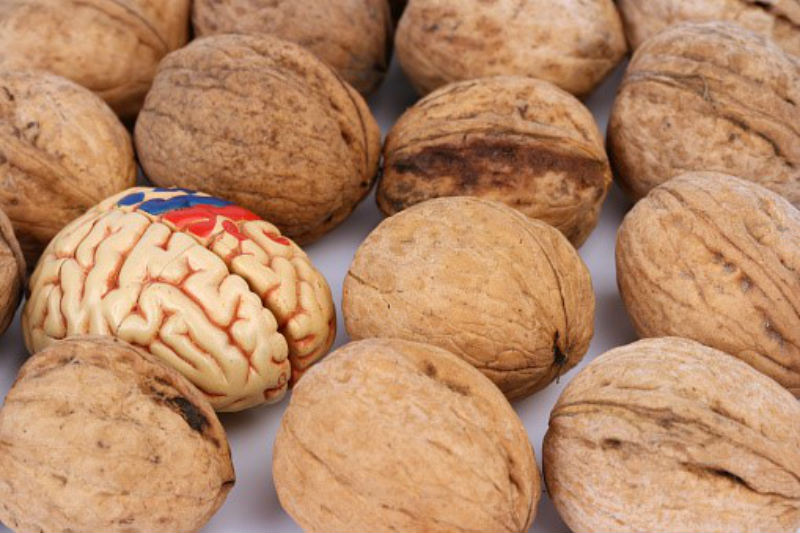
With 44.8 mg of magnesium in every ounce, walnuts are rich in vital nutrients and antioxidants. They are great sources of omega 3s – fatty acids that support the brain, heart, immune system and more – as well as vitamin E, which protects the body from damage by free radicals that weaken cells over time.

8) Macadamia nuts

Macadamia nuts clock in at 36.9 mg of magnesium per ounce. Aside from their high magnesium content, they’ve been shown to reduce high cholesterol, inflammation and oxidative stress, which can support overall health.

9) Pistachios

There are 34.3 mg of magnesium in every ounce of pistachios. It’s safe to say pistachios are having a moment right now, and for good reason. This nut found in viral sensations like Dubai chocolate packs several nutritional benefits, from high levels of anti-inflammatory properties to their relatively low fat content compared to other nuts.

10) Pecans

Tied with pistachios, pecans also contain 34.3 mg per 1-ounce serving. They’re a remarkable source of healthy fats, and may help protect against heart disease, gallstones, type 2 diabetes and high blood pressure.

Thursday, February 26, 2026

Daily Peanut Butter Intake Linked to Improved Muscle Strength in Older Adults: Study

 You're already at an elevated risk for sarcopenia. Will your competent? doctor determine if plain peanuts are better? The "bad" components in many commercial peanut butters include added sugars (like corn syrup), hydrogenated vegetable oils (trans fats), palm oil, and high sodium levels.

  • muscle atrophy (38 posts to July 2013) or the deadly 
  • sarcopenia (32 posts to March 2016) 
  • peanuts (7 posts to May 2017)
  • peanut butter (8 posts to October 2013)
  • Daily Peanut Butter Intake Linked to Improved Muscle Strength in Older Adults: Study

    Friday, June 20, 2025

    5 Foods with More Resveratrol Than a Glass of Red Wine, According to Dietitians

     Ask your competent? doctor if supplements can provide the same benefits as food or wine.  Doesn't know the answer, I'd be questioning the competence level of your stroke medical 'professionals'!

    You can check out why your doctor should be prescribing resveratrol in these.

    5 Foods with More Resveratrol Than a Glass of Red Wine, According to Dietitians

    These surprising foods provide a serious boost of antioxidants without the risk of a hangover

    Reviewed by Dietitian Kelli McGrane, M.S., RD

    Getty Images. EatingWell design.

    Key Points


        Resveratrol is an antioxidant that’s been linked with benefits for blood pressure, diabetes and weight management.

        Several foods, including grapes, walnuts and blueberries, are a good source of resveratrol.

        For additional nutrients, it’s best to consume resveratrol through foods rather than wine.


    Red wine is often touted for its heart-healthy benefits, which is largely thanks to its high concentration of resveratrol—a polyphenol with potent antioxidant properties. “Studies suggest [resveratrol] may be helpful in lowering blood pressure, promoting weight loss and improving blood sugar levels by boosting insulin production and enhancing insulin’s effectiveness,” says Anne Danahy, MS, RDN. 

    However, you don’t have to drink red wine to reap the benefits of resveratrol. There are several food sources of this potent antioxidant, including nuts and some dark blue or red fruits. “They might not all match red wine gram for gram, but they come packed with antioxidants, fiber and way more nutritional perks—minus the hangover,” says Ghida Arnaout, RD. Here are five foods to buy during your next grocery store run to boost your resveratrol intake.

    1. Grapes


    “Grapes and red wine are among the highest sources of resveratrol,” says Danahy. Specifically, resveratrol is found in high concentrations in the skin of grapes, which is why white and rosé wines contain far less resveratrol than their red wine counterparts. One hundred grams of red wine provides anywhere from 320 to 1535 micrograms (mcg) of resveratrol, while grapes contain 150 to 781 mcg per 100 grams., However, Danahy emphasizes that the amount of resveratrol can vary in foods (including grapes) depending on multiple factors including growing conditions, time of harvest and plant variety. We love adding grapes to chicken salad or enjoying them as a snack with cheese and crackers.

    2. Walnuts


    One of the most surprising sources of resveratrol is walnuts. These heart-healthy nuts are a top source of this antioxidant with a similar amount of resveratrol per 100 grams that’s found in red wine. “Besides resveratrol, walnuts are also notable for having high levels of anti-inflammatory omega-3 fats, along with vitamin E, other polyphenols and prebiotic fiber,” says Danahy. You can enjoy walnuts in a trail mix, on top of oatmeal or other hot cereal or blended into a sauce. 

    3. Blueberries


    Grapes aren’t the only fruit with resveratrol. Blueberries are another top source of the antioxidant, though the amount varies significantly depending on growing conditions, variety and processing. And while not as concentrated in resveratrol as grapes or red wine, blueberries are considered a good source of the antioxidant. They also offer a host of other important nutrients for heart health, including 3.5 grams of fiber per cup. They also contain potassium, vitamin C, vitamin K and several other essential vitamins and minerals. Blueberries are incredibly versatile, working well in smoothies, hot or baked oatmeal, baked goods, jams, sauces and salads. They’re also delicious on their own or as part of a cheese plate. 

    4. Cranberries


    Fresh cranberries aren’t as readily available as other berries, so you may need to venture into the frozen food aisle to stock up on this nutrient-dense fruit. Cranberries are not only rich in antioxidants, including resveratrol, but they also contain a variety of other health-promoting nutrients, like vitamin C and fiber., Like blueberries, the concentration of resveratrol in cranberries can vary significantly depending on growing conditions, variety and processing. Try cranberries in a smoothie, cooked down into a sauce or dried in a trail mix. You can also add cranberries to a dip for a crowd-pleasing appetizer.

    5. Peanuts


        The humble peanut is an unexpected source of resveratrol in the diet. Like other foods, the amount varies depending on growing conditions and processing. Peanuts also contribute protein, fiber and heart-healthy monounsaturated fats., Try peanuts in a trail mix or roasted with extra spices.

    What to Know About Red Wine Consumption


    Resveratrol offers health benefits, but red wine may not be the best choice to up your intake. “While red wine does contain some beneficial compounds like resveratrol, the health risks of alcohol often outweigh the potential perks, especially when it’s not consumed in strict moderation,” says Arnaout. Plus, the health benefits of resveratrol are typically seen when consumed in levels that are difficult to get from food or drinks alone. As Danahy points out, research suggests you need to consume about 1 gram (1,000 mg) per day to get a significant health benefit—an amount that’s virtually impossible to get through foods and beverages. According to one study, you’d need to consume 4.2 liters of red wine daily to reach this amount.

    Ask your competent? doctor how you are supposed to get the necessary resveratrol.

     To get to the research level that mice had in research; 

    According to researchers, this amount of resveratrol equated to the amount found in approximately 1,000 bottles of red wine. (Is that a daily dose of 1000 bottles of wine?)

    Wednesday, January 31, 2024

    Plant protein in midlife boosts chances of healthy aging, study finds

     Does your doctor have enough intelligence to get this immediately implemented

    in the hospital food service?

    Do you prefer your  doctor and hospital incompetence NOT KNOWING? OR NOT DOING?

    Plant protein in midlife boosts chances of healthy aging, study finds

    A study published in The American Journal of Clinical Nutrition shows that dietary protein intake in midlife can significantly increase the likelihood of healthy aging.

    Study: Dietary protein intake in midlife in relation to healthy aging – results from the prospective Nurses’ Health Study cohort. Image Credit: nadianb / ShutterstockStudy: Dietary protein intake in midlife in relation to healthy aging – results from the prospective Nurses’ Health Study cohort. Image Credit: nadianb / Shutterstock

    Background

    People's life expectancy has increased significantly in recent decades. In the United States, the number of adults aged 60 years and above is expected to increase by 2-fold in 2060. However, an increase in lifespan is not necessarily associated with a concomitant increase in disability-free lifespan because of age-related onset of chronic diseases and decline in physical and cognitive functions.

    Diet plays a major role in maintaining a healthy lifespan. In this context, evidence indicates that higher protein intake is associated with improved physical functioning and reduced muscle loss among older adults. Protein intake can also prevent bone loss and fractures in this vulnerable population.

    Among various protein sources, a higher animal protein intake in middle adulthood has been found to increase the risk of premature mortality from cardiovascular complications. In contrast, plant protein intake in older adulthood has been found to be associated with a lower risk of frailty.

    In this study, scientists have investigated the association between protein intake and healthy aging in middle-aged nurses residing in the United States.

    Study design

    The study was conducted on a total of 48,762 female nurses whose age was below 60 years in 1984. The participants were selected from the Nurses' Health Study (NHS), established in 1976, with 121,700 registered female nurses aged 30–55 years at enrollment. Lifestyle practices and medical history of the participants were recorded at baseline and every two years thereafter.

    Information on total protein, animal protein, dairy protein, and plant protein intake was collected from the participants through food-frequency questionnaires. The healthy aging status of the participants was assessed in 2014 or 2016 through questionnaires. The definition of healthy aging included the absence of eleven major chronic diseases, good mental health, and the absence of any cognitive and physical decline.

    Eleven major chronic diseases were cancer, type 2 diabetes, myocardial infarction, coronary artery bypass graft surgery or percutaneous transluminal coronary angioplasty, congestive heart failure, stroke, kidney failure, chronic obstructive pulmonary disease, Parkinson's disease, multiple sclerosis, and amyotrophic lateral sclerosis.

    The relationship between protein intake and healthy aging was assessed after adjusting for lifestyle factors, demographic characteristics, and health status of the participants.

    Important observations

    Complete healthy aging was achieved by 7.6% of participants. In addition, about 31% of participants reported not having any of the eleven major chronic diseases, 47.6% reported not having memory impairments, 15% reported not having impairments in physical functioning, and 37.3% reported having good mental health status.

    Association between protein intake and healthy aging

    The comparison analysis between various protein sources indicated that while animal protein intake can reduce the possibility of healthy aging by 6%, consumption of plant protein can increase the possibility of healthy aging by 46% for every 3%-energy increment.

    The findings obtained after adjusting for the participant's body mass index (BMI) revealed that total protein and plant protein intake could increase the likelihood of healthy aging by 5% and 31%, respectively, for every 3%-energy increment.

    Regarding the major domains of healthy aging, the study found that the intake of total and animal proteins can significantly increase the risk of chronic diseases. In contrast, the intake of dairy and plant proteins was found to reduce the risk of chronic diseases. Furthermore, the study found that animal protein and plant protein can reduce the possibility of physical disabilities by 5% and 41%, respectively. Among all protein sources, only plant protein intake showed a significant association with good mental health status.

    The findings of substitution analysis indicated that isocaloric substitution of animal or dairy protein, total or refined carbohydrate, total fat, or saturated fatty acid with plant protein could increase the likelihood of healthy aging, reduce the risk of chronic diseases, and improve physical and mental health.

    Study significance

    The study finds that higher dietary protein intake, especially plant protein intake, in middle adulthood can lead to disease and disability-free healthy aging. Future studies are needed to ascertain the amount of protein intake to promote healthy aging.

    Plants rich in protein

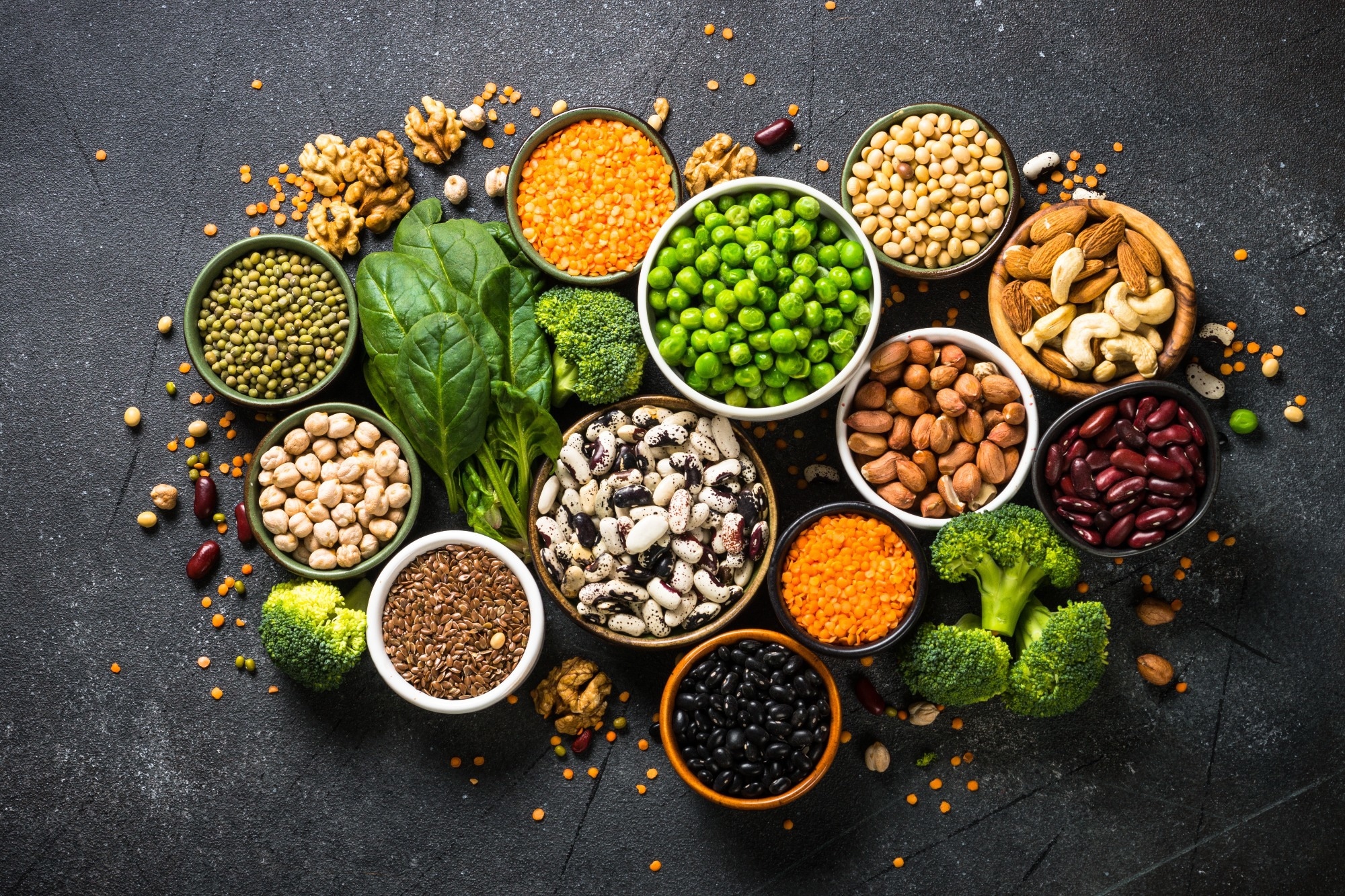
    • Lentils: A great source of protein, also provides good amounts of fiber, iron, and potassium.
    • Chickpeas: Another excellent source of protein and can be used in many dishes, including hummus and chana masala.
    • Black Beans: Not only high in protein but also rich in fiber and antioxidants.
    • Quinoa: A complete protein, also gluten-free.
    • Almonds: A protein-rich nut, rich in healthy fats, vitamin E, and magnesium.
    • Peanuts: High in protein and healthy fats.
    • Chia Seeds: High in protein but also rich in omega-3 fatty acids and fiber.
    • Hemp Seeds: A complete protein source, rich in essential fatty acids.
    • Spirulina: Blue-green algae protein that contains a good amount of B vitamins, iron, and other nutrients.
    Journal reference:

    Wednesday, September 15, 2021

    Daily walnut consumption lowers total cholesterol, LDL at 2 years

    Not applicable to us, we are not healthy. So ask your doctor which nut is best? Almonds? Peanuts? Walnuts? Pistachios?

    Your doctor should know whether almonds or peanuts are better.  Unless you want to do their job for them.

    •  peanuts (4 posts to May 2017)


    Daily walnut consumption lowers total cholesterol, LDL at 2 years


    Healthy older adults who consumed walnuts daily for 2 years experienced reductions in total cholesterol and LDL, as well as small and total LDL particles, according to results of the WAHA trial.

    Emilio Ros, MD, PhD, director of the Lipid Clinic, Endocrinology and Nutrition Service at Hospital Clínic of Barcelona, Spain, said in a press release that previous research had shown that nuts, in general, and walnuts, in particular, were associated with lower rates of heart disease and stroke. “One of the reasons is that they lower LDL cholesterol levels, and now we have another reason: They improve the quality of LDL particles,” Ros said.

    Healthy older adults who consumed walnuts daily for 2 years experienced reductions in total cholesterol and LDL, as well as small and total LDL particles, according to results of the WAHA trial.
    Healthy older adults who consumed walnuts daily for 2 years experienced reductions in total cholesterol and LDL, as well as small and total LDL particles. Rajaram S, et al. Circulation. 2021;doi:10.1161/CIRCULATIONAHA.121.054051.

    Ros and colleagues conducted the two-center randomized controlled WAHA trial to test a walnut-supplemented diet in 708 cognitively healthy adults aged 63 to 79 years without major comorbidities.

    Patients received a walnut-free or walnut-supplemented diet, with their compliance, tolerance, medication changes and body weight recorded during visits, which occurred every 2 months. Those in the walnut-supplemented group received 8-week allotments of raw, pieced walnuts at this time.

    Primary care physicians supervised participants and modified medications, including lipid-lowering drugs, according to their assessment of risk factor levels.

    In all, 636 participants completed the study and 628 had full data for lipoprotein analyses (mean age, 69 years; 67% women; 32% treated with statins).

    Data revealed that the walnut diet significantly lowered total cholesterol by 4.4% (mean, –8.5 mg/dL; 95% CI, –11.2 to –5.4), LDL by 3.6% (mean, –4.3 mg/dL; 95% CI, –6.6 to –1.6) and intermediate-density lipoprotein cholesterol by 16.8% (mean, –1.3 mg/dL; 95% CI, –1.5 to –1); triglycerides and HDL were not affected.

    In addition, walnut consumption reduced total LDL particles by 4.3% and small LDL particle number by 6.1%. The researchers also reported sex-based differences, with the walnut diet reducing LDL by 7.9% in men and 2.6% in women (P for interaction = .007).

    Emilio Ros

    “Thanks in part to statin treatment in 32%, the average cholesterol levels of all the people in our study were normal,” Ros said in the release. “For individuals with high blood cholesterol levels, the LDL cholesterol reduction after a nut-enriched diet may be much greater.”

    Ros also said in the release that eating a handful of walnuts every day “is a simple way to promote cardiovascular health. Many people are worried about unwanted weight gain when they include nuts in their diet. Our study found that the healthy fats in walnuts did not cause participants to gain weight.”

    Peanuts potent in lowering cardiovascular disease risk: Study

    You'll have to read it at the link.`Your doctor should know whether almonds or walnuts are better.  Unless you want to do their job for them.

    Peanuts potent in lowering cardiovascular disease risk: Study


    Friday, May 17, 2019

    Proven health benefits of walnuts

    But compared to peanuts?

    Eating peanuts may lead to supple arteries and healthy hearts  May 2017 

    Or almonds?

    New research shows almonds reduce the risk of heart disease  June 2014 

    But none are protocols, so completely guessing on amount.


    Proven health benefits of walnuts

    Liz Meszaros, MDLinx | May 17, 2019
    Each year, National Walnut Day is celebrated on May 17. And believe it or not, there is a lot to celebrate about this ‘lowly’ little nut.

    On this National Walnut Day, celebrate the many health benefits of becoming a walnut aficionado!
    Healthy fats, fiber, vitamins, and minerals are just some of the great components Mother Nature has packed into the wonderful walnut. And these components have become the fodder for a multitude of studies that have documented the numerous health benefits walnuts proffer to those who eat them.
    So, with no further ado, let’s take a look at some of the scientifically-proven benefits of walnuts:
    Higher antioxidant activity. Because vitamin E, melatonin, and polyphenols are found in high concentrations in the papery skin of the walnut, walnuts have a higher antioxidant activity than any other common nut, as validated by several studies.
    Decreased inflammation. The polyphenols found in walnuts can help reduce oxidative stress and the ensuing inflammation it causes. Inflammation plays a vital role in the development of many diseases, including cancer, heart disease, type 2 diabetes, and Alzheimer’s disease. Of particular note is pedunculagin, the primary polyphenol walnuts contain. Pedunculagin is an ellagitannin, a subgroup of polyphenols. Ellagitannins have known activities against disease initiation and progression, including cancer, cardiovascular, and neurodegenerative diseases. In addition, walnuts contain ALA omega-3 fat, magnesium, and arginine, which may also serve to decrease inflammation.
    Improved metabolic status in patients with metabolic syndrome. In a two-arm, randomized, controlled crossover study, researchers found that daily consumption of walnuts (45 g) for 16 weeks improved metabolic syndrome status in patients with metabolic syndrome. In addition, this intervention significantly increased HDL cholesterol levels (P=0.028), fasting glucose (P=0.013), HbA1c (P=0,021), and adiponectin (P=0.019).
    Improved cardiometabolic profile. In a randomized, double-blind, placebo-controlled, cross-over trial, subjects who consumed a smoothie containing 48 grams of walnuts during two 5-day inpatients stays spaced 1 month apart had reduced fasting small and dense LDL particles (P < 0.02), and increased large HDL (P < 0.01), compared with placebo patients. Researchers also found that walnut smoothie-drinking patients had significantly decreased lipoprotein insulin resistance scores (P < 0.01), glucose AUC (P < 0.02), and insulin AUC (P < 0.04).
    Decreased depression. Walnut consumers, especially women, may have lower depression scores than non-nut consumers, according to the results of a recent study published in Nutrients. This association was seen in a gamut of depressive states. Researchers used data from the National Health and Nutrition Examination Survey (NHANES) for 26,656 participants who ate 1) walnuts with high certainty, 2) walnuts with other nuts, 3) other types of nuts, or 4) zero nuts.
    The mean depression score of participants who ate walnuts with high certainty was 26% lower than non-nut consumers (P < 0.0001), with the correlation stronger among women (32%, P < 0.0001) vs men (21%, P=0.05). Of note, women in the study more frequently reported higher depression scores. Specifically, when compared with walnut eaters, those who didn’t partake were more likely to have trouble concentrating, feel that they were moving or speaking abnormally, and think that they were better off dead.
    Good gut health. In a study published in Nutrients, researchers found that healthy adults who ate 1.5 oz (43 g) of walnuts daily for 8 weeks had significantly increased probiotic- and butyric acid-producing species in the gut. Butyrate is a fat that nourishes the gut and promotes good gut health.
    Reduced risk of some cancers. Results from several pre-clinical, clinical, and observational studies suggest that eating walnuts may reduce the risk of certain cancers, including breast, prostate, and colorectal cancers. Again, the ellagitannins in walnuts play a role. They are converted in the gut into urolithins, which have anti-inflammatory properties there and elsewhere. Urolithins also have hormone-like properties, which may block hormone receptors, and thus reduce the risk of hormone-related cancers, such as breast and prostate cancers.
    It’s clear that the walnut, with all of its proven health benefits, deserves a day of recognition. So, the next time someone offers you walnuts—raw, roasted, or sprinkled on a salad—please partake of them, for your continued good health!

    Thursday, May 24, 2018

    Study: Tree nut consumption linked to improved type 2 diabetes health

    You'll have to ask your doctor if the benefits from this apply to stroke survivors. Notice that peanuts are not included. But your doctor can analyze these two(when pigs fly) and come up with a diet protocol. You do expect not to have to do your doctors' work along with all your recovery rehab?

    Eating peanuts may lead to supple arteries and healthy hearts  May 2017 

    Study: Tree nut consumption linked to improved type 2 diabetes health May 2018

    One of the largest studies to date on nuts and diabetes was published today in Diabetologia, the journal of the European Association for the Study of Diabetes (EASD). The study shows that approximately two ounces of nuts a day, as a replacement for carbohydrate foods, can improve glycemic control and blood lipids in those with type 2 diabetes.

    Researchers from the University of Toronto and St. Michael's Hospital in Toronto, Canada, found that tree nuts (almonds, Brazils, cashews, hazelnuts, pecans, pine nuts, pistachios, macadamias and walnuts) and peanuts improved blood lipid levels and blood sugar levels in individuals with non-insulin dependent diabetes.

    This study, which was retracted by the authors at their request, was originally published in Diabetes Care. It was a 3-month parallel design with 117 non-insulin dependent adults with diabetes (men and women with a mean age of 62 years) who were all being treated with oral hypoglycemic medications. The subjects were randomized to one of three diets for three months. The first diet included a supplement of 75g (~2½ ounces or ½ cup) of mixed nuts; the second diet included 38g (~1? ounces or ¼ cup) of mixed nuts and half portion of whole wheat muffins; and the third diet contained a full portion of whole wheat muffins.

    Each supplement provided approximately 475 calories per 2,000 calorie diet. All of the diets contained roughly the same number of calories, but the nuts provided more unsaturated (i.e. healthy) fat and less carbohydrate.

    The goal of the study was to determine if nuts improve glycemic control in non-insulin dependent diabetes, as assessed by HbA1c (a marker of blood sugar control over the previous three months), and also improve markers of cardiovascular health.

    "The original findings revealed that the full dose nut group had a significant reduction in HbA1c compared to the other two groups," stated David Jenkins, MD, PhD, DSc, with the University of Toronto and St. Michael's Hospital. "The current study shows a reduction in HbA1c and the low-density lipoprotein (LDL)-associated cardiovascular disease (CVD) risk factor, apolipoprotein B (Apo-B), stated Dr. Jenkins. "We also found lower levels of small LDL cholesterol-- which is an emerging risk factor for CVD." He added, "The bottom line is, this study showed a modest but significant improvement in blood glucose control, despite the higher fat intake, and improvement in lipid risk factors for heart disease with increasing nut dose."

    According to Cyril Kendall, Ph.D., co-investigator of the study, "The improvements in blood glucose control and blood lipid levels that can be achieved by dietary and lifestyle changes are significant and could make a substantial contribution to the treatment of those with type 2 diabetes. Nuts are a healthy and flavorful option for individuals with diabetes that also promote healthy body weight."

    A number of studies have suggested that consuming tree nuts may reduce the risk of heart disease, confirmed by the PREDIMED trial in 2013. In 2003 tree nuts received a qualified health claim from the U.S. Food and Drug Administration (FDA) which states, "Scientific evidence suggests but does not prove that eating 1.5 ounces per day of most nuts, as part of a diet low in saturated fat and cholesterol, may reduce the risk of heart disease." Interestingly, adults with diabetes are two to four times more likely to die from heart disease than adults without diabetes.

    According to Maureen Ternus, M.S., R.D., Executive Director of the International Tree Nut Council Nutrition Research & Education Foundation (INC NREF), "While we've known for years that eating nuts every day can help reduce the risk for heart disease, these findings show that consuming nuts may be helpful in controlling type 2 diabetes as well."

    The original study was published in 2011 but retracted as the statistical model used did not control for repeated measures in the same individual. The current study fixed the previous statistical error and added new data of interest including LDL particle size and clotting factors.

    Wednesday, May 10, 2017

    Eating peanuts may lead to supple arteries and healthy hearts

    Not to be done without your doctors prescription. She/He may get around to it in 50 years.

    Eating peanuts may lead to supple arteries and healthy hearts


    Pennsylvania State University Health and Medicine News
    Eating peanuts with a meal may help protect against cardiovascular diseases which can lead to heart attacks and stroke, according to an international team of researchers.

    In the study, overweight and obese but otherwise healthy men who ate about three ounces of peanuts with a high–fat meal had a blunted increase of lipids in their bloodstream, said Penny Kris–Etherton, distinguished professor of nutrition, Penn State. She added that previous studies have shown that after a meal, there is a spike in blood lipids; this spike can increase the risk of cardiovascular disease, which is the leading cause of death in the United States, as well as around the world.

    "Typically, whenever we eat something, it causes the arteries to get a little bit stiffer during the post–meal period, but we have shown that if you eat peanuts with your meal, this can help prevent the stiffening response," said Kris–Etherton. "When the stiffening response happens in the cells that line the arteries, resulting in decreased elasticity in the arteries, it can limit the availability of nitric oxide, and when there's less nitric oxide, the arteries don't dilate that much. What you want is a dilation of the arteries and for them to be really elastic."

    She added that over time, the arterial stiffening response can limit blood flow throughout the body and cause the heart to work harder, increasing the risks of serious cardiovascular problems over time.

    "As the heart works harder and harder, over a long period of time, it could lead, ultimately, to heart failure," said Kris–Etherton.

    According to the researchers, who report their findings in the current issue of the Journal of Nutrition, eating peanuts can keep the cells that line the arteries healthy, helping them stay more elastic. The researchers showed that when peanuts are eaten with a meal the typical post–meal increase of triglycerides – a type of fat found in the bloodstream – is blunted.

    "After a meal, triglycerides increase and this typically decreases the dilation of the arteries, but the peanuts prevent that big increase in triglycerides after the meal," said Kris–Etherton. "And that may be the mechanism behind this effect, because the triglycerides are not getting so high, which may explain why there is not a decrease in artery elasticity."

    The researchers recruited 15 healthy overweight and obese men for the study. Participants ate a control meal with three ounces of ground unsalted peanuts in the form of a shake. A control group was fed a shake of similar nutritional quantity and quality, but without the peanuts. The researchers took blood samples from the subjects to measure lipid, lipoprotein and insulin levels after 30, 60, 120 and 240 minutes.

    An ultrasound machine was used to measure the subjects' blood flow.

    According to the researchers, there was a 32 percent reduction in the triglyceride levels after the consumption of the peanut meal compared to the control group.

    Three ounces of peanuts is about three times the amount of an average serving size, according to the researchers. Although the peanuts were ground up into a shake for the study, the researchers indicate that just eating peanuts would be expected to cause the same response.