Changing stroke rehab and research worldwide now.Time is Brain! trillions and trillions of neurons that DIE each day because there are NO effective hyperacute therapies besides tPA(only 12% effective). I have 523 posts on hyperacute therapy, enough for researchers to spend decades proving them out. These are my personal ideas and blog on stroke rehabilitation and stroke research. Do not attempt any of these without checking with your medical provider. Unless you join me in agitating, when you need these therapies they won't be there.

What this blog is for:

My blog is not to help survivors recover, it is to have the 10 million yearly stroke survivors light fires underneath their doctors, stroke hospitals and stroke researchers to get stroke solved. 100% recovery. The stroke medical world is completely failing at that goal, they don't even have it as a goal. Shortly after getting out of the hospital and getting NO information on the process or protocols of stroke rehabilitation and recovery I started searching on the internet and found that no other survivor received useful information. This is an attempt to cover all stroke rehabilitation information that should be readily available to survivors so they can talk with informed knowledge to their medical staff. It lays out what needs to be done to get stroke survivors closer to 100% recovery. It's quite disgusting that this information is not available from every stroke association and doctors group.

Showing posts with label cold shock proteins. Show all posts

Monday, May 4, 2026

What Happens To Your Immune System After One Sauna Session by mindbodygreen


I'm just got a personal sauna from NuRecover but will use a cold shower instead of a chiller bucket for the cold shock proteins. Still to be put together.

What Happens To Your Immune System After One Sauna Session

 There’s a reason sauna use keeps showing up in longevity research. Regular exposure has been associated with lower risks of cardiovascular disease1 ,respiratory illness2,dementia3, and even overall mortality4 .But those outcomes don’t tell us much about the immediate effects. What actually changes in the body during a single session? And how quickly do those changes happen? A new study5set out to answer that by tracking immune responses before, during, and after a 30-minute sauna session, offering a closer look at the body’s short-term reaction to heat. 

What happens to your immune system during a 30-minute sauna

Researchers studied 51 adults, both men and women, during a standard Finnish sauna session set to about 73°C (roughly 163°F). Each participant spent 30 minutes in the sauna, with blood samples taken before, immediately after, and 30 minutes post-session. The goal was to track how immune cells and inflammatory signals changed in response to heat stress. Participants were allowed to drink water throughout, which helped control for dehydration and made the setup closer to a typical real-world sauna experience. Instead of just looking at overall immune activity, the researchers zoomed in on specific white blood cells and a wide range of cytokines, which are signaling molecules involved in inflammation and immune response. This gave a more detailed picture of how the body reacts in the short term. 

Sauna’s immediate effect on immune cells

The biggest shift came down to your white blood cells, which are a key part of your immune system. After the sauna session, those levels went up, including important types like neutrophils and lymphocytes. These are the cells that help your body spot and respond to anything that doesn’t belong, whether that’s a virus or another kind of threat. What stands out is how quickly this happens. The increase shows up right after the sauna, then goes back down within about 30 minutes. So this isn’t a long-lasting spike; it’s more like a short window where your immune system is a bit more alert. This pattern mirrors what happens during exercise. When you work out, immune cells move out of tissues and into your bloodstream, where they’re more ready to respond if needed. A sauna seems to trigger a comparable response, just through heat instead of movement. 

What about inflammation & body temperature?

One thing the researchers looked at closely was inflammation, since that’s often what people think of when they hear the body is under “stress.” But in this case, there weren’t big changes across most inflammatory markers. Out of dozens of signals they measured, only a few shifted in a meaningful way. That suggests your body isn’t going into a full inflammatory response during a sauna. Instead, the response seems more about mobilization than inflammation. Your immune cells are being redistributed and activated, not necessarily pushed into an inflammatory state. Body temperature did play a role, though. On average, people’s temperature rose by about 2°C (roughly 3.6°F) during the session. And the more it increased, the more certain immune-related signals shifted alongside it. 

Adding sauna use to your routine

 So what does this mean for your day-to-day routine? It doesn’t mean a single sauna session will prevent illness or replace other foundational habits. But it does suggest that sauna use can act as a short-term stimulus for your immune system, similar to a workout.If you already use a sauna, this adds another layer of context. That post-sauna feeling isn’t just relaxation. Your body is actively responding, mobilizing immune cells in a way that may support overall immune surveillance over time. 
If you’re considering adding it in, consistency matters more than intensity. This study looked at one session, but previous research has linked regular sauna use to broader health benefits, including a lower risk of certain chronic conditions.

It’s also worth paying attention to how you personally respond. Hydration, heat tolerance, and recovery all play a role in how beneficial the experience feels.

The takeaway

This study doesn’t suggest that sauna use is a cure-all. But it does offer a clearer picture of what’s happening in the body during a session. Your immune system isn’t passive in that environment. It’s responding, adapting, and briefly shifting into a more active state.

Friday, April 24, 2026

A single sauna session boosts immune cells within minutes

I'm getting a personal sauna from NuRecover but will use a cold shower instead of a chiller bucket for the cold shock proteins.

A single sauna session boosts immune cells within minutes

New research reveals how a brief Finnish sauna session mobilizes immune defenses within minutes, offering fresh clues into how heat exposure may influence human health.

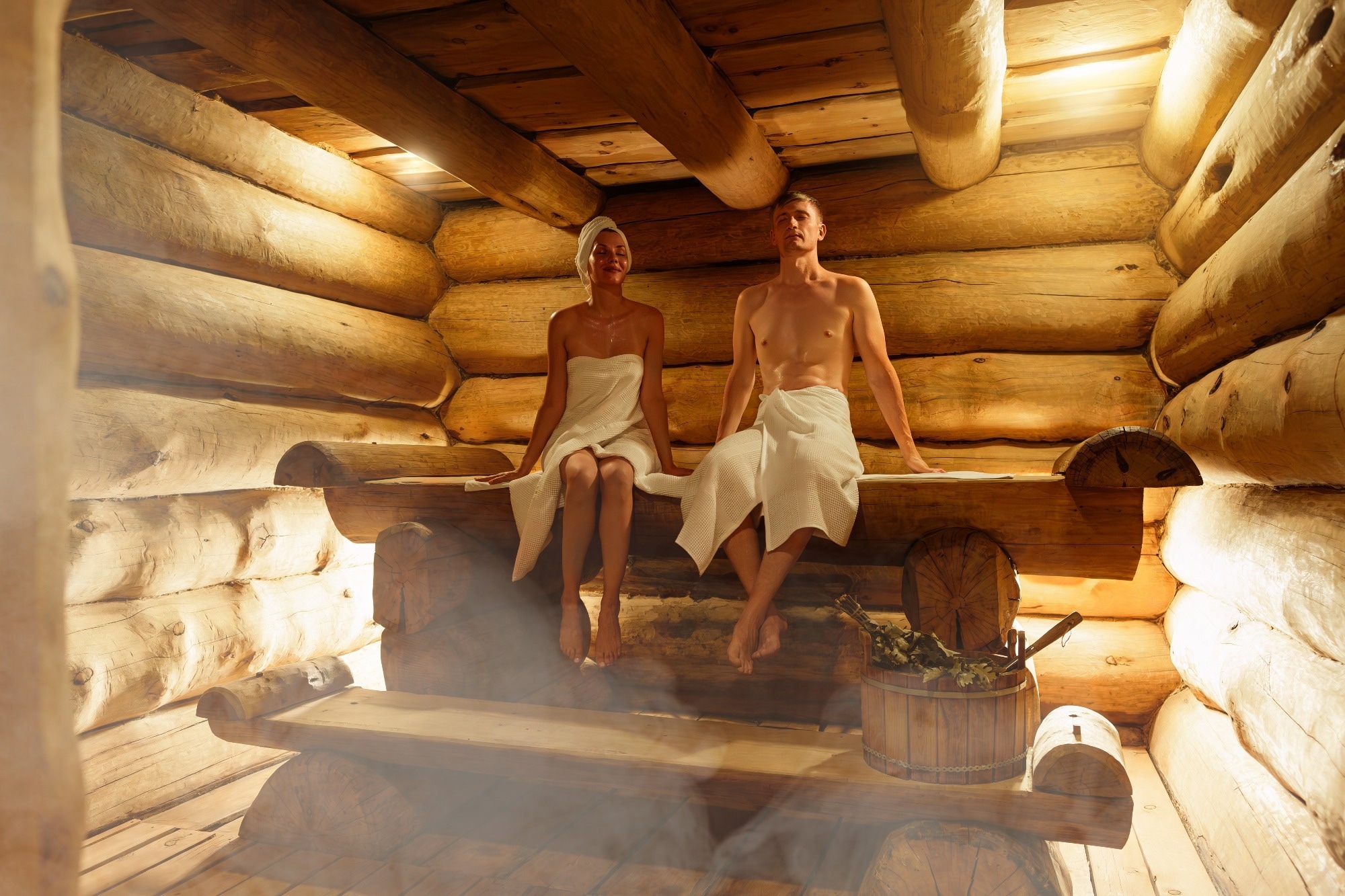
Young couple relaxing and sweating in hot sauna wrapped in towel. Woman and man In Sauna. Interior of Finnish sauna, classic wooden steam room with hot steam. Russian bathroom. Relax in hot Bathhouse.Study: Acute Finnish sauna heat exposure induces stronger immune cell than cytokine responses. Image credit: Mr. Tempter/Shutterstock.com

Heat exposure is harmful but can sometimes have beneficial effects. Finnish sauna bathing (FSB) is an example of controlled acute heat stress that may influence immune function by altering immune cells and cytokines. A 30-minute Finnish sauna session rapidly increases circulating immune cells while leaving most cytokine levels unchanged, according to a study published in the journal Temperature.

How Finnish sauna bathing 

became a global health habit

FSB involves exposing people to relatively dry air at 70–100 °C for 10-30 minutes per session. It is part of Finnish culture and is shown to offer multiple health benefits. Existing literature reports lower risks of cardiovascular disease, dementia, psychosis, and some respiratory conditions. FSB is also associated with fewer adverse outcomes in disadvantaged socioeconomic settings and with better physical fitness.

Acute heat stress may reshape 

immune and inflammatory responses

Prior research suggests that regular FSB is associated with lower levels of systemic inflammation. The current study examined how heat stress associated with FSB manifests as acute changes in white blood cells and cytokines up to 30 minutes after the sauna.

Single sauna session 

triggers rapid immune cell mobilisation

Participants were free of known cardiovascular disease (CVD) but had one or more risk factors, such as smoking, hypertension, or obesity. The study included 51 middle-aged adults who were regular sauna users. During the 30-minute sauna session, body temperature, measured at the ear, increased steadily, reflecting the heat stress exposure, while plasma volume remained unchanged on average.

Among women, hemoglobin and hematocrit levels were lower, while platelet counts were higher than in men. In both sexes, all these factors increased with FSB. White cells also rose in women, and remained slightly higher at 30 minutes post-sauna.

Among white cells, neutrophils and lymphocytes returned to baseline at 30 minutes, unlike the persistent elevation seen with the combined MXD cell category (monocytes, eosinophils, and basophils). Overall, white cell proportions were preserved.

Only two cytokines changed significantly after FSB, and both decreased, while one additional marker showed a borderline increase. Immediately after FSB exposure, body temperature was correlated with circulating cytokine levels, though not with white cell counts. These included several interferons and interleukins, which were positively associated with raised ear temperature. Conversely, two cytokines were inversely correlated with ear temperature. These changes were independent of the frequency of sauna use across the week.

These findings suggest that white cells are mobilized in association with FSB exposure, but there was no direct correlation with increased temperature. Significant associations were observed for only a few cytokines, whereas a larger number showed correlations with temperature change in the immediate post-sauna period. The associations between temperature change and cytokines were largely unchanged after adjustment for sex or body mass index.

The authors propose that physiological challenge caused by FSB-induced heat stress may underlie these changes. The increase in hemoglobin concentration and hematocrit suggests a possible loss of plasma volume in the hot, dry FSB conditions, although average plasma volume did not change, and results were adjusted for individual variation.

The increase in neutrophil and lymphocyte counts could be due to immune cell mobilization in response to heat stress. The generalized nature of the response is suggested by the overall preservation of the differential count.

Apparently, a large temperature change is not required for such mobilization, as no correlation was found between temperature change and white cell count. Conversely, the former was associated with cytokine changes in the immediate post-sauna period, suggesting a heat-stress response.

The authors report that to the best of their knowledge, few prior studies have explored both immune cells and cytokines in relation to FSB-induced heat stress. The sauna use pattern in this study closely resembled that in real life and in some earlier research.

A few other studies have shown changes in some interleukins using different sauna protocols. This highlights the need for further research to distinguish sauna-induced responses in habitual sauna users (who are likely heat-adapted) from those in individuals who seldom or never use it.

Limited immune profiling 

leaves key cell responses unclear

The authors measured three main white cell categories (neutrophils, lymphocytes, and the combined MXD group), but did not assess monocytes, eosinophils, and basophils separately. A more detailed lymphocyte assessment could have better assessed the heat-stress response to the FSB.

The physiological effects of cytokines correlated with temperature change following FSB remain unknown. The origin of the possibly mobilized white cells is unclear. The possibility of low plasma volume remains relevant, but was not factored into the analysis. Moreover, the study measured only the acute physiological response rather than chronic resting conditions.

Future directions should include research on the relevance of intermittent heat and cold stress exposure and whether these acute responses translate into long-term health effects.

Download your PDF copy by clicking here.

Journal reference:

Monday, April 13, 2026

What 20 Years of Finnish Research Says About Sauna and Living Longer by Super Age


Well shit, your competent? doctor knew all about sauna benefits and made damn sure you had some immediately post stroke! Oh NO, nothing happened because your doctor is so fucking incompetent!

And your doctor required cold showers in the hospital to get those beneficial cold shock proteins, right!

I just bought a personal sauna, didn't get the corresponding ice chiller bucket because a friend suggested that getting out of the bucket would be extremely difficult for me. He suggested I just get into a cold shower, and that's what I'll do.

  • sauna (16 posts to January 2015)

What 20 Years of Finnish Research Says About Sauna and Living Longer


Thursday, January 8, 2026

What Cold Plunging Teaches the Body by Super Age

 Hasn't your competent? doctor already informed you of the benefits of cold and heat shock proteins? NO? So, no competence at all from your doctor?

I'm sure your competent? doctor told you all about the benefits of cold and heat shock proteins and how to get them.

  • cold shock proteins (2 posts to October 2023)
  • heat shock proteins (3 posts to April 2013)
  • Hasn't your competent? doctor implemented cold showers for you in the hospital? Or even a sauna?

    What Cold Plunging Teaches the Body

    Sunday, October 12, 2025

    Cold-Water Immersion May Offer Health Benefits, and Also Presents Risks

    Didn't your competent? doctor have you taking cold showers already for the benefits of cold shock proteins? NO? so, completely fucking incompetent then?

  • cold shock proteins (5 posts to October 2023)
  • cold shower (10 posts to January 2017)
  • Cold-Water Immersion May Offer Health Benefits, and Also Presents Risks

    Evidence is building around positive effects, but scientific confirmation is lacking

    by Associated Press

    A photo of a woman in Gatineau Park’s Meech Lake in Chelsea, Quebec, during a polar bear dip on New Year’s Day.
    (Justin Tang /The Canadian Press via AP)

    Mark Harper, MD, PhD, recalls his first cold-water swim in the south of England 20 years ago. It was August, but the initial jolt from the plunge took his breath away.

    The shock to his system lasted a minute or two until he was "recombobulated and able to think about something other than the cold," Harper says. A surprise sensation soon replaced his discomfort.

    "I remember getting out of the water the first time and feeling so good," Harper, an anesthesiologist who has since researched the potential risks and rewards of taking a nippy dunk. "I wasn't expecting that."

    Claims about the benefits of cold-water immersion date back centuries. Thomas Jefferson, the principal author of the Declaration of Independence and the third American president, wrote toward the end of his life about using a cold foot bath daily for 60 years. He also owned a book published in 1706 on the history of cold-water bathing.

    While evidence is building around the positive health effects of swimming in chilly water, bathing in ice, or taking cold showers, scientific confirmation is still lacking.

    But Harper, who became a regular cold-water swimmer after his initiation, said there are strong signs that people can derive mental health benefits from the activity. He mentioned a positive effect on depression and general well-being.

    "For now, we have a very strong base, but not hard evidence, that cold-water immersion is effective for mental health," Harper told the Associated Press.

    Boosting Mental Health

    Harper said his own early experiences with cold-water swimming piqued his professional curiosity. As a physician, he wondered if the brief bodily shock had clinical uses for treating depression. He cited the biological phenomenon of hormesis, in which a stressor introduced at a low dose creates a positive response.

    Muscles and bones put under stress -- for example, with weight-bearing exercise -- also respond and grow.

    Harper acknowledged that the positive effects he's observed may be the result of the placebo effect, a phenomenon in which people who are given a medicine they think will help them report responding to the treatment even if it had no active ingredients.

    In the case of cold-water immersion, the benefits may come from meeting people, the exercise itself, or simply accepting a challenge and accomplishing it, which improves self-confidence, he said.

    "Personally, I think it's all of those things, and the cold has an additive effect," Harper said. "I think we have a good physiological basis for that. The basic science tells us the cold has a very strong effect on the body.

    "What we're talking about is an intervention, when it's used clinically, that produces beneficial effects on mental health. So in a way it doesn't matter which aspect is generating the positive effects."

    Harper cited what he said was a common reaction among first-timers who have taken the plunge.

    They often say "the fact that I've done this means I can do anything," he said. "It's quite a confidence builder and it's something people stick to because they enjoy it so much."

    Know the Risks When You Start

    Mike Tipton, PhD, a physiologist at the University of Portsmouth in England who has studied extreme environments, authored a paper along with Harper and two more researchers several years ago. The title highlighted the potential advantages and dangers of stimulating the body with a sudden drop in temperature: "Cold Water Immersion: Kill or Cure."

    "Like other environmental constituents such as pressure, heat, and oxygen, cold water can be either good or bad, threat or treatment depending on circumstance," they wrote after reviewing the research then available on the topic.

    One of their findings: The activity presents dangers. Deaths from cold-water immersion are not uncommon. The shock of frigid water can cause people to hyperventilate and drown. But Tipton told the AP the risks can be managed with common sense and precautions.

    How Cold, How Long?

    You do not need to go to extremes to get a potential payoff. Entering water at a temperature of 20-15 degrees Celsius (68-59F) and staying for only a few minutes is sufficient.

    Tipton explained if the water is colder than that, you may get more benefit -- but limit your exposure.

    "If you ask me what protocol you would follow if you thought this was going to be doing you good, I wouldn't go in water much below 12 Celsius (54F), and I wouldn't stay in for much more than 2 minutes," Tipton said.

    Tipton and Harper both said that any benefits from cold-water immersion come from the body's cold-shock response: the sudden fall of skin temperature, the release of the stress hormones, the release of endorphins, and the anti-inflammatory effect.

    Tipton cautioned against long spells in an ice bath.

    "Sitting in water for as long as I can fills me with horror," Tipton said. "This could destroy small nerves, blood vessels in extremities and could result in amputation the same way frostbite can."

    Harper, who has swum as long as 4-hour stretches in open water, advised vigilance.

    "People think it's got to be super cold, super long, and the longer the better," Harper said, "and that's wrong."

    Be Safe. You're a Tropical Animal.

    Tipton said he's not trying to be the "fun police" but suggested caution and a medical screening if you take the plunge. He said humans are considered "tropical animals" who need to adapt to the cold and are better suited to warm conditions.

    A human's resting body temperature is about 36.5-37.5 degrees Celsius (97.7-99.5F). Because of that, cold-water immersion is stressful and carries risks for the cardiovascular and respiratory systems. Not to mention the risk of drowning.

    "We don't want to stop people doing it, but we want to make sure they do it in a way that maximizes the benefits and minimizes the risks," Tipton said.

    He suggested swimming in a life-guarded area, or going with experienced outdoor swimmers. He also suggested knowing the body of water you're swimming in. Hazards, among others, include tides, temperature, depth, and pollution.

    "Understand that taking a tropical animal and putting it in cold water is probably the greatest stress that most people will experience in their life," Tipton said.

    He suggested entering the water in a controlled fashion instead of jumping in.

    "Be sensible about it," he said. "Incremental is the key."

    Sunday, June 15, 2025

    Can Cold Exposure Alter Energy Dynamics in Obesity?

     Didn't your competent? doctor already have you doing cold showers to receive the benefits of cold shock proteins? NO? So, you DON'T have a functioning stroke doctor, do you?

  • cold shock proteins (4 posts to October 2023)
  • Can Cold Exposure Alter Energy Dynamics in Obesity?

    TOPLINE:

    In individuals with obesity, 90 minutes of cold exposure increases energy expenditure by 18% but also raises energy intake and causes significant discomfort.

    METHODOLOGY:

    • There is a growing interest in using cold exposure as a potential weight loss strategy via its ability to increase energy expenditure and create a negative energy balance.
    • Researchers assessed the effects of moderate cold exposure on energy expenditure, energy intake, and appetite regulation in 29 women (mean age, 27.6 years) and 18 men (mean age, 31.5 years) with obesity who engaged in fewer than two 30-minute continuous exercise sessions per week.
    • Participants underwent two 90-minute sessions — one at 10 °C and one at ambient temperature — in a random order, separated by a minimum 2-week washout. A single dose of cold exposure involved wearing a liquid-conditioned suit with circulating diluted antifreeze.
    • Researchers measured thermal comfort/sensation, subjective appetite (via visual analog scales), energy expenditure (via indirect calorimetry), and energy intake with a validated food menu that calculated total food consumed; blood samples were analyzed for appetite-related peptides.

    TAKEAWAY:

    • Compared with exposure to ambient temperature, cold exposure over 90 minutes led to:
      • An 18% increase in energy expenditure primarily due to increased glucose oxidation (P < .001)
      • Significantly reduced average skin temperature (33.0 °C vs 24.5 °C, respectively; P < .001) and decreased thermal comfort
      • Increased energy intake during lunch following intervention (P = .008), especially from carbohydrate and protein consumption (P = .007 and P = .014, respectively), although intake decreased for the rest of the day (P = .049)
      • Decreased leptin level (P = .004) and increased level of total glucagon-like peptide 1 (P = .003)
    • No significant changes were observed in subjective appetite, such as hunger, desire to eat, and fullness.

    IN PRACTICE:

    “The negligeable impact on [energy expenditure], as well as the overall absence of effects on [energy intake], seem to make [cold exposure] an unlikely candidate for improved body weight control in individuals with obesity,” the authors wrote.

    SOURCE:

    The study was led by Kurt McInnis, University of Ottawa in Ottawa, Ontario, Canada. It was published online in International Journal of Obesity.

    LIMITATIONS:

    Energy expenditure was measured in a postprandial state, potentially masking the true effects compared with fasting conditions. The study used only a single dose of cold exposure, so the effects of repeated exposure remain unknown. Core body temperature was not measured.

    DISCLOSURES:

    This study was supported by a grant from the Canadian Institute of Health Research. One author disclosed receiving support from Bausch Health, Canada.

    Thursday, June 5, 2025

    The Benefits (and Risks) of Cold Plunge


    I'm sure your competent? doctor told you all about the benefits of cold and heat shock proteins and how to get them.

  • cold shock proteins (2 posts to October 2023)
  • heat shock proteins (3 posts to April 2013)
  • Hasn't your competent? doctor implemented cold showers for you in the hospital? Or even a sauna?

    The Benefits (and Risks) of Cold Plunge

    Cold plunges may boost mood, metabolism, and immunity, but they’re not for everyone.

    People have been inching their way into cold water for the promise of health and well-being for thousands of years. Hippocrates documented its use for pain relief, while ancient Romans did it to reduce fever. 

    It’s a national pastime in Nordic countries, where so-called “plunging” into frigid rivers or seas following stints in hot saunas is an elemental form of self-care during the long winters. And athletes worldwide have embraced cold water immersion (CWI), to help reduce muscle soreness and support recovery post-training. 

    In recent years, cold plunging has taken on a wellness fervor, hinting at an array of psycho-emotional and physical health benefits, including

    [lon-jev-i-tee] noun

    Living a long life; influenced by genetics, environment, and lifestyle.

    Learn More
    longevity. But is it true? Could regular cold-water immersion help you live better, happier, and longer? 

    First, what exactly is cold plunging?

    Cold plunging refers to the practice of submerging your body (but not your head), in 39-59 degree F water, and staying there for at least a few minutes. People often begin with a few seconds and try to build up to 10 or more minutes.

    It can be done in a bathtub with water chilled with ice cubes; in a body of water, like a lake, river, or ocean; or at a fitness center or at home, in a cold-plunge tank. Swimming in cold water also counts. Cold-showering has been found to also convey some benefits. 

    Submersion in cold water triggers what’s called “cold shock,” referring to swift physiological responses including a spike in heart rate and constriction of blood vessels, which leads to diminished circulation to your extremities and an increase in blood pressure. These abrupt changes are the main reasons cold plunging is not recommended for people with heart or vascular conditions.

    But the body’s adaptation to this stress is what also causes the benefits, according to scientists. For example, one study found that people exposed to cold water three times a week for three months produced less

    [kawr-tuh-sawl] noun

    A hormone that helps manage stress, energy, and alertness.

    Learn More
    cortisol, indicating that repeated exposure increased their body’s
    [ri-zil-yuhns] noun

    The ability to recover quickly from stress or setbacks.

    Learn More
    resilience
    to environmental stressors. 

    The Research-Backed Health Benefits of Cold Plunges

    First, is cold plunging good for you? Yes, when practiced safely, cold plunging has been linked to reduced stress, improved mood, better sleep, enhanced metabolic function, immune support, and even relief from menopause symptoms. However, people with cardiovascular or circulatory conditions should consult a doctor first.

    What else does science say about cold plunging? There’s plenty of anecdotal evidence that cold water immersion uplevels, well, everything. Many people swear by the mental and emotional boons, literally jolting yourself into a different frame of mind. This is generally supported by research: Cold water exposure activates the sympathetic nervous system, resulting in a release of

    [en-dawr-finz] noun

    Mood-boosting chemicals released by the brain during exercise or joy.

    Learn More
    endorphins and
    [doh-puh-meen] noun

    A neurotransmitter linked to motivation, pleasure, and learning.

    Learn More
    dopamine
    , which makes you feel better and may alleviate depressive symptoms.

    For others, the steely dedication required to willingly put yourself in a physically unpleasant situation is part of the benefit, and a way to increase willpower and mastery over discomfort, as made famous by the Ice Man himself, Wim Hof. 

    Cold plunging also supports some aspects of physical well-being. It is well-documented for decreasing muscle soreness, which may lead to quicker performance recovery times. And there is some, albeit mixed evidence, that it may offer

    [an-tee-in-flam-uh-tawr-ee] adjective

    Reducing inflammation, which contributes to better overall health.

    Learn More
    anti-inflammatory benefits. 

    Some studies have shown that cold water immersion may affect adipose tissue, increasing energy expenditure and possibly improving insulin resistance. Meanwhile, animal research has shown that cold shock provides neuroprotective benefits, which may slow neurodegenerative diseases. 

    But the research on the benefits of cold plunge isn’t always clear. Most cited studies were done with small sample sizes, lacked diversity in age and gender, or looked at single immersions instead of regular exposure. 

    That said, reviews of the existing literature, including meta-analyses, and new, emerging research glimpses some promising physiological benefits for getting cold. 

    • May increase cellular resilience: A new small study from the University of Ottawa found that regular cold plunging may increase cellular resilience. The study followed 10 healthy young men as they underwent cold-plunge therapy in 57.2-degree water, for 7 consecutive days. Blood sampling showed that after the 7 days, the men’s cells showed significantly improved autophagic function, which refers to the way cells break down and recycle damaged or unnecessary components, and is a key marker of cellular health.  
    • May boost stress resilience and improve sleep: In a large-scale review and meta-analysis published on PLOS ONE earlier this year, Australian researchers found that CWT offers a delayed but positive impact on stress level, and that it may trigger the body’s anti-inflammatory response. The researchers also found that for some people, CWT may support better sleep, and that some users report slightly higher quality-of-life scores. 
    • May ease menopause symptoms: A British research survey of more than 1,000 women (mean age 49), found that those who swam in cold water every day year-round experienced significant relief from perimenopausal symptoms, including hot flashes, mood swings, anxiety and brain fog. They also reported better focus, mood, and sex drive; and had less disrupted sleep. Women who swam for 15-30 minutes during winter experienced greater benefits than women who swam for less than 5 minutes. But all cold water immersion offered some relief, prompting the researchers to conclude “cold water swimming does have menopause symptom-reducing properties.
    • May offer immune benefits. A small 2024 study found that daily cold showers, over 90 days, appeared to enhance immunity by upregulating antibodies. 

    Are There Risks to Cold Plunging? What to Know Before You Try

    The main risk of being in cold water is that it quickly draws heat away from the body, dropping your core temperature faster than your body can warm it, and leaving you at risk for hypothermia. 

    This is more common in open water than when cold-plunging in controlled environments. Yet submersion still causes rapid vasoconstriction, so it’s not advised for people with circulatory problems.

    Anyone with a heart condition should also be cautious. Some research has suggested that prolonged cold water exposure can damage heart muscles.

    And it may not always have the intended effect. For example, research on athletes who do resistance training, found evidence that it may interfere with the molecular processes that trigger muscle growth and strength. 

    So, with all that said, is cold plunging good for you?

    If you are generally healthy, without circulatory or cardiac concerns, dipping a toe (or your whole body!) into the cold-plunge trend may be worth a try.

    Science shows it can greatly benefit mood and support your body’s resistance to stress, which are both key factors for continued well-being and health as we age.  

    The information provided in this article is for educational and informational purposes only and is not intended as health or medical advice. Do not use this information to diagnose or treat any health condition. Always consult a qualified healthcare provider regarding any questions you may have about a medical condition or health objectives. Read our disclaimers

    Saturday, May 3, 2025

    In Vivo Visualization and Quantification of Brain Heat Shock Protein 90 with [11C]HSP990 in Healthy Aging and Neurodegeneration

     I'm sure your competent? doctor already has protocols on heat and cold shock proteins for your recovery. Oh no, that's not the case!

  • cold shock proteins (2 posts to October 2023)
  • heat shock proteins (3 posts to April 2013)
  • In Vivo Visualization and Quantification of Brain Heat Shock Protein 90 with [11C]HSP990 in Healthy Aging and Neurodegeneration

    Romy Cools, Koen Vermeulen, Eline Vonck, Veerle Baekelandt, Cassis Varlow, Valeria Narykina, Christopher Cawthorne, Koen Van Laere, Wim Vanduffel, Neil Vasdev and Guy Bormans

    Abstract

    Heat shock protein 90 (Hsp90) is essential for maintaining cellular proteostasis and may play an important role in the development of neurodegenerative proteinopathies. Therefore, we aimed to develop an Hsp90-specific PET brain tracer to quantify Hsp90 expression in the brain in vivo in order to explore its potential as a biomarker for neurodegenerative disease characterization and to support Hsp90-targeted drug development. Methods: We developed the radiosynthesis of (R)-2-amino-7-(4-fluoro-2-(6-(methoxy-11C)pyridin-2-yl)phenyl)-4-methyl-7,8-dihydropyrido[4,3-d]pyrimidin-5(6H)-one, [11C]HSP990, and validated the tracer using in vitro autoradiography, in vitro brain homogenate saturation binding, ex vivo biodistribution, and in vivo PET imaging in rodent models of Alzheimer disease (AD) and Parkinson disease versus healthy age-matched and young controls. Human brain samples from AD patients and healthy subjects were included in our in vitro binding studies. A nonhuman primate PET brain study with arterial blood sampling was conducted under baseline and blocking conditions. Results: In vitro and in vivo [11C]HSP990 studies in rodents and a nonhuman primate revealed saturable Hsp90 binding pools in natural killer lymphocytes, bone marrow, and notably the brain, where the highest binding was observed, particularly in gray matter. Blocking studies indicated that saturable Hsp90 in natural killer lymphocytes considerably influences the pharmacokinetics of Hsp90-targeting probes, which is critical for Hsp90 drug development. In vitro [3H]HSP990 brain homogenate saturation binding assays suggested that the tracer binds a distinct subfraction of the total Hsp90 pool, which is significantly diminished in both rodent and human AD brain tissue compared with age-matched controls. In vivo PET imaging confirmed reduced [11C]HSP990 brain binding on aging and an even stronger decrease in AD mice, suggesting that Hsp90 depletion may impair protein quality control and accelerate proteinopathies. Conclusion: [11C]HSP990 is a promising Hsp90-specific tracer and reveals strong Hsp90 binding in the brain. Uniformly reduced tracer binding was observed in AD brain tissue compared with age-matched controls. [11C]HSP990 holds potential as a biomarker for neurodegenerative disease characterization and progression, and it may aid in patient stratification and therapy monitoring. Human [11C]HSP990 PET neuroimaging studies are under way to investigate whether these findings translate to humans.

    Heat shock protein 90 (Hsp90), present in 4 isoforms, is a key chaperone in the protein quality control system, maintaining cellular proteostasis by stabilizing, folding and refolding, and regulating many client proteins (1). Accordingly, Hsp90 function is implicated in diseases associated with proteotoxic stress, such as neurodegenerative disorders and cancer (2,3). The role of Hsp90 in neurodegenerative diseases, including Alzheimer disease (AD), Parkinson disease (PD), amyotrophic lateral sclerosis, and Huntington disease, remains controversial in the literature and has been linked to both protective functions and pathologic roles.

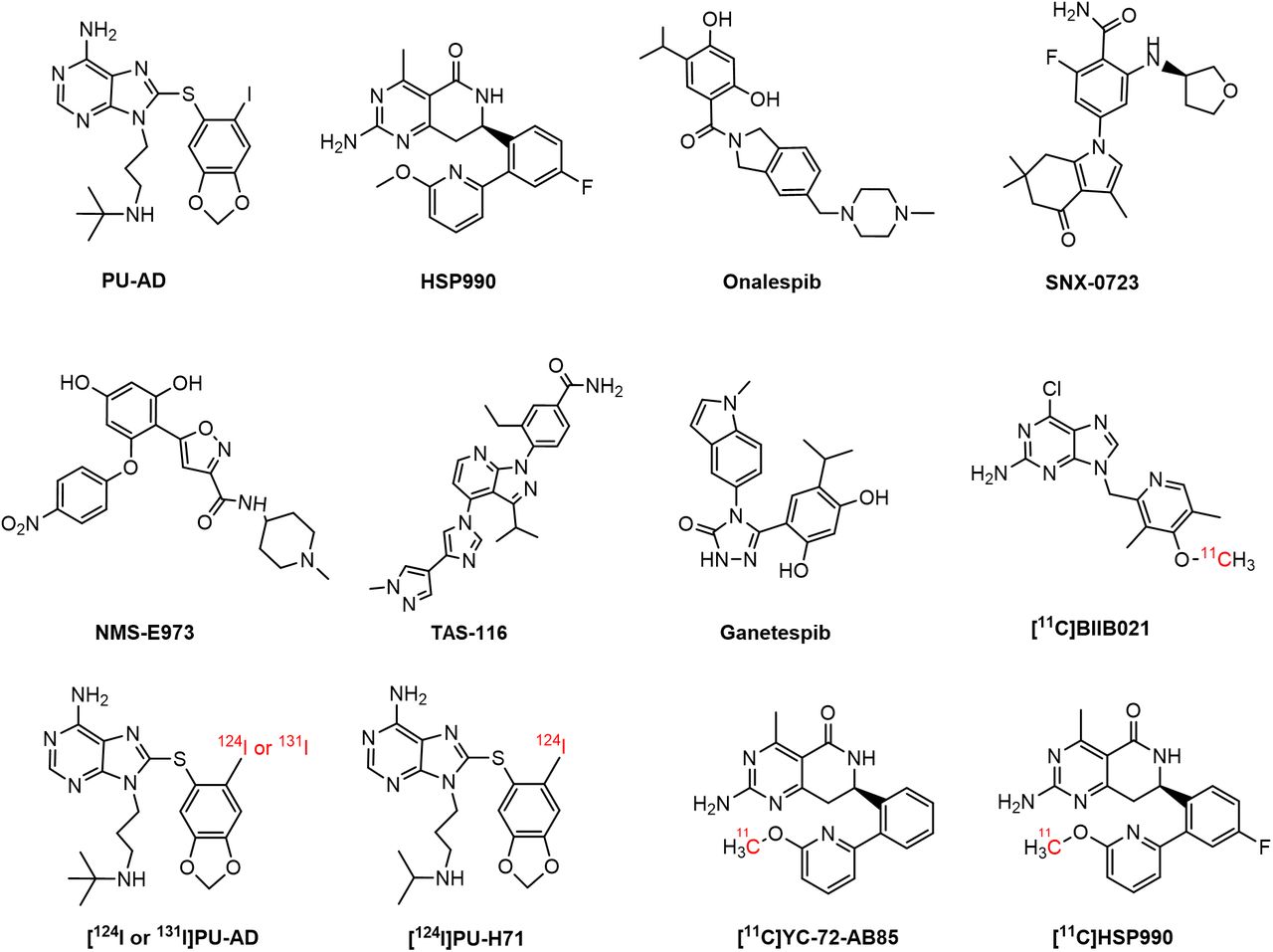
    Proteins involved in aggregation, such as β-amyloid, phosphorylated tau, and α-synuclein (αSyn), are reported Hsp90 clients (46). Some studies have shown that upregulated Hsp90 colocalized with these aggregates in a neurodegenerative brain, potentially contributing to disease pathology by exacerbating aggregate accumulation and hindering misfolded protein degradation (2,6). This has sparked interest in Hsp90 inhibitors, to suppress its aberrant neuronal activity, as potential treatments for neurodegenerative disorders (7). Conversely, reduced Hsp90 levels have been linked to neuronal cell death. In this context, induction of the heat shock response through Hsp90 inhibition has been explored to upregulate chaperone function, thereby reducing protein aggregation and supporting cytoprotection (1,711). For instance, (S)-2-fluoro-6-((tetrahydrofuran-3-yl)amino)-4-(3,6,6-trimethyl-4-oxo-4,5,6,7-tetrahydro-1H-indol-1-yl)benzamide) (SNX-0723) and 9-(3-(tert-butylamino)propyl)-8-((6-iodobenzo[d][1,3]dioxol-5-yl)thio)-9H-purin-6-amine (PU-AD) (Fig. 1) have shown promise in preclinical studies by preventing αSyn oligomerization and rescuing striatal dopamine levels in a PD rat model and by inducing the degradation of misfolded proteins and restoring memory in an AD mouse model, respectively (2,12). PU-AD was evaluated in clinical trials for AD, amyotrophic lateral sclerosis, and glioblastoma, but these studies were withdrawn or terminated and results have yet to be published (1315). The compound (R)-2-amino-7-(4-fluoro-2-(6-methoxypyridin-2-yl)phenyl)-4-methyl-7,8-dihydropyrido[4,3-d]pyrimidin-5(6H)-one (HSP990) (Fig. 1) has also shown therapeutic potential, improving cognitive function in AD mouse models and reducing huntingtin aggregation in Huntington disease, but exhibited neurotoxicity in a phase I trial for solid tumors (1618).

    FIGURE 1.

    Chemical structure of Hsp90 inhibitors and PET brain tracers.

    The potential clinical efficacy of Hsp90 inhibitors depends on their ability to exert therapeutic effects at safe doses. Accurate measurement of Hsp90 occupancy in the brain using PET can significantly contribute to determining optimal dosing regimens and avoiding toxic effects (19). Furthermore, Hsp90 PET brain imaging may provide insights into the role of Hsp90 in neurologic diseases.

    Only a few Hsp90-targeting PET probes that can permeate the blood–brain barrier have been developed so far (2,20,21). [124I]PU-AD (Fig. 1) showed higher hippocampal retention in human AD brain than in controls on static delayed (3 h after injection) PET. However, absolute brain [124I]PU-AD concentrations were very low, and 124I produces low-quality PET images and exposes patients to high radiation because of its long half-life (2,22). More recently, 6-chloro-9-((4-(methoxy-11C)-3,5-dimethyl-2-pyridinyl)methyl]-9H-purin-2-amine ([11C]BIIB021) (Fig. 1) was developed, exhibiting Hsp90-specific binding in the rat brain but showing the presence of brain radiometabolites, which may complicate PET image quantification (21). Our group previously developed (R)-2-amino-7-(2-(6-(methoxy-11C)pyridin-2-yl)phenyl)-4-methyl-7,8-dihydropyrido[4,3-d]pyrimidin-5(6H)-one ([11C]YC-72-AB85) (Fig. 1), demonstrating reversible Hsp90-specific brain binding in healthy rodents and a nonhuman primate (NHP) (20), but it has not been explored in neurodegeneration. Given that HSP990 has already been used in a clinical trial, this study sought to develop and evaluate [11C]HSP990 (Fig. 1) as a Hsp90 PET tracer to elucidate saturable Hsp90 binding and its role in health and neurodegenerative disease and to advance clinical translation.

    More at link.

    Sunday, April 6, 2025

    Scientists Just Discovered This Surprising Side Effect Of Cold Plunges

     I'm sure your doctor told you all about the benefits of cold and heat shock proteins and how to get them.

    Hasn't your competent? doctor implemented cold showers for you in the hospital? Or even a sauna?
    Your doctor knows all about autophagy and how to have you experience it? RIGHT? Or maybe you should read up on it and train your doctor.
  • autophagy (18 posts to October 2011)
  • The latest here:

    Scientists Just Discovered This Surprising Side Effect Of Cold Plunges

    Korin Miller
    4 min read

    Cold Plunges Can Impact You On A Cellular Level Stocksy

    Everyone and their mom seems to be talking about cold plunging right now. Celebs like Kate Middleton and Brooke Shields have even openly shared their experiences with the practice. But despite all the positive testimonials surrounding this chilly health hack, scientific research into its actual health perks are still ongoing.

    Now, there’s a new study that suggests that cold plunging can literally impact you on a cellular level, triggering them to start a process called autophagy that can have total-body benefits. In fact, doctors swear this cellular impact could help support your overall health and longevity. Women's Health asked experts for their insights on the new study, and the latest health findings to better understand the phenomenon.

    Meet the experts: Joseph J. Ciotola, MD, is an orthopedic surgeon at Baltimore’s Mercy Medical Center who has studied with cold plunge expert Wim Hof; Bert Mandelbaum, MD, is a sports medicine specialist and co-director of the Regenerative Orthobiologic Center at Cedars-Sinai Orthopaedics in Los Angeles; Phillip Williams, MD, is an assistant professor of orthopedic surgery at Baylor College of Medicine; lead study author Kelli King, PhD, is a postdoctoral fellow at University of Ottawa’s School of Human Kinetics.

    What did the study find?

    The study, which was published in the journal Advanced Biology, had 10 healthy(So, unhealthy older persons like us need to have this research done on us!) young men do a cold plunge for an hour every day for a week straight.

    The researchers collected blood samples before and after the plunges to look at how the participants’ cells responded to the cold plunges.

    “We found that in as little as four days, cold water plunges can reduce cellular stress and increase a cellular protective mechanism called autophagy,” says lead study author Kelli King, PhD, a postdoctoral fellow at University of Ottawa’s School of Human Kinetics. “This mechanism helps remove damaged proteins and organelles in the body and is critical during stressful conditions—such as cold exposure—to facilitate cell survival.”

    How do cold plunges change your cells?

    Exposure to cold is what’s known to doctors as a hormetic stressor, explains Joseph J. Ciotola, MD, an orthopedic surgeon at Baltimore’s Mercy Medical Center who has studied with cold plunge expert Wim Hof. And this "stressor" is actually good for you in moderation, as it helps your body build resilience and greater tolerance to distress.

    “This uses your body’s natural adaptive abilities and stimulates the cells with the cold,” he says. “These hormetic stressors, which also include fasting and heat exposure from saunas, use your body’s own potential to heal, ultimately making it more resistant to disease.”

    In this instance, by repeatedly exposing yourself to cold temperatures like you’d experience with a cold plunge, your body learns to more effectively deal with extreme environmental conditions, King says.

    Doing things like cold plunges “trains the body to adapt and survive,” says Bert Mandelbaum, MD, sports medicine specialist and co-director of the Regenerative Orthobiologic Center at Cedars-Sinai Orthopaedics in Los Angeles. “Hormetic stressors like cold plunges are really getting us to perform at the highest level and to adapt to different stresses,” he adds.

    What are the health benefits?

    The health benefits from this particular study are all thanks to a process called autophagy. Autophagy specifically helps clear out damaged proteins, which are called protein aggregates and are a precursor to several chronic conditions, she explains. This allows healthier cells to thrive.

    “There is growing literature that autophagy is a key component in disease prevention, including metabolic conditions such as type 2 diabetes, neurodegenerative diseases such as Alzheimer’s and Parkinson’s, as well as certain cancers,” King says.

    High rates of autophagy can even help to regulate uncontrolled cell growth, i.e. cancer, King says.

    What else can cold plunges help with?

    A lot of the perks around cold plunges so far have been linked to inflammation and mental health. “Cold plunges can reduce inflammation, accelerate muscle recovery, and ease joint pain—key for athletic performance and post-surgical rehab,” says Phillip Williams, MD, assistant professor of orthopedic surgery at Baylor College of Medicine. “They also trigger endorphin release, improving mood and stress resilience.”

    Again, research into the potential perks of cold plunges is ongoing. So, it's entirely possible that there are more health benefits still to be discovered in the future.

    What counts as a “cold plunge”?

    This particular study had participants do cold plunges in water that was 57.2 degrees Fahrenheit. Most research into cold plunges focuses on temperatures between 50 and 60 degrees Fahrenheit.

    For beginners, it can be good to start with 30 seconds to a minute of exposure to the water. Once you've done it more often, you can work up to five to 10 minutes at a time, per the Mayo Clinic. In this study, the participants did 60-minute cold plunges, but you don't need to stay in that long to reap some of the other established brain and anti-inflammation benefits!

    You Might Also Like

    Cold Plunges Can Impact You On A Cellular Level Stocksy

    Everyone and their mom seems to be talking about cold plunging right now. Celebs like Kate Middleton and Brooke Shields have even openly shared their experiences with the practice. But despite all the positive testimonials surrounding this chilly health hack, scientific research into its actual health perks are still ongoing.

    Now, there’s a new study that suggests that cold plunging can literally impact you on a cellular level, triggering them to start a process called autophagy that can have total-body benefits. In fact, doctors swear this cellular impact could help support your overall health and longevity. Women's Health asked experts for their insights on the new study, and the latest health findings to better understand the phenomenon.

    Meet the experts: Joseph J. Ciotola, MD, is an orthopedic surgeon at Baltimore’s Mercy Medical Center who has studied with cold plunge expert Wim Hof; Bert Mandelbaum, MD, is a sports medicine specialist and co-director of the Regenerative Orthobiologic Center at Cedars-Sinai Orthopaedics in Los Angeles; Phillip Williams, MD, is an assistant professor of orthopedic surgery at Baylor College of Medicine; lead study author Kelli King, PhD, is a postdoctoral fellow at University of Ottawa’s School of Human Kinetics.

    What did the study find?

    The study, which was published in the journal Advanced Biology, had 10 healthy young men do a cold plunge for an hour every day for a week straight.

    The researchers collected blood samples before and after the plunges to look at how the participants’ cells responded to the cold plunges.

    “We found that in as little as four days, cold water plunges can reduce cellular stress and increase a cellular protective mechanism called autophagy,” says lead study author Kelli King, PhD, a postdoctoral fellow at University of Ottawa’s School of Human Kinetics. “This mechanism helps remove damaged proteins and organelles in the body and is critical during stressful conditions—such as cold exposure—to facilitate cell survival.”

    How do cold plunges change your cells?

    Exposure to cold is what’s known to doctors as a hormetic stressor, explains Joseph J. Ciotola, MD, an orthopedic surgeon at Baltimore’s Mercy Medical Center who has studied with cold plunge expert Wim Hof. And this "stressor" is actually good for you in moderation, as it helps your body build resilience and greater tolerance to distress.

    “This uses your body’s natural adaptive abilities and stimulates the cells with the cold,” he says. “These hormetic stressors, which also include fasting and heat exposure from saunas, use your body’s own potential to heal, ultimately making it more resistant to disease.”

    In this instance, by repeatedly exposing yourself to cold temperatures like you’d experience with a cold plunge, your body learns to more effectively deal with extreme environmental conditions, King says.

    Doing things like cold plunges “trains the body to adapt and survive,” says Bert Mandelbaum, MD, sports medicine specialist and co-director of the Regenerative Orthobiologic Center at Cedars-Sinai Orthopaedics in Los Angeles. “Hormetic stressors like cold plunges are really getting us to perform at the highest level and to adapt to different stresses,” he adds.

    What are the health benefits?

    The health benefits from this particular study are all thanks to a process called autophagy. Autophagy specifically helps clear out damaged proteins, which are called protein aggregates and are a precursor to several chronic conditions, she explains. This allows healthier cells to thrive.

    “There is growing literature that autophagy is a key component in disease prevention, including metabolic conditions such as type 2 diabetes, neurodegenerative diseases such as Alzheimer’s and Parkinson’s, as well as certain cancers,” King says.

    High rates of autophagy can even help to regulate uncontrolled cell growth, i.e. cancer, King says.

    What else can cold plunges help with?

    A lot of the perks around cold plunges so far have been linked to inflammation and mental health. “Cold plunges can reduce inflammation, accelerate muscle recovery, and ease joint pain—key for athletic performance and post-surgical rehab,” says Phillip Williams, MD, assistant professor of orthopedic surgery at Baylor College of Medicine. “They also trigger endorphin release, improving mood and stress resilience.”

    Again, research into the potential perks of cold plunges is ongoing. So, it's entirely possible that there are more health benefits still to be discovered in the future.

    What counts as a “cold plunge”?

    This particular study had participants do cold plunges in water that was 57.2 degrees Fahrenheit. Most research into cold plunges focuses on temperatures between 50 and 60 degrees Fahrenheit.

    For beginners, it can be good to start with 30 seconds to a minute of exposure to the water. Once you've done it more often, you can work up to five to 10 minutes at a time, per the Mayo Clinic. In this study, the participants did 60-minute cold plunges, but you don't need to stay in that long to reap some of the other established brain and anti-inflammation benefits!

    Korin Miller
    4 min read

    Cold Plunges Can Impact You On A Cellular Level Stocksy

    Everyone and their mom seems to be talking about cold plunging right now. Celebs like Kate Middleton and Brooke Shields have even openly shared their experiences with the practice. But despite all the positive testimonials surrounding this chilly health hack, scientific research into its actual health perks are still ongoing.

    Now, there’s a new study that suggests that cold plunging can literally impact you on a cellular level, triggering them to start a process called autophagy that can have total-body benefits. In fact, doctors swear this cellular impact could help support your overall health and longevity. Women's Health asked experts for their insights on the new study, and the latest health findings to better understand the phenomenon.

    Meet the experts: Joseph J. Ciotola, MD, is an orthopedic surgeon at Baltimore’s Mercy Medical Center who has studied with cold plunge expert Wim Hof; Bert Mandelbaum, MD, is a sports medicine specialist and co-director of the Regenerative Orthobiologic Center at Cedars-Sinai Orthopaedics in Los Angeles; Phillip Williams, MD, is an assistant professor of orthopedic surgery at Baylor College of Medicine; lead study author Kelli King, PhD, is a postdoctoral fellow at University of Ottawa’s School of Human Kinetics.

    What did the study find?

    The study, which was published in the journal Advanced Biology, had 10 healthy young men do a cold plunge for an hour every day for a week straight.

    The researchers collected blood samples before and after the plunges to look at how the participants’ cells responded to the cold plunges.

    “We found that in as little as four days, cold water plunges can reduce cellular stress and increase a cellular protective mechanism called autophagy,” says lead study author Kelli King, PhD, a postdoctoral fellow at University of Ottawa’s School of Human Kinetics. “This mechanism helps remove damaged proteins and organelles in the body and is critical during stressful conditions—such as cold exposure—to facilitate cell survival.”

    How do cold plunges change your cells?

    Exposure to cold is what’s known to doctors as a hormetic stressor, explains Joseph J. Ciotola, MD, an orthopedic surgeon at Baltimore’s Mercy Medical Center who has studied with cold plunge expert Wim Hof. And this "stressor" is actually good for you in moderation, as it helps your body build resilience and greater tolerance to distress.

    “This uses your body’s natural adaptive abilities and stimulates the cells with the cold,” he says. “These hormetic stressors, which also include fasting and heat exposure from saunas, use your body’s own potential to heal, ultimately making it more resistant to disease.”

    In this instance, by repeatedly exposing yourself to cold temperatures like you’d experience with a cold plunge, your body learns to more effectively deal with extreme environmental conditions, King says.

    Doing things like cold plunges “trains the body to adapt and survive,” says Bert Mandelbaum, MD, sports medicine specialist and co-director of the Regenerative Orthobiologic Center at Cedars-Sinai Orthopaedics in Los Angeles. “Hormetic stressors like cold plunges are really getting us to perform at the highest level and to adapt to different stresses,” he adds.

    What are the health benefits?

    The health benefits from this particular study are all thanks to a process called autophagy. Autophagy specifically helps clear out damaged proteins, which are called protein aggregates and are a precursor to several chronic conditions, she explains. This allows healthier cells to thrive.

    “There is growing literature that autophagy is a key component in disease prevention, including metabolic conditions such as type 2 diabetes, neurodegenerative diseases such as Alzheimer’s and Parkinson’s, as well as certain cancers,” King says.

    High rates of autophagy can even help to regulate uncontrolled cell growth, i.e. cancer, King says.

    What else can cold plunges help with?

    A lot of the perks around cold plunges so far have been linked to inflammation and mental health. “Cold plunges can reduce inflammation, accelerate muscle recovery, and ease joint pain—key for athletic performance and post-surgical rehab,” says Phillip Williams, MD, assistant professor of orthopedic surgery at Baylor College of Medicine. “They also trigger endorphin release, improving mood and stress resilience.”

    Again, research into the potential perks of cold plunges is ongoing. So, it's entirely possible that there are more health benefits still to be discovered in the future.

    What counts as a “cold plunge”?

    This particular study had participants do cold plunges in water that was 57.2 degrees Fahrenheit. Most research into cold plunges focuses on temperatures between 50 and 60 degrees Fahrenheit.

    For beginners, it can be good to start with 30 seconds to a minute of exposure to the water. Once you've done it more often, you can work up to five to 10 minutes at a time, per the Mayo Clinic. In this study, the participants did 60-minute cold plunges, but you don't need to stay in that long to reap some of the other established brain and anti-inflammation benefits!