Changing stroke rehab and research worldwide now.Time is Brain! trillions and trillions of neurons that DIE each day because there are NO effective hyperacute therapies besides tPA(only 12% effective). I have 523 posts on hyperacute therapy, enough for researchers to spend decades proving them out. These are my personal ideas and blog on stroke rehabilitation and stroke research. Do not attempt any of these without checking with your medical provider. Unless you join me in agitating, when you need these therapies they won't be there.

What this blog is for:

My blog is not to help survivors recover, it is to have the 10 million yearly stroke survivors light fires underneath their doctors, stroke hospitals and stroke researchers to get stroke solved. 100% recovery. The stroke medical world is completely failing at that goal, they don't even have it as a goal. Shortly after getting out of the hospital and getting NO information on the process or protocols of stroke rehabilitation and recovery I started searching on the internet and found that no other survivor received useful information. This is an attempt to cover all stroke rehabilitation information that should be readily available to survivors so they can talk with informed knowledge to their medical staff. It lays out what needs to be done to get stroke survivors closer to 100% recovery. It's quite disgusting that this information is not available from every stroke association and doctors group.

Showing posts with label breathing exercises. Show all posts

Thursday, March 21, 2024

Can breathing exercises reduce Alzheimer’s risk?

 Ask your competent? doctor if this has been vetted!

Can breathing exercises reduce Alzheimer’s risk?

By Constance Sommer |

The exercise was simple: inhale for a count of five, then exhale for a count of five. Do that for 20 minutes, twice a day, for four weeks.

These brief breathing sessions had significant impacts: Volunteers’ heart rate variability increased during each exercise period and the levels of amyloid-beta peptides circulating in their blood decreased over the four weeks of the experiment.

That’s the finding of a new study from USC Leonard Davis School of Gerontology Professor Mara Mather. Published last month in the journal Nature Scientific Reports, the study may be the first to discover a way that adults, both young and old, can reduce their amyloid beta levels: via breathing exercises that lower the levels in our blood of these peptides associated with Alzheimer’s disease.

That’s because the way we breathe affects our heart rate, which in turn affects our nervous system and the way our brain produces proteins and clears them away. While we are awake and active, we typically use our sympathetic nervous system. This is sometimes known as the “fight or flight” system but we also use it to exercise, to focus attention, and even to help create long-lasting memories. While the sympathetic nervous system is activated, there isn’t much variation in the time between each heartbeat. In contrast, when the parasympathetic system is activated, heart rates increase during inhaling and decrease during exhaling.

When we’re young—or older, but very fit—our body slides easily between the sympathetic nervous system and its partner, the parasympathetic nervous system. Sometimes known as the “rest and digest” part of our system, the parasympathetic nervous system allows us to calm down, digest food easily, and sleep soundly. When these kinds of activities occur, the variation between heartbeats is greater.

But as we age, scientists are learning, our ability to access our parasympathetic nervous system – and thus, our heart rate variation – decreases dramatically.

A 2020 study using smart watches found that heart rate variability drops on average 80 percent between twenty and sixty years old. This finding could partially explain why we struggle to sleep deeply as we age.

“We know the sympathetic and parasympathetic systems influence the production and clearance of Alzheimer’s related peptides and proteins,” said Mather, who directs the Emotion & Cognition Lab at the Leonard Davis School of Gerontology. “Nevertheless, there’s been very little research on how these physiological changes in aging might be contributing to the factors that make it conducive for someone to develop Alzheimer’s disease or not.”

Mather and fellow researchers from USC, UC Irvine and UCLA asked participants to do biofeedback exercises twice a day, for 20 minutes at a time. All the participants clipped a heart monitor onto their ear; that monitor was connected to a laptop the researchers provided.

Half the group was instructed to think of calm things, like a beach scene or a walk in a park, or to listen to calm music. Meanwhile, they were instructed to keep an eye on their heart rate as displayed on the laptop screen, making sure the heart rate line stayed as steady as possible while they meditated.

The other group was told to pace their breathing in rhythm with a pacer on the laptop screen – when the square rose, they inhaled, and when the square dropped, they exhaled. They also monitored their heart rates, which tended to rise in peaks as they inhaled and dip down to baseline as they exhaled. Their goal was to increase the breathing-induced oscillations in their heart rate.

The researchers took blood samples before the participants began the experiment and again, after four weeks of biofeedback training. Then the researchers examined the plasma of participants from both groups, looking for amyloid beta peptides.

In particular, the researchers looked at two peptides, amyloid beta 40 and 42.

Accumulation of amyloid beta in the brain due to increased production and/or decreased clearance is believed to trigger the Alzheimer’s disease process. In healthy adults who do not yet have signs of amyloid accumulation in the brain, a meta-analysis shows that higher levels of amyloid beta 40 and 42 in circulating blood predicts a greater risk of developing Alzheimer’s.

In Mather and colleagues’ study, plasma levels of both peptides decreased in the group who breathed slowly and tried to increase their heart rate variability (HRV) by increasing oscillations.

Now researchers want to figure out why the peptides decrease when HRV increases, said Jungwon Min, a graduate student in psychology and the lead author on the study.  Is it because fewer peptides are being produced? Or because the body clears them out better? Or some combination of both?

Though the current study does give some hints.

“Based on the data we have, it appears the decrease in amyloid beta is due more to decreased production,” she said. “But that doesn’t exclude the possibility of increased clearance.”

Of the study’s 108 participants, half were young (ages 18 to 30) and half were old (ages 55 to 80). The younger and the older adults showed similar effects of the interventions on plasma amyloid beta levels.

The study appears to be the first to find that behavioral interventions can reduce the level of amyloid beta peptides in plasma. Previous research has demonstrated that sleep deprivation and stress can increase amyloid beta levels, but it has proved more challenging to decrease amyloid beta with behavioral interventions.

“At least to date, exercise interventions have not decreased Aβ [amyloid beta] levels,” said Mather. “Regularly practicing slow-paced breathing via HRV biofeedback may be a low-cost and low-risk way to reduce plasma Aβ levels and to keep them low throughout adulthood.”

Other study co-authors were Kaoru Nashiro, Hyun Joo Yoo, Shai Porat, Christine Cho and Junxiang Wan, of USC; Jeremy Rouanet, Allesandra Cadete Martini, Elizabeth Head, Daniel A. Nation and Julian F. Thayer, of UC Irvine; and Steve W. Cole of UCLA.

The study was funded by a grant from the National Institute of Health  (R01AG057184).

Monday, July 31, 2023

Mouth breathing might be ruining your sleep. Here’s how to fix it

I wrote about this over a year ago, does your doctor still incompetently not have a breathing and sleeping protocol for you?  One of my friends puts a little piece of masking tape over his lips to ensure nostril breathing occurs, I probably won't be doing that.

Mouth breathing might be ruining your sleep. Here’s how to fix it

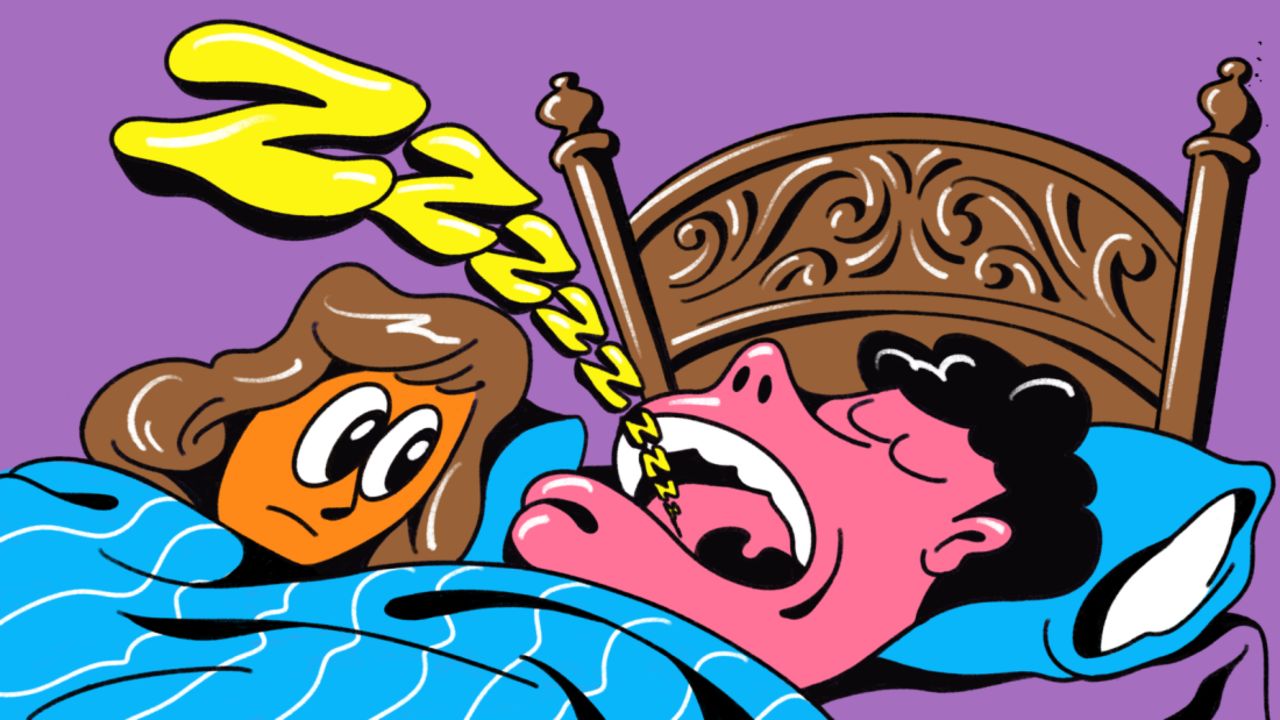
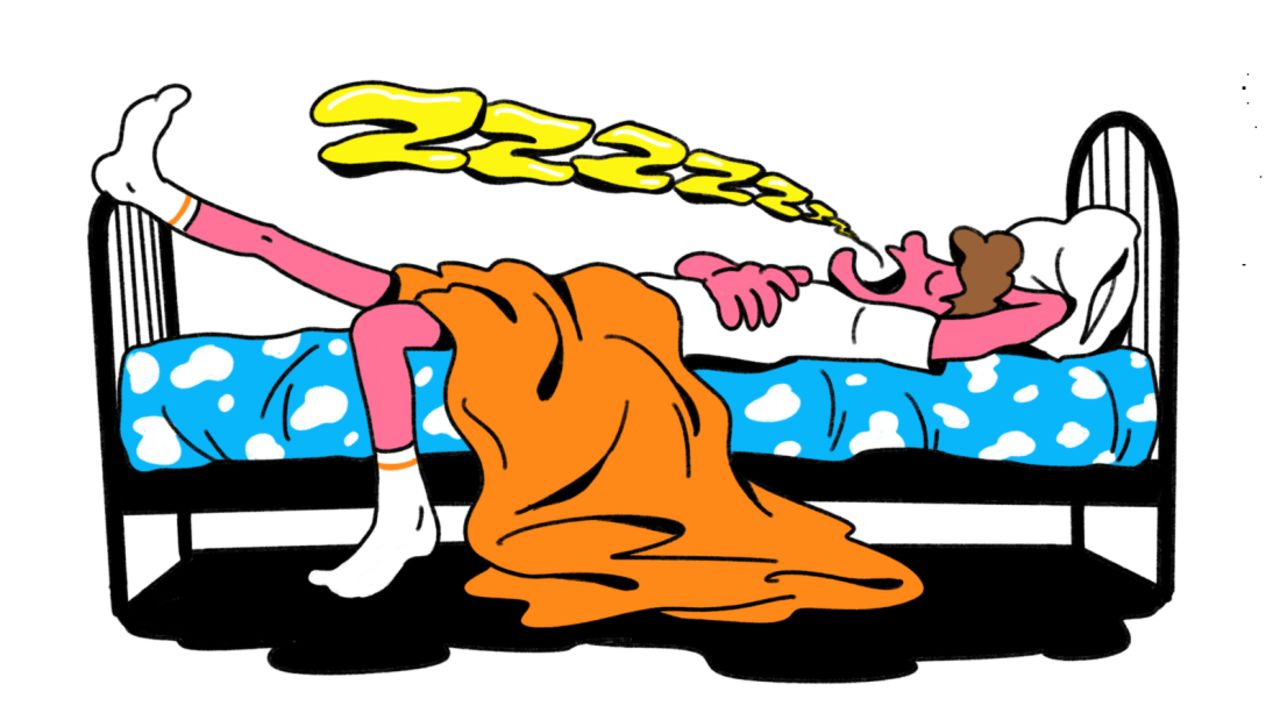
Mouth breathing through the night can lead to diminished sleep quality, snoring and elevated stress.

Editor’s Note: Sign up for CNN’s Sleep, But Better newsletter series. Our seven-part guide has helpful hints to achieve better sleep.

CNN  — 

Living with a plugged nose isn’t fun, but James Nestor was ready. Plus, it was for science.

While researching his book, “Breath: The New Science of a Lost Art,” Nestor let Stanford University scientists block his nostrils with silicone and surgical tape to measure the impacts of breathing through his mouth for 10 days.

“We knew it wasn’t going to be good, because there’s a very firm scientific foundation showing all the deleterious effects of mouth breathing, from periodontal disease to metabolic disorders,” Nestor said.

The surprise was just how quickly the experiment affected him.

Nestor’s blood pressure rose 13 points, edging the writer into stage one hypertension. Measurements of heart rate variability showed his body was in a state of stress. His pulse went up, and he stumbled around in a mental fog.

He also snored for hours each night, developing obstructive sleep apnea. His blood oxygen levels dropped.

“We had no idea it was going to be that bad,” Nestor said. “The snoring and sleep apnea was so dramatic, and it came on so quickly, that everyone was pretty floored.”

What Nestor learned, aside from the hazards of being a research subject, was that mouth breathing can ruin a good night’s sleep.

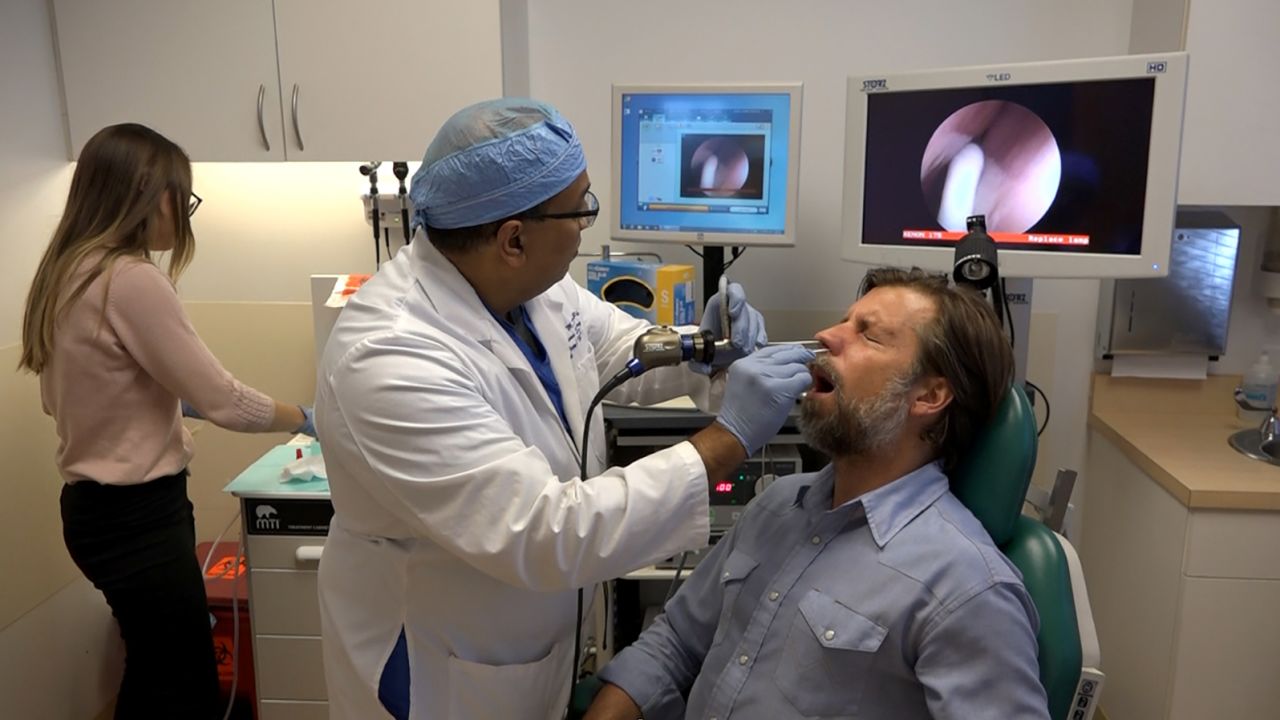
James Nestor undergoes an endoscopy at Stanford University in the lead-up to the mouth-breathing experiment.

Breathing through your mouth at night puts you at higher risk for sleep disorders including snoring, sleep apnea and hypopnea, the partial blockage of air, scientists have found. Each of those, in turn, can lead to daytime fatigue.

That doesn’t mean you’re doomed to wake up in a daze because you’re prone to mouth breathing when you sleep.

Experts have a long list of strategies designed to turn you into a nasal breather — including a low-cost breathing hack you can pick up at the corner store.

What causes nighttime mouth breathing?

There is a long list of reasons why people breathe through their mouths at night, said Dr. Steven Park, a surgeon with a specialty in sleep medicine.

20200819-mouth-breathing-in-story-1

“The most common reason is if your nose is stuffy,” Park said. “From allergies, or if you have a deviated septum. Lots of medications can also cause nasal congestion.”

Those problems are aggravated by lying down, he explained.

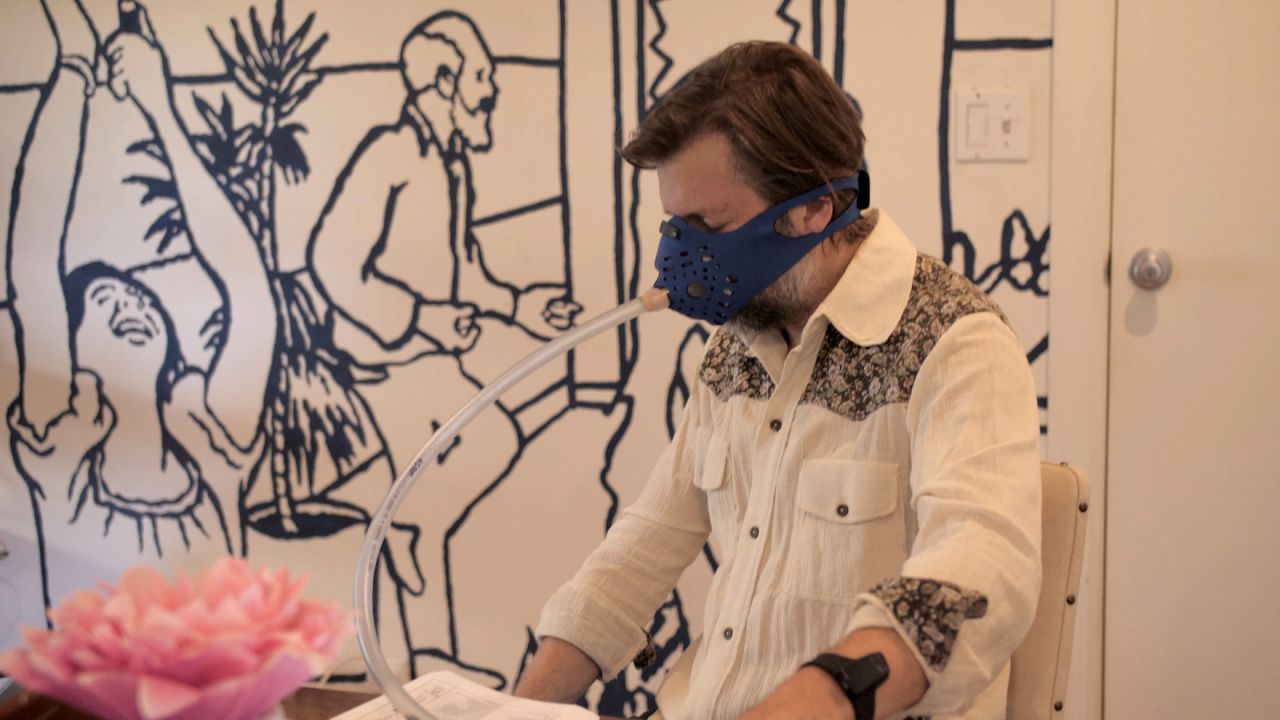
To calculate how mouth breathing affected the body and mind, Nestor measured physiological data three times a day.

“Generally when you lie down the blood vessels inside your nose fill up with blood,” he said, explaining that the rush of blood causes swelling and constriction. If you can’t breathe easily through your nose, you’re likely to open your mouth for air, Park said. That triggers a positive feedback loop.

“You would think that if you open your mouth you would breathe better, but actually the reverse happens,” he said. Opening your jaws causes the tongue to slump backward, obstructing your airway. “Even if you don’t have sleep apnea, or you have mild sleep apnea, opening your mouth makes it much, much worse.”

How do you know if you’re mouth breathing at night? Many people, Park noted, are tipped off by a spouse or partner who notices that they’re breathing through the mouth.

If you wake up with a dry mouth or lingering tiredness, they may be warning signs. Another indication of sleep apnea or other disturbed sleep is if you have to visit the bathroom multiple times in the night, said Park. Interrupted breathing stresses the heart, Park explained, triggering the release of hormones that cause you to produce more urine.

How to stop mouth breathing

When Nestor blocked his nose for science, he experienced an extreme version of mouth breathing. But in retrospect, he realized he’d been waking up with a dry mouth for some time, a sign he’d been ditching nasal breathing for at least part of the night.

20200820-mouth-breathing-in-story-2

If you’re tackling your nighttime mouth breathing, Park suggested you start by taking care of your nose to minimize congestion.

“Number one, avoid eating close to bedtime,” he said. That’s because stomach juices can come up into your nose, sinuses, ears and mouth, causing congestion and inflammation.

Park also recommended nasal saline irrigation, flushing the nose with salt water in a squeeze bottle. “That’s a mild decongestant, because the salt water draws out clear water from the membrane,” he explained. (Over-the-counter decongestant sprays can cause habituation and rebound symptoms, Park said, and should be reserved for short-term use.)

Breathing problems are so widespread that they’ve spurred a whole industry dedicated to opening your nose. Park said some people find relief from nasal strips, which open up the nose from the outside, or nasal dilators that expand air passages from within.

But even if you get your nose to clear, nighttime mouth breathing can be a hard habit to break. That’s led some to seek out products that secure their lips closed at night.

Many experts warn against mouth taping while you sleep, because it can be dangerous.

“If you have obstructive sleep apnea, yes, this can be very dangerous,” said sleep specialist Dr. Raj Dasgupta, an associate professor of clinical medicine at the Keck School of Medicine at the University of Southern California, in a previous CNN article.

“There is limited evidence on the benefits of mouth taping and I would be very careful — and even talk to your health care provider before attempting it,” Dasgupta added.

Dasgupta recommended seeing an ear, nose and throat doctor or a sleep specialist to get a diagnosis and treatment plan.

Tuesday, May 10, 2022

Slow Breathing Is the Fastest Way To Calm Your Brain and Body by Debbie Hampton

With your massive amount of stress and anxiety because your doctor knows nothing and has nothing to get you 100% recovered, s/he should as least give you these breathing tips.  And if they are any good at all they would have you doing this by nostril breathing as documented in 'Breath' by James Nestor.


Slow Breathing Is the Fastest Way To Calm Your Brain and Body by Debbie Hampton


Tuesday, May 16, 2017

Science Explains Why Deep Breathing Calms You Down

But would fast breathing be better because it creates nitric oxide, dilating your arteries? Ask your doctor for definitive reasoning.

Nitric oxide which relaxes narrowed blood vessels, increasing oxygen and blood flow

 Science Explains Why Deep Breathing Calms You Down

We take it for granted that breathing and feelings go hand in hand: Deep breaths make us calm, and short, shallow ones signal a sense of panic. This undeniable link is what’s responsible for the success of almost every wellness intervention out there — from yoga to meditation to laughter and running — but why it’s such a powerful connection was never clear until now. By probing the neurological breathing center, scientists discovered the part of the brain that controls the intensity of breathing in the first place.
On Thursday, a team of scientists report that they’ve pinpointed a tiny ball of neurons in the brain’s “breathing center” that reaches out to the area that deals with general alertness, attention, and stress. The paper’s lead author, Kevin Yackle, Ph.D., a physiologist at University of California-San Francisco, tells Inverse that this was an unexpected discovery, despite the obvious link between breathing and yoga, meditation, and other wellness practices.
“It’s known that breathing is connected with all these things, but how — whether it was direct or indirect — wasn’t known,” he said in a phone call from Austria, where he was presenting his work at a neuroscience conference. “And so, this was surprising to us — to be able to find that there’s a specific neuron in the breathing center that’s doing this.”
Yackle was well aware of the brain’s breathing center — a knot of neurons known as the pre-Bötzinger complex (PBC) buried deep in the brainstem — but, even though that region had been discovered to be responsible for triggering breathing in 1991, nobody was sure how it controlled breathing’s rhythms. “The question that motivated all of this work was, can we identify the key cell types and molecules that generate breathing rhythm?” Yackle explains. By analyzing the genes expressed by the different types of neurons within the breathing center, he and his team pinpointed a tiny subgroup whose axons reached out to the “locus coeruleus” — the brain’s headquarters for general anxiety.
The idea, Yackle explains, is that these neurons form a bridge between the brain’s breathing center and stress center, and they’re ultimately the reason why our body’s breathing hacks — deep breaths for calmness, and short breaths for arousal — actually work.
“We think that, if you were hyperventilating, these neurons would be more active, and then they would activate this other brain center more, which would then cause more arousal. And then the opposite, if you had slow breathing, you have less activation in the center, which would lead to more calmness,” he says.

An unexpected quirk of the subset of neurons, however, reveals just how complex and sophisticated breathing really is, as National Institute of Neurological Disorders and Stroke neuroscientist Jeffrey Smith, Ph.D., who wrote a perspective to accompany Yackle’s work in Science, pointed out to Inverse. “The interesting thing is that the PBC is the inspiratory rhythm generator, but these neurons that project to the locus coeruleus don’t appear to be an essential part of the rhythm generation itself,” he says. In other words, the only function of these neurons seems to be to reach out and touch the brain’s stress center.
Yackle’s team saw this when they eliminated those cells from the mouse brain using genetic engineering: The resulting mice kept on breathing, but their breathing was oddly, unnaturally calm. Putting that part of the breathing center on mute, it seems, in turn, prevents the brain’s stress center from getting activated — hence, slow-breathing zen mice. To both Smith and Yackle, this is an indication that breathing is so much more than just breathing; it looks like the brain, over evolutionary time, developed specialized neurons for the sole purpose of integrating breathing with higher-level functions, like experiencing stress and emotions, or talking and singing.
“Think about how breathing ultimately gets integrated with other behaviors,” Smith says. “This happens automatically — laughing, crying, this all involves control of breathing. And then, cognitively, singing, and what we’re doing right now — we’re controlling breathing and interfacing it with cognition to produce sounds, speech, and communication.”
Yackle believes his team’s findings can, in addition to underscoring the link between breathing and emotion, help shed light on how to treat issues related to irregular breathing, like panic attacks. “People will begin to hyperventilate and then they’ll go into a panic attack, and so we think that if you could perhaps silence these cells, pharmacologically, we could perhaps prevent the stress or anxiety or arousal that’s caused by breathing,” he muses, referring back to his genetically modified, calmly breathing mice.
“We didn’t do a very detailed analysis of how they were after a year, but they certainly continued to live and seemed okay,” he laughs.