Changing stroke rehab and research worldwide now.Time is Brain! trillions and trillions of neurons that DIE each day because there are NO effective hyperacute therapies besides tPA(only 12% effective). I have 523 posts on hyperacute therapy, enough for researchers to spend decades proving them out. These are my personal ideas and blog on stroke rehabilitation and stroke research. Do not attempt any of these without checking with your medical provider. Unless you join me in agitating, when you need these therapies they won't be there.

What this blog is for:

My blog is not to help survivors recover, it is to have the 10 million yearly stroke survivors light fires underneath their doctors, stroke hospitals and stroke researchers to get stroke solved. 100% recovery. The stroke medical world is completely failing at that goal, they don't even have it as a goal. Shortly after getting out of the hospital and getting NO information on the process or protocols of stroke rehabilitation and recovery I started searching on the internet and found that no other survivor received useful information. This is an attempt to cover all stroke rehabilitation information that should be readily available to survivors so they can talk with informed knowledge to their medical staff. It lays out what needs to be done to get stroke survivors closer to 100% recovery. It's quite disgusting that this information is not available from every stroke association and doctors group.

Showing posts with label goal setting. Show all posts

Friday, August 21, 2026

Exploring readiness to patient-centered goal-setting in stroke Rehabilitation—A qualitative study

You are that blitheringly stupid that you don't know that every survivors goal is 100% recovery? Have you never talked to survivors? The stupidity displayed is amazing,; congratulations!

 Exploring readiness to patient-centered goal-setting in stroke Rehabilitation—A qualitative study

\
Received 28 Nov 2025, Accepted 05 Aug 2026, Published online: 18 Aug 2026

Accepted 05 Aug 2026, Published online: 18 Aug 2026 

Abstract

Purpose

This study aims to explore perspectives of stroke survivors, caregivers, and physiotherapists on goal-setting in stroke rehabilitation.

Materials and methods

A qualitative study included in-depth interviews with 15 stroke survivors and seven caregivers and four focus groups with 16 physiotherapists. Data were analyzed using reflexive thematic analysis.

Results

An overarching theme “Readiness to patient-centered goal-setting in physiotherapy” emerged, reflecting goal-setting as a clinician-led process with limited involvement of stroke survivors and caregivers.(You've got this completely backwards, survivors set the goals; CLINICIANS SHOULD COMPETENTLY DELIVER THEM!) Four themes were identified: a) Attitudes and perceived roles regarding goal-setting throughout rehabilitation, (b) Uncertainty as a barrier to goal-setting, (c) Strategies and challenges in communicating goals, and (d) Health system and policies challenges to person-centered goal-setting. While physiotherapists recognized the importance of patient involvement, goal-setting was often implicit, informal, and constrained by individual, organizational, and systemic factors.

Conclusion

The findings suggest a systemic lack of preparedness for implementing person-centered goal-setting in post-stroke physiotherapy. Addressing this gap may require structured approaches that combine training, communication strategies, and organizational support to promote collaborative goal-setting and enhance stroke survivors’ and caregivers’ engagement in rehabilitation planning. Further research should focus on testing and refining theory-informed behavior change and implementation strategies to support the uptake of person-centered goal-setting practices.

IMPLICATIONS FOR REHABILITATION

  • Uncertainty about prognosis after stroke and prevailing clinician-centered attitudes toward goal-setting may limit its consistent use in rehabilitation practice.

  • A lack of effective strategies from physiotherapists and healthcare organizations prevents stroke survivors and their caregivers from taking charge of their rehabilitation, including goal-setting and achievement.

  • To promote patient-centered practices, it is crucial to advocate physiotherapists to involve stroke survivors and their caregivers more in rehabilitation goal-setting and achievement.

  • Strategies that facilitate shared and tailored goal-setting during stroke rehabilitation should be developed and implemented in physiotherapy services.

Friday, March 6, 2026

Patient-centered goal-setting in stroke rehabilitation: A scoping review

 Patients only have one goal: 100% RECOVERY! And you incompetently don't know that? You're all fired! You're trying to justify your incorrect use of the tyranny of low expectations.

Patient-centered goal-setting in stroke rehabilitation: A scoping review


  • 1. Health Sciences Research Centre, University College Lillebaelt, Odense, Denmark

  • 2. Department of Sports Science and Clinical Biomechanics, Syddansk Universitet, Odense, Denmark

The final, formatted version of the article will be published soon.

    Abstract

    Background: 

    Patient-centered goal-setting is an important part of the rehabilitation process. The guidelines for stroke rehabilitation in adults recommend setting goals that are meaningful and relevant for the patient, focusing on activity and participation, and involving the patient. Patient-centered goal-setting is to improve rehabilitation outcomes. However, patient-centered goal-setting occurs partly or not at all. There is also a lack of continuity in goal-setting across sectors. 

    Objective: 

    This study aimed to identify existing research-based knowledge on procedures used in patient-centered goal-setting processes in stroke rehabilitation. 

    Methods: 

    A scoping review was conducted by searching PubMed, CINAHL Complete, EMBASE, APA PsycINFO, Scopus, and Cochrane databases for studies involving adults receiving or clinicians delivering stroke rehabilitation and focusing on patient-centered goal-setting processes. The included studies were analyzed using inductive content analyses and linked to five domains in goal-setting processes: person-centeredness, collaboration with healthcare professionals and patients, coordination across sectors, monitoring, and evaluation. 

    Results: 

    Eighteen studies were included. Inductive content analysis identified elements related to goal-setting processes, mainly occurring at the beginning of the rehabilitation. Linking the studies to five domains revealed gaps in cross-sectoral coordination, monitoring, and evaluation. 

    Conclusion: 

    Patient-centered goal-setting in stroke rehabilitation is practiced variably, and there is no overall agreement about the procedures to ensure that goal-setting is patient-centered. Therapist-and team-led goal-setting processes are used. Evaluation procedures and cross-sectoral coordination are rarely described.

    Summary

    Keywords

    Cross-sectional study, goal-setting, patient-centered, Scoping review, Stroke, stroke rehabilitation

    Sunday, February 1, 2026

    The Mobility Reset: How to Move Better Without Adding Another Workout by Super Age

     Can your competent? doctor get you recovered enough to easily do this? NO?  So, you DON'T have a functioning stroke doctor, do you? Have you contacted the board of directors for appropriate relief? Obviously, the board of directors is incompetent in setting goals for staff!

    The Mobility Reset: How to Move Better Without Adding Another Workout

    Thursday, July 17, 2025

    On-demand webinar: Time is brain: Stroke assessment and treatment guidelines

     Still just based on guidelines; NOT PROTOCOLS! Protocols are EXACT; guidelines are just best suggestions. Proper goal setting is never written on suggestions!

    On-demand webinar: Time is brain: Stroke assessment and treatment guidelines

    This webinar covers stroke assessment, recognition and timely decision-making as to where to transport a patient for intervention
    Access this on-demand webinar by completing the “Get Access to this EMS1 Resource” box on this page!Based on the AHA guidelines for CVA recognition and treatment, in this webinar, we review the different types of strokes, including large vessel occlusion, as well as the different assessments you will find based on what portion of the brain a stroke is affecting. This webinar covers stroke assessment, recognition and timely decision-making as to where to transport a patient for intervention.

    WHAT ATTENDEES LIKED FROM THIS PRESENTATION

    “Professional. Very Informative.” “Janet was very engaging and the content was relevant and interesting. She moved from topic to topic at the perfect rate and provided examples/videos to reinforce points.”“Very informative, with the most current data available.”

    “Practical, logical and easy to follow.”

    MEET THE SPEAKERJanet Taylor, CFRN, CEN, CCEMT-P.Janet Taylor, CFRN, CEN, CCEMT-P, graduated with her Associate of Science degree in Nursing in 1998 and has experience in ICU, med-surg, outpatient, obstetrics and ED nursing. She joined Mercy Life Line in 2004 as a flight nurse. She began teaching various topics for the local paramedic program in 2008 and soon began her career as a speaker at EMS conferences across the nation. She was named Flight Crew Member of the Year in 2009 and received her Bachelor’s of Science in Nursing in 2013. In March 2017, she started working for LifeFlight Eagle Air Medical Transport. She now works full-time as a nurse in a paramedic role for Golden Valley EMS. Since 2009, Taylor has been a speaker for EMS conferences in 37 different states. She is a module writer for various online education forums and a part-time instructor for the University of Maryland at Baltimore County’s paramedic program and State Fair Community College.

    Friday, May 9, 2025

    How do stroke survivors experience rehabilitation goal setting and plans to support their rehabilitation? A qualitative study

    WELL SHIT, YOU HAVEN'T FIGURED OUT THE ONLY GOAL IN STROKE IS 100% RECOVERY

     How do stroke survivors experience rehabilitation goal
    setting and plans to support their rehabilitation? A
    qualitative study

    Disability and Rehabilitation
    ISSN: (Print) (Online) Journal homepage: www.tandfonline.com/journals/idre20
    How do stroke survivors experience rehabilitation goal
    setting and plans to support their rehabilitation? A
    qualitative study
    Gabriel Tafdrup Notkin, Stig Molsted, Michael Broksgaard Jensen, Lisbet Lind
    & Dorthe Gaby Bove
    To cite this article: Gabriel Tafdrup Notkin, Stig Molsted, Michael Broksgaard Jensen, Lisbet
    Lind & Dorthe Gaby Bove (06 May 2025): How do stroke survivors experience rehabilitation
    goal setting and plans to support their rehabilitation? A qualitative study, Disability and
    Rehabilitation, DOI: 10.1080/09638288.2025.2499578
    To link to this article: https://doi.org/10.1080/09638288.2025.2499578
    Gabriel Tafdrup Notkina , Stig Molstedb,c , Michael Broksgaard Jensena , Lisbet Linda and
    Dorthe Gaby Boved,e
    aDepartment of neurology, nordsjællands hospital, hillerød, Denmark; bDepartment of Clinical Research, nordsjællands hospital, hillerød, Denmark;
    cDepartment of Clinical Medicine, University of Copenhagen, Copenhagen, Denmark; dCentre for nursing, University College absalon, Roskilde,
    Denmark; eDepartment of People and technology, Roskilde University, Roskilde, Denmark

    ABSTRACT

    Purpose: 

    Patient involvement and goal setting are essential components of stroke rehabilitation.
    However, ensuring continuity and patient engagement can be challenging due to different settings
    and time points throughout rehabilitation journey. This study aimed to explore stroke survivors’
    experiences with their rehabilitation plan across hospital-to-municipality transition.

    Materials and methods: 

    This qualitative study involved individual interviews with stroke survivors
    who received standard rehabilitation plans for municipal rehabilitation after hospital discharge.
    Participants shared their reflections on their cross-sectoral rehabilitation experience. Data were analyzed
    using reflexive thematic analysis outlined by Braun and Clarke.

    Results: 
    We interviewed 17 participants from eight municipalities within the hospital’s service area.
    Analysis identified two main themes: Misalignment of rehabilitation goals and plans with patient
    needs and Navigating Inequity in Rehabilitation: Unmet Needs and Personal Strategies. Four subthemes
    included Challenges in Defining Goals, Lack of Patient Involvement in Goal Setting, Seeking
    Supplementary Care to Meet Unmet Needs, and Living Within and Beyond a Standardized System.
    Conclusion: Rehabilitation goals are not always clearly communicated to stroke survivors, and
    insufficient patient-centered approaches suggest potential gaps in the rehabilitation system.
    Additionally, timing of rehabilitation plans often does not align with patients’ needs, indicating a need
    for more adaptable and responsive rehabilitation pathways.
    h IMPLICATIONS FOR REHABILITATION
    1. Rehabilitation goals should transition across rehabilitation settings for stroke survivors and
    therapist consistency.
    2. Stroke survivors do not always understand their rehabilitation goals and plans therefore therapists
    should aim for open discussion and reevaluation of the goals for rehabilitation in cooperation
    with the stroke survivors.
    3. Rehabilitation goals should not be formulated in a standardized and restricted way as it can
    reduce the motivation for the stroke survivors and not provide enough useful information for
    the therapists working across sectors in relation to establishing a connection across sectors.
    (Wrong, wrong, wrong; the only goal in stroke is 100% recovery!)

    My conclusion is you don't understand ONE GODDAMN THING ABOUT SURVIVOR MOTIVATION/ADHERENCE, DO YOU? You create EXACT 100% recovery protocols, and your survivor will be motivated to do the millions of reps needed because they are looking forward to 100% recovery. I'd fire all of you for incompetence! GET THERE!

    Wednesday, March 19, 2025

    Short-term effects of goal setting by rehabilitation professionals on aspects of psychology: a non-randomized controlled trial involving recovering stroke survivors

    Survivors set goals you blithering idiots! And the only goal in stroke is 100% recovery. Don't try to lower that goal. Which means YOUR RESPONSIBILITY IS TO HAVE EXACT 100% RECOVERY PROTOCOLS! How's that coming?
    Short-term effects of goal setting by rehabilitation professionals on aspects of psychology: a non-randomized controlled trial involving recovering stroke survivors

    Link to Japanese Journal of Comprehensive Rehabilitation Science
  1. PMCID: PMC11904086  PMID: 40093402
  2. Abstract

    Takarada H, Honke T. Short-term effects of goal setting by rehabilitation professionals on aspects of psychology: a non-randomized controlled trial involving recovering stroke survivors. Jpn J Compr Rehabil Sci 2025; 16: 1-8.

    Objective

    In rehabilitation, goals expected to have an effect on aspects of psychology, such as promoting participation in the program and reducing anxiety, are set between the patient and the therapist. This study aimed to compare and test the short-term effects of goal setting on such psychological aspects in an experimental group, in which the therapist selected the highest priority goals proposed by the patient, and a control group, in which the goals were proposed by the therapist.

    Methods

    Between October 2023 and March 2024, 88 stroke survivors were admitted to the Kaifukuki Rehabilitation Ward, of whom 32 met the inclusion criteria. The patients were divided into two groups: a goal-setting group in which the patient chose the highest priority goal (experimental group: n = 17) and a goal-setting group in which the patient agreed with the goal proposed by the therapist (control group: n = 15). The primary outcome was treatment engagement in rehabilitation, and the secondary outcomes were anxiety/depression and mental health scores.

    Results

    Outcomes improved in both groups after goal setting. Between-group comparisons showed a significant improvement in treatment engagement in the experimental group (p < 0.001). The sample size required for the randomized controlled trial was 46 participants in each group.

    Conclusion

    In the short term, treatment engagement was influenced by the patient's consideration and choice of priority goals.

    Keywords: goal setting, physical therapist, occupational therapist, speech and language therapists, psychological effects

    Introduction

    To set goals and explain strategies for stroke survivors in Japan, rehabilitation is accompanied by comprehensive plan evaluation and goal-setting support and management fees. Here, goal setting is defined as the process of informed discussion between the patient and health-care provider to determine when and how rehabilitation should take place []. It has been reported that when goal setting is implemented in rehabilitation, both the patient's satisfaction and motivation improve [, ]. In addition, focusing on goals that are a high priority for the patient has been shown to be effective in improving motivation and reducing anxiety, which can have a positive psychological impact [].

    In a non-randomized controlled trial of goal setting in convalescent patients in Japan, goal setting using the life goal concept was shown to improve treatment engagement []. However, only physical therapists (PTs) and patients with cerebrovascular or orthopedic conditions were included in that study. Similarly, there have been few reports on goal setting conducted outside Japan, with studies of goal setting conducted only for PTs or occupational therapists (OTs) [, ].

    Therefore, the effects of priority goals on aspects of psychology among stroke survivors undergoing rehabilitation in the recovery phase remain unclear. In the present study, we hypothesized that sharing priority goals with patients might have more beneficial effects on aspects of psychology compared with PTs, OTs, and speech and language therapists (STs) sharing their own goals with patients.

    In addition, reports examining the effects of goal setting on aspects of psychology have been conducted over study periods ranging from 3 weeks to several months; to our knowledge, no studies examining short-term effects (e.g., about 1 week) have been reported []. If short-term effects can be demonstrated through goal setting for stroke survivors, this could facilitate improvements in outcomes related to psychological aspects such as anxiety and increased motivation to participate from the start of rehabilitation. Given this background, the present study aimed to compare and verify the short-term effects of goal setting on aspects of psychology in an experimental group, in which the PT, ST, and OT selected the highest priority goals proposed by the patient, and in a control group, in which the goals were proposed by the PT, ST, and OT.

    Friday, January 17, 2025

    Mount Holly Rehab First in US to be Certified in Stroke Rehabilitation

     NOT GOOD ENOUGH! Refers to 'care' NOT RECOVERY! Business 101 would never allow you to specify 'processes' in your goal setting; ONLY RESULTS! You'd be fired in no time trying to pull that over your director.  The board of directors here is completely incompetent!


    Send me hate mail on this: oc1dean@gmail.com. I'll print your complete statement with your name and my response in my blog. Or are you afraid to engage with my stroke-addled mind? No excuses are allowed! You're medically trained; it should be simple to precisely refute all my points with NO EXCUSES!! And what is your definition of competence in stroke? Swearing at me is allowed, I'll return the favor. Don't even attempt to use the tyranny of low expectations as an answer.

    Mount Holly Rehab First in US to be Certified in Stroke Rehabilitation

    Mount Holly Rehabilitation & Healthcare Center in Lumberton is the first skilled nursing facility in the United States to earn the Skilled Nursing Facility Stroke Rehabilitation Certification offered by the American Heart Association®. Located at 62 Richmond Avenue, Mount Holly Rehab provides post-hospital care, short-term rehab and long-term residential care.

    The certification provides a framework for evaluating skilled nursing facilities against rigorous science-based requirements for stroke rehabilitation, including program management, patient and caregiver education and support, care coordination, clinical management and quality improvement.

    Mount Holly’s Stroke Recovery Program is the first specialized subacute care(NOT RECOVERY!) offering of its kind for the region. Under the direction of Tracey Harris, MD, stroke rehabilitation services are tailored to meet the specific needs and goals of an individual, dependent on how they have been impacted by a stroke. The program aims to help restore physical function and the ability to perform daily activities, gain strength and endurance, improve balance and mobility, manage pain and spasticity, overcome speech and communication deficits, and develop new cognitive strategies.

    “When there are evidence-based processes during every phase of care(NOT RECOVERY!), patients have the best opportunity for positive outcomes,” said Pamela Duncan, PhD, PT, FAPTA, FAHA, volunteer chair of the American Heart Association’s Skilled Nursing Facility Stroke Rehabilitation Certification Oversight Workgroup. “Participation in this certification benefits the patient and the facility by standardizing care(NOT RECOVERY!), helping patients and their loved ones choose a facility that follows important best practices.”

    Mount Holly’s multidisciplinary services include physical, occupational and speech therapies. The center’s therapy gym features state-of-the-art equipment and technology to support the unique needs of stroke survivors, including the LiteGait® support system and Synchrony Dysphagia Solutions by ACP®, among others.

    Board certified in Physical Medicine and Rehabilitation (PM&R), Dr. Harris has more than 30 years of medical experience. She is affiliated with Virtua Medical Group.

    The Association’s certification ensures stroke rehabilitation care(NOT RECOVERY!) is coordinated from pre-admission through working with the skilled nursing facility to discharge. “After experiencing a stroke, patients need high-quality care(NOT RECOVERY!) that follows evidence-based guidelines, giving them the best chance at faster and more effective recovery,” said Kate Bauer, regional director of market development at Marquis Health Consulting Services, which supports Mount Holly.

    “At Mount Holly, the team aims to be trailblazers and continues to use innovative methods to give its patients recovering from stroke the best care(NOT RECOVERY!),” Bauer added. “The American Heart Association has armed the center with additional tools and recognized its success – it is an honor to have Mount Holly’s processes and efforts recognized in this way.”

    Thursday, May 5, 2022

    Ontario invests in new post-stroke rehab

     Obviously stroke survivors were not involved in setting goals for this. You get crapola like 'care' RATHER THAN RESULTS AND RECOVERY. Unless YOU get involved with this and demand 100% recovery, nothing will occur.

    Ontario invests in new post-stroke rehab

    New funding will create a province wide post-stroke rehabilitation program for adults of all ages
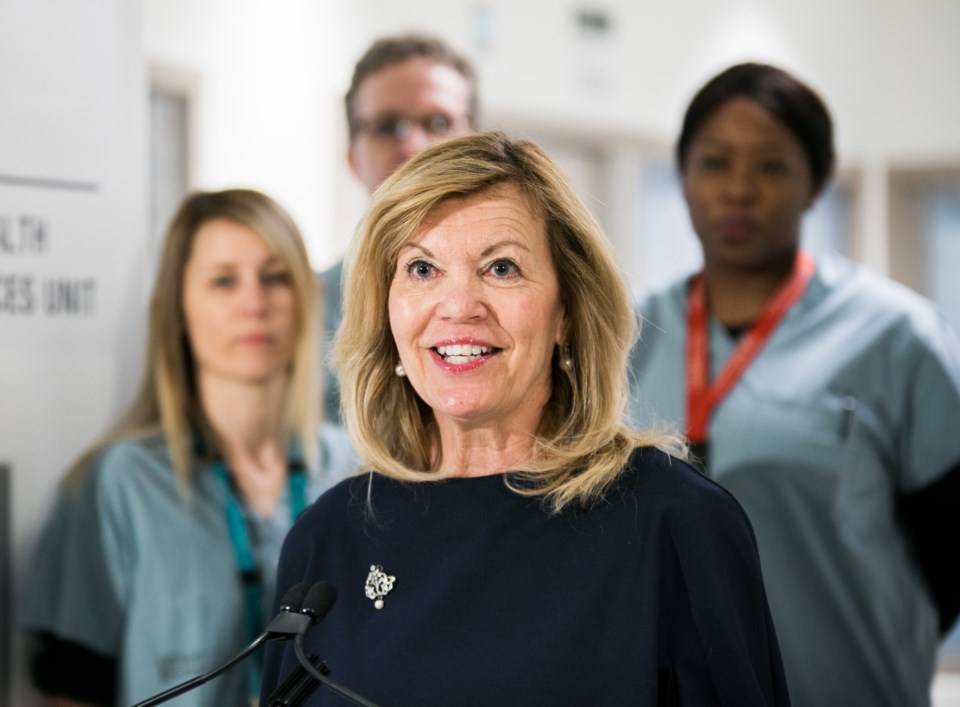
    2019 04 20 MPP Christine Elliott
    Minister of Health and Long-term Care Christine Elliott. Supplied photo/Government of Ontario

    Ontario is putting more money into the provincial health system to address the needs of stroke patients. It was announced April 14 the province is spending up to $5 million to create a new, comprehensive community post-stroke rehabilitation program.

    The Ministry of Health said the initial investment will be followed by continuing investments in the future "to ensure that all Ontarians have access to high-quality post-stroke care in their community once they leave a hospital.”

    Health minister Christine Elliott said the spending means Ontario is working towards a stronger and more resilient health care system so that more patients can focus on getting better.

    “This investment is a critical step towards providing better rehabilitation care for those who suffered a stroke and ensuring equitable access to the high-quality care they need in their community," Elliott said. 

    Currently, access to post-stroke therapies varies across the province, said the health ministry. Patients are often left to coordinate their own care, said the ministry. 

    "A provincewide community post-stroke rehabilitation program would ensure consistent access to these important therapies for all adults regardless of their age or where they live. This is especially important for younger adults who often require comprehensive post-stroke rehabilitation care to address challenges such as returning to work and driving," said a ministry statement. 

    There are more than 25,000 Ontarians who experience a stroke every year and more than 300,000 currently live with the consequences of stroke, said the ministry. Most stroke patients require intensive rehabilitation services such as physiotherapy, speech and language therapy and occupational therapy. These therapies can significantly reduce a patient’s risk of further hospitalization and increase their level of independence and improve their outcomes, allowing them to achieve the best possible quality of life.

    As part of the first steps in developing a rehab program, Ontario Health is being asked to assess the current state of community stroke rehabilitation services and map access points to these services. 

    This should help identify immediate opportunities to improve access to co-ordinated post-stroke care by leveraging existing resources developed in collaboration with sector partners. 

    In this first year, up to $1.6 million will be used to support patient services based on the results of Ontario Health’s initial needs assessment and help make community programs more accessible to Ontarians, while also building on best practices.

    In Sudbury, stroke patients have access to the Northeastern Ontario Stroke Network which is operated in partnership with Health Sciences North. 

    More information on the NEO stroke network can be found on that group's webpage.


    Saturday, January 22, 2022

    Development of prediction models for domestic chores resumption among mild stroke patients three months after discharge from specialized rehabilitation wards: A multi-center prospective cohort study

    Look how low they have sunk in their tyranny of low expectations. 'Domestic chores' NOT 100% RECOVERY. I'd be screaming in their faces for such appalling crapola.

    Development of prediction models for domestic chores resumption among mild stroke patients three months after discharge from specialized rehabilitation wards: A multi-center prospective cohort study

    Received 28 Jun 2021, Accepted 31 Dec 2021, Published online: 19 Jan 2022

    Background

    Whether stroke patients resume domestic chores is one of the major issues associated with their quality of life. Prediction models for domestic chores resumption among stroke survivors can be useful for setting goals and planning rehabilitation.

    Objectives

    To develop prediction models for individual domestic chores resumption among mild stroke patients three months after discharge from specialized rehabilitation wards.

    Methods

    Ninety-one stroke patients admitted to specialized rehabilitation wards were included in the analyses. We assessed the prestroke and three months post-discharge frequencies of six domestic chore items of the Frenchay Activities Index. Demographics and candidate predictors such as paralysis severity, cognitive function, walking speed, and self-efficacy were collected at discharge. Binary logistic regression analyses were performed to build prediction models for individual domestic chores resumption after stroke.

    Results

    The preparing meals model included walking speed (OR = 1.05) and cognitive function (OR = 1.29) as predictors; washing up model, walking speed (OR = 1.04); washing clothes model, walking speed (OR = 1.06), and number of family members living together (OR = 0.42); light housework model, walking speed (OR = 1.06); heavy housework model, walking speed (OR = 1.03), cognitive function (OR = 1.38), and self-efficacy (OR = 1.91); and local shopping model, walking speed (OR = 1.05), age (OR = 0.94), and number of family members living together (OR = 0.61).

    Conclusions

    Our models may be useful in clinical practice to streamline the setting of goals(the only goal in stroke is 100% recovery, don't try to dumb it down)  and development of therapeutic strategies for individual domestic chores resumption among mild stroke patients.


    Tuesday, August 10, 2021

    Life After Stroke guide by American Stroke Association

    You will notice the lying by omission that your chances of full recovery are only 10%. 

    'THERE IS LIFE – AND HOPE – AFTER STROKE. WITH TIME, NEW ROUTINES WILL BECOME SECOND NATURE. REHABILITATION CAN BUILD YOUR STRENGTH, CAPABILITY AND CONFIDENCE. IT CAN HELP YOU CONTINUE YOUR DAILY ACTIVITIES DESPITE THE EFFECTS OF YOUR STROKE.'

    But they do employ the tyranny of low expectations and 'hope'.  36 pages of generalities and nothing specifically useful.

    This on page 27 shows that you are going to have to forcefully push back against your stroke team lowering your goals to anything less than 100% recovery;

    The rehabilitation team then works closely with the patient and family to develop a mutually agreeable(Don't agree to anything they suggest that is not 100% recovery, not compensation; RECOVERY!  Screaming may be required. They should feel incredibly uncomfortable they don't have 100% recovery protocols.) rehabilitation plan and set goals. They set a target date for achieving those goals.

     Life After Stroke guide by American Stroke Association

    Friday, June 25, 2021

    Clinical value of assessing motor performance in postacute stroke patients

     Assessments are totally fucking worthless without stroke protocols behind them to correct disabilities. ARE YOU THAT FUCKING STUPID? I once asked a replacement OT to be able to read a newspaper, you know with both hands holding the paper in front of you. She immediately redefined the goal to what she could accomplish, putting Dycem on a table to hold the paper in place as pages are turned. That is why 'professionals' should not be allowed in goal setting, goals will be dumbed down.

    Clinical value of assessing motor performance in postacute stroke patients


    Abstract

    Background

    Rehabilitative treatment plans after stroke are based on clinical examinations of functional capacity and patient-reported outcomes. Objective information about daily life performance is usually not available, but it may improve therapy personalization.

    Objective

    To show that sensor-derived information about daily life performance is clinically valuable for counseling and the planning of rehabilitation programs for individual stroke patients who live at home. Performance information is clinically valuable if it can be used as a decision aid for the therapeutic management or counseling of individual patients.

    Methods

    This was an observational, cross-sectional case series including 15 ambulatory stroke patients. Motor performance in daily life was assessed with body-worn inertial sensors attached to the wrists, shanks and trunk that estimated basic physical activity and various measures of walking and arm activity in daily life. Stroke severity, motor function and activity, and degree of independence were quantified clinically by standard assessments and patient-reported outcomes. Motor performance was recorded for an average of 5.03 ± 1.1 h on the same day as the clinical assessment. The clinical value of performance information is explored in a narrative style by considering individual patient performance and capacity information.

    Results

    The patients were aged 59.9 ± 9.8 years (mean ± SD), were 6.5 ± 7.2 years post stroke, and had a National Institutes of Health Stroke Score of 4.0 ± 2.6. Capacity and performance measures showed high variability. There were substantial discrepancies between performance and capacity measures in some patients.

    Conclusions

    This case series shows that information about motor performance in daily life can be valuable for tailoring rehabilitative therapy plans and counseling according to the needs of individual stroke patients. Although the short recording time (average of 5.03 h) limited the scope of the conclusions, this study highlights the usefulness of objective measures of daily life performance for the planning of rehabilitative therapies. Further research is required to investigate whether information about performance in daily life leads to improved rehabilitative therapy results.

    Introduction

    When a rehabilitation physician meets with a postacute stroke patient for counseling and rehabilitation program planning, decisions are usually based on two types of information: the results of a clinical examination of functional capacity (i.e., what a person can do in a standardized, controlled environment) and the patient’s subjective report on limitations and problems in daily life. With this information, the rehabilitation professional and the patient set specific goals together(The professional should never be involved in goal setting, they will dumb down the goals to make themselves not look bad.), with the objective of improving functional performance (i.e., what a person does in his daily life)(Oh my God, you are immediately forcing your tyranny of low expectations on your patients.100% recovery  is the only goal in stroke.) [1]. An objective measurement of functional performance was not available for a long time, but with the development of wearable sensors, it is now increasingly used in rehabilitation. Wearable sensor technology allows the collection of data that had previously been missing: the ‘objective measurement of clinically important naturalistic behaviors' [2]. Ideally, information about performance would be available for the planning and monitoring of a rehabilitation program and would include several aspects, such as overall physical activity, walking behavior and upper-limb use.

    Studies involving wearable sensors generally report low physical activity levels, low walking performance and little use of the affected arm in daily life in stroke patients at the population level [3, 4]. However, the variability of daily life performance measures among patients was considerable in most studies [5, 6]. Demographic or stroke-related variables did not [7] or only partially [6, 8,9,10] explain the performance variability.

    Potential applications of sensor-derived performance measures in rehabilitation programs have been described by many authors [11, 12], but we are not aware of any studies that examined the value of such performance information in individual patients receiving clinical rehabilitation. Additionally, with few exceptions [13, 14], most studies that employed wearable sensors to measure daily life performance in stroke patients focused on either upper or lower limbs. However, the clinical situation of a patient initiating a rehabilitation program would, in most cases, require a comprehensive assessment of upper-limb activity, walking behavior and physical activity.

    We hypothesize that comprehensive, sensor-derived performance information is clinically valuable for the planning of rehabilitation programs for individual stroke patients who live at home. Performance data are deemed clinically valuable if they can be used as decision aids for therapeutic management or for counseling in individual patients [15]. We explore the clinical value in a narrative style, with a focus on individual patient performance and capacity data.

    Daily life performance was recorded with a series of wearable sensors placed on the upper and lower extremities and the trunk. The wearable sensors were placed on the patient in the clinic by a clinical scientist as suggested by others [16] because the handling and placement of the wearable sensors was judged too complicated to be done independently by the stroke patients. Recordings were initiated during a routine medical consultation in the morning and lasted until late afternoon of the same day. We intended to measure performance under a scenario that is feasible in routine clinical practice. Therefore, repeatedly visiting patients over several days to help with sensor handling (e.g., for undoing/redoing or charging of sensor modules) was not an option, considering the time and cost constraints in most healthcare systems. On these grounds, a longer recording period was not an option.