Showing posts with label quackery. Show all posts
Showing posts with label quackery. Show all posts
Saturday, October 17, 2020


Sunday, March 22, 2020
The healing powers of beer
Don't do this. There are 2 ounces of hops in 5 gallons of beer, so practically useless. Anything using TCM for proof is almost pure quackery. (appeal to antiquity is not a valid proof of efficacy)
But your doctor will use this to tell you no alcohol. You could get your doctor going by quoting this.
Safest level of alcohol consumption is none, worldwide study shows
I prefer this;
Alcohol for these 12 reasons.
The healing powers of beer
Melissa Sammy, MDLinx | March 20, 2020
As the world continues to face an onslaught of
new coronavirus disease 2019 (COVID-19) cases, misinformation abounds.
There are rumors, for instance, that the virus can be cured by alcohol.
This information is, of course, false. While drinking beer or alcohol
will not prevent infections or cure diseases like COVID-19, it can offer
some health benefits. Beer consumption, in particular, has been
scientifically proven to reduce the risks of heart failure and diabetes. But that’s not where the benefits end.
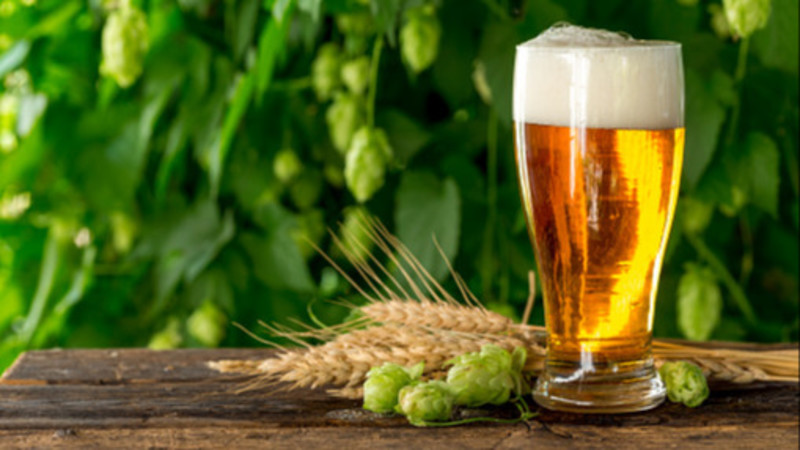 Beer has a rich history rooted in herbal medicine, revered for its nutritional content and health benefits.
Beer has a rich history in traditional Chinese medicine, revered for its nutrient content and some lesser-known health benefits.
Beer has a rich history rooted in herbal medicine, revered for its nutritional content and health benefits.
Beer has a rich history in traditional Chinese medicine, revered for its nutrient content and some lesser-known health benefits.
Tinctures, a medicinal fusion of dissolved herbs and alcohol, are a staple of TCM. Alcohol is used to activate and promote the circulation of healthy qi in the body. But, beer isn’t just used as a chaser for these herbal formulas; it’s also used for the nutritional content and health benefits that its ingredients like hops and malts can offer.
"Beer also has a unique antioxidant profile, with a majority coming from the malt and the remainder from the hops," Joy Dubost, a registered dietitian in the District of Columbia and a beer steward with the Master Brewers Association of the Americas, told U.S. News & World Report.
“Beer has high silicon content due to the processing of barley and hops,” noted the authors of one review on silicon’s role in the prevention and treatment of postmenopausal osteoporosis. “While there are numerous factors that contribute to bone health and to therapy for postmenopausal osteoporosis, silicon is also a mineral that is increasingly recognized as an essential nutrient for bone formation and maintenance.”
For instance, in one study published in Osteoporosis International, moderate beer-drinkers had a 20% lower risk of hip fractures than non-drinkers. In another study, in which researchers investigated the link between alcohol consumption (including beer) and osteoporotic fracture and bone density, they found that 0.5 to 1 drink per day was associated with a lower risk of hip fractures. The authors cautioned that ≥ 2 drinks per day was associated with increased hip fracture risk.
The authors noted, however, that drinks “with a higher ethanol content (whisky, gin, cognac) do not stimulate gastric acid secretion or release of gastrin.”
These findings were supported in a more recent study published in the Journal of Agricultural and Food Chemistry, in which researchers assessed five types of German and Austrian beer. They found that each brew stimulated gastric acid secretion, and the more bitter acids a beer contained, the greater the response.
Results from another study corroborated the soporific effects of beer hops. These researchers, who followed 30 university students for 14 days, found that non-alcoholic beer consumption at dinner time improved the quality of sleep at night in the sample.
Skin health
According to some researchers, beer could help protect our largest and most vulnerable organ: the skin.
“Beer, as well as hops, can be great ingredients for skin care. Hops have anti-anxiety properties, as well as anti-inflammatory properties, which is why we use hop extracts in skin care,” Cindy Jones, PhD, a cosmetic biochemist at Colorado Aromatics, told Healthline.
“Malt found in beer exfoliates, stabilizes collagen and elastin, improves microcirculation, and prevents premature aging skin. The yeast found in beer is rich in B vitamins, which help moisturize the skin,” she added.
It’s important to note that clinical support for these claims is limited. Noted the authors of one article published in the Journal of the European Academy of Dermatology and Venereology:
“[H]ops contain an abundance of polyphenols…These compounds have been shown to possess various anti‐bacterial, anti‐inflammatory, anti‐oxidative, anti‐angiogenic, anti‐melanogenic, anti‐osteoporotic and anti‐carcinogenic effects. Epidemiological studies on the association between beer drinking and skin disease are limited while direct evidence of beer compounds in clinical application is lacking. Potential uses of these substances in dermatology may include treatment of atopic eczema, contact dermatitis, pigmentary disorders, skin infections, skin ageing, skin cancers and photoprotections…Further studies are needed to determine the bioavailability of these compounds and their possible beneficial health effects when taken by moderate beer consumption.”
Beer has a rich history rooted in herbal medicine, revered for its nutritional content and health benefits.
Medicinal roots
Traditional Chinese medicine (TCM) is a thousand-year old practice that uses mind and body practices (eg, acupuncture and tai chi) and herbal products to manage and treat health ailments, according to the National Center for Complementary and Integrative Health. Without the convenience of modern-day drugstores, people following TCM used certain herbs for their medicinal properties, sometimes combining them with alcohol, including beer.Tinctures, a medicinal fusion of dissolved herbs and alcohol, are a staple of TCM. Alcohol is used to activate and promote the circulation of healthy qi in the body. But, beer isn’t just used as a chaser for these herbal formulas; it’s also used for the nutritional content and health benefits that its ingredients like hops and malts can offer.
Nutritional benefits
Despite what some may believe, beer does, in fact, contain nutrients. Although the brew is composed of 90% water, it also contains soluble fiber and calcium, iron, magnesium, phosphorus, potassium, sodium, zinc, copper, manganese, selenium, fluoride, and silicon in trace amounts."Beer also has a unique antioxidant profile, with a majority coming from the malt and the remainder from the hops," Joy Dubost, a registered dietitian in the District of Columbia and a beer steward with the Master Brewers Association of the Americas, told U.S. News & World Report.
Bone health
Dietary silicon, one of the nutrients found in beer, has been shown to proffer bone-protecting effects.“Beer has high silicon content due to the processing of barley and hops,” noted the authors of one review on silicon’s role in the prevention and treatment of postmenopausal osteoporosis. “While there are numerous factors that contribute to bone health and to therapy for postmenopausal osteoporosis, silicon is also a mineral that is increasingly recognized as an essential nutrient for bone formation and maintenance.”
For instance, in one study published in Osteoporosis International, moderate beer-drinkers had a 20% lower risk of hip fractures than non-drinkers. In another study, in which researchers investigated the link between alcohol consumption (including beer) and osteoporotic fracture and bone density, they found that 0.5 to 1 drink per day was associated with a lower risk of hip fractures. The authors cautioned that ≥ 2 drinks per day was associated with increased hip fracture risk.
Digestive health
Bitter acids found in alcohol can help improve digestion. But, it all depends on the ethanol content. According to the authors of one article, “Alcoholic beverages with low ethanol content (beer and wine) are strong stimulants of gastric acid secretion and gastrin release, the effect of beer being equal to the maximal acid output… The powerful stimulants of gastric acid secretion present in beer, which are yet to be identified, are thermostable and anionic polar substances.” Gastric acid is essential for digesting food and regulating healthy gut bacteria.The authors noted, however, that drinks “with a higher ethanol content (whisky, gin, cognac) do not stimulate gastric acid secretion or release of gastrin.”
These findings were supported in a more recent study published in the Journal of Agricultural and Food Chemistry, in which researchers assessed five types of German and Austrian beer. They found that each brew stimulated gastric acid secretion, and the more bitter acids a beer contained, the greater the response.
Sleep hygiene
While some researchers warn against tossing back a nightcap, there is evidence to suggest that nonalcoholic beer with hops could actually help you sleep better. Hops have been shown to exert sedative effects. In one study, researchers found that women who drank nonalcoholic beer with hops, paired with dinner, had decreased anxiety levels and better sleep quality.Results from another study corroborated the soporific effects of beer hops. These researchers, who followed 30 university students for 14 days, found that non-alcoholic beer consumption at dinner time improved the quality of sleep at night in the sample.
Skin health
According to some researchers, beer could help protect our largest and most vulnerable organ: the skin.
“Beer, as well as hops, can be great ingredients for skin care. Hops have anti-anxiety properties, as well as anti-inflammatory properties, which is why we use hop extracts in skin care,” Cindy Jones, PhD, a cosmetic biochemist at Colorado Aromatics, told Healthline.
“Malt found in beer exfoliates, stabilizes collagen and elastin, improves microcirculation, and prevents premature aging skin. The yeast found in beer is rich in B vitamins, which help moisturize the skin,” she added.
It’s important to note that clinical support for these claims is limited. Noted the authors of one article published in the Journal of the European Academy of Dermatology and Venereology:
“[H]ops contain an abundance of polyphenols…These compounds have been shown to possess various anti‐bacterial, anti‐inflammatory, anti‐oxidative, anti‐angiogenic, anti‐melanogenic, anti‐osteoporotic and anti‐carcinogenic effects. Epidemiological studies on the association between beer drinking and skin disease are limited while direct evidence of beer compounds in clinical application is lacking. Potential uses of these substances in dermatology may include treatment of atopic eczema, contact dermatitis, pigmentary disorders, skin infections, skin ageing, skin cancers and photoprotections…Further studies are needed to determine the bioavailability of these compounds and their possible beneficial health effects when taken by moderate beer consumption.”
The dose makes the poison
If you’re using beer in the context of herbal medicine, remember to use it for what it is: a treatment. That means sticking to the recommended consumption guidelines of no more than 1 drink (12 oz) daily for women and for men over age 65, and no more than 2 drinks daily for men age 65 and youngerWednesday, September 18, 2019
Acupuncture combined with modern rehabilitation therapy for post-stroke flaccid paralysis
Zero point in reading this.
Impossible to have effects except as a placebo. Energy meridians have never been proven to exist.
No mechanism of action is possible.
But if you believe, have at it, recognizing these possible side effects;
The latest here:
Acupuncture combined with modern rehabilitation therapy for post-stroke flaccid paralysis
Monday, July 23, 2018
Acupuncture Benefits Stroke Patients Finding
Your research proves no benefit from acupuncture. Since it is dual therapy and during spontaneous recovery, you can't tell which of the three items causes recovery. I'm betting on spontaneous recovery or placebo. Energy meridians have never been proven to exist.
http://www.healthcmi.com/Acupuncture-Continuing-Education-News/1868-acupuncture-benefits-stroke-patients-finding
Acupuncture benefits patients suffering from hemiplegia (unilateral paralysis) after a stroke. Traditional Chinese Medicine Hospital of Baoji researchers compared daily exercise monotherapy with acupuncture plus daily exercises. Patient outcomes were consistently superior in the combined therapy group, demonstrating that the addition of acupuncture to the daily exercise treatment regimen improves clinical outcomes.(You mean the addition of a placebo improved outcomes) The researchers conclude that acupuncture plus rehabilitation exercises improves motor function and cerebral blood flow, making it an effective intervention for post-stroke hemiplegia. [1]
Objective and subjective data were the basis for the conclusions. Blood flow changes in the brain were measured with a transcranial Doppler device, a specialized ultrasound unit utilized for measuring blood flow velocity through cerebral blood vessels. This was used to monitor the movement of blood in the anterior, middle, and posterior cerebral arteries. Both groups showed marked improvements in blood flow following treatment, but improvements in the combined therapy group were significantly greater (p<0.05). The measurements demonstrate that the addition of acupuncture to the treatment protocol enhances recuperation within the human brain.
Subjective clinical observations for both groups were made using the Neurological Deficit Scale and the Fugl-Meyer Assessment. The Neurological Deficit Scale (NDS) is designed to measure neurological function following a stroke. The Fugl-Meyer Assessment (FMA) is a scale specifically designed to measure post-stroke impairment based on categories including motor function, balance, sensation, and joint function. The results were divided into four categories:
- Cured (gt;90% improvement)
- Marked progress (46–90% improvement)
- Progress (18–45% improvement)
- No progress (<18% improvement)
Both groups showed improvements following treatment, but improvements in the combined therapy group were significantly greater (p<0.05). In the combined therapy group, 65.71% of patients fell within the cured category, compared with just 42.86% in the control group.
Design
A total of 70 patients with hemiplegia were recruited and a definitive diagnosis of cerebrovascular accident (stroke) was confirmed by means of CT and MRI scans. Patients were randomly assigned to two groups. Both groups received standard physical rehabilitation exercises and one group received acupuncture. Acupuncture was performed on the side of the body affected by hemiplegia. Points on the upper limb included LI11 (Quchi), LI4 (Hegu), LI10 (Shousanli), and SI3 (Houxi). Points on the lower limb included ST36 (Zusanli), GB30 (Huantiao), SP6 (Sanyinjiao), and LV3 (Taichong). Filiform needles 40–75mm in length were used to needle the points and were manually manipulated to obtain deqi. The needles were retained for 20 minutes per acupuncture session. Treatment was administered once daily, with 10 treatments comprising one course. A total of 10 courses of treatment were administered consecutively.
A total of 70 patients with hemiplegia were recruited and a definitive diagnosis of cerebrovascular accident (stroke) was confirmed by means of CT and MRI scans. Patients were randomly assigned to two groups. Both groups received standard physical rehabilitation exercises and one group received acupuncture. Acupuncture was performed on the side of the body affected by hemiplegia. Points on the upper limb included LI11 (Quchi), LI4 (Hegu), LI10 (Shousanli), and SI3 (Houxi). Points on the lower limb included ST36 (Zusanli), GB30 (Huantiao), SP6 (Sanyinjiao), and LV3 (Taichong). Filiform needles 40–75mm in length were used to needle the points and were manually manipulated to obtain deqi. The needles were retained for 20 minutes per acupuncture session. Treatment was administered once daily, with 10 treatments comprising one course. A total of 10 courses of treatment were administered consecutively.
Rehabilitation therapeutic exercises mainly consisted of daily exercises to strengthen the muscles of the trunk and limbs. These included passive or assisted stretches and exercises for patients that were confined to their beds or had limited mobility. Ambulatory patients were also encouraged to walk and climb stairs, aided by a walking stick if necessary. Exercises were administered for 30 minutes daily, with 10 days comprising one course. A total of 10 courses of exercises were administered consecutively.
Limitations of the study include a relatively small sample size and the lack of an acupuncture monotherapy arm. A strength of the study design is the use of both subjective and objective instruments to measure outcomes. Based on the data, acupuncture benefits patients with post-stroke hemiplegia and is a reasonable treatment option.
Tuesday, November 29, 2016
BrainPlus IQ: Lying with Advertising
Be careful out there. This analysis by Science-Based Medicine is required reading before buying this.
https://www.sciencebasedmedicine.org/brainplus-iq-lying-with-advertising/
https://www.sciencebasedmedicine.org/brainplus-iq-lying-with-advertising/
Sunday, October 16, 2016
Moleac's Flagship Product NeuroAiD Named Asia Pacific Neurological Disorders New Product Innovation of the Year At the Frost & Sullivan Best Practices Awards
Absolutely nothing in here shows any proof this actually works except for the marketing. Check out the bolded in pink statement below.
Moleac's Flagship Product NeuroAiD Named Asia Pacific Neurological Disorders New Product Innovation of the Year At the Frost & Sullivan Best Practices Awards
SINGAPORE, Oct. 13, 2016 /PRNewswire/ -- NeuroAiDTM has been named New Product Innovation of the Year
by Frost & Sullivan. This award recognizes healthcare products that
are bringing innovative solutions for neurological disorders by pushing
the boundaries of the usual practices. This award also acknowledges
Moleac for its effort and continuous investment in NeuroAiDTM's Research and Development. Mr. David Picard, CEO of Moleac, received the 2016 Frost & Sullivan Asia Pacific New Product Innovation Award at the awards ceremony held this evening at Conrad Singapore. The ceremony was attended by leaders from the healthcare sector.
Frost & Sullivan followed a rigorous measurement-based methodology to select NeuroAiDTM
as the recipient. Its independent panel of judges included senior
members across various offices at Frost & Sullivan. The judging
panel looked at market performance indicators, including revenue growth,
market share, availabilities, geographical expansion and marketing
strategies.
Dr. M. Shaillender, Industry Analyst, Healthcare Practice - Asia Pacific at Frost & Sullivan,
said, "Stroke rehabilitation is an underserved segment in the
pharmaceutical industry. Moleac aims to address the existing gaps in
stroke therapy with an unconventional approach similar to 'reverse innovation.' NeuroAiDTM is a product originating from Traditional Chinese Medicine
that has demonstrated excellent attributes in post-stroke recovery,
however, without any scientific and clinical evidence. Moleac's team was
instrumental in identifying and decoding the underlying neuromodulatory
properties to translate it into a therapeutic drug supported by
clinical evidence for neurological disorders."
He further adds, "As one of the first therapies of its kind, NeuroAiDTM
is today accepted as an innovative treatment for post-stroke recovery.
It is approved and marketed in over 35 countries as a supplement for
stroke rehabilitation. Executing well in its vision, Moleac is on a
trajectory to expand the horizons of NeuroAiDTM into a mainstream therapeutic drug for neurological disorders."
David Picard, CEO of Moleac, said, "I am delighted to receive this award from Frost & Sullivan while we are celebrating the 10 years' anniversary of NeuroAiDTM. Having launched NeuroAiDTM in 2006, we have been focusing our efforts on making NeuroAiDTM available to stroke sufferers around the world. NeuroAiDTM
is the first medicine to support stroke recovery, and this is a huge
unserved need for millions of suffers. In 2016, over 20,000 patients
benefited from NeuroAiDTM worldwide and we aim at making NeuroAiDTM available to more patients in the coming years."
He continued to add, "I would like to thank all those who have contributed to NeuroAiDTM's
development over the past 10 years. This includes our academic
partners, who have shown interest in our approach enabling its clinical
development, our investors who have trusted us, and of course my
colleagues who have made this venture a success. Without their support,
NeuroAiDTM would not be where it is today. We keep investing
in Research with several on-going clinical studies to provide
first-class evidences of NeuroAiDTM's benefits in other unserved neurological disorders."
NeuroAiDTM is a
natural medicine originating from Traditional Chinese Medicine. In
addition to its excellent safety profile, clinical trials have shown
that patients taking NeuroAiDTM for 3 months have higher
chances to reach functional recovery, with prolonged benefits over the
long-term as published in Cerebrovascular Diseases (April 2015). About 3,000 subjects
have been included in clinical trials and Moleac is currently
supporting additional international clinical trials to demonstrate the
potential of NeuroAiDTM in other neurological disorders.
About Moleac: Moleac is a Singapore-based biopharmaceutical company that dedicates itself to finding and developing new medicines for the unmet needs of patients worldwide.
About NeuroAiDTM: NeuroAiDTM is a post-stroke recovery treatment to help stroke survivors achieve a
faster and better recovery. Moleac also markets NeuroAiD II, a
simplified formula. Both products are shown to be equivalent in
pharmacology. It currently reaches out to patients in over 35 countries.
Contact details:
SOURCE Moleac Pte Ltd
Monday, September 5, 2016
Bart Starr returns to Tijuana for stem cells
Right now I would have to say stem cell therapy is complete quackery. I
have seen nothing that even comes close to proving that it works or even
if the stem cells survived. Be careful out there.
The unasked question. 'What proof have your doctors given you that these stem cells caused your improvement?' Without that answer, this is all just placebo and magic. If the stem cell company or researchers you are following don't mention tracking of stem cells then they have NO fucking clue if they survive or not.
Just a few weeks ago, the legendary former Packers quarterback even underwent surgery to remove stones from his bladder.
Yet here he was again, on his feet and smiling after flying in for another round of experimental stem cell treatments 20 miles south of here, in Tijuana, Mexico.
“Three times,” Starr interjected when asked by USA TODAY Sports about his visits here since June 2015.
“We’re really looking for big things to happen with this visit because this is probably the healthiest Bart’s been in two years,” said Cherry Starr, Bart’s wife.
Cherry Starr believes her husband has bounced back from his health setbacks with help from these treatments, the same kind of treatments received by two other famous stroke victims: hockey great Gordie Howe and former NFL MVP quarterback John Brodie.
The treatments involve a combination of stem cells derived from donated bone marrow and fetal brain tissue. They are manufactured by a company in San Diego, Stemedica, but they are not approved for use in the USA.
To gain such approval, they first would have to pass years of expensive tests on their safety and effectiveness.
But Brodie, 81, Starr and Howe, who died in June, didn’t believe they had time to wait. They also believed they had little to lose by going to Mexico, where the company has said it’s more cost-effective to have its products tested than in the USA. Stemedica ships the cells to a sleek, modern clinic in an old, run-down part of Tijuana, not far from various dental clinics and a taco restaurant.
“When I first went down there, I didn’t really know what to expect,” Cherry Starr said Thursday after returning home to Alabama. “I thought,`Oh my gosh, what are we getting into?’ when we were driving through town. But it’s a lovely, lovely facility.”
Clinica Santa Clarita in Tijuana has had about 250 patients take part in its clinical trial over the past two years. Patients are often charged for these experimental treatments, which cost $30,000. Bart Starr also paid for his treatment, Cherry said.
His treatment involved an injection of fetal-derived neural cells into his spine last week, followed by an injection of bone marrow-derived mesenchymal cells into his arm the next day.
Afterward, Cherry Starr said “everything went absolutely great” but that it was too early to notice any possible effects. Bart Starr, a Pro Football Hall of Famer, can walk slowly and usually with help at his sides. His speech also is limited, but it’s still a big improvement from being wheelchair-bound and barely able to feed himself after his stroke two years ago.
“Stem cells, wow!” said Brodie, who greeted Starr here Tuesday and is a former rival of Starr’s as quarterback of the San Francisco 49ers.
American stem cell experts stress caution about such treatments, either in the USA or especially in other countries where safety and effectiveness standards might not be as strict. For example, it’s not known how much Starr, Brodie or Howe improved on their own through natural healing or physical therapy.
Larry Goldstein, a stem cell expert and professor at the University of California San Diego, said it takes at least five to 10 years to test whether such treatments really work. In the meantime, few stem cell treatments are approved for use in the USA, though many American clinics have been offering legally and scientifically questionable stem cell treatments derived from a patient’s own fat or bone marrow.
Stemedica’s stem cells are different than these because they are derived from donors and are replicated in a lab. They are considered unapproved biological drugs in the USA.
“There is definitely a wild west of clinics in the U.S. and outside the U.S. offering unproven treatments of stem cells,” Goldstein told USA TODAY Sports in June.
Stemedica is working toward approval by the U.S. Food and Drug Administration, including with a clinical trial in Toledo for traumatic brain injury patients. It involves bone marrow-derived cells and is part of the Gordie Howe Initiative, named after perhaps the most famous stem cell patient in America. Before his death at age 88, his family credited the Tijuana treatments with boosting the last year and a half of his life after his stroke.
On Aug. 29, a subsidiary of Stemedica announced that data from a separate, pre-clinical study showed that its bone marrow-derived stem cells improved heart function after heart attacks.
“We’ve always known that our stem cells exhibit unique qualities and characteristics, and we’re very proud of what people call the `anecdotal evidence’ coming from patient testimonials,” said Dave McGuigan, Stemedica’s vice president for marketing and business development. “But now that we can give the academic and scientific community statistical evidence to go alongside the anecdotal meaningful evidence, that can only help add to the Stemedica story.”
Follow sports reporter Brent Schrotenboer on Twitter @Schrotenboer. E-mail: bschrotenb@usatoday.com
The unasked question. 'What proof have your doctors given you that these stem cells caused your improvement?' Without that answer, this is all just placebo and magic. If the stem cell company or researchers you are following don't mention tracking of stem cells then they have NO fucking clue if they survive or not.
What should be used to check the health of stem cells:
Tracking of Administered Progenitor Cells in Brain Injury and Stroke by Magnetic Resonance Imaging
The problems that can occur:
Donor-derived brain tumor following neural stem cell transplantation in an ataxia telangiectasia patient.
He went abroad for stem cell treatment. Now he’s a cautionary tale. Stroke patient Jim Gass
And the credulous article on Bart Starr:
Wearing a sporty black Green Bay Packers polo shirt, Bart Starr got off of a private jet here last week and walked into the California sunshine.
This
was quite a feat. Starr, 82, had suffered two strokes and a heart
attack in 2014, followed by a bronchial infection that nearly killed him
in 2015 and then a broken hip that put him back in a wheelchair
in December.Just a few weeks ago, the legendary former Packers quarterback even underwent surgery to remove stones from his bladder.
Yet here he was again, on his feet and smiling after flying in for another round of experimental stem cell treatments 20 miles south of here, in Tijuana, Mexico.
“Three times,” Starr interjected when asked by USA TODAY Sports about his visits here since June 2015.
“We’re really looking for big things to happen with this visit because this is probably the healthiest Bart’s been in two years,” said Cherry Starr, Bart’s wife.
Cherry Starr believes her husband has bounced back from his health setbacks with help from these treatments, the same kind of treatments received by two other famous stroke victims: hockey great Gordie Howe and former NFL MVP quarterback John Brodie.
The treatments involve a combination of stem cells derived from donated bone marrow and fetal brain tissue. They are manufactured by a company in San Diego, Stemedica, but they are not approved for use in the USA.
To gain such approval, they first would have to pass years of expensive tests on their safety and effectiveness.
But Brodie, 81, Starr and Howe, who died in June, didn’t believe they had time to wait. They also believed they had little to lose by going to Mexico, where the company has said it’s more cost-effective to have its products tested than in the USA. Stemedica ships the cells to a sleek, modern clinic in an old, run-down part of Tijuana, not far from various dental clinics and a taco restaurant.
“When I first went down there, I didn’t really know what to expect,” Cherry Starr said Thursday after returning home to Alabama. “I thought,`Oh my gosh, what are we getting into?’ when we were driving through town. But it’s a lovely, lovely facility.”
Clinica Santa Clarita in Tijuana has had about 250 patients take part in its clinical trial over the past two years. Patients are often charged for these experimental treatments, which cost $30,000. Bart Starr also paid for his treatment, Cherry said.
His treatment involved an injection of fetal-derived neural cells into his spine last week, followed by an injection of bone marrow-derived mesenchymal cells into his arm the next day.
Afterward, Cherry Starr said “everything went absolutely great” but that it was too early to notice any possible effects. Bart Starr, a Pro Football Hall of Famer, can walk slowly and usually with help at his sides. His speech also is limited, but it’s still a big improvement from being wheelchair-bound and barely able to feed himself after his stroke two years ago.
“Stem cells, wow!” said Brodie, who greeted Starr here Tuesday and is a former rival of Starr’s as quarterback of the San Francisco 49ers.
American stem cell experts stress caution about such treatments, either in the USA or especially in other countries where safety and effectiveness standards might not be as strict. For example, it’s not known how much Starr, Brodie or Howe improved on their own through natural healing or physical therapy.
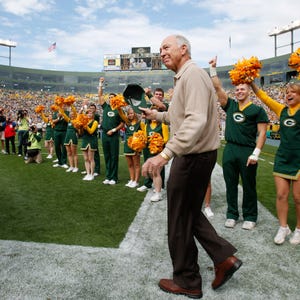
Larry Goldstein, a stem cell expert and professor at the University of California San Diego, said it takes at least five to 10 years to test whether such treatments really work. In the meantime, few stem cell treatments are approved for use in the USA, though many American clinics have been offering legally and scientifically questionable stem cell treatments derived from a patient’s own fat or bone marrow.
Stemedica’s stem cells are different than these because they are derived from donors and are replicated in a lab. They are considered unapproved biological drugs in the USA.
“There is definitely a wild west of clinics in the U.S. and outside the U.S. offering unproven treatments of stem cells,” Goldstein told USA TODAY Sports in June.
Stemedica is working toward approval by the U.S. Food and Drug Administration, including with a clinical trial in Toledo for traumatic brain injury patients. It involves bone marrow-derived cells and is part of the Gordie Howe Initiative, named after perhaps the most famous stem cell patient in America. Before his death at age 88, his family credited the Tijuana treatments with boosting the last year and a half of his life after his stroke.
On Aug. 29, a subsidiary of Stemedica announced that data from a separate, pre-clinical study showed that its bone marrow-derived stem cells improved heart function after heart attacks.
“We’ve always known that our stem cells exhibit unique qualities and characteristics, and we’re very proud of what people call the `anecdotal evidence’ coming from patient testimonials,” said Dave McGuigan, Stemedica’s vice president for marketing and business development. “But now that we can give the academic and scientific community statistical evidence to go alongside the anecdotal meaningful evidence, that can only help add to the Stemedica story.”
Follow sports reporter Brent Schrotenboer on Twitter @Schrotenboer. E-mail: bschrotenb@usatoday.com
Thursday, June 23, 2016
He went abroad for stem cell treatment. Now he’s a cautionary tale. Stroke patient Jim Gass
Right now I would have to say stem cell therapy is complete quackery. I have seen nothing that even comes close to proving that it works or even if the stem cells survived.
http://www.bostonglobe.com/metro/2016/06/22/went-abroad-for-stem-cell-treatment-now-cautionary-tale/wH8d9uLejaDvSwWRt91w5L/story.html
When Jim Gass suffered a stroke in 2009, it soon was clear that standard rehabilitation would not repair the damage. Unwilling to accept life in a wheelchair, Gass decided his only option was to fly overseas for experimental stem cell treatment.
At clinics in Argentina, China, and Mexico, doctors injected Gass with what they described as stem cells from several sources, including fetal tissue, in attempts to reverse his partial paralysis. Clinics tout the treatments online as cutting edge and curative.
What happened to Gass next is a cautionary tale for other desperate patients seeking unproven and unregulated treatments in the murky world of “stem cell tourism,’’ warned a group of Brigham and Women’s Hospital doctors in a letter to the New England Journal of Medicine, published online Wednesday.
After scans showed something unfamiliar on Gass’s spine, where the latest round of stem cells had been injected, a Brigham doctor discovered a strange sticky fibrous growth there.
“It looked like nothing I had ever seen,’’ said Dr. John Chi, director of the neurosurgical spine cancer at the Brigham, who co-wrote the letter to the journal. “It was stuck onto the nerves and had an odd consistency.’’
Gass, 67, the former general counsel for Osram Sylvania in Wilmington, had chosen a particular clinic in Mexico in part because former San Francisco 49ers quarterback John Brodie had stroke treatment there that he considered successful.
But in the year after he returned from Mexico in September 2014, when he had his last treatment, he began experiencing extreme back pain and additional paralysis in his right leg, which had not been affected by the stroke, he said in an interview. That was what led him to the Brigham doctors for surgery last year.
Now Gass is more disabled than he was prior to stem cell therapy.
Brigham pathologists tested the tissue taken from Gass’s spine and determined it was a tumor-like growth but did not have mutations associated with cancer and therefore could not be treated with chemotherapy. Most of the cells were not Gass’s but from another source.
“It’s hard to know what to call it,’’ Chi said.
Doctors have treated Gass with radiation to shrink the mass, which has helped somewhat, but they are also searching for other solutions.
Doctors have been increasingly warning that stem cell clinics are proliferating around the world with little oversight. They are promoting their methods to patients suffering from strokes, amyotrophic lateral sclerosis (also known as Lou Gehrig’s disease), Alzheimer’s, and other conditions for which there are few good options. Professional athletes have helped popularize the clinics by seeking out stem cell therapy for strokes and shoulder and knee injuries.
Hockey legend Gordie Howe received experimental stem cell treatments in Tijuana, Mexico, in December 2014 — treatments that his family credited with helping prolong his life after a debilitating stroke about two months earlier. He died early this month at age 88.
Yet, bone marrow transplant, a treatment for leukemia, is the only approved stem cell therapy in the United States.
In the months after his stroke, Gass researched potential treatments constantly.
“I couldn’t accept where I was. A life lying down in bed is not the place to be,’’ he said. “The consensus was stem cell therapy was going to be the future of treatment for stroke. I read all the cautionary tales even though I didn’t believe them.
“I thought it would work,’’ he added.
Dr. Aaron Berkowitz, director of global neurology at the Brigham and the letter’s lead author, said it is hard to know how many people undergo unproven stem cell therapy.
A paper published in 2014 in the journal Travel Medicine and Infectious Disease identified 224 websites advertising stem cell clinics in 21 countries. They most often pushed treatments for multiple sclerosis, antiaging, Parkinson’s disease, stroke, and spinal cord injury — diseases and conditions for which there is no evidence that stem cell therapy is effective, though some are being studied.
In the United States, dozens of clinics have sprung up in recent years, largely avoiding regulation because they use cells extracted from a patient’s own body. But the US Food and Drug Administration signaled earlier this year that it planned to crack down on these clinics and issued draft guidelines explaining that even procedures using a patient’s own cells require approval by the agency.
Clinics overseas have more leeway and use stem cells from donors as well as fetal tissue.
“Even though there are probably hundreds of clinics in the US, when people go abroad the risk goes way up,’’ said Paul Knoepfler, a professor at the University of California Davis School of Medicine, who runs a popular stem cell research blog. “In Mexico you can treat someone with stem cells . . . and if you took the same procedure across the border, to do it legally, you’d have to get FDA approval.’’
Medical journals are increasingly writing about the phenomenon of stem cell tourism and have published reports of at least two other cases involving tumors, Berkowitz said.
“This is very risky,’’ he said. “It looks exciting that professional football players do it. But these are private clinics and they may be having a lot more complications that are not being disclosed. We don't know whether it’s working or not.’’
But some people may feel there is little other hope. As a result, the number of patients getting treatment outside the medical system is far higher than the number of patients enrolling in studies, Berkowitz said. Patients who might eventually get into experimental trials in a hospital don’t want to wait that long.
Gass, who is in the process of moving to San Diego, said his case is not only a warning to patients considering overseas treatment. He also hopes that discussing his experience publicly will light a fire under the federal government to quickly fund research into what could bea promising area of medicine.
For now, patients are relying on what they read online and athletes’ anecdotal accounts. Gass said he picked clinics that had positive or neutral reviews. But in some cases those testimonials came from doctors, speaking for patients. He did not want to name the clinics because he is worried they will sue him.
He tried several clinics because they each claimed to use slightly different approaches, he said. At the clinics, which operate like small private hospitals, doctors were careful not to promise positive results but said they expected Gass to show significant improvement. In Argentina, doctors said they injected him with his own stem cells. He did not getter better. He stayed three months in China, where physicians claimed to use fetal tissue cells.
“Every week they come by and tested you and the doctor says to his team ‘look how much better he is doing.’ I wasn’t doing better,’’ Gass said.
In the end, his body grew weaker after treatment and his wallet grew lighter. He estimates he spent $150,000 to $200,000 on the therapies alone. And while he lost most of the movement in his left arm and foot after the stroke, nerve damage from the tumor has left him with paralysis in his right leg, too.
“I still think it will work someday,’’ he said. “I just don’t know when.’’
Liz Kowalczyk can be reached at kowalczyk@globe.com.
http://www.bostonglobe.com/metro/2016/06/22/went-abroad-for-stem-cell-treatment-now-cautionary-tale/wH8d9uLejaDvSwWRt91w5L/story.html
When Jim Gass suffered a stroke in 2009, it soon was clear that standard rehabilitation would not repair the damage. Unwilling to accept life in a wheelchair, Gass decided his only option was to fly overseas for experimental stem cell treatment.
At clinics in Argentina, China, and Mexico, doctors injected Gass with what they described as stem cells from several sources, including fetal tissue, in attempts to reverse his partial paralysis. Clinics tout the treatments online as cutting edge and curative.
What happened to Gass next is a cautionary tale for other desperate patients seeking unproven and unregulated treatments in the murky world of “stem cell tourism,’’ warned a group of Brigham and Women’s Hospital doctors in a letter to the New England Journal of Medicine, published online Wednesday.
After scans showed something unfamiliar on Gass’s spine, where the latest round of stem cells had been injected, a Brigham doctor discovered a strange sticky fibrous growth there.
“It looked like nothing I had ever seen,’’ said Dr. John Chi, director of the neurosurgical spine cancer at the Brigham, who co-wrote the letter to the journal. “It was stuck onto the nerves and had an odd consistency.’’
Gass, 67, the former general counsel for Osram Sylvania in Wilmington, had chosen a particular clinic in Mexico in part because former San Francisco 49ers quarterback John Brodie had stroke treatment there that he considered successful.
But in the year after he returned from Mexico in September 2014, when he had his last treatment, he began experiencing extreme back pain and additional paralysis in his right leg, which had not been affected by the stroke, he said in an interview. That was what led him to the Brigham doctors for surgery last year.
Now Gass is more disabled than he was prior to stem cell therapy.
Brigham pathologists tested the tissue taken from Gass’s spine and determined it was a tumor-like growth but did not have mutations associated with cancer and therefore could not be treated with chemotherapy. Most of the cells were not Gass’s but from another source.
“It’s hard to know what to call it,’’ Chi said.
Doctors have treated Gass with radiation to shrink the mass, which has helped somewhat, but they are also searching for other solutions.
Doctors have been increasingly warning that stem cell clinics are proliferating around the world with little oversight. They are promoting their methods to patients suffering from strokes, amyotrophic lateral sclerosis (also known as Lou Gehrig’s disease), Alzheimer’s, and other conditions for which there are few good options. Professional athletes have helped popularize the clinics by seeking out stem cell therapy for strokes and shoulder and knee injuries.
Hockey legend Gordie Howe received experimental stem cell treatments in Tijuana, Mexico, in December 2014 — treatments that his family credited with helping prolong his life after a debilitating stroke about two months earlier. He died early this month at age 88.
Yet, bone marrow transplant, a treatment for leukemia, is the only approved stem cell therapy in the United States.
In the months after his stroke, Gass researched potential treatments constantly.
“I couldn’t accept where I was. A life lying down in bed is not the place to be,’’ he said. “The consensus was stem cell therapy was going to be the future of treatment for stroke. I read all the cautionary tales even though I didn’t believe them.
“I thought it would work,’’ he added.
Dr. Aaron Berkowitz, director of global neurology at the Brigham and the letter’s lead author, said it is hard to know how many people undergo unproven stem cell therapy.
A paper published in 2014 in the journal Travel Medicine and Infectious Disease identified 224 websites advertising stem cell clinics in 21 countries. They most often pushed treatments for multiple sclerosis, antiaging, Parkinson’s disease, stroke, and spinal cord injury — diseases and conditions for which there is no evidence that stem cell therapy is effective, though some are being studied.
In the United States, dozens of clinics have sprung up in recent years, largely avoiding regulation because they use cells extracted from a patient’s own body. But the US Food and Drug Administration signaled earlier this year that it planned to crack down on these clinics and issued draft guidelines explaining that even procedures using a patient’s own cells require approval by the agency.
Clinics overseas have more leeway and use stem cells from donors as well as fetal tissue.
“Even though there are probably hundreds of clinics in the US, when people go abroad the risk goes way up,’’ said Paul Knoepfler, a professor at the University of California Davis School of Medicine, who runs a popular stem cell research blog. “In Mexico you can treat someone with stem cells . . . and if you took the same procedure across the border, to do it legally, you’d have to get FDA approval.’’
Medical journals are increasingly writing about the phenomenon of stem cell tourism and have published reports of at least two other cases involving tumors, Berkowitz said.
“This is very risky,’’ he said. “It looks exciting that professional football players do it. But these are private clinics and they may be having a lot more complications that are not being disclosed. We don't know whether it’s working or not.’’
But some people may feel there is little other hope. As a result, the number of patients getting treatment outside the medical system is far higher than the number of patients enrolling in studies, Berkowitz said. Patients who might eventually get into experimental trials in a hospital don’t want to wait that long.
Gass, who is in the process of moving to San Diego, said his case is not only a warning to patients considering overseas treatment. He also hopes that discussing his experience publicly will light a fire under the federal government to quickly fund research into what could bea promising area of medicine.
For now, patients are relying on what they read online and athletes’ anecdotal accounts. Gass said he picked clinics that had positive or neutral reviews. But in some cases those testimonials came from doctors, speaking for patients. He did not want to name the clinics because he is worried they will sue him.
He tried several clinics because they each claimed to use slightly different approaches, he said. At the clinics, which operate like small private hospitals, doctors were careful not to promise positive results but said they expected Gass to show significant improvement. In Argentina, doctors said they injected him with his own stem cells. He did not getter better. He stayed three months in China, where physicians claimed to use fetal tissue cells.
“Every week they come by and tested you and the doctor says to his team ‘look how much better he is doing.’ I wasn’t doing better,’’ Gass said.
In the end, his body grew weaker after treatment and his wallet grew lighter. He estimates he spent $150,000 to $200,000 on the therapies alone. And while he lost most of the movement in his left arm and foot after the stroke, nerve damage from the tumor has left him with paralysis in his right leg, too.
“I still think it will work someday,’’ he said. “I just don’t know when.’’
Liz Kowalczyk can be reached at kowalczyk@globe.com.
Wednesday, June 22, 2016
NEW STROKE TREATMENT: FULL STORY - etanercept
A news station fell for this quackery. A great stroke association president should have confronted them and demanded an on air retraction.
https://www.facebook.com/7NewsTownsville/videos/1098820933497325/
https://www.facebook.com/7NewsTownsville/videos/1098820933497325/
Tuesday, June 7, 2016
BBC Breakfast interviews patient in ReNeuron’s Phase II stroke clinical trial
The unasked question. 'What proof have your doctors given you that these stem cells caused your improvement?' Without that answer, this is all just placebo and magic. I could ascribe the results to the needle traveling thru the brain or the trepanation.
http://www.reneuron.com/news-list/bbc-breakfast-news-interview-stem-cells-used-in-stroke-treatment/
Without further proof this is all still quackery.
http://www.reneuron.com/news-list/bbc-breakfast-news-interview-stem-cells-used-in-stroke-treatment/
Without further proof this is all still quackery.
Sunday, May 29, 2016
Acupuncture Beats Antidepressant for Post-Stroke Depression
Totally impossible since energy meridians have never been proven to exist. The placebo effect must be strong in these trials.
http://www.healthcmi.com/Acupuncture-Continuing-Education-News/1638-acupuncture-beats-antidepressant-for-post-stroke-depression
Researchers find acupuncture more effective than an SSRI antidepressant medication for the treatment of post-stroke depression and prove that acupuncture combined with Chinese herbs are effective for stroke rehabilitation.
Researchers from Zhejiang Chinese Medical University and Hainan Provincial People’s Hospital finds acupuncture and traditional Chinese herbal medications effective in alleviating post-stroke conditions. The Xing Shen Jie Yu acupuncture method is effective in treating post-stroke depression; administering the herbal decoction Bu Yang Huan Wu Tang with acupuncture combats stroke sequelae. In both investigations, acupuncture treatment delivered significant positive patient outcomes.
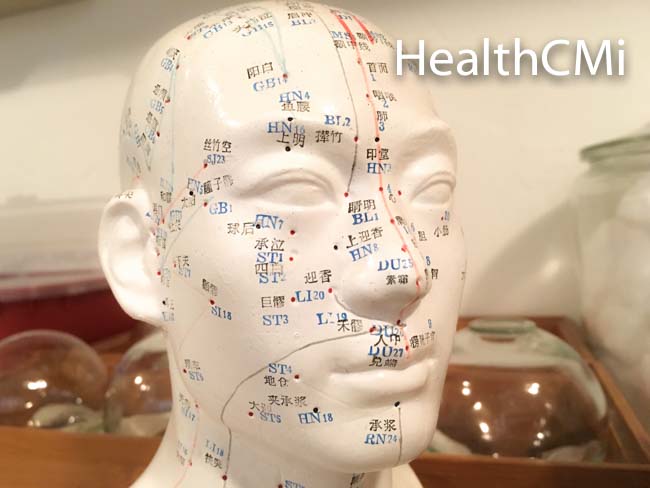
Acupuncture is effective in treating post-stroke depression. Researchers from Zhejiang Chinese Medical University determined that a particular method of acupuncture, Xing Shen Jie Yu, which employs electroacupuncture, is more effective than standard medications in treating post-stroke depression. Post-stroke Depression (PSD) is a mental disorder that may present in post-stroke patients. Compared with patients without PSD, the depression that plagues PSD afflicted patients inhibits the speed of neurological rehabilitation after the stroke occurs. Consequently, PSD patients find it harder to regain a satisfactory level of independence and quality of life. Research has shown that the rate of PSD occurrence falls between 20 – 50% (Gaete and Bogousslavsky, 2008).
Xing Shen Jie Yu acupuncture is a characteristic method of acupuncture that was established by China’s renowned Traditional Chinese Medicine (TCM) doctor, Professor Wang Zhang Lian. The primary acupoints in Xing Shen Jie Yu are: Baihui, Shenting, Sishencong, Zusanli, Sanyinjiao and Taichong. The electroacupuncture technique utilized in Xing Shen Jie Yu significantly increases nerve and cerebral cortex stimulation, and produces a higher concentration of 5-HT and NE in brain tissue and cerebrospinal fluid.
The acupuncture classic Zhen Jiu Da Cheng (Great Compendium on Acupuncture and Moxibustion) dictates that the Governor meridian should be targeted in the treatment of brain illnesses; the Baihui and Shenting acupoints are both located along this meridian. Administering acupuncture on these acupoints can improve qi and blood circulation along the Governor meridian, reinforce the Yang element, and fight depression. It is worth noting that the Baihui, Shenting and Sishencong acupoints are located on the frontal lobe surface projection zone. Therefore, acupuncture administration on these acupoints increases neuronal excitability as well as neurotransmitter secretion. The Zusanli acupoint also regulates qi and blood circulation in addition to dredging the meridians. The Taichong acupoint has a tranquilizing effect. The Sanyinjiao acupoint is a major acupoint for maintaining and improving spleen, liver and kidney health.
In the study conducted by researchers at Zhejiang Chinese Medical University, patients who received Xing Shen Jie Yu acupuncture reported a 93.33% total treatment effective rate, whereas those in the control group reported a 90% rate. The Xing Shen Jie Yu acupuncture group also displayed better performance in daily living activities performance. This research studied 60 PSD patients who were divided into two groups, the treatment group and the control group. The treatment group underwent Xing Shen Jie Yu acupuncture and the control group received citalopram medication. Citalopram is an antidepressant of the selective serotonin reuptake inhibitor (SSRI) class. Both groups received standard post-stroke treatments including blood pressure, blood glucose, and blood lipid regulation, as well as rehabilitation.
The acupoints used for the treatment group include the primary acupoints in Xing Shen Jie Yu acupuncture:
For the Baihui acupoint, the needle was inserted transversely and posteriorly between a depth of 0.5 – 0.8 inches, thereafter manipulating it with a rotating (Nian Zhuan) technique at a speed of 200 rotations/minute, for a total of 2 minutes. For the Sishencong acupoints, the needle was inserted transversely and towards the Baihui acupoint, between a depth of 0.5 – 0.8 inches. The front Sishencong acupoint was paired with the left Sishencong acupoint, and the back Sishencong acupoint with the right Sishencong acupoint. Both pairs of acupoints were then connected to Han’s Acupoint Nerve Stimulator with 100 Hz frequency. After the area surrounding the acupoints displayed visible pulsing, and patient comfort was optimal, the Han’s Acupoint Nerve Stimulator was used to apply electroacupuncture stimulation for 30 minutes. For the Shenting acupoint, the needle was inserted transversely and anteriorly between a depth of 0.5 – 0.8 inches, thereafter manipulating it with a rotating (Nian Zhuan) and reinforcing (Bu) technique at a speed of 200 rotations/minute, for a total of 2 minutes. For the Zusanli acupoint, the acupuncture needle was inserted perpendicular-obliquely, towards the direction of the tibia, between a depth of 1 – 2 inches, with the reinforcing (Bu) technique. For all acupoints, the needle retention time was 30 minutes. An acupuncture session was conducted once daily, 6 times per week, with a 1 day break between weekly sessions. A full treatment course comprised 30 days of acupuncture sessions.
For the control group, patients took one 20 mg citalopram tablet per day, after breakfast. A full medication course comprised 30 continuous days. The treatment effective rate for all patients in the study was evaluated based on the Hamilton Depression Scale rating, and categorized as follows:
http://www.healthcmi.com/Acupuncture-Continuing-Education-News/1638-acupuncture-beats-antidepressant-for-post-stroke-depression
Researchers find acupuncture more effective than an SSRI antidepressant medication for the treatment of post-stroke depression and prove that acupuncture combined with Chinese herbs are effective for stroke rehabilitation.
Researchers from Zhejiang Chinese Medical University and Hainan Provincial People’s Hospital finds acupuncture and traditional Chinese herbal medications effective in alleviating post-stroke conditions. The Xing Shen Jie Yu acupuncture method is effective in treating post-stroke depression; administering the herbal decoction Bu Yang Huan Wu Tang with acupuncture combats stroke sequelae. In both investigations, acupuncture treatment delivered significant positive patient outcomes.
Acupuncture is effective in treating post-stroke depression. Researchers from Zhejiang Chinese Medical University determined that a particular method of acupuncture, Xing Shen Jie Yu, which employs electroacupuncture, is more effective than standard medications in treating post-stroke depression. Post-stroke Depression (PSD) is a mental disorder that may present in post-stroke patients. Compared with patients without PSD, the depression that plagues PSD afflicted patients inhibits the speed of neurological rehabilitation after the stroke occurs. Consequently, PSD patients find it harder to regain a satisfactory level of independence and quality of life. Research has shown that the rate of PSD occurrence falls between 20 – 50% (Gaete and Bogousslavsky, 2008).
Xing Shen Jie Yu acupuncture is a characteristic method of acupuncture that was established by China’s renowned Traditional Chinese Medicine (TCM) doctor, Professor Wang Zhang Lian. The primary acupoints in Xing Shen Jie Yu are: Baihui, Shenting, Sishencong, Zusanli, Sanyinjiao and Taichong. The electroacupuncture technique utilized in Xing Shen Jie Yu significantly increases nerve and cerebral cortex stimulation, and produces a higher concentration of 5-HT and NE in brain tissue and cerebrospinal fluid.
The acupuncture classic Zhen Jiu Da Cheng (Great Compendium on Acupuncture and Moxibustion) dictates that the Governor meridian should be targeted in the treatment of brain illnesses; the Baihui and Shenting acupoints are both located along this meridian. Administering acupuncture on these acupoints can improve qi and blood circulation along the Governor meridian, reinforce the Yang element, and fight depression. It is worth noting that the Baihui, Shenting and Sishencong acupoints are located on the frontal lobe surface projection zone. Therefore, acupuncture administration on these acupoints increases neuronal excitability as well as neurotransmitter secretion. The Zusanli acupoint also regulates qi and blood circulation in addition to dredging the meridians. The Taichong acupoint has a tranquilizing effect. The Sanyinjiao acupoint is a major acupoint for maintaining and improving spleen, liver and kidney health.
In the study conducted by researchers at Zhejiang Chinese Medical University, patients who received Xing Shen Jie Yu acupuncture reported a 93.33% total treatment effective rate, whereas those in the control group reported a 90% rate. The Xing Shen Jie Yu acupuncture group also displayed better performance in daily living activities performance. This research studied 60 PSD patients who were divided into two groups, the treatment group and the control group. The treatment group underwent Xing Shen Jie Yu acupuncture and the control group received citalopram medication. Citalopram is an antidepressant of the selective serotonin reuptake inhibitor (SSRI) class. Both groups received standard post-stroke treatments including blood pressure, blood glucose, and blood lipid regulation, as well as rehabilitation.
The acupoints used for the treatment group include the primary acupoints in Xing Shen Jie Yu acupuncture:
- Baihui (GV20)
- Shenting (GV24)
- Sishencong (EX)
- Zusanli (ST36)
- Sanyinjiao (SP6)
- Taichong (LV3)
- Jiache (ST6)
- Dicang (ST4)
- Yinxiang (LI20)
- Lianquan (CV23)
- Tongli (HT5)
- Jianyu (LI15)
- Quchi (LI11)
- Shousanli (LI10)
- Waiguan (TH5)
- Hegu (LI4)
- Houxi (SI3)
- Huantiao (GB30)
- Futu (ST32)
- Yanglingquan (GB34)
- Yinlingquan (SP9)
- Xuanzhong (GB39)
- Jiexi (ST41)
For the Baihui acupoint, the needle was inserted transversely and posteriorly between a depth of 0.5 – 0.8 inches, thereafter manipulating it with a rotating (Nian Zhuan) technique at a speed of 200 rotations/minute, for a total of 2 minutes. For the Sishencong acupoints, the needle was inserted transversely and towards the Baihui acupoint, between a depth of 0.5 – 0.8 inches. The front Sishencong acupoint was paired with the left Sishencong acupoint, and the back Sishencong acupoint with the right Sishencong acupoint. Both pairs of acupoints were then connected to Han’s Acupoint Nerve Stimulator with 100 Hz frequency. After the area surrounding the acupoints displayed visible pulsing, and patient comfort was optimal, the Han’s Acupoint Nerve Stimulator was used to apply electroacupuncture stimulation for 30 minutes. For the Shenting acupoint, the needle was inserted transversely and anteriorly between a depth of 0.5 – 0.8 inches, thereafter manipulating it with a rotating (Nian Zhuan) and reinforcing (Bu) technique at a speed of 200 rotations/minute, for a total of 2 minutes. For the Zusanli acupoint, the acupuncture needle was inserted perpendicular-obliquely, towards the direction of the tibia, between a depth of 1 – 2 inches, with the reinforcing (Bu) technique. For all acupoints, the needle retention time was 30 minutes. An acupuncture session was conducted once daily, 6 times per week, with a 1 day break between weekly sessions. A full treatment course comprised 30 days of acupuncture sessions.
For the control group, patients took one 20 mg citalopram tablet per day, after breakfast. A full medication course comprised 30 continuous days. The treatment effective rate for all patients in the study was evaluated based on the Hamilton Depression Scale rating, and categorized as follows:
- Recovery: Rating reduction of at least 75%.
- Significantly effective: Rating reduction of at least 50%.
- Effective: Rating reduction of at least 25%.
- Ineffective: Rating reduction of less than 25%.
Tuesday, May 17, 2016
A neurologist explains why acupuncture is useless
Researchers have been trying for years to prove acupuncture works for stroke. Since energy meridians have never been proven, why would anything based on that work?
Acupuncture for neurogenesis in experimental ischemic stroke: a systematic review and meta-analysis Jan. 2016
A Resting-State Functional Magnetic Resonance Imaging Study on the Efficacy of Brain Function Rehabilitation in Post-Stroke Hemiplegia Using Scalp Acupuncture Jan. 2016
Clinical observation on acupuncture combined with Chinese medicine and rehabilitation training for subacute stroke patients Dec. 2015
Acupuncture during stroke rehabilitation: development of a manual for researching a complex intervention Dec. 2015
The effect of acupuncture on the motor function and white matter microstructure in ischemic stroke patients Nov. 2015
Decreased risk of acute myocardial infarction in stroke patients receiving acupuncture treatment: a nationwide matched retrospective cohort study Sept. 2015
Ancient Chinese practice lowers hypertension, may lessen risks of stroke and heart disease - ElectroAcupuncture Aug. 2015
Effectiveness of acupuncture combined with rehabilitation for treatment of acute or subacute stroke: a systematic review June 2015
Acupuncture for spasticity after stroke: a systematic review and meta-analysis of randomized controlled trials June 2015
Effect of head acupuncture combined with rehabilitation techniques on movement function of upper limbs after stroke May 2015
Effectiveness of acupuncture combined with rehabilitation for treatment of acute or subacute stroke: a systematic review April 2015
ACUPUNCTURE: REVIEW AND ANALYSIS OF REPORTS ON CONTROLLED CLINICAL TRIALS Nov. 2014
Current Opinion in Acupuncture on Stroke Rehabilitation Nov. 2014
Neuro-Acupuncture and Stroke Oct. 2014
Acupuncture from Mayo Clinic Housecall July 2014
A Case Report of Bee Venom Acupuncture on Hip Joint Pain in Rehabilitation Stage of Stroke Sept. 2013
Acupuncture Helps Stroke Recovery - New Research Aug. 2013
Electroacupuncture is effective for post-stroke detrusor overactivity July 2013
Can acupuncture help stroke survivors? May 2013
Acupuncture and Herbs for Stroke - New Study Jan. 2013
Acupuncture modulates the limbic system and subcortical gray structures of the human brain: evidence from fMRI studies in normal subjects Dec. 2012
scalp acupuncture for stroke rehabilitation Oct. 2012
Acupuncture for Shoulder Pain After Stroke: A Systematic Review Sept. 2012
No. 2 Acupuncture treatment programs for post-stroke motor rehabilitation in community hospitals: study protocol of a multicenter, randomized, controlled trial Aug. 2012
The takedown of it here:
A neurologist explains why acupuncture is useless
Friday, March 4, 2016
Effects of Acupuncture at the Yintang and the Chengjiang Acupoints on Cardiac Arrhythmias and Neurocardiogenic Syncope in Emergency First Aid
Wow, just wow. Using acupuncture which has no proven mechanism of action in the treatment of heart problems during an emergency. Never going to occur with me. I want actual interventions, not placebos.
http://www.ncbi.nlm.nih.gov/pubmed/26896074
http://www.ncbi.nlm.nih.gov/pubmed/26896074
Fabrin S1, Soares N2, Pezarezi Yoshimura D3, Hallak Regalo SC4, Donizetti Verri E5, de Freitas Vianna JR6, Gatti Regueiro EM7, Torres da Silva JR8.
Abstract
This
study evaluated the effectiveness of YinTang and ChengJiang acupoints
on patients with cardiac arrhythmia and neurocardiogenic syncope in
emergency first aid. A 45 year old woman underwent acupuncture. She had a
previous history of a valvuloplasty for rheumatic disease and two acute
myocardial infarctions, followed by four catheterizations and an
angioplasty. Needling of the YinTang acupoint and stimulation of the
ChengJiang acupoint through acupressure were performed for 20 minutes
soon after syncope and during tachycardia, hypertension, tachypnea, and
precordial pain, without any effect on peripheral oxygen saturation
(SpO2) or the glycemic index. Data were analyzed comparatively by using
the following parameters at rest, during syncope, and at 1 minute and 10
minutes after an emergency acupuncture procedure: blood pressure; heart
rate; SpO2; and respiratory rate. We found that acupuncture at YinTang
and ChenJiang acupoints induced cardiovascular responses, increased the
limits of the body's homeostasis, and normalized the patient's condition
in the case of syncope. Acupuncture using a combination of ChengJiang
and YinTang acupoints had an immediate effect on the autonomic nervous
system and on maintaining homeostasis and energy balance in the body.
Although this technique was effective, the patient was still referred to
the Emergency Room.
Friday, December 4, 2015
9 Vitamins and Minerals That Fight Inflammation in the Body
Not sure I really trust this, no references and a reference to the quackery of detoxing.
http://www.reinventingaging.org/general-health/9-vitamins-and-minerals-that-fight-inflammation-in-the-body/?utm_source=Yahoo%20Native%20-%209%20Vitamins%20and%20Minerals%20That%20Fight%20Inflammation
1. Magnesium
2. Coenzyme Q10
3. Vitamin E
4. Glutathione
5. Vitamin K This is contraindicated if on warfarin.
6. Vitamin B
7. Vitamin D
8. Vitamin A
9. Vitamin C
http://www.reinventingaging.org/general-health/9-vitamins-and-minerals-that-fight-inflammation-in-the-body/?utm_source=Yahoo%20Native%20-%209%20Vitamins%20and%20Minerals%20That%20Fight%20Inflammation
1. Magnesium
2. Coenzyme Q10
3. Vitamin E
4. Glutathione
5. Vitamin K This is contraindicated if on warfarin.
6. Vitamin B
7. Vitamin D
8. Vitamin A
9. Vitamin C
Saturday, September 19, 2015
Decreased risk of acute myocardial infarction in stroke patients receiving acupuncture treatment: a nationwide matched retrospective cohort study
Since there is no proof that acupuncture works at all they didn't look hard enough at the other factors that may cause this result.
http://www.biomedcentral.com/1472-6882/15/318
http://www.biomedcentral.com/1472-6882/15/318
- † Equal contributors
1
Department of Biomedical Engineering, National Cheng Kung University, 1
University Road, Tainan City 701, Taiwan
2 School of Chinese Medicine for Post-Baccalaureate, I-Shou University, 8 Yida Road, Kaohsiung City 824, Taiwan
3 Department of Surgery, China Medical University Hospital, Taichung, Taiwan
4 Department of Surgery, University of Illinois, Chicago, USA
5 Department of Chinese Medicine, E-DA Hospital, Kaohsiung, Taiwan
6 Department of Anesthesiology, Taipei Medical University Hospital, 252 Wuxing St., Taipei 110, Taiwan
7 Health Policy Research Center, Taipei Medical University Hospital, Taipei, Taiwan
8 School of Medicine, Taipei Medical University, Taipei, Taiwan
9 School of Chinese Medicine, China Medical University, 91 Hsueh-Shih Road, Taichung 404, Taiwan
2 School of Chinese Medicine for Post-Baccalaureate, I-Shou University, 8 Yida Road, Kaohsiung City 824, Taiwan
3 Department of Surgery, China Medical University Hospital, Taichung, Taiwan
4 Department of Surgery, University of Illinois, Chicago, USA
5 Department of Chinese Medicine, E-DA Hospital, Kaohsiung, Taiwan
6 Department of Anesthesiology, Taipei Medical University Hospital, 252 Wuxing St., Taipei 110, Taiwan
7 Health Policy Research Center, Taipei Medical University Hospital, Taipei, Taiwan
8 School of Medicine, Taipei Medical University, Taipei, Taiwan
9 School of Chinese Medicine, China Medical University, 91 Hsueh-Shih Road, Taichung 404, Taiwan
BMC Complementary and Alternative Medicine 2015, 15:318
doi:10.1186/s12906-015-0828-8
Sun-Fa Chuang, Chun-Chuan Shih, Tainsong Chen and Chien-Chang Liao contributed equally to this work.
The electronic version of this article is the complete one and can be found online at: http://www.biomedcentral.com/1472-6882/15/318
Sun-Fa Chuang, Chun-Chuan Shih, Tainsong Chen and Chien-Chang Liao contributed equally to this work.
The electronic version of this article is the complete one and can be found online at: http://www.biomedcentral.com/1472-6882/15/318
| Received: | 26 February 2015 |
| Accepted: | 25 August 2015 |
| Published: | 9 September 2015 |
© 2015 Chuang et al.
Open AccessThis article is distributed under the terms of the Creative Commons Attribution 4.0 International License (http://creativecommons.org/licenses/by/4.0/), which permits unrestricted use, distribution, and reproduction in any medium, provided you give appropriate credit to the original author(s) and the source, provide a link to the Creative Commons license, and indicate if changes were made. The Creative Commons Public Domain Dedication waiver (http://creativecommons.org/publicdomain/zero/1.0/) applies to the data made available in this article, unless otherwise stated.
Open AccessThis article is distributed under the terms of the Creative Commons Attribution 4.0 International License (http://creativecommons.org/licenses/by/4.0/), which permits unrestricted use, distribution, and reproduction in any medium, provided you give appropriate credit to the original author(s) and the source, provide a link to the Creative Commons license, and indicate if changes were made. The Creative Commons Public Domain Dedication waiver (http://creativecommons.org/publicdomain/zero/1.0/) applies to the data made available in this article, unless otherwise stated.
Abstract
Background
Whether acupuncture protects stroke patients from acute myocardial infarction (AMI)
has not been studied previously. The purpose of this study was to investigate the
risk of AMI among stroke patients receiving acupuncture treatment.
Methods
Taiwan’s National Health Insurance Research Database was used to conduct a retrospective
cohort study of 23475 stroke patients aged 40–79 years receiving acupuncture treatment
and 46950 propensity score-matched stroke patients not receiving acupuncture treatment
who served as controls from 2000 to 2004. Both stroke cohorts were followed until
the end of 2009 and were adjusted for immortal time to measure the incidence and adjusted
hazard ratios (HRs) with 95 % confidence intervals (CIs) for new-onset AMI in multivariate
Cox proportional hazard models.
Results
Stroke patients who received acupuncture treatment (9.2 per 1000 person-years) exhibited
a lower incidence of AMI compared with those who did not receive acupuncture treatment
(10.8 per 1000 person-years), with an HR of 0.86 (95 % CI, 0.80–0.93) after adjusting
for age, sex, low income, coexisting medical conditions and medications. The relationship
between acupuncture treatment and AMI risk was investigated in female stroke patients
(HR, 0.85; 95 % CI, 0.76–0.95), male stroke patients (HR, 0.87; 95 % CI, 0.80–0.95),
patients from 50 to 59 years of age (HR, 0.75; 95 % CI, 0.63–0.90), patients from
60 to 69 years of age (HR, 0.85; 95 % CI, 0.75–0.95), patients suffering from ischemic
stroke (HR, 0.87; 95 % CI, 0.79–0.95), and patients suffering from hemorrhagic stroke
(HR, 0.62; 95 % CI, 0.44–0.88).
Conclusions
We raised the possibility that acupuncture may be effective in lowering the risk of AMI in stroke patients aged 50–69 in this study, which was limited by a lack of information regarding stroke severity and acupuncture points. Our results suggest that prospective randomized trials are needed to establish the efficacy of acupuncture in preventing AMIMonday, December 15, 2014
Recalling Nana's Face: Does Your Brain Store Memories?
Just read this, your brain doesn't store memories so obviously a stroke can't impair your memory
http://www.evolutionnews.org/2014/12/recalling_nanas091821.html
The last couple of paragraphs.
To assert that memories are stored in the brain is gibberish. And don't fall for the materialist invocation of promissory materialism -- "It's just a limitation of our current scientific knowledge, and we promise that science will solve the problem in due time." The assertion that the brain stores memories is logical nonsense that doesn't even rise to the level of empirical testability.
How then, you reasonably ask, can we explain the obvious dependence of memory on brain structure and function? While it is obvious that the memories aren't stored, it does seem that some parts of the brain are necessary ordinarily for memory. And that's certainly true. But necessary does not mean sufficient. There is a rough correspondence between activity in certain regions of the brain and the exercise of certain mental powers. That is what cognitive neuroscientists properly study. In some cases the correspondence between brain and memory is one of tight necessity -- the brain must have a specific activity for memory to be exercised. But the brain activity is not the same thing as the memory nor does it make any sense at all to say the brain activity codes for the memory or that the brain stores the memory.
What this all implies is that only some kind of dualism can provide a coherent understanding of the mind. But dualism is a many-headed hydra, and I don't think that Cartesian dualism or property dualism or epiphenomenalism or computational theories of the mind (which are inherently dualistic) explain things well either.
I hew to Thomistic dualism, which is a coherent view of the mind that takes an Aristotelian perspective and for which the participation of the brain in memory is not problematic at all.
Have fun.
PZ Myers take on this;
http://www.evolutionnews.org/2014/12/recalling_nanas091821.html
The last couple of paragraphs.
To assert that memories are stored in the brain is gibberish. And don't fall for the materialist invocation of promissory materialism -- "It's just a limitation of our current scientific knowledge, and we promise that science will solve the problem in due time." The assertion that the brain stores memories is logical nonsense that doesn't even rise to the level of empirical testability.
How then, you reasonably ask, can we explain the obvious dependence of memory on brain structure and function? While it is obvious that the memories aren't stored, it does seem that some parts of the brain are necessary ordinarily for memory. And that's certainly true. But necessary does not mean sufficient. There is a rough correspondence between activity in certain regions of the brain and the exercise of certain mental powers. That is what cognitive neuroscientists properly study. In some cases the correspondence between brain and memory is one of tight necessity -- the brain must have a specific activity for memory to be exercised. But the brain activity is not the same thing as the memory nor does it make any sense at all to say the brain activity codes for the memory or that the brain stores the memory.
What this all implies is that only some kind of dualism can provide a coherent understanding of the mind. But dualism is a many-headed hydra, and I don't think that Cartesian dualism or property dualism or epiphenomenalism or computational theories of the mind (which are inherently dualistic) explain things well either.
I hew to Thomistic dualism, which is a coherent view of the mind that takes an Aristotelian perspective and for which the participation of the brain in memory is not problematic at all.
Have fun.
PZ Myers take on this;
Ready to lose a few brain cells? You won’t need them, apparently
By pure reason alone, if we can call his argument a product of reason at all, he deduces that the brain could not possibly have any way of storing memories.
His first argument is by cock-eyed definition.Tuesday, January 28, 2014
Arteriosclerosis and Atherosclerosis - Treatment with Homeopathy, Schuessler salts and Accupressure
Wow, just wow, a whole book on treatment with nothing, homeopathy is just that - nothing.
But if you'd rather believe their explanations, go ahead, just be prepared for the upcoming stroke or heart attack.
http://books.google.com/books?hl=en&lr=&id=nb6jAgAAQBAJ&oi=fnd&pg=PT2&ots=ltdUzQZFua&sig=suJZG_baI7igpu7ZqIIG5X7mbog#v=onepage&q&f=false
But if you'd rather believe their explanations, go ahead, just be prepared for the upcoming stroke or heart attack.
http://books.google.com/books?hl=en&lr=&id=nb6jAgAAQBAJ&oi=fnd&pg=PT2&ots=ltdUzQZFua&sig=suJZG_baI7igpu7ZqIIG5X7mbog#v=onepage&q&f=false
Sunday, December 29, 2013
Homeopathy and stroke
A biased writeup in favor of homeopathy here;
It has the standard excuse that traditional scientific methods can't be used because they don't honor the principles of homeopathy. What a load of crock. They have to disparage the scientific method because that method proves that homeopathy is nothing more than placebo. So if you are going down this route ask for scientific research, not this type of misleading puff piece.
Aconite Nap.: good remedy for stroke, for a person who is panicky and fear of dying.
Aurum mur: when stroke is caused by depression or while person loses his face.
Opium: excellent remedy for apoplexy; comma and obstructed respiration; patient lies down; loss of consciousness with eyes half open after the brain hemorrhage. And where the hell is this person going to get opium? Never mind, after succussing numerous times there is no actual atoms of the original element in the result, so there is no need to even start out with the named element. Unless you happen to believe in magical water memory.
It has the standard excuse that traditional scientific methods can't be used because they don't honor the principles of homeopathy. What a load of crock. They have to disparage the scientific method because that method proves that homeopathy is nothing more than placebo. So if you are going down this route ask for scientific research, not this type of misleading puff piece.
Homeopathy research review
Some Homeopathy writeups for stroke here to balance this out; I will never do this.
Alternative and Complementary Medicine for Stroke This one is bad because it lists first aid for stroke. Yeah, lets put a bandaid on the owie in the brain.
Homeopathy and Stroke Talks about needing to correct the ' vital force'. Whoa what a load of xxx.
Cerebral Stoke and Homeopathy
Fascinating ideas from this one, a couple of lines for your amusement.
There are following remedies which are helpful in the treatment of cerebral stroke:Aconite Nap.: good remedy for stroke, for a person who is panicky and fear of dying.
Aurum mur: when stroke is caused by depression or while person loses his face.
Opium: excellent remedy for apoplexy; comma and obstructed respiration; patient lies down; loss of consciousness with eyes half open after the brain hemorrhage. And where the hell is this person going to get opium? Never mind, after succussing numerous times there is no actual atoms of the original element in the result, so there is no need to even start out with the named element. Unless you happen to believe in magical water memory.
Wednesday, November 13, 2013
Research on stroke and reflexology
One of the search terms on my blog. I haven't written about this quackery for years.
But if you want to believe the apologists are here;
Possible benefits of Reflexology for stroke - Research and Hope
Alternatively Speaking: Understanding reflexology - see question 2
Reflexology and Stroke: A Student's Story about her Beloved Dad Spontaneous recovery, nothing to do with the treatment.
Reflexology Quackery? Definitely Not!! Includes a foot map with the brain included if you want to see where your brains maps to.
Reflexology: A Close Look
Reflexology Study Surfaces from National Council Against Health Fraud
Reflexology: Only Dangerous If You Use It
Quackademic medicine involving reflexology
Subscribe to:
Posts (Atom)