Use the labels in the right column to find what you want. Or you can go thru them one by one, there are only 34,245 posts. Searching is done in the search box in upper left corner. I blog on anything to do with stroke. DO NOT DO ANYTHING SUGGESTED HERE AS I AM NOT MEDICALLY TRAINED, YOUR DOCTOR IS, LISTEN TO THEM. BUT I BET THEY DON'T KNOW HOW TO GET YOU 100% RECOVERED. I DON'T EITHER BUT HAVE PLENTY OF QUESTIONS FOR YOUR DOCTOR TO ANSWER.
What this blog is for:
My blog is not to help survivors recover, it is to have the 10 million yearly stroke survivors light fires underneath their doctors, stroke hospitals and stroke researchers to get stroke solved. 100% recovery. The stroke medical world is completely failing at that goal, they don't even have it as a goal. Shortly after getting out of the hospital and getting NO information on the process or protocols of stroke rehabilitation and recovery I started searching on the internet and found that no other survivor received useful information. This is an attempt to cover all stroke rehabilitation information that should be readily available to survivors so they can talk with informed knowledge to their medical staff. It lays out what needs to be done to get stroke survivors closer to 100% recovery. It's quite disgusting that this information is not available from every stroke association and doctors group.
Monday, September 21, 2026
AHA and ASA Release New Guidelines for Stroke Rehabilitation and Recovery
Saturday, September 12, 2026
Cognitive Strategy Training at Home Shows Very Large Effects After Brain Injury
Is your doctor and hospital competent enough to know of AND IMPLEMENT THIS! NO? So, PURE INCOMPETENCE THEN!
Have your fired the incompetent? board of directors and reconstituted the hospital? NO? Waiting for your children and grandchildren to have strokes?
Cognitive Strategy Training at Home Shows Very Large Effects After Brain Injury
For the millions of people who survive a stroke or traumatic brain injury each year, the most stubborn obstacles to recovery are often invisible. While paralysed limbs and unsteady gait attract immediate clinical attention, the cognitive aftershocks—faltering attention, scrambled planning, unreliable memory—frequently go unrecognised until a person returns home and discovers they can no longer send an email, brew a pot of coffee, or pull on a sweater without help. A new study published in the Scandinavian Journal of Occupational Therapy offers striking evidence that a structured, home-based cognitive intervention can restore exactly these kinds of everyday abilities, with effects the authors describe as very large.
The research, led by M. Ø. Lindstad and colleagues at the Norwegian University of Science and Technology, Oslo Metropolitan University and Oslo University Hospital, tested the Perceive, Recall, Plan and Perform (PRPP) Intervention in three adults over the age of 67 who were receiving home-based rehabilitation after acquired brain injury. Rather than a traditional clinical trial, the team used single-case experimental designs with multiple baselines, a methodology well suited to rehabilitation research where participants are heterogeneous and recruiting large groups is difficult. Each participant acted as their own control, with repeated measurements taken during staggered baseline phases before the intervention was introduced, allowing the researchers to demonstrate a functional relationship between treatment and improvement.
The PRPP system is grounded in an information-processing model of cognition. It frames everyday task performance as a continuous loop of four processes: perceiving incoming sensory information, recalling stored knowledge, planning and evaluating responses, and monitoring performance as the task unfolds. The assessment stage catalogues how a person applies 35 observable cognitive strategies—called descriptors—during a chosen activity, rating each as efficient, questionable or ineffective. The intervention stage then works on those weak links directly. Therapists use a structured prompting sequence, ‘Stop, Attend, Sense, Think, Do’, deploying verbal, visual or physical cues calibrated to each client’s cognitive profile. As the client grows more proficient, the therapist deliberately withdraws support, transferring control of the strategies to the client so that they can be generalised across tasks and settings.
Crucially, the intervention took place where cognitive difficulties actually bite: in participants’ own homes. Three Norwegian municipal home-based rehabilitation teams delivered the programme, which consisted of nine sessions over three weeks. Each participant selected one personally meaningful task as the focus of treatment. For one participant, pseudonymised as Helge, the goal was to write and send an email independently—something that had become laborious and error-prone since his brain injury. For Georg, it was putting on a sweater, a task that had defeated him despite his physical capability, apparently due to insecurity and learned non-use of intact skills. For Frank, it was brewing coffee, a multi-step activity in which he would omit critical steps such as filling the water reservoir or inserting the filter.
The results were measured with the PRPP Assessment Stage 1, which scores percent task mastery from 0 to 100, with independence set at a cut-off above 85 percent. Visual analysis of graphed data across baseline, intervention, post-intervention and follow-up phases was complemented by Tau-U, a statistical technique that combines non-overlap between phases with trend analysis within the intervention phase. All three participants showed clear improvements in task mastery, with 70 to 100 percent of intervention and follow-up data points exceeding baseline levels. Individual Tau-U values ranged from 0.8 to 1.0, and the weighted average across participants reached 0.94 for task mastery when baseline was compared with post-intervention and follow-up phases—a magnitude classified as a very large effect.
Equally important, the gains held. Improvements persisted immediately after the intervention ended and again at follow-up four weeks later, even though the therapists had by then withdrawn all prompting. Georg achieved full independence in dressing and scored beyond his expected goal on Goal Attainment Scaling, a change with ripple effects: he could get out of bed and stay warm in his wheelchair without waiting for home care staff, easing pressure on an entire morning routine. Frank maintained performance above the independence threshold four weeks after his final session and managed untrained tasks, such as collecting post from a locker and pouring coffee into a thermos, using the strategies he had acquired. His Barthel Index score had already been at the maximum of 20, illustrating a limitation of broad functional measures in capturing task-specific change.
Not every outcome was uniform. Helge achieved 100 percent task mastery only intermittently during follow-up, fluctuating between complete independence and partial dependence on the email task. The authors suggest that intellectual familiarity with a cognitive strategy is not the same as internalising it, and that the meaningfulness of the task itself may have played a role. Helge was approaching retirement, and the email task was anchored to a working identity that was fading; his motivation, they note in light of prior rehabilitation research, may have shifted accordingly. His residual difficulties clustered in the planning quadrant, and errors in follow-up were mostly about time efficiency rather than accuracy—yet he still reported confidence in sending emails on his own.
The study addresses a well-documented gap. Recent Cochrane reviews concluded that evidence for occupational therapy in cognitive impairment after stroke, and for cognitive rehabilitation in adults with acquired brain injury, remains insufficient and of low quality—drawn mostly from hospital settings and often from computer-based remediation aimed at impairments rather than real-world function. Evidence-based guidelines instead favour performance-focused, strategy-based, compensatory approaches, precisely the category into which the PRPP Intervention falls. Meanwhile, community-based occupational therapists, particularly generalists in small municipalities, report lacking the specialised competencies and evidence-based tools they need to serve clients with cognitive challenges. A system designed to apply across diagnoses, ages, severities and contexts could fill that void, though the authors caution that adoption requires cultural change within services and funding for the specialised PRPP training.
The authors are candid about limitations. Data collection by the therapists who delivered the intervention introduces potential bias, although blinded inter-observer agreement checks on 20 percent of sessions mostly exceeded the 80 percent acceptability threshold. Frank completed only eight sessions and fewer follow-up measurements than planned, partly because of impatience once he considered himself independent, though his perfectly stable baseline and daily independent performance partially offset the missing data. Crucially, the generalisation of cognitive strategies to untrained tasks could not be conclusively established, because new tasks were measured at only a single point. The Barthel Index, moreover, proved too coarse an instrument for home-based contexts, hitting ceiling effects and missing the richer activities that matter in daily life.
Even so, the study’s ecological validity is its signature strength. By measuring outcomes on the very tasks participants needed and wanted to perform, in the environments where they live, the research captures the kind of functional change that laboratory-based cognitive training often fails to deliver—and that randomised trials with underpowered samples have struggled to demonstrate. Single-case experimental designs, the authors argue, can generate robust evidence close to ordinary clinical practice even with small numbers, and they call for systematic replication, including multiple-baseline designs across behaviours within participants, to test whether strategy use truly transfers to novel and more complex activities. If the very large effects observed here hold up across that replication series, a structured prompting method delivered in a client’s own kitchen or living room may become one of the most practical weapons yet against the hidden cognitive toll of brain injury.
Subject of Research: Effectiveness of the PRPP cognitive strategy intervention for task performance in home-based rehabilitation after acquired brain injury
Article Title: Effectiveness of the PRPP Intervention after brain injury in home-based rehabilitation: Single-case experimental designs with multiple baselines
Article References: Lindstad, M. Ø., Obstfelder, A., Sveen, U., & Stigen, L. (2025). Effectiveness of the PRPP Intervention after brain injury in home-based rehabilitation: Single-case experimental designs with multiple baselines. Scandinavian Journal of Occupational Therapy, 32(1), Article 2444591. https://doi.org/10.1080/11038128.2024.2444591
Image Credits: AI Generated
DOI: 10.1080/11038128.2024.2444591
Keywords: cognitive rehabilitation, PRPP Intervention, acquired brain injury, home-based rehabilitation, occupational therapy, cognitive strategy use, task mastery, single-case experimental design, stroke, Tau-U, evidence-based practice, Effectiveness
Cite Scienmag News
APA MLA Chicago
Cassandra Pierce. (September 12, 2026). Cognitive Strategy Training at Home Shows Very Large Effects After Brain Injury. Scienmag. https://scienmag.com/cognitive-strategy-training-at-home-shows-very-large-effects-after-brain-injury/
Copy citation Download RIS
Tuesday, September 1, 2026
Stroke Rehab Should Begin Within 48 Hours, and the New Guideline Counts Mood and Memory as Much as Muscle
You didn't specify what protocols they should be; SO FUCKING USELESS! My god the stupidity out there is stupendous! We still have no protocol on when stroke rehab should start with appropriate objective damage diagnosis starting points. You're screwed along with your children and grandchildren when they have strokes. We need stroke leadership and we need it now.
Maybe some of these?
- music therapy (112 posts back to October 2014)
- immersive virtual reality
(24 posts to January 2021)
- virtual reality
(199 posts to September 2011)
- action observation
(148 posts to May 2011)
- mental imagery
(31 posts to October 2010)
- 'Exercise-in-a-pill'
(16 posts to May 2017)
- mirror therapy (139 posts to October 2012)
- NMES
(48 posts to November 2013) To electrically stimulate your muscles, prevent atrophy.
And for complete proof of incompetence in your hospital; all this earlier research! So your hospital doesn't follow research at all, right?
- early rehabilitation
(18 posts to February 2015)
Stroke Rehab Should Begin Within 48 Hours, and the New Guideline Counts Mood and Memory as Much as Muscle

The Timing Rule and Its Deliberate Exception
Studies have shown that starting rehabilitation early leads to better outcomes, which is why the writing group set the 48-hour target. The guideline pairs that with a limit which is easy to miss: moderate to high-intensity exercise and task practice should not be performed in the first 24 hours after a stroke. (Why? You don't understand that the neuronal cascade of death is killing off neurons in the first days and you incorrectly ascribed that damage to early exercise. Doesn't anyone in stroke know how to think?) That is not a contradiction. Early rehabilitation on day one means assessment, positioning, safe mobility, and preventing the complications of immobility. Intensity comes after the first 24 hours. Beyond that point, the guideline calls for enough task practice to reduce impairment and teach compensatory strategies, and it advises transferring patients with moderate to severe stroke to an inpatient rehabilitation facility when that is feasible. Lorie Gage Richards, the occupational therapist and University of Utah associate professor who chaired the volunteer writing group, framed the difficulty in the association's announcement. "Stroke rehabilitation is complicated. A stroke can affect many of the skills people rely on for daily living, and even the most routine activities involve multiple physical, cognitive and communication abilities working together," she said.
Recovery Redefined to Include Mood, Memory and Speech
The most consequential shift is what now counts as rehabilitation. The guideline calls for people who have had a stroke to be screened for depression, anxiety and other mental health concerns early, rescreened later, and treated when needed. Post-stroke depression is described as common and treatable, and as something that can make physical recovery harder. Sara Kutzle, a stroke survivor who served on the writing group, had a hemorrhagic stroke in 2021 at age 39 while working as a makeup artist in San Francisco. She spent a week in intensive care and a month in the hospital, then relearned walking, writing, and how to function as a right-handed artist. "At first, I was focused on getting my body to recover, but I quickly realized healing involved so much more than that," Kutzle said. "My confidence, my mental health, my relationships and my sense of independence were all affected." The guideline also addresses returning to work, parenting young children, sleep and pain problems, and changes in sexual function, and it notes that strokes among people under 50 are increasing. Recreational therapists are named as part of the team for helping survivors reconnect with community life.Caregivers Enter the Care Plan by Name
The document treats the roughly 2.7 million caregivers of stroke survivors as people who need support rather than as an unpaid extension of the care team. Many experience stress, depression or anxiety of their own, and the guideline says caregivers should be included in rehabilitation planning, education and support throughout the process. That reframing has household consequences. A caregiver trained in transfers and swallowing precautions is less likely to be injured and less likely to see a preventable readmission. A caregiver whose own depression is recognized is more likely to sustain the work over months. Where rehabilitation happens depends on stroke severity. Some survivors go home and receive outpatient therapy with support from a relative. Others need a skilled nursing facility, an inpatient rehabilitation facility, or a long-term care hospital. The guideline identifies telehealth as a growing part of recovery, particularly for people who cannot travel to a clinic, and credits it with improving both access and cost-effectiveness.Thursday, August 20, 2026
Scientists Measured The Brain Effects of Forest Bathing. These Are the 5 Things They Learned by Super Age
And your fuckingly incompetent everything didn't prescribe this a decade ago!
- forest bathing
(44 posts to September 2015)
WHEN THE HELL WILL YOU GET THEM ALL FIRED?
Don't you want your children and grandchildren to easily recover from their strokes?
Scientists Measured The Brain Effects of Forest Bathing. These Are the 5 Things They Learned
Wednesday, August 19, 2026
American Heart Association invests $5.2 million for stroke care across Wyoming
Until we get survivors in charge; WE'LL ALWAYS GET CRAPOLA LIKE THIS! 'CARE' NOT RECOVERY!
YOU better get involved so your children and grandchildren get better recovery than you did!
American Heart Association invests $5.2 million for stroke care across Wyoming
The American Heart Association and the Helmsley Charitable Trust are putting $5.2 million toward improving stroke care(NOT RECOVERY!) across Wyoming, where long distances can make getting treatment quickly a challenge.
The organizations funding the effort say the investment will help connect emergency crews, hospitals and rehabilitation teams so patients can get the right care(NOT RECOVERY!) faster.
"There are people who are having a stroke, which is a leading cause of disability and death in Wyoming," American Heart Association CEO Nancy Brown said. "We knew that this was an opportunity because a person's zip code shouldn't determine what kind of health outcomes they have."
Brown said the investment will help people recognize stroke warning signs and better connect EMS, hospitals and rehabilitation teams across the state.
For Briena Saner, who suffered a stroke while pregnant with her son Barett, that mission hits close to home.
"To me it's just an amazing opportunity for others that are living in a more rural area of the state," Saner said. "There are some people that are an hour away from the emergency room and every minute does matter when it comes to stroke care(NOT RECOVERY!)."
Sunday, August 2, 2026
Can Electricity Make Your Workouts More Effective? I Tried EMS To Find Out by mindbodygreen
Oh NO, your doctor is so fucking incompetent that this hasn't been tried to prevent your muscle atrophy. Which means your board of directors is complicit in incompetence for not knowing how to set goals for a stroke hospital! What are YOU going to do about that? Or don't you want your children and grandchildren to make a better recovery when they have strokes?
Can Electricity Make Your Workouts More Effective? I Tried EMS To Find Out
Parkinsonian gait improvement through vibratory stride parameter feedback
WHOM will be competent enough to see if this would help gait recovery after stroke? I'm proving there is NO ONE IN STROKE COMPETENT AT ALL! You're screwed along with your children and grandchildren when they get strokes.
Parkinsonian gait improvement through vibratory stride parameter feedback
We are providing an unedited version of this manuscript to give early access to its findings. Before final publication, the manuscript will undergo further editing. Please note there may be errors present which affect the content, and all legal disclaimers apply.
Abstract
Background
Hypokinetic gait increases morbidity and mortality of persons with Parkinson’s disease and constitutes a major target symptom for therapy. Feedback on gait quality, e.g. by a physiotherapist, improves stride length and reduces shuffling. Wearable devices measuring gait parameters and providing feedback could improve parkinsonian gait during everyday life when no physiotherapist is available. Here, we report on the efficacy of a new device providing discreet vibratory feedback upon decreased stride length and increased shuffling.
Methods
33 persons with Parkinson’s disease, in two cohorts, received automatic vibratory feedback administered via a newly developed sensor-equipped insole when their stride length and heel strike angle decreased while walking a 730 m walking course. Gait of 14 persons with Parkinson’s disease in the first cohort was investigated in OFF and ON medication state to allow for a comparison of the feedback effect with the effect of medication on stride length, heel strike angle and gait variability. In both cohorts, the effect of feedback on gait parameters was compared against a control walk without stimulation and was subjectively evaluated by the study participants. In the second cohort of 19 participants, the effect of feedback was additionally compared with vibration at random time points to investigate the efficacy of context-adequate feedback.
Results
Both stride length and heel strike angle improved upon feedback to a degree that, on average, was close to the medication effect on parkinsonian gait. Stimulation at random time points showed intermediate values with non-significant improvements in gait parameters compared to control walks. Closed-loop feedback resulted in a less variable gait pattern compared to control walks. Persons with Parkinson’s disease rated the feedback mode as subjectively useful.
Conclusions
Our results demonstrate the use of closed-loop feedback can improve parkinsonian gait and suggest such a device could effectively complement the available approaches in the treatment of persons with Parkinson’s disease.
Trial Registration: This trial was retrospectively registered in the German Clinical Trials Register (DRKS00038516) on 9 December 2025.
Tuesday, July 21, 2026
Going To Museums & Concerts May Slow How Fast Your Body Ages by mindbodygreen
Sorry, your incompetent? doctor was derelict in informing you of the benefits of music and museums for well over a decade and NO PROTOCOLS FOR THAT! How long will incompetence be allowed to fester in your hospital? Long enough to affect your children and grandchildren? Will you intervene? I do museums whenever I travel.
- music
(94 posts back to March 2011)
- music therapy
(85 posts back to October 2014)
- musical training
(13 posts back to June 2014)
- singing
(12 posts to July 2013)
- music playing
(2 posts to April 2023)
- museum activities(2 posts to February 2022)
Doesn't anyone in stroke know how to write a protocol?
Going To Museums & Concerts May Slow How Fast Your Body Ages
Thursday, May 14, 2026
Neural Hotwire: How Biological Synapses Bypass Broken Brain Links
Are your doctor and hospital competent? enough to ensure human testing occurs? If you don't get it started now your grandchildren won't get the benefits on their stroke recovery.
Do you prefer your doctor, hospital and board of director's incompetence NOT KNOWING? OR NOT DOING? Your choice; let them be incompetent or demand action! You do know incompetent doctors and hospitals can be fired!
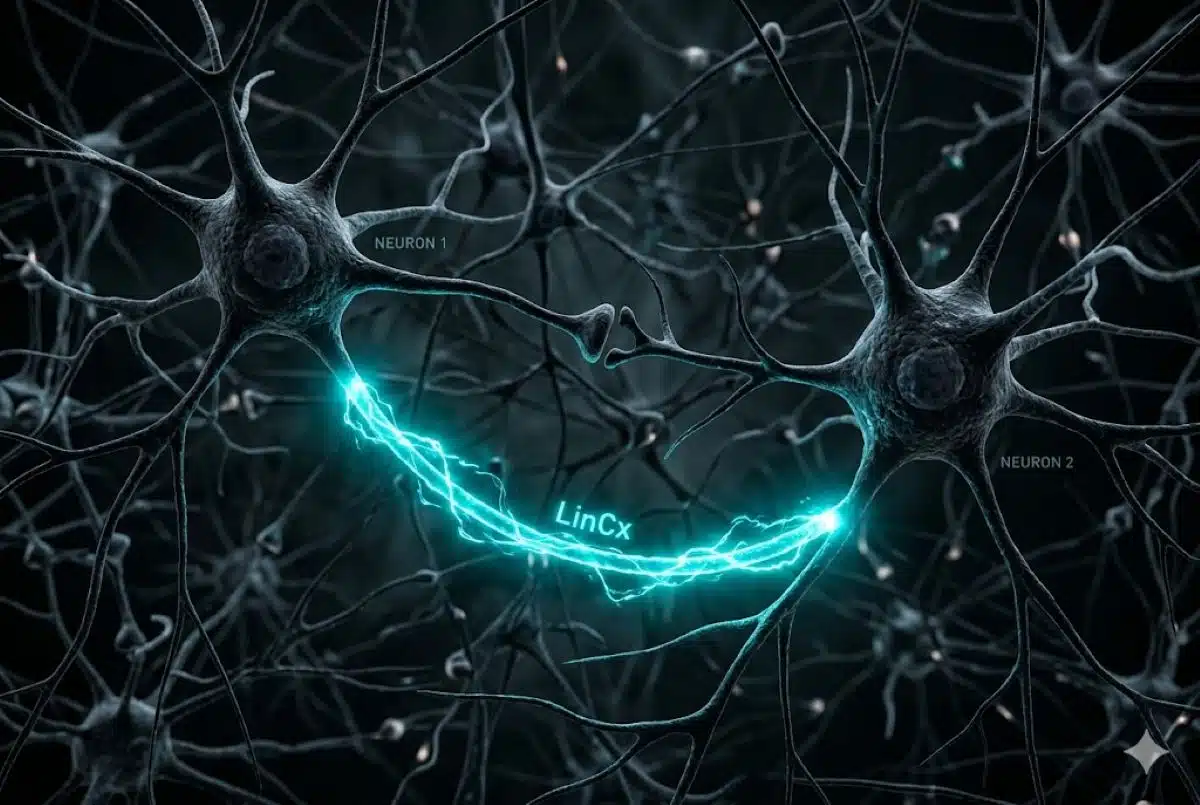
Neural Hotwire: How Biological Synapses Bypass Broken Brain Links
Summary: Researchers developed a groundbreaking technology called LinCx, a custom-built biological “wire” designed to bypass broken or disrupted brain connections.
The study demonstrates a method for creating precise electrical synapses between specific neurons, offering a potential alternative to long-term medication or external brain stimulation for treating neurological disorders.Key Research Findings
- Cellular Precision: Unlike drugs or broad electrical stimulation that affect large populations of cells, LinCx allows for the creation of new electrical connections between carefully chosen, individual neurons.
- The “Bypass” Mechanism: Instead of repairing damaged synapses, the technology installs a new electrical “bypass” between neurons, strengthening communication without modifying existing native connections.
- Protein Engineering: The “wires” are based on engineered proteins from fish that naturally form electrical synapses. These molecules are redesigned to dock only with a specific engineered partner, preventing unintended connections with native brain proteins.
- Behavioral Impact:
- In Mice: Targeted connections strengthened communication within specific circuits, reshaped brain-wide activity, and altered social interactions and stress responses.
- In Worms: The addition of new connections successfully altered temperature-seeking behaviors.
- Closing the Gap: LinCx overcomes the limitations of prior tools—like optogenetics—which often require external stimulation or result in unintended “crosstalk” between cell types.
Source: Duke University
Broken or disrupted circuits in the brain contribute to many neurological disorders. A new custom-built biological “wire” developed at Duke University School of Medicine points the way toward a new treatment approach — bypassing broken brain connections, rather than relying on long-term medication or external stimulation.Researchers led by Kafui Dzirasa, MD, PhD, developed a technology called LinCx that allows scientists to create new electrical connections between carefully chosen neurons. Unlike existing tools that often influence many cells at once, this approach enables selective, long‑lasting changes in how defined brain circuits function.

“By introducing a way to plug in new electrical connections with cellular‑level precision, our study marks a major step forward in the ability to edit brain circuitry and understand how neural networks give rise to behavior,“ said Dzirasa, the A. Eugene and Marie Washington Presidential Distinguished Professor of Psychiatry & Behavioral Sciences, Behavioral Medicine & Neurosciences.
Rather than repairing faulty synapses, the technique installs a new electrical “bypass” between specific neurons, strengthening communication without directly modifying existing connections.
The technology is based on proteins originally found in fish that naturally form electrical synapses. Using protein engineering, the researchers redesigned these molecules so they dock only with a matching engineered partner and not with native brain proteins. Laboratory screening, including a newly developed fluorescence‑based assay, identified pairs with high specificity that reliably passed electrical signals between cells.
In mice, targeted electrical connections strengthened communication within specific circuits, reshaped brain‑wide activity patterns, and produced measurable changes in behavior, including social interaction and stress responses.
The team demonstrated the system’s versatility in both worms and mice. In worms, adding new connections altered temperature‑seeking behavior. In mice, targeted electrical connections strengthened communication within specific circuits, reshaped brain‑wide activity patterns, and produced measurable changes in behavior, including social interaction and stress responses.
“For decades, neuroscience has lacked tools that can precisely control communication between specific cell types,” Dzirasa said.Drugs, electrical stimulation, and optogenetics typically affect broad populations of cells, while prior attempts to use electrical synapses often resulted in unintended connections. LinCx overcomes these limitations and may be able to improve on these tools without requiring external stimulation.
“We will next test whether LinCx is powerful enough to override synaptic deficits induced by lifelong genetic disruptions,” he said.
Other Duke authors: Elizabeth Ransey, Gwenaëlle E. Thomas, Ryan Bowman, Elise Adamson, Kathryn K. Walder-Christensen, Hannah Schwennesen, Caly Ferguson, Stephen D. Mague, Nenad Bursac.
Funding: The Burroughs Wellcome Fund, the Ernest E. Just Life Science Institute, the Hartwell Foundation, Hope for Depression Research Foundation, Howard Hughes Medical Institute, and the National Institutes of Health.
Key Questions Answered:
A: Scientists use protein engineering to create matching molecular “partners.” When these proteins meet at specific neurons, they dock together to form a functional electrical bridge (an electrical synapse) that allows signals to pass directly between the cells.
A: While the study showed changes in social and stress behaviors in mice, the immediate goal is medical: overriding the synaptic deficits caused by genetic disruptions or neurological disorders. The precision of the tool is designed to restore healthy function rather than arbitrarily “edit” traits.
A: It points toward a future where we don’t need external electrodes or hardware. Because LinCx is a purely biological intervention, it could potentially treat broken circuits internally and permanently.Editorial Notes:
- This article was edited by a Neuroscience News editor.
- Journal paper reviewed in full.
- Additional context added by our staff.
About this neurotech research news
Author: Fedor Kossakovski
Source: Duke University
Contact: Fedor Kossakovski – Duke University
Image: The image is credited to Neuroscience News
Original Research: Open access.
“Long-term editing of brain circuits using an engineered electrical synapse” by Elizabeth Ransey, Gwenaëlle E. Thomas, Elias M. Wisdom, Agustin Almoril-Porras, Ryan Bowman, Elise Adamson, Kathryn K. Walder-Christensen, Jesse A. White, Dalton N. Hughes, Hannah Schwennesen, Caly Ferguson, Kay M. Tye, Stephen D. Mague, Longgang Niu, Zhao-Wen Wang, Daniel Colón-Ramos, Rainbo Hultman, Nenad Bursac & Kafui Dzirasa. Nature
DOI:10.1038/s41586-026-10501-y
Thursday, April 9, 2026
REEV Launches Neuro-Integration Program with Leading Stroke Rehabilitation Centers
Plateau is a failure of your doctors and therapists, not you. Don't allow that word to be uttered in your presence. I would start screaming at them asking how long they have known of these plateaus and done nothing. You can't let incompetence interfere with your recovery, although you are screwed, but if your doctors and therapists start right now they might have solutions for your children and grandchildren's stroke. Up to you, let sleeping dogs lie or get stroke solved.
Plateau is not a medical term, it is an insurance term used to discontinue paying for therapy because improvement is so slow.
REEV Launches Neuro-Integration Program with Leading Stroke Rehabilitation Centers
Brooks Rehabilitation, Sheltering Arms Institute, and Good Shepherd Rehabilitation join REEV’s initiative ahead of DREEVEN’s planned 2027 launch.
BOSTON, MA, UNITED STATES, April 8, 2026 /EINPresswire.com/ — REEV LLC announced the launch of its Neuro-Integration Program, a clinical collaboration initiative developed with leading stroke rehabilitation organizations to prepare for the future introduction of DREEVEN, REEV’s intelligent robotic knee brace. Brooks Rehabilitation (Jacksonville, FL), Sheltering Arms Institute (Richmond, VA), and Good Shepherd Rehabilitation (Allentown, PA) are the first organizations to join the program.
Launched in January 2026, the Neuro-Integration Program was established to address a persistent gap in stroke recovery. Many stroke survivors reach a recovery plateau and have limited options for improving mobility and independence in daily life. This program supports rehabilitation organizations that are actively working to improve long-term mobility outcomes for this population. REEV is establishing the clinical and operational foundations needed to help ensure that DREEVEN, an intelligent, AI-powered robotic knee-ankle-foot orthosis, reaches the patients who may benefit from it most once the device becomes available.
Through the program, participating clinics are incorporating REEV SENSE into their work with post-stroke patients. The FDA-cleared, HIPAA-compliant gait analysis system provides objective gait data that can support clinical decision-making and help clinicians identify individuals who may benefit from DREEVEN once it receives FDA clearance. In a clinical validation study at MIT, REEV SENSE demonstrated 95% average precision compared to motion capture laboratory standards.
Amaury Ciurana, CEO of REEV, said the Neuro-Integration Program reflects a shared commitment to thoughtful clinical adoption:
“We are proud to work alongside leading neuro-rehabilitation teams with a shared focus on improving gait and quality of life after stroke. These organizations are taking an early, thoughtful approach to how new mobility technologies can be integrated into stroke rehabilitation. Results from early investigational studies at Boston University and patient feedback have been promising. We look forward to introducing DREEVEN to the patients who can benefit from it the most.”
To support the clinical development and implementation work behind the Neuro-Integration Program, REEV has appointed Lou Awad, PT, DPT, PhD, as Head of Clinical Affairs. Dr. Awad is a physical therapist, rehabilitation scientist, and the founding director of the Neuromotor Recovery Laboratory at Boston University. His work has focused on the development and clinical translation of rehabilitation technologies for stroke and neurological gait disorders. In this role, Dr. Awad helps ensure that REEV’s technologies are grounded in clinical evidence and practical for therapists and patients.
“The Neuro-Integration Program is a critical initiative that recognizes the importance of bringing together clinicians, patients, researchers, and device developers early in a technology’s life cycle. How else can a company advance a prescription medical device that clinicians will actually prescribe, patients will actually use, and payors will actually reimburse?” said Dr. Awad.
Learn more about the Neuro-Integration Program
DREEVEN is an intelligent, prescription-based robotic knee-ankle-foot-orthosis designed to improve gait mechanics and daily mobility in individuals with chronic lower limb impairment due to stroke. The device is currently in clinical trials and expected to launch in early 2027. The goal of the Neuro-Integration Program is to build a clinical network that helps ensure DREEVEN can reach the patients who may benefit from it most.
DREEVEN is an investigational device that has not been cleared or approved for commercial sale in the United States.
REEV LLC is a medical technology company with offices in Toulouse, France, and Boston, Massachusetts. Its mission is to reinvent mobility care for millions of people facing physical limitations due to aging, neurological conditions, or orthopedic disorders through intelligent, lightweight wearable robotics. REEV’s technology portfolio includes REEV SENSE, a HIPAA-compliant, FDA-cleared gait analysis system, and DREEVEN, a prescription-based, intelligent robotic knee brace, currently in clinical trials.
Megan Hoogmoed, Chief of Staff
REEV LLC
Megan.hoogmoed@reev.care
Tuesday, February 3, 2026
Targeting the 'good' arm after stroke leads to better motor skills
Known for over a decade; WHY THE FUCK ARE THERE NO PROTOCOLS ON THIS?
good side therapy
(25 posts to December 2012)
Do you prefer your doctor, hospital and board of director's incompetence NOT KNOWING? OR NOT DOING? Your choice; let them be incompetent or demand action!
You better start swearing up and down at your incompetent? stroke medical 'professionals'! Nothing will change until you absolutely humiliate them for incompetence! You do want your children and grandchildren to easily recover from their strokes, right? I take no prisoners in trying to get stroke solved, and that will require firing a lot of dead wood in stroke!
Targeting the 'good' arm after stroke leads to better motor skills
THERSHEY, Pa. — Traditional stroke rehabilitation therapy focuses on restoring strength and movement to the more impaired side of the body, but a new randomized clinical trial has revealed that targeted therapy for the less-impaired arm significantly improved movement and control for stroke survivors. The trial, led by researchers from Penn State and the University of Southern California (USC), compared the new approach to the standard best-practice therapy currently in use. The team said the findings, published today (Feb. 2) in JAMA Neurology, demonstrate that motor skills in the less-affected arm can be improved even years after a stroke occurs and could meaningfully enhance quality of life.
“When we train the less-impaired arm, the individuals got better,” said Candice Maenza, project manager for the Neurorehabilitation Research Laboratory at the Penn State College of Medicine and first author of the study. “This could improve quality of life and reduce the burden of care for caregivers because stroke survivors with severe paralysis on one side rely on this arm for daily tasks like eating or dressing.”
A stroke — when there is an interruption of blood flow to the brain, either due to a blockage or burst blood vessel — can damage parts of the brain that control movement and disrupt communication between the brain and muscles, leading to paralysis, weakness or muscle spasticity that is often focused on one side of the body. Traditional physical rehabilitation focuses on the more impaired side of the body because the lack of strength and movement are so obvious that the arm on the other side of the body may retain function that appears normal, according to study co-author Robert Sainburg, Dorothy F. and J. Lloyd Huck Distinguished Chair in Kinesiology and Neurology at Penn State. Despite the appearance, though, Sainburg said the less-impaired side of the body often loses significant function, resulting in slow and poorly coordinated movements. That’s a challenge when that arm needs to compensate for the reduced ability of the more impaired arm.
“This could improve quality of life and reduce the burden of care for caregivers because stroke survivors with severe paralysis on one side rely on this arm for daily tasks like eating or dressing.”
“You’re already doing things mostly with one hand and that’s really hard in itself,” Sainburg said. “Now, the effect of the stroke on the less-impaired arm has added an additional deficit on top of that, say a 10-to-25% loss of motor coordination in the hand that has the most function. That’s a big deal in terms of what tasks you can perform for yourself and what tasks require assistance.”
Over the last three decades, however, Sainburg and his colleagues have discovered and demonstrated multiple ways that both sides of the brain contribute to movement, including planning and coordinating movement or correcting movement when an unexpected event occurs. Each side of the brain coordinates different aspects of movement, so an injury on one side of the brain will cause motor deficits in both hands.
While there has been considerable work to understand the performance and deficits of the so-called “bad” arm after stroke rehabilitation, there is no evidence-based intervention that has been shown to benefit the so-called “good” arm, according to the researchers. The research team wanted to know if targeted training of the less-impaired arm could lead to sustained improvements in motor performance in chronic stroke survivors with severe weakness or paralysis on one side of the body.
“This is the first project to use a rigorous randomized clinical trial design to investigate the use of ipsilesional limb training — training the less-impaired arm — in chronic stroke survivors with severe paresis,” said Carolee Winstein, professor emerita and adjunct faculty in biokinesiology and physical therapy at the USC and co-principal investigator of the study.
Conducted at Penn State and USC, the phase II randomized clinical trial builds on a prior pilot study by Sainburg and Maenza. Fifty-three people participated in the trial who were chronic stroke survivors and had experienced stroke at least three months prior and with some having had a stroke many years earlier. At the time of the study, they all had severe impairment in one arm, meaning that they couldn’t grasp and release with their “bad” hand and relied on their “good” hand for daily living tasks.
Participants were randomly assigned to either the treatment or control group and received rehabilitation therapy three times a week for five weeks. All participants were assessed before the start and end of the trial and at three weeks and six months after the end of the trial.
Twenty-five participants received targeted therapy for the less-impaired arm. This included dexterity training focused on real-world activities as well as virtual reality games. Individuals who had experienced a stroke on the left side of their brain performed a shuffleboard-like game where they reached quickly to strike a virtual puck. This activity relied on the brain’s ability to plan and coordinate movement, which is typically impaired after a left-hemisphere brain injury. Those who had experienced a stroke on the right side of their brain played a tracing game where they moved a cursor through various shapes, which required continuous adjustments. That type of precision movement is typically impaired after a right-hemisphere brain injury.
Twenty-eight participants were assigned to the control group and received standard, best-practice therapy for the more-impaired arm. This included warm-up stretching, therapeutic exercises and task-specific practice such as reaching for specific objects.
“What we're doing is remediation that was never done before,” Sainburg said. “We're changing the function of the less-impaired hand so that their activities of daily living can be more efficient.”
Sainburg explained that standard best-practice therapy does involve the less-impaired hand, but typically it is merely to compensate for the loss of use of the other hand during activities of daily living rather than restoring its previous capacity as much as possible.
At the end of the trial period, participants who received targeted training for the less-impaired arm demonstrated significant improvements in arm motor function compared to the control group. They completed a standard dexterity test — that includes tasks like picking up small objects, flipping cards and simulated feeding — 12% or nearly six seconds faster than when they started.
“Stroke patients might have been able to do things like fasten a button, but it took so much time to do it that it wasn't worth it to do it independently. By getting a little bit faster, it makes them want to try to do it by themselves,” Maenza said. “This can be life changing not just for the patient but also for their spouse or caregiver because the burden of care is reduced.”
These improvements persisted for at least six months after the therapy ended. The durability of the results may come from the snowball effect, according to Sainburg.
“The targeted intervention puts patients on what therapists call a virtuous cycle,” Sainburg said. “Once you get a little bit of function, you use it and things continue to improve.”
The researchers plan to continue to investigate how this type of targeted training could be combined with existing therapies and rehabilitation protocols to support everyday function.
“Our results open the door to further research directions such as multi-modal approaches where you combine ipsilesional limb training, as was done here, with training that targets both arms, where each side is controlled in unique ways by the nervous system,” Winstein said.
Other Penn State authors on the paper include Terrence Murphy, professor of public health sciences, and Nick Kitchen, postdoctoral scholar in neurology. Other authors on the paper include Jennifer Tanaka, physical therapist, USC; Jisung Yuk, research associate, Case Western Reserve University School of Medicine; and Rini Varghese, postdoctoral researcher, Johns Hopkins School of Medicine.
Funding from the National Institutes of Health’s Eunice Kennedy Shriver National Institute of Child Health and Human Development supported this work.
At Penn State, researchers are solving real problems that impact the health, safety and quality of life of people across the commonwealth, the nation and around the world.
For decades, federal support for research has fueled innovation that makes our country safer, our industries more competitive and our economy stronger. Recent federal funding cuts threaten this progress.
Learn more about the implications of federal funding cuts to our future at Research or Regress.