Are they in your diet protocol at the hospital? NO? So, INCOMPETENCE REIGNS! Do something about it! Like replacing the incompetent board of directors!
Want to live longer? Experts say these 9 superfoods belong on your plate
The secret to aging well might already be in your kitchen.
What we eat has a powerful influence on how we age. The right nutrients can boost energy, protect against chronic disease, and keep our bodies and minds strong. There’s no single “longevity diet,” but some foods are rich in compounds that support cellular health and help slow the effects of aging. With expert insights from dietitians, we’re highlighting nine superfoods that may help you add more healthy years to your life.
Meet the Experts
- Lena Bakovic, MS, RDN, CNSC, registered dietitian nutritionist
- Trista K. Best, MPH, RD, LD, registered dietitian
- Dru Rosales, MS, RD, LD, registered dietitian
How Superfoods Support Longevity
Celebrated for packing a powerful nutrient punch in every bite, superfoods are a smart way to upgrade your diet with disease-fighting compounds. These foods deliver a variety of essential vitamins, minerals, and antioxidants that help maintain energy, strength, and overall well-being as we age. “While there is no recognized definition of a superfood, most foods earn that title thanks to their antioxidant content, disease risk reduction potential, fatty acid profile, and/or high fiber content,” explains registered dietitian Dru Rosales, MS, RD, LD. “All of these benefits can lead to improved overall health, which becomes even more important as we get older and more susceptible to disease.”
01 of 09
Kimchi
Aside from its high probiotic content, kimchi also contains antioxidants, fiber, and a mix of key nutrients like vitamins A and C, plus minerals such as iron and potassium. The probiotics help support a healthy gut microbiome, which registered dietitian nutritionist Lena Bakovic, MS, RDN, CNSC, says plays a big role in reducing inflammation, strengthening immunity, and even influencing mood. “Furthermore, the antioxidants and vitamins A and C in kimchi help to contest oxidative stress, supporting the prevention of chronic diseases, and thus potentially contributing to longevity,” she adds. To preserve those beneficial probiotics, enjoy kimchi in its raw fermented form, as a zesty side, sandwich topper, or even tossed into salads.
02 of 09
Turmeric Powder
Blueberries
Avocado
Spinach
Kale
Kale earns its superfood status thanks to an impressive lineup of essential nutrients that help protect cells from oxidative stress and maintain vital body functions. “Vitamins A, C, and K contribute to immune health, collagen synthesis, and bone strength—key factors in preventing age-related decline,” says registered dietitian Trista K. Best, MPH, RD, LD. Kale also delivers manganese, a mineral that supports metabolism and antioxidant defenses, along with moderate amounts of calcium, potassium, and magnesium, all crucial for heart health, muscle function, and maintaining bone density as we age.
Related: Which Is Healthier, Kale or Spinach? Nutrition Experts Settle the Debate
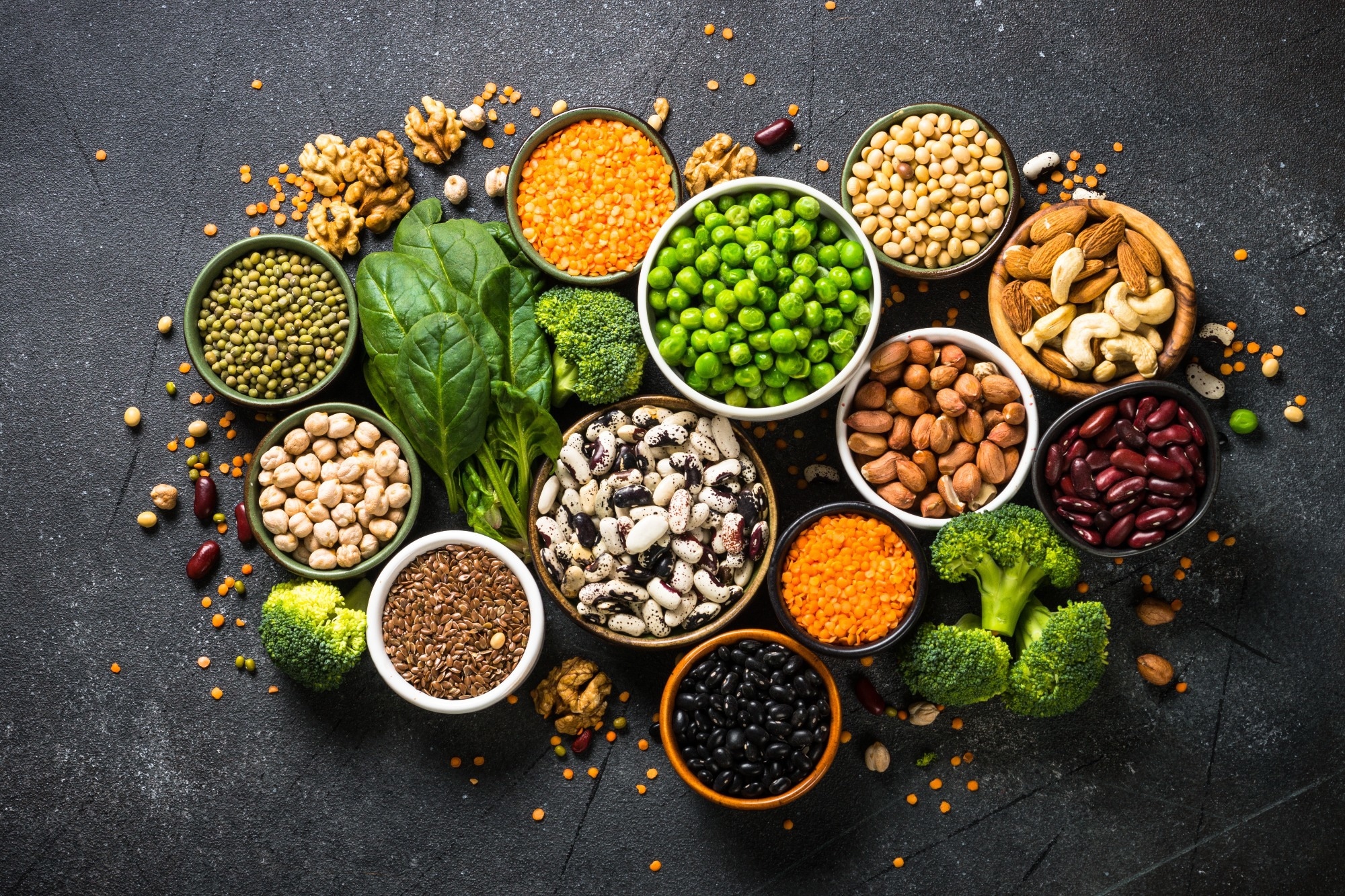
Lentils
Lentils‘ impressive nutrient profile includes folate, iron, and key minerals like magnesium, potassium, and zinc, along with antioxidants and polyphenols, which work together to reduce inflammation, support heart health, maintain muscle mass, and lower the risk of chronic diseases. “The high fiber content helps lower cholesterol and stabilize blood sugar, while the plant-based protein aids muscle preservation as we age,” says Best. She also notes that folate and iron are essential for maintaining healthy blood and energy levels, reducing fatigue, and supporting cognitive function. “Antioxidants and minerals like magnesium and zinc help combat inflammation and oxidative stress, both of which contribute to age-related decline.”
For the best results, try soaking lentils before cooking, which reduces cooking time and enhances nutrient absorption. “Avoid overcooking, which can break down some nutrients and reduce texture and flavor,” Best advises.




 Once used by Ancient Aztec warriors, this tiny seed packs a super
health punch. Incorporating chia seeds into your diet is an easy way to
manage your cholesterol levels. Chia seeds help
Once used by Ancient Aztec warriors, this tiny seed packs a super
health punch. Incorporating chia seeds into your diet is an easy way to
manage your cholesterol levels. Chia seeds help 
 An excellent alternative to red meat and poultry,
  We all have heard how great coconut oil is for hair, skin, and nails,
but a beautiful outside starts with a beautiful inside. Coconut oil
really does all that! If you have been looking for oil that can
We all have heard how great coconut oil is for hair, skin, and nails,
but a beautiful outside starts with a beautiful inside. Coconut oil
really does all that! If you have been looking for oil that can 
 Oh, broccoli, every child’s worst nightmare. Hopefully, at this point
in life, you have expanded your palette because broccoli is not only
delicious, it’s great for your heart. Broccoli is an excellent source of
vitamin K. It prevents the hardening of your arteries.
Oh, broccoli, every child’s worst nightmare. Hopefully, at this point
in life, you have expanded your palette because broccoli is not only
delicious, it’s great for your heart. Broccoli is an excellent source of
vitamin K. It prevents the hardening of your arteries.  You don’t have to do the cinnamon challenge that swept the Internet
to get the nutritional benefits from this simple spice. Just one
teaspoon added to your daily coffee, oatmeal, smoothie, or cereal along
with a healthy diet and exercise plan could reduce your cholesterol
levels. Cinnamon also increases blood circulation, which ultimately
prevents blood clots that lead to heart attack. Just a dash of cinnamon
can provide you with the
You don’t have to do the cinnamon challenge that swept the Internet
to get the nutritional benefits from this simple spice. Just one
teaspoon added to your daily coffee, oatmeal, smoothie, or cereal along
with a healthy diet and exercise plan could reduce your cholesterol
levels. Cinnamon also increases blood circulation, which ultimately
prevents blood clots that lead to heart attack. Just a dash of cinnamon
can provide you with the  Asparagus is often known as the vegetable that
makes your urine smell funny. The good news is, only you can smell that
strange smell when you urinate after eating asparagus. There is no bad
news about asparagus; it is all positive! Since asparagus is rich in
folate and other B vitamins, it helps to regulate and lower homocysteine
levels in the body.
Asparagus is often known as the vegetable that
makes your urine smell funny. The good news is, only you can smell that
strange smell when you urinate after eating asparagus. There is no bad
news about asparagus; it is all positive! Since asparagus is rich in
folate and other B vitamins, it helps to regulate and lower homocysteine
levels in the body.  Don’t be put off by the bright, natural color of Turmeric because it is jam-packed with heart-healthy benefits. The
  Hot on the scene in the produce section is the humble persimmon.
Native to China the persimmon has a soft, fibrous texture and a light
but tangy taste.
Hot on the scene in the produce section is the humble persimmon.
Native to China the persimmon has a soft, fibrous texture and a light
but tangy taste.  Spirulina is an algae-based supplement loaded with vitamins and
nutrients your body needs. Phycocyanin, the compound that gives
spirulina its pigmentation, has
Spirulina is an algae-based supplement loaded with vitamins and
nutrients your body needs. Phycocyanin, the compound that gives
spirulina its pigmentation, has