Changing stroke rehab and research worldwide now.Time is Brain! trillions and trillions of neurons that DIE each day because there are NO effective hyperacute therapies besides tPA(only 12% effective). I have 523 posts on hyperacute therapy, enough for researchers to spend decades proving them out. These are my personal ideas and blog on stroke rehabilitation and stroke research. Do not attempt any of these without checking with your medical provider. Unless you join me in agitating, when you need these therapies they won't be there.

What this blog is for:

My blog is not to help survivors recover, it is to have the 10 million yearly stroke survivors light fires underneath their doctors, stroke hospitals and stroke researchers to get stroke solved. 100% recovery. The stroke medical world is completely failing at that goal, they don't even have it as a goal. Shortly after getting out of the hospital and getting NO information on the process or protocols of stroke rehabilitation and recovery I started searching on the internet and found that no other survivor received useful information. This is an attempt to cover all stroke rehabilitation information that should be readily available to survivors so they can talk with informed knowledge to their medical staff. It lays out what needs to be done to get stroke survivors closer to 100% recovery. It's quite disgusting that this information is not available from every stroke association and doctors group.

Showing posts with label resveratrol. Show all posts

Wednesday, August 5, 2026

Review finds blueberry and grape polyphenols may improve vascular health

 If your competent? doctor waited this long before including these in your diet protocol! THAT IS PURE INCOMPETENCE!

Why hasn't that doctor been fired yet? With NO protocol and not following research what is keeping them employed?

Review finds blueberry and grape polyphenols may improve vascular health

From endothelial function to blood pressure, the review maps where blueberry and grape bioactives show promise and where the clinical evidence still falls short.
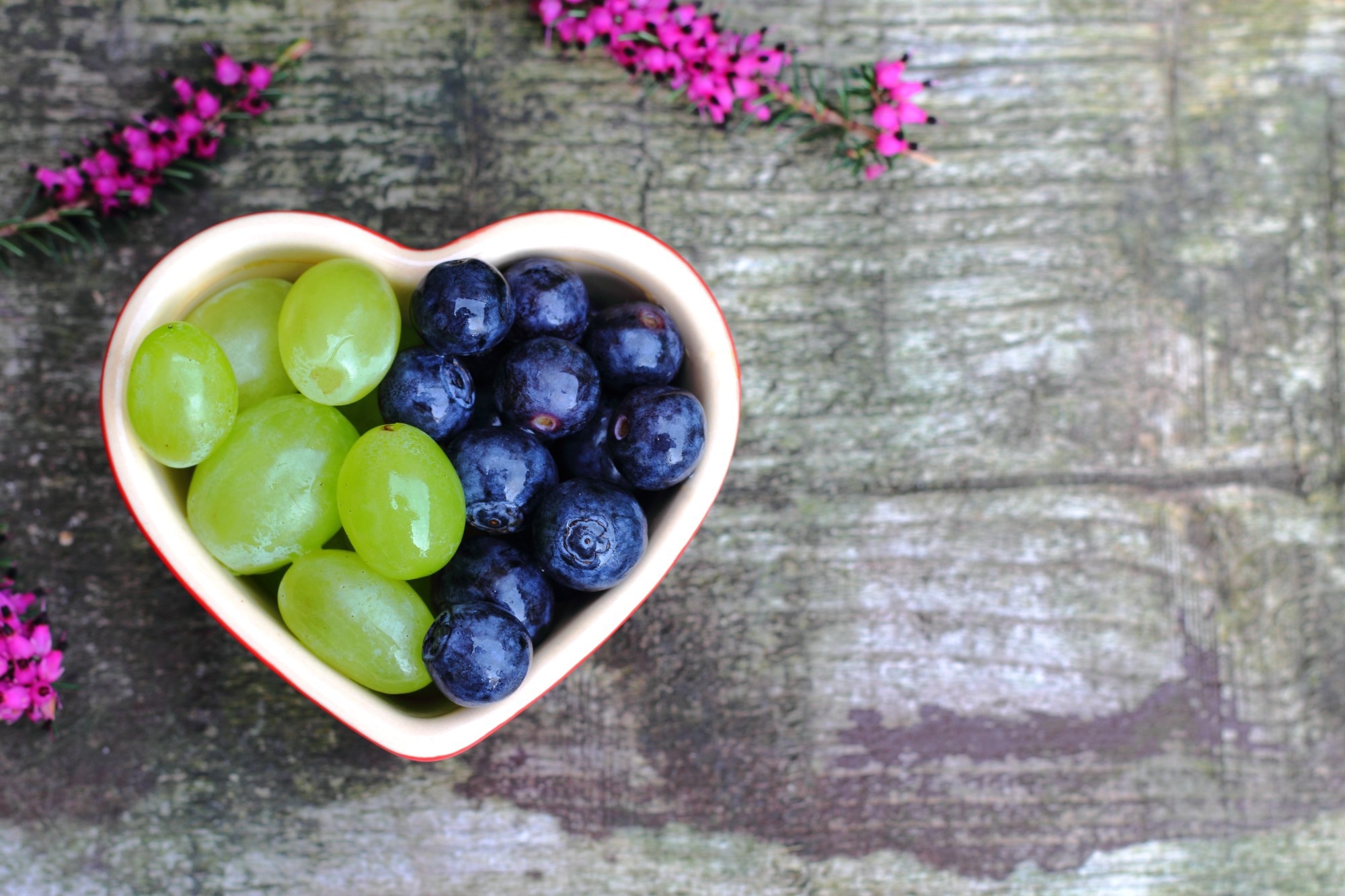
Study: Polyphenols and Cardiovascular Health: Emerging Relevance for Blueberries, Grapes, and Red-Fleshed Table Grapes. Image Credit: Den Debono / Shutterstock

Study: Polyphenols and Cardiovascular Health: Emerging Relevance for Blueberries, Grapes, and Red-Fleshed Table Grapes. Image Credit: Den Debono / Shutterstock

A recent review published in the journal Nutrients examined the evidence on the effects of blueberries, grapes, and their bioactive compounds on cardiovascular risk markers.

Cardiovascular disease (CVD) is among the most prevalent noncommunicable diseases and a leading cause of mortality in Europe. The paper reports that CVD accounts for more than 60 million potential years of life lost in Europe. Diet is increasingly recognized as a modifiable risk factor for CVD, and dietary bioactive compounds have attracted attention for their potential role in cardiovascular prevention and risk management. Several fruits, including grapes, have been investigated for their potential cardioprotective effects.

Berries and grapes contain a wide range of polyphenolic bioactive compounds, including resveratrol, flavonoids, and anthocyanins, with anti-inflammatory, antioxidant, and potentially cardioprotective biological effects. Experimental evidence indicates that grape polyphenols may influence processes implicated in CVD by reducing platelet aggregation and low-density lipoprotein (LDL) oxidation, suppressing inflammation, and improving endothelial function.

Evidence also suggests that gut microbiota metabolize polyphenols, especially anthocyanins, into bioactive metabolites that influence cardiovascular function. Resveratrol, abundant in the skin of dark grapes, is reported to modulate cardiac remodeling, exert antioxidant and anti-inflammatory actions, and enhance mitochondrial biogenesis. It may also reduce oxidative stress in heart tissues by regulating oxidation-inducing proteins.

The study and findings

In the present study, researchers reviewed evidence on the effects of blueberries, grapes, and their bioactive compounds on cardiovascular health. First, a comprehensive systematic literature search was conducted in PubMed to identify randomized controlled trials (RCTs), systematic reviews, and meta-analyses published from January 2015 through April 2026. Secondary searches of ScienceDirect and Semantic Scholar sought additional publications, including mechanistic evidence.

Studies were eligible for inclusion if they included interventions involving grapes, blueberries, or red-fleshed table grapes, focused on key bioactive compounds present in grapes or blueberries, and measured cardiovascular outcomes, such as endothelial function, platelet aggregation, LDL oxidation, inflammatory biomarkers, or blood pressure (BP). Studies focused solely on in vitro or animal models were excluded from the clinical synthesis, except when they provided relevant mechanistic evidence. Studies involving multiple interventions or mixed polyphenol supplements were excluded.

Validated appraisal tools, including the Jadad scale and A Measurement Tool to Assess Systematic Reviews 2 (AMSTAR-2), were used to assess study quality. In total, 37 publications, including 20 RCTs and 17 systematic reviews and meta-analyses, were included. Two systematic reviews and meta-analyses were of high quality; one reported that grape polyphenols at doses exceeding 500 mg/day for at least 12 weeks significantly reduced C-reactive protein levels, while the other reported improvements in vascular function or BP in 84% of the human studies it assessed, including a significant reduction in systolic BP.

Further, two other systematic reviews and meta-analyses of moderate quality reported cardiovascular benefits. One found a modest reduction in BP and improvement in endothelial function with flavan-3-ol foods, such as tea, apples, cocoa, and grape-derived products. The other study reported that consuming whole-grape products was associated with significant decreases in systolic BP. The remaining systematic reviews and meta-analyses were of low or critically low quality.

The RCT evidence was generally based on small, short-term studies, and interventions focused mainly on polyphenols and resveratrol. Seventeen RCTs were of moderate or high quality, while three were of low quality; more rigorous methodological designs were associated with more consistent lipid and vascular effects. Nine RCTs focused on grape pomace, whole grapes, red grape cell powder, or grape seed extracts, and generally reported favorable effects on cardiovascular risk markers.

Moderate- and high-quality RCTs reported improvements in lipid peroxidation, lipid profiles, flow-mediated dilation, diastolic BP, and paraoxonase activity. These lipid changes were often accompanied by reductions in markers of endothelial dysfunction and oxidative stress, especially in populations with metabolic risk or hypercholesterolemia. For instance, a low-quality RCT found that consuming 500 g of whole red grapes daily for eight weeks was associated with decreases in total cholesterol and LDL cholesterol in hypercholesterolemic adults.

Resveratrol and blueberry RCTs mainly reported endothelial and vascular benefits, such as improved nitric oxide production and flow-mediated dilation and reduced BP and inflammatory markers, but had limited effects on lipid endpoints. One high-quality RCT involving 115 older men with metabolic syndrome showed significant improvements in arterial stiffness and endothelial function after six months of daily blueberry consumption. The observed changes produced effect sizes that the investigators considered predictive of a possible 12% to 15% reduction in CVD risk; however, the trial did not measure cardiovascular events.

The review also discussed compositional analyses of newly developed red-fleshed table-grape hybrids, which generally contained more phenolic compounds and anthocyanins than standard comparator grapes. Nevertheless, no human RCTs tested the newly developed red-fleshed table-grape varieties, whose potential benefits were inferred from compositional data and evidence involving other grapes, berries, and bioactive compounds. Comparisons across grape varieties should be interpreted cautiously because analytical methods, extraction protocols, reporting units, and seasonal conditions varied.

Conclusions

In sum, current evidence suggests that polyphenols derived from berries and grapes may produce modest, reasonably consistent improvements in cardiovascular risk markers, particularly endothelial function. However, the review did not establish that these changes prevent heart attacks, strokes, or cardiovascular death. Increasing awareness of the potential effects of consuming dark-fleshed grapes and blueberries could help inform adjunctive strategies to promote cardiovascular health.

Many interventions involved concentrated extracts, powders, supplements, or red wine rather than whole fresh fruit, limiting direct translation to habitual diets. Alcohol content and concurrent medication use may also have influenced some findings. The authors also acknowledged that AMSTAR-2 and Jadad are appraisal guides rather than definitive measures of study quality. Nevertheless, larger and longer-term RCTs using whole, fresh grapes and blueberries at habitual dietary intakes are needed and should prioritize clinically meaningful cardiovascular endpoints rather than using short-term surrogate markers.

Funding and conflicts of interest

The lead author disclosed that Bloom Fresh International Limited funded her time spent conducting the searches and drafting the manuscript. The company bred and markets the red-fleshed table grapes discussed in the review. This disclosure appears inconsistent with the paper's separate statement that the research received no external funding.

Journal reference:
  • Derbyshire, E. J., Abellán-Alemán, J. A., & Aslam, N. (2026). Polyphenols and Cardiovascular Health: Emerging Relevance for Blueberries, Grapes, and Red-Fleshed Table Grapes. Nutrients, 18(12), 1968. DOI: 10.3390/nu18121968, https://www.mdpi.com/2072-6643/18/12/1968

Wednesday, March 4, 2026

Sending Positive Signals: Could Exercise Mimetics Help Treat Depression?

 Don't let your incompetent? doctor give you this instead of preventing depression the CORRECT WAY OF EXACT 100% RECOVERY PROTOCOLS!

Let's see how long your doctor has known about and working on preventing post stroke depression. I think a decade is plenty of time to come up with the correct solution, at least for those actually trying to solve the problem! Is your competent? doctor trying to solve the problem, or just regurgitating nonsolutions from medical school?

Didn't your competent? doctor prescribe this years ago?

  • 'Exercise-in-a-pill' (7 posts to May 2017)
  • Sending Positive Signals: Could Exercise Mimetics Help Treat Depression?

    University of Ottawa researchers have been studying a concept that might one day allow functionally limited patients with depression to enjoy the mood-boosting benefits of exercise. Their focus is exercise mimetics, which are compounds that appear to reproduce the effects of endurance exercise on skeletal muscle by activating key signaling pathways important for muscle metabolism. 

    photo of Nicholas Fabiano
    Nicholas Fabiano, PhD

    “I saw that there was a discrepancy in how we treated patients with medication and therapy, but we disregarded other treatment measures like exercise, which has a lot of emerging evidence,” lead author Nicholas Fabiano, PhD, a researcher and psychiatry resident at the University of Ottawa, told Medscape News Canada. 

    “With the increasing interest in exercise for depression, it only made sense to look into what’s happening on the muscle-brain level,” he said. 

    The researchers’ findings were published February 19 in Molecular Psychiatry.

    Sending Positive Signals 

    During exercise, muscles contract and release myokines, which mediate communication between the muscles and other organs, including the brain. Low cerebral levels of myokines (eg, brain-derived neurotrophic factor and interleukin-6 and -14) have been associated with impaired quality of life and depression, as well as depression-related inflammation and slowed metabolism. 

    Exercise mimetics include natural substances (eg, omega-3 fatty acids and resveratrol) and synthetic drugs (eg, metformin). The researchers’ theory is that chronic administration of exercise mimetics might cause skeletal muscle fibers to alter their metabolic and contractile activity, thus providing antidepressive benefits like those seen with endurance training. 

    Data are limited, however. In mice, ingesting exercise mimetics appeared to improve depressive-like behaviors, and the observed mechanisms (eg, enhanced muscle-brain axis, amplified signaling across membranes, and increased myokine secretion) resembled those observed in humans, Fabiano explained.

    “There’s not even a whole lot of research at this preclinical level, looking mechanistically in mice or different organisms at what these compounds may do from a mental health perspective,” he said. 

    The same is true of human studies. A systematic review and meta-analysis highlighted a small, randomized controlled trial in which metformin was associated with significant reductions in depressive symptoms in patients with comorbid depression and diabetes at 24-week follow-up. The underlying mechanism is related to metformin’s effect on AMP-activated protein kinase, which regulates metabolism and energy. 

    A second systematic meta-review in heterogeneous populations identified four studies in 226 patients without depression. The findings demonstrated a relationship between resveratrol and nonsignificant mood improvements

    A Future Clinical Role? 

    Each year in Canada, 1 in 10 adults experiences major depression. Various guidelines mention low-to-moderate intensity exercise as a first-line strategy to prevent and treat depression. 

    photo of Guy Faulkner
    Guy Faulkner, PhD

    But biological pathways may not be critical for the observed antidepressant effect of exercise, Guy Faulkner, PhD, endowed chair in applied public health at the University of British Columbia in Vancouver, told Medscape News Canada. Faulkner’s research focuses on the implementation gap between recommendations and practice. 

    “What I think is more important is the process of being physically active, which makes people feel better,” he said. “Essentially, it’s the feelings of competence, autonomy, and relatedness that can be generated through a physical activity intervention and experience. It’s much more than these biological or psychological pathways or mechanisms. That’s not to say they’re not occurring, but they don’t seem to be essential for mental health benefits.” 

    “It’s not an either/or question,” said Johny Bozdarov, MD, staff psychiatrist at the Centre for Addiction and Mental Health and assistant professor of psychiatry at the University of Toronto. Bozdarov’s work focuses on how the effect of exercise on the brain’s networks can be translated into psychiatric care pathways and structure-based exercise interventions for marginalized populations. 

    photo of Johny Bozdarov
    Johny Bozdarov, MD

    “Depression clearly has a biological correlation that research is showing, like inflammation, neuroplasticity, stress hormones, et cetera. But people don’t experience, to our knowledge, depression at the level of cytokines or synapses.” 

    Whether exercise mimetics will have a future role in clinical practice is uncertain. “It’s scientifically compelling and exciting. But without robust human clinical trials, it’s too early to be thinking about it in clinical translation,” said Bozdarov. “I’m wondering, if the evidence comes out, if it could be as an adjunct, potentially with therapeutic interventions, or to get people started as a first step. Maybe they’d experience a boost in energy or muscle to motivate them to engage in exercise programming.” 

    When asked about future applications, Fabiano gave a measured response. “Exercise mimetics will probably have a lower efficacy than exercising itself,” said Fabiano. “I don’t think it completely replaces the whole biopsychosocial part of depression.” 

    “If we could only roll all the benefits of exercise into a pill, it would be prescribed for everyone,” said Faulkner. 

    Fabiano, Faulkner, and Bozdarov reported no relevant financial relationships.

    Wednesday, December 24, 2025

    FDA Clears Phase 2a Clinical Trial to Test JOTROL in Patients With Parkinson Disease

     Your incompetent? doctor better be completely up-to-date on this because of your risk of Parkinsons post stroke. Unless of course, s/he HAS EXACT PREVENTION PROTOCOLS!

    Do you prefer your doctor, hospital and board of director's incompetence NOT KNOWING? OR NOT DOING? Your choice; let them be incompetent or demand action!

    Don't even think of self medicating resveratrol with red wine.

    FDA Clears Phase 2a Clinical Trial to Test JOTROL in Patients With Parkinson Disease


    Key Takeaways

     JOTROL, a resveratrol-based treatment, targets neuroinflammation and mitochondrial dysfunction in Parkinson's Disease, showing enhanced bioavailability and safety in phase 1 trials. The phase 2a trial will evaluate JOTROL's safety, tolerability, and pharmacokinetics/pharmacodynamics in Parkinson's patients, building on favorable phase 1 results. Jupiter Neurosciences advances Parkinson treatment with FDA clearance for JOTROL's phase 2a trial, showcasing promising safety and bioavailability results. According to a recent announcement from Jupiter Neurosciences, Inc., the FDA has cleared the company’s investigational New Drug (IND) application to initiate a phase 2a clinical trial of JOTROL ™ in patients with Parkinson Disease (PD). JOTROL, an investigational treatment, is a patented resveratrol-based therapeutic platform targeting neuroinflammation and mitochondrial dysfunction. “This IND clearance from the FDA is an important step forward for Jupiter and the Parkinson’s community,” said Christer Rosén, Chairman and CEO of Jupiter Neurosciences, said in a statement.1 “JOTROL’s unique formulation has demonstrated strong safety and bioavailability data in Phase 1 and preclinical evidence suggests neuroprotective benefits that may translate into disease-modifying potential in Parkinson. We are proud to advance this innovative program and are now one step closer to initiating patient dosing.” The impending phase 2a trial is designed to evaluate the safety and tolerability of JOTROL in patients with PD, with secondary and exploratory endpoints to assess pharmacokinetics/pharmacodynamics (PK/PD) of the drug. The Phase 2a evaluation comes after a phase 1 trial that provided favorable drug absorption results, namely JOTROL’s 9 times greater bioavailability when compared to resveratrol used in earlier clinical trials. According to the company, the findings of that phase 1 study will be cross-referenced in all upcoming JOTROL trials. Senior author Marshall Hayward, PhD, director and chief scientific officer at Jupiter Neurosciences, Inc., and his colleagues conducted the phase 1 study of JOTROL. The trial was a first-in-human (FIH) study that evaluated the drug’s bioavailability following ascending oral doses up to 700 mg. After a single 500-mg dose, researchers reported a maximum concentration (Cmax) of 455 ng/mL, compared with 85 ng/mL following a 1-g encapsulated dose (Turner et al., Neurology 2015), and a Cmax of 1942 ng/mL after a 2.5-g micronized dose (Howells et al., Cancer Prev Res 2011). Increases area under the curve (AUC) and Cmax were found to be greater than dose-proportional, suggesting enhanced absorption with JOTROL. 

    READ MORE  

    Apomorphine Sublingual Film Displays Efficacy in Elderly Patients with Parkinson Disease 

    “Based on the power model analysis, the resveratrol exposures (AUC and Cmax) increased with increasing dose; however, this increase appeared to be higher than dose-proportional for AUC 0-t and Cmax,” study authors noted.2 “There is a 1.4- to 21-fold increase in the Cmax with JOTROL, with a concomitant decrease in the amount of dose-related material in the gut. What is also seen is a high amount of variability among different dose forms and within and between studies. A standardized highly bioavailable and well-tolerated dose form is needed for further clinical development, but based on the results of this study, the product development of JOTROLTM is a major step in that direction.” Prior to phase 1, preclinical studies using the MPTP model of PD demonstrated that JOTROL improved key motor function endpoints such as rotarod performance and grip strength, consistent with neuroprotective effects. According to Jupiter, the company’s proprietary micellar delivery system enables JOTROL to achieve more than 9-fold higher bioavailability than traditional resveratrol, while avoiding the gastrointestinal side effects that have historically limited the compound’s therapeutic utility. JOTROL is a micellar 10% resveratrol solubilization formulation that is thought to increase bioavailability of resveratrol via lymphatic system absorption. Jupiter Neurosciences is pursuing the use of resveratrol in mucopolysaccharidosis type 1 (MPS 1), Friedreich ataxia, and Alzheimer disease/mild cognitive impairment.


    Friday, June 20, 2025

    5 Foods with More Resveratrol Than a Glass of Red Wine, According to Dietitians

     Ask your competent? doctor if supplements can provide the same benefits as food or wine.  Doesn't know the answer, I'd be questioning the competence level of your stroke medical 'professionals'!

    You can check out why your doctor should be prescribing resveratrol in these.

    5 Foods with More Resveratrol Than a Glass of Red Wine, According to Dietitians

    These surprising foods provide a serious boost of antioxidants without the risk of a hangover

    Reviewed by Dietitian Kelli McGrane, M.S., RD

    Getty Images. EatingWell design.

    Key Points


        Resveratrol is an antioxidant that’s been linked with benefits for blood pressure, diabetes and weight management.

        Several foods, including grapes, walnuts and blueberries, are a good source of resveratrol.

        For additional nutrients, it’s best to consume resveratrol through foods rather than wine.


    Red wine is often touted for its heart-healthy benefits, which is largely thanks to its high concentration of resveratrol—a polyphenol with potent antioxidant properties. “Studies suggest [resveratrol] may be helpful in lowering blood pressure, promoting weight loss and improving blood sugar levels by boosting insulin production and enhancing insulin’s effectiveness,” says Anne Danahy, MS, RDN. 

    However, you don’t have to drink red wine to reap the benefits of resveratrol. There are several food sources of this potent antioxidant, including nuts and some dark blue or red fruits. “They might not all match red wine gram for gram, but they come packed with antioxidants, fiber and way more nutritional perks—minus the hangover,” says Ghida Arnaout, RD. Here are five foods to buy during your next grocery store run to boost your resveratrol intake.

    1. Grapes


    “Grapes and red wine are among the highest sources of resveratrol,” says Danahy. Specifically, resveratrol is found in high concentrations in the skin of grapes, which is why white and rosé wines contain far less resveratrol than their red wine counterparts. One hundred grams of red wine provides anywhere from 320 to 1535 micrograms (mcg) of resveratrol, while grapes contain 150 to 781 mcg per 100 grams., However, Danahy emphasizes that the amount of resveratrol can vary in foods (including grapes) depending on multiple factors including growing conditions, time of harvest and plant variety. We love adding grapes to chicken salad or enjoying them as a snack with cheese and crackers.

    2. Walnuts


    One of the most surprising sources of resveratrol is walnuts. These heart-healthy nuts are a top source of this antioxidant with a similar amount of resveratrol per 100 grams that’s found in red wine. “Besides resveratrol, walnuts are also notable for having high levels of anti-inflammatory omega-3 fats, along with vitamin E, other polyphenols and prebiotic fiber,” says Danahy. You can enjoy walnuts in a trail mix, on top of oatmeal or other hot cereal or blended into a sauce. 

    3. Blueberries


    Grapes aren’t the only fruit with resveratrol. Blueberries are another top source of the antioxidant, though the amount varies significantly depending on growing conditions, variety and processing. And while not as concentrated in resveratrol as grapes or red wine, blueberries are considered a good source of the antioxidant. They also offer a host of other important nutrients for heart health, including 3.5 grams of fiber per cup. They also contain potassium, vitamin C, vitamin K and several other essential vitamins and minerals. Blueberries are incredibly versatile, working well in smoothies, hot or baked oatmeal, baked goods, jams, sauces and salads. They’re also delicious on their own or as part of a cheese plate. 

    4. Cranberries


    Fresh cranberries aren’t as readily available as other berries, so you may need to venture into the frozen food aisle to stock up on this nutrient-dense fruit. Cranberries are not only rich in antioxidants, including resveratrol, but they also contain a variety of other health-promoting nutrients, like vitamin C and fiber., Like blueberries, the concentration of resveratrol in cranberries can vary significantly depending on growing conditions, variety and processing. Try cranberries in a smoothie, cooked down into a sauce or dried in a trail mix. You can also add cranberries to a dip for a crowd-pleasing appetizer.

    5. Peanuts


        The humble peanut is an unexpected source of resveratrol in the diet. Like other foods, the amount varies depending on growing conditions and processing. Peanuts also contribute protein, fiber and heart-healthy monounsaturated fats., Try peanuts in a trail mix or roasted with extra spices.

    What to Know About Red Wine Consumption


    Resveratrol offers health benefits, but red wine may not be the best choice to up your intake. “While red wine does contain some beneficial compounds like resveratrol, the health risks of alcohol often outweigh the potential perks, especially when it’s not consumed in strict moderation,” says Arnaout. Plus, the health benefits of resveratrol are typically seen when consumed in levels that are difficult to get from food or drinks alone. As Danahy points out, research suggests you need to consume about 1 gram (1,000 mg) per day to get a significant health benefit—an amount that’s virtually impossible to get through foods and beverages. According to one study, you’d need to consume 4.2 liters of red wine daily to reach this amount.

    Ask your competent? doctor how you are supposed to get the necessary resveratrol.

     To get to the research level that mice had in research; 

    According to researchers, this amount of resveratrol equated to the amount found in approximately 1,000 bottles of red wine. (Is that a daily dose of 1000 bottles of wine?)

    Thursday, June 5, 2025

    Resveratrol ameliorates cognitive impairment with improvement of gut microbiota, inflammation, neurogenesis, and synaptic proteins in a mouse model of Gulf War Illness

     You can't do anything with this until your competent? doctor chimes in in 50 years! Certainly not by getting resveratrol from red wine.

    Resveratrol ameliorates cognitive impairment with improvement of gut microbiota, inflammation, neurogenesis, and synaptic proteins in a mouse model of Gulf War Illness

    ,
    https://doi.org/10.1016/j.ejphar.2025.177768
    Get rights and content

    Highlights

    • Resveratrol (RSV) ameliorates cognitive impairment in Gulf War Illness (GWI) mice.
    • RSV modulates gut microbiota and intestinal permeability in GWI mice.
    • RSV reduces systemic inflammation in GWI mice.
    • RSV regulates neuroinflammation, neurogenesis, and synaptic functions in GWI mice.

    Abstract

    The main symptoms of chronic Gulf War illness (GWI) include persistent cognition and mood impairments. Research on animals has corroborated that these cognitive and mood dysfunctions coincide with chronic neuroinflammation, declined neurogenesis, and synaptic integrity in the hippocampus. Furthermore, these neurological changes are linked with systemic inflammation and gut dysbiosis, defined by shifts in gut microbiota composition and increased intestinal permeability. Resveratrol (RSV), known for its neuroprotective properties, is currently being studied in a clinical trial for its potential to ease the symptoms in GWI veterans. Herein, we investigated whether RSV would improve cognitive and mood function in a mouse model of GWI and delved into the underlying mechanisms at play. Five months after exposure to 0.7 mg/kg pyridostigmine bromide (PB) and 200 mg/kg permethrin (PER), a two-week regimen of RSV at doses of 20 or 40 mg/kg alleviated the cognitive deficits observed in the object location and novel object recognition tests. RSV treatment effectively mitigates cognitive disorders through multiple mechanisms: (1) amelioration of gut microbiota dysbiosis and intestinal permeability; (2) downregulation of serum proinflammatory cytokine levels; (3) suppression of chronic neuroinflammation in the hippocampus, evidenced by reduced astrocyte hypertrophy, microglial activation, and neuroinflammatory markers; (4) promotion of hippocampal neurogenesis; and (5) normalization of synaptic protein levels, including PSD95, CaMKIIα. This study provides novel insights into the potential of RSV to alleviate cognitive impairment, alongside the restoration of gut dysbiosis, in veterans suffering from GWI.

    Wednesday, June 4, 2025

    Traumatic brain injury: a review of pathophysiology and therapeutic potential of polyphenols

    At least your competent? doctor has known of polyphenols and has been working on them for years already, right? Oh no, you DON'T HAVE A FUNCTIONING STROKE DOCTOR, DO YOU?

    Traumatic brain injury: a review of pathophysiology and therapeutic potential of polyphenols


    Sanaz Keshavarz Shahbaz Pourya Fathollazadeh Isareza Zare Thozhukat Sathyapalan< Mahvash Sadeghi Sajad Dehnavi Cite this article

    ABSTRACT

    Objectives

    Traumatic brain injury (TBI) is severe and may become debilitating for sufferers as a result of damage to the brain. Defining features include primary trauma, axonal damage, as well as both diffuse and focal lesions. One of the many complex biological responses to TBI are neuroinflammation and oxidative stress which are among the most important.

    Methods 

    In this study, we assess the efficacy of polyphenols compounds on managing TBI, given that they are anti-inflammatory and antioxidant. We focus on recent literature that studies the impact of polyphenols on microglial activation as well as balancing the body’s inflammatory and oxidative responses.

    Results

    Evidence demonstrates the ability of polyphenols to lessen the impact of neuroinflammation, oxidative stress, and augmentation of the brain’s protective mechanisms and antioxidants. This may help prevent the worsening of brain tissue damage that occurs post TBI. Based on these, there is increasing attention on polyphenols as potential treatment alternatives due to their non-invasive nature.

    Discussion

    We enumerated some polyphenols with important therapeutic impacts in TBI such as Curcumin and Resveratrol, Quercetin, Gallic acid, Ferulic acid, Luteolin, and Caffeic acid. Their ability to target multiple damaging processes makes them strong candidates.

    Thursday, January 30, 2025

    The Antidepressant Effect of Resveratrol Is Related to Neuroplasticity Mediated by the ELAVL4-Bdnf mRNA Pathway

     I'm sure your doctor would never approve of using red wine to get resveratrol. So don't even bother asking and enjoy red wine with friends. I do, so far in Italy, France, Spain and Portugal, soon Australia.

    The Antidepressant Effect of Resveratrol Is Related to Neuroplasticity Mediated by the ELAVL4-Bdnf mRNA Pathway

     2, 1, 2,†, 2,* and 1,2,3,*
    1
    Department of Psychiatry, Renmin Hospital of Wuhan University, Wuhan 430060, China
    2
    Department of Psychiatry, Institute of Neuropsychiatry, Renmin Hospital of Wuhan University, Wuhan 430060, China
    3
    Taikang Center for Life and Medical Sciences, Wuhan University, Wuhan 430071, China
    *
    Authors to whom correspondence should be addressed.
    These authors contributed equally to this work as co-first authors.
    Int. J. Mol. Sci. 2025, 26(3), 1113; https://doi.org/10.3390/ijms26031113
    Submission received: 11 December 2024 / Revised: 17 January 2025 / Accepted: 21 January 2025 / Published: 27 January 2025

    Abstract

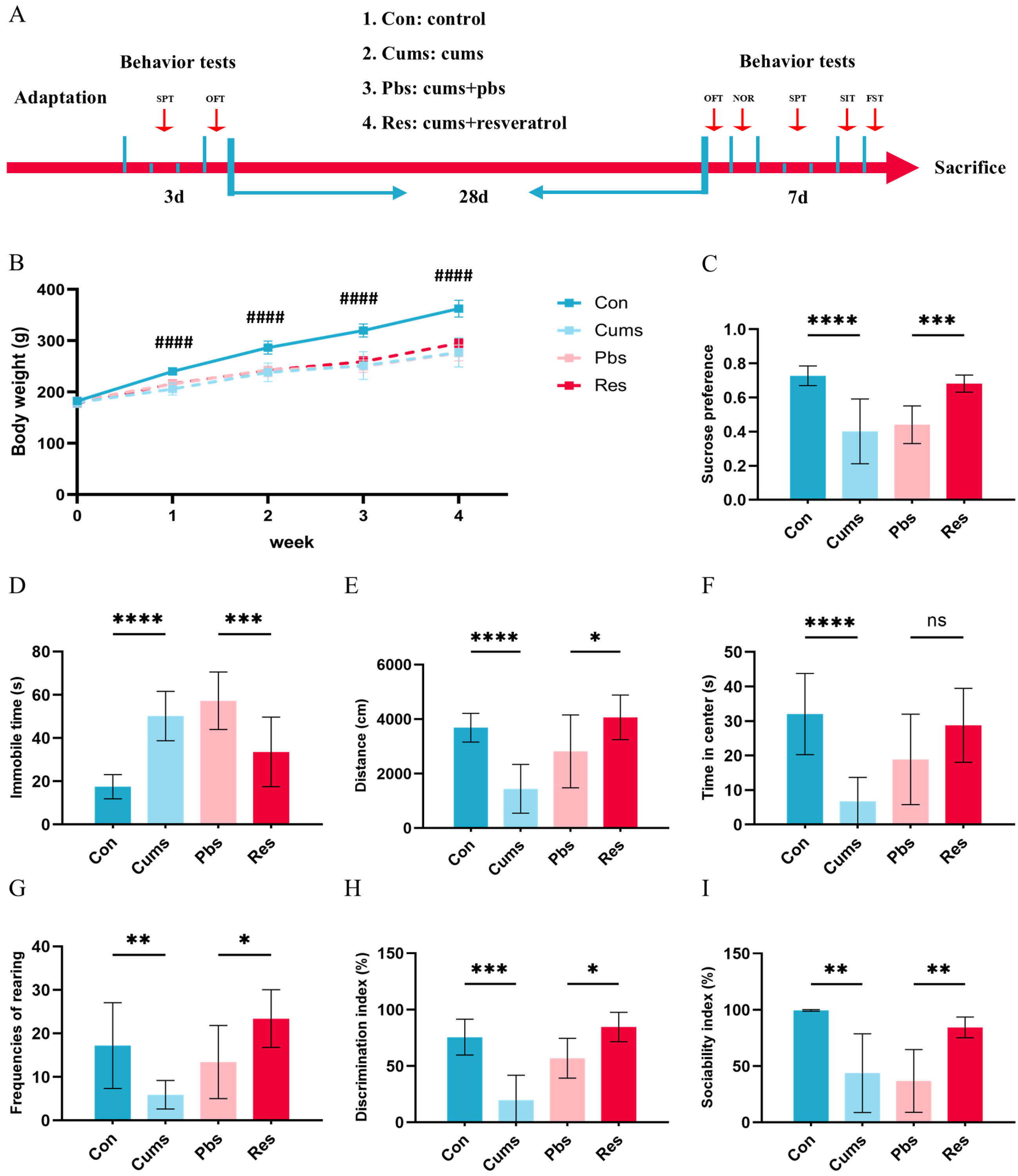
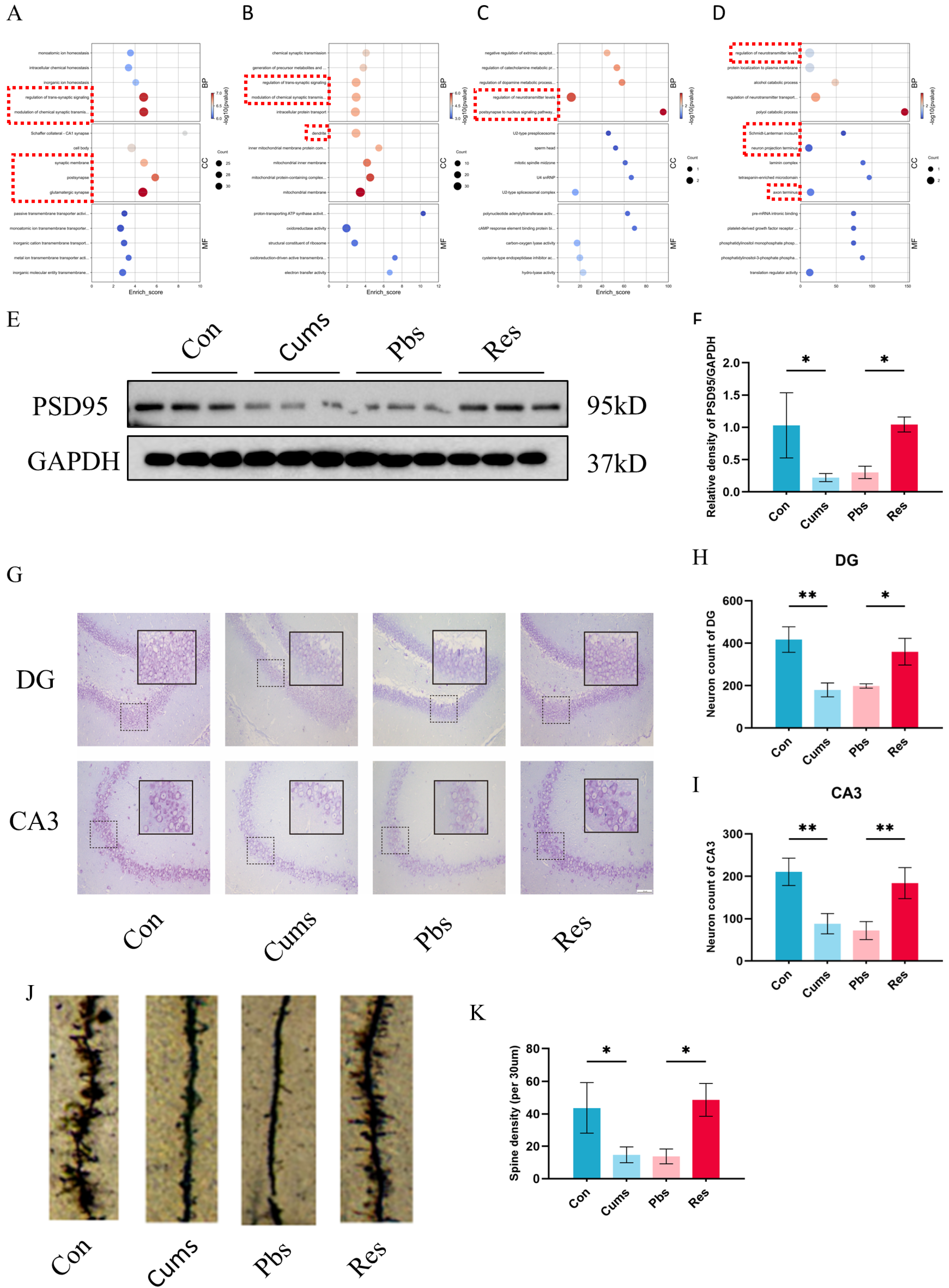
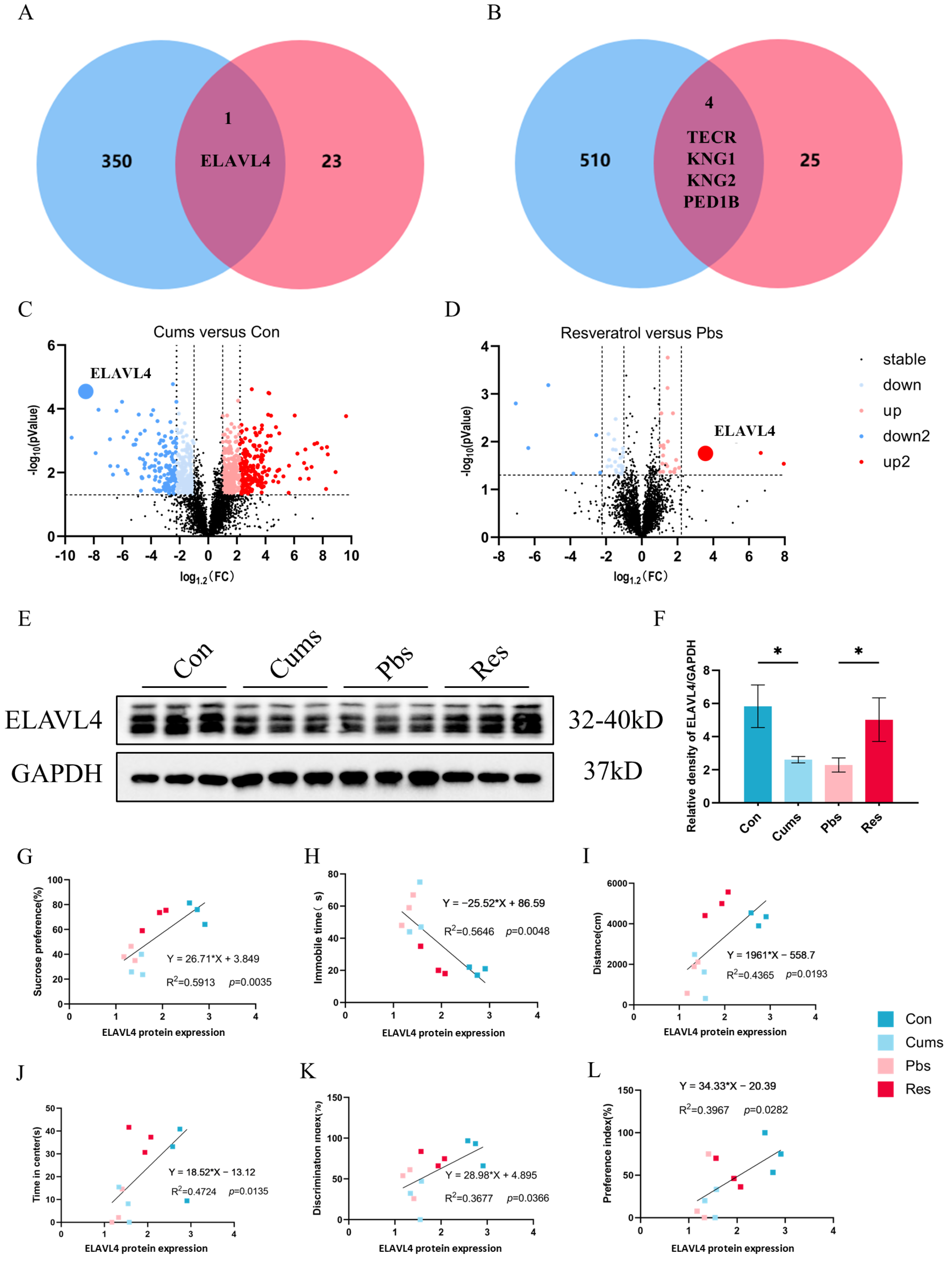
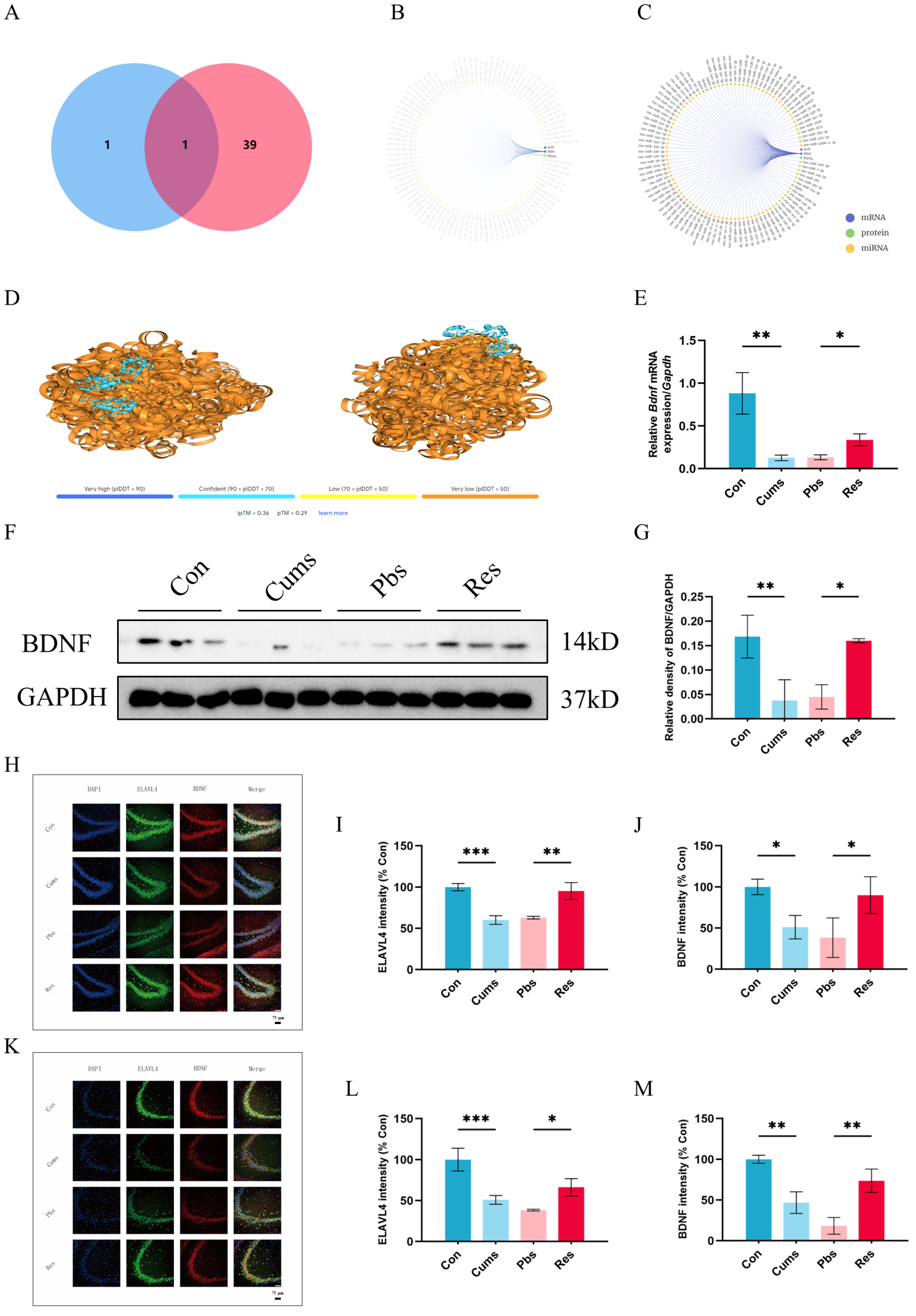
    Resveratrol, a plant-derived polyphenol, exhibits significant antidepressant effects and notably enhances neuroplasticity in neurological diseases. However, whether the antidepressant function of resveratrol is related to neuroplasticity remains uncertain, and the underlying mechanisms is poorly understood. This study aims to investigate the role and mechanism of resveratrol in neuroplasticity in depression. Here, we adopted the chronic unpredictable mild stress (CUMS) model and resveratrol intervention by oral gavage. Thereafter, behavioral tests confirmed resveratrol’s antidepressant effect, and Nissl staining, Golgi staining, and Western blotting (WB) were employed to assess the neuronal plasticity. Moreover, proteomic analysis and WB were used to screen and identify the key proteins. To investigate the downstream target of ELAV-like RNA-binding protein 4 (ELAVL4) (one of candidate genes), the RNA Interactome Database and the National Center for Biotechnology Information databases were utilized to predict the targets of ELAVL4. Finally, Quantitative PCR, WB, and Immunofluorescence were used to verify the prediction. Our results indicate that resveratrol alleviates CUMS-induced depressive-like behaviors accompanied by the restoration of impaired hippocampal neuroplasticity. Then, proteomic analysis shows that 351 differentially expressed proteins (DEPs) decrease after CUMS, while 24 DEPs increase remarkably with the resveratrol treatment. Among which, ELAVL4 is downregulated by CUMS, simultaneously increasing after resveratrol intervention, which acts as a protective protein in this process. Finally, brain-derived neurotrophic factor (Bdnf) mRNA is predicted to be the potential target of ELAVL4 and validated by molecular technologies. In conclusion, our findings demonstrate that resveratrol’s antidepressant efficacy is closely associated with ELAVL4, an RNA-binding protein, a mediated neuroplasticity pathway, potentially intersecting with the Bdnf mRNA. Overall, this research sheds light on the role of the ELAVL4-Bdnf mRNA pathway through neuroplasticity in resveratrol’s antidepressant action, which provides an mRNA regulation perspective for the development of novel antidepressants and understanding depression pathology.

    Sunday, January 26, 2025

    Red Wine May Not Be a Health Tonic, but Is It a Cancer Risk?


    Not changing my mind for the couple days a week I go to bars for music and socializing which is going to prevent dementia. Vastly more important to have quality of life than worry about cancer.

    I'm using it for social connections for prevention of dementia thus I'm ignoring the cons because I think the benefits exceed the cons. But I'm not medically trained so don't listen to me. 

    Resveratrol in red wine is supposedly good for you. The testing in mice, according to researchers, this amount of resveratrol equated to the amount found in approximately 1,000 bottles of red wine. (Is that a daily dose of 1000 bottles of wine?)

    Alcohol for these 12 reasons. None of these are valid according to this.

    Red Wine May Not Be a Health Tonic, but Is It a Cancer Risk?

    The evidence is clear: Alcohol can cause cancer.

    Earlier this month, US surgeon general Vivek Murthy, MD, issued an advisory, calling for alcoholic beverages to carry a warning label about cancer risk. The advisory flagged alcohol as the third leading preventable cause of cancer in the United States, after tobacco and obesity, and highlighted people's limited awareness about the relationship between alcohol and cancer risk.

    But, when it comes to cancer risk, are all types of alcohol created equal?

    For many years, red wine seemed to be an outlier, with studies indicating that, in moderation, it might even be good for you. Red wine has anti-inflammatory and antioxidant properties — most notably, it contains the antioxidant resveratrol. Starting in the 1990s, research began to hint that the compound might protect against heart disease, aging, and cancer, though much of this work was done in animals or test tubes.

    The idea that red wine carries health benefits, however, has been called into question more recently. A recent meta-analysis, for instance, suggests that many previous studies touting the health benefits of more moderate drinking were likely biased, potentially leading to "misleading positive health associations." And one recent study found that alcohol consumption, largely red wine and beer, at all levels was linked to an increased risk for cardiovascular disease.

    Although wine's health halo is dwindling, there might be an exception: Cancer risk.

    Overall, research shows that even light to moderate drinking increases the risk for at least seven types of cancer, but when focusing on red wine, in particular, that risk calculus can look different.

    "It's very complicated and nuanced," said Timothy Rebbeck, PhD, professor of cancer prevention, Harvard T.H. Chan School of Public Health, Boston. "And 'complicated and nuanced' doesn't work very well in public health messages."

    The Knowns About Alcohol and Cancer Risk

    Some things about the relationship between alcohol and cancer risk are crystal clear. "There's no question that alcohol is a group 1 carcinogen," Rebbeck said. "Alcohol can cause cancer."

    Groups including the International Agency for Research on Cancer (IARC) and American Cancer Society agree that alcohol use is an established cause of seven types of cancer: Those of the oral cavity, larynx, pharynx, esophagus (squamous cell carcinoma), liver (hepatocellular carcinoma), breast, and colon/rectum. Heavy drinking — at least 8 standard drinks a week for women and 15 for men — and binge drinking — 4 or more drinks in 2 hours for women and 5 or more for men — only amplify that risk. (A "standard" drink has 14 g of alcohol, which translates to a 5-oz glass of wine.)

    "We're most concerned about high-risk drinking — more than 2 drinks a day — and/or binge drinking," said Noelle LoConte, MD, from the Division of Hematology, Medical Oncology and Palliative Care, University of Wisconsin School of Medicine and Public Health, Madison, Wisconsin, who authored a 2018 statement on alcohol and cancer risk from the American Society of Clinical Oncology (ASCO).

    Compared with not drinking, heavy drinking is linked with a roughly fivefold increase in the risk for oral cavity, pharyngeal, and esophageal cancers, and a 61% increase in the risk for breast cancer, according to LoConte and colleagues.

    Things get murkier when it comes to moderate drinking — defined as up to 1 standard drink per day for women and 2 per day for men. There is evidence, LoConte said, that moderate drinking is associated with increased cancer risks, though the magnitude is generally much less than heavier drinking.

    Cancer type also matters. One analysis found that the risk for breast cancer increased with even light to moderate alcohol consumption. Compared with no drinking, light to moderate drinking has also been linked to increased risks for oral cavity, pharynx, larynx, and esophageal cancers.

    As for whether the type of alcoholic beverage matters, LoConte said, there's no clear physiological reason that wine would be less risky than beer or liquor. Research indicates that ethanol is the problematic ingredient: Once ingested, it's metabolized into acetaldehyde, a DNA-damaging substance that's considered a probable human carcinogen. Ethanol can also alter circulating levels of estrogens and androgens, LoConte said, which is thought to drive its association with breast cancer risk.

    "It likely doesn't matter how you choose to get your ethanol," she said. "It's a question of volume."

    Hints That Wine Is an Outlier

    Still, some studies suggest that how people ingest ethanol could make a difference.

    A study published in August in JAMA Network Open is a case in point. The study found that, among older adults, light to heavy drinkers had an increased risk of dying from cancer, compared with occasional drinkers (though the increased risk among light to moderate drinkers occurred only among people who also had chronic health conditions, such as diabetes or high blood pressure, or were of lower socioeconomic status).

    Wine drinkers fared differently. Most notably, drinkers who "preferred" wine — consuming over 80% of total ethanol from wine — or those who drank only with meals showed a small reduction in their risk for cancer mortality and all-cause mortality (hazard ratio [HR], 0.94 for both). The small protective association was somewhat stronger among people who reported both patterns (HR, 0.88), especially if they were of lower socioeconomic status (HR, 0.79).

    The findings are in line with other research suggesting that wine drinkers may be outliers when it comes to cancer risk. A 2023 meta-analysis of 26 observational studies, for instance, found no association between wine consumption and any cancer type, with the caveat that there was "substantial" heterogeneity among the studies.

    This heterogeneity caveat speaks to the inherent limitations of observational research, said Tim Stockwell, PhD, from the Canadian Institute for Substance Use Research, University of Victoria, Victoria, British Columbia, Canada.

    "Individual studies of alcohol and cancer risk do find differences by type of drink, or patterns of drinking," Stockwell said. "But it's so hard to unpack the confounding that goes along with the type of person who's a wine drinker or a beer drinker or a spirit drinker. The beverage of choice seems to come with a lot of baggage."

    Compared with people who favor beer or liquor, he noted, wine aficionados are typically higher-income, exercise more often, smoke less, and have different diets, for example. The "best" studies, Rebbeck said, try to adjust for those differences, but it's challenging.

    The authors of the 2023 meta-analysis noted that "many components in wine could have anticarcinogenic effects" that theoretically could counter the ill effects of ethanol. Besides resveratrol, which is mainly found in red wine, the list includes anthocyanins, quercetin, and tannins. However, the authors also acknowledged that they couldn't account for whether other lifestyle habits might explain why wine drinkers, overall, showed no increased cancer risks and sometimes lower risks.

    Still, groups such as the IARC and ASCO hold that there is no known "safe" level, or type, of alcohol when it comes to cancer.

    In the latest Canadian guidelines on alcohol use, the scientific panel calculated that people who have 6 drinks a week throughout adulthood (whatever the source of the alcohol) could shave 11 weeks from their life expectancy, on average, said Stockwell, who was on the guideline panel. Compare that with heavy drinking, where 4 drinks a day could rob the average person of 2 or 3 years. "If you're drinking a lot, you could get huge benefits from cutting down," Stockwell explained. "If you're a moderate drinker, the benefits would obviously be less."

    Stockwell said that choices around drinking and breast cancer risk, specifically, can be "tough." Unlike many of the other alcohol-associated cancers, he noted, breast cancer is common — so even small relative risk increases may be concerning. Based on a 2020 meta-analysis of 22 cohort studies, the risk for breast cancer rises by about 10%, on average, for every 10 g of alcohol a woman drinks per day. This study also found no evidence that wine is any different from other types of alcohol.

    In real life, the calculus around wine consumption and cancer risk will probably vary widely from person to person, Rebbeck said. One woman with a family history of breast cancer might decide that having wine with dinner isn't worth it. Another with the same family history might see that glass of wine as a stress reliever and opt to focus on other ways to reduce her breast cancer risk — by exercising and maintaining a healthy weight, for example.

    "The bottom line is, in human studies, the data on light to moderate drinking and cancer are limited and messy, and you can't draw firm conclusions from them," Rebbeck said. "It probably raises risk in some people, but we don't know who those people are. And the risk increases are relatively small."

    A Conversation Few Are Having

    Even with many studies highlighting the connection between alcohol consumption and cancer risk, most people remain unaware about this risk.

    A 2023 study by the National Cancer Institute found that only a minority of US adults knew that drinking alcohol is linked to increased cancer risk, and they were much less likely to say that was true of wine: Only 20% did, vs 31% who said that liquor can boost cancer risk. Meanwhile, 10% believed that wine helps prevent cancer. Other studies show that even among cancer survivors and patients undergoing active cancer treatment, many drink — often heavily.

    "What we know right now is, physicians almost never talk about this," LoConte said.

    That could be due to time constraints, according to Rebbeck, or clinicians' perceptions that the subject is too complicated and/or their own confusion about the data. There could also be some "cognitive dissonance" at play, LoConte noted, because many doctors drink alcohol.

    It's critical, she said, that conversations about drinking habits become "normalized," and that should include informing patients that alcohol use is associated with certain cancers. Again, LoConte said, it's high-risk drinking that's most concerning and where reducing intake could have the biggest impact on cancer risk and other health outcomes.

    "From a cancer prevention standpoint, it's probably best not to drink," she said. "But people don't make choices based solely on cancer risk. We don't want to come out with recommendations saying no one should drink. I don't think the data support that, and people would buck against that advice."

    Rebbeck made a similar point. Even if there's uncertainty about the risks for a daily glass of wine, he said, people can use that information to make decisions. "Everybody's preferences and choices are going to be different," Rebbeck said. "And that's all we can really do."

    Friday, August 23, 2024

    Resveratrol-loaded cumin seed oil nanoemulsion ameliorates neurodegeneration in mice by inhibiting apoptosis, inflammation, and oxidative DNA damage


    So your competent? doctor and hospital should get human testing going. But they won't, will they?

    With your chances of getting dementia post stroke. YOUR DOCTOR IS RESPONSIBLE FOR PREVENTING THIS!

    1. A documented 33% dementia chance post-stroke from an Australian study?   May 2012.

    2. Then this study came out and seems to have a range from 17-66%. December 2013.`    

    3. A 20% chance in this research.   July 2013.

    4. Dementia Risk Doubled in Patients Following Stroke September 2018


    Resveratrol-loaded cumin seed oil nanoemulsion ameliorates neurodegeneration in mice by inhibiting apoptosis, inflammation, and oxidative DNA damage

    Authors

    1 Department of Zoology, Faculty of Science, Cairo University, Giza 12613, Egypt

    2 Nanotechnology and Advanced Materials Central Lab, Agriculture Research Center, Egypt

    10.22038/nmj.2024.75726.1841

    Abstract

    Objective(s): Neurodegenerative diseases affect over 50 million people worldwide. Unfortunately, there are no cures for these diseases, so finding effective treatments to improve human health is crucial. Resveratrol (Res) has neuroprotective effects due to its antioxidant and anti-inflammatory properties. However, Res is limited by poor water solubility and bioavailability. Therefore, the current study aimed to overcome Res’s limitations using recent nanotechnology.
    Materials and Methods: Resveratrol was loaded onto a nanoemulsion of cumin seed oil (CSONEs). The CSONEs and Res-CSONEs were characterized. Additionally, we investigated the neuroprotective effects of Res-loaded CSONEs in mice with Trimethyltin (TMT)-induced neurodegeneration. Thirty mice were divided into control, vehicle, TMT, TMT-CSONEs, TMT-Res, and TMT-Res-CSONEs. Each group received intraperitoneal treatment six times per week for two weeks. oxidative stress biomarkers, DNA damage extent, and histopathological evaluations were assessed in brain and liver tissues. In addition, the mRNA expression of apoptotic and inflammatory genes (Bax/Bcl2 and il-1β) and immunohistochemical staining of tau protein were evaluated in the brain tissues. 
    Results: The Res-CSONEs improved cellular homeostasis by increasing GSH, and SOD, and decreasing MDA levels while decreasing the DNA damage parameters. They also decreased the expression of apoptotic and inflammatory genes and reduced the aggregation of tau protein. Histopathological examination of the studied tissues showed improvement in Res and Res-CSONEs compared to TMT. 
    Conclusion: Loading Res on CSONEs resulted in promising neuroprotective effects due to its solubility and bioavailability enhancement. Combining the antioxidant and anti-inflammatory properties of both Res and CSONEs resulted in perfect neuroprotective effects on the brain tissues of mice.