Changing stroke rehab and research worldwide now.Time is Brain! trillions and trillions of neurons that DIE each day because there are NO effective hyperacute therapies besides tPA(only 12% effective). I have 523 posts on hyperacute therapy, enough for researchers to spend decades proving them out. These are my personal ideas and blog on stroke rehabilitation and stroke research. Do not attempt any of these without checking with your medical provider. Unless you join me in agitating, when you need these therapies they won't be there.

What this blog is for:

My blog is not to help survivors recover, it is to have the 10 million yearly stroke survivors light fires underneath their doctors, stroke hospitals and stroke researchers to get stroke solved. 100% recovery. The stroke medical world is completely failing at that goal, they don't even have it as a goal. Shortly after getting out of the hospital and getting NO information on the process or protocols of stroke rehabilitation and recovery I started searching on the internet and found that no other survivor received useful information. This is an attempt to cover all stroke rehabilitation information that should be readily available to survivors so they can talk with informed knowledge to their medical staff. It lays out what needs to be done to get stroke survivors closer to 100% recovery. It's quite disgusting that this information is not available from every stroke association and doctors group.

Showing posts with label physical therapy. Show all posts

Saturday, April 29, 2023

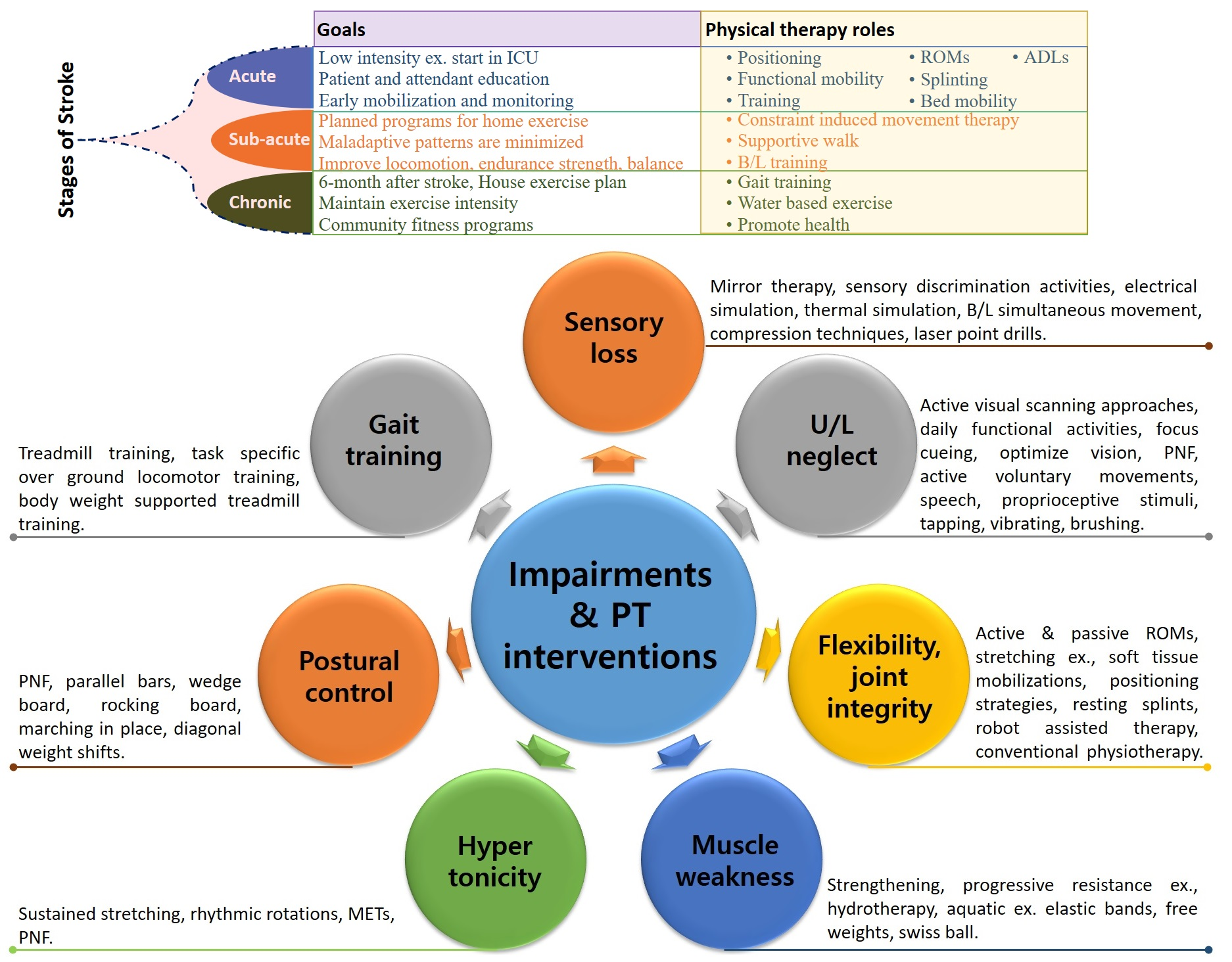
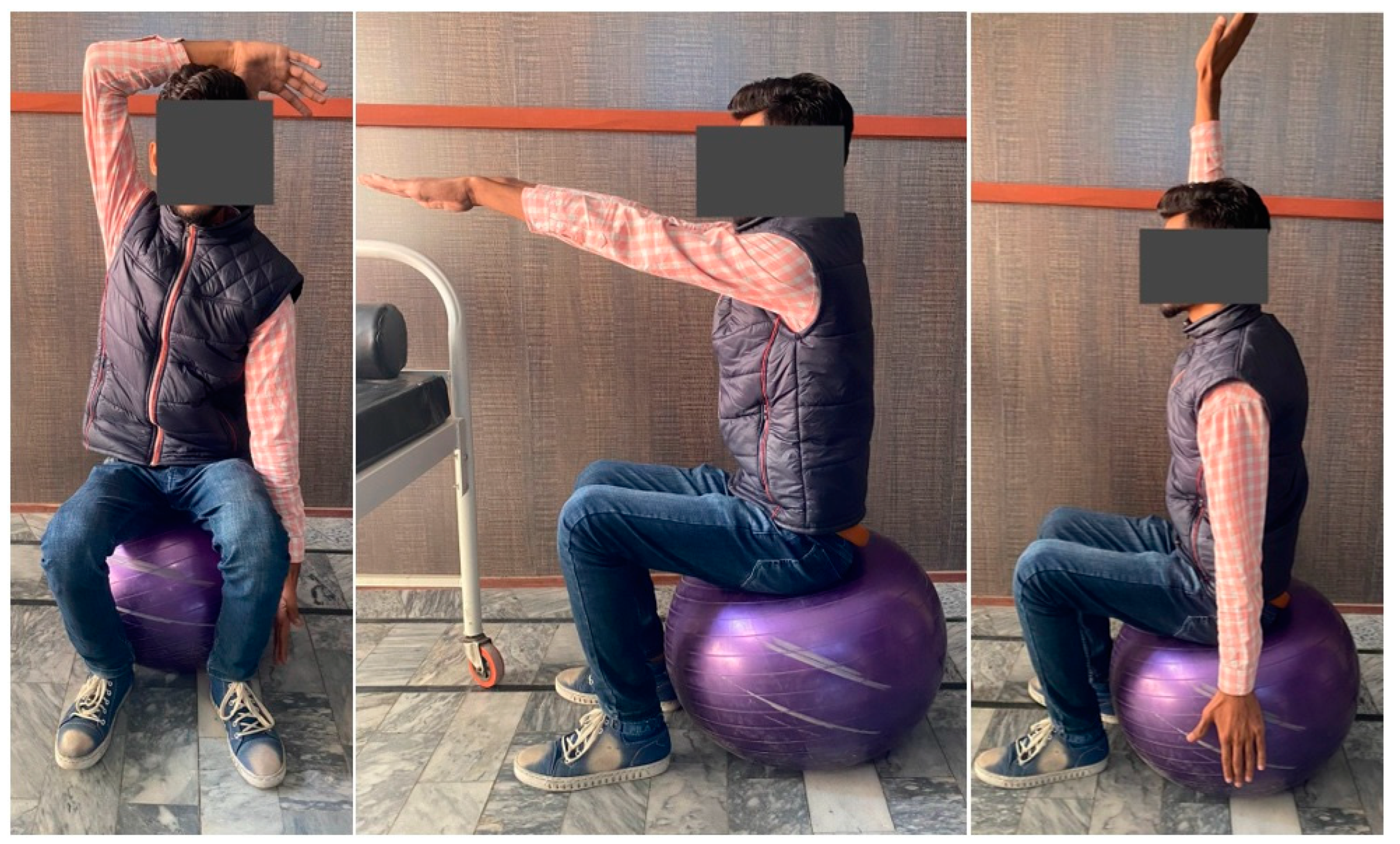
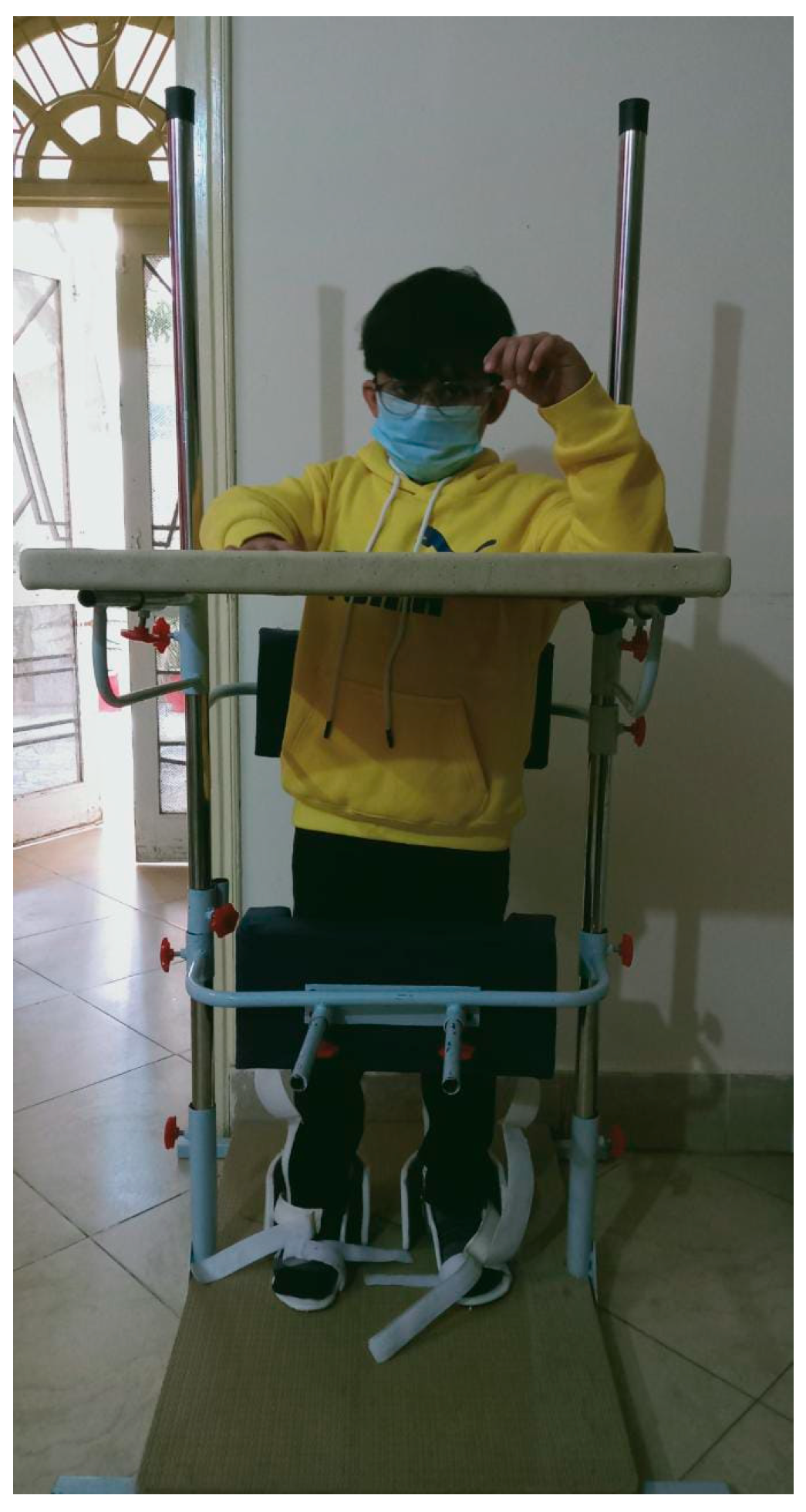
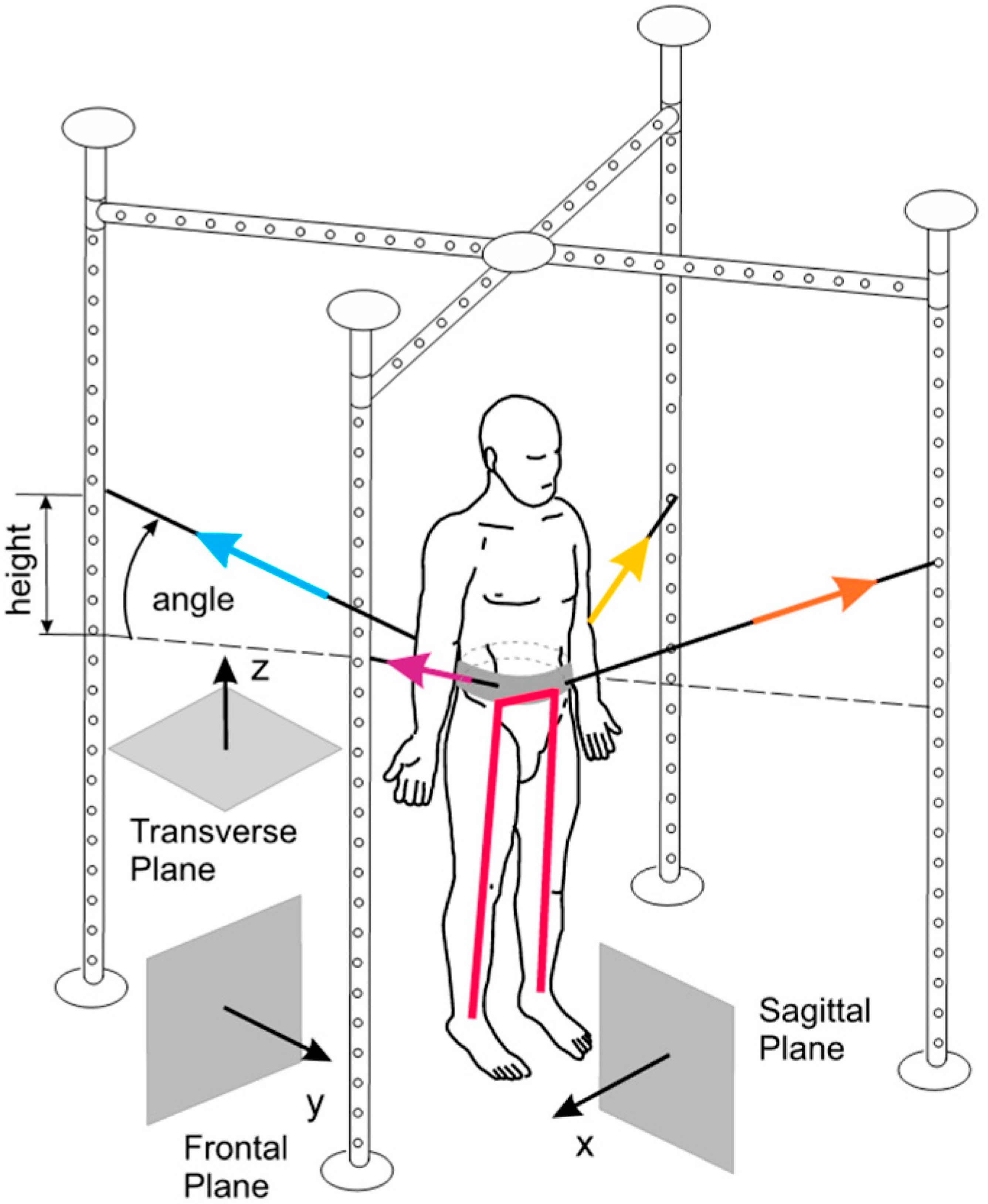
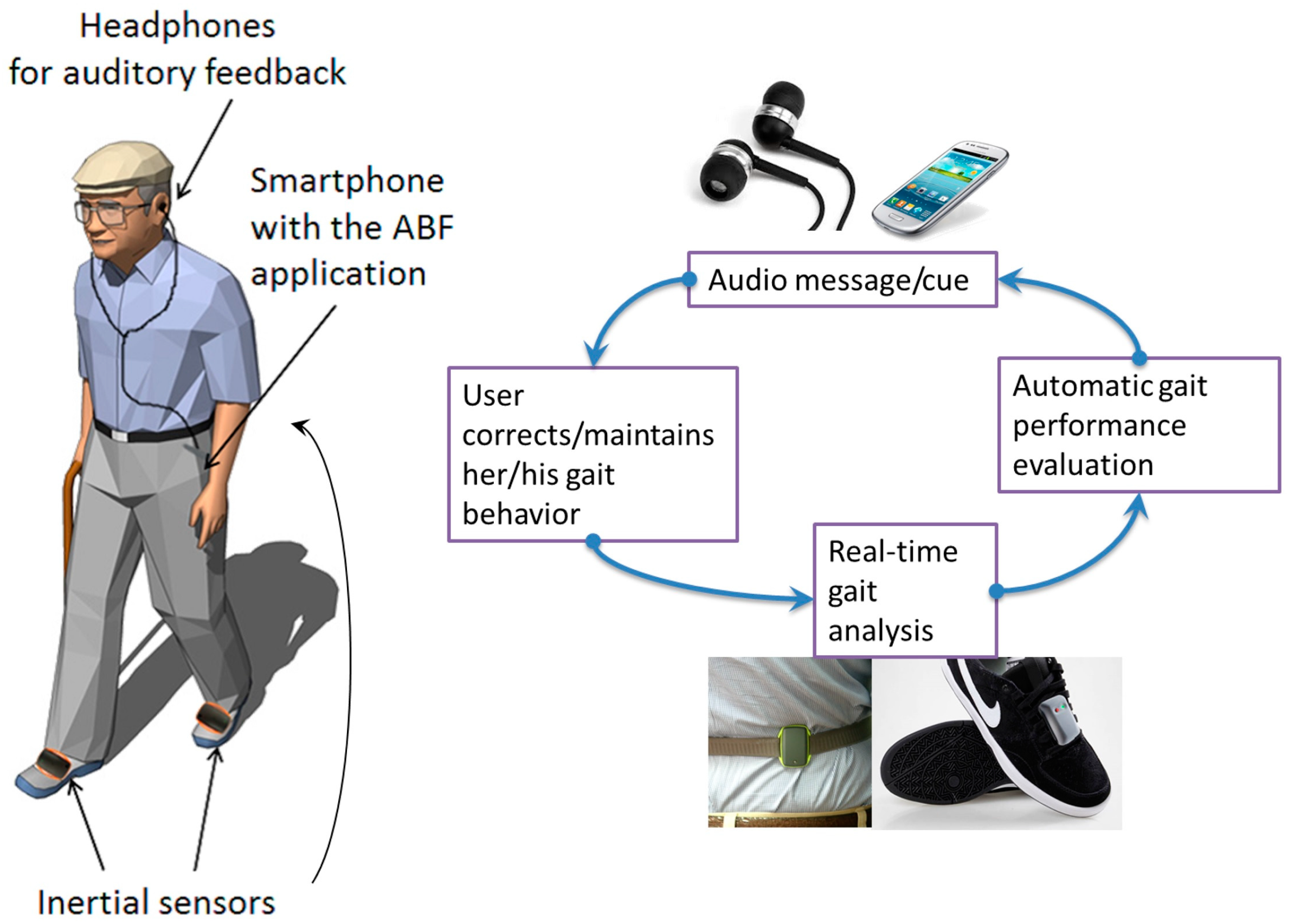
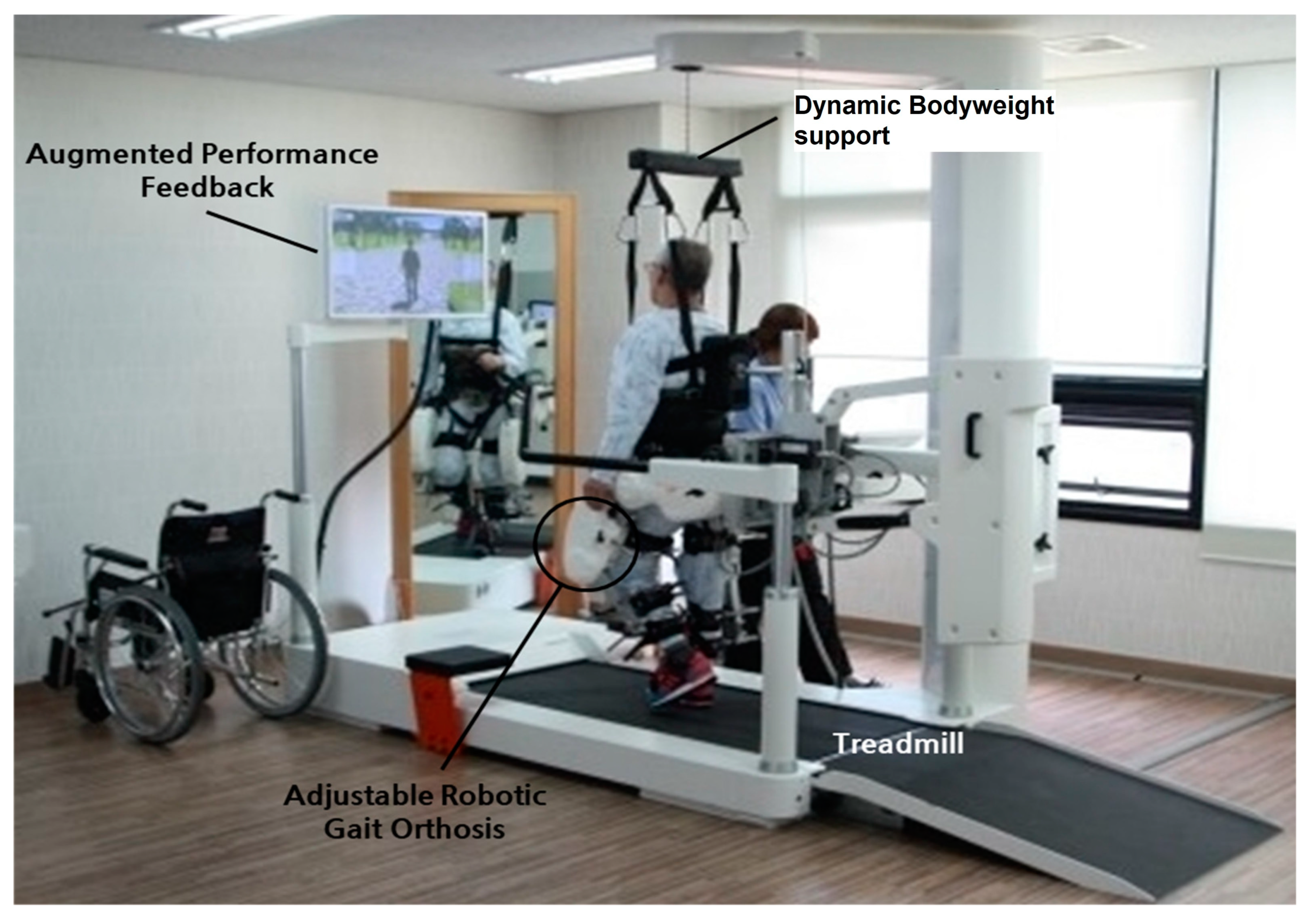
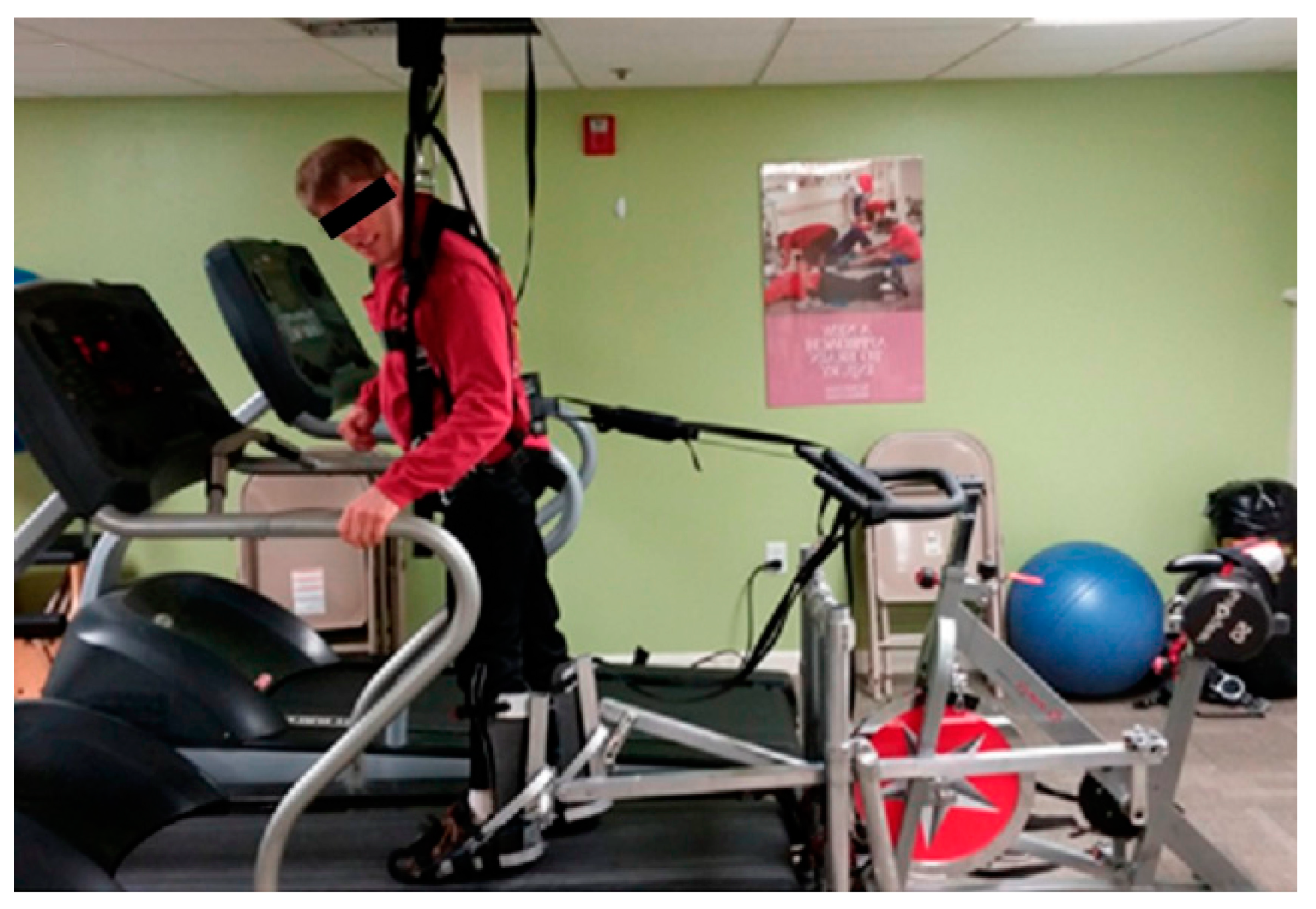
A Comprehensive Review of Physical Therapy Interventions for Stroke Rehabilitation: Impairment-Based Approaches and Functional Goals


But for all this word salad do you ever discuss the appalling failure rate that only 10% fully recover?

A Comprehensive Review of Physical Therapy Interventions for Stroke Rehabilitation: Impairment-Based Approaches and Functional Goals

1
Department of Physical Therapy, Ikram Hospital, Gujrat 50700, Pakistan
2
Center of Physical Therapy, Rayan Medical Center, Gujrat 50700, Pakistan
3
Department of Senior Health Care, Eulji University, Uijeongbu 11759, Republic of Korea
4
Research Institute of Environment & Biosystem, Chungnam National University, Daejeon 34134, Republic of Korea
*
Author to whom correspondence should be addressed.
Brain Sci. 2023, 13(5), 717; https://doi.org/10.3390/brainsci13050717
Received: 14 April 2023 / Accepted: 21 April 2023 / Published: 25 April 2023
(This article belongs to the Section Neurorehabilitation)

Abstract

Stroke is the fourth leading cause of mortality and is estimated to be one of the major reasons for long-lasting disability worldwide. There are limited studies that describe the application of physical therapy interventions to prevent disabilities in stroke survivors and promote recovery after a stroke. In this review, we have described a wide range of interventions based on impairments, activity limitations, and goals in recovery during different stages of a stroke. This article mainly focuses on stroke rehabilitation tactics, including those for sensory function impairments, motor learning programs, hemianopia and unilateral neglect, flexibility and joint integrity, strength training, hypertonicity, postural control, and gait training. We conclude that, aside from medicine, stroke rehabilitation must address specific functional limitations to allow for group activities and superior use of a hemiparetic extremity. Medical doctors are often surprised by the variety of physiotherapeutic techniques available; they are unfamiliar with the approaches of researchers such as Bobath, Coulter, and Brunnstrom, among others, as well as the scientific reasoning behind these techniques.(And why are you referring to Bobath as a valid  intervention?

Bobath should have been shitcanned since 2003.

My best therapist supposedly used it but I really think her competence came from her knowledge of anatomy.

Physiotherapy Based on the Bobath Concept for Adults with Post-Stroke Hemiplegia: A Review of Effectiveness Studies 2003)
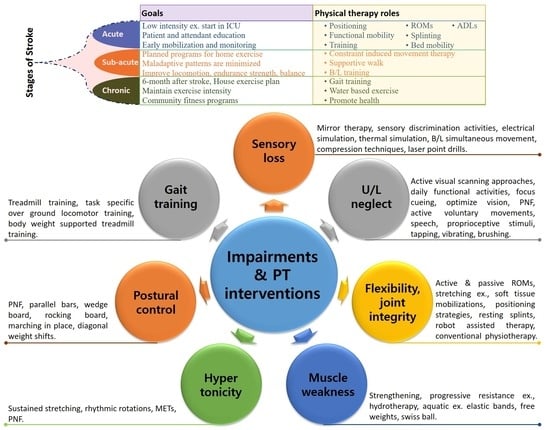
Graphical Abstract

1. Introduction

A cerebrovascular accident (CVA), also known as a stroke, is a focal neurological deficit that results from different vascular lesions that interrupt brain function. Stroke is the leading cause of mortality [1,2], and for many patients, represents a major cause of disability affecting widespread areas of function [3,4,5]. Stroke is divided into two categories based on pathophysiology, of which an ischemic stroke, also known as a cerebral infarction, results from the occlusion of a major cerebral artery due to thrombosis or embolus formation and is the most common type of stroke, affecting approximately 80% of patients who suffer from a stroke [6]. The other type of stroke is a cerebral hemorrhage, which occurs when blood vessels rupture causing blood leakage inside or outside the brain. Its etiology is based on the history of hypertension, aneurysm, anticoagulant therapy, trauma, or age. The incidence rate of this type of stroke is 15–20% [7]. The risk of stroke can be greatly decreased by making lifestyle changes. One can reduce his or her chances by controlling blood pressure, quitting smoking, eating a healthy diet, and exercising on a daily basis [8,9,10]. A stroke also has emotional and socioeconomic consequences for patients.
The United States reports more than 600,000 new cases of stroke every year, whereas the number of new cases per year is over 25,000 in Sweden [11]. A study was conducted on stroke patients in the Netherlands, and the incidence rate of stroke was estimated to rise from 1.8 per 1000 individuals in the year 2000 to 2.8 per 1000 individuals in 2020 [12]. Evers et al. indicated the proportion of healthcare expenditure associated with CVAs in six major states to be 3% on average [13]. Earlier studies claimed that in the United Kingdom, CVAs consume more than this percentage, with total direct health expenses for stroke sitting between 4 and 6% in the National Health Service [14]. According to one study, the number of stroke incidents per 1000 people ranged from 1.33 to 1.58 [15]. Annually, the victims of stroke spend approximately nine billion pounds on matters directly or indirectly related to their stroke [16]. A survey conducted in 2012 found that the rate of prenatal discharges with a stroke diagnosis was 34.2 per 100,000 births, with 2850 cases reported. Incidence, death, and disability related to a pregnancy-related stroke were higher than previously reported, particularly among African American women who had a higher risk [17]. In China, 7672 individuals were diagnosed with stroke prevalence (1596 per 100,000) and 1643 were diagnosed with stroke incidence (345 per 100,000) per year in a survey population of nearly 480,687 people [18].
The main objectives of rehabilitation treatment and physical therapy interventions following a stroke are to enhance the patient’s functional capabilities, foster self-reliance, and enhance their overall quality of life [19,20]. There are numerous types of interventions available that are customized to address the specific requirements of each patient [21,22,23]. Among these, physical therapy is one of the most prevalent types of rehabilitative treatment provided after a stroke. Physical therapists work with stroke patients to improve their strength, coordination, and balance, with the goal of helping them regain the ability to perform everyday activities such as walking, dressing, and bathing [24,25]. Therapy may include exercises, stretching, and range of motion activities, as well as training on mobility aids such as walkers or canes [26].
Occupational therapy is another important part of post-stroke rehabilitation. Occupational therapists work with stroke patients to help them regain the ability to perform activities of daily living (ADLs), such as cooking, cleaning, and personal grooming [27]. This may involve adapting the patient’s environment, such as installing grab bars in the bathroom, or using adaptive equipment, such as a specialized utensil for eating [28]. Speech therapy is also commonly used to help stroke patients recover their ability to communicate effectively [21]. Speech therapists work with patients to improve their speech and language skills, as well as to address any swallowing difficulties that may have arisen as a result of the stroke. Sire et al. highlighted the necessity of incorporating specific oral interventions into multidisciplinary rehabilitation programs for stroke survivors affected by buccal hemineglect [29].
Other rehabilitative treatments and physical therapy interventions for stroke patients may include music therapy, recreational therapy, and cognitive therapy [30,31,32]. The selection of interventions used will be based on the individual needs and capabilities of the patient. In a nutshell, post-stroke rehabilitative treatment and physical therapy interventions are essential for enhancing recovery and improving quality of life for stroke patients. A comprehensive approach that addresses the physical, occupational, and speech therapy needs of each patient can help maximize their functional abilities and promote independence [33]. The primary objective of this paper is to raise awareness of the crucial interventions and strategies involved in managing stroke patients during different stages of recovery, and to highlight the critical role that physical therapists play in helping patients regain function after a stroke. The review outlines several evidence-based physical therapy interventions that have been shown to produce significant improvements in various stages of CVAs.
 
More at link.

Monday, December 19, 2022

What Is the Evidence for Physical Therapy Poststroke? A Systematic Review and Meta-Analysis

The evidence is that therapy after stroke is a complete fucking failure; only 10% get to full recovery from it. But you're using the tyranny of low expectations to declare success from failure.  You ask one question of your patients: Are you 100% recovered? Y/N? That will give you the correct answer to your recovery question.

What Is the Evidence for Physical Therapy Poststroke? A Systematic Review and Meta-Analysis

2014, PLoS ONE

 
What Is the Evidence for Physical Therapy Poststroke? ASystematic Review and Meta-Analysis
Janne Marieke Veerbeek 1, 
Erwin van Wegen 1, 
Roland van Peppen 2, 
Philip Jan van der Wees 3,
Erik Hendriks 4, 
Marc Rietberg 1, 
Gert Kwakkel 1 5 *
1 Department of Rehabilitation Medicine, MOVE Research Institute Amsterdam, VU University Medical Center, Amsterdam, The Netherlands,
 2 Department of Physiotherapy, University of Applied Sciences Utrecht, Utrecht, The Netherlands,
 3 Scientific Institute for Quality of Healthcare (IQ healthcare), Radboud UniversityNijmegen Medical Center, Nijmegen, The Netherlands,
 4 Department of Epidemiology, Maastricht University, Maastricht, The Netherlands,
 5 Department of Neurorehabilitation, Reade Center for Rehabilitation and Rheumatology, Amsterdam, The Netherlands

Abstract

Background:
 
Physical therapy (PT) is one of the key disciplines in interdisciplinary stroke rehabilitation. The aim of this systematic review was to provide an update of the evidence for stroke rehabilitation interventions in the domain of PT.
 
Methods and Findings:
 
 Randomized controlled trials (RCTs) regarding PT in stroke rehabilitation were retrieved through a systematic search. Outcomes were classified according to the ICF. RCTs with a low risk of bias were quantitatively analyzed.Differences between phases post stroke were explored in subgroup analyses. A best evidence synthesis was performed for neurological treatment approaches. The search yielded 467 RCTs (N=25373; median PEDro score 6 [IQR 5–7]), identifying 53interventions. No adverse events were reported. Strong evidence was found for significant positive effects(NOT GOOD ENOUGH! It's not 100% recovery is it? Then you failed your survivor!) of 13interventions related to gait, 11 interventions related to arm-hand activities, 1 intervention for ADL, and 3 interventions for physical fitness. Summary Effect Sizes (SESs) ranged from 0.17 (95%CI 0.03–0.70; I2=0%) for therapeutic positioning of the paretic arm to 2.47 (95%CI 0.84–4.11; I2=77%) for training of sitting balance. There is strong evidence that a higher dose of practice is better, with SESs ranging from 0.21 (95%CI 0.02–0.39; I2=6%) for motor function of the paretic arm to 0.61(95%CI 0.41–0.82; I2=41%) for muscle strength of the paretic leg. Subgroup analyses yielded significant differences with respect to timing post stroke for 10 interventions. Neurological treatment approaches to training of body functions and activities showed equal or unfavorable effects when compared to other training interventions. Main limitations of the present review are not using individual patient data for meta-analyses and absence of correction for multiple testing.
 
Conclusions:
 
 There is strong evidence for PT interventions favoring intensive high repetitive task-oriented and task-specific training in all phases post stroke. Effects are mostly restricted to the actually trained functions and activities. Suggestions for prioritizing PT stroke research are given.(But nothing here will get you 100% recovered! Why the hell didn't you discuss that?)
Citation:
 Veerbeek JM, van Wegen E, van Peppen R, van der Wees PJ, Hendriks E, et al. (2014) What Is the Evidence for Physical Therapy Poststroke? A SystematicReview and Meta-Analysis. PLoS ONE 9(2): e87987. doi:10.1371/journal.pone.0087987
Editor:
 Terence J. Quinn, University of Glasgow, United Kingdom
Received
 October 29, 2013;
 Accepted
 December 30, 2013;
 Published
 February 4, 2014
Copyright:
 
 2014 Veerbeek et al. This is an open-access article distributed under the terms of the Creative Commons Attribution License, which permitsunrestricted use, distribution, and reproduction in any medium, provided the original author and source are credited.
Funding:
 This research project was supported by the Royal Dutch Society for Physical Therapy (KNGF grant no. 8091.1; http://www.fysionet.nl/). The funders hadno role in study design, data collection and analysis, decision to publish, or preparation of the manuscript.

Wednesday, November 23, 2022

What Is the Evidence for Physical Therapy Poststroke? A Systematic Review and Meta-Analysis

The evidence is that therapy after stroke is a complete fucking failure; only 10% get to full recovery from it. But you're using the tyranny of low expectations to declare success from failure.  You ask one question of your patients: Are you 100% recovered? Y/N? That will give you the correct answer to your evidence question.


What Is the Evidence for Physical Therapy Poststroke? A Systematic Review and Meta-Analysis

 Janne Marieke Veerbeek 1, 
Erwin van Wegen1, 
Roland van Peppen2, 
Philip Jan van der Wees3,
Erik Hendriks4, 
Marc Rietberg1, 
Gert Kwakkel 1,5*
1 Department of Rehabilitation Medicine, MOVE Research Institute Amsterdam, VU University Medical Center, Amsterdam, The Netherlands,
 2 Department of Physiotherapy, University of Applied Sciences Utrecht, Utrecht, The Netherlands,
 3 Scientific Institute for Quality of Healthcare (IQ healthcare), Radboud UniversityNijmegen Medical Center, Nijmegen, The Netherlands,
 4 Department of Epidemiology, Maastricht University, Maastricht, The Netherlands,
 5 Department of Neurorehabilitation, Reade Center for Rehabilitation and Rheumatology, Amsterdam, The Netherlands

Abstract

Background:
 
Physical therapy (PT) is one of the key disciplines in interdisciplinary stroke rehabilitation. The aim of thissystematic review was to provide an update of the evidence for stroke rehabilitation interventions in the domain of PT.
Methods and Findings:
 Randomized controlled trials (RCTs) regarding PT in stroke rehabilitation were retrieved through a systematic search. Outcomes were classified according to the ICF. RCTs with a low risk of bias were quantitatively analyzed.Differences between phases poststroke were explored in subgroup analyses. A best evidence synthesis was performed forneurological treatment approaches. The search yielded 467 RCTs (N=25373; median PEDro score 6 [IQR 5–7]), identifying 53interventions. No adverse events were reported. Strong evidence was found for significant positive effects of 13interventions related to gait, 11 interventions related to arm-hand activities, 1 intervention for ADL, and 3 interventions forphysical fitness. Summary Effect Sizes (SESs) ranged from 0.17 (95%CI 0.03–0.70; I2=0%) for therapeutic positioning of theparetic arm to 2.47 (95%CI 0.84–4.11; I2=77%) for training of sitting balance. There is strong evidence that a higher dose of practice is better, with SESs ranging from 0.21 (95%CI 0.02–0.39; I2=6%) for motor function of the paretic arm to 0.61(95%CI 0.41–0.82; I2=41%) for muscle strength of the paretic leg. Subgroup analyses yielded significant differences with respect to timing post stroke for 10 interventions. Neurological treatment approaches to training of body functions and activities showed equal or unfavorable effects when compared to other training interventions. Main limitations of the present review are not using individual patient data for meta-analyses and absence of correction for multiple testing.
Conclusions:
 There is strong evidence for PT interventions favoring intensive high repetitive task-oriented and task-specific training in all phases post stroke. Effects are mostly restricted to the actually trained functions and activities. Suggestions for prioritizing PT stroke research are given.
Citation:
 Veerbeek JM, van Wegen E, van Peppen R, van der Wees PJ, Hendriks E, et al. (2014) What Is the Evidence for Physical Therapy Poststroke? A SystematicReview and Meta-Analysis. PLoS ONE 9(2): e87987. doi:10.1371/journal.pone.0087987
Editor:
 Terence J. Quinn, University of Glasgow, United Kingdom
Received
 October 29, 2013;
 Accepted
 December 30, 2013;
 Published
 February 4, 2014
Copyright:
 
 2014 Veerbeek et al. This is an open-access article distributed under the terms of the Creative Commons Attribution License, which permitsunrestricted use, distribution, and reproduction in any medium, provided the original author and source are credited.
Funding:
 This research project was supported by the Royal Dutch Society for Physical Therapy (KNGF grant no. 8091.1; http://www.fysionet.nl/). The funders hadno role in study design, data collection and analysis, decision to publish, or preparation of the manuscript.
Competing Interests:
 The authors have declared that no competing interests exist.* E-mail: g.kwakkel@vumc.nl


Saturday, November 19, 2022

The impact of physical therapy on functional outcomes after stroke: what's the evidence?

The evidence is that therapy after stroke is a complete fucking failure; only 10% get to full recovery from it. But you're using the tyranny of low expectations to declare success from failure.  You ask one question of your patients: Are you 100% recovered? Y/N? That will give you the correct answer to your recovery question.

The impact of physical therapy on functional outcomes after stroke: what's the evidence?

2004, Clinical Rehabilitation
  RPS Van Peppen
 Department of Physical Therapy, VU University Medical Center, Amsterdam,
 G Kwakkel
 Department ofPhysical Therapy, VU University Medical Center, Amsterdam and Center of Excellence for Rehabilitation Medicine ‘deHoogstraat’, Utrecht, The Netherlands,
 S Wood-Dauphinee
 School of Physical and Occupational Therapy, Department ofEpidemiology and Biostatistics, McGill University, Montreal, Canada,
HJM Hendriks
Dutch Institute of Allied Health Care (Npi),Amersfoort and Maastricht University, Department of Epidemiology, Maastricht,
 PhJ Van der Wees
 Royal Dutch Society forPhysical Therapy (KNGF), Amersfoort and
 J Dekker
 Institute for Research in Extramural Medicine (EMGO Institute),Department of Rehabilitation Medicine, VU University Medical Center, Amsterdam, The NetherlandsReceived 23rd March 2004; returned for revisions 10th June 2004; revised manuscript accepted 25th July 2004.
Objective: 
 
To determine the evidence for physical therapy interventions aimed atimproving functional outcome after stroke.
Methods: 
 
MEDLINE, CINAHL, Cochrane Central Register of Controlled Trials,Cochrane Database of Systematic Reviews, DARE, PEDro, EMBASE and DocOnlinewere searched for controlled studies. Physical therapy was divided into 10intervention categories, which were analysed separately. If statistical pooling(weighted summary effect sizes) was not possible due to lack of comparability between interventions, patient characteristics and measures of outcome, a best-research synthesis was performed. This best-research synthesis was based onmethodological quality (PEDro score).
Results: 
 
In total, 151 studies were included in this systematic review; 123 were randomized controlled trials (RCTs) and 28 controlled clinical trials (CCTs).Methodological quality of all RCTs had a median of 5 points on the 10-point PEDroscale (range 2-8 points). Based on high-quality RCTs strong evidence was found infavour of task-oriented exercise training to restore balance and gait, and forstrengthening the lower paretic limb. Summary effect sizes (SES) for functionaloutcomes ranged from 0.13 (95% CI 0.03-0.23) for effects of high intensity ofexercise training to 0.92 (95% CI 0.54-1.29) for improving symmetry when movingfrom sitting to standing. Strong evidence was also found for therapies that werefocused on functional training of the upper limb such as constraint-inducedmovement therapy (SES 0.46; 95% CI 0.07-0.91), treadmill training with or withoutbody weight support, respectively 0.70 (95% CI 0.29-1.10) and 1.09 (95% CI 0.56-1.61), aerobics (SES 0.39; 95% CI 0.05-0.74), external auditory rhythms during gait(SES 0.91; 95% CI 0.40-1.42) and neuromuscular stimulation for glenohumeralsubluxation (SES 1.41; 95% CI 0.76-2.06). No or insufficient evidence in terms offunctional outcome was found for: traditional neurological treatment approaches;exercises for the upper limb; biofeedback; functional and neuromuscular electricalstimulation aimed at improving dexterity or gait performance; orthotics and assistive  devices; and physical therapy interventions for reducing hemiplegic shoulder pain andhand oedema.
Conclusions: 
 
This review showed small to large effect sizes for task-orientedexercise training, in particular when applied intensively and early after stroke onset. Inalmost all high-quality RCTs, effects were mainly restricted to tasks directly trained inthe exercise programme
Address for correspondence: Gert Kwakkel, Department of Physical Therapy, VU University Medical Center, PO Box 7057,1007 MB Amsterdam, The Netherlands.

Saturday, May 16, 2020

The impact of physical therapy on functional outcomes after stroke: what's the evidence?

You may have found strong evidence but this is totally useless since it is not put into a publicly available database for survivors to find. Bad research, the mentors and senior researchers need to be keel hauled.  There was this from 1990;

A review of stroke rehabilitation and physiotherapy. This was written in 1990 

And this from 2014:

What Is the Evidence for Physical Therapy Poststroke? A Systematic Review and Meta-Analysis

This is what is so fucking bad about stroke. They don't mention updating any stroke protocols.  30 years and still no protocols.  Which means every therapist in the world needs to analyze this and create their own. Aren't you lucky your therapist is making wild assed guesses on what might work in your rehab?. 

The latest here from 2004:

The impact of physical therapy on functional outcomes after stroke: what's the evidence?


    RPS Van Peppen
 Department of Physical Therapy, VU University Medical Center, Amsterdam,
 G Kwakkel
 Department ofPhysical Therapy, VU University Medical Center, Amsterdam and Center of Excellence for Rehabilitation Medicine ‘deHoogstraat’, Utrecht, The Netherlands,
 S Wood-Dauphinee
 School of Physical and Occupational Therapy, Department ofEpidemiology and Biostatistics, McGill University, Montreal, Canada,
HJM Hendriks
Dutch Institute of Allied Health Care (Npi),Amersfoort and Maastricht University, Department of Epidemiology, Maastricht,
 PhJ Van der Wees
 Royal Dutch Society forPhysical Therapy (KNGF), Amersfoort and
 J Dekker
 Institute for Research in Extramural Medicine (EMGO Institute),Department of Rehabilitation Medicine, VU University Medical Center, Amsterdam, The NetherlandsReceived 23rd March 2004; returned for revisions 10th June 2004; revised manuscript accepted 25th July 2004.
Objective
To determine the evidence for physical therapy interventions aimed at improving functional outcome after stroke.
Methods: 
MEDLINE, CINAHL, Cochrane Central Register of Controlled Trials,Cochrane Database of Systematic Reviews, DARE, PEDro, EMBASE and DocOnline were searched for controlled studies. Physical therapy was divided into 10intervention categories, which were analysed separately. If statistical pooling(weighted summary effect sizes) was not possible due to lack of comparability between interventions, patient characteristics and measures of outcome, a best-research synthesis was performed. This best-research synthesis was based on methodological quality (PEDro score).
Results: 
In total, 151 studies were included in this systematic review; 123 were randomized controlled trials (RCTs) and 28 controlled clinical trials (CCTs).  Methodological quality of all RCTs had a median of 5 points on the 10-point PEDroscale (range 2-8 points). Based on high-quality RCTs strong evidence was found in favour of task-oriented exercise training to restore balance and gait, and for strengthening the lower paretic limb. Summary effect sizes (SES) for functional outcomes ranged from 0.13 (95% CI 0.03-0.23) for effects of high intensity of exercise training to 0.92 (95% CI 0.54-1.29) for improving symmetry when moving from sitting to standing. Strong evidence was also found for therapies that were focused on functional training of the upper limb such as constraint-induced movement therapy (SES 0.46; 95% CI 0.07-0.91), treadmill training with or without body weight support, respectively 0.70 (95% CI 0.29-1.10) and 1.09 (95% CI 0.56-1.61), aerobics (SES 0.39; 95% CI 0.05-0.74), external auditory rhythms during gait(SES 0.91; 95% CI 0.40-1.42) and neuromuscular stimulation for glenohumeral subluxation (SES 1.41; 95% CI 0.76-2.06). No or insufficient evidence in terms of functional outcome was found for: traditional neurological treatment approaches;exercises for the upper limb; biofeedback; functional and neuromuscular electrical stimulation aimed at improving dexterity or gait performance; orthotics and assistive
Address for correspondence: Gert Kwakkel, Department of Physical Therapy, VU University Medical Center, PO Box 7057,1007 MB Amsterdam, The Netherlands.e-mail: g.kwakkel@vumc.nl

Tuesday, September 17, 2019

What Is the Evidence for Physical Therapy Poststroke? A Systematic Review and Meta-Analysis

You may have found strong evidence but this is totally useless since it is not put into a publicly available database for others to find. Bad research, the mentors and senior researchers need to be keel hauled.  There was this from 1990;

A review of stroke rehabilitation and physiotherapy. This was written in 1990 

And this from 2014:

What Is the Evidence for Physical Therapy Poststroke? A Systematic Review and Meta-Analysis

This is what is so fucking bad about stroke. They don't mention updating any stroke protocols.  29 years and still no protocols.  Which means every therapist in the world needs to analyze this and create their own. Aren't you lucky your therapist is guessing what might work in your rehab. 


What Is the Evidence for Physical Therapy Poststroke? A Systematic Review and Meta-Analysis

Janne Marieke Veerbeek 1, Erwin van Wegen1, Roland van Peppen2, Philip Jan van der Wees3,Erik Hendri4, Marc Rietberg1, Gert Kwakkel1,5*1Department of Rehabilitation Medicine, MOVE Research Institute Amsterdam, VU University Medical Center, Amsterdam, The Netherlands, 2Department of Physiotherapy, University of Applied Sciences Utrecht, Utrecht, The Netherlands, 3 Scientific Institute for Quality of Healthcare (IQ healthcare), Radboud University Nijmegen Medical Center, Nijmegen, The Netherlands, 4Department of Epidemiology, Maastricht University, Maastricht, The Netherlands, 5Department of Neurorehabilitation, Reade Center for Rehabilitation and Rheumatology, Amsterdam, The Netherlands

Abstract 

Background:  Physical therapy (PT) is one of the key disciplines in interdisciplinary stroke rehabilitation. The aim of this systematic review was to provide an update of the evidence for stroke rehabilitation interventions in the domain of PT.
Methods and Findings:  Randomized controlled trials (RCTs) regarding PT in stroke rehabilitation were retrieved through a systematic search. Outcomes were classified according to the ICF. RCTs with a low risk of bias were quantitatively analyzed.Differences between phases post stroke were explored in subgroup analyses. A best evidence synthesis was performed for neurological treatment approaches. The search yielded 467 RCTs (N=25373; median PEDro score 6 [IQR 5–7]), identifying 53 interventions. No adverse events were reported. Strong evidence was found for significant positive effects of 13 interventions related to gait, 11 interventions related to arm-hand activities, 1 intervention for ADL, and 3 interventions for physical fitness.
Summary Effect Sizes (SESs) ranged from 0.17 (95%CI 0.03–0.70; I2=0%) for therapeutic positioning of theparetic arm to 2.47 (95%CI 0.84–4.11; I2=77%) for training of sitting balance. There is strong evidence that a higher dose of practice is better, with SESs ranging from 0.21 (95%CI 0.02–0.39; I2=6%) for motor function of the paretic arm to 0.61(95%CI 0.41–0.82; I2=41%) for muscle strength of the paretic leg. Subgroup analyses yielded significant differences with respect to timing post stroke for 10 interventions. Neurological treatment approaches to training of body functions and activities showed equal or unfavorable effects when compared to other training interventions. Main limitations of the present review are not using individual patient data for meta-analyses and absence of correction for multiple testing.(The main limitation is that you aren't updating a protocol, so what you have done is useless.)
Conclusions:  There is strong evidence for PT interventions favoring intensive high repetitive task-oriented and task-specific training in all phases post stroke. Effects are mostly restricted to the actually trained functions and activities. Suggestions for prioritizing PT stroke research are given.
Citation: Veerbeek JM,
van Wegen E,
van Peppen R,
van der Wees PJ,
Hendriks E, et al. (2014)
What Is the Evidence for Physical Therapy Poststroke? A Systematic Review and Meta-Analysis. PLoS ONE 9(2): e87987. doi:10.1371/journal.pone.0087987Editor: Terence J. Quinn, University of Glasgow, United Kingdom Received> October 29, 2013; Accepted December 30, 2013; Published February 4, 2014 Copyright:  2014 Veerbeek et al. This is an open-access article distributed under the terms of the Creative Commons Attribution License, which permitsunrestricted use, distribution, and reproduction in any medium, provided the original author and source are credited. Funding: This research project was supported by the Royal Dutch Society for Physical Therapy (KNGF grant no. 8091.1; http://www.fysionet.nl/). The funders had no role in study design, data collection and analysis, decision to publish, or preparation of the manuscript.Competing Interests: The authors have declared that no competing interests exist.* E-mail: g.kwakkel@vumc.nl

Introduction

Prospective studies have estimated that about 795,000 people in the USA suffer a first or recurrent stroke each year [1]. The prevalence of chronic stroke in the USA is estimated at about 7 million [1], with about 80% of patients with stroke being over the age of 65. The prevalence of stroke is likely to increase in the future due to the aging population. Even though acute stroke care has improved, for example by large-scale application of recombinant tissue plasminogen activator (rTPA) [1,2] and organized interdisciplinary inpatient stroke care [3], and although mortalityrates have been decreasing [1], a large number of patients still remain disabled regardless of the time that has elapsed poststroke.Only 12% of the patients with stroke are independent in basicactivities of daily living (ADL) at the end of the first week [4]. In the long term 25-74% of patients have to rely on human assistance for basic ADLs like feeding, self-care, and mobility [5].Interdisciplinary complex rehabilitation interventions [6,7] are assumed to represent the mainstay of post stroke care [8]. One of the key disciplines interiplinary stroke rehabilitation is physical therapy which is primarily aimed at restoring and maintaining ADLs, usually starting within the first days and often continuing into chronic phase post stroke [8]. While the interdisciplinary character of stroke rehabilitation is paramount,the availability of specific, up-to-date, and professional evidence-based guidelines for the physical therapy profession is crucial for making adequate evidence-based clinical decisions ]. The recommendations in the first Dutch evidence-based ‘Clinical Practice Guideline for physical therapy in patients with stroke’were based on meta-analyses of 123 randomized controlled trials(RCTs) and date back to 2004 [12]. In view of the tremendous growth in the number of RCTs in this field, it is now necessary to re-establish the ‘‘state of the art concerning the evidence for PLOS ONE

Thursday, August 29, 2019

What Is the Evidence for Physical Therapy Poststroke? A Systematic Review and Meta-Analysis

My conclusion from this is that there are NO PROTOCOLS. And thus you are stuck with wild-assed guesses and guidelines. Hope you like ambiguity.  With no plan to get you 100% recovered you will be disabled for the rest of your life.  I use a lot of compensation and risk-taking to live my pretty normal life. But then I am just physically disabled a bit.

What Is the Evidence for Physical Therapy Poststroke? A Systematic Review and Meta-Analysis

Abstract

Background:
Physical therapy (PT) is one of the key disciplines in interdisciplinary stroke rehabilitation. The aim of this systematic review was to provide an update of the evidence for stroke rehabilitation interventions in the domain of PT.
Methods and Findings:
Randomized controlled trials (RCTs) regarding PT in stroke rehabilitation were retrieved through a systematic search. Outcomes were classified according to the ICF. RCTs with a low risk of bias were quantitatively analyzed. Differences between phases poststroke were explored in subgroup analyses. A best evidence synthesis was performed for neurological treatment approaches. The search yielded 467 RCTs (N=25373; median PEDro score 6 [IQR 5–7]), identifying 53 interventions. No adverse events were reported. Strong evidence was found for significant positive effects of 13 interventions related to gait, 11 interventions related to arm-hand activities, 1 intervention for ADL, and 3 interventions for physical fitness. Summary Effect Sizes (SESs) ranged from 0.17 (95%CI 0.03–0.70; I2 =0%) for therapeutic positioning of the paretic arm to 2.47 (95%CI 0.84–4.11; I2 =77%) for training of sitting balance. There is strong evidence that a higher dose of practice is better, with SESs ranging from 0.21 (95%CI 0.02–0.39; I2 =6%) for motor function of the paretic arm to 0.61 (95%CI 0.41–0.82; I2 =41%) for muscle strength of the paretic leg. Subgroup analyses yielded significant differences with respect to timing poststroke for 10 interventions. Neurological treatment approaches to training of body functions and activities showed equal or unfavorable effects when compared to other training interventions. Main limitations of the present review are not using individual patient data for meta-analyses and absence of correction for multiple testing.
Conclusions:
There is strong evidence for PT interventions favoring intensive high repetitive task-oriented and task-specific training in all phases poststroke. Effects are mostly restricted to the actually trained functions and activities. Suggestions for prioritizing PT stroke research are given.
 

Thursday, October 26, 2017

Chartered Society of Physiotherapy campaign, Rehab Matters

Good video, but the takeaway from it is going to be wrong. The takeaway should be to vastly reduce the need for physiotherapy with your doctors stopping the neuronal cascade of death by these 5 causes in the first week resulting in fewer dead and damaged neurons.

Chartered Society of Physiotherapy campaign, Rehab Matters

Tuesday, October 6, 2015

8 Steps to Use Physical Therapy to Recover From a Stroke

Pretty damn worthless. Once again dumping all the recovery planning on the survivor.
http://generalhealthfacts.com/8-steps-to-use-physical-therapy-to-recover-from-a-stroke/

Method 1 of 2: Using Physical Therapy While in the Hospital

1. Talk to your doctor.
2. Start moving as soon as you are directed to.

3. Discuss any disabilities with your doctors and medical staff.

4. Talk to your health insurance company about your benefits. 

Method 2 of 2: Using Physical Therapy After Discharge


1. Meet with your physical therapist to discuss goals and treatments. 

2. Follow the exercise program created by your physical therapist. 

3. Involve your family and close friends. 

4. Develop a regular schedule of physical therapy.
 
Details at link

Tuesday, May 19, 2015

Cosmin Mihaiu: Physical therapy is boring -- play a game instead

You shouldn't follow this, that would be practicing medicine on yourself.
http://www.ted.com/talks/cosmin_mihaiu_physical_therapy_is_boring_play_a_game_instead?
You’ve just been injured, and you’re on the way home from an hour of physical therapy. The last thing you want to do on your own is confusing exercises that take too long to show results. TED Fellow Cosmin Mihaiu demos a fun, cheap solution that turns boring physical therapy exercises into a video game with crystal-clear instructions.

Monday, March 9, 2015

Wisconsin ice caves

This was too far for me to take part in this physical therapy exercise. They are located close to Bayfield WI and part of the Apostle Islands National Lakeshore. I have sea kayaked this area numerous times. These are good friends I've known for decades.
A MPR report on it here with more pictures;
http://www.mprnews.org/story/2015/03/06/photos-2015-ice-caves-less-ethereal-still-spectacular


Thursday, December 11, 2014

What Is the Evidence for Physical Therapy Poststroke? A Systematic Review and Meta-Analysis

This is what is so fucking bad about stroke. They don't mention updating any stroke protocols.  24 years and still no protocols.  Which means every therapist in the world needs to analyze this and create their own.

What Is the Evidence for Physical Therapy Poststroke? A Systematic Review and Meta-Analysis

Earlier reports;

Is there rigorous evidence showing PT works? 

Is there rigorous evidence showing PT works?

A PT blogger responding to this;

Gina Kolata, Voodoo, and PT in Journalism

A review of stroke rehabilitation and physiotherapy. This was written in 1990