Use the labels in the right column to find what you want. Or you can go thru them one by one, there are only 33,819 posts. Searching is done in the search box in upper left corner. I blog on anything to do with stroke. DO NOT DO ANYTHING SUGGESTED HERE AS I AM NOT MEDICALLY TRAINED, YOUR DOCTOR IS, LISTEN TO THEM. BUT I BET THEY DON'T KNOW HOW TO GET YOU 100% RECOVERED. I DON'T EITHER BUT HAVE PLENTY OF QUESTIONS FOR YOUR DOCTOR TO ANSWER.
Changing stroke rehab and research worldwide now.Time is Brain!trillions and trillions of neuronsthatDIEeach day because there areNOeffective hyperacute therapies besides tPA(only 12% effective). I have 523 posts on hyperacute therapy, enough for researchers to spend decades proving them out. These are my personal ideas and blog on stroke rehabilitation and stroke research. Do not attempt any of these without checking with your medical provider. Unless you join me in agitating, when you need these therapies they won't be there.
What this blog is for:
My blog is not to help survivors recover, it is to have the 10 million yearly stroke survivors light fires underneath their doctors, stroke hospitals and stroke researchers to get stroke solved. 100% recovery. The stroke medical world is completely failing at that goal, they don't even have it as a goal. Shortly after getting out of the hospital and getting NO information on the process or protocols of stroke rehabilitation and recovery I started searching on the internet and found that no other survivor received useful information. This is an attempt to cover all stroke rehabilitation information that should be readily available to survivors so they can talk with informed knowledge to their medical staff. It lays out what needs to be done to get stroke survivors closer to 100% recovery. It's quite disgusting that this information is not available from every stroke association and doctors group.
Do you really think your competent? doctor will instruct the dietician to get this correctly in your diet protocol? Sorry, you DON'T HAVE A DIET PROTOCOL, DO YOU?
There are a whopping 18.8 mg of magnesium in a single Brazil nut, meaning that an ounce (about 6 nuts) will net you nearly 113 mg of magnesium — more than a third of the daily recommendation. While Brazil nuts are a great source of magnesium, it’s important to not go overboard. They're extremely high in selenium, which can be toxic in large amounts. Research shows that just two Brazil nuts a day are all you need to reap their nutritional benefits.
2) Cashews
Cashews contain 82.8 mg of magnesium per 1-ounce serving. Try adding them to a stir-fry or curry, or roasting them on their own as a snack. Beyond their high magnesium content, cashews are rich in amino acids and minerals that help the body regulate hormone levels, heart function, and nerve function.
3) Almonds
With 76.5 mg of magnesium in a 1-ounce serving, eating a handful of almonds is one of the fastest ways to boost your magnesium intake. What’s more, research shows that almonds are also powerhouses for gut health, weight management, and reducing your risk for cardiovascular disease.
4) Pine nuts
Pine nuts have 71.2 mg of magnesium in a 1-ounce serving. You’ll find them most often in pesto and salads, which is great news because pairing pine nuts with leafy greens (which are also high in magnesium) is a great way to reach your daily magnesium goal.
5) Peanuts
Though they’re technically legumes, with 47.6 mg of magnesium per ounce, peanuts are one of the “nuts” with the highest concentration of magnesium. Consuming both tree nuts and peanuts on a daily basis comes with several benefits, as they are packed with nutrients like protein, iron, magnesium, phosphorus, zinc, copper, thiamin and vitamin E.
6) Hazelnuts
In every 1-ounce serving of hazelnuts, there are 46.2 mg of magnesium. Consuming hazelnuts regularly has been linked to lower risk for heart disease, type 2 diabetes and high blood pressure. There is even some evidence to suggest that hazelnuts can help reduce your likelihood of developing certain cancers.
7) Walnuts
With 44.8 mg of magnesium in every ounce, walnuts are rich in vital nutrients and antioxidants. They are great sources of omega 3s – fatty acids that support the brain, heart, immune system and more – as well as vitamin E, which protects the body from damage by free radicals that weaken cells over time.
8) Macadamia nuts
Macadamia nuts clock in at 36.9 mg of magnesium per ounce. Aside from their high magnesium content, they’ve been shown to reduce high cholesterol, inflammation and oxidative stress, which can support overall health.
9) Pistachios
There are 34.3 mg of magnesium in every ounce of pistachios. It’s safe to say pistachios are having a moment right now, and for good reason. This nut found in viral sensations like Dubai chocolate packs several nutritional benefits, from high levels of anti-inflammatory properties to their relatively low fat content compared to other nuts.
10) Pecans
Tied with pistachios, pecans also contain 34.3 mg per 1-ounce serving. They’re a remarkable source of healthy fats, and may help protect against heart disease, gallstones, type 2 diabetes and high blood pressure.
"Brain care supplements"are having a moment, but a diet rich in leafy greens and nuts might be the best way to protect the body's most complex organ.
A recentstudyfound that people who ate diets high in magnesium had less age-related brain shrinkage. They also had smaller white matter lesions,a sign of brain aging. The effects were especially pronounced in women, particularly post-menopausal women.
The study, published on March 10 in the European Journal of Nutrition, analyzed the health data of about 6,000 UK-based participants, aged 40 to 73. Researchers from the Australian National University measured dietary magnesium,found inleafy green vegetables like spinach, legumes, nuts, seeds, and whole grains, by administering five questionnaires over 16 months.
The National Institutes of Health recommends adults eat about 320 mg to 430 mg of magnesium per day, but study participants who had the healthiest brains ate above 550 mg. Increasing magnesium intake "may lead to significantly better brain health, which would also be expected to contribute to greater preservation of cognitive ability, and lower risk or delayed onset of dementia in later life," researchers stated.Dailymotion Wellness gurus and startups, including the Bella Hadid-backed "functional beverage" lineKin Euphorics, have invested in "brain care" products with magnesium which claim to improve concentration and anxiety. But scientists have donelittle to no testingto verify these claims — and the studies that do exist areinconclusive.
Magnesium supplements are also having a moment on TikTok. Videos claiming magnesium supplements cured users' anxiety and insomnia have garneredtens of millions of views.
But this new study shows that spending money on expensive supplements isn't necessary to boost brain function — just eating more spinach can be enough to get the physical and mental health benefits of magnesium.
Magnesium can also lead to better rest. In addition to the new evidence of promoting healthy brain aging, magnesium also has other health benefits. Magnesium promotes muscle relaxation by blocking the calcium in your body from contracting muscles,sleep scientistspreviously told Insider, leading to better rest.
Magnesium also promotes sleep by counteractingglutamate, an amino acid and neurotransmitter that spikes in the body when you're awake and when you're in pain, psychologist and registered dietitianDr. Supatra Tovarpreviously told Insider.Uninterrupted, regular sleep
has been linked to better memory and focus, which might account for magnesium's perceived mental health benefits.
Tovar also said people interested in magnesium are better off eating more nuts than reaching for the supplement bottle. Tovar said the body processes nutrients in food better than those manufactured and put into supplements.
Supplements can also cause diarrhea and other gastrointestinal problem, and very large amounts of magnesium could lead tolow blood pressure, lethargy, depression, and confusion.
Will this get your doctor to instruct the dietician to create a diet protocol on this? Or will your doctor do nothing like usual? If your doctor has done nothing with magnesium enriched salt you have an incompetent doctor in my opinion.
Your doctor has had over a decade to do interventions with magnesium.
Foods high in magnesium include leafy green vegetables and nuts.
A nutritionist said to prioritize a balanced diet, not "brain care" supplements, for your overall health.
"Brain care supplements"
are having a moment, but a diet rich in leafy greens and nuts might be the best way to protect the body's most complex organ.
A recentstudyfound that people who ate diets high in magnesium had less age-related brain shrinkage. They also had smaller white matter lesions,a sign of brain aging. The effects were especially pronounced in women, particularly post-menopausal women.
The study, published on March 10 in the European Journal of Nutrition, analyzed the health data of about 6,000 UK-based participants, aged 40 to 73. Researchers from the Australian National University measured dietary magnesium,found inleafy green vegetables like spinach, legumes, nuts, seeds, and whole grains, by administering five questionnaires over 16 months.
The National
Institutes of Health recommends adults eat about 320 mg to 430 mg of
magnesium per day, but study participants who had the healthiest brains
ate above 550 mg.
Increasing
magnesium intake "may lead to significantly better brain health, which
would also be expected to contribute to greater preservation of
cognitive ability, and lower risk or delayed onset of dementia in later
life," researchers stated.
Brain care and magnesium supplements are the latest wellness fads
Wellness gurus and startups, including the Bella Hadid-backed "functional beverage" line Kin Euphorics,
have invested in "brain care" products with magnesium which claim to
improve concentration and anxiety. But scientists have done little to no testing to verify these claims — and the studies that do exist are inconclusive.
Magnesium
supplements are also having a moment on TikTok. Videos claiming
magnesium supplements cured users' anxiety and insomnia have garnered tens of millions of views.
But
this new study shows that spending money on expensive supplements isn't
necessary to boost brain function — just eating more spinach can be
enough to get the physical and mental health benefits of magnesium.
Magnesium can also lead to better rest
In
addition to the new evidence of promoting healthy brain aging,
magnesium also has other health benefits. Magnesium promotes muscle
relaxation by blocking the calcium in your body from contracting
muscles, sleep scientists previously told Insider, leading to better rest.
Magnesium also promotes sleep by counteracting glutamate,
an amino acid and neurotransmitter that spikes in the body when you're
awake and when you're in pain, psychologist and registered dietitian Dr. Supatra Tovar previously told Insider. Uninterrupted, regular sleep has been linked to better memory and focus, which might account for magnesium's perceived mental health benefits.
Tovar
also said people interested in magnesium are better off eating more
nuts than reaching for the supplement bottle. Tovar said the body
processes nutrients in food better than those manufactured and put into
supplements.
Supplements can also cause diarrhea and other gastrointestinal problem, and very large amounts of magnesium could lead to low blood pressure, lethargy, depression, and confusion.
Healthy older adults who consumed walnuts daily for 2 years
experienced reductions in total cholesterol and LDL, as well as small
and total LDL particles, according to results of the WAHA trial.
Emilio Ros, MD, PhD, director of the Lipid
Clinic, Endocrinology and Nutrition Service at Hospital Clínic of
Barcelona, Spain, said in a press release that previous research had
shown that nuts, in general, and walnuts, in particular, were associated
with lower rates of heart disease and stroke. “One of the reasons is
that they lower LDL cholesterol levels, and now we have another reason: They improve the quality of LDL particles,” Ros said.
Healthy older adults who consumed walnuts daily for 2 years
experienced reductions in total cholesterol and LDL, as well as small
and total LDL particles. Rajaram S, et al. Circulation. 2021;doi:10.1161/CIRCULATIONAHA.121.054051.
Ros and colleagues conducted the two-center randomized controlled
WAHA trial to test a walnut-supplemented diet in 708 cognitively healthy
adults aged 63 to 79 years without major comorbidities.
Patients received a walnut-free or walnut-supplemented diet,
with their compliance, tolerance, medication changes and body weight
recorded during visits, which occurred every 2 months. Those in the
walnut-supplemented group received 8-week allotments of raw, pieced
walnuts at this time.
Primary care physicians supervised participants and modified
medications, including lipid-lowering drugs, according to their
assessment of risk factor levels.
In all, 636 participants completed the study and 628 had full data
for lipoprotein analyses (mean age, 69 years; 67% women; 32% treated
with statins).
Data revealed that the walnut diet significantly lowered total
cholesterol by 4.4% (mean, –8.5 mg/dL; 95% CI, –11.2 to –5.4), LDL by
3.6% (mean, –4.3 mg/dL; 95% CI, –6.6 to –1.6) and intermediate-density
lipoprotein cholesterol by 16.8% (mean, –1.3 mg/dL; 95% CI, –1.5 to –1);
triglycerides and HDL were not affected.
In addition, walnut consumption reduced total LDL particles by 4.3%
and small LDL particle number by 6.1%. The researchers also reported
sex-based differences, with the walnut diet reducing LDL by 7.9% in men
and 2.6% in women (P for interaction = .007).
Emilio Ros
“Thanks in part to statin treatment in 32%, the average cholesterol
levels of all the people in our study were normal,” Ros said in the
release. “For individuals with high blood cholesterol levels, the LDL
cholesterol reduction after a nut-enriched diet may be much greater.”
Ros also said in the release that eating a handful of walnuts every
day “is a simple way to promote cardiovascular health. Many people are
worried about unwanted weight gain when they include nuts in their diet.
Our study found that the healthy fats in walnuts did not cause
participants to gain weight.”
Research led by Dr. Wendy Hall, Reader in Nutritional Sciences at King's College London and published in the American Journal of Clinical Nutrition
found that replacing popular snacks such as biscuits and crisps with
almonds can improve endothelial function, a key indicator of vascular
health, and lower 'bad' LDL-cholesterol.
Participants
who had above average cardiovascular disease risk consumed almonds or a
calorie-matched control snack in the 6-week randomised control,
parallel-arm trial. Researchers compared cardiometabolic health markers
between the two groups.
The improvement in endothelial function
and LDL-cholesterol levels suggests that replacing typical snacks with
almonds, as 20% of total calorie intake, has the potential to reduce
adjusted relative cardiovascular disease risk by 32%.
The study adds to recent research by King's, also led by Dr. Wendy Hall and published in the European Journal of Nutrition, which found people who eat almonds in the UK have a lower waist circumference and lower BMI than those who do not.
Researchers examined a four-day food diary from 6,802 adults and found that UK adults who eat almonds have a healthier diet,
as they have higher reported intakes of protein, total fat, vitamin C,
fiber, potassium, and other healthy supplements. They also had lower
intakes of trans-fatty acids, total carbohydrate, sugar, and sodium.
Almond eaters also had a lower waist circumference by 2.1 cm and a lower BMI by. 8 kg/m2.
Dr.
Hall added: "Consumption of whole tree nuts such as almonds is an
important part of a healthy diet; our research using a large UK
population database shows that intakes are low in adults, but those who
do report eating almonds are also more likely to consume healthier diets
in general and have lower body fat."
Both
trials, which were funded by the Almond Board of California, suggest
that eating almonds can be both beneficial to those with an above
average risk of cardiovascular disease and an indication of better
diets.
Hope you have a gram scale, I just dump about a half cup into my NutriBullit.
But we want to know which nut is the best(almonds, walnuts, pistachios, peanuts). Where is the study pointing that out? This is where a great stroke association would step in, run research and create protocols. BUT NO, WE HAVE FUCKING FAILURES OF STROKE ASSOCIATIONS INSTEAD. Hope you don't mind dying early because of their incompetence.
BMC Public Health — Wang J, Bravatti MAL, Johnson EJ, et al. | April 28, 2020
From the US healthcare sector perspective, the cost-effectiveness
of almond intake (42.5 g) in cardiovascular disease primary prevention
was evaluated in this study. Researchers constructed a decision model
for 42.5 g of almond per day vs no almond intake and cardiovascular
disease in the US population, for which they derived parameters from the
literature. The cost of almonds was based on the current price in the
US market. In the base-case model, $363 lower cost and 0.02 higher
quality-adjusted life years gain were evident for the almond strategy vs
the non-almond strategy. Almond consumption vs no almond consumption
afforded $1421 higher annual net monetary benefit per person, when the
willingness to pay threshold was set at $50,000 for annual health care
cost. In all the sensitivity analyses, a greater cost-effectiveness of
almond in cardiovascular disease prevention was evident, compared with
non-almond. Overall, consuming 42.5 g of almonds per day was concluded
as a cost-effective strategy for cardiovascular disease prevention in
the short term as well as potentially in the long term.
Quite useless since no amounts are given. You really expect us to get injections of almond
suspension for 28 days? And where would our doctors find such suspension? They don't tell you that unless flaxseed is ground it isn't digested, you'll just shit it out.
Eating well is not just good for the body, but good for the brain.
And while the vital roles a good diet and proper nutrition play in
maintaining good overall body health are well accepted, their roles in
maintaining your brain health is something that you may not often think
about.
Certain foods and the nutrients they contain seem to be
especially conducive to promoting good brain health. More and more
studies are coming out to show just how important diet is for proper
brain function, as researchers continue to show that many of the
conditions of the aging mind—including memory loss, dementia, and even
Alzheimer disease and Parkinson disease—may be mitigated by including
certain foods in the diet.
Here are just a few of the foods that
may help you preserve brain function, which—just like other bodily
functions—only declines with age.
Advertisement
Almonds
Almonds can benefit memory function, and contain lots of vitamin E,
which plays a significant role in preventing cognitive decline. In a preclinical study,
researchers found that rats who received injections of almond
suspension for 28 days demonstrated significant improvements in memory
retention. In addition, almonds contain vitamin B6, a pyridoxine that
helps the body metabolize proteins, which are essential for cellular
repair in the brain.
As if this weren't enough to convince you that almonds are good for
brain health, they also contain zinc to boost the immune system and
prevent damaging infections, vitamin E to slow cell aging, and protein
to help repair brain cells.
Eggs
Eating whole eggs—not just the whites—can give you some brain
benefits that you may not have been aware of. Egg yolks contain choline,
which helps regulate memory and even reduce the risk of Alzheimer
disease. Choline is so essential, in fact, that the American Medical
Association House of Delegates recommends the addition of choline to
prenatal vitamins due to its importance in promoting cognitive
development during pregnancy. Researchers
have shown that infants exposed to higher levels of maternal choline
(930 mg/d) during the third trimester exhibited improved information
processing speed—an indicator of cognition and intelligence—during the
first year of life.
Eggs also contain lutein—long known for its role in eye health—which
is also beneficial for cognition. In one study, researchers assessed the
association between brain lutein and cognition in children. They
measured brain lutein noninvasively, via Macular Pigment Optical Density (MPOD), and found that the MPOD concentration was positively associated with academic performance.
Flaxseed
Flaxseed contains omega-3 fatty acids, which are known to help brain
health. In a preclinical model of perinatal hypoxic-ischemic
encephalopathy, researchers
found that maternal intake of flaxseeds attenuated loss of brain mass,
improved spatial memory in offspring, and prevented depressive symptoms.
Flaxseeds are also rich in magnesium and vitamin B, which are essential
for optimal brain performance.
Kale
Considered a superfood, kale is chock full of antioxidants, calcium,
and vitamin K, so it's good for your physical health. But, it's also
good for your mental health. Recently, Tufts researchers
found that people who ate 1 serving/day of green leafy vegetables had
cognitive functioning akin to that of people 11 years younger, compared
with those who ate fewer or no leafy greens. The key ingredients in kale
that do this include phylloquinone, lutein, nitrate, folate,
alpha-tocopherol, and kaempferol, which may all mitigate the cognitive
decline that comes with aging.
Oranges
Did you know vitamin C provides protective effects on your brain and
your cognition? In fact, vitamin C is vital for good brain health: it
promotes the functioning of specific brain cells, and may even prevent
conditions such as Parkinson disease and Alzheimer disease. Its high
antioxidant activity is the reason why. In a review
of 50 studies, researchers found that vitamin C concentrations were
higher in participants who were cognitively intact, compared with those
who were cognitively impaired.
Pumpkin seeds
Pumpkin seeds are filled with zinc, magnesium, copper, and
iron—minerals that are all known to be beneficial for cognitive health. Zinc and iron deficiencies both independently increase the risk of developing brain disorders, while magnesium has been shown to stave off memory loss and neurological diseases. Finally, copper has been shown to help prevent Alzheimer disease in individuals who are copper deficient.
Each year, National Walnut Day is celebrated
on May 17. And believe it or not, there is a lot to celebrate about this
‘lowly’ little nut.
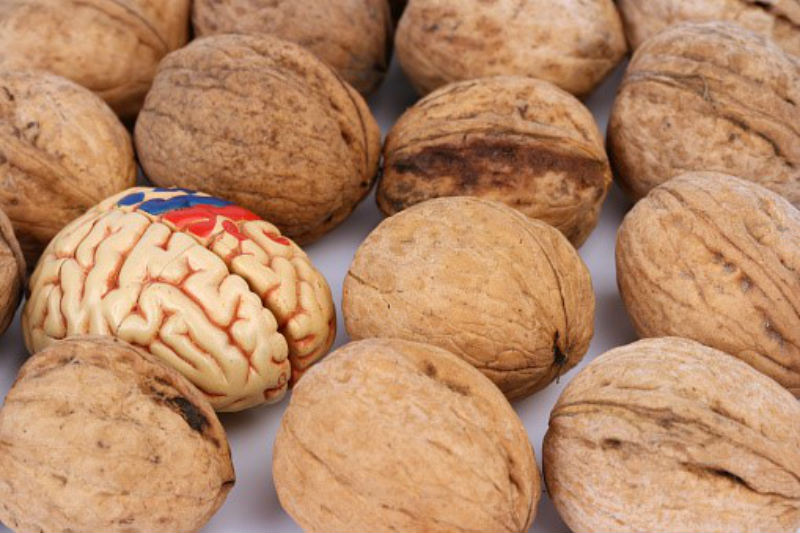
On this National Walnut Day, celebrate the many health benefits of becoming a walnut aficionado!
Healthy fats, fiber, vitamins, and minerals
are just some of the great components Mother Nature has packed into the
wonderful walnut. And these components have become the fodder for a
multitude of studies that have documented the numerous health benefits
walnuts proffer to those who eat them.
So, with no further ado, let’s take a look at some of the scientifically-proven benefits of walnuts: Higher antioxidant activity. Because vitamin E,
melatonin, and polyphenols are found in high concentrations in the
papery skin of the walnut, walnuts have a higher antioxidant activity than any other common nut, as validated by several studies. Decreased inflammation. The polyphenols found in
walnuts can help reduce oxidative stress and the ensuing inflammation it
causes. Inflammation plays a vital role in the development of many
diseases, including cancer, heart disease, type 2 diabetes, and
Alzheimer’s disease. Of particular note is pedunculagin,
the primary polyphenol walnuts contain. Pedunculagin is an
ellagitannin, a subgroup of polyphenols. Ellagitannins have known
activities against disease initiation and progression, including cancer,
cardiovascular, and neurodegenerative diseases. In addition, walnuts
contain ALA omega-3 fat, magnesium, and arginine, which may also serve
to decrease inflammation.
Improved metabolic status in patients with metabolic syndrome. In a two-arm, randomized, controlled crossover study,
researchers found that daily consumption of walnuts (45 g) for 16 weeks
improved metabolic syndrome status in patients with metabolic syndrome.
In addition, this intervention significantly increased HDL cholesterol
levels (P=0.028), fasting glucose (P=0.013), HbA1c (P=0,021), and adiponectin (P=0.019). Improved cardiometabolic profile. In a randomized, double-blind, placebo-controlled, cross-over trial,
subjects who consumed a smoothie containing 48 grams of walnuts during
two 5-day inpatients stays spaced 1 month apart had reduced fasting
small and dense LDL particles (P < 0.02), and increased large HDL (P
< 0.01), compared with placebo patients. Researchers also found that
walnut smoothie-drinking patients had significantly decreased
lipoprotein insulin resistance scores (P < 0.01), glucose AUC (P < 0.02), and insulin AUC (P < 0.04). Decreased depression. Walnut consumers, especially
women, may have lower depression scores than non-nut consumers,
according to the results of a recent study published in Nutrients.
This association was seen in a gamut of depressive states. Researchers
used data from the National Health and Nutrition Examination Survey
(NHANES) for 26,656 participants who ate 1) walnuts with high certainty,
2) walnuts with other nuts, 3) other types of nuts, or 4) zero nuts.
The mean depression score of participants who ate walnuts with high certainty was 26% lower than non-nut consumers (P < 0.0001), with the correlation stronger among women (32%, P < 0.0001) vs men (21%, P=0.05).
Of note, women in the study more frequently reported higher depression
scores. Specifically, when compared with walnut eaters, those who didn’t
partake were more likely to have trouble concentrating, feel that they
were moving or speaking abnormally, and think that they were better off
dead. Good gut health. In a study published in Nutrients,
researchers found that healthy adults who ate 1.5 oz (43 g) of walnuts
daily for 8 weeks had significantly increased probiotic- and butyric
acid-producing species in the gut. Butyrate is a fat that nourishes the
gut and promotes good gut health. Reduced risk of some cancers. Results from several pre-clinical, clinical, and observational studies suggest that eating walnuts may reduce the risk of certain cancers, including breast, prostate, and colorectal
cancers. Again, the ellagitannins in walnuts play a role. They are
converted in the gut into urolithins, which have anti-inflammatory
properties there and elsewhere. Urolithins also have hormone-like
properties, which may block hormone receptors, and thus reduce the risk
of hormone-related cancers, such as breast and prostate cancers.
It’s clear that the walnut, with all of its proven health benefits,
deserves a day of recognition. So, the next time someone offers you
walnuts—raw, roasted, or sprinkled on a salad—please partake of them,
for your continued good health!
I bet your doctor doesn't give you information like this. What is really needed is a protocol, these are just guidelines where YOU have to guess amounts and times.
From The Best Brain Possible by Debbie Hampton.
Can you really increase your brain power and do things of which you thought you weren’t capable?
Science says yes.
Your brain is one of the most important parts of your body. All of your actions are controlled by your brain.
For centuries, mankind has been testing the limits of what the three
pounds in our heads can do. Here are some simple ways, backed by
science, to supercharge your brain and optimize its health.
Take a vitamin B12 supplement daily
I get this from my B super complex every day. Of course I have no clue if I have low B12, so I may just be having expensive pee. Research
shows how important vitamin B12 is in keeping our minds sharp as we
age. Having a deficiency in this vitamin may contribute to the shrinkage
of the brain. Studies revealed
that people with low vitamin B12 were more likely to have a smaller
total brain volume and get lower scores on cognitive tests. Not getting
enough Vitamin B12 is a serious matter as it can lead to neurological
disorders such as Dementia, cognitive decline, Alzheimer’s and
Parkinson’s.
Keep your memory and brain working at peak performance by making sure
you have a healthy amount of Vitamin B12 in your diet. Animal products
such as fish, meat, dairy, poultry and, egg are good sources of Vitamin
B12. In addition, taking a supplement every day can help your memory
stay sharp, no matter what age you are.
Follow a brain training program
Just so you know, they don't work for what you think they do. They only make you better at the tested task, it doesn't transfer.
Our brain is like a machine. For it to work properly, it needs to be
heated up and used. Our brains can get stagnant if they’re not
challenged regularly. You can improve your cognitive skills by
participating in a regular brain training program. It’s just like having
a regular workout routine for your body. Brain training features
different exercises that are specifically created to target and improve
cognitive domains such as reasoning, memory, executive functions, and
speed of processing. Brain training is based on the fact that your brain
is neuroplastic,
which means that it has the capacity to rewire and reconnect throughout
life. There are many brain training programs available. To decide which
program is effective for you, select one that caters to your specific
purpose – be it rehabilitation, healthy brain aging, concentration, or
learning.
Move your body
2 hours of walking most days.
Moving your body is one of the best ways to get your brain working
optimally. Exercise increases the blood flow to the brain which, in
turn, elevates oxygen levels in the brain. Exercise promotes neurogenesis and neuroplasticity, the production of new neurons and the connections between neurons.
Many studies
have shown that during endurance or aerobic exercises, a
neuroprotective molecule called brain-derived neurotrophic factor (BDNF)
is produced. Research has revealed that an increase in BDNF amplifies many cognitive skills, including learning, memory, and attention.
Science has also found that exercising regularly helps protect both brain and memory health as we age. Activities that combine complex thinking with aerobic exercises, like ballroom dancing or tennis, are going to be of the most benefit to your brain and body. Female jogger tying her shoes preparing for a run
Do more than crossword puzzles
I buy various puzzle books and love Sudoku. I have yet to challenge myself to the hardest Sudoku puzzle ever written, Platinum Blonde, you can google it.
It is a common belief that doing a crossword puzzle every day will
keep your brain sharp and young and maybe even decrease your risk of
getting dementia or Alzheimer’s. Unfortunately, there’s no scientific
evidence to support this belief. The only proven positive effect doing crossword puzzles has on your brain is improved fluency, the ability to find words.
However, there is no need for an avid crossword fan to put down their
puzzles though. One way you can help your brain reap more benefit from
crosswords is to make it an exercise challenging enough to push your
brain to the next level. For example, give yourself a time limit and see
how fast you can complete the task.
Even if a crossword puzzle isn’t the best workout for your brain, it surely is fun – which is good for your brain.
Eat more almonds
Other nuts also: But since NO protocol exists, you are completely guessing on the amounts
Researchers from the University of Toronto and St. Michael's Hospital in Toronto, Canada, found that tree nuts (almonds, Brazils, cashews, hazelnuts, pecans, pine nuts, pistachios, macadamias and walnuts) and peanuts improved blood lipid levels and blood sugar levels in individuals with non-insulin dependent diabetes.
I’m sure you’ve heard of a neurotransmitter dopamine.
It is an important brain chemical which acts as a messenger to
transmit signals from the brain to the vital areas of our body. Amongst
its many functions, dopamine helps improve memory, focus, and attention.
It also helps control the flow of information from other areas of the
brain. Having a dopamine disorder, especially in the frontal lobe, can
lead to neurocognitive function decline, which can manifest as troubles
in attention, memory and problem-solving, and even Parkinson’s Disease. Almonds are a rich source of dopamine which can aid in regulating levels and increasing production.
Getting a massage can rejuvenate your mind and lower your heart rate and cortisol and insulin levels –
all of which result in stress reduction. A massage can help move the
brain’s balance from stressed out towards healing and relaxation and
encourages healthy brain function. The applied pressure to the muscles
stimulates receptors throughout the brain, and physical touch elevates
the production of dopamine.
Expose yourself to more natural light
In my 2 hour walks I take off my cap for 30-40 minutes to expose my bald head to the sun.
The modern lifestyle exposes us to artificial light everywhere we
turn for more hours than is natural. It comes from our TV screens,
mobile phones, and computers. Too much exposure to artificial light can
lead to trouble sleeping and concentration.
Limit your exposure to artificial light and increase your intake of
natural light whenever possible. Get out in the sunshine and get a
heaping dose of natural light. Natural light aids productivity, mood, sleep, and resets your circadian rhythms and increases serotonin production.
Go for a nature walk
2 hours of walking most days in a 124 acre natural area.
Walking is a good cardio exercise almost anyone can do. It has so many benefits for your brain, body, and mind. Walking makes your heart beat faster, which sends more oxygen to your brain improving overall brain function.
You can maximize the benefit of walking by going for a nature walk.
The beautiful scenery and fresh air will ease your stress level and help
give you a clear and relaxed perspective. Just being in nature has brain benefits. When you combine the pluses of being in nature with the effects of walking, it’s a win/win for your brain.
It is possible to go beyond what you perceive as your limits and reach higher levels.
Help your brain help you in this effort.
Supercharge your brain and be the best version of yourself you can be by following these scientifically proven steps. This is a guest post by Alex Gendron. Alex is a passionate writer for Topic Exchange where he writes about home remedies, beauty, health, and food which help people in their everyday lives.
Pennsylvania State University Health and Medicine News | August 11, 2017
sponsor
Eating almonds on a regular basis may help boost levels of HDL
cholesterol while simultaneously improving the way it removes
cholesterol from the body, according to researchers.
In a study, researchers compared the levels and function of high–density
lipoprotein (HDL cholesterol) in people who ate almonds every day, to
the HDL levels and function of the same group of people when they ate a
muffin instead. The researchers found that while participants were on
the almond diet, their HDL levels and functionality improved.
Penny Kris–Etherton, distinguished professor of nutrition at Penn State,
said the study, published in the Journal of Nutrition, builds on
previous research on the effects of almonds on cholesterol–lowering
diets.
The researchers wanted to see if almonds could not just increase the
levels but also improve the function of HDL cholesterol, which works by
gathering cholesterol from tissues, like the arteries, and helping to
transport it out of the body.
“HDL is very small when it gets released into circulation,”
Kris–Etherton said. “It’s like a garbage bag that slowly gets bigger and
more spherical as it gathers cholesterol from cells and tissues before
depositing them in the liver to be broken down.”
Depending on how much cholesterol it has collected, HDL cholesterol is
categorized into five “subpopulations,” which range from the very small
prebeta–1 to the larger, more mature alpha–1. The researchers hoped that
eating almonds would result in more alpha–1 particles, which would
signal improved HDL function.
In the controlled–feeding study, 48 men and women with elevated LDL
cholesterol participated in two six–week diet periods. In both, their
diets were identical except for the daily snack. On the almond diet,
participants received 43 grams — about a handful — of almonds a day.
During the control period, they received a banana muffin instead.
At the end of each diet period, the researchers measured the levels and
function of each participant’s HDL cholesterol. The researchers then
compared the results to the participants’ baseline measurements taken at
the beginning of the study.
The researchers found that compared to the control diet, the almond diet
increased alpha–1 HDL — when the particles are at their largest size
and most mature stage — by 19 percent. Additionally, the almond diet
improved HDL function by 6.4 percent, in participants of normal weight.
“We were able to show that there were more larger particles in response
to consuming the almonds compared to not consuming almonds,”
Kris–Etherton said. “That would translate to the smaller particles doing
what they're supposed to be doing. They're going to tissues and pulling
out cholesterol, getting bigger, and taking that cholesterol to the
liver for removal from the body.”
An increase in this particular HDL subpopulation is meaningful,
Kris–Etherton explained, because the particles have been shown to
decrease overall risk of cardiovascular disease.
Kris–Etherton said that while almonds will not eliminate the risk of
heart disease, they may be a smart choice for a healthy snack. She added
that in addition to their heart–healthy benefits, almonds also provide a
dose of good fats, vitamin E and fiber.
“If people incorporate almonds into their diet, they should expect
multiple benefits, including ones that can improve heart health,”
Kris–Etherton said. “They’re not a cure–all, but when eaten in
moderation – and especially when eaten instead of a food of lower
nutritional value – they're a great addition to an already healthy
diet.”


 On this National Walnut Day, celebrate the many health benefits of becoming a walnut aficionado!
