Changing stroke rehab and research worldwide now.Time is Brain! trillions and trillions of neurons that DIE each day because there are NO effective hyperacute therapies besides tPA(only 12% effective). I have 523 posts on hyperacute therapy, enough for researchers to spend decades proving them out. These are my personal ideas and blog on stroke rehabilitation and stroke research. Do not attempt any of these without checking with your medical provider. Unless you join me in agitating, when you need these therapies they won't be there.

What this blog is for:

My blog is not to help survivors recover, it is to have the 10 million yearly stroke survivors light fires underneath their doctors, stroke hospitals and stroke researchers to get stroke solved. 100% recovery. The stroke medical world is completely failing at that goal, they don't even have it as a goal. Shortly after getting out of the hospital and getting NO information on the process or protocols of stroke rehabilitation and recovery I started searching on the internet and found that no other survivor received useful information. This is an attempt to cover all stroke rehabilitation information that should be readily available to survivors so they can talk with informed knowledge to their medical staff. It lays out what needs to be done to get stroke survivors closer to 100% recovery. It's quite disgusting that this information is not available from every stroke association and doctors group.

Showing posts with label out-of-date. Show all posts

Saturday, May 9, 2026

Acute effects of upper-limb blood flow restriction training on dual-task postural control and physiological correlates in older adults

 Ask your competent? doctor if this would provide the same fall prevention as normal subjects.  Not even knowing about this research is worse than not knowing the answer, because it means your doctor is relying on outdated medical school knowledge rather than current research. In my book, that's a fireable offense!

Acute effects of upper-limb blood flow restriction training on dual-task postural control and physiological correlates in older adults

    We are providing an unedited version of this manuscript to give early access to its findings. Before final publication, the manuscript will undergo further editing. Please note there may be errors present which affect the content, and all legal disclaimers apply.

    Abstract

    Background

    Falls represent a major health concern in older adults, underscoring the need for interventions that enhance postural control. This study investigated whether applying blood flow restriction (BFR) during short-term arm ergometry training improves posture–cognition dual-task performance and adaptive changes in cortical–postural coupling.

    Methods

    Twenty-six older adults (12 males, 14 females; 69.1 ± 3.0 years) completed a single 21-minute session of arm ergometry with gender-specific workloads, either combined with BFR at 80% systolic pressure or without restriction (control). Dual-task performance, balance dynamics, and cortico-postural phase–amplitude coupling (PAC) were assessed during concurrent light-pod tapping and stance on an unstable foam surface.

    Results

    Compared with controls, the BFR condition resulted in greater reductions in center of pressure (COP) area (p = 0.002) and velocity (p = 0.003), indicating improved postural control. Stabilogram diffusion analysis further revealed reductions in critical displacement (CD, p < 0.001) and short-term diffusion coefficient (Ds, p = 0.002), suggesting decreased sway variability and enhanced postural regulation. Phase–amplitude coupling (PAC) analysis showed a significant between-condition difference in the theta band at the frontal region of interest, with greater negative modulation under BFR compared with NBFR (p = 0.016). In contrast, no significant between-condition differences were observed in the alpha or beta PAC (p > 0.05). These findings indicated frequency-specific modulation of cortico–postural coupling associated with upper-limb BFR training.

    Conclusion

    Arm ergometry combined with BFR is associated with improved dual-task postural performance in older adults. These changes were accompanied by frequency-specific modulation of cortico–postural coupling, evident in the theta band at frontal regions. These findings suggest that upper-limb BFR training may represent a feasible and accessible intervention for improving balance under dual-task conditions in aging populations.

    Sunday, April 12, 2026

    Enriched environments improve stroke recovery and reduce brain inflammation

    WOW! You really like proving just how out-of-date you are! You don't follow research at all, do you? Are you're still employed in stroke?

    Let's check how long you've been absolutely stupid and missed all the intervening research!

    THIS is the reason survivors need to be in charge, no one in the stroke medical world is putting it all together with a way to get to 100% recovery. No one seems to be up-to-date.

    The latest here:

     Enriched environments improve stroke recovery and reduce brain inflammation

    Stroke is one of the leading causes of death worldwide. Its recovery is often challenging as most of the stroke survivors remain chronically disabled, with motor deficits affecting a significant percentage of patients. Stroke recovery continues long after the initial injury stabilization. In the early recovery period, during the first weeks after the insult, the brain enters a prolonged phase of repair and inflammation. This chronic response can strongly influence poststroke recovery and long-term disability.

    The poststroke recovery environment plays an important role in the healing process. Recent studies(Not recent at all; quit lying just to make yourself not look stupid!) suggest that environmental enrichment (EE), a recovery setting that combines greater physical activity, sensory stimulation, and social interaction, can improve recovery. However, how the stimulation affects poststroke brain inflammation and white matter pathology is not well-understood.

    To address this, a team of researchers, led by Dr. Lluís Camprubí-Ferrer, from the Experimental Neuroinflammation Laboratory, Lund University, Sweden, conducted an animal-based study to understand the effect of EE on poststroke inflammation, microglial response, and myelin integrity. The study was made available online on February 25, 2026, and was published in Volume 4, Issue 1 of the journal Neuroprotection on March 01, 2026.

    "EE is known for exerting beneficial effects on neuroplasticity and recovery after stroke. However, a systemic study on understanding the microglial phenotypes during the recovery period after stroke under enriched housing conditions was lacking. Our study addresses this research gap," says Dr. Camprubí-Ferrer.

    The researchers induced photothrombotic (PT) stroke, a commonly used experimental model that creates a localized injury in the brain, in male mice and randomized mice into standard environment (SE) or to an EE with more space, social contact, exercise opportunities, and frequently changed objects. The mice were then monitored for sensorimotor recovery over 3 weeks. In addition, they examined the brain for signs of microglial activity and myelin damage.

    The behavioral findings clearly highlighted the role of EE in PT stroke recovery. Mice housed in EE performed better on tests of paw placement, foot fault, and limb symmetry, with benefits persisting through 21 days after stroke. When the researchers combined these outcomes into an overall neurological score, the EE group showed stronger recovery.

    The tissue analysis revealed that in SE mice, larger infarcts were closely linked to stronger chronic inflammatory signals. In addition, larger lesions were associated with more myelin debris around the infarct and greater loss of myelin in white matter. In contrast, in EE mice, the usual link between infarct size and chronic inflammatory markers like galectin‐3 was largely absent. The same was true for myelin debris accumulation and white matter myelin loss. The findings suggest that enrichment weakened the tendency for larger lesions to drive stronger long-term inflammation and tissue disruption.

    In white matter, higher levels of triggering receptor expressed on myeloid cells 2 (TREM2)-positive microglia were associated with better neurological recovery in EE mice. No other inflammatory or myelin marker showed such a robust relationship with behavior. This highlights TREM2-positive microglia as a potential cellular link between EE and improved functional recovery.

    "Our findings suggest that interventions like EE that targets microglial marker suppression and TREM2 potentiation may contribute to post‐stroke white matter repair and improve functional outcomes," concludes Dr. Camprubí-Ferrer.

    Source:
    Journal reference:

    Camprubí‐Ferrer, L., et al. (2026). Environmental enrichment modulates chronic poststroke inflammation and links white matter TREM2‐positive microglia in recovery in mice. Neuroprotection. DOI: 10.1002/nep3.70028. https://onlinelibrary.wiley.com/doi/10.1002/nep3.70028

    Thursday, February 26, 2026

    American Heart Association says threat of heart disease and stroke is growing substantially among women

     WOW, even the AHA is completely fucking out-of-date, they don't know that stroke has been called neurological disease by the WHO since 2006 not cardiovascular, once again proving our medical 'professionals' don't keep up to date in their field! Why would your trust anything coming out of such incompetence?

    American Heart Association says threat of heart disease and stroke is growing substantially among women

    MADISON (WKOW) -- Over the next 25 years, nearly 6 in 10 women in the U.S. will have some type of cardiovascular disease.

    That's according to projections outlined in a new scientific statement from the American Heart Association, published Wednesday in Circulation.

    The AHA says nearly 60% of women in the U.S. could have high blood pressure by 2050, up from about 5 in 10 previously reported for 2020.

    Findings from the report point to significant increases among women for all types of cardiovascular disease, including heart disease, heart failure, atrial fibrillation and stroke.

    Surges are also projected among women for many of the major health factors that contribute to cardiovascular disease, including high blood pressure, obesity and diabetes.

    Researchers say what's even more concerning is the prevalence of some health factors is increasing among young girls, ages 2-19, as well.

    The increases are even more prevalent among women and girls identifying as American Indian/Alaska Native, Black, Hispanic or multiracial people.

    “Cardiovascular disease is the leading cause of death for women and remains their #1 health risk overall,” said Stacey E. Rosen, M.D., FAHA, volunteer president of the American Heart Association and executive director of the Katz Institute for Women’s Health and senior vice president of women’s health at Northwell Health in New York City. “While many people may think these conditions like high blood pressure are only occurring in older women, we know this is not the case. We know the factors that contribute to heart disease and stroke begin early in life, even among young women and girls. The impact is even greater among those experiencing adverse social determinants of health such as poverty, low literacy, rural residence and other psychosocial stressors. Identifying the types of trends outlined in this report is critical to making meaningful changes that can reverse this course.”

    There is some good news ahead as AHA says the rates of high cholesterol are expected to decline among nearly all groups of women.

    Additionally, there are improvements expected in some of the health behaviors that impact CVD, including healthier eating, more physical activity and less smoking.

    The American Heart Association defines optimal health through its Life’s Essential 8™ — four health behaviors (eat better, be more active, quit tobacco and get healthy sleep) and four health factors (manage weight, control cholesterol, manage blood sugar and manage blood pressure).

    Friday, February 20, 2026

    Relearning Movement After Brain Injury: Doctor Explains How The Bobath Approach Helps Patient Rehabilitation

    WOW! This doctor is so out-of-date it's incomprehensible!

    Who still uses NDT(Bobath) in stroke rehab when it should have been shitcanned since 2003? Physiotherapy Based on the Bobath Concept for Adults with Post-Stroke Hemiplegia: A Review of Effectiveness Studies 2003)

    Relearning Movement After Brain Injury: Doctor Explains How The Bobath Approach Helps Patient Rehabilitation


    Structured neurorehabilitation frameworks, such as Bobath therapy, play a critical role in helping patients relearn movement safely, efficiently, and functionally.

    Written by: Dr Gaurish Kenkre Health Feb 19, 2026 17:16 pm ISTLast Updated On Feb 19, 2026 17:16 pm ISTFacebook
    Relearning Movement After Brain Injury: Doctor Explains How The Bobath Approach Helps Patient Rehabilitation
    Bobath therapy framework supports clinical reasoning,
     adaptability, and patient-centred care
     Neurological injuries changes life in an instant. A stroke, traumatic brain injury, or progressive neurological disorder does not merely weaken muscles; but it disrupts coordination, balance, perception, and, perhaps most profoundly, confidence. In my clinical practice, patients often tell me that the hardest part is not the paralysis itself, but the uncertainty that follows. Will I walk again? Will I be able to care for myself? Will I remain dependent on my family? These questions reflect a deeper fear which involves the loss of independence and identity.

    Therefore, I believe that rehabilitation must respond to these concerns in a practical and a measurable manner where a patient's recovery is not defined by their survival alone; but measured by their ability to return to participation in daily life activities. Structured neurorehabilitation frameworks, such as Bobath therapy (Neurodevelopmental Treatment), play a critical role in such journeys by helping patients relearn movement safely, efficiently, and functionally.

    Beyond Exercise: Understanding the Bobath Concept

    Bobath therapy is often misunderstood as a set of exercises to be done regularly. While in reality, it is a clinical reasoning approach grounded in neuroplasticity and motor control science. The goal is not merely to develop movement, but it is to restore the quality of movement which includes alignment, timing, coordination, and efficiency.

    Neurological injury frequently leads to compensatory patterns. Patients may lean excessively to one side, use abnormal muscle synergies, or lock joints to create stability. While these strategies may allow short-term function, they increase long-term risks such as falls, pain, joint damage, and fatigue.

    Bobath therapy addresses these challenges through:

    1. Facilitated movement: Skilled hands-on guidance helps normalize tone, improve alignment, and enable safer movement patterns.
    2. Postural control and trunk stability: Since functional movement originates from the trunk, improving the core control is fundamental to in recovery process.
    3. Task-specific practice: Activities such as sit-to-stand, reaching, turning, and walking are practiced in progressively challenging environments.
    4. Adaptive clinical reasoning: Therapy evolves continuously based on patient response, fatigue, cognition, and stage of recovery.
    5. Functional integration: Gains are translated into Activities of Daily Living (ADLs) such as dressing, feeding, transfers, and mobility.

    The emphasis is always on purposeful activity. The brain does not relearn movement through isolated muscle contractions alone, but it relearns through meaningful tasks that mirror real life.

    Also Read: Can Wearables Really Detect Brain Health Problems? Neurologists Explain

    The Neuroscience Behind Recovery

    Bobath therapy is grounded in neuroplasticity, which is the brain's capacity to reorganize and establish new neural connections after injury. The research in motor learning demonstrates that repetitive, goal-directed, and context-specific practice strengthens neural pathways and improves functional outcomes.

    Clinical evidence suggests that Bobath-based interventions can improve postural control, balance, and mobility, particularly in early recovery phases and in patients with significant tone abnormalities. However, contemporary systematic reviews also indicate that Bobath is not consistently superior to other task-specific approaches, especially for fine upper-limb recovery.

    This does not diminish its value. Rather, it reflects the evolution of neurorehabilitation. No single approach is universally optimal. Outcomes depend more on early intervention, therapy intensity, and functional relevance than on strict adherence to one model.

    In modern practice, Bobath principles are most effective when integrated with strength training, constraint-induced movement therapy, occupational therapy, and technology-assisted rehabilitation. The emphasis is on individualized care such as selecting the right combination of interventions for each patient.

    Who Benefits from Bobath Therapy?

    Bobath therapy is widely used across the lifespan in conditions such as:

    • Stroke
    • Traumatic brain injury
    • Spinal cord injury
    • Cerebral palsy
    • Multiple sclerosis
    • Parkinsonian disorders

    In adult stroke rehabilitation, patients often validate improvements with their trunk stability, balance, transfer ability, and step symmetry. Improved postural control can significantly reduce fall risk which is a key element of long-term independence.

    In paediatric neurorehabilitation, early intervention helps children develop more efficient movement patterns, supporting motor milestones and participation in school and play.

    These improvements are equally important to the caregivers. When a patient regains the ability to sit independently or perform safe transfers, caregiver's strain reduces and home environment becomes normal.

    Also Read: Rishabh Pant Begins Hyperbaric Oxygen Therapy For Faster Recovery Ahead Of IPL 2026: Does This Treatment For Injuries Work?

    Restoring Function, Confidence, and Dignity

    Neurological injury affects identity as much as it affects muscle tone. The inability to perform everyday tasks often leads to social withdrawal, build anxiety, and reduced self-worth. Therefore, rehabilitation must restore the strength and also rebuild the confidence and independence of every patient.

    Bobath therapy provides a structured pathway to reconnect movement with a meaning. Improved trunk alignment enables safe walking. Such functional gains are not minor achievements but they help restore dignity and urge of participation.

    Ideally, in rehabilitation centres and treatment clinics, Bobath principles should be integrated within a multidisciplinary framework that includes physiotherapy, occupational therapy, speech therapy, cognitive retraining, and advanced rehabilitation technologies. This Bobath therapy framework supports clinical reasoning, adaptability, and patient-centred care. Therapy plans should be individualised and aligned with real-life goals to enable better, long-term physical and mental health outcomes. When initiated early and delivered with appropriate intensity, it can significantly influence recovery speed.

    Rehabilitation is ultimately a journey of rebuilding. With structured guidance, meaningful practice, and scientific integration, the physical movement can be return and help regain independence.

    (By Dr Gaurish Kenkre, Senior General Manager and Centre Head, Atharv Ability)

    Disclaimer: The opinions expressed within this article are the personal opinions of the author. NDTV is not responsible for the accuracy, completeness, suitability, or validity of any information on this article. All information is provided on an as-is basis. The information, facts or opinions appearing in the article do not reflect the views of NDTV and NDTV does not assume any responsibility or liability for the same.

    Saturday, August 30, 2025

    Phased blood-brain barrier disruption in ischaemic stroke: implications for therapy?

     Why listen to you when you don't know that stroke has been called neurological disease by the WHO since 2006 not cerebrovascular, once again proving the stroke medical world doesn't keep up to date in their field!

    Phased blood-brain barrier disruption in ischaemic stroke: implications for therapy?


    Abstract

    Cerebrovascular disease, which primarily affects the brain’s blood vessels, remains a major global cause of death and disability. Among its clinical manifestations, ischaemic stroke is by far the most common. Prolonged oedema due to blood vessel leakage is detrimental to the delicate neuronal environment throughout the ischaemic and reperfusion phase and contributes to the mortality, morbidity, and disabilities associated with this devastating condition. Under physiological conditions, an intact blood-brain barrier (BBB) protects and regulates solute and cell transit in and out of the central nervous system. Indeed, dysfunction of this formidable cerebrovascular regulator has been functionally linked to adverse outcomes in stroke. While our knowledge of the underlying mechanism is incomplete, increasing evidence, particularly from studies using models of rodents exposed to middle cerebral artery occlusion (MCAO), supports a biphasic breakdown of the BBB in ischemic stroke. However, debate persists regarding the precise mechanisms of BBB dysfunction. Understanding this pathobiology is essential for developing targeted interventions to improve clinical outcomes in stroke patients. In this review, we provide a summary of the structure and function of the BBB as well as the cellular and molecular determinants of leakage pathways present in pathological conditions, and evaluate medical strategies aimed at reducing BBB disruption in stroke. We also discuss the potential for selectively targeting specific phases of BBB leakage.

    (So, you described a problem; PROVIDED NO SOLUTION; You're fired!)

    Wednesday, August 27, 2025

    Cardiorespiratory Training for Poststroke Cognition—Targeting the Mind Through the Body

     What's obviously clear is your incompetence in keeping up with research in your field! You're fired!

  • aerobic exercise (65 posts to February 2016)
  • Cardiorespiratory Training for Poststroke Cognition—Targeting the Mind Through the Body


     Published Online: August 26, 2025 2025;8;(8):e2528921. doi:10.1001/jamanetworkopen.2025.28921 

    Although the benefits of aerobic exercise for overall cardiovascular health and both primary and secondary stroke prevention are well established—and cognitive decline is known to occur in the context of recurrent strokes and poor overall health 2—the role of aerobic exercise in supporting cognitive function independent of these factors remains unclear. The well-designed randomized clinical trial by Brodtmann et al3 tested a biologically plausible but previously undersupported theory4: that an intense structured cardiorespiratory exercise (CRX) program may be protective against stroke-related cognitive impairment. In this study, patients with subacute ischemic stroke (within 2 months of onset) participated in an 8-week, high-intensity intervention (180 minutes per week). Participants were randomized to receive either progressive aerobic and resistance training (the CRX group—active intervention) or a control regimen consisting of balance and stretching exercises. The primary outcome, change in hippocampal volume, did not differ significantly between the groups (effect size: −0.10; 95% CI, −0.01 to 0.87). However, notable benefits emerged in the cognitive domains commonly affected in patients who survive stroke.5 Patients in the CRX group demonstrated superior performance on executive function, measured by the Trail Making Test, part B (effect size: −3.75; 95% CI, −5.02 to −2.49), as well as global cognition—including memory, language, and praxis—assessed by the Alzheimer Disease Assessment Scale–Cognition subscale (effect size: −1.00; 95% CI, −1.35 to −0.65). These secondary and exploratory outcomes highlight an essential message: that supervised, intensity-tailored aerobic and resistance training programs can yield meaningful cognitive improvements after stroke.

    At first glance, the lack of significant change in the primary imaging outcome—hippocampal volume—might suggest a “negative” trial. However, from a clinical standpoint, the findings are both positive and actionable. The study demonstrated that aerobic exercise confers tangible clinical benefits, reinforcing the idea that it should be regarded not just as a tool for improving mobility and cardiovascular health but also as a potentially viable intervention for cognitive recovery after stroke. This shifts the narrative from offering generic advice to stay active toward recommending structured aerobic exercise programs delivered by trained professionals. Notably, the slower-than-expected rate of hippocampal atrophy in the control group—likely due to higher-than-standard activity levels across both groups2—may have limited the ability to detect between-group differences. The authors also acknowledged that structural brain changes may require longer intervention durations to become measurable, suggesting that future studies could further elucidate the full potential of aerobic exercise in neurorehabilitation.

    It is also important to consider the generalizability of these findings. The study cohort had a median National Institute of Health Stroke Scale score of 0 to 1 at the time of enrollment and a low burden of cardiovascular comorbidities, reflecting a population with relatively mild strokes and higher functional capacity. This likely contributed to their ability to adhere to the demanding exercise protocol. Future trials should aim to include more representative stroke populations, including individuals with moderate to severe strokes, those with significant cardiovascular risk, and patients with hemorrhagic strokes. Expanding the scope of study populations will be critical for informing clinical guidelines and ensuring equitable access to evidence-based poststroke interventions.

    Of note, the authors deserve particular commendation for their determination to complete the trial amid the challenges posed by the COVID-19 pandemic. Their creative adaptation, including the design and deployment of the virtual platform to deliver the intervention remotely, ensured that enrollment targets were met and underscored the feasibility of scalable models of poststroke rehabilitation.

    In summary, this randomized clinical trial provides convincing evidence that structured, supervised CRX can enhance cognitive outcomes following ischemic stroke. While no significant structural brain changes were observed during the study duration, the cognitive improvements suggest that neural function—and potentially, neuroplasticity—can be influenced through targeted exercise interventions. It is time for stroke care to embrace a more integrated approach, one that recognizes cardiorespiratory fitness not only as a cardiovascular or motor imperative6 but also as a cornerstone of cognitive recovery. This trial marks a pivotal step toward embedding personalized, intensity-guided exercise programs into the core of poststroke care.

    Monday, March 10, 2025

    Efficacy and Safety of Early Mobilization and Factors Associated with Rehabilitation After Stroke—Review

     Why the fuck was this review needed? You're so out-of-date you don't constantly follow stroke research?

  • Early Mobilization (18 posts to May 2014)
  • Efficacy and Safety of Early Mobilization and Factors Associated with Rehabilitation After Stroke—Review

                                     by 1,*, 2 and 1
    1
    Neurological and Neurosurgical Nursing Department, Faculty of Health Science, Collegium Medicum in Bydgoszcz, Nicolaus Copernicus University in Toruń, 85-821 Bydgoszcz, Poland
    2
    Department of Neurological Nursing, Faculty of Health Science, Poznań University of Medical Sciences, 60-806 Poznań, Poland
    *
    Author to whom correspondence should be addressed.
    J. Clin. Med. 2025, 14(5), 1585; https://doi.org/10.3390/jcm14051585
    Submission received: 29 January 2025 / Revised: 18 February 2025 / Accepted: 25 February 2025 / Published: 26 February 2025
    (This article belongs to the Special Issue Clinical Perspectives in Stroke Rehabilitation)

    Abstract

    Background/Objectives: Knowledge about the safety and effectiveness of early post-stroke mobilization and its correlation with various factors is necessary to select an appropriate rehabilitation program and reduce the time of convalescence. Understanding the above processes will help to effectively lower the economic burden. Thus, we conducted a review to assess the safety and effectiveness of early post-stroke rehabilitation and the impact of various factors on the course of therapy. 

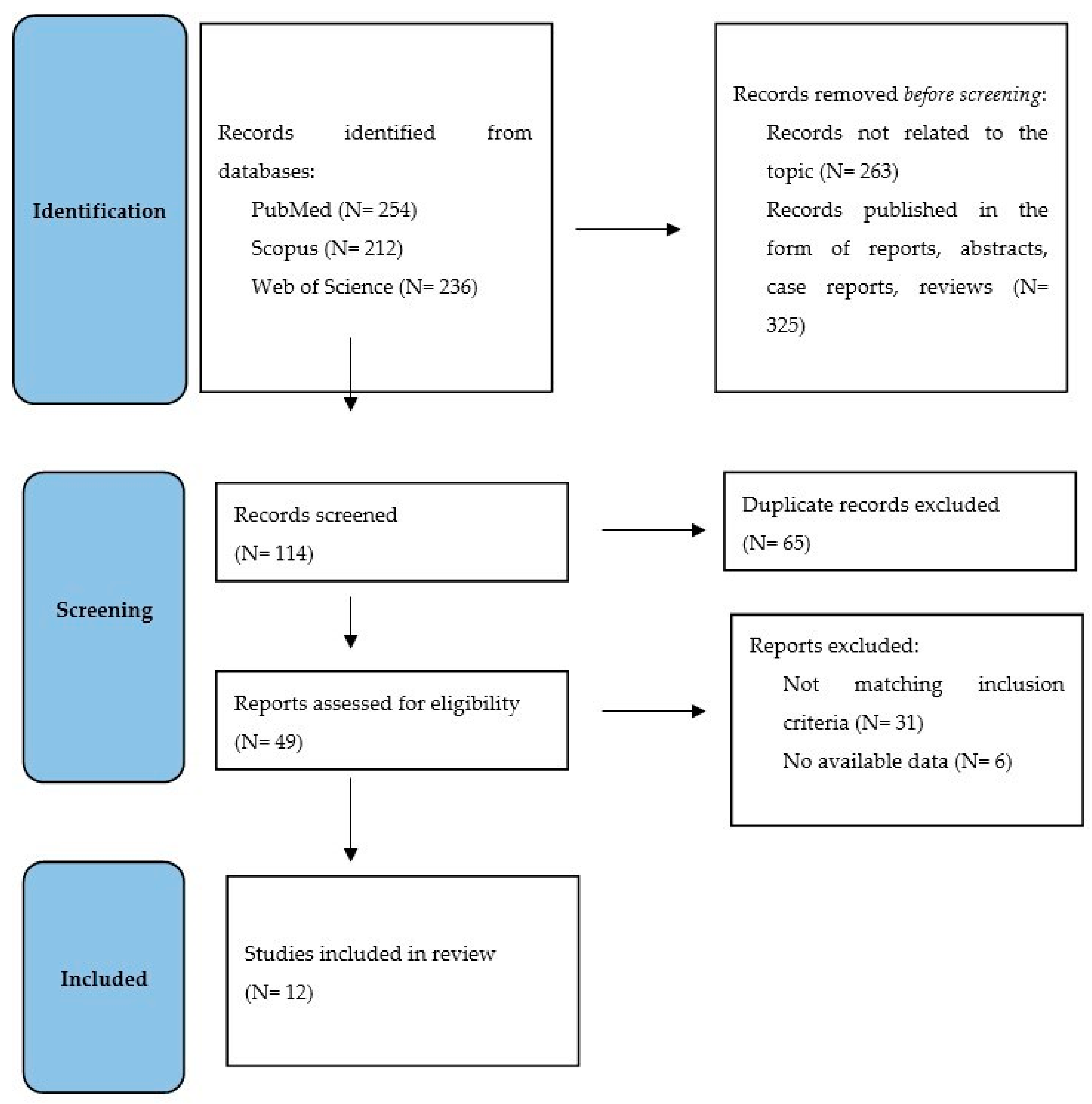
    Methods: The analysis included publications meeting the inclusion criteria published in the years 2015–2024 in Web of Science, Scopus, Embase, and PubMed. Finally, 12 studies were qualified for the review. The study group ranged from 37 to 2325 people. 

    Results: The results of studies on early stroke mobilization indicate possible benefits, including reduced time of hospitalization and faster achievement of higher functional scores. It has been shown that the important factors correlating with the effectiveness of therapy include: rehabilitation intensity, age, functional status before the stroke, depression, social support, lesion location, lower extremity deep vein thrombosis, cognitive disorder, dysphagia, and lower limb spasticity. 

    Conclusions: There is a strong need for research into post-stroke rehabilitation to speed up recovery times and reduce the economic burden on the country. Current research findings on the efficacy and safety of early rehabilitation are inconsistent. There is a strong need for international guidelines.

    1. Introduction

    According to the American Stroke Association: “A stroke occurs when a blood vessel that carries oxygen and nutrients to the brain is either blocked by a clot or bursts (or ruptures). When that happens, part of the brain cannot get the blood (and oxygen) it needs, so it and brain cells die” [1]. Stroke is a disease with a high risk of death. The World Health Organization estimates that 15 million people worldwide suffer a stroke each year, and 5 million of them die. Another five million people struggle with many permanent consequences of stroke, such as paresis, paralysis, cognitive impairment, epilepsy, and aphasia. The permanent disability of patients significantly burdens the community and family [2,3]. It is recognized that the direct clinical consequences of stroke are associated with many more or less known medical, psychosocial, and musculoskeletal problems [4]. The goal of post-stroke therapy is primarily to enhance the functional and structural reorganization of the brain. Therefore, healthcare workers and scientists are still looking for effective methods to stimulate the natural healing process, which is influenced by many factors, e.g., the area of damage and its location in the brain, the patient’s condition before the stroke, genetic factors, and comorbidities. Currently, rehabilitation is the only form of treatment that is considered an effective way to enhance the healing process both in the subacute and chronic period after vascular incidents [5,6].
    Stroke remains the leading cause of death and disability worldwide. The economic costs of caring for stroke patients are high. Nearly 34% of global health expenditure is spent on stroke [7,8]. Nevertheless, implementing early rehabilitation after stroke contributes to reducing the costs of care for neurological patients. Early mobilization is defined as out-of-bed activities in the acute stroke phase [9]. In many countries, patients are qualified for rehabilitation after 24 h from the moment of stroke. In general, it is worth noting that the optimal time to start physiotherapy is still elusive and is subject to many trials and studies. Both early and long-term and intensive rehabilitation play a significant role [10]. One study conducted in Washington among 72 patients showed that the respondents in the group of therapy initiated 2–3 months after the stroke were characterized by the greatest improvement one year after the stroke. The authors of the study emphasize the need to provide patients with more intensive physical rehabilitation in the period from 60 to 90 days after the stroke [11]. In turn, the primary justification for early rehabilitation is to prevent or reduce the risk of complications (falls, infections and deep vein thromboembolism, loss of cardiovascular fitness, muscle atrophy), promoting brain recovery. Furthermore, there are a number of doubts regarding early mobilization due to, among others, its possible impact on blood pressure. These concerns apply mainly to patients with hemorrhagic stroke and patients treated with recombinant tissue-type plasminogen activator (r-tPA). Many of the previously published research results on the efficacy and safety of early mobilization after acute stroke are inconsistent [12]. The A Very Early Rehabilitation Trial (AVERT) [13] series of studies highlighted that very early rehabilitation after stroke is not always beneficial. These studies also included patients who had received rt-PA. The authors of the study pointed out that, as usual, care in a stroke unit varies depending on the location. Therefore, it would be an oversimplification to simply advise usual care. However, another multicenter study, the Early Sitting in Ischemic Stroke Patients (SEVEL) [14], showed that sitting exercises over 24 h can reduce neurological deficit both at discharge and within 3 months after stroke. Due to the large discrepancies in the results of the studies conducted, the most reasonable solution would be to introduce the required safety criteria taking into account the patient’s condition, type of stroke, treatment applied, blood pressure measurement, and others. Due to the fact that the current discussion lacks a common understanding regarding the definition of early rehabilitation, evidence regarding patient qualifications, benefits, and risks of its implementation, we decided to conduct a general review of currently published studies. The aim of this review of studies was to assess the impact of the start time of rehabilitation, its effectiveness, and the correlation of multiple factors in terms of physiotherapy on the overall improvement in the functioning of patients after stroke.

    More at link.

    Wednesday, February 5, 2025

    Optimization of a comprehensive rehabilitation program for patients with motor dysfunction following a stroke

     First you have to do the research that creates 100% recovery protocols! Then you deliver them to all 10 million yearly stroke survivors, not the hospitals. Hospitals have proven they are completely out-of-date in implementing ANY USEFUL STROKE RECOVERY RESEARCH!

    Optimization of a comprehensive rehabilitation program for patients with motor dysfunction following a stroke

    Sharafova Inobat AxmedjonovnaRehabilitation, code 14.00.12, Samarkand State Medical University, Uzbekistan

    Saydaliyeva Sevara Shavkat qiziMaster’s degree student, “Therapy: Folk Medicine”, Uzbekistan

    Received:24October2024;Accepted:26December2024;Published:16January2025

    Abstract:

    This study aims to optimize rehabilitation strategies for stroke patients with motor dysfunction by integrating traditional therapies with emerging technologies. A mixed-methods approach will be used to evaluate the effectiveness of a personalized rehabilitation program that combines physical therapy, occupational therapy, robotic-assisted therapy, virtual reality (VR), and neurostimulation. Participants will include stroke patients with motor impairments, and outcomes will be measured in terms of motor recovery, functional independence, and quality of life. Data will be analyzed through both quantitative (e.g., Fugl-Meyer Assessment, Stroke Impact Scale) and qualitative methods (e.g., interviews, thematic analysis). The study emphasizes the importance of patient-centered care and evidence-based practices, with the goal of providing more effective and individualized rehabilitation for stroke survivors.Keywords:Stroke rehabilitation, motor dysfunction, physical therapy, robotic-assisted therapy, virtual reality, neurostimulation, patient-centered care, neuroplasticity, functional independence, quality of life.Introduction:Stroke remains one of the leading causes of long-term disability worldwide, profoundly affecting patients’ motor functions and overall quality of life. Motor dysfunction following a stroke often presents as muscle weakness, spasticity, or impaired coordination, significantly hindering the ability to perform basic daily activities. This not only increases dependence on caregivers but also reduces the affected individual’s participation in social and economic life. Given the global rise in stroke incidence, the need for effective and innovative rehabilitation strategies has become increasingly urgent.Stroke can cause chronic sequelae in the hemiparetic upper extremity, requiring long-term rehabilitation care . This highlights the critical need for effective rehabilitation programs that address both the physical and functional challenges faced by stroke survivors. Comprehensive rehabilitation programs play a pivotal role in the recovery process, addressing various aspects of motor dysfunction through a multidisciplinary approach. These programs typically encompass physical therapy, occupational therapy, and emerging technologies such as neurostimulation and robotics. However, many existing rehabilitation protocols fail to adequately cater to the individualized needs of patients or to fully incorporate recent advancements in medical science.This study seeks to optimize rehabilitation strategies for stroke patients with motor dysfunction by integrating evidence-based practices with personalized care approaches. By prioritizing improvements in motor recovery and functional independence, this research aims to contribute to the development of more effective, adaptable, and sustainable rehabilitation models.

    More at link.