Showing posts with label flavonoids. Show all posts
Showing posts with label flavonoids. Show all posts
Saturday, August 29, 2026


Wednesday, August 5, 2026
Review finds blueberry and grape polyphenols may improve vascular health
If your competent? doctor waited this long before including these in your diet protocol! THAT IS PURE INCOMPETENCE!
Why hasn't that doctor been fired yet? With NO protocol and not following research what is keeping them employed?
- blueberries
(28 posts to January2013)
- grapes
(10 posts to October 2012)
- red grapes
(1 post to May 2016)
Review finds blueberry and grape polyphenols may improve vascular health
From endothelial function to blood pressure, the review maps where blueberry and grape bioactives show promise and where the clinical evidence still falls short.
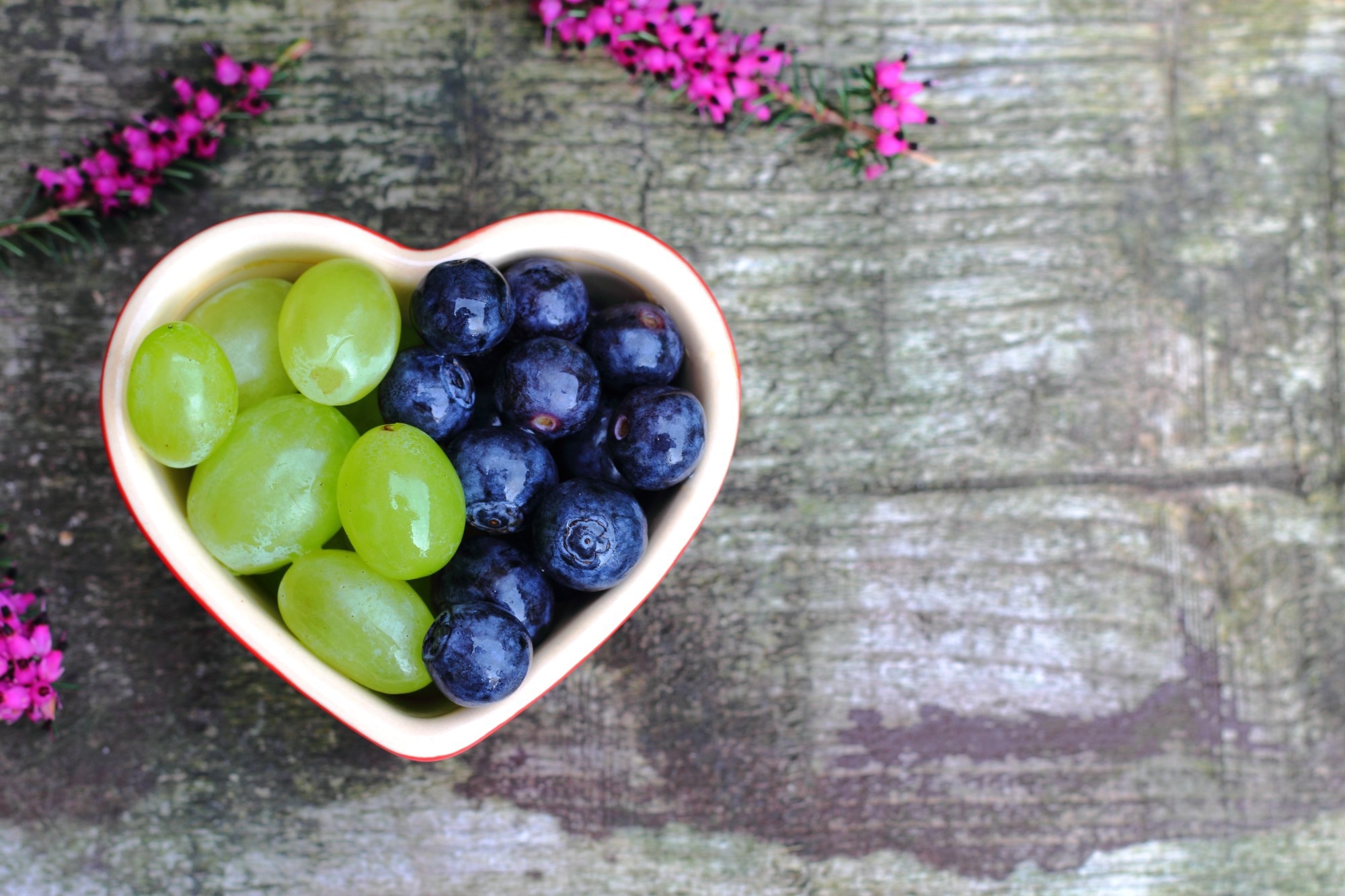
Study: Polyphenols and Cardiovascular Health: Emerging Relevance for Blueberries, Grapes, and Red-Fleshed Table Grapes. Image Credit: Den Debono / Shutterstock
A recent review published in the journal Nutrients examined the evidence on the effects of blueberries, grapes, and their bioactive compounds on cardiovascular risk markers.
Cardiovascular disease (CVD) is among the most prevalent noncommunicable diseases and a leading cause of mortality in Europe. The paper reports that CVD accounts for more than 60 million potential years of life lost in Europe. Diet is increasingly recognized as a modifiable risk factor for CVD, and dietary bioactive compounds have attracted attention for their potential role in cardiovascular prevention and risk management. Several fruits, including grapes, have been investigated for their potential cardioprotective effects.
Berries and grapes contain a wide range of polyphenolic bioactive compounds, including resveratrol, flavonoids, and anthocyanins, with anti-inflammatory, antioxidant, and potentially cardioprotective biological effects. Experimental evidence indicates that grape polyphenols may influence processes implicated in CVD by reducing platelet aggregation and low-density lipoprotein (LDL) oxidation, suppressing inflammation, and improving endothelial function.
Evidence also suggests that gut microbiota metabolize polyphenols, especially anthocyanins, into bioactive metabolites that influence cardiovascular function. Resveratrol, abundant in the skin of dark grapes, is reported to modulate cardiac remodeling, exert antioxidant and anti-inflammatory actions, and enhance mitochondrial biogenesis. It may also reduce oxidative stress in heart tissues by regulating oxidation-inducing proteins.
The study and findings
In the present study, researchers reviewed evidence on the effects of blueberries, grapes, and their bioactive compounds on cardiovascular health. First, a comprehensive systematic literature search was conducted in PubMed to identify randomized controlled trials (RCTs), systematic reviews, and meta-analyses published from January 2015 through April 2026. Secondary searches of ScienceDirect and Semantic Scholar sought additional publications, including mechanistic evidence.
Studies were eligible for inclusion if they included interventions involving grapes, blueberries, or red-fleshed table grapes, focused on key bioactive compounds present in grapes or blueberries, and measured cardiovascular outcomes, such as endothelial function, platelet aggregation, LDL oxidation, inflammatory biomarkers, or blood pressure (BP). Studies focused solely on in vitro or animal models were excluded from the clinical synthesis, except when they provided relevant mechanistic evidence. Studies involving multiple interventions or mixed polyphenol supplements were excluded.
Validated appraisal tools, including the Jadad scale and A Measurement Tool to Assess Systematic Reviews 2 (AMSTAR-2), were used to assess study quality. In total, 37 publications, including 20 RCTs and 17 systematic reviews and meta-analyses, were included. Two systematic reviews and meta-analyses were of high quality; one reported that grape polyphenols at doses exceeding 500 mg/day for at least 12 weeks significantly reduced C-reactive protein levels, while the other reported improvements in vascular function or BP in 84% of the human studies it assessed, including a significant reduction in systolic BP.
The future is bioengineered: Synthetic biology and global sustainability eBook Discover how synthetic biology is reshaping industries and driving progress toward global sustainability through innovative biological engineering. Download the latest edition
Further, two other systematic reviews and meta-analyses of moderate quality reported cardiovascular benefits. One found a modest reduction in BP and improvement in endothelial function with flavan-3-ol foods, such as tea, apples, cocoa, and grape-derived products. The other study reported that consuming whole-grape products was associated with significant decreases in systolic BP. The remaining systematic reviews and meta-analyses were of low or critically low quality.
The RCT evidence was generally based on small, short-term studies, and interventions focused mainly on polyphenols and resveratrol. Seventeen RCTs were of moderate or high quality, while three were of low quality; more rigorous methodological designs were associated with more consistent lipid and vascular effects. Nine RCTs focused on grape pomace, whole grapes, red grape cell powder, or grape seed extracts, and generally reported favorable effects on cardiovascular risk markers.
Moderate- and high-quality RCTs reported improvements in lipid peroxidation, lipid profiles, flow-mediated dilation, diastolic BP, and paraoxonase activity. These lipid changes were often accompanied by reductions in markers of endothelial dysfunction and oxidative stress, especially in populations with metabolic risk or hypercholesterolemia. For instance, a low-quality RCT found that consuming 500 g of whole red grapes daily for eight weeks was associated with decreases in total cholesterol and LDL cholesterol in hypercholesterolemic adults.
Resveratrol and blueberry RCTs mainly reported endothelial and vascular benefits, such as improved nitric oxide production and flow-mediated dilation and reduced BP and inflammatory markers, but had limited effects on lipid endpoints. One high-quality RCT involving 115 older men with metabolic syndrome showed significant improvements in arterial stiffness and endothelial function after six months of daily blueberry consumption. The observed changes produced effect sizes that the investigators considered predictive of a possible 12% to 15% reduction in CVD risk; however, the trial did not measure cardiovascular events.
The review also discussed compositional analyses of newly developed red-fleshed table-grape hybrids, which generally contained more phenolic compounds and anthocyanins than standard comparator grapes. Nevertheless, no human RCTs tested the newly developed red-fleshed table-grape varieties, whose potential benefits were inferred from compositional data and evidence involving other grapes, berries, and bioactive compounds. Comparisons across grape varieties should be interpreted cautiously because analytical methods, extraction protocols, reporting units, and seasonal conditions varied.
Conclusions
In sum, current evidence suggests that polyphenols derived from berries and grapes may produce modest, reasonably consistent improvements in cardiovascular risk markers, particularly endothelial function. However, the review did not establish that these changes prevent heart attacks, strokes, or cardiovascular death. Increasing awareness of the potential effects of consuming dark-fleshed grapes and blueberries could help inform adjunctive strategies to promote cardiovascular health.
Many interventions involved concentrated extracts, powders, supplements, or red wine rather than whole fresh fruit, limiting direct translation to habitual diets. Alcohol content and concurrent medication use may also have influenced some findings. The authors also acknowledged that AMSTAR-2 and Jadad are appraisal guides rather than definitive measures of study quality. Nevertheless, larger and longer-term RCTs using whole, fresh grapes and blueberries at habitual dietary intakes are needed and should prioritize clinically meaningful cardiovascular endpoints rather than using short-term surrogate markers.
Funding and conflicts of interest
The lead author disclosed that Bloom Fresh International Limited funded her time spent conducting the searches and drafting the manuscript. The company bred and markets the red-fleshed table grapes discussed in the review. This disclosure appears inconsistent with the paper's separate statement that the research received no external funding.
Journal reference:
- Derbyshire, E. J., Abellán-Alemán, J. A., & Aslam, N. (2026). Polyphenols and Cardiovascular Health: Emerging Relevance for Blueberries, Grapes, and Red-Fleshed Table Grapes. Nutrients, 18(12), 1968. DOI: 10.3390/nu18121968, https://www.mdpi.com/2072-6643/18/12/1968
Saturday, August 1, 2026
The No. 1 fruit to eat for longevity, according to a healthy aging researcher
How many berries are you getting in the hospital? None IS PURE INCOMPETENCE! Which means your board of directors is totally fucking incompetent in running a stroke hospital!
I had none except when Mom brought strawberries(Yes, strawberries do contain anthocyanins. These natural pigments give the fruit its bright red color and act as antioxidants)
The No. 1 fruit to eat for longevity, according to a healthy aging researcher
When it comes to longevity, what we eat every day plays a major role. Diet is has the potential to promote healthy aging and extend our "healthspan," or the number of years spent living in good health.
But the average healthspan in the United States is shrinking. More than three quarters of Americans have at least one chronic disease, such as heart disease, cancer or diabetes — a significant increase from the decade prior.
There's growing evidence that eating more nutritious, plant-based foods and limiting less healthy, processed foods can help prevent of chronic diseases and promote healthy aging, Emily Johnston, Ph.D., a research professor at NYU Langone specializing in longevity and nutrition, tells TODAY.com.
Fresh fruits and vegetables are a “non-negotiable" to live a longer, healthier life, she says.
Johnston previously shared the top fruits to support longevity, but one in particular reigns supreme for its beneficial nutrients.
Longevity Tip of The Day: Eat Berries Regularly to Promote Healthy Aging
Berries are the best fruit to eat for healthy aging, according to Johnston. "I always prioritize berries, every single day," she says.
Blueberries, raspberries, strawberries and blackberries are all excellent choices.
Blueberries often top the list of healthiest berries due to their high antioxidant content, but you can't go wrong with any berry, says Johnston.
The more berries, the better.
Why It Matters
These small but mighty superfoods are packed with beneficial nutrients, including fiber, vitamins, minerals and antioxidants.
The gut-healthy fiber in berries is a star nutrient for healthy aging. Fiber can aid with digestion, stabilize blood sugar, lower cholesterol, and reduce the risk of heart disease and colon cancer, which is on the rise.
Berries are especially rich in phytochemicals, like flavonoids, which have potent anti-inflammatory effects in the body and help protect heart and brain health. There's evidence that eating berries regularly in mid-life can improve cognitive function and lower dementia risk.
Most berries contain immune-boosting vitamin C and vitamin K, which supports healthy blood clotting, along with essential minerals like potassium and magnesium.
Berries also provide sweetness thanks to their natural sugars, making them an excellent alternative to added sugar, which most Americans eat too much of, per the American Heart Association.
How to Get Started
Berries are versatile, delicious and easy to sprinkle into your diet. Johnston recommends eating a variety of berries (and all fruits) daily to get a range of beneficial nutrients.
Aim to eat at least five servings a day of fruit and vegetables, along with lean proteins, healthy fats and whole grains.
Enjoy berries for breakfast on top of yogurt or oatmeal, blended into smoothies, sprinkled onto salads, as a snack, or as a naturally sweet dessert.
TODAY’s Expert Tip of the Day series is all about simple strategies to make life a little easier. Every Monday through Friday, different qualified experts share their best advice on diet, fitness, heart health, mental wellness and more.
This article was originally published on TODAY.com
Monday, April 20, 2026
New Study Reveals One Overlooked Nutrient That Supports Aging Well by mindbodygreen
Your incompetent? doctor knew about flavonoids well over a decade ago and NEVER CREATED A PROTOCOL ON IT, right! What are YOU going to do about that incompetent doctor?
I don't do black tea, so I'll have to look at my other posts to see what to do
- flavonoids
(70 posts to December 2013)
New Study Reveals One Overlooked Nutrient That Supports Aging Well
We all want to age well, staying sharp, strong, and independent for as long as possible. And while there’s no magic bullet, researchers may have uncovered something surprisingly simple that supports all three: flavonoid-rich foods. A new study,spanning over two decades and nearly 90,000 participants, has found that adding just a few servings of flavonoid-rich foods like berries, black tea, apples, and citrus fruits to your daily routine may help protect your body and mind as you get older.
Flavonoids are naturally occurring compounds found in many fruits, vegetables, teas, and wines. They're already known for their antioxidant and anti-inflammatory properties, but this large-scale study set out to see if they could directly influence aging outcomes like frailty, physical decline, and mental health. The flavonoid-aging connection, explained
Spoiler:
They can. Using data from two long-term health studies, the researchers tracked participants aged 60+ for up to 24 years. Participants regularly completed food frequency questionnaires and reported health outcomes like energy levels, physical ability, and mood.
What the study found
For women with the highest intake of flavonoid-rich foods:15% lower risk of frailty, 12% lower risk of impaired physical function, 12% lower risk of poor mental health. In men, the most consistent benefit was mental health: 15% lower risk of poor mental health higher flavonoid consumption. And those who increased their intake over time saw greater benefits. Adding three extra servings of flavonoid-rich foods a day led to a 6–11% lower risk across all aging outcomes in women.Which foods did the heavy lifting?
The foods most strongly associated with healthy aging were: Blueberries, Apples, Oranges, Black tea, Red wine (in moderation) These were linked to reduced risk of all three major aging concerns: frailty, loss of physical ability, and mental decline. Even modest increases (about a half-serving per day) of these foods showed measurable improvements over time.The power of flavonoids
Flavonoids work in several ways to protect aging bodies and brains. They: Reduce oxidative stress & chronic inflammation. Support blood vessel and skeletal muscle health, neuroprotection & cognitive resilience Potentially through brain-signaling pathways. Some clinical trials have also shown flavonoids can in older adults, further supporting their role in preserving independence and quality of life.How to up your intake
You don’t need a total diet overhaul. You don’t need expensive superfoods. You just need a few daily servings of flavonoid-rich foods to make a difference, such as: Adding in a daily cup of black tea Packing an apple or an orange as a snack high-quality chocolate to satisfy your sweet toothThe takeaway
Aging well isn’t just about genetics or luck—it’s about consistent, simple habits that support your body and brain over time. With a few extra servings of berries, tea, or fruit, you’re not just eating well, you’re investing in a future that’s stronger, sharper, and more independent.Wednesday, February 11, 2026
Targeting Reactive Astrocytes with Flavonoids to Alleviate Neuroinflammation and Promote Synaptic Function
WOW! Totally useless, nothing here gives even a remote idea of what to do to get the benefits! You're fired!
Targeting Reactive Astrocytes with Flavonoids to Alleviate Neuroinflammation and Promote Synaptic Function
Abstract
Astrocytes are central regulators of neural homeostasis, synaptic function, and neuroinflammatory responses in the central nervous system (CNS). Upon pathological stimuli, astrocytes undergo reactive transformations, producing pro-inflammatory cytokines, reactive oxygen species (ROS), and chemokines, which exacerbate neuronal injury. Flavonoids, a diverse class of polyphenolic compounds found in fruits, vegetables, and medicinal plants, have emerged as potent modulators of astrocyte activity, promoting neuroprotection and cognitive enhancement. These compounds, including quercetin, hesperetin, rutin, casticin, and anthocyanins, attenuate astrocyte-mediated neuroinflammation by suppressing NF-κB, MAPK, TLR, and NLRP3 inflammasome signaling while activating antioxidant pathways such as Nrf2 and PI3K/Akt. Flavonoid-mediated modulation also enhances the synthesis and release of neurotrophic factors, including BDNF, GDNF, NGF, and TGF-β1, which support synaptic plasticity, dendritic spine formation, and network connectivity. By preserving astrocytic homeostasis, reducing gliosis, and regulating astrocyte–microglia crosstalk, flavonoids mitigate cytokine-mediated neuronal damage(Well them tell us EXACTLY HOW TO DO THAT! Oh, your research wasn't good enough, was it?), restore synaptic integrity, and improve learning and memory in models of neurodegeneration, ischemia, and neuroinflammation. Preclinical evidence suggests that flavonoids can cross the blood–brain barrier, exhibit low toxicity, and synergize with other neuroprotective interventions. Understanding the molecular mechanisms of flavonoid–astrocyte interactions provides insight into precision therapeutic strategies aimed at alleviating neuroinflammation and enhancing CNS resilience, offering promising avenues for the prevention and treatment of cognitive and neurodegenerative disorders.
Monday, January 5, 2026
What happens to your heart, immune, and urinary health when you drink cranberry juice regularly
Did your incompetent? doctor miss prescribing this over a decade ago?
Cranberry juice consumption may protect against cardiovascular disease October 2015
Drinking low-calorie cranberry juice may help lower risk of heart disease, diabetes and stroke July 2015
Do you prefer your doctor, hospital and board of director's incompetence NOT KNOWING? OR NOT DOING?
What happens to your heart, immune, and urinary health when you drink cranberry juice regularly
Medically reviewed by Aviv Joshua, MS, RDN
- Cranberry juice may prevent UTIs by stopping bacteria from sticking to bladder cells.
- Drinking cranberry juice supplies your body with vitamins C, E, and K.
- You can add cranberry juice to smoothies, iced tea, salad dressing, and oatmeal.
Cranberries help prevent urinary tract infections (UTIs) and support heart health. Their antioxidants decrease harmful bacteria's attachment to bladder cells.

1. May Protect Against Heart Disease
Drinking low-calorie cranberry juice may decrease heart disease risk factors like:
- Blood pressure
- C-reactive protein (a marker of inflammation)
- Fasting blood sugar
- Triglycerides (blood fats)
2. May Boost Immune Function
In addition to its antibacterial properties, drinking cranberry juice may increase the number of immune cells. They serve as a first line of defense against infections like the common cold and flu.
Though cranberry juice doesn't prevent illness, it may significantly decrease cold and flu symptoms. This may be partially due to cranberry juice being high in vitamin C, an antioxidant essential for immune function.
The polyphenols in cranberries also block viruses from reproducing and stimulate the immune system.
3. Prevents Urinary Tract Infections (UTIs)
Regularly drinking cranberry juice may help prevent UTIs. Cranberries contain antioxidants called proanthocyanidins. These antioxidants prevent bacteria like Escherichia coli (E. coli) from attaching to bladder cells, which lower your risk of infection.
Drinking cranberry juice may be more effective at preventing UTIs than taking cranberry capsules or tablets. Juice also provides hydration, which may play a role.

0

Though cranberry juice may help prevent UTIs, it doesn't treat an existing infection.
4. May Reduce Ulcer Risk
Helicobacter pylori (H. pylori) is a type of bacteria that can cause stomach ulcers and increase your risk of stomach cancer. Many people have this bacteria in their stomach.
Drinking cranberry juice twice a day can decrease H. pylori infection. Some people will need antibiotics or antimicrobial supplements to treat it.
5. May Manage Rheumatoid Arthritis
Rheumatoid arthritis (RA) is an inflammatory autoimmune disease that causes the immune system to mistakenly attack healthy cells. It leads to painful swelling in your joints.
A 2019 study showed that people with RA who drank 2 cups of cranberry juice a day had a significant decrease in anti-CCP antibodies. These proteins mistakenly attack healthy tissue.
6. May Support Gut Health
The gut microbiome is the community of microbes (such as fungi, bacteria, and viruses) that live in your gut. These bacteria produce vitamins, break down food, and support immunity.
Antioxidants in cranberry juice can have a positive impact on your gut microbiome. They lower inflammation, decrease harmful bacteria, and feed beneficial gut bacteria.
In adults with obesity, drinking cranberry juice may ease inflammation and constipation.
7. May Promote Vaginal Health
Vaginal dysbiosis is a bacterial imbalance in the vagina. It happens when helpful bacteria become outnumbered by pathogenic (infection-causing) bacteria.
This type of imbalance can lead to bacterial vaginosis (BV). One small 2021 study on postmenopausal women showed that drinking just one glass of cranberry juice a day for two weeks significantly decreased pathogenic bacteria.
Cranberry juice's ability to support gut bacterial balance also supports the vagina. Bacteria can move from the gut to the vagina.
Cranberry Juice Nutrition Facts
One cup (8 ounces) of unsweetened cranberry juice provides:
- Calories: 116
- Fat: 0.329 grams (g)
- Sodium: 5.06 milligrams (mg)
- Carbohydrates: 30.9 g
- Fiber: 0.253 g
- Sugars: 30.6 g
- Protein: 0.987 g
- Vitamin C: 23.5 mg, 26% of the Daily Value (DV)
- Vitamin E: 3.04 mg, 20% of the DV
- Vitamin K: 12.9 mcg, 10% of the DV
Vitamins C and E both act as antioxidants, and vitamin K supports bone health:
- Vitamin C supports healthy skin, bones, and connective tissue, promotes healing, and helps the body absorb iron.
- Vitamin E supports immune function, form red blood cells, prevent blood clots, and helps the body use vitamin K.
- Vitamin K helps maintain strong bones. It's also needed to make proteins in the liver that allow blood to clot properly.
Cranberries are rich in polyphenol antioxidants, including phenolic acids, anthocyanins, and flavonoids. These compounds have antimicrobial effects, support immune and brain health, and protect against cancer, diabetes, heart disease, and obesity.
What You Should Know Before Drinking Cranberry Juice
Cranberry products are generally safe. However, they can cause stomach upset and diarrhea if consumed in high amounts, particularly in young children.
There's little direct evidence about the safety of cranberry juice during pregnancy or while breastfeeding. It's generally considered safe, but it's best to speak with a doctor if you're pregnant or breastfeeding—especially if you're taking it to treat a condition like a UTI.
There's conflicting research about whether cranberry interacts with the blood thinner Coumadin (warfarin).
People with UTI symptoms may see a doctor for diagnosis and treatment. It's best to not use cranberry products in place of other UTI treatments.
How To Enjoy Cranberry Juice
When choosing a cranberry juice, you may opt for an unsweetened product over one with added sugars (like cranberry juice cocktail).
Without added sugars, pure cranberry juice can be bitter. You may prefer it mixed with another fruit juice or sparkling water.
You can use cranberry juice in many ways, such as:
- Blend cranberry juice into a smoothie with sweeter fruit like banana or dates.
- Add it to iced tea.
- Use it in salad dressings, marinades, and sauces.
- Freeze cranberry juice into popsicles.
- Use it as the liquid in oatmeal or overnight oats.
Read the original article on Health
Thursday, November 20, 2025
6 Foods That Help You Live Longer, According to New Longevity Research by Super Age
Will your competent? doctor get the dietician to create AN EXACT DIET PROTOCOL ON THIS? Or is your doctor so fucking incompetent that nothing ever gets done to help survivors EXACTLY RECOVER?
6 Foods That Help You Live Longer, According to New Longevity Research
The science of flavonoids just got sharper. It’s not just how much you eat. It’s how many different kinds you get.
When it comes to eating forlongevity Living a long life; influenced by genetics, environment, and lifestyle. Learn More, most of us focus on quantity. More vegetables. More fruit. More fiber. But a new study out of the UK is challenging us to think one layer deeper: diversity may matter just as much as quantity.A New Longevity Lever: Flavonoid Diversity In this large prospective study, researchers followed over 124,000 adults for nearly 10 years and found that people who consumed a wider variety of flavonoid-rich foods significantly reduced their risk for many of the major diseases we associate with aging. 14% lower risk of early death 10% lower risk of cardiovascular disease 20% lower risk of type 2 diabetes 8% lower risk of cancer 8% lower risk of respiratory disease For conditions like heart disease Conditions affecting heart health and circulation.* earn More and diabetes, the diversity effect was especially strong.Why does this matter now? Because most people tend to get their flavonoids from just a few main sources (a few cups of tea, a daily apple, or blueberries on your granola). This new data suggests that expanding yourrange of flavonoid intake could create broader, more durable protection against age-related disease. Flavonoids are natural compounds found in plants. They give fruits, vegetables, and teas much of their color, flavor, and nutritional power. Once you eat them, they go to work reducing inflammation. Your body’s response to an illness, injury or something that doesn’t belong in your body (like germs or toxic chemicals). Learn More , improving blood vessel function, supporting insulin sensitivity How effectively your body uses insulin, which regulates blood sugar levels Learn More, and even turning on genes that protect against cancer and neurodegeneration. But not all flavonoids do the same job. Different compounds target different biological systems. That’s why layering multiple types into your diet may deliver more complete, multi-system protection. The 6 Longevity Foods That Deliver Flavonoid Diversity Here’s where the study gets especially useful. While over 30 different flavonoid compounds were analyzed, these six foods delivered the most meaningful diversity across participants:
1. Black and Green Tea
Tea was the largest single contributor to flavonoid intake in the study, accounting for nearly 67% of total intake. Both green and black varieties are rich in catechins, theaflavins, and thearubigins, which support cardiovascular health and may help regulate blood sugar.
2. Berries (Blueberries, Strawberries, Blackberries)
Packed with anthocyanins, berries may help reduce inflammation, protect against neurodegeneration, and improve insulin sensitivity. They offer some of the most concentrated flavonoid diversity per serving.
3. Apples
Apples contribute flavonols like quercetin, which support healthy blood vessels, reduce oxidative stress, and may protect against certain cancers.
4. Oranges and Citrus Fruits
Citrus fruits provide flavanones such as hesperidin and naringenin. These compounds are linked to improvements in blood pressure, cholesterol levels, and vascular function.
5. Grapes
Grapes contain a range of flavonoids, including resveratrol. While red wine often gets mentioned here, it’s worth noting that alcohol brings additional risks. The better move: skip the wine, eat the grapes.
6. Dark Chocolate
In moderation, high-quality dark chocolate offers flavan-3-ols that may support blood vessel function and insulin sensitivity.
Quantity Matters. But Variety May Matter More
The study found that both quantity and diversity were independently protective. But stacking a variety of flavonoid sources created stronger, more consistent benefits across multiple diseases.
This doesn’t mean you need a complicated nutrition protocol. In practice, it means rotating your plant-based choices. Add new fruits into your week. Mix up your teas. Explore the full spectrum of colors and textures nature provides.
Your Super Age Challenge: Build a diet that feels expansive, not restrictive. Try to include at least three to four different flavonoid-rich foods each day. You don’t need perfection. You need rotation. Over months and years, these small adjustments can compound into major protection.
The information provided in this article is for educational and informational purposes only and is not intended as health, medical, or financial advice. Do not use this information to diagnose or treat any health condition. Always consult a qualified healthcare provider regarding any questions you may have about a medical condition or health objectives. Read our disclaimers.
Friday, June 6, 2025
How Consuming Tea, Dark Chocolate and Apples May Help You Live Longer? Study Sheds Light
You'll have to ask your competent? doctor EXACTLY HOW TO GET 500MG OF FLAVONOIDS DAILY. I bet red wine is not recommended.
How Consuming Tea, Dark Chocolate and Apples May Help You Live Longer? Study Sheds Light
Thursday, May 8, 2025
Black tea and berries could contribute to healthier aging, suggests study
It's the flavonoids, so ask your fuckingly incompetent doctor FOR EXACT AMOUNTS! I don't do black tea, so I'll have to look at my other posts to see what to do, since I have no doctor to contact that knows anything at all. And nothing in this has any useful amounts at all.
flavonoids
(37 posts to December 2013)
Black tea and berries could contribute to healthier aging, suggests study
Wednesday, January 1, 2025
Dementia and Diet: Does a Flavonoid-Rich Diet Lower Dementia Risk?
'May' is NOT GOOD ENOUGH! Do the research that will create protocols on this!
Dementia and Diet: Does a Flavonoid-Rich Diet Lower Dementia Risk?
Increasing intakes of frequently consumed flavonoid-rich foods and drinks may lower the risk for dementia.
Consuming a flavonoid-rich diet is associated with a reduced risk for dementia, especially among individuals with a high genetic risk, hypertension, and depressive symptoms, according to study findings published in JAMA Network Open.
Researchers conducted a prospective, population-based cohort study to explore the association between a flavonoid-rich diet and dementia risk. Dietary data from adults aged 40 to 70 were sourced from the UK Biobank. Participants completed the Oxford WebQ, a validated dietary questionnaire, as well as a series of physical and biological assessments. The primary outcome was incident all-cause dementia. Multivariable Cox proportional hazards regression models were used to determine the associations between incident all-cause dementia and genetic risk, hypertension, and depressive symptoms.
A total of 121,986 participants (mean age, 56.1; women, 55.6%; White, 96.6%) were included in the study. A median 4.3 servings per day of flavonoid-rich foods, of which a median 2.7 servings per day were attributable to tea, were reported by participants. Over the course of a median follow-up of 9.4 years, a total of 882 cases of incident dementia occurred.
These findings suggest that simple
dietary changes of increasing intakes of commonly consumed
flavonoid-rich foods and drinks may lower dementia risk.
A mean difference of 6.2 servings per day of flavonoid-rich foods was reported between participants in the highest (quintile 5) and lowest (quintile 1) quintiles of the flavodiet score. Participants in the highest vs lowest quintiles of the flavodiet score were more physically active (median 1334 vs 1023 total excess metabolic equivalents), had a lower body mass index (BMI; median 25.8 vs 26.7 kg/m2), and experienced less socioeconomic deprivation (18.6% vs 23.8%).
Overall, participants with the highest vs lowest flavodiet scores had a lower risk for dementia (adjusted hazard ratio [aHR], 0.72; 95% CI, 0.57-0.89; P =.03).
Flavodiet score was not associated with dementia risk after tea, red wine, and berries were removed. Participants who met at least 2 vs 0 of the ideal intakes for tea, red wine, and berries had a lower dementia risk (aHR, 0.62; 95% CI, 0.46-0.84).
A higher (quintile 5) vs lower (quintile 1) flavodiet score was associated with a lower risk of developing dementia among participants at high genetic risk (aHR, 0.57; 95% CI, 0.42-0.78; P =.01), with depressive symptoms (aHR, 0.52; 95% CI, 0.31-0.81; P =.01), and with hypertension (aHR, 0.70; 95% CI, 0.52-0.94; P =.03), according to the results of stratified analyses.
Higher intakes (quintile 5 vs 1) of flavonoid subclasses were associated with a lower dementia risk, including:
- Anthocyanins (aHR, 0.78; 95% CI, 0.62-0.97; P =.03);
- Flavan-3-ols (aHR, 0.72; 95% CI, 0.58-0.89; P =.002);
- Flavanols (aHR, 0.73; 95% CI, 0.59-0.91; P =.01); and,
- Flavones (aHR, 0.71; 95% CI, 0.56-0.90; P =.03).
Study limitation include the reliance on self-reported dietary data, reduced generalizability of results to more diverse populations, and potential residual or unmeasured confounding.
“These findings suggest that simple dietary changes of increasing intakes of commonly consumed flavonoid-rich foods and drinks may lower dementia risk,” the study authors concluded.
References:
Subscribe to:
Posts (Atom)