Changing stroke rehab and research worldwide now.Time is Brain! trillions and trillions of neurons that DIE each day because there are NO effective hyperacute therapies besides tPA(only 12% effective). I have 523 posts on hyperacute therapy, enough for researchers to spend decades proving them out. These are my personal ideas and blog on stroke rehabilitation and stroke research. Do not attempt any of these without checking with your medical provider. Unless you join me in agitating, when you need these therapies they won't be there.

What this blog is for:

My blog is not to help survivors recover, it is to have the 10 million yearly stroke survivors light fires underneath their doctors, stroke hospitals and stroke researchers to get stroke solved. 100% recovery. The stroke medical world is completely failing at that goal, they don't even have it as a goal. Shortly after getting out of the hospital and getting NO information on the process or protocols of stroke rehabilitation and recovery I started searching on the internet and found that no other survivor received useful information. This is an attempt to cover all stroke rehabilitation information that should be readily available to survivors so they can talk with informed knowledge to their medical staff. It lays out what needs to be done to get stroke survivors closer to 100% recovery. It's quite disgusting that this information is not available from every stroke association and doctors group.

Showing posts with label knows nothing. Show all posts

Thursday, August 27, 2026

15 Truths About Life After Stroke (That the Doctors Didn’t Mention) by Flint Rehab

One truth only:  Your doctor KNOWS NOTHING ABOUT 100% RECOVERY!

Even Flint Rehab is ignoring the elephant in the room! 

My first post  in this blog was:


What my doctor should have told me about stroke recovery

Still has the same relevance today. And I'm still as arrogant and opinionated as ever. Arrogance is only true if you don't know what you're talking about! I do know what I'm talking about! 

Your doctor really knows nothing SPECIFIC AND EXACT to get you recovered. Ask him/her; you'll get dissembling rather than specifics! Or you'll get the craptastic saying: 'All strokes are different, all stroke recoveries are different'. In my opinion, that is the comment of a totally incompetent doctor!

15 Truths About Life After Stroke (That the Doctors Didn’t Mention)

A stroke can change your life in an instant. One day everything feels normal, and the next you are navigating a world that suddenly works very differently. Doctors and therapists often focus on the most urgent parts of recovery: stabilizing your health, preventing another stroke, and starting rehabilitation. And, those steps are incredibly important.  However, many survivors and caregivers discover that life after stroke includes many emotional, mental, and practical challenges that were never fully explained. If you are feeling surprised by what recovery actually looks like, you’re not alone. In this article, we’ll explore 15 truths about life after stroke that many survivors discover along the way. Some may feel difficult at first, while others may offer reassurance and hope. But most importantly, understanding these realities can help you move forward with more confidence, patience, and self-compassion. 

Truth #1: Recovery Takes Longer Than Most People Expect

 One of the most common surprises for survivors and their life after stroke is how long recovery can take. Many people assume that recovery happens within weeks or a few months. While some improvements may happen quickly, the brain often continues healing for months and even years. This happens because of neuroplasticity, the brain’s ability to reorganize and form new neural pathways. With consistent practice and therapy, your brain can slowly relearn lost skills. That said, progress may feel slow at times. Some weeks you may notice big improvements. Other weeks may feel like nothing is changing. Both experiences are normal. Recovery is rarely a straight line. Instead, it often looks like gradual progress over time with occasional plateaus along the way.

Truth #2: Fatigue After Stroke Is Real

Many survivors are surprised by how tired they feel after a stroke. This includes both their everyday life after stroke as well as throughout rehab and recovery activities. Even simple activities such as talking, concentrating, or walking around the house can feel exhausting. This type of exhaustion is often called post-stroke fatigue, and it can happen even if you are getting enough sleep. There are a few reasons for this:Your brain is working harder to complete everyday tasks The body is using extra energy to heal Cognitive and physical functions often require more effort than before Because of this, pacing yourself becomes an important part of recovery.

Helpful ways to manage fatigue include:

 Prioritizing the most important tasks each day Breaking large tasks into smaller steps Over time, many people find that their energy gradually improves.

Truth #3: Your Emotions May Feel Different

 Emotional changes are very common after a stroke and it can affect everybody differently. Some survivors may feel more sensitive, while others may experience mood swings, frustration, anxiety, or sadness. In some cases, emotional responses may feel stronger or harder to control. While adjusting to life after stroke can bring a wide range of feelings, emotional changes can also happen when a stroke affects the parts of the brain responsible for emotional regulation. For example, you may feel: Grief about lost abilities Fear about the future Gratitude for survival and support All of these emotions are valid. However, it is important to find a way to effectively express and process your emotions.  Talking with a counselor, support group, or trusted loved one can make a big difference during this stage of recovery.

Truth #4: Small Wins Become Huge Milestones

Before a stroke, everyday tasks often happen automatically. But after a stroke, even simple achievements can feel like major victories.  For example, it may feel like a major accomplishment to: Button a shirt Hold a utensil Take a few independent steps Say a word clearly These moments may seem small to others, but they represent real neurological progress. Celebrating these milestones is important. Each one reflects your brain adapting and learning, keeping you motivated to hit the next goal. Some survivors enjoy keeping a recovery journal so they can really see and celebrate how much progress they’ve made.

Truth #5: Some Friends May Not Understand Your Life After a Stroke

 One difficult reality many survivors face is that not everyone understands what recovery looks like. Some people may assume that because you look “better,” you are fully recovered. Others may not realize how much effort daily tasks require. This can feel isolating. However, it may help to remember that most people simply do not understand stroke unless they have experienced it themselves. To them, the invisible symptoms of stroke – like fatigue, sensory sensitivities, and pain – are just that: invisible. Connecting with others who share similar experiences can be incredibly helpful. Stroke support groups, online communities, and rehabilitation programs often provide a space where people truly understand what you are going through. In addition, talking with your friends and family to help them understand what you might be going through can be helpful for both you and them!

Truth #6: Therapy Does Not End When Rehab Ends

 This might be the most important truth that many survivors learn in their life after a stroke. Many survivors believe therapy ends once formal rehabilitation sessions stop. In reality, recovery can continue at home long after discharge. The brain changes through repetition and practice, which means continuing exercises at home can play a powerful role in recovery. Examples of ongoing practice may include: Hand and arm exercises Walking practice Speech exercises Cognitive games Even small daily practice sessions can encourage the brain to keep adapting. Staying consistent is what allows survivors to continue recovering even years later.

Truth #7: Progress May Happen in Unexpected Ways

 Stroke recovery rarely follows a predictable pattern. For instance, you may spend weeks working on hand movement without seeing improvement. Then suddenly, one day you notice your fingers can move slightly more than before. These breakthroughs often happen because the brain has been slowly building new connections behind the scenes. Progress can also show up in surprising ways. For example: Improved balance Better coordination Increased endurance Faster thinking Even if the changes feel subtle, they are signs that your brain is continuing to adapt.

Truth #8: Cognitive Changes Are Common

 Stroke does not only affect physical movement. It can also influence thinking skills.Some survivors notice changes in: Memory Problem solving Multitasking These cognitive challenges can feel frustrating, especially when tasks that once felt simple suddenly require more effort. However, the brain can often improve these skills with practice. Activities that stimulate the brain may help, such as: Puzzles or word games Reading Strategy games Memory exercises&nnbsp;Over time, many survivors see gradual improvements in cognitive function.

Truth #9: Caregivers Also Experience a Major Adjustment

 When someone has a stroke, their loved ones often take on new roles as caregivers.Caregivers may help with: Transportation to therapy Household tasks Medication management Emotional support While caregiving can be deeply meaningful, it can also be physically and emotionally demanding. Because of this, caregivers also need support.

Taking breaks, asking for help, and connecting with caregiver support groups can help prevent burnout and improve long-term well-being.

Truth #10: Motivation Can Come and Go

 Recovery requires persistence, but motivation may fluctuate. Some days you may feel energized and hopeful. Other days you might feel discouraged or overwhelmed. This is completely normal. Recovery is not just physical. It also involves emotional and mental resilience. During difficult days, it can help to: Focus on one small goal Remind yourself how far you have come Lean on support from family or friends Remember, even small steps forward still count as progress.

Truth #11: Your Identity May Shift

 Many survivors describe feeling like they are rediscovering themselves after stroke. Activities, careers, or hobbies that once defined daily life may temporarily change. While this adjustment can feel unsettling, it can also open the door to new perspectives and priorities. Some people discover new hobbies, new routines, or new ways to connect with others during recovery. Your identity is not defined by what you lost. It continues to evolve as you move forward.

Truth #12: Plateaus Are Part of the Process

 At times, recovery may feel like it has stopped. You might practice the same exercises for weeks without noticeable improvement. These periods are often called recovery plateaus. Although plateaus can feel discouraging, they do not necessarily mean recovery has ended. In many cases, the brain is still strengthening neural pathways beneath the surface. Trying new exercises, increasing repetition, or changing therapy strategies can sometimes help stimulate progress again. Patience during these periods is key.

Truth #13: Hope Is Still Very Real

 While stroke recovery can be challenging, many survivors continue improving far beyond what they initially expected. Research and real-world experiences show that the brain remains capable of change long after the early recovery phase. With consistent therapy, adaptive strategies, and the right support system, meaningful improvements can continue to happen. Hope does not mean ignoring the challenges. Instead, it means recognizing that progress remains possible.

Truth #14: Technology Can Support Recovery at Home

 One encouraging development in stroke rehabilitation is the growing availability of home-based recovery tools. These tools can help survivors practice exercises more consistently outside of traditional therapy sessions. Interactive therapy devices, such as the MusicGlove
  • Rehabilitation devices like Flint Rehab’s FitMi
  • Guided exercise programs
  • By making therapy more engaging and accessible, these tools can help encourage the repetition that the brain needs for neuroplasticity.

    For many survivors, home therapy becomes a powerful complement to clinical rehabilitation.

    Truth #15: You Are Stronger Than You Realize

     Perhaps the most important truth about life after stroke is this: Survivors often discover strength they never knew they had. Recovery requires patience, persistence, courage, and resilience. Every therapy session, every exercise, and every small milestone represents determination and progress. Even on the hardest days, the effort you are putting into recovery matters. And each step forward, no matter how small it may seem, is a meaningful part of your journey.

    Moving Forward After Stroke

     Life after stroke rarely unfolds exactly the way anyone expects. There are challenges, adjustments, and moments of uncertainty along the way. However, there are also moments of growth, resilience, and hope. Understanding these truths can help you approach recovery with greater patience and compassion for yourself or your loved one. Progress may take time, but every effort you make is helping your brain adapt and heal. If you are navigating life after stroke right now, remember that you are not alone. Many survivors and caregivers are walking this same path, discovering strength and progress one step at a time. And with continued support, practice, and perseverance, recovery can keep moving forward. Here are some additional articles you might find helpful:
    1. 8 Proven Ways to Overcome Post Stroke Fatigue: If Truth #2 hit home, these tips can help you manage exhaustion without feeling guilty about resting.
    2. Emotional Changes After Stroke: A Complete Guide to Understanding and Coping: Learn why mood swings and grief happen after stroke, and healthy ways to work through them.
    3. How to Find the Right Stroke Support Group Near You or Online: Connect with people who truly get what daily life after stroke feels like.
    4. How to Prevent and Overcome Caregiver Burnout: Practical strategies and resources for the loved ones supporting your recovery.
    5. Stroke Recovery Timeline: Understanding Milestones on the Road to Recovery: A clearer picture of what progress typically looks like month by month and year by year.
    Flint Rehab is leading the way in neuro-rehabilitation with products 
    that are backed by research and clinically proven to help you 

    TBI, and SCI.

    Trusted by over 300+ rehab facilities and 10,000+ home customers.

    Wednesday, June 24, 2026

    Passive sensing of gait and medication-related fluctuations in Parkinson’s disease

     Is your doctor competent enough to IMMEDIATELY get this for creating AN EXACT DAMAGE DIAGNOSIS to be followed by AN EXACT REHAB PROTOCOL FOR COMPLETE RECOVERY OF WALKING? Oh NO, your doctor is fucking incompetent; 

    KNOWS NOTHING AND DOES NOTHING!

    Passive sensing of gait and medication-related fluctuations in Parkinson’s disease

      We are providing an unedited version of this manuscript to give early access to its findings. Before final publication, the manuscript will undergo further editing. Please note there may be errors present which affect the content, and all legal disclaimers apply.

      Abstract

      Background

      Gait impairment is a hallmark symptom of Parkinson’s Disease (PD). Traditional clinical assessments cannot capture real-world motor fluctuations, as they are sparsely performed. We validated the use of nearables, passive sensing technologies, including Kinect RGB-D cameras and ultra-wideband (UWB) radar, for continuous, objective assessment of gait fluctuations in PD within a home-like setting.

      Methods

      Fifteen PD patients with mild symptoms and fourteen age- and sex-matched healthy controls (HC) performed 4-metre walking tasks in a living lab facility. Patients repeated the task during “ON” and “OFF” states of their daily medication cycle. Gait features, including stride length, stride time, and gait speed, were extracted from Kinect, radar, and a ground-truth smart floor. Data were analysed to assess inter-sensor agreements and group-level differences.

      Results

      Stride time demonstrated the highest agreement between devices (r = 0.903), while stride length was weaker (r = 0.779). Nevertheless, stride length from both Kinect and radar distinguished PD OFF from HC (camera q = 0.020; radar q = 0.005), and radar additionally differentiated ON from OFF (q = 0.020). Neither device differentiated PD ON from HC, indicating medication reduced observable gait differences.

      Conclusions

      Although some spatial metrics show device discrepancies, both systems demonstrate sensitivity to gait patterns and medication-dependent changes, supporting their use for longitudinal, real-world monitoring of motor symptoms.

      Saturday, May 9, 2026

      FDA-Listed Interactive Devices for Home Movement Rehabilitation After Stroke: A Mixed-Methods Study of Availability, User Needs, Information Gaps, and an Accompanying Dataset

       Does your competent? doctor know of all 57 of these and determined the best ones for your recovery? Oh NO, knows nothing and has done nothing! WOW! You picked a winner!


      Here you are :

      Key FDA Lists for Interactive Devices [1]

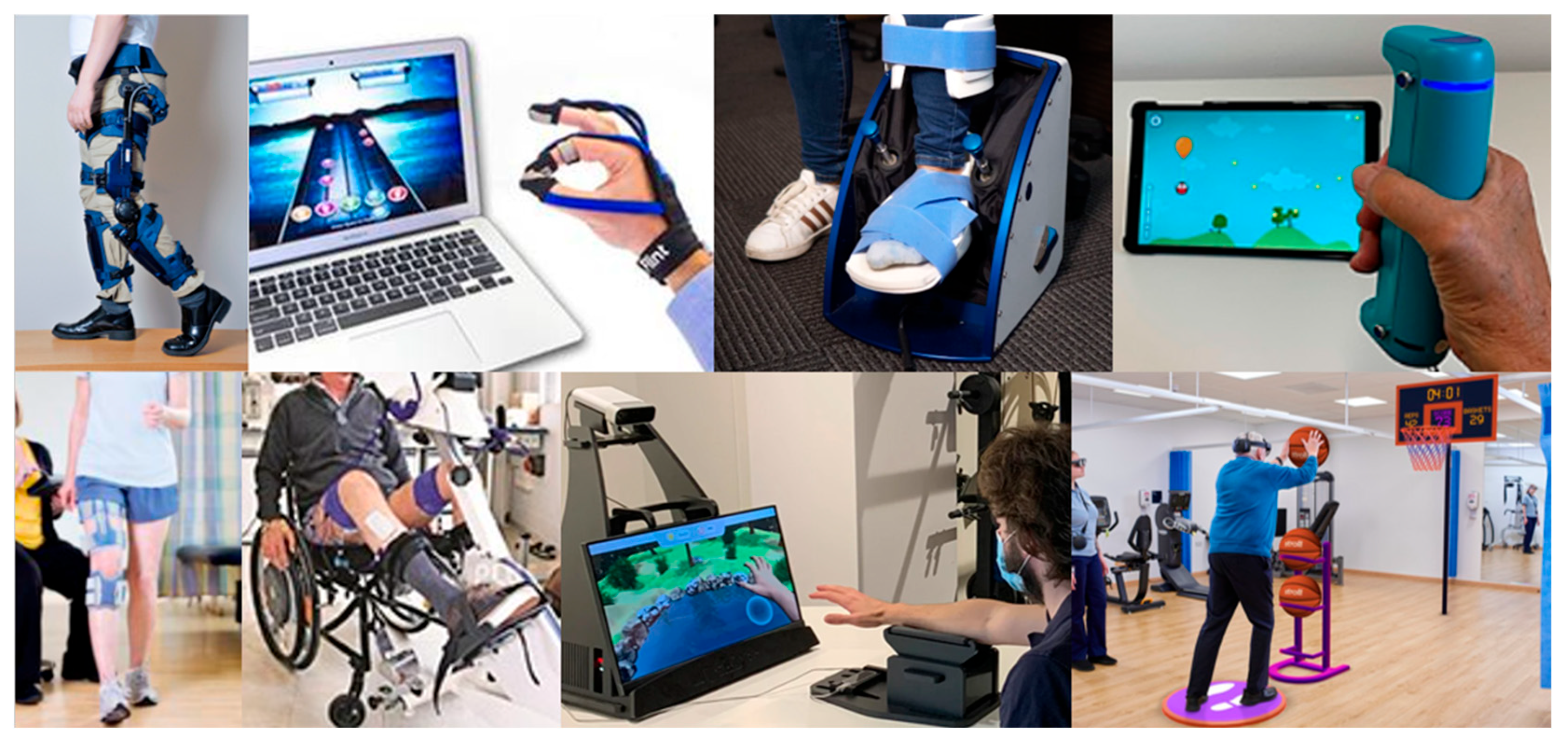
      FDA-Listed Interactive Devices for Home Movement Rehabilitation After Stroke: A Mixed-Methods Study of Availability, User Needs, Information Gaps, and an Accompanying Dataset

      by 1,*, 1, 1,2, 1, 1 and 1
      1
      Mechanical and Aerospace Engineering Department, University of California Irvine, Irvine, CA 92617, USA
      2
      Department of Orthopaedics & Rehabilitation, University of New Mexico, Albuquerque, NM 87106, USA
      *
      Author to whom correspondence should be addressed.
      Bioengineering 2026, 13(4), 387; https://doi.org/10.3390/bioengineering13040387
      Submission received: 18 December 2025 / Revised: 6 March 2026 / Accepted: 24 March 2026 / Published: 27 March 2026
      (This article belongs to the Special Issue Technological Advances in Neurorehabilitation)

      Abstract

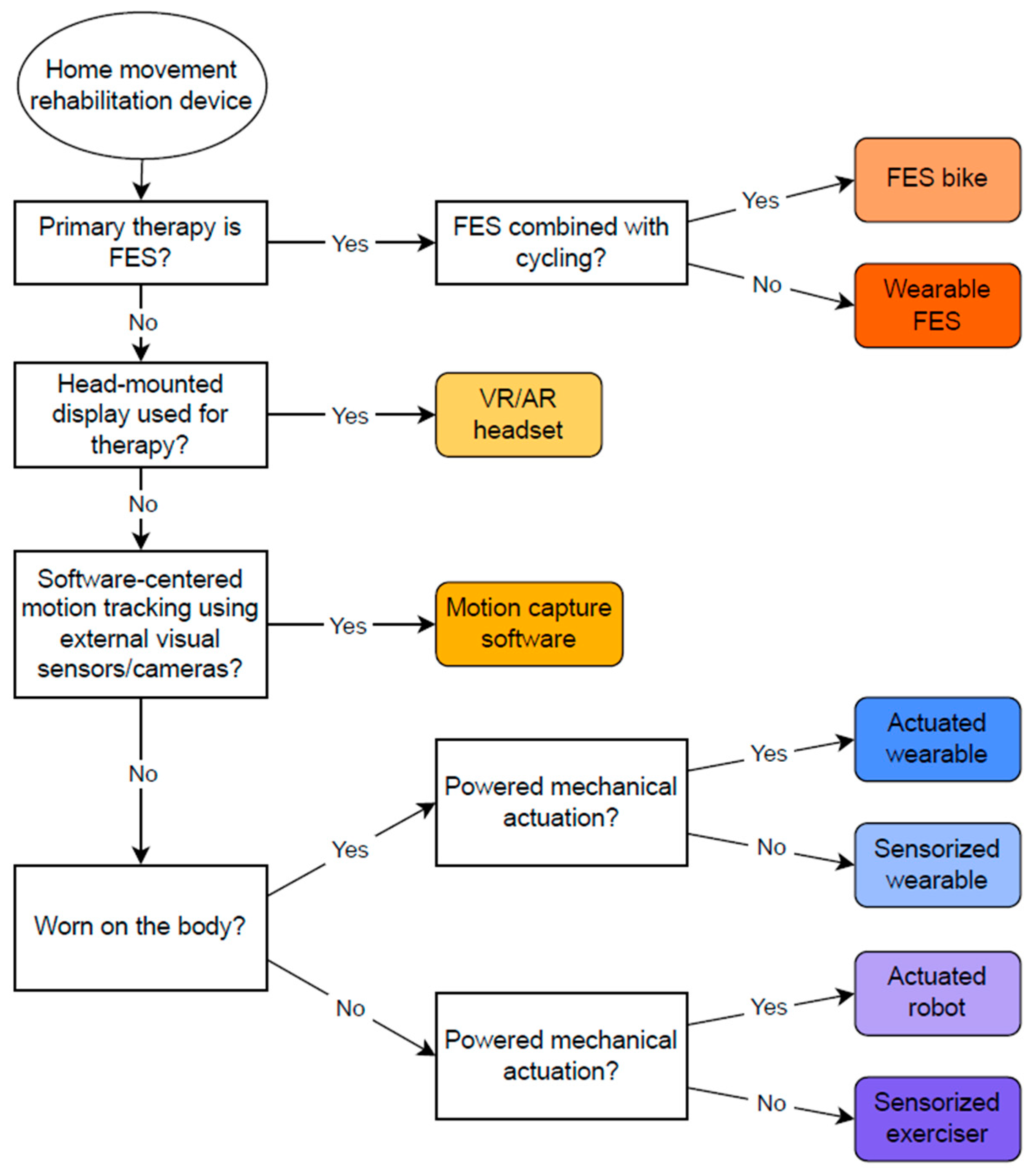
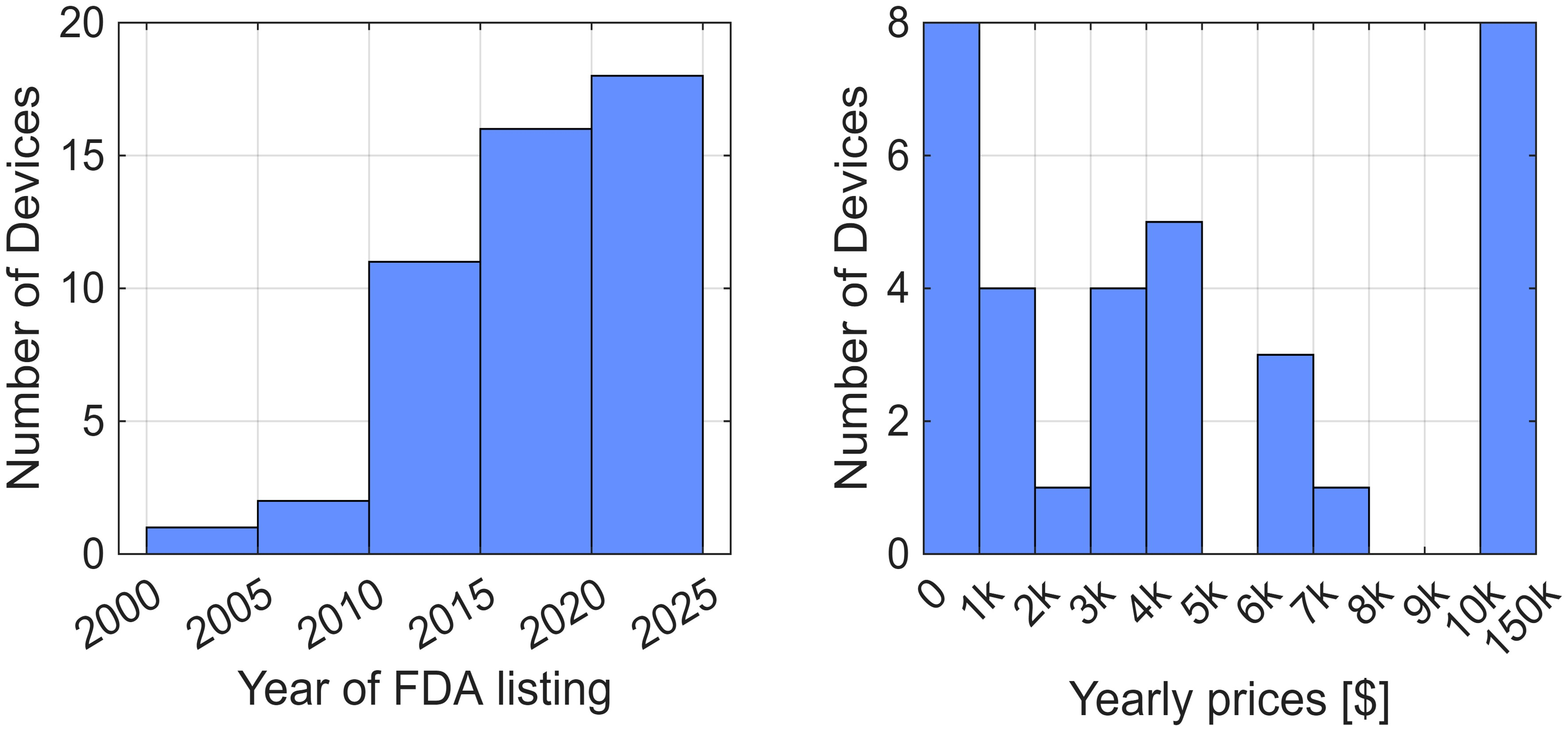
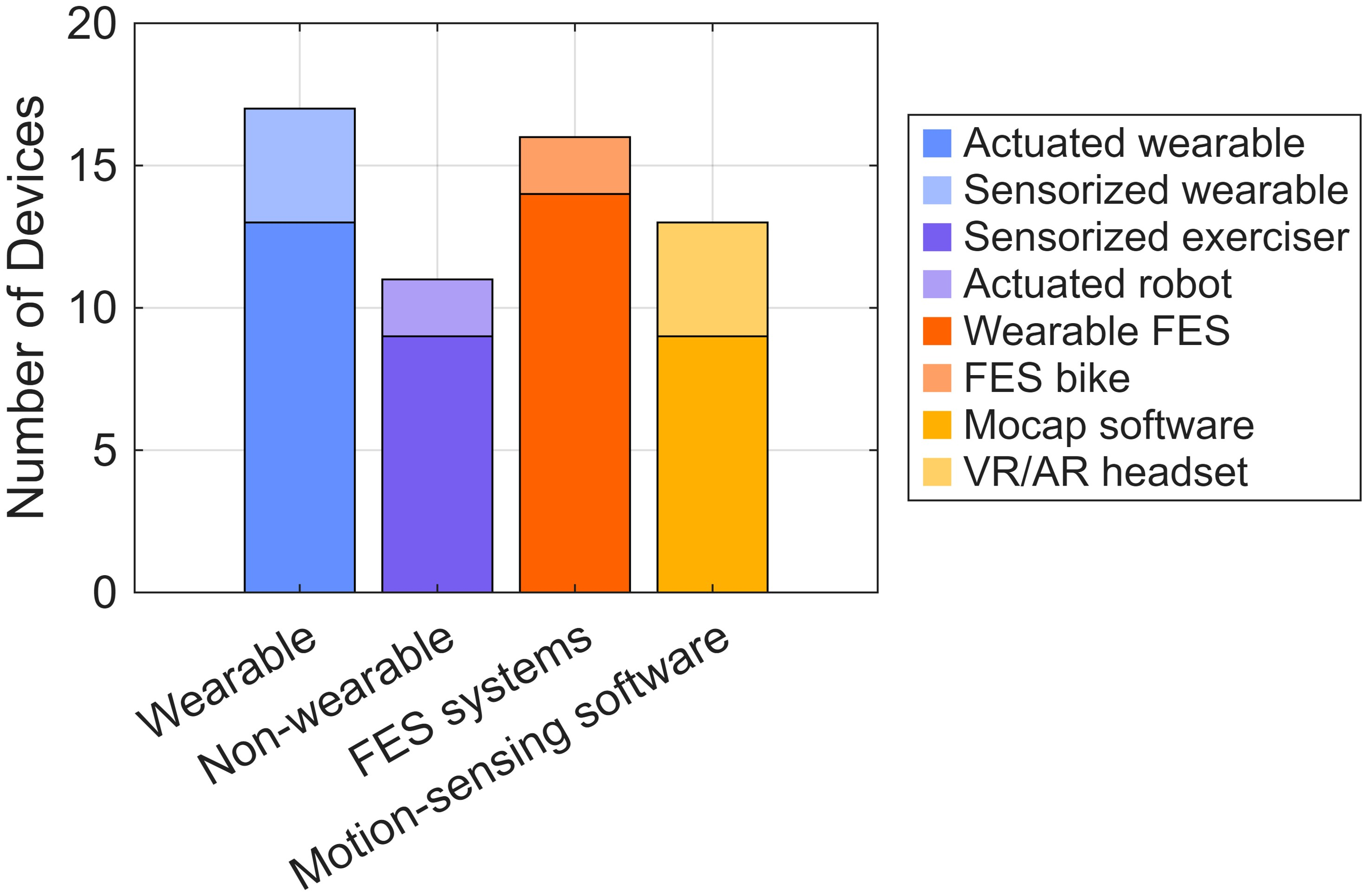
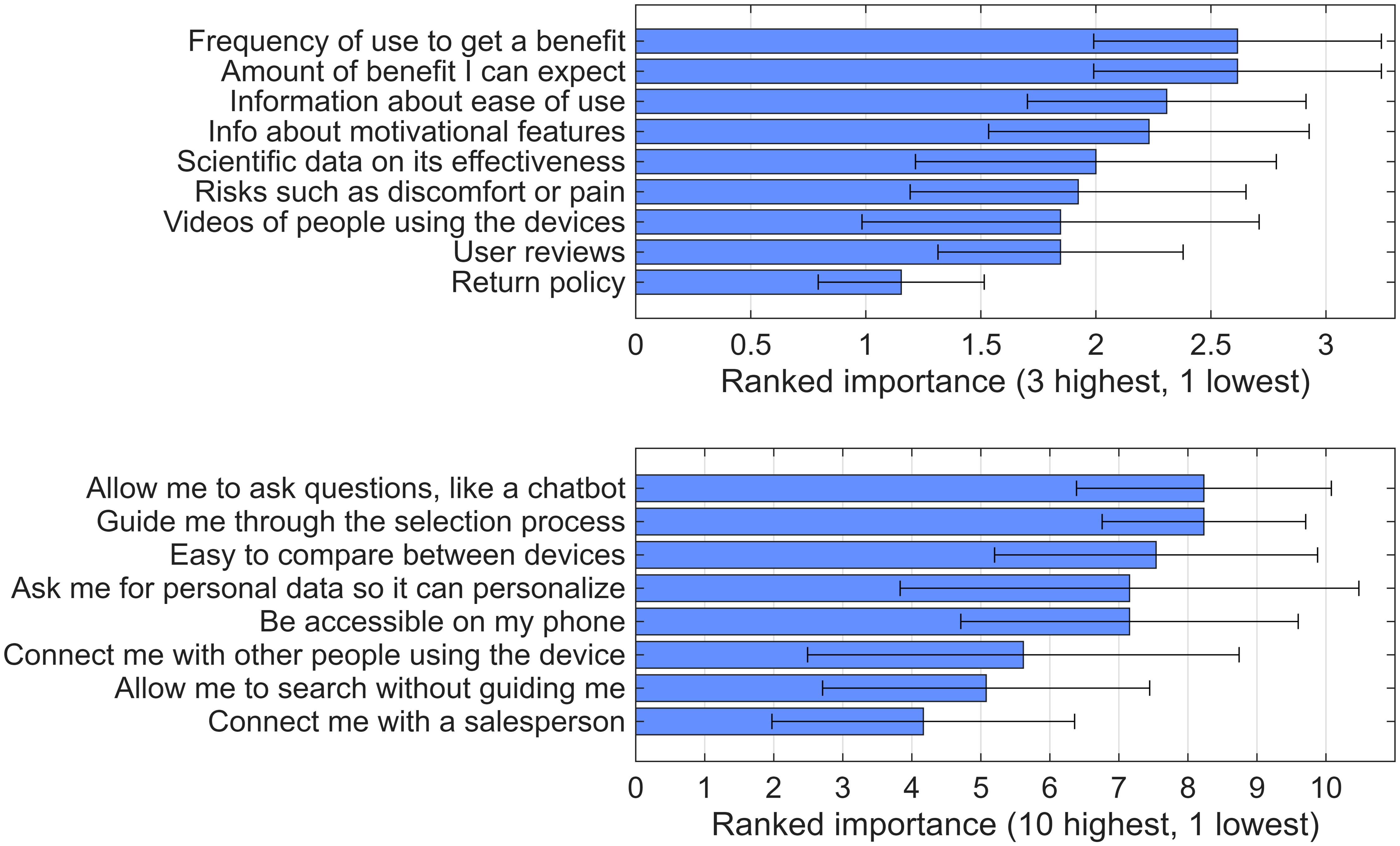
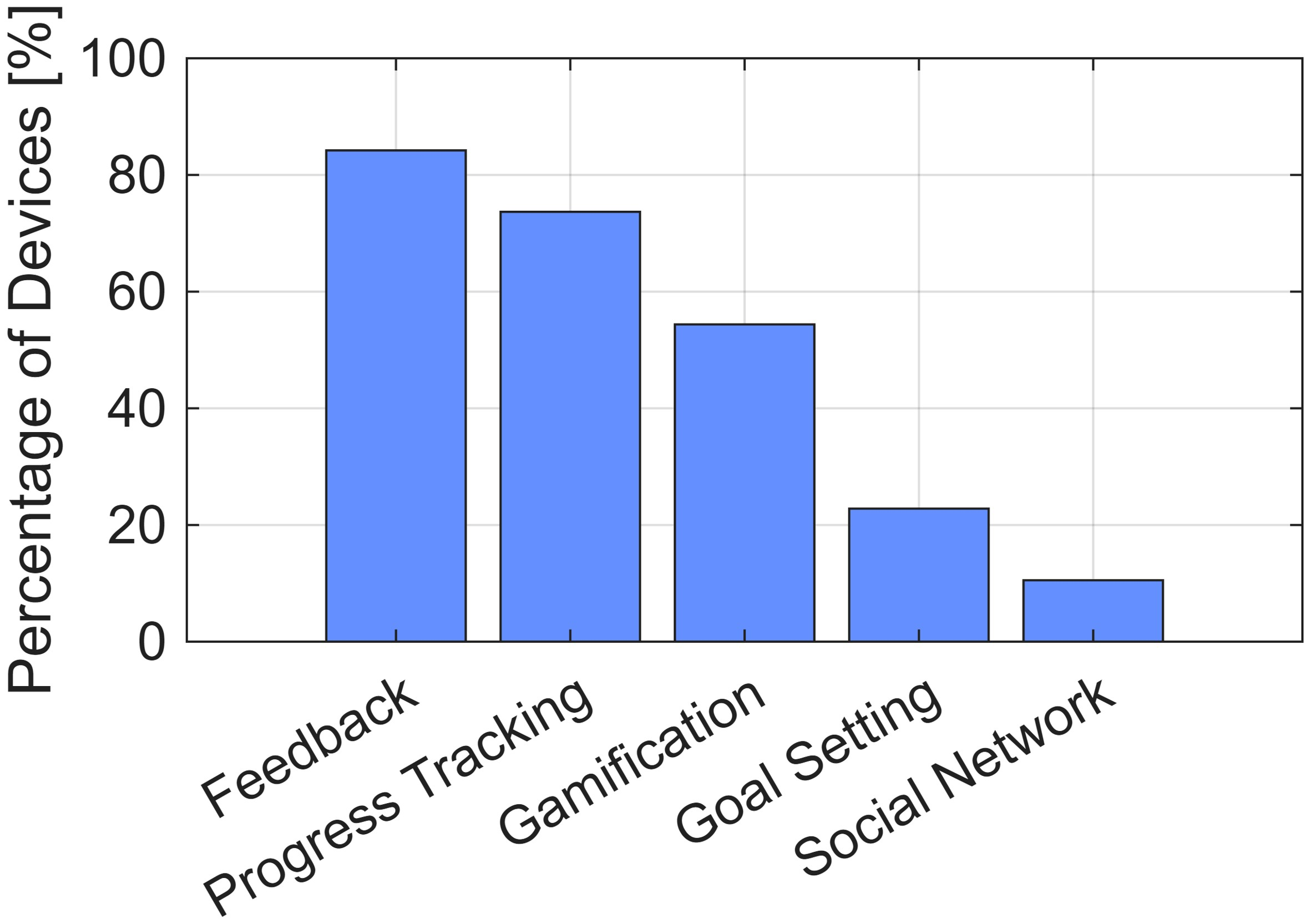
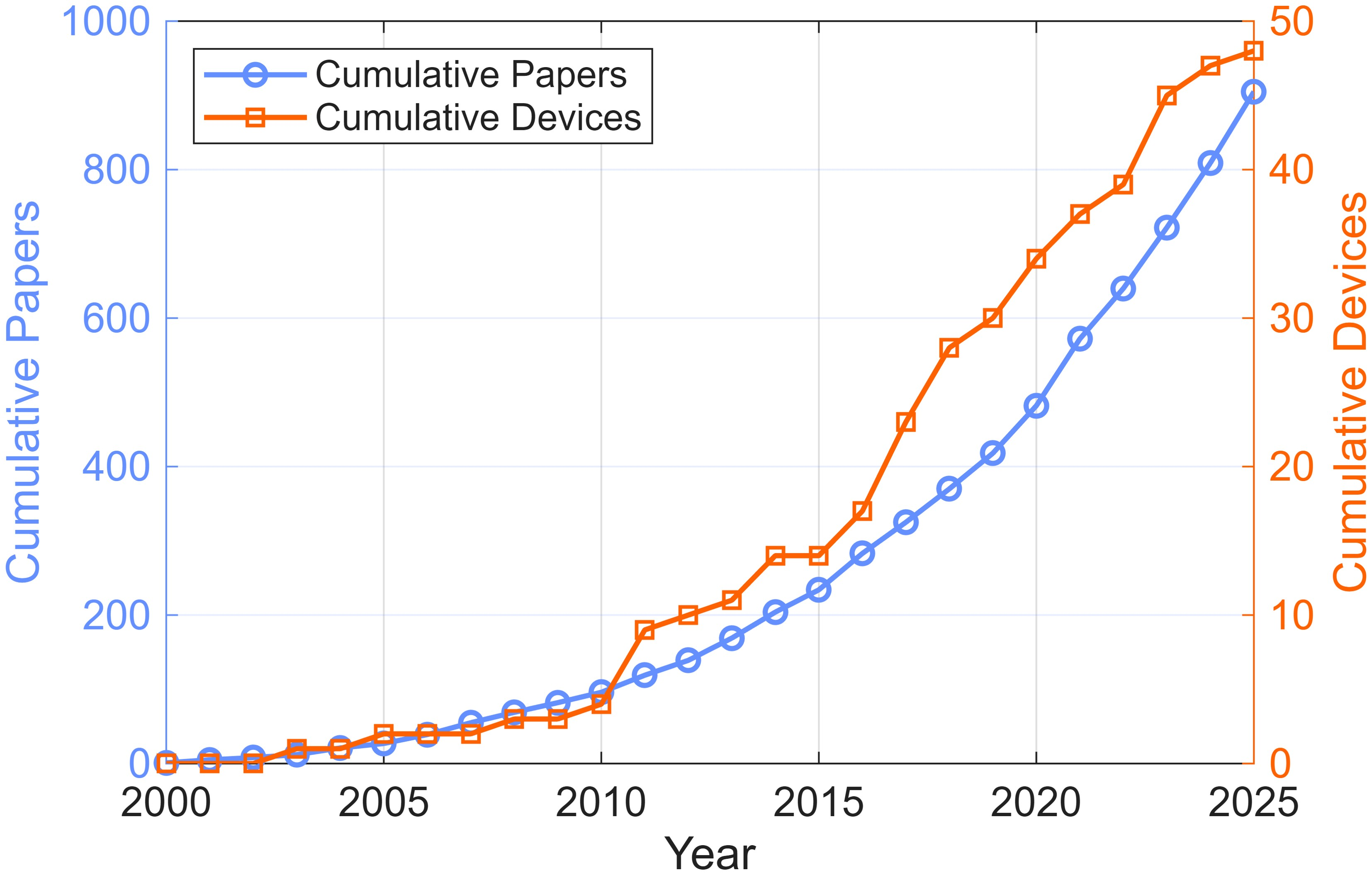
      Technologies for home movement rehabilitation after stroke are rapidly expanding. However, for consumers, the number and nature of available products are unclear, and the information provided by device manufacturers varies widely. To understand this landscape, we conducted a mixed-methods, descriptive study in which we used the U.S. Food and Drug Administration (FDA) database to identify interactive devices for stroke rehabilitation suitable for home use. We then surveyed 13 individuals with stroke to determine what information they most wanted about home-based rehabilitation devices and contacted manufacturers to obtain those details. Thirteen FDA codes were associated with stroke rehabilitation devices, encompassing 57 devices produced by 40 companies. Nearly half were categorized under two codes: QKC (interactive rehabilitation exercise devices) and GZI (neuromuscular stimulators). Among devices for which information was available, 71% were listed after 2015, and 23% cost under $1000. The top information priorities for individuals with stroke were required usage to achieve therapeutic benefit, expected benefit, ease of use, and motivational features. Despite repeated outreach, only 45% of companies responded to our queries; among those that did, details were vague and variable. These results confirm that a large and growing number of FDA-listed devices are now available for home-based post-stroke motor rehabilitation. We further identify a need to establish industry standards for reporting ease of use, motivational effectiveness, and dose–response characteristics to help the intended consumers select appropriate technologies. The curated dataset generated in this study is provided as a resource for future work and may support the development of accurate Artificial Intelligence-based interfaces for identifying and comparing rehabilitation devices.
      More at link.

      Friday, May 1, 2026

      New-Onset Constipation May Shape Stroke Recovery


      Your competent? doctor has been working on this problem for almost a decade, right?

      OH NO! Knows nothing AND does nothing!

      And your board of directors is so incompetent they can't recognize incompetence in their hospital!

       The incidence of constipation for stroke was 48%.  June 2017

      NO PROTOCOLS THAT WILL CURE IT.

       In my non-medical opinion, full physical recovery should lessen this problem immensely!

      New-Onset Constipation May Shape Stroke Recovery

      New-Onset Constipation After Stroke

      NEW-ONSET constipation after stroke was common and independently linked to poorer discharge outcomes in acute rehabilitation.

      Constipation may be an underrecognized complication in acute stroke care, with new data showing high rates of poststroke constipation and a measurable association with rehabilitation outcomes. In a cross sectional study of 600 patients with acute stroke, investigators examined the incidence, contributing factors, and discharge impact of constipation developing after stroke in patients with no previous history of the condition.

      Among all participants, 126 patients, or 21%, had a history of constipation. Poststroke constipation was identified in 278 patients, representing 46.3% of the cohort. New-onset constipation after stroke occurred in 184 patients, accounting for 38.8% of those without prior constipation.

      Risk Factors for New-Onset Constipation

      Several clinical and functional factors were associated with new-onset constipation after stroke. Hemorrhagic stroke, posterior circulation stroke, diabetes, use of osmotic diuretics, antacids, bedpan use, difficulty falling asleep, depression, and higher admission NIHSS scores were all identified as significant risk factors.

      The findings suggest that bowel dysfunction after stroke may reflect more than immobility or routine medication exposure. Sleep disruption and depression appeared to contribute to constipation risk, pointing to the need for broader assessment during the acute stage of stroke rehabilitation.

      Impact on Stroke Rehabilitation

      New-onset constipation was independently associated with poor discharge outcome after adjustment for confounders, with the strongest signal seen among patients with moderate stroke severity. This association reinforces the importance of early recognition, particularly in patients whose rehabilitation trajectory may be vulnerable to preventable complications.

      (WRONG, WRONG, WRONG! Survivors don't want it identified, you blithering idiots; they want it cured! And you're too stupid to deliver what is needed!)

      For clinicians, the results support routine screening for constipation risk in patients with stroke, including review of medication exposure, toileting method, neurologic severity, sleep quality, mood symptoms, and metabolic comorbidities. Identifying patients at risk may help optimize rehabilitation protocols and reduce barriers to recovery during the acute phase.

      (But you completely missed marijuana! Why? 

      Marijuana use linked with decreased constipation)

      While the study design does not establish causality, the high incidence of new-onset constipation after stroke and its association with discharge outcome highlight a clinically relevant target for early supportive care.

      Reference
      Lv Z et al. New-onset constipation at acute stage after stroke: incidence, risk factors, and impact on stroke rehabilitation. Frontiers in Neurology. 2026;17:1721157.

      Tuesday, April 7, 2026

      Linking eye movements, pupil responses, and brain networks in early cognitive decline

       Will your competent? doctor put this into a testing protocol, so if problems are found, that EXACT DEMENTIA PREVENTION PROTOCOL WILL BE USED?

      Do you prefer your doctor, hospital and board of director's incompetence NOT KNOWING? OR NOT DOING? Your choice; let them be incompetent or demand action!

      OH NO! your doctor KNOWS NOTHING AND DOES NOTHING! 


      Alzheimer's Research & Therapy
       We are providing an unedited version of this manuscript to give early access to its findings. 
      Before final publication, the manuscript will undergo further editing. Please note there may be errors present which affect the content, and all legal disclaimers apply.

      Abstract

      Background

      Early detection of Alzheimer’s disease (AD) requires biomarkers sensitive to pre-neurodegenerative dysfunction. Task-evoked ocular responses index arousal‑based gain and the stability of executive timing, but their relationship to brain structure, especially within AD‑signature cortex; regions that thin early in AD, remains poorly characterized. We tested whether ocular metrics map onto cortical thickness and subcortical volumes, and whether brain–ocular coupling differs between cognitively normal (CN) adults and those with mild cognitive impairment (MCI).

      Methods

      Participants with MCI (n = 212) and CN controls (n = 516) completed an interleaved prosaccade–antisaccade task; binocular pupil diameter and eye movements were time‑locked to cue and target onsets to derive pupil amplitude/variability and saccade metrics. Region‑wise linear mixed‑effects models quantified brain–ocular coupling to cortical thickness and subcortical volumes and tested group (CN vs. MCI) differences in coupling slopes.

      Results

      Diagnosis‑independent analyses showed that saccade latency variability (Latency SD) and pupil amplitude/variability exhibited robust region‑dependent coupling across cortical and subcortical volumes, whereas mean saccadic latency and pupil timing measures displayed no reliable spatial pattern.

      Diagnostic effects were modest and spatially selective but directionally opposite across modalities. For saccades, CN displayed positive thickness–variability slopes in frontal, cingulate, and insular cortices whereas MCI showed negative or near‑zero slopes. In the AD‑signature cortex, this inversionn CN(+)/MCI(−/0) was localized specifically to the supramarginal gyrus (Δβ≈–0.026). Subcortical volumes showed no significant diagnostic differences. For pupils, MCI showed more positive pupil–thickness coupling than CN within global cortex, most prominently in temporal, parietal, and insular regions, and within AD‑signature cortex this selective increase localized to medial temporal cortex (Δβ = 0.042) and to supramarginal gyrus (Δβ = 0.030); subcortical diagnostic differences were not significant after correction.

      Conclusions

      Task‑evoked ocular signals yield two complementary, region‑specific readouts of early Alzheimer‑relevant dysfunction. Pupil amplitude and variability reflect the strength of phasic, arousal‑linked responses arising from coordinated brainstem control hubs and show selective increases in MCI within medial temporal and temporoparietal regions that are vulnerable early in Alzheimer’s disease. Saccadic latency variability indexes loss of timing stability, revealing a thickness–stability inversion—positive in controls, absent or negative in MCI—that localizes to supramarginal gyrus within attention and executive‑control networks. Effects are modest and spatially circumscribed, positioning ocular measures as scalable, adjunct biomarkers of prodromal disease.