Changing stroke rehab and research worldwide now.Time is Brain! trillions and trillions of neurons that DIE each day because there are NO effective hyperacute therapies besides tPA(only 12% effective). I have 523 posts on hyperacute therapy, enough for researchers to spend decades proving them out. These are my personal ideas and blog on stroke rehabilitation and stroke research. Do not attempt any of these without checking with your medical provider. Unless you join me in agitating, when you need these therapies they won't be there.

What this blog is for:

My blog is not to help survivors recover, it is to have the 10 million yearly stroke survivors light fires underneath their doctors, stroke hospitals and stroke researchers to get stroke solved. 100% recovery. The stroke medical world is completely failing at that goal, they don't even have it as a goal. Shortly after getting out of the hospital and getting NO information on the process or protocols of stroke rehabilitation and recovery I started searching on the internet and found that no other survivor received useful information. This is an attempt to cover all stroke rehabilitation information that should be readily available to survivors so they can talk with informed knowledge to their medical staff. It lays out what needs to be done to get stroke survivors closer to 100% recovery. It's quite disgusting that this information is not available from every stroke association and doctors group.

Showing posts with label nutrition. Show all posts

Monday, November 27, 2023

Neuroscientist Andrew Huberman says these 5 daily habits are key to optimal mental and physical health

 Is your doctor informing you of this? Or is s/he incompetent in this also?

Neuroscientist Andrew Huberman says these 5 daily habits are key to optimal mental and physical health

From cold plunges to waking up at the crack of dawn, health optimization trends have caught the attention of the masses and grown in popularity. 

However, Andrew Huberman, a professor of neurobiology and ophthalmology at Stanford School of Medicine and host of the Huberman Lab, suggests we quiet the noise and return to the basics. Prioritizing five daily things is crucial for staying physically and mentally healthy, he recently shared—and they’re easier to implement than you may think. 

“The most important step toward robust mental & physical health is when we realize that no single protocol, program supplement or Rx* is alone going to solve it & we instead initiate a series of *daily actions toward persistent wellbeing,*” Huberman wrote in a recent tweet.

To feel mentally and physically strong while simultaneously searching for the renowned Fountain of Youth, Huberman says to intentionally bolster the following into your day: sleep, sunlight, movement, nutrition, and social connection.


Sleep

As conventional wisdom has told us for centuries, getting enough sleep helps us feel better mentally and physically. General guidelines recommend adults get at least seven hours of sleep each night. It helps decrease stress, regulate the body’s internal systems, and improve mood (as we know, grogginess and crankiness go hand in hand).  

In a previous podcast, Huberman says sleep is the best stress reliever, trauma releaser, immune booster, and emotional stabilizer. 

Establishing a wind-down routine for thirty minutes to an hour before bed, going to bed and rising at the same time, and sleeping in dark, cool environments can also bolster the quantity and quality of your sleep. 

Sunlight 

Living in Michigan means cloudy a lot of the time. Minnesota was colder but at least sunny.

A 2013 study concluded that over a 31-year period, Michigan winters are filled with clouds more than 50% of the time. That means the months of December, January and February are quite cloudy. 

Getting sunlight first thing in the morning signals to the body that it’s time to wake up; it also helps regulate the body’s circadian rhythm, which will, in turn, signal it’s time to sleep later that night. 

And more, getting sunlight is the best way to absorb vitamin D, or the sunshine vitamin—long championed for improving bone and immune strength. Research suggests vitamin D may also improve brain function and memory. 

 Movement 

I get out walking my trails 7-8000 steps 3-4 times a week.

Another pillar we are far too familiar with is the importance of exercise. Huberman advises incorporating resistance, mobility, and cardio into your routine, albeit not all on the same day. National guidelines recommend at least 150 minutes of moderate to vigorous intensity exercise (think: a fast walk or cycle) or 70 minutes of intense exercise (think: running or cardio) each week, along with at least two days of strength training. 

Movement can help the brain stay strong, improve cardiovascular health, and reduce stress.  One CDC expert calls walking “the closest thing we have to a wonder drug.” As our muscles atrophy with age, consider upping your strength and resistance training. 

We often hear that the best way to keep an exercise routine is choosing something you love and can keep up. 

Nutrition

Yeah, I'm not good at this, not worrying about it though.

Yes, eat healthy. But Huberman points to the importance of the type of food, the amount of food, and the timing of meals.

A diet rich in many kinds of whole foods, from fruits and vegetables to nuts, seeds, and legumes (cue the 30 plants a day challenge) can strengthen the gut microbiome. A diverse gut microbiome can improve immune and brain function. Maintaining a diet rich in plants, protein, and fiber can ensure you get the right amount of food that keeps you feeling full and energetic for longer (highly-processed sugary foods can cause you to crash and get even hungrier).

While it may not work for everyone, Huberman has previously recognized the benefits of intermittent fasting. It may reduce the risk of heart disease, obesity, and diabetes. With an eye on living longer, C-Suite executives and longevity researchers alike have committed to intermittent fasting. Dr. Mark Hyman, the founder and senior advisor for the Cleveland Clinic Center for Functional Medicine and author of Young Forever: The Secrets to Living Your Longest, Healthiest Life, previously told Fortune he fasts overnight between 12 and 16 hours. 

Social connection 

I excel at this, have 4 groups of friends I travel internationally with.

We are in a loneliness epidemic. Feeling socially isolated has health consequences comparable to smoking up to 15 cigarettes daily. Moreover, loneliness can increase the risk of developing dementia, depression, and anxiety, among other health conditions. This year, the U.S Surgeon General Dr. Vivek Murthy issued a national advisory warning on the health effects of loneliness. Many are calling for ways to reimagine socialization through structuring environments collaboratively and creating space for intergenerational friendships to be the bedrock of a community. 

Beyond the health benefits of feeling connected, the power of our social relationships largely determines the level of our happiness. Keeping and making friends from childhood to middle age and beyond is an integral part of staying healthy. Volunteering, or joining activity groups or hobbies—to name a few—can help grant people a sense of connectedness. A recent survey from the AARP found a vast majority of adults (87%) view play as a pillar of their health, with many saying it helps them stay connected to others.  

While Huberman notes those with the means and the time can expand their routine to incorporate additional ways of strengthening their health, he calls his five key strategies “a robust and reliable foundation.”

This story was originally featured on Fortune.com

Saturday, September 23, 2023

Optimization of Nutrition after Brain Injury: Mechanistic and Therapeutic Considerations

But I don't see the creation of a diet protocol for all these needs: 

For dementia prevention; for cognitive improvement; for cholesterol reduction; for plaque removal; for Parkinsons prevention; for inflammation reduction; etc.

Optimization of Nutrition after Brain Injury: Mechanistic and Therapeutic Considerations

1, 4, 5 and 6
1
Department of Neurology, Keck School of Medicine, The University of Southern California, 1540 Alcazar Street, Suite 215, Los Angeles, CA 90033, USA
2
UCLA Health, University of California, 100 Medical Plaza, Suite 345, Los Angeles, CA 90024, USA
3
Department of Radiology, Keck School of Medicine, The University of Southern California, 1500 San Pablo Street, Los Angeles, CA 90033, USA
4
Department of Clinical Pharmacy, School of Pharmacy, The University of Southern California, 1985 Zonal Avenue, Los Angeles, CA 90089, USA
5
Department of Neurology, Department of Physiology and Neuroscience, Zilkha Neurogenetic Institute, Keck School of Medicine, The University of Southern California, 1540 Alcazar Street, Suite 215, Los Angeles, CA 90033, USA
6
Department of Neurology, Department of Pediatrics, Keck School of Medicine, The University of Southern California, 2010 Zonal Avenue, Building B, 3P61, Los Angeles, CA 90033, USA
*
Author to whom correspondence should be addressed.
Biomedicines 2023, 11(9), 2551; https://doi.org/10.3390/biomedicines11092551
Received: 5 August 2023 / Revised: 13 September 2023 / Accepted: 14 September 2023 / Published: 17 September 2023
(This article belongs to the Special Issue Molecular Mechanisms and Novel Therapies for Brain Injury)

Abstract

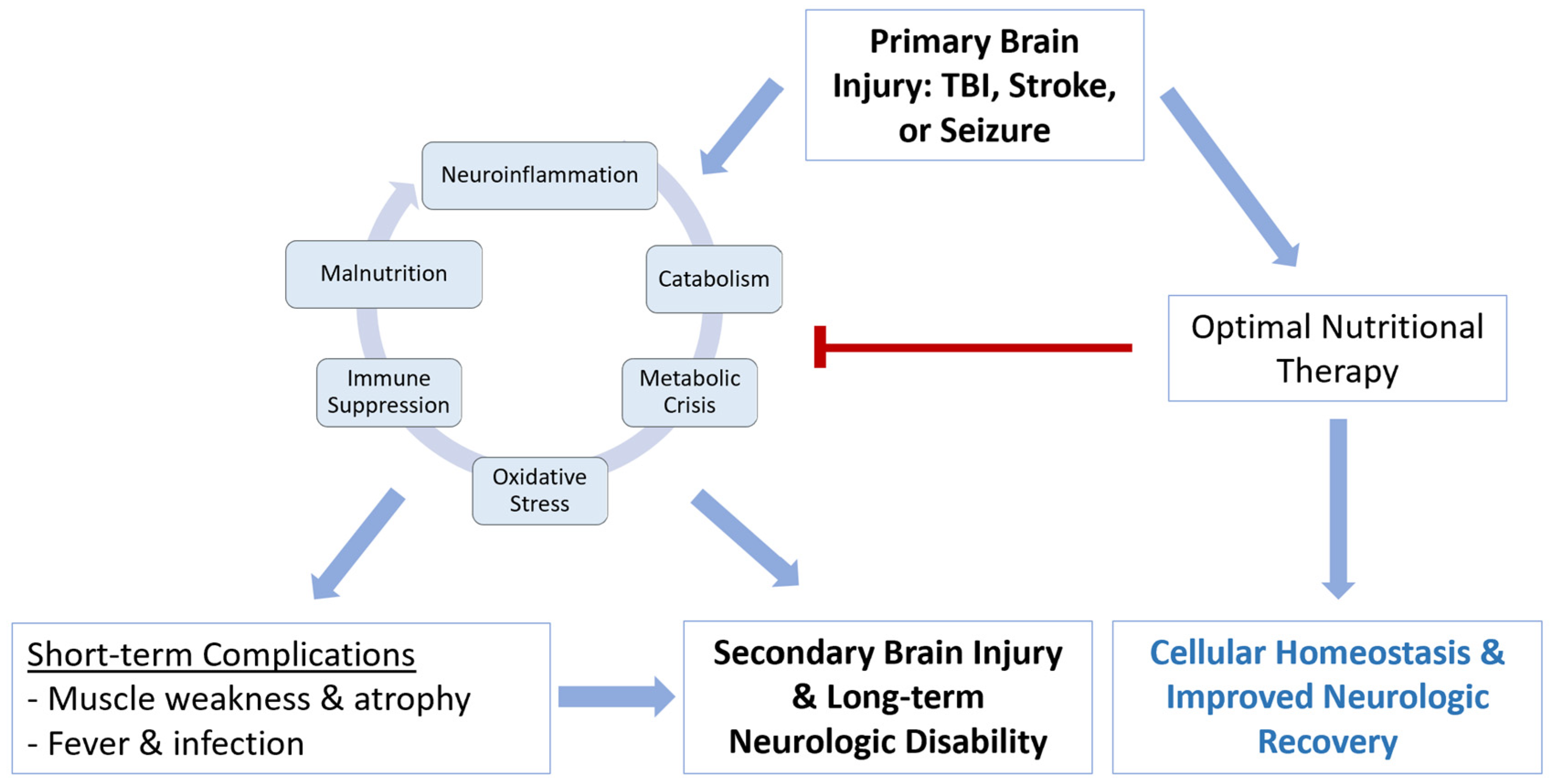
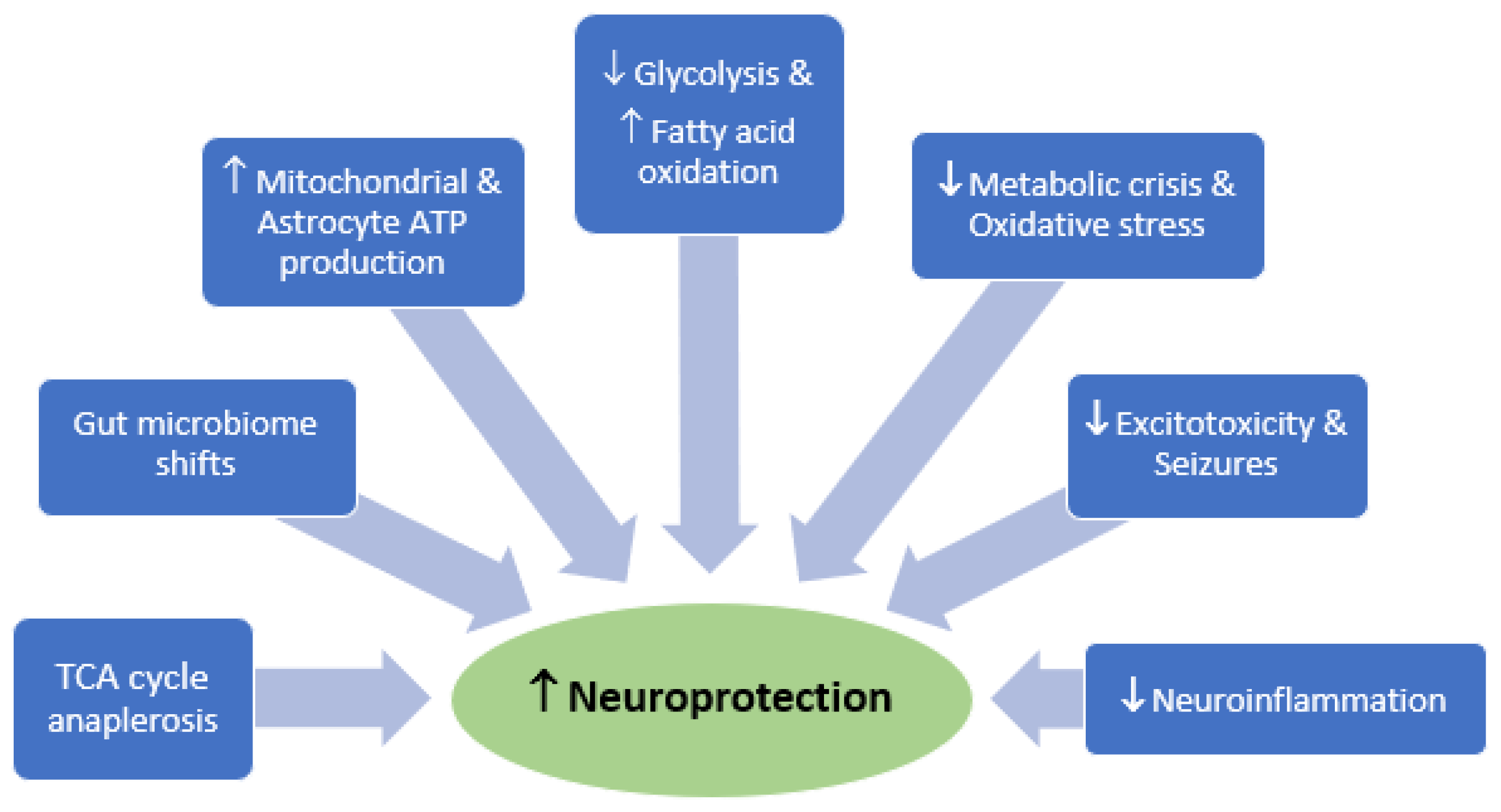
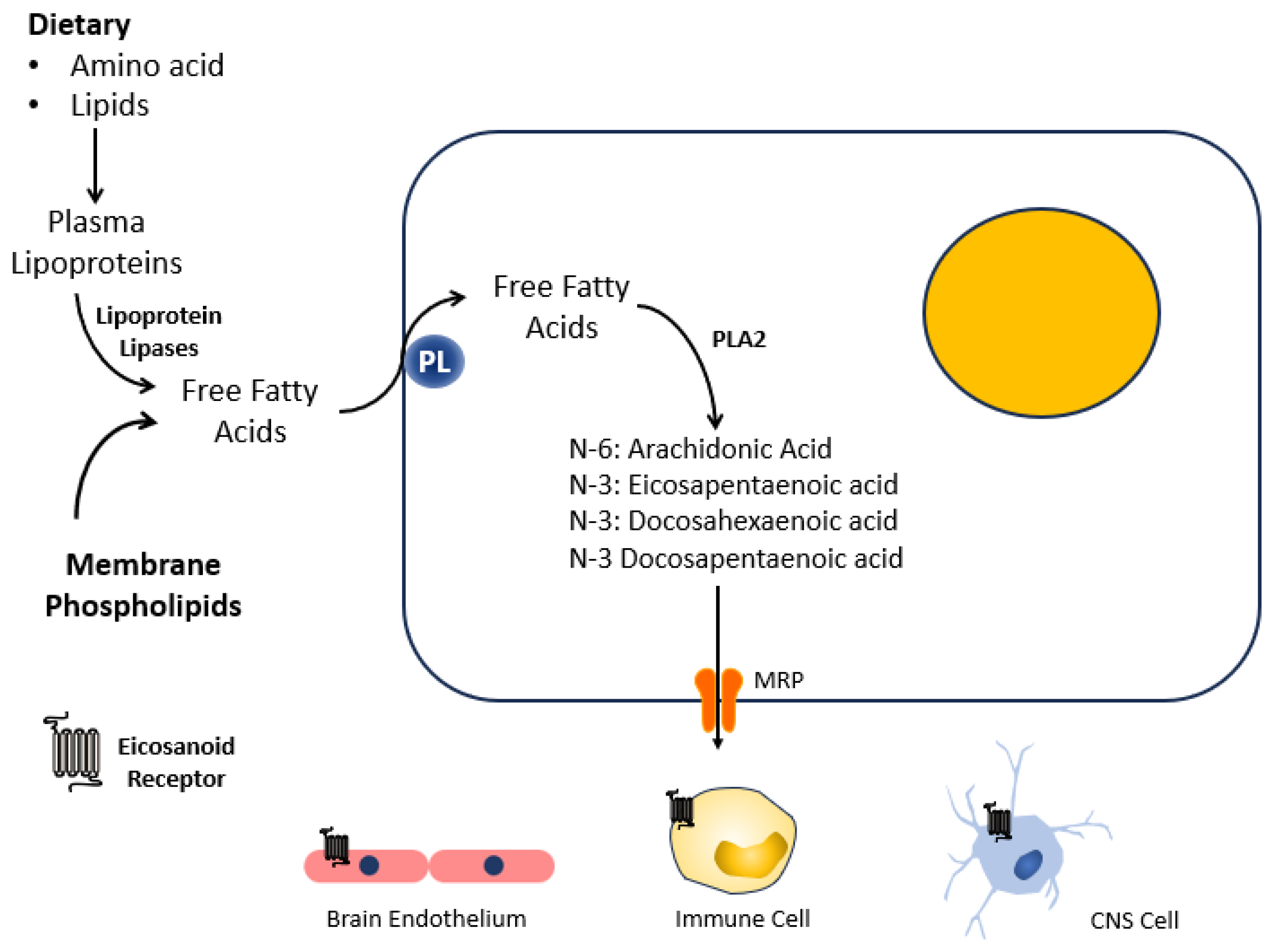
Emerging science continues to establish the detrimental effects of malnutrition in acute neurological diseases such as traumatic brain injury, stroke, status epilepticus and anoxic brain injury. The primary pathological pathways responsible for secondary brain injury include neuroinflammation, catabolism, immune suppression and metabolic failure, and these are exacerbated by malnutrition. Given this, there is growing interest in novel nutritional interventions to promote neurological recovery after acute brain injury. In this review, we will describe how malnutrition impacts the biomolecular mechanisms of secondary brain injury in acute neurological disorders, and how nutritional status can be optimized in both pediatric and adult populations. We will further highlight emerging therapeutic approaches, including specialized diets that aim to resolve neuroinflammation, immunodeficiency and metabolic crisis, by providing pre-clinical and clinical evidence that their use promotes neurologic recovery. Using nutrition as a targeted treatment is appealing for several reasons that will be discussed. Given the high mortality and both short- and long-term morbidity associated with acute brain injuries, novel translational and clinical approaches are needed.

Saturday, July 4, 2020

Correlation of Body Composition and Nutritional Status with Functional Recovery in Stroke Rehabilitation Patients

Completely useless, NO PROTOCOL, NO NOTHING. Nothing here will help a survivor recover.

Correlation of Body Composition and Nutritional Status with Functional Recovery in Stroke Rehabilitation Patients

Hiroshi Irisawa 1,2,* and 
Takashi Mizushima 1 
1 Department of Rehabilitation Medicine, Dokkyo Medical University, 880, Kitakobayashi, Mibu, Shimotsuga, Tochigi 3210293, Japan; mizusima@dokkyomed.ac.jp 
2 Department of Rehabilitation Medicine, Setagaya Memorial Hospital, 2-30-10, Noge, Setagaya, Tokyo 1580092, Japan 
* Correspondence: irisawah@dokkyomed.ac.jp; Tel.: +81-282872170
Received: 9 June 2020; Accepted: 28 June 2020; Published: 29 June 2020

Abstract: 

Previous studies have suggested that the nutritional status after stroke is independently associated with long term outcomes and that sarcopenia delays post stroke rehabilitation and worsens the prognosis. However, many stroke patients have a deteriorated nutritional status and a decreased muscle mass in the acute phase. This prospective study included 179 patients who were admitted to the stroke rehabilitation unit. We performed bioelectrical impedance analysis and determined the Geriatric Nutritional Risk Index (GNRI) to assess muscle mass and the nutritional status on admission. Furthermore, we analyzed the activities of daily living using the Functional Independence Measure (FIM) at the time of admission and four weeks later. Furthermore, we evaluated the change in motor FIM items and examined the relationship with the data. Multiple regression analysis revealed that a high muscle rate (skeletal muscle mass/body weight) (odds ratio OR = 2.43), high phase angle (OR = 3.32), and high GNRI (OR = 2.57) were significantly associated with motor FIM items at four weeks in male and female patients. Muscle mass maintenance through nutritional management and early rehabilitation in the acute period of stroke is essential for functional recovery in stroke patients. (HOW?)

Thursday, May 28, 2020

Nutrition and the ageing brain: Moving towards clinical applications

With no protocol coming out of this symposium, “Nutrition for the Ageing Brain: Moving Towards Clinical Applications” held in Madrid in August 2018, it was a total waste of time. All talk and no action.  Although 'higher' was mentioned a few times.

Nutrition and the ageing brain: Moving towards clinical applications


Under a Creative Commons license
open access


Highlights

Diet is a promising approach for the prevention of age-related neurodegeneration.
Focus has shifted from individual nutrients to whole diets for improving brain health.
Shift in microbiome diversity may affect brain ageing.
Dietary manipulation of the gut microbiota may improve brain functions in ageing.
Brain imaging, modelling and new biomarkers are improving diet and ageing research.

Abstract

The global increases in life expectancy and population have resulted in a growing ageing population and with it a growing number of people living with age-related neurodegenerative conditions and dementia, shifting focus towards methods of prevention, with lifestyle approaches such as nutrition representing a promising avenue for further development.
This overview summarises the main themes discussed during the 3rd Symposium on “Nutrition for the Ageing Brain: Moving Towards Clinical Applications” held in Madrid in August 2018, enlarged with the current state of knowledge on how nutrition influences healthy ageing and gives recommendations regarding how the critical field of nutrition and neurodegeneration research should move forward into the future.
Specific nutrients are discussed as well as the impact of multi-nutrient and whole diet approaches, showing particular promise to combatting the growing burden of age-related cognitive decline. The emergence of new avenues for exploring the role of diet in healthy ageing, such as the impact of the gut microbiome and development of new techniques (imaging measures of brain metabolism, metabolomics, biomarkers) are enabling researchers to approach finding answers to these questions. But the translation of these findings into clinical and public health contexts remains an obstacle due to significant shortcomings in nutrition research or pressure on the scientific community to communicate recommendations to the general public in a convincing and accessible way. Some promising programs exist but further investigation to improve our understanding of the mechanisms by which nutrition can improve brain health across the human lifespan is still required.

Keywords

Brain
Healthy ageing
Preventative diet
Microbiota
Neuroprotection
Cognitive ageing

1. Introduction

The global increases in life expectancy and population have resulted in a growing ageing population and with it a growing number of people living with age-related neurodegenerative conditions and dementia. Age-related neurodegenerative conditions have an enormous societal and emotional cost. The prevalence of dementia worldwide is suspected to be as many as 50 million cases2, with prevalence estimated to be between 2% and 4% by 65 years, increasing to 15% at 80 years of age3. In Europe, it is estimated that approximately 10 million people are affected, with costs of dementia projected to exceed €250bn by 2030 (Cimler et al., 2019). In the absence of effective pharmacological treatment to curtail or reverse the mechanisms underlying age-related cognitive decline, it is necessary to shift focus towards methods of prevention, with lifestyle approaches representing a promising avenue for further development.
The link between nutrition and cognitive decline has been the focus of ILSI Europe’s events on ‘Nutrition for the Ageing Brain’ since the first successful meeting took place in 2014. ILSI Europe’s events on ‘Nutrition for the Ageing Brain’ provide a forum for discussion of complex issues relating to nutrition and brain ageing science, bringing together experts from areas of food science, nutrition, developmental ageing, and cognitive science. These events have resulted in high quality and impact peer-reviewed publications (Miquel et al., 2018; Vauzour et al., 2017). Previous events have focused on the mechanisms of ageing and their interactions with nutrients (Miquel et al., 2018; Vauzour et al., 2017). The focus of the 2018 symposium held in Madrid has shifted towards clinical and applicable aspects of what we know so far regarding the impact of nutrition on maintaining brain health with age. This overview summarises the main themes discussed during this most recent ILSI Europe event, enlarged with the current state of knowledge on how nutrition influences healthy ageing. Topics discussed include biomarkers of nutrition, the role of the gut microbiome, new avenues for research, and recommendations regarding how the critical field of nutrition and neurodegeneration research should move forward into the future.

Wednesday, February 19, 2020

Nutritional improvement is associated with better functional outcome in stroke rehabilitation: A cross-sectional study using controlling nutritional status

Useless without telling us exactly what the nutritional goal is and how to achieve it.

Nutritional improvement is associated with better functional outcome in stroke rehabilitation: A cross-sectional study using controlling nutritional status


Abstract

OBJECTIVE:

To investigate the relationship between changes in nutritional status and the functional outcome of adult post-stroke patients hospitalized for rehabilitation.

DESIGN:

A cross-sectional study Subjects: Post-stroke patients who were admitted to a convalescent rehabilitation ward.

METHODS:

On admission and discharge, the nutritional status of each subject was assessed using the "controlling nutritional status" system. Activities of daily living were assessed using the Functional Independence Measure (FIM). Patients were divided into 2 categories: (i) those whose nutritional status improved or remained normal during the rehabilitation; and (ii) all others.

RESULTS:

The median age of patients was 65.5 years. Although there were no significant differences between the 2 categories in most characteristics, the FIM efficiency was significantly higher (-0.230 in the improved category and 0.133 in the other; p < 0.001). Multiple linear regression analysis showed that the improved category as a variable was independently associated with greater FIM efficiency (p < 0.001).

CONCLUSION:

Improvement or maintenance of nutritional status was associated with better functional recovery in post-stroke rehabilitation in adult patients of all ages.

KEYWORDS:

controlling nutritional status; functional recovery; post stroke rehabilitation; stroke; nutritional improvement
PMID:
32052852
DOI:
10.2340/16501977-2655
Free full text

Sunday, March 17, 2019

How to Improve Your Mental Health with Nutrition

But still just guidelines. Ask your doctor for an EXACT PROTOCOL. Not having one is grounds for firing.  We have to start holding our doctors responsible if they don't get us 100% recovered.  You wouldn't accept a 10% success rate from any other profession, why do doctors get a free pass?  I don't care how fucking hard it will be to get to that solution.  NO EXCUSES WILL BE ALLOWED!

From The Best Brain Possible by Debbie Hampton.  

How to Improve Your Mental Health with Nutrition

Tuesday, December 11, 2018

Nutrition, Energy Expenditure, Dysphagia, and Self-Efficacy in Stroke Rehabilitation: A Review of the Literature

We don't want analysis of literature we want protocols. WHEN THE FUCK ARE YOU GOING TO PROVIDE THEM?

Nutrition, Energy Expenditure, Dysphagia, and Self-Efficacy in Stroke Rehabilitation: A Review of the Literature

Adam C. Lieber 1, Estee Hong 2, David Putrino 2 , Dominic A. Nistal 1 , Jonathan S. Pan 1 and Christopher P. Kellner 1,* 1 Department of Neurosurgery, Icahn School of Medicine at Mount Sinai, New York, NY 10029, USA; adam.lieber@icahn.mssm.edu (A.C.L.); dominic.nistal@icahn.mssm.edu (D.A.N.); jonathan.pan@icahn.mssm.edu (J.S.P.) 2 Department of Rehabilitation Medicine, Icahn School of Medicine at Mount Sinai, New York, NY 10029, USA; eh469@cornell.edu (E.H.); dputrino83@gmail.com (D.P.) * Correspondence: christopher.kellner@gmail.com; Tel.:+1-212-241-2377or+1-617-365-2981; Fax:212-241-7388
Received: 30 October 2018; Accepted: 5 December 2018; Published: 7 December 2018

Abstract: While significant research has been performed regarding the use of thrombolytic agents and thrombectomy in the setting of acute stroke, other factors, such as nutritional status of stroke patients, is a less explored topic. The topic of nutrition is critical to the discussion of stroke, as up to half of stroke survivors may be considered malnourished at discharge. Dysphagia, old age, restricted upper limb movement, visuospatial impairment, and depression are all important risk factors for malnutrition in this cohort. The purpose of this review is to analyze current literature discussing neuroprotective diets, nutritional, vitamin, and mineralsupplementation, dysphagia, and post-stroke coaching in stroke patients.

Tuesday, October 24, 2017

6 Essential Nutrition Recommendations for Parkinson Disease

Recommendations NOT protocols, so you are still completely on your own to figure out amounts. Damned lazy doctors and researchers.
http://www.neurologytimes.com/parkinson-disease/6-essential-nutrition-recommendations-parkinson-disease?
This article provides some straightforward nutritional recommendations that neurologists can share with their patients.
1. Open a dialogue with patients
When patients are newly diagnosed with Parkinson disease (PD), physicians often tell them to pay attention to diet and exercise. But what does that mean, exactly? Are there more specific recommendations that could be made based on the medical literature?
While there are no randomized controlled trials of particular diets for PD, we can glean information from epidemiological studies, nutritional deficiency studies, and single nutrient studies. This slideshow shares some straight-forward nutritional recommendations that neurologists can share with their patients.
2. Eliminate high-fructose corn syrup and sugar
Most physicians are aware that high fructose corn syrup (HFCS) is not healthy for people with blood glucose misregulation.1 What physicians may not know is that PD can involve blood glucose misregulation and insulin resistence.2 While diabetes is commonly comorbid with PD, it is not necessary for a patient with PD to have diabetes in order to have blood glucose misregulation.
Diabetes in PD results in increased gait disturbance, postural instability, and cognitive defects.3 The relationship of blood glucose to Alzheimer disease and PD have resulted in these disorders in being called type III diabetes.4
In addition to the blood glucose relationship, foods with HFCS may be contaminated with heavy metals. A 2009 report from the Environmental Protection Agency found mercury levels in HFCS.5 Because heavy metals are known to deposit in the brain, HFCS are even more dangerous for people with PD who have neuroinflammation.
3. Eliminate trans-fat
Removing trans-fat from the diet is smart, as trans-fat increases inflammation.6  As with many diseases, inflammation has been associated with PD, and decreasing inflammation has been shown to lessen its impact on PD.7 Although there is no research that specifically demonstrates trans-fat is dangerous for people with PD, cutting trans-fat certainly will not hurt patients and may help slow their disease progression.
4. Drink green tea and coffee
Green tea has been shown to delay PD onset in many epidemiological studies.8 Green tea’s effects on PD are being elucidated.9 Because the same neuro-inflammatory processes that are involved in disease onset are also involved in disease progression, green tea is likely to be beneficial for people with PD.
If your patient is not a tea drinker, coffee may also be a good option.10 Two ingredients in coffee—quercetin and caffeine—are likely to be responsible for the positive effects.10 Quercetin is a flavonoid with strong anti-oxidant properties. Because reducing oxidative stress also reduces inflammation, strategies that reduce oxidative stress are good for people with PD.11
5. Eat nuts and berries
Another way to reduce oxidative stress is to increase consumption of nuts and berries. Nuts, specifically walnuts, macadamia nuts, and cashews, have healthy oils that reduce oxidative stress.12 Berries also contain anthocyanins, powerful antioxidants.13 Replacing sugary foods with nuts and berries reduces inflammation in PD through multiple mechanisms.11
6. Eliminate dairy
Many epidemiological studies have demonstrated that dairy is associated with increased risk of PD disease.14 There are several potential mechanisms by which dairy could be detrimental. Dairy is known to be contaminated with herbicides and pesticides.15,16 There is evidence that people with PD are sensitive to these chemicals.17 In addition, dairy is known to decrease uric acid, which is protective for PD disease.18
While the association with disease progression is less clear than the association with risk, recommending that people with PD avoid dairy is reasonable. Patients should be reminded to get calcium from other sources.
Final thoughts
Nutrition is the fuel for every cell in the body. As said best by Ann Wigmore, “The food you eat can be either the safest and most powerful form of medicine or the slowest form of poison.”19
It is not necessary to make all dietary changes at once. In fact, by taking time to implement healthier eating, patients are more likely to adhere to the changes. Try eliminating something for a month. Then add the nut and berries the next month. Then eliminate the next thing. Then add the green tea/coffee. Then eliminate the next thing. So that over 6 months to a year, the diet has been completely transformed.
Remember, it may not be easy for patients to make these dietary changes, because dietary change is difficult. However, for patients willing to do the work, the benefits will be worth it. Every meal is a chance for people to combat inflammation and be good to their body and brain.
When in doubt, consider referring the patient to a nutritionist. Although they may not have much more information, since research is lacking, they can add insights and help patients build healthy eating behaviors.
About the author
Dr. Zwickey is the Dean of Research and Graduate Studies, Director of Helfgott Research Institute, and Professor of Immunology at National University of Natural Medicine.

Monday, October 23, 2017

The Role of Nutrition in the Risk and Burden of Stroke

Useless, nothing that refers to ANY type of diet protocol. For blood pressure reduction; for stroke recovery; for stroke prevention; for dementia prevention; for cognitive improvement; for cholesterol reduction; for plaque removal; for inflammation reduction. NOT the lazy prescription of the MIND or  Mediterranean diets.
http://stroke.ahajournals.org/content/48/11/3168?etoc=

An Update of the Evidence

Graeme J. Hankey
This article requires a subscription to view the full text. If you have a subscription you may use the login form below to view the article. Access to this article can also be purchased.


Since last reviewed,1 several epidemiological studies have reported the substantial role of suboptimal nutrition in the risk and burden of stroke and illustrated the potential for dietary modification to reduce the global burden of stroke.

Search Strategy

I searched the Cochrane Library, PubMed, and MEDLINE using the search term stroke in combinations with the terms nutrition, diet, nutrients, foods, dietary patterns, risk, burden, epidemiology, randomised trial, systematic review, and meta-analysis for articles published between January 1, 2012, and June 1, 2017. I also searched the reference lists of articles identified by the search. I selected mainly articles published in the past 5 years but included older key publications.

The Role of Nutrition in the Risk of Stroke

Case–Control Studies

Diet quality was 1 of 10 potentially modifiable risk factors for stroke in the prospective INTERSTROKE study of 13 447 cases of acute first stroke and 13 472 age- and sex-matched controls with no history of stroke in 32 countries.2 Diet quality was derived from the modified Alternative Healthy Eating Index, which was based on daily servings of fruits, vegetables, nuts and soy protein, fish, meat, eggs, whole grain, and fried foods. Higher modified Alternative Healthy Eating Index scores have been associated with lower risk of cardiovascular disease in previous studies.3 In INTERSTROKE, individuals in the highest tertile for the modified Alternative Healthy Eating Index had a 40% lower odds of stroke (odds ratio, 0.60; 99% confidence interval [CI], 0.53–0.67), and individuals in the second tertile had a 23% lower odds of stroke (odds ratio, 0.77; 99% CI, 0.69–0.86), compared with those in the lowest tertile.2 Individuals in the lowest 2 tertiles contributed substantially to the population attributable risk of stroke (population attributable risk, 23.2%; CI, 18.2–28.9) compared with the highest tertile of modified Alternative Healthy Eating Index.2
Diet had a stronger association with stroke in individuals older than 55 years …
View Full Text

Friday, September 8, 2017

Nutrition has benefits for brain network organization, new research finds

The simple answer to this is for that great stroke association to write up a diet protocol and get it distributed to all stroke doctors and hospitals around the world. But first we need to destroy the fucking failures of stroke associations standing in the way and sucking money from productive uses.
https://news.illinois.edu/blog/view/6367/552515
HAMPAIGN, Ill. — Nutrition has been linked to cognitive performance, but researchers have not pinpointed what underlies the connection. A new study by University of Illinois researchers found that monounsaturated fatty acids – a class of nutrients found in olive oils, nuts and avocados – are linked to general intelligence, and that this relationship is driven by the correlation between MUFAs and the organization of the brain’s attention network.
The study of 99 healthy older adults, recruited through Carle Foundation Hospital in Urbana, compared patterns of fatty acid nutrients found in blood samples, functional MRI data that measured the efficiency of brain networks, and results of a general intelligence test. The study was published in the journal NeuroImage.
Aron Barbey is a professor of psychology at Illinois.
Photo by L. Brian Stauffer
“Our goal is to understand how nutrition might be used to support cognitive performance and to study the ways in which nutrition may influence the functional organization of the human brain,” said study leader Aron Barbey, a professor of psychology. “This is important because if we want to develop nutritional interventions that are effective at enhancing cognitive performance, we need to understand the ways that these nutrients influence brain function.”
“In this study, we examined the relationship between groups of fatty acids and brain networks that underlie general intelligence. In doing so, we sought to understand if brain network organization mediated the relationship between fatty acids and general intelligence,” said Marta Zamroziewicz, a recent Ph.D. graduate of the neuroscience program at Illinois and lead author of the study.
Studies suggesting cognitive benefits of the Mediterranean diet, which is rich in MUFAs, inspired the researchers to focus on this group of fatty acids. They examined nutrients in participants’ blood and found that the fatty acids clustered into two patterns: saturated fatty acids and MUFAs.
“Historically, the approach has been to focus on individual nutrients. But we know that dietary intake doesn’t depend on any one specific nutrient; rather, it reflects broader dietary patterns,” said Barbey, who also is affiliated with the Beckman Institute for Advanced Science and Technology at Illinois.
The researchers found that general intelligence was associated with the brain’s dorsal attention network, which plays a central role in attention-demanding tasks and everyday problem solving. In particular, the researchers found that general intelligence was associated with how efficiently the dorsal attention network is functionally organized using a measure called small-world propensity, which describes how well the neural network is connected within locally clustered regions as well as across globally integrated systems.
In turn, they found that those with higher levels of MUFAs in their blood had greater small-world propensity in their dorsal attention network. Taken together with an observed correlation between higher levels of MUFAs and greater general intelligence, these findings suggest a pathway by which MUFAs affect cognition.
“Our findings provide novel evidence that MUFAs are related to a very specific brain network, the dorsal attentional network, and how optimal this network is functionally organized,” Barbey said. “Our results suggest that if we want to understand the relationship between MUFAs and general intelligence, we need to take the dorsal attention network into account. It’s part of the underlying mechanism that contributes to their relationship.”
Barbey hopes these findings will guide further research into how nutrition affects cognition and intelligence. In particular, the next step is to run an interventional study over time to see whether long-term MUFA intake influences brain network organization and intelligence.
“Our ability to relate those beneficial cognitive effects to specific properties of brain networks is exciting,” Barbey said. “This gives us evidence of the mechanisms by which nutrition affects intelligence and motivates promising new directions for future research in nutritional cognitive neuroscience.”
This work was conducted through a partnership between the University of Illinois and Abbott Nutrition at the Center for Nutrition, Learning and Memory.
Editor’s notes: To reach Aron Barbey, call 217-244-2551; email barbey@illinois.edu.
The paper “Nutritional status, brain network organization, and general intelligence” is available online. DOI: 10.1016/j.neuroimage.2017.08.043

Sunday, November 29, 2015

Mayo Clinic high blood pressure DVD

Mayo Clinic Wellness Solutions High Blood Pressure [DVD]


Wow, even the Mayo clinic has been compromised with Complementary and Integrative medicine. Lots of woo in that dvd. Yoga and meditation are not complementary, they are evidence based and so are real medicine. No real help with nutrition in there. Can't tell how old this is but it still has the main restrictions on salt, which is in dispute right now. I'm obviously totally unbalanced at least according to their medicine wheel quadrants; physical, mental, emotional, spiritual. I have no spiritual beliefs so my three spoked wheel has to compensate. It's doing a damn good job.

Thursday, November 26, 2015

Does soy reduce cholesterol?

You'll have to scour the American Heart Association site to find the research because I hate these articles that don't directly point to research. And this is from the Mayo Clinic.
http://www.mayoclinic.org/diseases-conditions/high-blood-cholesterol/expert-answers/soy/faq-20057758/?
Possibly. Although eating soy-based foods can slightly reduce your low-density lipoprotein (LDL, or "bad") cholesterol level, the American Heart Association has concluded that soy doesn't significantly lower cholesterol.
However, eating soy-based foods can still be good for you because soy-based foods contain less saturated fat than meat does and also provide other beneficial nutrients, such as vitamins, minerals and fiber
If you substitute soy for animal-based products, this switch — rather than the soy itself — may reduce your cholesterol.
Talk to your doctor or dietitian if you're interested in adding more soy to your diet.
 (I doubt this will help one bit because your doctor had almost zero training in nutrition)