Changing stroke rehab and research worldwide now.Time is Brain! trillions and trillions of neurons that DIE each day because there are NO effective hyperacute therapies besides tPA(only 12% effective). I have 523 posts on hyperacute therapy, enough for researchers to spend decades proving them out. These are my personal ideas and blog on stroke rehabilitation and stroke research. Do not attempt any of these without checking with your medical provider. Unless you join me in agitating, when you need these therapies they won't be there. Did your doctor somehow miss the recovery protocol that Pedro Bach-y-Rita used to recover fully back in 1958 with only a partial brain?

What this blog is for:

My blog is not to help survivors recover, it is to have the 10 million yearly stroke survivors light fires underneath their doctors, stroke hospitals and stroke researchers to get stroke solved. 100% recovery. The stroke medical world is completely failing at that goal, they don't even have it as a goal. Shortly after getting out of the hospital and getting NO information on the process or protocols of stroke rehabilitation and recovery I started searching on the internet and found that no other survivor received useful information. This is an attempt to cover all stroke rehabilitation information that should be readily available to survivors so they can talk with informed knowledge to their medical staff. It lays out what needs to be done to get stroke survivors closer to 100% recovery. It's quite disgusting that this information is not available from every stroke association and doctors group.

Showing posts with label Flu vaccines. Show all posts

Saturday, September 26, 2026

This seasonal habit promotes healthy aging and may reduce dementia risk in older people

 You competent? doctor has kept you up-to-date on all appropriate vaccines, right?

This seasonal habit promotes healthy aging and may reduce dementia risk in older people

Aging is inevitable, but there’s increasing evidence that it may be possible to prevent, or at least delay, age-related diseases, including cardiovascular disease and Alzheimer’s.

Although life expectancy has soared in the United States over the past century, many people are living longer in poorer health.

That’s why many aging experts are shifting the focus away from lifespan. Instead, the goal is to maximize our “healthspan,” aka the number of years spent living into older age in good health.

And slowing down biological aging often boils down to simple, healthy choices and preventive healthcare.

Dr. Ezekiel Emanuel, an oncologist and professor of medical ethics at the University of Pennsylvania, previously spoke to TODAY.com about evidence-based habits to promote longevity, including staying up to date on routine vaccinations.

There’s one vaccine in particular that’s especially important for adults over the age of 50, says Emanuel.

Longevity Tip of The Day: Stay Up To Date With Your Flu Vaccine to Promote Healthy Aging

If you’re an adult who wants to age healthier, get your annual flu shot, says Emanuel, who authored “Eat Your Ice Cream: Six Simple Rules for a Long and Healthy Life.”

The seasonal influenza vaccine is the most effective way to protect against severe illness, complications and death from flu.

In addition to these benefits, there’s growing evidence that the flu shot may protect against age-related neurodegenerative diseases.

“Cognitive decline is a serious worry, so (getting the flu shot) is one thing you can and should do,” says Emanuel.

Why It Matters

As we get older, our body’s natural immune defenses gradually weaken, making it harder to fight off infections. People over the age of 65 face a much higher risk of getting very sick, becoming hospitalized or dying from the flu.

“Thousands of people die every year from influenza,” says Emanuel.

There’s increasing evidence showing that routine adult vaccines like the flu shot are associated with a lower risk of Alzheimer’s in older adults, TODAY.com previously reported.

“Especially for people over 50, vaccines may reduce your risk of cognitive decline and dementia,” says Emanuel.

In a 2026 study published in Neurology, researchers found that the high-dose flu shot is associated with a 55% lower risk of Alzheimer’s in adults over 65 in the years following vaccination.

In addition to the flu shot, three other routine adult vaccines may cut dementia risk, says Ezekiel. These include the shingles vaccine, pneumococcal vaccine, and the diptheria, pertussis tetanus vaccine (Tdap).

So if you’re looking to protect your body and brain as you get older, staying up to date on these shots is crucial, Emanuel says.

How to Get Started

If you have questions about the flu shot or which vaccine is appropriate for you, talk to your doctor.

The 2026-2027 seasonal influenza vaccines are available and being rolled out at pharmacies, doctors’ offices, hospitals and clinics nationwide.

There are multiple options available, including egg-based standard dose flu shots, high-dose flu shots and cell-based shots. For the first time, there is also an mRNA flu shot available to those 50 and older this year (though the dementia reduction findings only apply to the other types of flu vaccines.)

They protect against three flu viruses (two influenza A and one influenza B strain), which are expected to circulate this winter.

The best time to get a flu vaccine is in late September or October, before flu activity peaks.

It takes about two weeks for the flu shot to take full effect, and this protection generally lasts about six months through the end of flu season.

TODAY’s Expert Tip of the Day series is all about simple strategies to make life a little easier. Every Monday through Friday, different qualified experts share their best advice on diet, fitness, heart health, mental wellness and more.

This article was originally published on TODAY.com

Friday, April 10, 2026

High-dose flu vaccine tied to lower Alzheimer’s risk in older adults

 With your risk of dementia post stroke a competent? doctor and hospital would immediately get this into a protocol! 

Do you prefer your doctor, hospital and board of director's incompetence NOT KNOWING? OR NOT DOING? Your choice; let them be incompetent or demand action!

OH NO! your doctor KNOWS NOTHING AND DOES NOTHING! 

Your risk of dementia, has your doctor told you of this?  Your doctor is responsible for preventing this! Is s/he willing to prevent this?

1. A documented 33% dementia chance post-stroke from an Australian study?   May 2012.

2. Then this study came out and seems to have a range from 17-66%. December 2013.`    

3. A 20% chance in this research.   July 2013.

4. Dementia Risk Doubled in Patients Following Stroke September 2018 

The latest here:

High-dose flu vaccine tied to lower Alzheimer’s risk in older adults


High-dose inactivated influenza vaccine (H-IIV) was associated with a significantly lower risk of incident Alzheimer's disease (AD) compared with standard-dose inactivated influenza vaccine (S-IIV) in adults aged 65 years and older, with the protective effect more pronounced and sustained in women than in men, according to a retrospective cohort study published in Neurology.

Avram Samuel Bukhbinder, The McGovern Medical School at UTHealth, Houston, Texas, and colleagues found that H-IIV was associated with significantly lower AD risk during months 1-25 post-vaccination, with a minimum number needed to treat (NNT) of 185.2 at month 25. Following sex stratification, the risk reduction persisted for longer among women (months 1-13; minimum NNT, 416.7) than men, in whom significance was observed only during months 17-24 in the intention-to-treat analysis (minimum NNT, 232.6).

For the study, researchers analysed claims data spanning 2014-2019 from a large US healthcare claims database. Eligible participants were aged 65 years or older with at least 2 years of continuous medical and pharmaceutical coverage and no prior diagnostic or pharmacotherapeutic indicators of cognitive impairment. Participants were followed for up to 3 years post-vaccination, with incident AD defined using International Classification of Diseases codes and dispensing records for AD medications, including anticholinesterase inhibitors and memantine.

The H-IIV group comprised 120,775 unique participants (185,183 person-trials; mean age 74.4 years; 57.3% female), whilst the S-IIV group included 44,022 participants (53,918 person-trials; mean age 73.0 years; 56.4% female). 

The authors noted that previous large cohort analyses comparing vaccinated and unvaccinated adults have suggested that routine immunisations, including inactivated influenza vaccines, may reduce AD risk, but whether this risk differed according to vaccine dose had not previously been examined. 

"This study demonstrated a decreased risk of incident AD among adults [aged] ≥65 years who received a high-dose influenza vaccine versus a standard-dose influenza vaccine, with a longer and more robust effect among women than men" the authors wrote, whilst acknowledging that significant study limitations included a follow-up duration of 3 years or fewer and the absence of sociodemographic, lifestyle, biomarker, and mortality data.

The authors called for longitudinal and prospective studies with diverse populations, comprehensive cognitive assessments, and follow-up periods comparable to the decades-long preclinical phase of AD. They also highlighted the need to clarify the mechanisms underlying the apparent dose-dependent effect, including "the extent to which this effect is mediated by greater protection against influenza infection or by nonmicrobial pathways (eg, trained immunity, inflammaging)." Future research should also examine whether influenza vaccination influences clinical progression from mild cognitive impairment to AD.

Source: Neurology

Friday, April 3, 2026

Flu vaccine could protect against stroke, even among infected

 Will you competent? doctor and hospital IMMEDIATELY CREATE A PROTOCOL TO IMPLEMENT THESE VACCINES UPON ENTERING THE HOSPITAL POST STROKE?

NO? So, you don't have a functioning stroke doctor or hospital? They don't read or implement research, do they? And your board of directors is so incompetent they can't recognize incompetence in their hospital!

Flu vaccine could protect against stroke, even among infected

Influenza vaccination could significantly reduce the risk of influenza-associated heart attack and stroke even among people who get infected after getting the vaccine, according new research.

Catching influenza increases the short-term risk of cardiovascular conditions, and existing evidence has shown that the vaccine reduces the risk of heart attack and stroke by preventing infection in the first place.

The study, which included 1,221 adults aged 40 or older in Denmark, looked into how much the risk increased after infection and if the vaccine could reduce this added risk even if people were infected anyway.

“If confirmed by additional studies in other settings, this would strengthen the case for prioritising influenza vaccination among people at risk of heart disease or stroke and would support refining recommendations across Europe,” the researchers wrote.

The study used Danish health registry data from 2014 to 2025 and included individuals aged 40 and above with a first-ever hospital admission for a heart attack or stroke within about a year after an influenza virus infection.

It included all laboratory-confirmed influenza virus infections that occurred during nine consecutive influenza seasons with an observation window of 365 days before and after a positive test for influenza.

Testing, hospitalisation, vaccination and mortality records were matched through Denmark’s unique personal identifiers.

The study population comprised 660 males and 561 females aged 40 years and above, with a median age of 75.

Most patients were hospitalised with a stroke (65 per cent), while 35 per cent had a heart attack. Of 1,231 influenza virus infections confirmed by PCR testing, about half were happening after patients had been vaccinated.

Researchers used conditional Poisson regression to estimate incidence rate ratios (IRRS) and 95 per cent confidence intervals using the self-controlled case series design, a study design that compares event timing within the same person, thereby controlling for other individual factors such as comorbidities, genetic predisposition, and socioeconomic status.

To minimise reverse causality, i.e. where cardiovascular symptoms may have prompted testing, a pre-exposure period of two weeks before testing was excluded.

The risk for a first-time hospitalisation for heart attack and stroke during the first week after testing positive for influenza was found to be significantly higher than for any other period before or after; it increased threefold for a stroke and fivefold for a heart attack.

This increased risk was reduced by half for people who were infected but had been vaccinated against influenza for that influenza season.

The study did not account for differences in effectiveness between influenza vaccines, which can vary depending on how well the vaccine formulation matches the viral strains circulating in that season.

It could also not assess whether vaccination timing or gender affected outcomes.

Results might also not apply directly to populations or settings with different influenza epidemiology, healthcare systems, or vaccination strategies.

Friday, November 10, 2023

Getting COVID and Flu Shots Together May Slightly Increase Risk of Stroke in Older Adults

 Well, I got them both at the same time since I needed to for a trip to Spain, but then I'm only 67.  And I figure the danger from getting COVID is vastly greater than this risk.

Getting COVID and Flu Shots Together May Slightly Increase Risk of Stroke in Older Adults

  • New research from the Food and Drug Administration (FDA) found that getting the COVID-19 vaccine and high-dose flu shot together may increase the risk of stroke in people 85 and older.1
  • The potential risk is small, so more research is needed for clinical certainty.
  • Experts still recommend getting both vaccines, despite the new study’s results.

Getting a high-dose flu shot and COVID-19 vaccine at the same time may slightly raise the risk of stroke for people 85 years and older, according to a new study from the Food and Drug Administration (FDA).1

It’s worth noting that the study has not yet been published in a peer-reviewed journal, and experts agree the results should not dissuade people who are eligible for both vaccines from getting them.

“These results in no manner change our very strong recommendation to get vaccinated,” Thomas Russo, MD, an infectious diseases expert at the University of Buffalo Jacobs School of Medicine and Biomedical Sciences, told Health.

Brandon Giglio, MD, the director of vascular neurology at NYU Langone Hospital in Brooklyn, said that the new data hasn't changed his suggestions to patients.

“I would still recommend [both vaccines] to my patients because the benefits of them getting vaccinations most likely outweigh the risks,” Giglio said.

The FDA investigators who worked on the new study were not available for comment, but a spokesperson for the agency reiterated that the vaccines are still considered to be safe and effective in a statement to Health.

The review conducted in the study is simply a piece of ongoing safety surveillance efforts—the benefits still far outweigh the risks.

“The FDA is confident in the safety, effectiveness, and quality of the COVID-19 vaccines that the agency has authorized and approved,” the statement said. “The available data continue to demonstrate that the benefits of these vaccines outweigh the risks.”

Though the data might sound concerning, it’s crucial to contextualize the potential risk outlined in the new report.

“The FDA is being transparent here, which is important,” Russo said. “They’re letting people know the data, but it’s important to realize the uncertainties of this data.”

Here’s what you need to know about the new research, what it means for people 85 and older, and whether or not staggering vaccines may be an effective strategy for minimizing risk of stroke.

Doctor giving flu shot to senior female patient

Getty Images / fotostorm

Experts Aren’t Yet Sure the Increased Risk Is Real, Despite the Data

The new study relied on data from Medicare beneficiaries who got a Pfizer or Moderna COVID vaccine, a high-dose flu vaccine, or both together from August 31 to November 6, 2022.1

High-dose flu vaccines, technically known as adjuvanted vaccines, are sometimes given to people 65 or older because their immune systems aren’t as strong as those of younger people.2

The researchers found that there were three extra cases of transient ischemic attack (TIA), sometimes called “mini-stroke,” per every 100,000 immunizations.1

“The differences that we’re seeing were very small and may or may not with future studies prove to be real,” Russo said. “This may be a statistical quirk that doesn’t bear out.”

There was a slightly elevated risk of stroke among people aged 65 to 74 who received the Moderna vaccine. Among people aged 85 and older, the risk increased in those who got the Pfizer vaccine.1

That the data did not show an increased risk for people 75 to 84 is unusual—since risk should increase with age—and is one reason to pause before putting too much emphasis on the new findings, Russo explained.

In addition to a very slight increase of TIA among people who got both the COVID and high-dose flu vaccines, the researchers noted a “slightly elevated” risk of stroke in some people who had only gotten a flu shot.

“This finding suggests that the observed risk of stroke in the concomitant subgroup [i.e., people who got both vaccines] was likely driven by influenza vaccination alone rather than concomitant administration,” the study authors wrote.1

It’s important to note, Russo said, that there is no proof that the vaccinations are responsible for the TIAs.

“This is an observational study; it does not connote cause and effect,” he explained.

Both COVID and the flu increase the risk of stroke, Giglio said; the elevated risk of stroke after COVID, specifically, can remain up to nine months after the infection has ended.

Both viruses can also cause several other life-threatening complications, particularly in older adults.

Flu has been linked to an increased risk of respiratory failure and heart attack in older adults, Giglio said, while COVID is more likely to cause severe disease in everyone 50 and older. This means they’re more likely to require hospitalization, be admitted to the intensive care unit (ICU), rely on a ventilator, or even die from the virus.3

Should You Stagger Your COVID and Flu Vaccines?

Though it’s considered safe to get your COVID and flu vaccines at the same time, you ultimately may be more comfortable staggering them.

Both shots can cause irritating side effects such as redness or swelling at the site of vaccination, muscle aches, and fatigue.4

“I would still recommend to my patients that they should get their [vaccinations], but they could definitely separate them by at least two weeks,” Giglio said.

Doing this may make the side effects slightly more palatable since at least you won’t be experiencing them all at once, Russo said.

However, if you live in a rural area, don’t drive, or are otherwise limited in the number of times per month you can visit a vaccination site, you shouldn’t hesitate to get both vaccines at the same time.

“If this is your only opportunity, go for it,” Russo said.

Monday, June 27, 2022

Flu Vaccines Associated With Reduced Alzheimer’s Risk

 Would this be enough to counteract the risk we already have from our strokes?

Your risk of dementia, has your doctor told you of this?

1. A documented 33% dementia chance post-stroke from an Australian study?   May 2012.

2. Then this study came out and seems to have a range from 17-66%. December 2013.`    

3. A 20% chance in this research.   July 2013.

4. Dementia Risk Doubled in Patients Following Stroke September 2018 

What is your doctor's EXACT PROTOCOL TO PREVENT DEMENTIA?

The latest here:

Flu Vaccines Associated With Reduced Alzheimer’s Risk

A recent large population-based study shows a significant reduction in the risk of developing Alzheimer’s disease (AD) in older adults who received one or more flu vaccines. This follows previous studies showing a similar protective effect for other adult vaccines, and raises interesting questions regarding possible mechanisms.

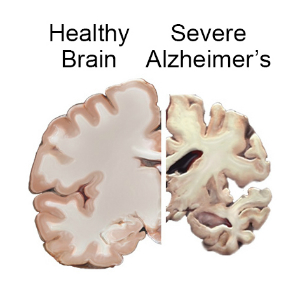
AD is a degenerative neurological disease which is the most common cause of dementia, which is a syndrome of chronic global cognitive impairment. The prevalence of AD is about 6.5 million people in the US. The risk of developing AD increases with age, with 10.7% of those 65 and older being affected. AD is more than just having dementia, it is a specific disease that can only be confirmed at this time by looking at the brain. There are pathological changes including plaques and tangles. Imaging can also reveal diffuse cortical atrophy (shrinkage of the brain). Electroencephalogram typically shows slowing, indicating reduced cortical activity. There are many markers of AD that can be identified in the blood or spinal fluid, but none are good enough to be used in routine clinical evaluation.

The causes of AD are complex and not yet fully understood. In brief, a lot of stuff happens on the way towards brain cells dying but it’s hard to known which stuff is driving the process and which are a result of the process. It therefore has been difficult to device treatments to slow or prevent progression. For my entire career as a neurologist it seemed as if we were getting close to a significant clinical breakthrough, but we’re still waiting. Tremendous progress has been made, but nothing that amounts to a disease-modifying treatment.

Prevention before the disease becomes clinically apparent would be ideal. We know that controlling blood pressure and other markers of cardiovascular health are extremely important in reducing the risk of AD. We also know that physical exercise is important, as well as keeping mentally active. Sometimes, however, it is difficult to separate preventive measures that actually delay or slow the onset of AD vs those that mask the onset through creating a higher baseline of cognitive function. Regardless, all of the above are good lifestyle choices.

One of the interesting variables in AD is the role of the immune system. Whenever there is cell death there will be an immune reaction, if for nothing else than to clean up the dead cells. Therefore it’s difficult to interpret the implications of markers of inflammation. It’s also possible that reactive inflammation does not cause AD but can worsen it or hasten the progression. There has been a lot of research into treating AD with anti-inflammatories of one type or another, but nothing has shown clear efficacy so far and there are no approved anti-inflammatory drugs for AD. The one drug approved to treat AD, aducanumab, is not an anti-inflammatory and rather targets amyloid beta, but the approval of this drug is highly controversial.

One of the many questions surround AD is the role of viral and other infectious agents. Viruses in many ways are still the “boogeymen” of neurology. We know viral infections are common, but there are many more viruses out there than we currently can identify. We also know that viral infections can directly target neurological tissue. Also, viral infections can trigger post-infectious immune responses which then cause further damage, and may even trigger chronic neurological disease. For many neurological diseases for which the cause is mysterious viruses are raised as a possible cause, and AD is no exception. This hypothesis resulted in some preliminary studies in which it was explored whether vaccines against common viral infections reduce the risk of AD. Early results show a possible protective effect.

These preliminary studies resulted in the current study, so let’s get to the detail. Here are the results:

“From the unmatched sample of eligible patients (n = 2,356,479), PSM produced a sample of 935,887 flu–vaccinated-unvaccinated matched pairs. The matched sample was 73.7 (SD, 8.7) years of age and 56.9% female, with median follow-up of 46 (IQR, 29–48) months; 5.1% (n = 47,889) of the flu-vaccinated patients and 8.5% (n = 79,630) of the flu-unvaccinated patients developed AD during follow-up. The RR was 0.60 (95% CI, 0.59–0.61) and ARR was 0.034 (95% CI, 0.033–0.035), corresponding to a number needed to treat of 29.4.”

That’s a relative risk reduction of 40% with an absolute risk reduction from 8.5% to 5.1% (3.4%). That is a significant reduction. This is a very powerful study because of the very large N, and so these results are highly statistically significant. So it’s very likely that this correlation is real. But the first question for this kind of data is – what is the cause and effect? Generically we always have to consider three possibilities – A causes B, B causes A, or A and B or caused by C (or D or E). In this case one likely interpretation is that getting flu vaccines prevents or delays the onset of AD. There was a dose-response effect, with greater number of flu vaccines being more protective, which supports this interpretation.

Is it possible that people with AD are less likely to get the flu vaccine, perhaps because their dementia reduces their overall healthcare compliance? This is unlikely given that the subjects did not have a clinical diagnosis of dementia at the beginning of the study, and when they would have received the flu vaccines. So we would have to assume they had mild dementia, enough to reduce their chance of getting vaccinated but not enough to get diagnosed. This seems unlikely.

The real variable here is cofounding factors – that some other factors may contribute to getting vaccinated and a reduced risk of getting AD. This could be the generic “healthy user effect” – people who get vaccinated may engage in other healthy behaviors, one or more of which reduces risk of AD. Perhaps they are also more compliant with their blood pressure medication. The researchers, of course, looked at this. Trying to control for confounding factors is standard, it’s just difficult to capture them all. They report:

“For each covariate, the last measurement within the look-back period was used as the baseline value. Covariates included demographics, physical and psychiatric comorbidities, sustained use of medications potentially related to probability of influenza vaccination and/or incident AD (either directly as an effect of the medication or indirectly as an indicator of a relevant comorbidity), number of routine well visits during the look-back period, and total number of health care encounters during the look-back period (as a proxy for overall healthcare utilization rate).”

Still, that seems fairly thorough. So while we cannot rule out confounding factors, and it would be nice to confirm these results, they are looking fairly solid. If we assume that the flu vaccine in genuinely protective against AD, what are the possible mechanisms? The most straightforward interpretation is that getting the flu virus, even with a mild or subclinical infection, can increase the risk of AD. Therefor the vaccine reduces this risk. But a more complex immune relationship may be at work. Perhaps the flu vaccine itself activates the immune system in a way that reduces overall AD risk. Perhaps this immune activity uses up resources that would otherwise be available for whatever immune activity contributes to AD.

Further study is clearly needed. Specifically, the researchers want to look at whether or not flu vaccines alter the course of AD after diagnosis. Meanwhile, this is compelling evidence that there is likely a protective effect for flu vaccines against developing AD. Since it’s already a good idea to get the flu vaccine every year, this is one more reason.