Changing stroke rehab and research worldwide now.Time is Brain! trillions and trillions of neurons that DIE each day because there are NO effective hyperacute therapies besides tPA(only 12% effective). I have 523 posts on hyperacute therapy, enough for researchers to spend decades proving them out. These are my personal ideas and blog on stroke rehabilitation and stroke research. Do not attempt any of these without checking with your medical provider. Unless you join me in agitating, when you need these therapies they won't be there.

What this blog is for:

My blog is not to help survivors recover, it is to have the 10 million yearly stroke survivors light fires underneath their doctors, stroke hospitals and stroke researchers to get stroke solved. 100% recovery. The stroke medical world is completely failing at that goal, they don't even have it as a goal. Shortly after getting out of the hospital and getting NO information on the process or protocols of stroke rehabilitation and recovery I started searching on the internet and found that no other survivor received useful information. This is an attempt to cover all stroke rehabilitation information that should be readily available to survivors so they can talk with informed knowledge to their medical staff. It lays out what needs to be done to get stroke survivors closer to 100% recovery. It's quite disgusting that this information is not available from every stroke association and doctors group.

Showing posts with label pneumatic intervention. Show all posts

Thursday, November 20, 2025

Effect of upper-limb robot-assisted therapy combined with pneumatic gloves on upper limb function in young and middle-aged stroke patients: a pilot randomized controlled trial

 No pictures of the gloves so impossible to determine if spastic fingers can get into it. Does no one understand real world problems of stroke survivors and try to fix them? Or is cherry picking subjects the easy and only way to get published? Is publishing more important than survivor recovery?

Effect of upper-limb robot-assisted therapy combined with pneumatic gloves on upper limb function in young and middle-aged stroke patients: a pilot randomized controlled trial


Abstract

Background

This study aimed to evaluate the effects of an end-effector-type upper-limb robot-assisted therapy (UL-RAT) combined with pneumatic gloves (PGs) on improving upper limb function in young and middle-aged stroke patients.

Methods

Forty young and middle-aged stroke patients were recruited and randomized into two groups, including a UL-RAT&PG group and a control group, with 20 cases in each group. The control group received conventional upper limb occupational therapy once a day, 5 days a week, for a total of 4 weeks. The UL-RAT&PG group received the combination of UL-RAT and PGs once a day, 5 days a week, for a total of 4 weeks. To evaluate their upper limb function, the primary assessment indices were the Fugl-Meyer assessment extremities (FMA-UE) and Action Research Arm Test (ARAT), and the secondary assessment indices included the Canadian Occupational Performance Measure (COPM), modified Ashworth Scale (MAS), National Institutes of Health Stroke Scale (NIHSS), and modified Barthel index (MBI). To assess brain plasticity, Quantitative electroencephalogram (qEEG) and diffusion tensor imaging (DTI) were performed. Additionally, Enzyme-linked immunosorbent assay (ELISA) and quantitative reverse transcription polymerase chain reaction (qRT-PCR) assay were conducted to evaluate serum brain-derived neurotrophic factor (BDNF) and microRNA-132 (miRNA-132) levels. Finally, the Self-rating Anxiety Scale (SAS), Self-rating Depression Scale (SDS), and Exercise Adherence Questionnaire Scale (EAQ) were used to assess patients’ emotional states and compliance with the therapy.

Results

After treatment, both groups showed significantly greater improvements in upper limb function. The FMA-UE, ARAT, COPM-executive ability, COPM-satisfaction, and MBI scores of the UL-RAT&PG group were 52.30 ± 1.94, 47.65 ± 7.41, 4.61 ± 1.86, 5.92 ± 1.65, and 87.10 ± 11.11, that all considerably higher than those of the control group (38.6 ± 16.97, 29.90 ± 15.39, 3.39 ± 1.66, 3.61 ± 1.67, and 69.95 ± 17.62), and their NIHSS scores were 1.75 ± 1.12, significantly lower than those of the control group (3.70 ± 1.63). DTABR scores and corticospinal tract (CST) morphology showed positive changes in both groups, indicating an improvement in brain plasticity. The serum BDNF and miRNA-132 levels of both groups were markedly higher than before treatment. In addition, SAS and SDS scores of the control group were 34.55 ± 8.48 and 45.25 ± 12.01, and = UL-RAT&PG groups were 37.85 ± 5.72 and 38.70 ± 8.99, all significantly lower than those before treatment (37.85 ± 9.92 and 49.95 ± 12.59, 42.95 ± 7.62 and 46.10 ± 11.29), indicating that their negative emotions have alleviated. However, the above results of serum BDNF, miRNA-132, SAS, and SDS had no statistical difference between the two groups. Notably, compared to the control group (49.95 ± 12.59), patients in the UL-RAT&PG group had a higher EAQ score (46.10 ± 11.29), indicating better exercise compliance.

Conclusions

The combination of the UL-RAT and PGs can significantly improve(NOT GOOD ENOUGH! Survivors want full recovery!) upper limb function, compliance, serum BDNF, and serum miRNA-132, and attenuate depression and anxiety in young and middle-aged stroke patients.

Trial registration The study was registered on the Chinese Clinical Trial Registry (ChiCTR2500097887).

Wednesday, July 16, 2025

Structure, sensing and control of pneumatic upper limb rehabilitation system: Review and prospect

 What is your competent? doctors' EXACT PROTOCOL TO GET YOUR UPPER LIMB RECOVERED TO 100%. Doesn't have one I bet, So incompetence personified! Your doctor has known since medical school that stroke is a shitshow and has DONE NOTHING to fix that!

Structure, sensing and control of pneumatic upper limb rehabilitation system: Review and prospect


https://doi.org/10.1016/j.compbiomed.2025.110714Get rights and content

Highlights

  • Comprehensive review of pneumatic upper limb rehab systems.
  • Innovative PAM applications enhancing safety and flexibility.
  • Advanced sensor fusion for precise motion monitoring.
  • Multidisciplinary control approaches to address system complexity.
  • Future focus on AI-integrated home rehabilitation.

Abstract

With the development of society, the service level of rehabilitation institutions needs to be improved. Pneumatic drive technology has attracted widespread attention due to its high safety and easy control. As a new type of driving element, pneumatic artificial muscle has important advantages in the field of assisted rehabilitation robots due to its light weight, large output force ratio, strong flexibility, low cost and easy maintenance. This paper comprehensively reviews the field of pneumatic upper limb rehabilitation correction system from four aspects: first, the existing upper limb rehabilitation apparatus are introduced in detail, and the design of pneumatic driven upper limb rehabilitation orthosis system is explained, including the structure, characteristics and working principle of pneumatic artificial muscle; second, the commonly used sensor devices and their processing methods in the current upper limb rehabilitation apparatus are outlined and summarized; third, the control strategies in the upper limb rehabilitation apparatus are discussed, including control strategies based on dynamic and kinematic models, hysteresis models for pneumatic artificial muscles and sensor signal fusion; finally, the existing problems of rehabilitation institutions are analyzed, and the future research and development directions are discussed, aiming to provide a reference for the current and ongoing research in the field of upper limb rehabilitation correction system.

Introduction

Stroke, a prevalent chronic cerebrovascular disorder often termed cerebrovascular accident [1], manifests as persistent neurological deficits from acute cerebral vascular events, with 85 % of cases resulting in hemiplegia, particularly among elderly populations [2]. According to ⟪World Stroke Organization (WSO): Global Stroke Fact Sheet 2025 Report⟫, among non-communicable disorders (NCDs), stroke remains the second-leading cause of death and the third-leading cause of death and disability combined (as expressed by disability-adjusted life-years lost - DALYs) in the world [3]. From 1990 to 2021, the burden (in terms of the absolute number of cases) increased substantially (70.0 % increase in incident strokes, 44.0 % deaths from stroke, 86.0 % prevalent strokes, and 32 % DALYs) [4]. Fig. 1. (a), Fig. 1. (b) [4]shows the global age-standardized stroke prevalence (per 100 000 population) (a) and mortality (b) for both sexes in 2021. The most recent Global Burden of Disease stroke burden project has estimated an almost doubling of disability-adjusted life-years (DALYs), deaths, and cost due to stroke from 2020 to 2050 [5]. Globally, the age-standardised prevalence of cardiovascular disease (including stroke) risk factors (including hypertension, overweight, and diabetes) are also increasing [6]. Especially in China, it constitutes the foremost cause of adult mortality and disability, characterized by quintuple high parameters: incidence, recurrence, disability, fatality rates, and socioeconomic burden [7]. A trend towards increasing incidence and prevalence rate of cardiovascular diseases (including stroke) in people aged 15–39 years globally [8]. Epidemiological data from China reveal 12.42 million stroke patients aged ≥40, exhibiting progressive younger-onset trends, as detailed in Fig. 2(a)(b) illustrating prevalence and crude mortality of stroke patients in China. Accelerated urbanization and demographic aging have exacerbated cerebrovascular risk factor exposure, intensifying disease burden trajectories [9].
Most stroke patients are accompanied by different sequelae of movement disorders, of which 75 % manifest as upper limb movement disorders, and only 20 % recover within six months after surgery. Therefore, upper limb dysfunction is a common and most serious functional disorder in stroke patients [10]. As the core of the patient's recovery of movement, timely upper limb rehabilitation training is of great significance to improving the patient's quality of life and reducing the family and social economic burden [11]. Traditional sports rehabilitation training relies on the rehabilitator's techniques and guidance of training movements. The patient is in a passive training state, and the rehabilitation effect is limited by the rehabilitator's level and training intensity. There are currently problems such as doctor-patient communication difficulties, shortage of rehabilitation teachers and long training cycles, making it difficult to achieve high-quality personalized services [12]. With the development of medical and industrial integration technology, robot rehabilitation systems have gradually replaced manual labor and provide efficient active and passive rehabilitation training [13]. Passive training is completed through external force assistance in the early stage of recovery; active regulation can be achieved based on electromyography/EEG signals in the later stage of recovery, and additional load-intensive training intensity can be enhanced [14]. Studies have shown that the effect of rehabilitation training for stroke patients using rehabilitation institutions is significant, which can greatly promote the improvement of patients' limb function [15].
For the included studies, the authors searched extensive literature in different digital databases, such as PubMed, the Institute of Electrical and Electronics Engineers (IEEE), Science Direct, and CNKI. As shown in Fig. 3 (Flow chart of systematic evaluation and screening), the selection is carried out through four stages: identification of relevant papers; Further screening based on title and abstract: Qualification is determined according to a specific set of criteria; Firstly, by searching "Pneumatic artificial muscle", "Hysteresis", "Rehabilitation", "Upper limb control strategy", "Sensor", and "Sensor signal" Keywords such as "fusion" were initially screened to identify these works; Secondly, we set up time filtering conditions (mainly in the last ten years), AND manually filter by using Boolean logic combination keywords (such as "and", "OR", "NOT") to improve the search accuracy. Therefore, 33 500 publications related to stroke rehabilitation system and evaluation were found. The following criteria apply to the first screening: Articles must be published in a peer-reviewed journal or conference and be considered relevant to this review based on the title and abstract. After an initial screening, the number of papers was reduced to 1320. The next step is eligibility, considering the overall quality of the article, including qualitative and/or quantitative analysis. This resulted in the eventual inclusion of only 118 publications that fit this study. It included 15 articles on stroke-related data and characteristics, 60 articles on the overall structure of the upper limb rehabilitation system, and 43 articles on control strategies applied to the upper limb rehabilitation system.
In addition, Fig. 4 shows the proportion of Chinese and English references, in which Chinese accounts for 21.43 % and English accounts for 78.57 %. This reflects the large international focus of this study, which greatly enhances the global applicability of this study. Fig. 5 shows the proportion of references in different time periods, among which 1900–2000 accounted for 1.3 %, 2001–2014 accounted for 19.48 % and 2015–2025 accounted for 79.22 %. Most of the articles in the first two periods are the basic content of the original theory, and this study mainly focuses on the international research achievements in the past ten years, which reflects the timeliness and cutting-edge of this study.
Therefore, in recent years, the research interest in the field of upper limb rehabilitation training has grown exponentially, due to the demand for higher quality, more compatible and interactive human-machine systems and the problems to be solved. This study systematically reviews the upper limb rehabilitation robots of pneumatic drive systems, and analyses the potential future development directions based on existing research, providing readers with scientific references and research directions. This paper is divided into four main chapters. The first chapter introduces the existing upper limb rehabilitation apparatus in detail, including electric upper limb rehabilitation systems and upper limb rehabilitation systems driven by pneumatic artificial muscles. The second chapter mainly introduces various types of sensor devices used in upper limb rehabilitation apparatus and their applications. The third chapter mainly discusses the control strategies in upper limb rehabilitation apparatus, covering control strategies based on kinematics and dynamics, as well as control strategies for pneumatic artificial muscle characteristics and control strategies based on sensor signal fusion. The fourth chapter mainly discusses the problems existing in the current upper limb rehabilitation apparatus and the direction of future research and development. Finally, the main work of the full paper is summarized and the general laws of structural modelling, sensor fusion and control strategies of pneumatic upper limb rehabilitation systems are summarized.

Access through your organization

Monday, April 7, 2025

Winchester Uni study into compression suits helps stroke victims

 What it is; 

Intermittent Pneumatic Compression (IPC) therapy is a non-invasive treatment that uses external pressure to improve circulation and manage vascular disorders, like preventing deep vein thrombosis (DVT) and managing lymphedema. It involves inflating and deflating a sleeve around the affected limb to mimic the action of walking and promote blood flow. 

Of course your completely incompetent stroke team missed this intervention 6 years ago:

Winchester Uni study into compression suits helps stroke victims

One of the study participants wearing an IPC suit. <i>(Image: Hobbs Rehabilitation)</i>
One of the study participants wearing an IPC suit. (Image: Hobbs Rehabilitation)

A study has found that compression suits could help stroke survivors regain mobility.

The research, conducted by academics at the University of Winchester in collaboration with Hobbs Rehabilitation, suggests that wearing these suits as part of a home exercise regime could aid recovery.

The study focused on home-based intermittent pneumatic compression (IPC) therapy, which was found to improve functional mobility, blood pressure and physical activity levels in stroke sufferers compared to those who did not use the device.

Participants in the trial were given GMove suits, which apply pressure to the lower limbs to stimulate blood circulation and muscle activation.

READ MORE: Victoria Derbyshire to host Question Time-style event at university

One of the study participants wearing an IPC suit. (Image: Hobbs Rehabilitation) The suit manufacturers, Winback, donated its equipment free of charge for the trial.

During the 12-week trial, 15 of the 31 participants wore the suits while undertaking a series of set exercises for at least 30 minutes per day.

Their first IPC therapy session took place at Hobbs Rehabilitation with a physiotherapist to ensure participants were confident in wearing the IPC devices and in undertaking the prescribed activities.

Participants then had regular face-to-face or phone discussions with a therapist to ensure they were using the IPC device properly and were experiencing no ill effects.

All showed greater improvements in their mobility and blood pressure than the control group whose members performed their exercises unaided.

Dr Scott Hannah, a senior lecturer in sport and exercise physiology at the university and co-author of the report, said: "This research shows promising results for the use of IPC therapy as a practical, home-based approach to stroke rehabilitation.

"The improvements in mobility and cardiovascular health suggest that integrating the GMove Suit into rehabilitation programmes could enhance recovery and promote independence for stroke survivors."

SEE MORE: Nursing student Myles features in NHS case study to promote work placements

He added: "Although this was a relatively small study, the findings indicate that IPC therapy could be a valuable addition to home exercise programmes.

"Future research should explore its effectiveness in a larger and more diverse group of stroke survivors, as well as investigate different durations and intensities of IPC therapy."

The study builds on the Help Hampshire programme started at the University of Winchester to provide exercise classes for stroke victims.

Professor James Faulkner, founder of the programme and lead author of the report, was until recently a professor in sport and exercise physiology at the University of Winchester and is now at the University of Southampton.

Louis Martinelli, specialist neurological physiotherapist at Hobbs Rehabilitation, said: "We have been lucky enough to work with Professor James Faulkner for over eight years collaborating on numerous research projects, but publishing this study means the most to me.

"To be part of the study from the very beginning and seeing it through to the very end has been extremely fulfilling."

Thursday, December 26, 2024

A Soft Pneumatic Robotic Glove for Hand Rehabilitation of Hemiplegic Patients after Stroke

 It is very unlikely that a spastic hand like mine could ever don a glove like this.  They really didn't understand the requirements for this type of glove. 

A Soft Pneumatic Robotic Glove for Hand Rehabilitation of Hemiplegic Patients after Stroke

Authors
Lariab Kehar1, *, Aisha Rafi1, Lamia Asad1, Sarmad Shams1
1Institute of Biomedical Engineering and Technology, Liaquat University of Medical and Health Science, Jamshoro, Sindh, Pakistan
*Corresponding author. Email: Laraib.kehar@lumhs.edu.pk
Corresponding Author
Lariab Kehar
Available Online 24 December 2024.
DOI
10.2991/978-94-6463-602-4_22How to use a DOI?
Keywords
Stroke Rehabilitation; Hemiplegia; Soft Pneumatic Glove; Mirror Therapy; Hand Function Recovery; Neuroplasticity
Abstract

Stroke-induced hemiplegia frequently causes reduced hand function, which has a substantial impact on patients’ quality of life. Traditional rehabilitation methods often fail to offer targeted, intensive, and engaging therapy. In response, this study presents a novel strategy that employs a soft pneumatic robotic glove specifically built for hand rehabilitation in hemiplegic stroke patients. The glove is designed to fit over the patient’s impaired hand and utilizes soft pneumatic air valves to apply controlled pressure and movement to the fingers and fist. Preliminary research shows promising results in increasing hand motor function, range of motion, and grip strength in hemiplegic stroke patients. The robotic glove prioritizes comfort and non-invasiveness, ensuring that patients can wear it for extended periods without discomfort. The glove can be used with other techniques such as physical and occupational therapy for a comprehensive approach to hand rehabilitation. Overall, the soft pneumatic robotic glove is a potential improvement in hand rehabilitation technology, providing a personalized and participatory approach to hemiplegic stroke recovery. Additional research and clinical trials are required to evaluate its efficacy and investigate its potential as a standard rehabilitation aid in clinical settings.

Copyright
© 2024 The Author(s)
Open Access
Open Access This chapter is licensed under the terms of the Creative Commons Attribution-NonCommercial 4.0 International License (http://creativecommons.org/licenses/by-nc/4.0/), which permits any noncommercial use, sharing, adaptation, distribution and reproduction in any medium or format, as long as you give appropriate credit to the original author(s) and the source, provide a link to the Creative Commons license and indicate if changes were made.

Download article (PDF)

Friday, March 15, 2024

Pneumatic robotic glove aids training for stroke and hand disability rehabilitation

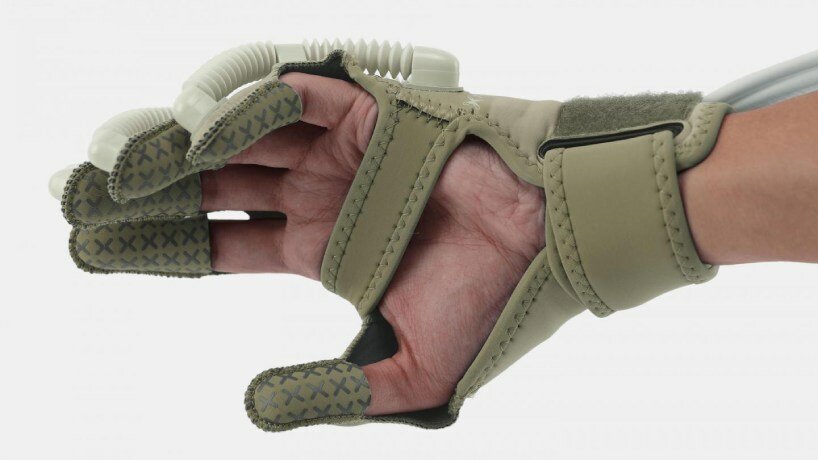
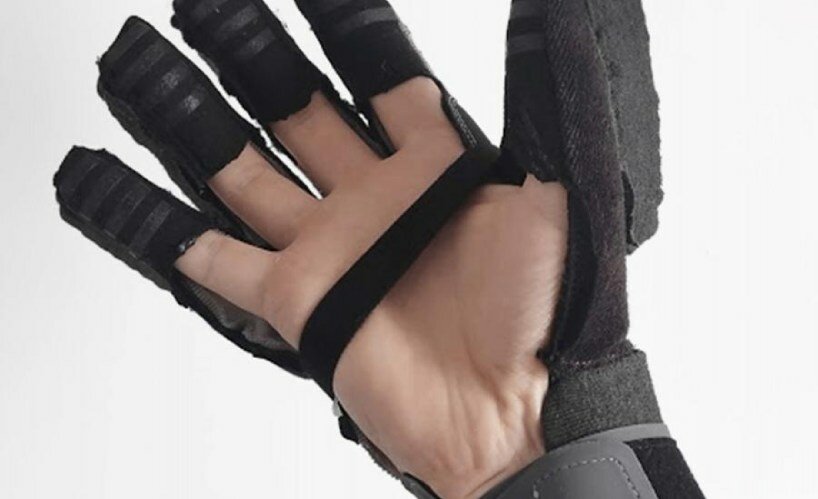
At least with the cutout palm area spastic fingers could get it on.  But which glove is your doctor and therapists already using for your recovery? NONE? I guess you don't have a functioning stroke doctor or hospital!

Hopefully your competent? doctor has already tested out these others and found the best one for recovery

Many gloves out there. Which is the best? Your doctor better know the answer.


glove (101 posts to October 2011)


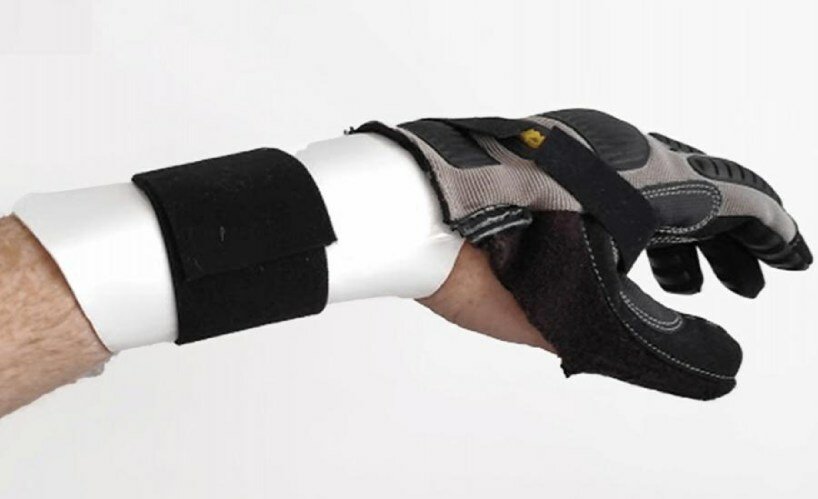
I hated the Saebo-flex glove I got, the bead chains were impossible to adjust one-handed and the thumb couldn't get positioned properly.  Saebo told me their glove was meant to be adjusted by a therapist, I totally disagree with that stance.


Pneumatic robotic glove aids training for stroke and hand disability rehabilitation

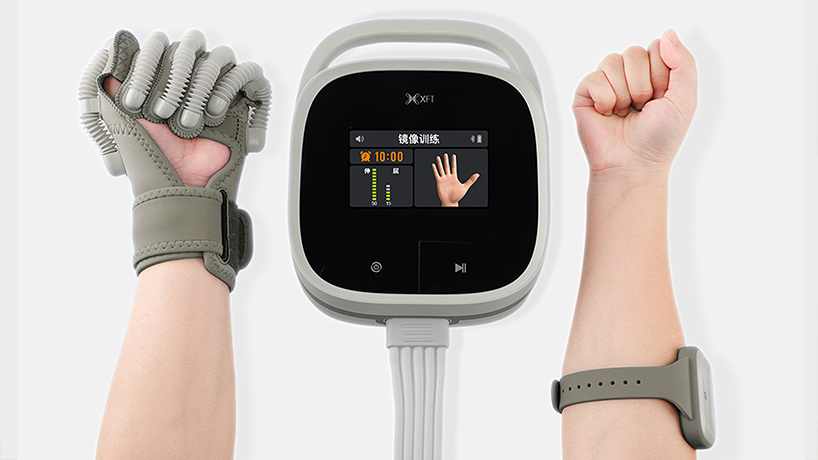
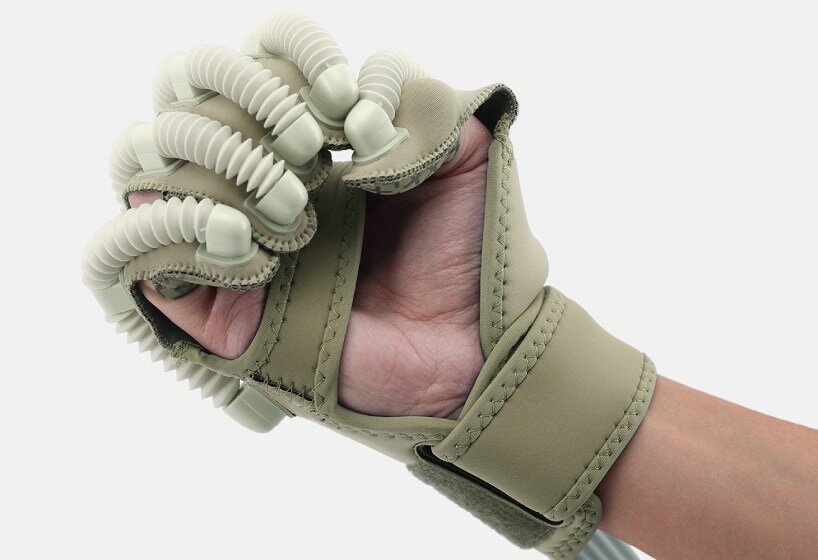
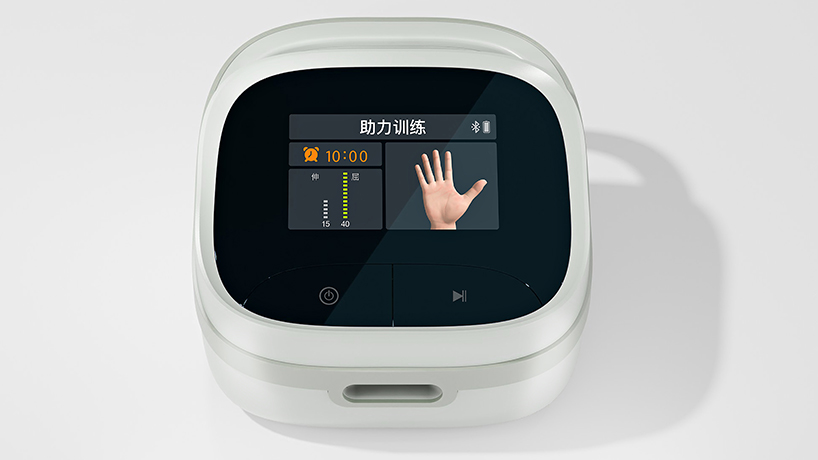
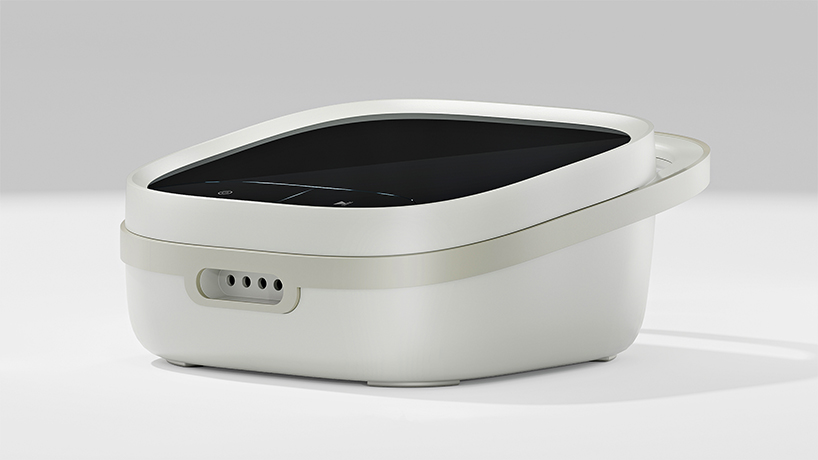
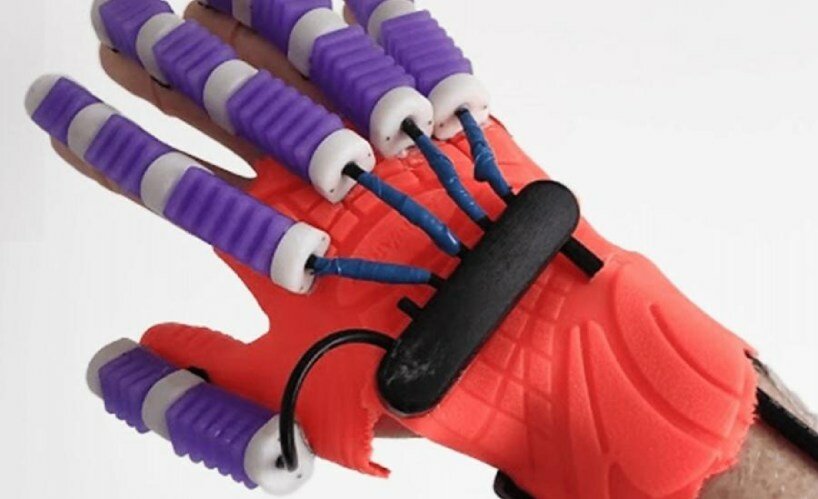
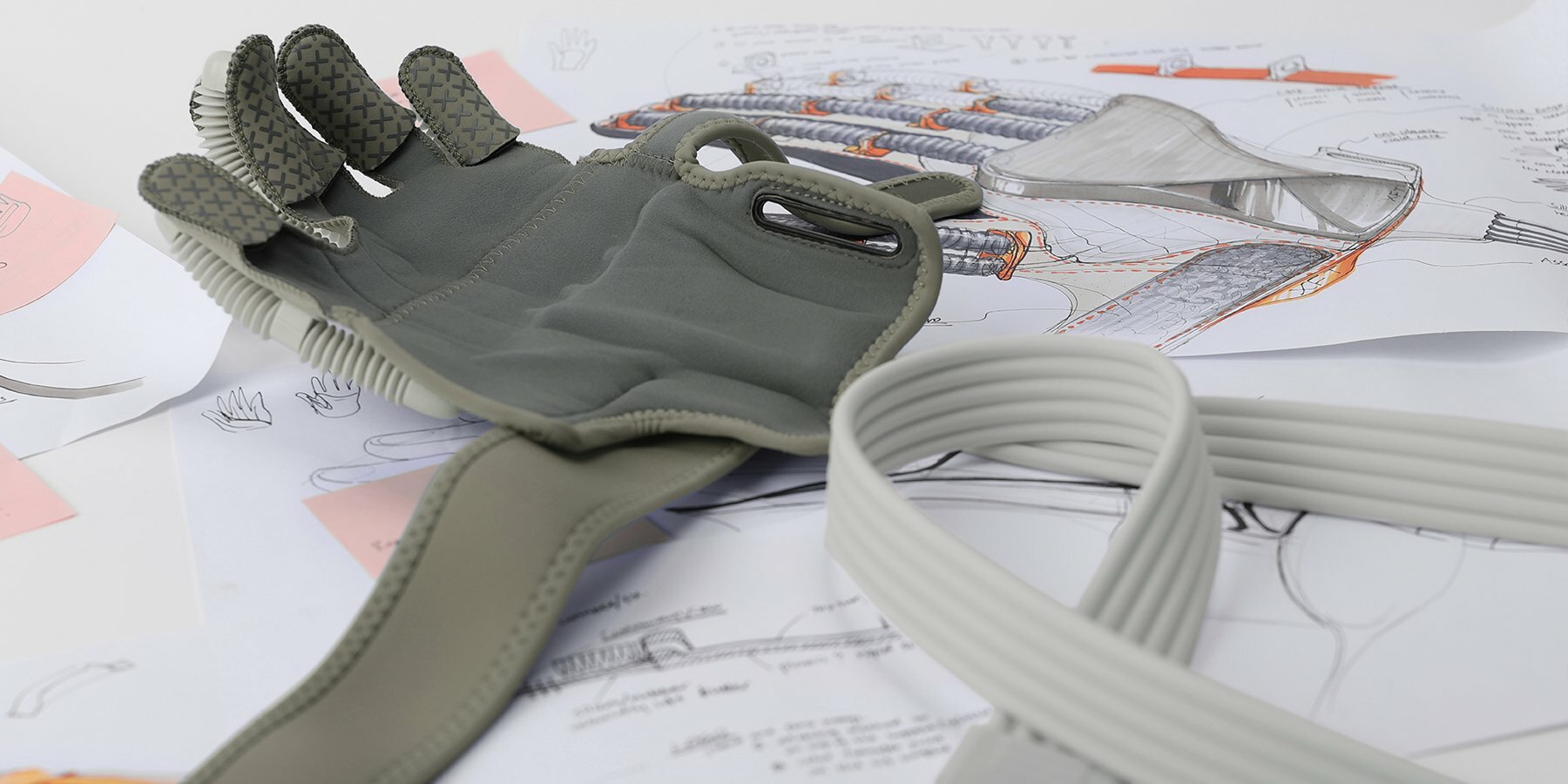
XFT Medical and IDC present the Hand Rehabilitation Glove — a training device designed to aid patients recovering from strokes or hand disabilities. The neoprene glove combines EMG feedback and flexible robotics for patients to support in training and repairing dexterity. Using flexible air-activated muscles to aid movement, the robotic glove targets limb motor function and prevents muscle disuse atrophy, enabling patients to carry out passive rehabilitation training through pre-set training programs.


Featuring six distinct training modes, including power-assisted movement and resistance training, the glove offers a versatile approach to muscle strengthening. Users can complete specific training programs tailored for full hand movement, fingertip touch training, and single finger exercises, promoting both gross and fine motor skill improvement. With size options available in small, medium, and large, the glove ensures a comfortable fit for all, while its adjustable air pressure mechanism enables personalized strength settings, catering to individual rehabilitation needs.

pneumatic robotic glove aids training for stroke and hand disability rehabilitation 

all images courtesy of IDC


the training device accelerates repairing hand dexterity


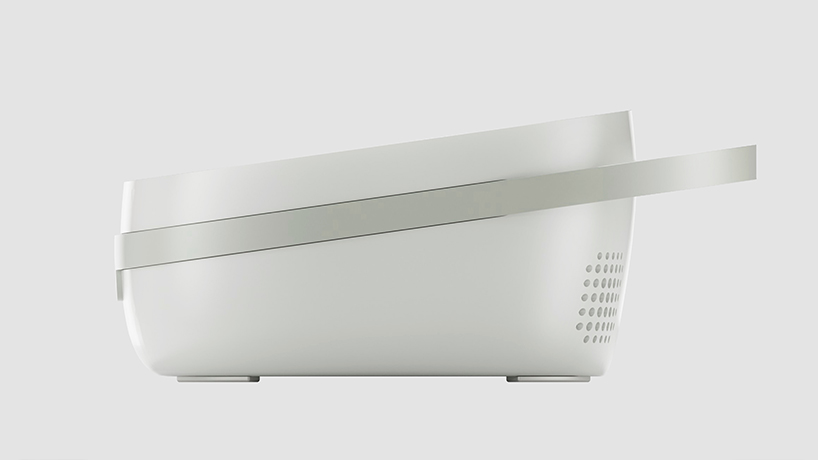
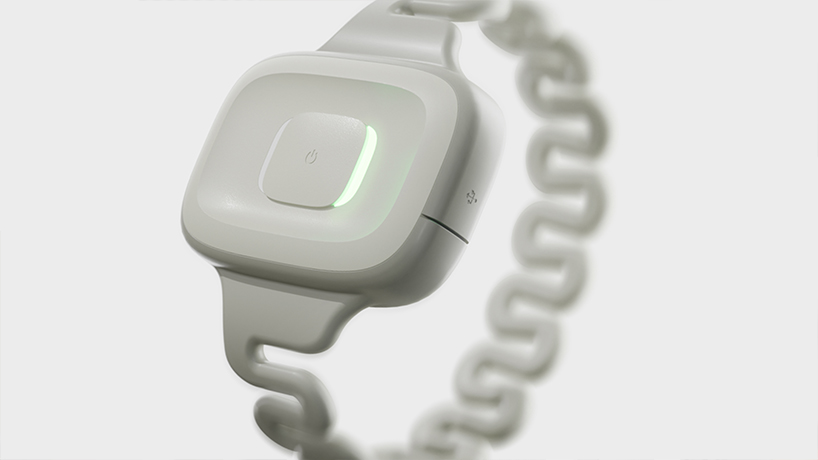
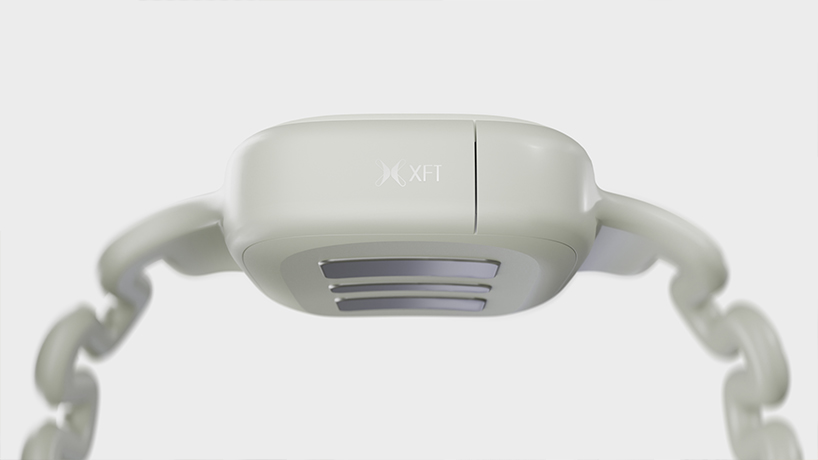
XFT Medical has had a long-standing partnership with IDC to develop a range of medical and rehabilitation devices. Their Hand Rehabilitation Glove, alongside an EMG armband and control unit aligned with XFT’s existing home medical line up, work together united by a cohesive brand identity. Integrating innovative mirror technology, the armband enables synchronous movement between unaffected between affected and unaffected hands, aiding autonomous brain recovery and accelerating the rehabilitation process.


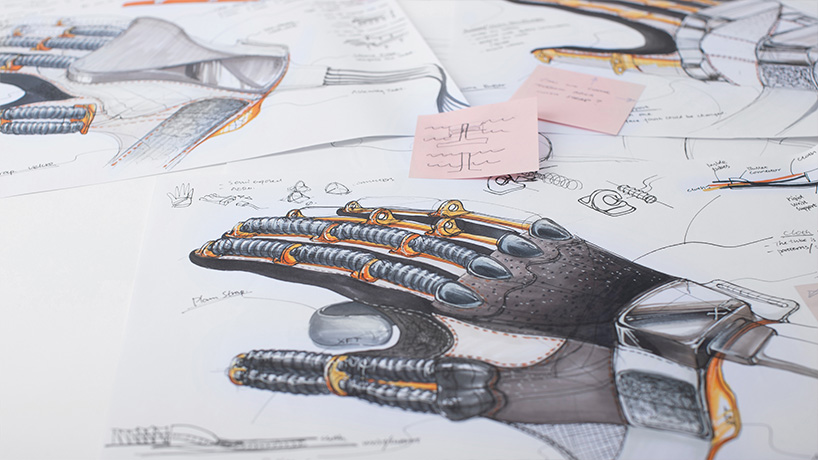
For the robotic glove, IDC followed an empathetic design process to understand and address the specific requirements of users, many of whom are affected by reduce dexterity and lack caregiver assistance to help use the product. The team recognized that the device must be simple to use, easy to put on using only one hand, leading to the design’s cut-out palm area, fingertip hoods, and supportive wrist strap. Testing was conducted to optimize the balance between functionality, treatment effectiveness, and user experience, and neoprene was eventually selected for its washability, strength, and comfort. From user testing, IDC found that often the patients had weak wrists making it hard to complete the training, prompting the integration of a wrist strap to enhance usability and treatment effectiveness.

pneumatic robotic glove aids training for stroke and hand disability rehabilitation 

XFT Medical and IDC present the Hand Rehabilitation Glove


the glove’s neoprene form integrates advanced engineering


Competitor research revealed key issues with existing offerings, with bulky solutions which didn’t grant enough flexibility and mobility. Using IDC’s in-house prototyping capabilities, different solutions for the glove were tested and optimized, finding that rounded bellows expand more effectively. While initial concepts aimed for a custom integrated bellow to give the product a sleek, unified look, manufacturability constraints and cost analysis led to the adoption of proven bellows with refined junctions for a cleaner design. There was also a focus on clean and unobtrusive airway management to power the bellows from the control unit.

pneumatic robotic glove aids training for stroke and hand disability rehabilitation 

the design features a cut-out palm area, fingertip hoods, and supportive wrist strap


pneumatic robotic glove aids training for stroke and hand disability rehabilitation


the robotic glove functions alongside an EMG armband and control unit

pneumatic robotic glove aids training for stroke and hand disability rehabilitation 


the training devices are designed to aid patients recovering from strokes or hand disabilities

IDC 


training programs promote both gross and fine motor skill improvement

IDC 


the armband enables synchronous movement between unaffected between affected and unaffected hands

IDC 


testing optimized the balance between functionality, treatment effectiveness, and user experience

pneumatic robotic glove aids training for stroke and hand disability rehabilitation 

the glove targets limb motor function and prevents muscle disuse atrophy

pneumatic robotic glove aids training for stroke and hand disability rehabilitation 


there was a focus on clean and unobtrusive airway management to power the bellows from the control unit

pneumatic robotic glove aids training for stroke and hand disability rehabilitation 


the neoprene glove combines EMG electromyographic feedback and flexible robotics

pneumatic robotic glove aids training for stroke and hand disability rehabilitation 

design process

rehabilitation-glove-idc-team-designboom-1


project info:


name: Rehabilitation Glove
designer: IDC


designboom has received this project from our DIY submissions feature, where we welcome our readers to submit their own work for publication. see more project submissions from our readers here.


edited by: ravail khan | designboom