Changing stroke rehab and research worldwide now.Time is Brain! trillions and trillions of neurons that DIE each day because there are NO effective hyperacute therapies besides tPA(only 12% effective). I have 523 posts on hyperacute therapy, enough for researchers to spend decades proving them out. These are my personal ideas and blog on stroke rehabilitation and stroke research. Do not attempt any of these without checking with your medical provider. Unless you join me in agitating, when you need these therapies they won't be there.

What this blog is for:

My blog is not to help survivors recover, it is to have the 10 million yearly stroke survivors light fires underneath their doctors, stroke hospitals and stroke researchers to get stroke solved. 100% recovery. The stroke medical world is completely failing at that goal, they don't even have it as a goal. Shortly after getting out of the hospital and getting NO information on the process or protocols of stroke rehabilitation and recovery I started searching on the internet and found that no other survivor received useful information. This is an attempt to cover all stroke rehabilitation information that should be readily available to survivors so they can talk with informed knowledge to their medical staff. It lays out what needs to be done to get stroke survivors closer to 100% recovery. It's quite disgusting that this information is not available from every stroke association and doctors group.

Showing posts with label blood donation. Show all posts

Wednesday, June 18, 2025

Why Donating Blood Frequently May Reduce Your Risk of Cancer


 I'm O negative(Univesal donor) so I'm very popular. So far about 5 gallons in 10 years.

Why Donating Blood Frequently May Reduce Your Risk of Cancer

Being a good Samaritan may pay off even more than you thought. While donating blood is a selfless act that can save lives and help address an urgent public health need in the U.S., there might be a good selfish reason to do it, too.

A new study from researchers at the Francis Crick Institute in London determined that giving blood often may result in genetic changes in our blood stem cells that help prevent cancers like leukemia from developing. When comparing frequent donors (individuals who gave blood three times annually over 40 years) to sporadic ones (those who gave blood fewer than 10 times total), the scientists found that the former were more likely to have favorable genetic mutations in their stem cells.
Hector Huerga Encabo

“Our work is a fascinating example of how our genes interact with the environment and as we age,” senior author Dominique Bonnet said in a news release. “Activities that put low levels of stress on blood cell production allow our blood stem cells to renew and we think this favors mutations that further promote stem cell growth rather than disease.”

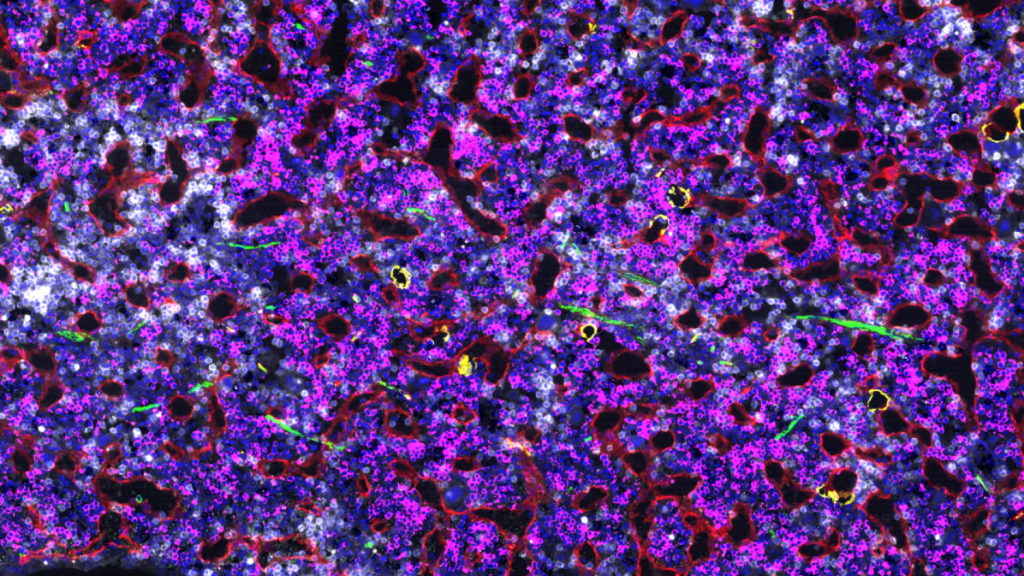
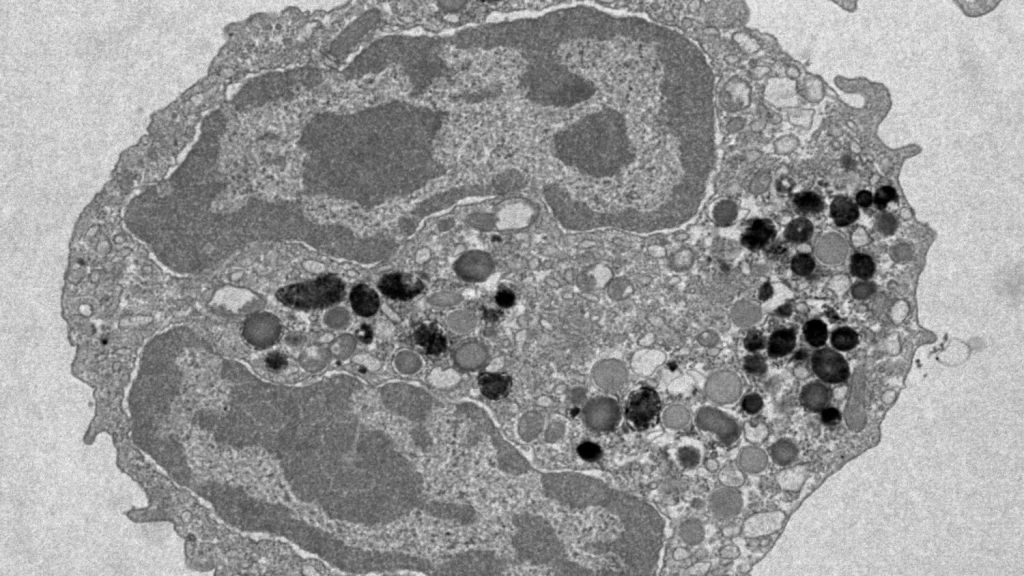
Analyzing blood from over 200 men in each category, the scientists zoomed in on hematopoietic stem cells (HSCs), aka blood stem cells. These cells naturally mutate as we age, which leads to clones with subtly different genetic makeup, a process known as clonal hematopoiesis. While this is normal, certain mutations can cause blood cancers.


Giving blood didn’t affect the cells’ likelihood of undergoing clonal hematopoiesis — it was found to be just as common in frequent donors versus sporadic. However, the researchers noticed that the genetic makeup of blood cells in each group varied when it came to a gene called DNMT3A, which is known to mutate in people who develop leukemia.   
Hector Huerga Encabo

This finding spurred the team — who collaborated with scientists in Heidelberg, Germany, with the help of the German Red Cross Blood Donation Center — to conduct follow-up experiments. They decided to edit human HSCs using CRISPR, and then implant the edited cells in mice. The result? When the mice that had blood removed were then exposed to stress imitating that of frequent blood loss, the cells with DNMT3A mutations produced red blood cells to recoup blood supply, and those new cells didn’t turn cancerous. 
MicrovOne/ iStock

“Our sample size is quite modest, so we can’t say that blood donation definitely decreases the incidence of pre-leukemic mutations and we will need to look at these results in much larger numbers of people,” Bonnet said. “It might be that people who donate blood are more likely to be healthy if they’re eligible, and this is also reflected in their blood cell clones. But the insight it has given us into different populations of mutations and their effects is fascinating.”

While the researchers can’t yet say for sure that donating blood often makes you less likely to develop leukemia, they theorize that doing so can reduce your chances of developing early blood cancer mutations.

“We had to look at a very specific group of people to spot subtle genetic differences which might actually be beneficial in the long-term,” said Hector Huerga Encabo, postdoctoral fellow in the Haematopoietic Stem Cell Laboratory at the Crick. “We’re now aiming to work out how these different types of mutations play a role in developing leukemia or not, and whether they can be targeted therapeutically.” 

RELATED: “Hungry” Fat Cells Could Fight Cancer by Devouring Tumors’ Food Sources, Study Suggests

Tuesday, April 29, 2025

Boosting Iron May Ease Brain Fog

 While iron deficiency in men doesn't seem to cause brain fog, I'm taking a daily iron pill so I pass the hemoglobin test for donating blood. I donate regularly since I'm a universal donor(O-negative)

Boosting Iron May Ease Brain Fog

Summary: New research shows that women with healthy blood iron levels during menopause perform better on cognitive tasks like memory and attention. The study found that sufficient blood iron was linked to better brain function without increasing harmful iron deposits in the brain.

Low iron levels were associated with slower cognitive performance, suggesting a potential cause of brain fog during menopause. Researchers highlight that minor dietary changes to boost iron could ease cognitive symptoms during this transition phase.

Key Facts:

  • Cognitive Boost: Adequate blood iron improves memory, attention, and cognitive speed during menopause.
  • No Brain Iron Risk: Higher blood iron did not correlate with dangerous brain iron accumulation.
  • Simple Solutions: Small dietary changes could ease brain fog and other cognitive symptoms in menopausal women.

Source: University of Oklahoma

New research from the University of Oklahoma sheds light on an understudied area of science: iron levels in the blood and their relationship to cognitive performance in women transitioning into menopause.

The findings are good news for women experiencing brain fog and other symptoms.

Published in the journal Nutrients, the study suggests that when women have adequate levels of iron in their blood during the menopausal transition, they perform better on cognitive tasks.

Moreover, sufficient iron in the blood did not equate to unsafe levels of iron in the brain, which has been shown to elevate the risk for neurodegenerative diseases like Alzheimer’s.

“When a woman makes the menopausal transition, she’s no longer losing blood on a monthly basis, which means she’s no longer losing iron,” said Michael Wenger, Ph.D., a professor of psychology at the OU College of Arts and Sciences and a lead author of the study.

“We wanted to see if the cost of being low on iron disappears during the menopausal transition. Very few studies have been done in this area.”

The research team measured iron levels in the blood, conducted MRIs to see the amount of iron in the brain, and assessed behavioral measures of cognition. None of the women in the study were deficient in iron; however, quite a few were below where they should be for their age.

The women who were below expected levels of iron in the blood performed worse on measures of memory, attention and cognition.

“Our previous research has shown that being iron-deficient extracts some serious costs in terms of cognitive performance,” Wenger said.

“If I were to give a woman with iron deficiency a simple task in which she presses a button every time an asterisk appears on a screen, the deficiency would cost her about 150 milliseconds.

“That doesn’t sound like a lot, but we make simple decisions like that when we choose every word we say in a sentence. Those 150 milliseconds add up.”

Importantly, the amount of iron in the blood did not predict how much iron was deposited in a woman’s brain, Wenger said.

“We have known for some time that the accumulation of iron in the brain is a risk factor for developing conditions like Alzheimer’s and vascular dementia,” he said.

“This data was surprising, and good news because it appears that having iron levels that are at or above what you should expect for your age does not mean you’re accumulating more iron in your brain.”

Being deficient in iron is not the same thing as being anemic. Low iron is a risk factor for anemia, Wenger said, but people can become anemic for other reasons. However, women visiting their OB-GYN typically are not tested for iron deficiency, which may be a missed opportunity.

“Low iron could easily be one of the reasons that a woman is experiencing brain fog during the menopausal transition,” he said.

“It also may be why some women talk about their eyesight changing during menopause. Iron is a critical element in the synthesis of the neurotransmitter dopamine, and the eye is dependent upon dopamine for basic signaling at the first point of contact with light.”

Although taking iron supplements is usually not the best course of action since they cause major gastrointestinal side effects, a low dose could be effective, as would diet changes to consume more foods high in iron, Wenger said.

“Making these minor changes could make a woman’s transition from pre- to post-menopause easier to bear,” he said.

Because part of the study was conducted during the COVID-19 pandemic, enrollment wasn’t as high as the research team would have liked. They plan to seek funding to conduct a larger study.

“I feel like we’ve had a pretty good understanding of post-menopause health, such as watching for cardiovascular issues and osteoporosis, but we haven’t known as much about what to do during this in-between phase, and it’s actually way more bothersome to people,” said OB-GYN and study co-author Pamela Miles, M.D., an associate professor in the OU College of Medicine.

About this iron deficiency and brain fog research news

Author: April Wilkerson
Source: University of Oklahoma
Contact: April Wilkerson – University of Oklahoma
Image: The image is credited to Neuroscience News

Original Research: Open access.
“Cognitive Performance in Relation to Systemic and Brain Iron at Menopause” by Michael Wenger et al. Nutrients


Sunday, December 29, 2024

Blood donation failure of my doctor and therapists

 I'm O negative(Universal donor) so I'm quite in demand to donate blood, I do it as often as I can. It has to be the unaffected(right arm) since you have to be able to lay your arm flat and squeeze a rubber ball every 4 seconds, neither of which I can do.  Also because any sneeze or cough causes the left arm to contract violently, that would ensure that the needle would bury itself where it shouldn't be. Specifically due to the massive failure of my doctor doing nothing and knowing nothing of stroke recovery. 
But the real problem is actually the red elastic wrap they put on to hold the cotton ball and tape in place at the end.  With no use of my left arm/hand at all, I have to resort to drastic measures to get the red wrap off. You put a long bladed knife in a Vice-grip and hold that between your knees and saw at the wrap, hoping not to cut your arm open. 

Friday, December 13, 2024

Delaying onset of high blood pressure can lower stroke risk, study shows


I didn't get hypertension until 8 years after my stroke and that was found by my regular blood donations; one time my upper was over 180, so I couldn't donate until I got it under control.

Delaying onset of high blood pressure can lower stroke risk, study shows

Nearly half of adults in the United States have hypertension, or high blood pressure, which is the leading risk factor for stroke. While the link between hypertension and stroke risk is well studied, little is known about how long someone’s having hypertension affects these risks.

Researchers at the University of Alabama at Birmingham evaluated the association of hypertension duration on the management of hypertension and stroke risk. Results, published in the American Heart Association journal Stroke, found an increased risk of stroke and a need for more classes of antihypertension medications the longer one has high blood pressure.

The study was part of the REasons for Geographic and Racial Differences in Stroke study, a national cohort study sponsored by the National Institutes of Health.

“Treating high blood pressure is a major focus in preventing strokes. However, our study suggests we should place more emphasis on preventing high blood pressure from developing as long as possible,” said George Howard, DrPH, Distinguished Professor of Biostatistics in the UAB School of Public Health and lead author. “Data showed delaying the onset of hypertension can significantly lower one’s stroke risk and help mitigate the need for numerous medications.”

Hypertension is defined as a systolic blood pressure greater than 130 mmHg or a diastolic blood pressure greater than 80 mmHg. The average age of hypertension onset in the United States is mid-40s. However, hypertension rates vary among sex, race and geographic location, with men, Black adults and those in the Southeastern United States, also known as the Stroke Belt, having increased risks.

The study followed 27,310 participants from the REGARDS cohort. The average age was 65 years old. Compared to participants with normal blood pressure, even given the blood pressure level and the number of medications used to control the blood pressure, the increased risk of stroke in participants with hypertension were:

  • 31 percent for a duration of five years or less
  • 50 percent for a duration of six to 20 years
  • 67 percent for a duration of over 20 years

Additionally, the data showed those who had hypertension for more than two decades were taking 2.28 classes of medications on average, compared to 1.68 classes for those who had hypertension less than five years. Secondary findings showed the average systolic blood pressure was higher in groups with longer hypertension duration. 

small graphic befastLearn how to identify a stroke with these signs.
Click image to enlarge.
Graphic: Jody Potter
“Fortunately, there are known lifestyle interventions that can delay, and possibly prevent, the development of high blood pressure,” Howard said. “Many of these interventions are small steps individuals can implement in their daily lives.”

To lower blood pressure, and prevent hypertension, the American Heart Association recommends:

  • Eating a healthy diet
  • Limiting alcohol intake
  • Maintaining a healthy weight
  • Managing stress
  • Staying physically active
  • Not smoking
  • Taking proper medications
  • Working with a health care professional to monitor blood pressure

Friday, April 21, 2023

4 gallon blood donation

 Got my 4 gallon pin today, just barely made the hemoglobin level. had to take a second stick from my other hand to pass. Was missing my iron tablets for a couple of days.  I've been at this for almost 10 years, it's what found my high blood pressure, now under control. So 32 donations, every 56 days I can donate so I follow that pretty closely.

To help ensure that it is safe for you to donate, females must have a minimum hemoglobin level of 12.5g/dL and males must have a minimum level of 13.0g/dL. A donor's hemoglobin level cannot be higher than 20.0g/dL to donate.

I once fell below that so I now take a daily 65 mg iron tablet. 

You need to realize all the requirements which make it impossible to use your affected  arm as the donation site.

  1. Arm must be able to lay completely flat.

  2. Arm must stay on table.

  3. Arm must not spastically contract for any reason(coughing, sneezing,yawning).

  4. Must be able to squeeze rubber ball every 4 seconds. 

The major problem with using my good right arm for donation is the cotton swab and tape on the puncture site. The stretchy red elastic is usually wrapped at least 2-3 times around my arm. No tab is left free and I can't reach the tape with my teeth. My left fingers have zero ability to pick up anything and I can't even get the hand anywhere close. So I have to wedge a long knife in a kitchen drawer and saw the red elastic thru, hopefully without cutting myself. 

People who volunteer altruistically tend to live longer than those who don’t.
And that’s not all. Dr. Phillip DeChristopher tells TIME:
“Blood donors seem not to be hospitalized so often and if they are, they have shorter lengths of stay. And they’re less likely to get heart attacks, strokes and cancers.”  

My pin


The donation shirt this time


Monday, October 11, 2021

Iron deficiency in middle age is linked with higher risk of developing heart disease

You'll have to ask your doctor what deficiency levels are. To donate blood you have to have these levels:  

To help ensure that it is safe for you to donate, females must have a minimum hemoglobin level of 12.5g/dL and males must have a minimum level of 13.0g/dL. A donor's hemoglobin level cannot be higher than 20.0g/dL to donate.

I once fell below that so I now take a daily 65 mg tablet. 

Iron deficiency in middle age is linked with higher risk of developing heart disease

European Society of Cardiology Press Releases|October 6, 2021

Approximately 10% of new coronary heart disease cases occurring within a decade of middle age could be avoided by preventing iron deficiency, suggests a study published today in ESC Heart Failure, a journal of the European Society of Cardiology (ESC).

“This was an observational study and we cannot conclude that iron deficiency causes heart disease,” said study author Dr. Benedikt Schrage of the University Heart and Vasculature Centre Hamburg, Germany. “However, evidence is growing that there is a link and these findings provide the basis for further research to confirm the results.”

Previous studies have shown that in patients with cardiovascular diseases such as heart failure, iron deficiency was linked to worse outcomes including hospitalisations and death. Treatment with intravenous iron improved symptoms, functional capacity, and quality of life in patients with heart failure and iron deficiency enrolled in the FAIR-HF trial.Based on these results, the FAIR-HF 2 trial is investigating the impact of intravenous iron supplementation on the risk of death in patients with heart failure.


The current study aimed to examine whether the association between iron deficiency and outcomes was also observed in the general population.

The study included 12,164 individuals from three European population-based cohorts. The median age was 59 years and 55% were women. During the baseline study visit, cardiovascular risk factors and comorbidities such as smoking, obesity, diabetes and cholesterol were assessed via a thorough clinical assessment including blood samples.

Participants were classified as iron deficient or not according to two definitions: 1) absolute iron deficiency, which only includes stored iron (ferritin); and 2) functional iron deficiency, which includes iron in storage (ferritin) and iron in circulation for use by the body (transferrin).

Dr. Schrage explained: “Absolute iron deficiency is the traditional way of assessing iron status but it misses circulating iron. The functional definition is more accurate as it includes both measures and picks up those with sufficient stores but not enough in circulation for the body to work properly.”

Participants were followed up for incident coronary heart disease and stroke, death due to cardiovascular disease, and all-cause death. The researchers analysed the association between iron deficiency and incident coronary heart disease, stroke, cardiovascular mortality, and all-cause mortality after adjustments for age, sex, smoking, cholesterol, blood pressure, diabetes, body mass index, and inflammation. Participants with a history of coronary heart disease or stroke at baseline were excluded from the incident disease analyses.

At baseline, 60% of participants had absolute iron deficiency and 64% had functional iron deficiency. During a median follow-up of 13.3 years there were 2,212 (18.2%) deaths. Of these, a total of 573 individuals (4.7%) died from a cardiovascular cause. Incidence coronary heart disease and stroke were diagnosed in 1,033 (8.5%) and 766 (6.3%) participants, respectively.

Functional iron deficiency was associated with a 24% higher risk of coronary heart disease, 26% raised risk of cardiovascular mortality, and 12% increased risk of all-cause mortality compared with no functional iron deficiency. Absolute iron deficiency was associated with a 20% raised risk of coronary heart disease compared with no absolute iron deficiency, but was not linked with mortality. There were no associations between iron status and incident stroke.


The researchers calculated the population attributable fraction, which estimates the proportion of events in 10 years that would have been avoided if all individuals had the risk of those without iron deficiency at baseline. The models were adjusted for age, sex, smoking, cholesterol, blood pressure, diabetes, body mass index, and inflammation. Within a 10-year period, 5.4% of all deaths, 11.7% of cardiovascular deaths, and 10.7% of new coronary heart disease diagnoses were attributable to functional iron deficiency.

“This analysis suggests that if iron deficiency had been absent at baseline, about 5% of deaths, 12% of cardiovascular deaths, and 11% of new coronary heart disease diagnoses would not have occurred in the following decade,” said Dr. Schrage.

“The study showed that iron deficiency was highly prevalent in this middle-aged population, with nearly two-thirds having functional iron deficiency,” said Dr. Schrage. “These individuals were more likely to develop heart disease and were also more likely to die during the next 13 years.”

Dr. Schrage noted that future studies should examine these associations in younger and non-European cohorts. He said: “If the relationships are confirmed, the next step would be a randomised trial investigating the effect of treating iron deficiency in the general population.”

To read more, click here


Saturday, September 21, 2019

Blood donation considerations post stroke

I've been donating blood for 4 years now, 2 gallons or so now. Without knowing about the right way to choose, I luckily choose to use my good arm for the donation site. You need to be able to lay your arm flat, keep it still and squeeze a rubber ball every four seconds.   With the needle in your affected arm you wouldn't be able to cough or sneeze because it would involuntarily bend.  I have to make sure that  there is enough space on my left side so my left arm can stay there without falling off. I hate having to ask the staff to pick my arm up. Then at the end I have to ask them not to put on the red elastic tape to hold the cotton swab in place. Getting that off one handed is nigh impossible, my kitchen knives are not long enough to cut up the forearm. So now I just ask for the simple one stripe of paper tape which I scrape off with the mirror from the medicine chest.    Hopefully  your doctor and therapists have already counseled you on this.  This donating caught  my high blood pressure in time to get it treated. Over 180 and they don't allow you to donate. I'm O negative so a universal donor and very popular.  But I have to find a few more friends that are also O negative since that is the only blood I can get. I do take some crazy risks so I want to be prepared. My next risk will probably firing up my gas powered chainsaw, there are a few major trees down across my walking trails.

Saturday, December 22, 2018

Blood donation today

17 so far in the last 5 years, missed a bunch because of high blood pressure, low iron. I'm O negative, universal donor so I'm quite popular there. I can only receive other O- blood, but luckily one of my friends has that, already told her I'm calling her if I get in an accident that needs blood.  Didn't realize all the requirements which make it impossible to use my affected left arm as the donation site.
  1. Arm must be able to lay completely flat.
  2. Arm must stay on table.
  3. Arm must not spastically contract for any reason.
  4. Must be able to squeeze rubber ball every 4 seconds. 
The major problem with using my good right arm for donation is the cotton swab and tape on the puncture site. The stretchy red elastic is usually wrapped at least 2-3 times around my arm. No tab is left free and I can't reach the tape with my teeth. My left fingers have zero ability to pick up anything and I can't even get the hand anywhere close. So I have to wedge a long knife in a kitchen drawer and saw the red elastic thru, hopefully without cutting myself.

Friday, April 14, 2017

Blood donation finally

July 2015 and Oct. 2015 I was denied donating blood due to high blood pressure, over 180. Got that taken care of with meds in January 2016. Tried to donate again in March 2016, denied since I had just done a heart catherization, they saw the needle tracks on my arm and asked what they were from, and didn't have results yet, 6 month prohibition. Sept. 2016, denied again due to low hemoglobin. Dec. 2016 denied due to high blood pressure, over 180. I take my blood pressure meds at night, by 5:30pm they seem to have worn off. Today finally was able to give blood again and since I'm O negative, universal donor, I'm quite in demand. Your therapist should have a protocol for giving blood, Use the good arm since the arm needs to be relaxed enough to lay flat and you need to be able to squeeze a rubber ball. The only problem is getting the stretchy tape off wrapped around your arm. I've had to use the car door and the medicine chest mirror to scrape the tape off for those times I didn't have a social occasion that night. This night I had to use a long bladed knife to saw thru the tape by my elbow

Thursday, September 15, 2016

Failure at blood donation again

Last summer I was denied donating blood due to high blood pressure, over 180. Got that taken care of with meds in January. Tried to donate again in March, denied since I had just done a heart catherization and didn't have results yet. Tried again yesterday, denied again due to low hemoglobin, 11.3 vs. needed 13. The only possible reason I can think of is that I have quite a few patches of poison ivy/oak/sumac that are still inflamed. None are still weeping but still itch a bit. Not having a usable left hand means I can't easily scratch my right arm.
I'm O negative so I'm popular being a universal donor. Only problem is I would need another O negative blood donation if I need some blood.

Tuesday, August 9, 2016

4 Surprising Health Benefits of Donating Blood!

Is your doctor recommending this?
http://www.davidwolfe.com/4-health-benefits-donating-blood/
You’ve probably seen them – those stations set up in malls, on college campuses and at public fairs dedicated to informing people about blood donation.
I myself hate needles so I can totally understand why someone might cringe at the very thought of having a needle jabbed in their arm and watching their own blood flow into a bag.
And then there’s the issue of having to deal with dizziness and/or nausea for a little while after you’re done donating.
After all, you need your blood, and without it you’ll feel weak.
But someone once said something to me that put things into perspective:
“Your blood will regenerate. You’ll be fine. A few weeks after you’ve given blood, you’ll probably be so caught up in your life that you won’t even remember having donated blood.”
But the people whose lives were saved by your donation? That’s something they will never forget.
That reason alone was enough to make me see the bright side of donating blood. But after hearing about these four unexpected benefits, you can bet I’m really sold on the idea.

1. Donating blood balances the iron levels in your body.


Dr. Mercola says this is the most important benefit that one receives from donating their own blood.
For each unit of blood that you donate, you lose one-quarter of a gram of iron. Although it sounds like a bad thing, most people don’t realize that having too much iron is actually a much more common issue than having too little, and its effects are much more harmful.
Lower iron levels are associated with a decreased risk of heart attacks, for instance.

2. It also improves your blood flow.


There are many things we all do on a regular basis that make our blood thicker and hinder its flow.
Eating lots of sugar is one of them, as are being around tons of radio frequencies and being anxious or stressed.
But repeatedly donating your blood makes it thinner and allows it to flow better. According to the American Journal of Epidemiology, blood donors are a stunning 88% less likely to suffer from a heart attack as a result. Hope the same for stroke but our fucking failures of stroke associations won't deign to answer this question.

3. Free medical checkup, anyone?


Hey, there’s nothing wrong with looking to save a buck. Besides, healthcare is expensive for even those of us who have money. But every time you donate blood, you get a free mini-physical to check your blood pressure and pulse as well as to see if you have any infectious diseases like HIV, hepatitis or syphilis.
So if you’ve been putting off going to the doctor for a while and feel like doing something positive, donating blood could be for you.
This is how I found I had dangerously high blood pressure

4. You’ll live longer.


People who volunteer altruistically tend to live longer than those who don’t.
And that’s not all. Dr. Phillip DeChristopher tells TIME:
“Blood donors seem not to be hospitalized so often and if they are, they have shorter lengths of stay. And they’re less likely to get heart attacks, strokes and cancers.”

Monday, July 28, 2014

The Blood Type O Individualized Lifestyle - The Type O Profile - Type O Personality?

From my blood donation I found out I was an O negative, universal donor.
O-negative blood group is relatively rare compared to other blood groups. A person with O-negative blood group is a universal donor as O-negative blood can be transfused to any blood group. O-negative blood group has also been associated with certain personality traits.
My doctors obviously were extremely deficient in not giving me the right supplements and using my personality traits to make sure I recovered mentally and physically from the stroke.


The Blood Type O Individualized Lifestyle - The Type O Profile - Type O Personality?  

The Blood Type O Individualized Lifestyle

Why are some people plagued by poor health while others seem to live healthy, vital lives even late in life? Does blood type influence personality? A single drop of blood contains a biochemical make up as unique as your fingerprint. Your blood type is a key to unlocking the secrets to your biochemical individuality. Foods and supplements contain lectins that interact with your cells depending on your blood type. This explains why some nutrients which are beneficial to one blood type, may be harmful to the cells of another. Dr. Peter D’Adamo, the author of the best selling books Eat Right for Your Type and Live Right for Your Type gives Type O’s some tips on leading a healthy lifestyle.

The Type O Profile

Type O was the first blood type, the type O ancestral prototype was a canny, aggressive predator. Aspects of the Type O profile remain essential in every society even to this day – leadership, extroversion, energy and focus are among their best traits. Type O’s can be powerful and productive, however, when stressed Type O’s response can be one of anger, hyperactivity, and impulsivity. When Type O wiring gets crossed, as a result of a poor diet, lack of exercise, unhealthy behaviors or elevated stress levels, Type O’s are more vulnerable to negative metabolic effects, including insulin resistance, sluggish thyroid activity, and weight gain. When you customize your life to Type O’s strengths you can reap the benefits of your ancestry. Your genetic inheritance offers you the opportunity to be strong, lean, productive, long-lived and optimistic.  Type O Personality?

In Japan, blood type has long been associated with personality type. You might well be asked your blood type on a job interview! In an independent study of 45 MBA students, Type O’s most often described themselves in ways related to the following characteristics; responsible, decisive, organized, objective, rule-conscious, and practical. Both male and female Type O’s reported a higher percentage of the mesomorphic body type when compared to controls. Interestingly, Type O’s also scored significantly higher than the rest in “sensing” – using the 5 senses to gather information, and in the sensing-thinking combination, indicating that they are more detail and fact oriented, logical, precise and orderly. “I believe that the tendency to sense and get facts right stems from the inbred hunter-gatherer need to observe and accurately assess the environment in order to insure survival.” Says D’Adamo.