Showing posts with label 'tips'. Show all posts
Showing posts with label 'tips'. Show all posts
Thursday, May 2, 2024
Stroke Recovery Tips May 2024
This tyranny of low expectations needs to stop. I'd suggest screaming at your stroke medical 'professionals' for not solving stroke! Maybe you can get them motivated so your children and grandchildren will recover from their strokes.


Saturday, December 31, 2022
Life after stroke: Tips for recovery and daily living
What absolute crapola! 'TIPS'; NOT PROTOCOLS OR EXACT RECOVERY PATHS. This is the useless crapola you get from the American Stroke Association, which is why they need to be destroyed and run by stroke survivors!
Life after stroke: Tips for recovery and daily living

(Family Features) In the weeks and months immediately following a stroke, an early rehabilitation program offers the best possible recovery outcomes. While each person’s stroke recovery journey is unique, starting the path toward rehabilitation as soon as it’s medically safe allows stroke survivors to mitigate(Survivors don't want mitigation, they want recovery. Have you never talked to survivors without suggesting the tyranny of low expectations?) the lasting effects.
According to the American Stroke Association, a division of the American Heart Association, each year, approximately 800,000 people in the United States have a stroke. Strokes can happen to anyone, at any age. In fact, globally about 1 in 4 adults over the age of 25 will have a stroke in their lifetime.
Early Intervention
The rehabilitation and support
a survivor receives can greatly influence health outcomes and recovery.
The first three months after a stroke are especially critical. Although
recovery may continue for years after a stroke, this time in the
immediate aftermath of a stroke is when the brain is most able to adjust
to the damage done by the stroke so the survivor can learn new ways to
do things.
Physical, Communication and Cognitive Changes
Following
a stroke, a survivor may experience physical changes, such as fatigue,
seizures, weakness or paralysis on one side of the body or spasticity,
stiff or rigid muscles which may cause difficulty with completing daily
activities and tasks. If experiencing fatigue, speak with your health
care provider about ways to reduce it. Your care team may also be able
to provide medications to help with seizures and spasticity. Physical
therapy is also an option.
Challenges after a stroke depend on the severity and location of the stroke. In addition to various physical disabilities, stroke survivors may experience aphasia, communication and thought problems related to speaking, listening, understanding or memory. Planning, organizing ideas or making decisions can also be harder.
“Remember to be patient when communicating with a stroke survivor,” said Elissa Charbonneau, M.S., D.O., chief medical officer of Encompass Health and an American Stroke Association national volunteer. “The impact of a stroke on cognitive, speech and language can be significant and isolating. When connecting with a stroke survivor, some helpful practices include demonstrating tasks, breaking actions into smaller steps, enunciating, asking multiple choice questions and repetition.”
Customized Rehabilitation
Once a stroke
survivor’s medical condition is stabilized and he or she is ready to
leave the hospital, rehabilitation can help restore function and teach
new ways to complete everyday tasks. Rehabilitation may take place in an
inpatient facility, skilled nursing facility or long-term acute care
facility. Outpatient clinics and home health agencies can also provide
rehabilitative care in certain circumstances.
One patient’s rehab journey might include therapy to improve balance, strength or mobility while another might need speech or other therapies. A rehabilitation designed for the individual is critical.
Preventing a Recurrence
After a first stroke,
nearly 1 in 4 survivors will have another. Stroke survivors can help
reduce their risk of having another stroke by working with their health
care team to identify what caused the stroke and uncover personal risk
factors.
Taking steps such as healthy eating, reducing sedentary time and taking medications as prescribed can help your brain and reduce your risk of a repeat stroke. Controlling conditions such as high blood pressure, diabetes and sleep apnea also reduce your risk of having another stroke.
Support During Your Journey
Caregivers and other loved ones can provide important long-term support during your recovery and rehabilitation.
Find resources for stroke rehab and recovery including the “Life After Stroke” guide, “Simply Good” cookbook and a support network to connect with other survivors at Stroke.org/Recovery.
Photo courtesy of Getty ImagesTuesday, December 6, 2022
Life after stroke: Tips for recovery and daily living
If all you have is 'tips' go back to the drawing board and come up with 100% recovery protocols. Survivors don't want to accept your tyranny of low expectations, they want full recovery. Don't talk down to them.
Life after stroke: Tips for recovery and daily living
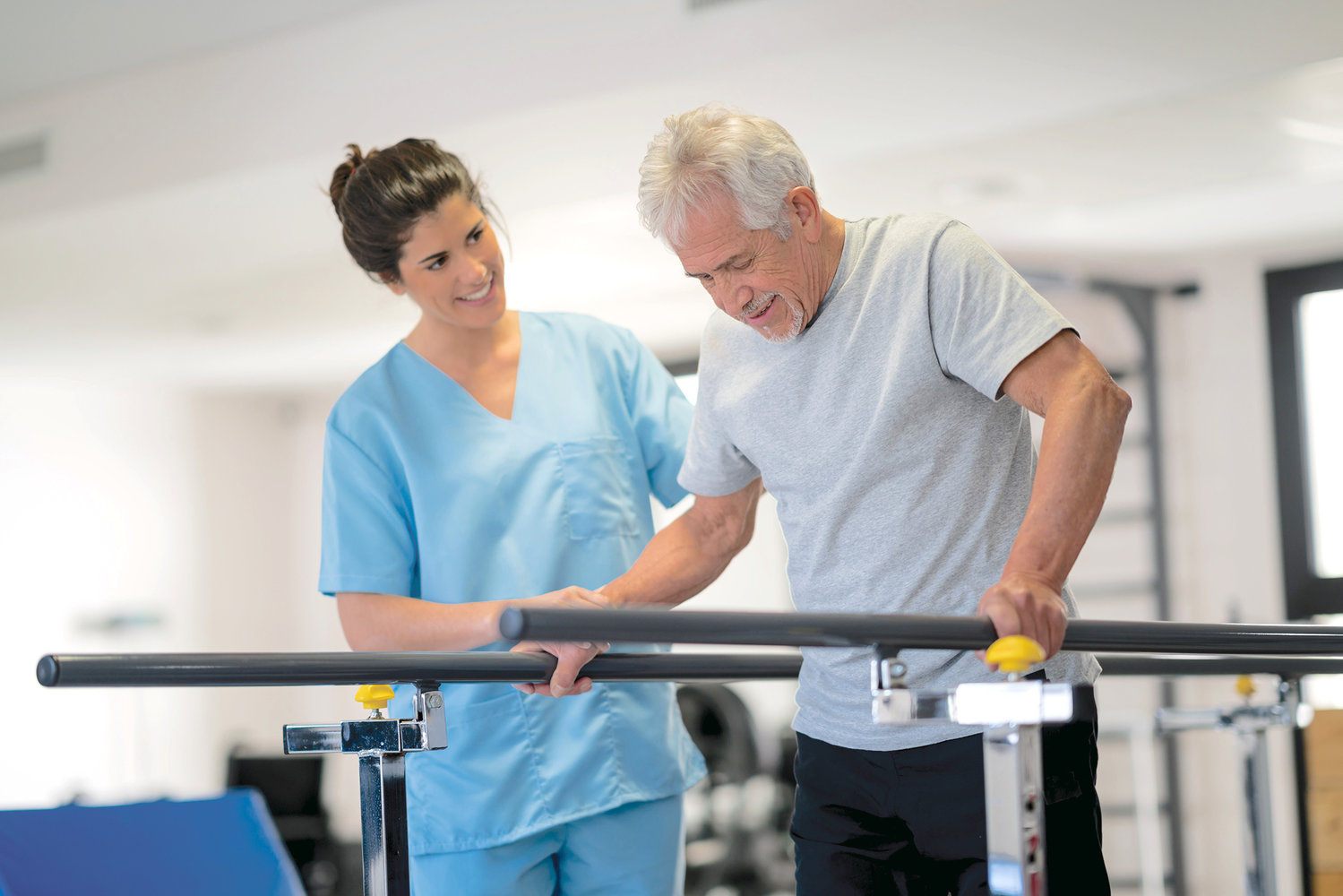
While each person’s stroke recovery journey is unique,
starting the path toward rehabilitation as soon as it’s medically safe
allows stroke survivors to mitigate the lasting effects.
(Photo courtesy of Getty Images)
Posted
In the weeks and months immediately following a stroke, an early rehabilitation program offers the best possible recovery outcomes.
While each person’s stroke recovery journey is unique, starting the path toward rehabilitation as soon as it’s medically safe allows stroke survivors to mitigate the lasting effects.
According to the American Stroke Association, a division of the American Heart Association, each year, approximately 800,000 people in the United States have a stroke. Strokes can happen to anyone, at any age. In fact, globally about 1 in 4 adults over the age of 25 will have a stroke in their lifetime.
Early intervention
The rehabilitation and support a survivor receives can greatly influence health outcomes and recovery.
The first three months after a stroke are especially critical. Although recovery may continue for years after a stroke, this time in the immediate aftermath of a stroke is when the brain is most able to adjust to the damage done by the stroke so the survivor can learn new ways to do things.
Physical, communication and cognitive changes
Following a stroke, a survivor may experience physical changes, such as fatigue, seizures, weakness or paralysis on one side of the body or spasticity, stiff or rigid muscles which may cause difficulty with completing daily activities and tasks. If experiencing fatigue, speak with your health care provider about ways to reduce it.
Your care team(NOT RESULTS TEAM! Ask for the results team, not this shitworthy 'care' team!) may also be able to provide medications to help with seizures and spasticity. Physical therapy is also an option.
Challenges after a stroke depend on the severity and location of the stroke. In addition to various physical disabilities, stroke survivors may experience aphasia, communication and thought problems related to speaking, listening, understanding or memory.
Planning, organizing ideas or making decisions can also be harder.
“Remember to be patient when communicating with a stroke survivor,” said Elissa Charbonneau, M.S., D.O., chief medical officer of Encompass Health and an American Stroke Association national volunteer. “The impact of a stroke on cognitive, speech and language can be significant and isolating.
“When connecting with a stroke survivor, some helpful practices include demonstrating tasks, breaking actions into smaller steps, enunciating, asking multiple choice questions and repetition.”
Customized rehabilitation
Once a stroke survivor’s medical condition is stabilized and he or she is ready to leave the hospital, rehabilitation can help restore function and teach new ways to complete everyday tasks. Rehabilitation may take place in an inpatient facility, skilled nursing facility or long-term acute care facility.
Outpatient clinics and home health agencies can also provide rehabilitative care in certain circumstances.
One patient’s rehab journey might include therapy to improve balance, strength or mobility while another might need speech or other therapies. A rehabilitation designed for the individual is critical.
Preventing a recurrence
After a first stroke, nearly 1 in 4 survivors will have another. Stroke survivors can help reduce their risk of having another stroke by working with their health care team to identify what caused the stroke and uncover personal risk factors.
Taking steps such as healthy eating, reducing sedentary time and taking medications as prescribed can help your brain and reduce your risk of a repeat stroke. Controlling conditions such as high blood pressure, diabetes and sleep apnea also reduce your risk of having another stroke.
Support during your journey
Caregivers and other loved ones can provide important long-term support during your recovery and rehabilitation.
Find resources for stroke rehab and recovery including the “Life After Stroke” guide, “Simply Good” cookbook and a support network to connect with other survivors at Stroke.org/Recovery.
Monday, November 21, 2022
Tips for Stroke Recovery: How to Get Back on Your Feet After a Stroke
Tips and guidelines are practically useless. We need EXACT PROTOCOLS LEADING TO 100% RECOVERY. Since you're getting this from the American Stroke Association, no wonder it's worthless. They know nothing on getting you to 100% recovery.
Tips for Stroke Recovery: How to Get Back on Your Feet After a Stroke
 © kate_sept2004 / Getty Images Signature / Canva
A stroke can be a frightening and life-altering event. Many stroke survivors feel like they are starting over from scratch, having to learn how to do everything all over again. However, with the right rehabilitation and support, most people make a full or near-full recovery. In this article, we will discuss some tips for stroke recovery that can help you get back on your feet as soon as possible!
Tips for Living and Recovering After a Stroke
According to the American Stroke Association, 800 thousand people in America have a stroke. That’s about 1 out of 4 adults over the age of 25 who will experience this terrible illness at some point during their life!
The rehabilitation and support a survivor receives can greatly influence health outcomes and recovery. It’s important to speak with your health care provider about physical changes. Customized rehabilitation can help restore function and teach new ways to complete everyday tasks. Stroke survivors can help reduce their risk of having another stroke by working with their health care team. Caregivers and other loved ones can provide important long-term support during your recovery and rehabilitation.
Here are some tips for living and recovering after a stroke:
1. Rehabilitation and support are key – The rehabilitation and support a survivor receives can greatly influence health outcomes and recovery according to the American Stroke Association. It’s important to seek out long-term support if possible to help with your recovery. Seek professional help if you feel like you’re struggling emotionally or mentally after having a stroke.
2. Understand physical changes – Understand that you may experience physical changes after having a stroke such as weakness on one side of your body or problems with balance, coordination, vision, or speaking, according to the Mayo Clinic. Work with your health care team so that you understand what physical changes to expect and how to manage them, according to the National Institute of Neurological Disorders and Stroke.
3. Get customized rehabilitation – Customized rehabilitation can help restore function and teach new ways to complete everyday tasks according to the National Institute of Neurological Disorders and Stroke. Listening to music, playing games, or reading may also help your brain recover from a stroke according to the Mayo Clinic. Your rehab should be tailored specifically for you because each person’s situation is different according to the National Institute of Neurological Disorders and Stroke.
4. Reduce risk of another stroke – Survivors can play an active role in reducing their risk of having another stroke by working with their health care team according to the Centers for Disease Control and Prevention (CDC). This includes managing underlying conditions such as heart disease, diabetes, high blood pressure, high cholesterol, or atrial fibrillation. You should also quit smoking or using tobacco products because smoking increases your risk of having another stroke as well as other complications after a stroke such as pneumonia according to the CDC. Eating healthy foods, maintaining a healthy weight, and exercising most days of the week can also help reduce your risk of having another stroke according to the CDC.
5. Have long-term support – Caregivers provide important long-term support for survivors during their recovery process but it’s important for survivors to have other forms of support as well such as friends or family members, according to National Institute on Disability Independent Living, and Rehabilitation Research (NIDILRR). Being around other people who have had strokes can be beneficial because they understand what you’re going through, according to NIDILRR. Joining a support group can also offer valuable information, resources, and emotional support after having a stroke.
A diagnosis of stroke is life-changing not just for the person who experienced the event but also for caregivers, families, friends, and others in their social circle. Making significant lifestyle changes may be required for both survivors and those close to them. However, many resources are available to guide survivors through their journey including rehabilitation services, support groups, educational materials, and more.
Stroke Survivors: Get Support and Advice
After a stroke, it is important to find resources for rehab and recovery. The “Life After Stroke” guide can help you understand what to expect and plan for your recovery. The “Simply Good” cookbook provides healthy and easy-to-make recipes that are tailored for people with swallowing difficulties. Stroke.org also has a support network that connects stroke survivors so you can share your experiences and learn from others who are going through the same thing. With these resources, you can start on the path to recovery and Stroke.org/Recovery will be there to support you every step of the way.
If you live in Chester County, PA, or the surrounding area, don’t forget to sign up for our free newsletter to stay up-to-date on all the latest happenings in Chester County! We also love it when our readers share our posts on social media – thanks for helping us spread the word!
For the latest news on everything happening in Chester County and the surrounding area, be sure to follow MyChesCo on Google News.
Thanks for visiting! Looking for some Chester County pride? We got you covered! Shop our MyChesCo store and show your love for Chester County, Pennsylvania. We got shirts, hats, and more – all with a unique ChesCo flair. Plus, proceeds from each purchase helps support our mission of bringing reliable information and resources to the people of Chester County.
Subscribe to:
Posts (Atom)