Showing posts with label Amy Farber. Show all posts
Showing posts with label Amy Farber. Show all posts
Tuesday, June 10, 2025
Why Patient Leaders With Certification Are Being Taken More Seriously
We have to get past what Amy Farber had to say, For the past five years Amy Farber has been battling not only her own disease but also the wall of resistance erected by those who believe that a patient can make about as much of a meaningful contribution to the process of scientific discovery as a laboratory rat. LAM, lymph-angiolio-myomatosis. She co-invented a revoluntionary web service with MIT Media Lab that enables patients to participate in the search for their own cures.


Tuesday, February 6, 2024
A scholar of the patient ‘revolution’ tracks the arc from powerlessness to influence
I've been writing about how to solve stroke for 14 years. Never once in those years have I been contacted by any stroke association or stroke medical 'professional'. It is precisely as Amy Farber says: 'laboratory rat'.
We have to get past what Amy Farber had to say, For the past five years Amy Farber has been battling not only her own disease but also the wall
of resistance erected by those who believe that a patient can make about
as much of a meaningful contribution to the process of scientific
discovery as a laboratory rat. LAM, lymph-angiolio-myomatosis. She
co-invented a revoluntionary web service with MIT Media Lab that enables
patients to participate in the search for their own cures.
Very
obviously nothing I've done in the past 14 years has made a bit of
difference in stroke, but I'm persistent. Hell, I'm worth more that any
stroke association leader out there, they do nothing to solve stroke! Contact me at oc1dean@gmail.com if you're willing to listen to a survivor.
A scholar of the patient ‘revolution’ tracks the arc from powerlessness to influence

 |
At the end of each chapter in “Rebel Health: A Field Guide to the Patient-Led Revolution in Medical Care,” there’s a box. It summarizes the chapter, distilling what a reader just encountered into easy-to-digest bullet points. The author, Susannah Fox, admits she stole that idea from “The Long Covid Survival Guide,” which was written by patients for patients.
“One of the challenges with chronic illness and being exhausted is that you might have actually just forgotten what you just read,” Fox told STAT.
That small gesture — a snapshot of information in an easy-to-read format — is in itself a product of the patient-led movements Fox studies and writes about in her book, which will be published by MIT Press on Feb. 13.
But “Rebel Health” also taps into the knowledge that Fox has accumulated over decades of studying online patient communities. Her resumé reads as an eclectic combination of high-end roles, from former Chief Technology Officer for the Department of Health and Human Services under the Obama Administration, to an entrepreneur-in-residence at the Robert Wood Johnson Foundation, and directing the health portfolio at the Pew Research Center’s Internet Project. But the throughline has always been the people leveraging technology to get some answers.
STAT spoke to Fox about her years of researching patient forums, the historical roots of patient-led innovation, her new book, and what people in private industry or government should be doing to leverage the wisdom of patient communities and solve unmet health needs.
Tuesday, December 5, 2023
The Patient Voice Deserves a Paycheck: Here's What to Charge
We have to get past what Amy Farber had to say, For the past five years Amy Farber has been battling not only her own disease but also the wall
of resistance erected by those who believe that a patient can make about
as much of a meaningful contribution to the process of scientific
discovery as a laboratory rat. LAM, lymph-angiolio-myomatosis. She
co-invented a revoluntionary web service with MIT Media Lab that enables
patients to participate in the search for their own cures.
Very obviously nothing I've done in the past 12 years has made a bit of difference in stroke, but I'm persistent. Hell, I'm worth more that any stroke association leader out there, they do nothing to solve stroke!
The Patient Voice Deserves a Paycheck: Here's What to Charge

Last updated: December 2023
Time and time again, we hear the question, "How much should I charge for my patient advocacy expertise?" It's an ongoing and worthy debate for Patient Leaders in the health space.
Before we determine how much to charge for Patient Leader services, we first need to understand the following:
- What type of service are you offering? (i.e., blog post, speaking engagement, feedback on clinical trial design/protocol)
- Who (or which company) is requesting this service? (i.e., pharmaceutical/biotech, nonprofit organization, medical school)
- How much time will you need to perform the (tasks involved/service), including any prep work? (i.e., one-time or ongoing engagement)
When you first began your patient advocacy odyssey, you may have never even considered asking for compensation. Perhaps you were simply trying to lend a helping hand in order to make a difference in a health community. What many quickly learn is that you are providing value to organizations and companies as well as your time and knowledge, as a subject matter expert, for free. While being a Patient Leader isn't all about money, your expertise provides value to someone else and is therefore worth something! If we compensate key opinion leaders, then why not do the same with Patient Opinion Leaders?
Fair market value calculator
To determine how much to charge for your advocacy work, there is now a fair-market value calculator that the National Health Council created to demonstrate how much a patient or caregiver should be getting compensated. This calculator can provide evidence on your reasoning behind charging a company or organization the amount you requested.
Fellow Patient Leaders have shared with us that it's often easy to undervalue your expertise or be willing to do something for free, especially if it's for a nonprofit organization in your community. Even though you know your time is valuable, this may be something you still struggle with since you want to continue helping out your community. In these cases, you can ask yourself what other non-monetary value could be exchanged for your involvement in a certain opportunity - a free trip to a conference or convention, networking opportunities, testimonials, video content you can add to your website, and more.
You're valuable
Ultimately, it's important to know your lived experience as a patient and/or caregiver is valuable, especially if it benefits another organization or company.
Remember, your time and expertise is worthy of compensation!
Wednesday, July 28, 2021
Editors give green light to patients co-authoring manuscripts
So you finally came around to accepting Amy Farber's ideas.
This just proves once again what Amy Farber has to say. For the past five years Farber has been battling not only her own disease but also the wall of resistance erected by those who believe that a patient can make about as much of a meaningful contribution to the process of scientific discovery as a laboratory rat.
Very obviously nothing I've done in the past 10 years has made a bit of difference in stroke, but I'm persistent.
Editors give green light to patients co-authoring manuscripts
But work must be done to ensure that patients feel accepted by the research community.
27 July 2021 Dalmeet Singh Chawla

RLT_Images/Getty Images
Most editors-in-chiefs of scholarly journals have no objection to patients being included as co-authors of research papers when they actively participate in the work, a new survey has found.
The study, published last month in Research Involvement and Engagement (RIE), asked 74 editors-in-chief of medical journals whether they agreed, in principle, with patients co-authoring research manuscripts.
The question of co-authorship has arisen amid growing recognition of the added value gained by engaging patients as part of the research team. For example, it can help avoid the risk of research that is not relevant to meeting patients’ needs or improving their quality of life.
While hundreds of medical journals have adopted recommendations of the International Committee of Medical Journal Editors (ICMJE) on authorship, the study authors sought editors’ views on whether the recommendations regarding patient contributions were appropriate.
More than two-thirds (69%) of those surveyed said they were in favour of patients being listed as co-authors on biomedical research articles, but the remainder thought this wouldn’t be appropriate. Nearly three-quarters of the editors thought patients should not be required to have an academic affiliation to be listed as co-authors, while 16.7% thought they should, and the rest were unsure.
The editors were equally divided on whether the ICMJE authorship criteria should be revised to become more inclusive of patients, at just under 36% on both sides, with the rest undecided.
Kelly Cobey, who studies research methods at the Ottawa Hospital Research Institute in Canada and who co-authored the new study, says it was prompted by her observations of systemic barriers to patients’ involvement in research other than as subjects.
“Not all aspects of the research process were really inclusive to the patients’ participation," she says.
Cobey says it’s particularly important for patients to be involved in selecting which areas of research are worth exploring. She points to a 2015 study that used patients to identify priority areas in kidney dialysis research.
“Ultimately we’re doing research to create interventions, [and] cure diseases for patients. So the patient perspective is of utmost importance and certainly adds value.”
Holly Witteman, a health informatics researcher at Laval University in Quebec, Canada, has had run-ins with peer-reviewers of her diabetes manuscripts who have argued that patients should not be listed as co-authors. They have expressed concern about breaching confidentiality of patient health information and argued that under Canadian policy, patients are in any case compensated financially for their time on projects.
“Having these kinds of delays because of lack of understanding of patient partner co authorship is really frustrating,” Witteman says.
Karen Woolley, a consultant on patient partnerships and a professor of health sciences at the University of Queensland in Australia, says she wonders if editors who reject the inclusion of patients as co-authors “would actually be supporting the unethical practice of ghost-authorship.”
“As more patient-led research is encouraged, funded, approved and conducted, surely patients have to author the resulting publications?” she queries.
Making patients feel accepted
Richard Stephens, co-editor-in-chief of RIE and a well-known patient advocate in the United Kingdom, argues that to be recognized as authors, patients should fulfill the current ICMJE rules on what constitutes one.
“If you are going to be a patient, you do actually have to contribute something to the study,” he says. “Patients should be co-authors on an absolutely equal basis to all the other co-authors.”
Woolley agrees. “Supporting patient authorship supports the principles of diversity, equity and inclusion in medical publishing,” she says. “However, we must not allow tokenistic and unethical authorship practices, such as guest authorship.”
The British Medical Journal (BMJ) published guidelines for patient peer-reviewers on its website. RIE, which launched in 2015, insists that at least one peer-reviewer of every paper it publishes is a patient. The journal also has patients on its editorial board.
The biggest obstacle, however, is that most journals don’t have any clear policies around whether patients are allowed to be co-authors or peer-reviewers, which makes it difficult to get them involved, Cobey says.
Some studies have suggested that even when academics do partner up with stakeholders in new ways, university structures and incentives work against these alternative models of knowledge production.
Laurie Proulx, volunteer vice-president with the Canadian Arthritis Patient Alliance in Ottawa, was the patient partner in the RIE co-authorship study, and has served as a peer-reviewer for both the BMJ and RIE.
She says patients face various hurdles to participating and being credited for their input, such as her experience of being required to add details about her education when submitting manuscripts. “Things like that just make you feel like you don’t fit into the research world,” she says.
But deeper patient participation in research is “a huge opportunity really to make science meaningful or make healthcare meaningful to society at large,” Proulx adds. “The lived experience is likely something that’s never captured in [the] scientific process.”
Saturday, May 29, 2021
The Need for a Global Neurology Alliance
I guess stroke survivors are about as useless as a laboratory rat. I see nothing here that is going to help stroke survivors. With no mention of creating a strategy to solve stroke or any neurological disease just putting together these impressive initials will do nothing, but I guess that is the point; 'All hat, no cattle'.
This just proves once again what Amy Farber has to say. For the past five years Farber has been battling not only her own disease but also the wall of resistance erected by those who believe that a patient can make about as much of a meaningful contribution to the process of scientific discovery as a laboratory rat.
The Need for a Global Neurology Alliance
Original article by W. (Bill) M. Carroll, MB, BS, MD, FRACP, FRCP(E) published 7 June 2017 in World Neurology Vol 32 No. 3

William Carroll, MD
Recently, there has been an explosion of health awareness recognised by individuals, nations, and the global community. The decade of the brain was followed by the human genome project, accompanied by the near eradication of malaria and polio. Yet, we now stand at the threshold of even more rapid advances on many fronts.
3-D printing of the human heart is being used in planning cardiac surgery. Next-genome sequencing is revolutionising old concepts of disease. Gene therapy shows success in some inherited neuropathies (spinal muscular atrophy) and myopathies (Duchenne muscular dystrophy). Precision medicine is no longer an aspiration in some diseases and countries, and the ability to use publicly accessible data via expanding cloud technologies is yielding unexpected information and the repurposing of medications. Conversely, the cost of drug development, especially in bringing them to market, is becoming prohibitive, exacerbating the accessibility of therapies in many countries.
For the thoughtful and the less fortunate, it is obvious that the developing progress, while exciting and to be celebrated, is creating problems that need to be addressed. The increasing burden of non-communicable diseases (NCD) adds up to what can only be viewed as a potential tsunami for the economies of the world. These NCDs include mental (neurological) and substance-abuse disorders; musculoskeletal disorders; neurodegenerative conditions such as dementia, stroke and Parkinson's disease; poor lifestyle choices in diet and exercise; and the effects of unhealthy environments1 together with the changing demographic of ageing populations in so-called developed countries.
Those people and countries least able to afford the advances and/or mobilize services to adjust to them will see a widening gap, not only in these areas of disease but also in their ability to respond to the periodic recrudescence of infectious disease. This was seen with the outbreaks of Ebola, MERS, SARS, and, most recently, the Zika emergency. It is not by chance that the recent waves of mass migration have occurred as much because people seek better lifestyles (and health services) as fleeing armed conflict.
It is in this environment that those in the neurological fraternity need to mobilize and prepare measures at a number of levels that will mitigate the consequences of these changes. To begin, we must look at the magnitude of the problems facing us. Then, we will evaluate the resources we have available. Finally, we will view three illustrations of how those resources can be optimised to provide the organizational readiness for rapid and effective action as well as long-term planning on a national, regional, and global scale.
The Problem
The global burden of neurological disease figures as a relatively small fraction of the global burden of all disease (GBD) for a range of reasons2. Although not included in the WHO 2014 global status report on NCDs3, stroke and dementia are of major concern to clinicians and national health systems.
The annual stroke toll is approximately 15 million, with one-third being fatal and another third permanently disabling. Indeed, stroke mortality is double that of HIV/AIDS, malaria, and tuberculosis combined, emphasising the rising burden of brain NCDs. With rates of dementia estimated to triple from 47.5 million to 115 million worldwide by 20504, it is clear that the world faces a rising impost on resources.
Currently, the total burden of mental, neurological, and substance abuse (MNS) is now reckoned to be 258 million disability-adjusted life years — a measure of overall disease burden expressed as the number of years lost due to ill health, disability, or early death. That is up from 182 million in 1990, which has been equated to a $8.5 trillion (U.S.) loss of economic value now, and which will increase again by a factor of two by 20305.
With the addition of other NCDs to stroke and dementia, it is clear that the world neurological fraternity must act in concert and alert governments. Those other NCDs include age-related Parkinson's disease and other chronic neurodegenerative disease, perinatal injury largely due to asphyxia, childhood developmental and degenerative disease, schizophrenia, high levels of traumatic brain disease, all causes of epilepsy, substance and alcohol abuse, and rising neuroinflammatory disease of the brain and spinal cord.
While world neurological expertise has been steadily advancing partly in parallel with the recognition of the increasing challenges on the horizon and partly with the advances in medical science, it is far from equitably distributed. When the widening gap between well-developed countries with comprehensive health care and those less developed populations and health care systems is appreciated, the likelihood for an emergency is evident6.
Resources
There are a number of valuable resources available. These include measures of the GBD and specific problem areas, such as the NCDs, BNCDs, and MNSs, as well as WHO monitoring for more acute challenges to health through national health departments and WHO's regional structural organization. (The WHO regional organization mirrors approximately that of the WFN). The periodic assessments of the GBD by the WHO and the Atlas of Neurology (a joint WHO-WFN project) provide the broad sweep, big picture view of resources and needs.
The WFN itself plays an important and growing role in the equalisation of access to neurological care both through regional organization support and neurological education. The establishment of the African Academy of Neurology (AFAN) and its first meeting in Tunis this year are illustrative. It joins the expanding roles of other WFN regional organizations, including the Pan American Federation of Neurological Societies (PAFNS), the Australasian and Oceanian Association of Neurology (AOAN), the Pan Arab Union of Neurological Societies (PAUNS), the American Academy of Neurology (AAN), and the European Academy of Neurology (EAN).
Neurological training, the improvement in access to neurological care, and an increasing awareness of the importance of brain health in the general population are furthered by World Brain Day (WBD)7 and the biennial World Congress of Neurology (WCN). The WFN, in partnership with AFAN, has followed the World Federation of Neurosurgical Societies (WFNS) program to train young African specialists. The WFN plans to have four regional training centers in Africa — two each for the Francophone and Anglophone regions. Additional emphasis of WFN involvement at a global level was given by WFN President Raad Shakir as chair of the Neurosciences Topic Advisory Group for the WHO-sponsored International Classification of Disease (ICD-11), due for release in 2018.
More generally, other areas are developing, which will enhance the ability to respond to challenges. Increasingly rapid communication through electronic media, including social media, draws attention to emerging problems. The maturation and expanding expertise of neurological subspecialties and their involvement in wider educational activities (e.g. the International League Against Epilepsy, the World Stroke Organization, and the Movement Disorders Society) as well as the added interest of the larger regional neurological organizations, such as the AAN and EAN, provide a rich resource of intellectual and monetary capital.
Over the last few years, the WFN has provided a focal point for those involved in the medical care of neurological disease through two similar, though importantly different, groups. The first is the World Brain Alliance (WBA). Originally chaired by Vladimir Hachinski, MD, when he was WFN president, it is now chaired by Dr. Shakir. The WBA members include, in addition to the WFN, global organizations that usually do not include neurologists, such as the WFNS, the International Brain Research Organization (IBRO), the World Psychiatric Association (WPA), the International Child Neurology Association (ICNA), and the World Federation of Neurorehabilitation (WFNR). The second group is the Global Neurology Network (GNN) for which the WFN is the current convener and whose members mainly include neurological disease-specific organizations from around the world. Many were originally part of the WFN but have grown to be independent organizations. They include the World Stroke Organization (WSO), the International League Against Epilepsy (ILAE), the Multiple Sclerosis International Federation (MSIF), the Treatment and Research in Multiple Sclerosis (TRIMS) Group, Alzheimer's Disease International, the Movement Disorder Society, the International Headache Society, the International Society for Clinical Neurophysiology, the Peripheral Nerve Society, and the Tropical Disease Group. Closely associated with this category of disease-specific organizations are both large regional organizations supporting all neurological subspecialties, such as the AAN and the EAN, and the smaller WFN-affiliated regional organizations, such as the AOAN, PAUNS, PAFNS, and AFAN.
Together, these two groups create an impressive global alliance of neurological expertise. It is an alliance appropriately suited to provide global disease-specific advice to international organizations, such as the WHO and the U.N., and to advocate with these organizations and national governments. It is an alliance worthy of the term Global Neurology Alliance.
Thursday, April 29, 2021
Abstract submission: 13th World Stroke Congress, October28-29, 2021
Very obviously they care nothing about survivors, there is no way to get submitted without joining the WSO. And since they do nothing for survivors why bother listening to them at their conference.
This just proves once again what Amy Farber has to say. For the past five years Farber has been battling not only her own disease but also the wall of resistance erected by those who believe that a patient can make about as much of a meaningful contribution to the process of scientific discovery as a laboratory rat.
Abstract submission:WSC2021
My email to them.
How does a person become a patient voice presenter at the World Stroke Congress? Just maybe you want to listen to me; author of Deans' Stroke Musings. There is a lot wrong in stroke and you're not addressing any of it.
Dean Reinke
Monday, February 15, 2021
Involving stroke survivors in research relating to life after stroke: methods and impact of involvement
But it is obvious that stroke survivors know nothing that could help stroke research. Survivors are not asked to present at any stroke conference.
I'm even less than a laboratory rat as Amy Farber puts it, not a single stroke person has ever contacted me. This just proves once again what Amy Farber has to say. For the past five years Farber has been battling not only her own disease but also the wall of resistance erected by those who believe that a patient can make about as much of a meaningful contribution to the process of scientific discovery as a laboratory rat.
Involving stroke survivors in research relating to life after stroke: methods and impact of involvement
Glasgow Caledonian University School of Health and Life Sciences
Dr Bridget Davis
,
Dr A Pollock
Monday, February 22, 2021
Competition Funded PhD Project (Students Worldwide)
About the Project
Reference: SHLS20063
This PhD project will co-produce, implement and evaluate a model for engagement of stroke survivors in research relating to life after stroke.
It is now widely accepted(Really! Where the hell did you get that idea?) that the active involvement of people with a healthcare condition, their families, friends and carers, is beneficial to the quality, relevance and impact of health research. Accordingly, many funding bodies now mandate that researchers actively involve patients and the public in their research. However, there is a lack of consensus about best ways to involve people, and how to capture the impact of involvement. Involvement of people in research is a rapidly evolving area, with active developments in fields such as research co-production and citizen science.
Stroke is the most common cause of severe disability in the world. Research relating to stroke is a priority, and consequently involving stroke survivors in research is important. However, people with stroke often have a wide range of impairments and disabilities, including aphasia, visual impairment, cognitive and mobility problems, which can create barriers to participation. There are therefore many challenges to ensuring effective involvement of stroke survivors in research relating to life after stroke, and questions about the best ways to do this.
This PhD aims to:
1) Explore:
- the ways in which stroke survivors have been involved in research relating to life after stroke, and the reporting and impact of this
- stroke survivors’ experiences of involvement in research, including barriers and facilitators
- models of involvement in research, including PPI, co-production and citizen science
- stroke survivors’ views on different models of involvement
2) Co-produce, implement and evaluate key aspects of a strategy for engagement of stroke survivors in research
Candidates are requested to submit a more detailed proposal (of a maximum of 2000 words) on the project area as part of the application.
How to Apply
This project is available as a 3 years full-time or 6 years part-time PhD study programme with expected start date of 1 October 2021
Candidates are encouraged to contact the research supervisors for the project before applying.
For full-time study of this project, apply here
For part-time study of this project, apply here
Applicants shortlisted for the PhD project will be contacted for an interview within four weeks from the closing date.Sunday, August 25, 2019
Neuroscientists publish a ‘parts list’ for the brain, detailing differences between mice and humans
Based on this ask your doctor to explain EXACTLY why these referenced trials failed and what is being done to fix them. I most certainly am not doing a damn thing with this, I'm not employed in the area and not medically trained for any of this. I'm even less than a laboratory rat as Amy Farber puts it. This just proves once again what Amy Farber has to say.
For the past five years Farber has been battling
not only her own disease but also
the wall of resistance erected by those who believe that a patient can
make about as much of a meaningful contribution to the process of
scientific discovery as a laboratory rat.
Well, years ago Dr. Michael Tymianski of the Toronto Western Hospital Research Institute in Canada referenced 1000+ failed neuroprotective clinical trials. Of course I don't know what they are, but your doctor should know every one of those failed trials.
Neuroscientists publish a ‘parts list’ for the brain, detailing differences between mice and humans
 Alan Boyle,GeekWire
Wed, Aug 21 1:00 PM EDT
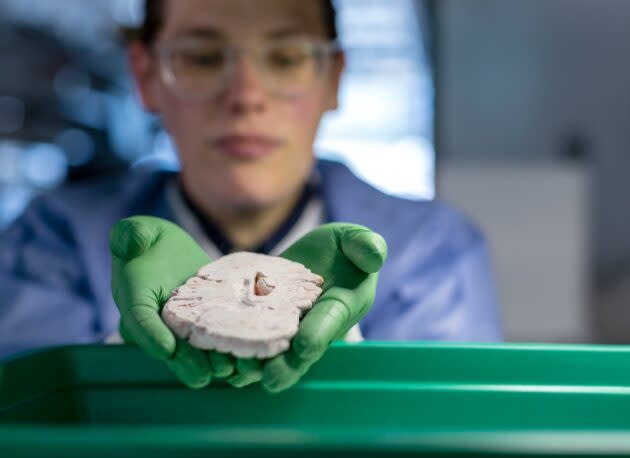
They say the genetic results, published today in the journal Nature, suggest that relying on mice to study how the brains of men and women work could lead neuroscientists down blind alleys.
“The answer may be that you have to go to species that are more similar to humans,” Ed Lein, an investigator at the Allen Institute who’s also affiliated with the University of Washington, told GeekWire.
It’s not that the basic parts list is all that different: The researchers found that most of the 75 different cell types identified in the human brain, based on genetic makeup, are found in the mouse brain as well.
That commonality applies even to cells that the scientists had previously thought might be uniquely human, such as the “rosehip neurons” discovered last year.
But there are significant differences in the way those genes are expressed — differences that have developed over 75 million years of evolution. “The genes themselves haven’t really changed, but their regulation can change a lot,” Lein said.
Lein drew a comparison to electronic circuits, all of which are composed of basic elements such as capacitors, resistors and inductors.
Although a wristwatch and a supercomputer may use the same basic
elements, their wiring diagrams are vastly different. Similarly, the
“wiring diagrams” for mouse brains and human brains are structured
differently.
One clinically significant issue relates to serotonin receptors, which are among the prime targets for treating depression and anxiety. The researchers found marked differences between mice and humans in the mechanisms for transmitting signals using serotonin.
That finding “should put a certain amount of doubt into the use of the mouse as a model organism to study things that affect serotonin signaling,” Lein said.
The greatest divergence in gene expression wasn’t found in cortical neurons, as had been expected, but in different types of brain cells known as microglia. Such cells are thought to function as the brain’s “immune system” and their dysfunction appears to play a key role in brain disorders such as Alzheimer’s disease. (A study making that connection was published just today in Nature Communications.)
Lein said the newly published study shows that the Allen Institute’s technique for classifying brain cells on the basis of gene expression can reveal differences and similarities that go deeper than what meets the eye.
“Now we can dive right down to this very, very fine level of resolution, which is much, much more complex than anyone had realized before. … We’re doing what Ancestry.com or 23andMe is doing, but now for cells instead of people,” he explained. “Instead of measuring the DNA to see what alleles you have that give rise to particular traits like eye color or hair color or height, now we measure the expression of genes that are active in individual cells.”
Matthew Keefe and Tomasz Nowakowski, neuroscientists at the University of California at San Francisco, used a different analogy in a companion piece also published by Nature. They hailed the study as presenting “a ‘cookbook’ of molecular recipes for the neuronal cell types in the human cerebral cortex.”
Keefe and Nowakowski noted what they said were a couple of shortcomings.
First of all, the sets of data were acquired by different means: For mice, the analysis was done on whole cells. For humans, the team profiled single nuclei from brain cells that were harvested after death, or were extracted from tissue removed during surgeries. (Those surgeries were done at Seattle’s Swedish Neuroscience Institute, University of Washington Medical Center and Harborview Medical Center.)
In addition, the cells were taken from different areas of the cortex — the visual cortex for mice, as opposed to the temporal lobe for humans.
Lein said those were fair concerns. However, he noted that previous studies have shown that the genetic results from single nuclei match the results from whole cells, and that follow-up studies will focus on the diversity in cortical cells.
“We’re moving on to look at other parts of the cortex,” he said.
Could future studies identify uniquely human brain cells that are responsible for higher cognition?
“Eventually we may discover that there are some highly specialized types, but I’d expect them to be derived from pre-existing types,” Lein said. “Your cells can become much more complex, despite being based on the same architecture. That, in fact, does seem to be the case for a lot of these human cells. They’re bigger, they’re more complex, they fire in different ways.”
The basic building blocks for mouse brains and human brains may be similar, but those building blocks can take on dramatically different functions.
“Just a teaser, but we’re seeing examples of that now,” Lein said.
Lein is the senior author of the study published in Nature, “Conserved Cell Types With Divergent Features in Human Versus Mouse Cortex.”
The principal authors are Rebecca Hodge and Trygve Bakken of the Allen
Institute. There are another 61 co-authors of the study, representing
the Allen Institute as well as the University of California at Davis,
Leiden University, Delft University of Technology, the Craig Venter
Institute, the University of Washington, Swedish Neuroscience Institute,
Harborview Medical Center, the University of California at San Diego
and Columbia University.
Thursday, July 5, 2018
Four steps to building an innovation culture in pharma
Now do our fucking failures of stroke associations have enough functioning brain cells to follow this? Or do stroke addled survivors have to step in and do the job?
Four steps to building an innovation culture in pharma
The quest for innovation is a major driving force in pharma. From the discovery of therapeutic biologicals in the 1920s, such as Salvarsan and insulin, to the blockbuster drugs birthed in the 1990s, such as Lipitor and Humira, pharma has always been on a quest for novel, groundbreaking drug development.
However, advancements in technology are constantly transforming how industries and thought leaders operate. Even though the desire for innovation is still at the core of pharma, the industry is still struggling with slower and less efficient traditional R&D models – and is consequently lagging behind in optimizing the benefits of new models of innovation. In order to remain competitive, pharmaceutical companies must learn to foster a culture of innovation at every level of their organization and at every stage of drug development.
Here are four things pharma companies can do to build a dynamic culture of innovation.
1) Be honest about failure(Exactly what has been learned from Dr. Michael Tymianski of the Toronto Western Hospital Research Institute
in Canada referencing 1000+ failed neuroprotective clinical trials?)
Most researchers want to learn from failure, but only a few are publicly transparent about failure. When a clinical trial fails to achieve the intended results, newer studies can benefit from the lessons learned in that failure. However, the researchers involved in the failed trial are not usually incentivised to share their mistakes or the lessons that they learned in the process.
Model predictions and studies such as 2016’s ‘Learning from successes and failures in pharmaceutical R&D’ in the Journal of Evolutionary Economics have clearly demonstrated that both successes and failures can contribute to pharmaceutical R&D department investment decisions. Consequently, there should be no shame in being honest about failure. In fact, the faster that pharma companies learn from their failures, the more successful they will be in bringing innovative drugs to market.
On average, it takes 12 years for drugs to go from pre-clinical testing to FDA approval, and it takes seven years for medical devices to go through the process. The journey to approval is too long and the increasing complexity of traditional clinical trials has contributed to the high cost of failure in drug development. Too much time passes before researchers have an opportunity to learn from failure, and the stakes are high.
In an article by Chorus, the authors contrast the traditional drug development model with an alternative model they call ‘quick win, fast fail’ and which places a greater focus on reaching proof-of-concept faster. Consequently, there are more chances to be successful, even when there are many failures along the way. In other words, failing fast (and more often) is a big catalyst for success.
In addition to failing fast, pharma firms need to find more efficient ways to create failure through experiments. According to Amy Edmondson, the Novartis professor of leadership and management at the Harvard Business School, one of the skills that company leaders should have is the ability to create failure through experiments.
But how can the pharma industry as a whole learn from these failures? It starts with companies being willing to incentivise the open sharing of lessons learned from failure. When a drug fails in research or in clinical trials, companies should incentivise researchers to publicise the failure so that others can learn from it. Individual researchers within the same company should not be territorial about their research but should share lessons learned from failure with one another. In an ideal world, this sharing of failures should also take place between different companies, though they would have to make a concerted effort to embrace this level of transparency.
2) Build data analysis as a core competency(We need that complete database of all stroke research in the last 300 years, back to when bloodletting was a therapy. We need to stop these fucking meta-analyses, they should never be necessary.)
In the past, the core competencies of pharmaceutical companies were research and marketing. Recently, data analysis has become a forerunner on the list of core competencies.
In order to be increasingly innovative in the discovery of novel drugs, pharma companies must be empowered to elevate their data analysis capacities. They need to exercise control over their own data analytics and not merely rely on an external organisation to help them leverage their own data. That’s why we don’t simply sell a product or service – we sell an ecosystem that empowers in-house analytics teams to work faster and smarter.
In-house data science teams with advanced analytics capabilities are becoming increasingly common in pharma. As with any new competency, learning quickly will support the effectiveness of these capabilities. Pharma will need to learn to reduce the time-lag in data analysis, emulating other industries that work with real time data and insights.
Companies must become competent with not just extracting the data points and sets available to them, but also with explaining the relationships and connections between disparate data points and indicating smart ways to use the data. This is no easy task, but there is a recent emergence of tools, such as our iPlexus platform, that empower data analytics within a company to find these relationships and relevant insights.
Pharma companies must also become adept at network analysis. We are now in the age of the algorithm, precision medicine and data-driven analysis. Pharma firms need to take advantage of these new technologies. They must learn to parse data in new ways. For instance, the use of ‘low-code’ (designing and developing new software by relying on libraries, APIs and third-party infrastructure) can help pharma companies meet their needs faster. With low-code, they would be able to create something new without coding from scratch. One of the benefits low-code can give pharma companies is ensuring that they bring drugs to the market faster.
Additionally, to catalyse innovation, pharma firms need to use tools such as AI and machine learning to make sense of complex data and inform decision making. Clinical researchers know that accuracy, repeatability, and reproducibility are important in bringing a drug to market, however pharma companies still rely heavily on human input to achieve high-volume tasks. Low-code can be used together with robotic process automation (RPA) and artificial intelligence (AI) to leverage data and create innovative products.
3) Encourage cross-functional collaboration(I see no collaboration with survivors at all.
This just proves once again what Amy Farber has to say.
For the past five years Farber has been battling not only her own disease but also the wall of resistance erected by those who believe that a patient can make about as much of a meaningful contribution to the process of scientific discovery as a laboratory rat.)
Data silos and lack of open data are big challenges in pharma. Pharma companies should incentivise researchers to share insights with one another and to collaborate on projects.
They need to engage more in new open innovation models that encourage sharing of data without the risk of losing intellectual property. Examples of open innovation models are open sourcing, crowdsourcing, public-private partnerships (PPPs), collaborations with academic centers and outsourcing to virtual R&Ds.
Let’s briefly identify the roles each of these models play in achieving innovation in pharma:
- Open sourcing allows pharma to gain knowledge from the public, especially in drug development for neglected diseases
- Crowdsourcing is similar to open sourcing, but instead of getting ideas from the general public, crowdsourcing solicits the skills of experts in the field
- PPPs allows companies to combine resources and share risks
- Recruiting experts from academic centers can help solve complex problems
- Virtualisation of R&Ds helps companies keep their focus on core technologies while partnering with virtual firms that help them pursue under-utilised tasks.
Due to these open innovation models, traditional R&D models are progressing from internally-driven to externally-driven prototypes. Although this transition has caused major pharma companies such as Merck, AstraZeneca and Pfizer to downsize their internal R&D departments, open innovation has produced measurable benefits for pharma in terms of innovation. In a recent Bain & Company survey, 91% of surveyed executives recognised that they need to increase their company’s capacity for innovation because it is “critical to creating future competitive advantage and earning profits”.
4) Automate lower-level cognitive tasks
To focus on creativity and innovation, researchers in pharma need to spend less time performing lower-level cognitive tasks, such as administrative work and collecting, cleaning, and organising data. Performing these tasks limits thinking outside the box. Researchers need a larger brain bandwidth to achieve ‘Aha!’ moments.
Research by McKinsey and Company shows that about 45% of tasks people are paid for can be automated using technology. Examples of automation technologies within pharma and healthcare include IBM’s Watson and Innoplexus’ iPlexus platform.
Using automated systems allows researchers and pharma companies to focus on higher-end creative tasks. It can yield more meaningful work and, in turn, can catalyse innovation.
By taking steps towards incentivising the sharing of failure, building data as a core competency, encouraging cross-functional collaboration, and automating lower-level tasks, pharma companies can build the culture of innovation that they need to remain competitive in this dynamic field.
Sunday, June 17, 2018
What's Next In Patient Engagement?
This just proves once again what Amy Farber has to say.
For the past five years Farber has been battling not only her own disease but also the wall of resistance erected by those who believe that a patient can make about as much of a meaningful contribution to the process of scientific discovery as a laboratory rat.
But rats are pretty smart compared to our stroke medical 'professionals'. If stroke patients were engaged in a stroke strategy we would be a lot farther in solving all the problems in stroke. We wouldn't be chickenshits but would tackle stroke BHAGs(Big Hairy Audacious Goals) of 100% recovery for all survivors!
https://www.clinicalleader.com/doc/what-s-next-in-patient-engagement-0001
By Barbara Lopez Kunz, global chief executive, DIA
 Patients have an irrefutable role in shaping the care they need. We have come a long way since the days when the idea of involving patients in healthcare product development was controversial, if not unheard of. In recent years, the healthcare ecosystem, and the role patients play in it, has evolved in a promising direction, leading to a much deeper understanding of the impact the patient voice can and should have in healthcare.
Across the entire ecosystem, from industry and academia to regulators and health technology assessments (HTAs), the goal to include patients is now on everyone’s agenda. And patient partnerships have flourished as a direct result of the confidence and sense of autonomy patients have gained. Patients, who are experiencing the illness first-hand, have become an invaluable resource, capable of clarifying their priorities and needs long before we embark on discovery and R&D. But how can we derive the most value from this development?
Current Efforts
Numerous initiatives by DIA, the Clinical Trial Transformation Initiative (CTTI), and many other organizations, such as Faster Cures, the European Patients Forum (EPF), and the Patient Centered Outcomes Research Institute (PCORI), to name just a few, are providing us with important insights into patient engagement. They are giving us a sense of the type of metrics, operating models, as well as skills and experiences that are best suited to be effective. For example:
Patient-Centered Benefit-Risk Assessment
Despite the overall positive development over the past many years and the great advancements we’ve made in patient engagement since the early days, there is still plenty of room for improvement. One area where opinions and interests are still diverging and where we need to come together to focus our efforts is patient-centric benefit-risk assessment.
In benefit-risk assessment, benefits are weighed against the risk of harm when using a specific product as treatment. The benefits, risks, and uncertainties must be appropriately balanced from the patient’s point of view to truly meet the needs of those the product is intended for. But patients may weigh these treatment attributes quite differently compared to physicians, regulators, or sponsors. They may even differ as a group when trading off benefits and risks, or when using the same treatment for different conditions. And, when faced with a life-threatening illness, the patient may be willing to tolerate severe risk and uncertainty for the possibility of a life-saving benefit. In fact, the U.S.-wide Right-to-Try Act (signed into law on May 30, 2018) provides terminally ill patients access to experimental therapies that have passed basic safety testing in Phase 1 trials but are not yet fully approved.
Because patients benefit from effective treatments while also bearing the potential risks, their perspectives and judgements must be at the heart of benefit-risk assessment.
Finding Common Ground: Mission Impossible?
Although industry, regulators, and patient groups are increasingly seeing the value of assessing and incorporating patient preferences in benefit-risk assessment and are exploring ways to do so, there is still no clear consensus on the nature and extent of patient involvement:
Despite the issues, patient-centered benefit-risk assessment is emerging as the next key aspiration. Stakeholders are realizing that patient perspectives can indeed make us less uncertain about decisions made during product development, regulatory review, and post-market surveillance.
Various organizations have come together to drive research and policy activities that can provide tangible guidance on how to approach patient-centricity in benefit-risk assessment and to systematically incorporate data on patient perspectives into product approval applications. For example:
For patients to be truly integrated into the healthcare product development process and life cycle management, it will require consensus and conscious commitment from all stakeholders to work together to develop shared solutions and map a common path forward. It’s imperative to advance the dialogue, particularly among those who might address the issue from different perspectives. Only then are we able to overcome current barriers.
Some first initiatives have shown that this is possible, despite the cultural changes that need to take place among patients, sponsors, and regulators alike. At DIA we realize that, because each approach will be unique, we need to share our knowledge and experiences to make consistent progress in understanding how patients, regulators, and research sponsors can best work together to improve the medical development process — a topic that will be explored extensively at the upcoming DIA Global Annual Meeting in Boston in June.
We are committed to working with all stakeholders to find scientifically valid metrics to reliably assess patient preferences, establish frameworks for incorporating that information into product development, and examine how patient experience data can be incorporated into structured benefit-risk assessment frameworks in regulatory decision-making.
It won’t be easy, but with the right amount of commitment and passion, I’m confident we will make great strides toward benefit-risk assessment in healthcare product development that is truly patient-centric.
 About The Author:
Barbara Lopez Kunz, M.S., is global chief executive of DIA. She is leading the transformation of DIA through developing and implementing a strategy that focuses on engaging the global healthcare community in DIA’s neutral platform, to drive thought leadership and innovation in the development of therapeutics to improve the health of people worldwide.

Across the entire ecosystem, from industry and academia to regulators and health technology assessments (HTAs), the goal to include patients is now on everyone’s agenda. And patient partnerships have flourished as a direct result of the confidence and sense of autonomy patients have gained. Patients, who are experiencing the illness first-hand, have become an invaluable resource, capable of clarifying their priorities and needs long before we embark on discovery and R&D. But how can we derive the most value from this development?
Current Efforts
Numerous initiatives by DIA, the Clinical Trial Transformation Initiative (CTTI), and many other organizations, such as Faster Cures, the European Patients Forum (EPF), and the Patient Centered Outcomes Research Institute (PCORI), to name just a few, are providing us with important insights into patient engagement. They are giving us a sense of the type of metrics, operating models, as well as skills and experiences that are best suited to be effective. For example:
- Over the years, DIA has led and supported several initiatives to provide frameworks for impactful and ethical patient engagement, including CTTI, EUPATI, a PCORI-sponsored patient-engagement workshop, and most recently, the DIA-Tufts Center for the Study of Drug Development (CSDD) patient-engagement research project.
- PARADIGM (Patients Active in Research and Dialogues for an Improved Generation of Medicines), a public-private partnership co-led by the EPF and the European Federation of Pharmaceutical Industries and Associations (EFPIA), is developing processes and tools for three key decision-making points: research priority setting, design of clinical trials, and early dialogue.
- CTTI has put forward recommendations and best practices to support effective patient engagement throughout all stages of the healthcare product development process.
- Faster Cures launched its Patients Count program that gives more extensive opportunities for the perspective of patients to shape how new therapies are discovered, developed, and delivered.
- PCORI’s activities center on building a patient-centered outcomes research community (PCOR), engaging the PCOR community in research, and disseminating PCOR research findings.
Patient-Centered Benefit-Risk Assessment
Despite the overall positive development over the past many years and the great advancements we’ve made in patient engagement since the early days, there is still plenty of room for improvement. One area where opinions and interests are still diverging and where we need to come together to focus our efforts is patient-centric benefit-risk assessment.
In benefit-risk assessment, benefits are weighed against the risk of harm when using a specific product as treatment. The benefits, risks, and uncertainties must be appropriately balanced from the patient’s point of view to truly meet the needs of those the product is intended for. But patients may weigh these treatment attributes quite differently compared to physicians, regulators, or sponsors. They may even differ as a group when trading off benefits and risks, or when using the same treatment for different conditions. And, when faced with a life-threatening illness, the patient may be willing to tolerate severe risk and uncertainty for the possibility of a life-saving benefit. In fact, the U.S.-wide Right-to-Try Act (signed into law on May 30, 2018) provides terminally ill patients access to experimental therapies that have passed basic safety testing in Phase 1 trials but are not yet fully approved.
Because patients benefit from effective treatments while also bearing the potential risks, their perspectives and judgements must be at the heart of benefit-risk assessment.
Finding Common Ground: Mission Impossible?
Although industry, regulators, and patient groups are increasingly seeing the value of assessing and incorporating patient preferences in benefit-risk assessment and are exploring ways to do so, there is still no clear consensus on the nature and extent of patient involvement:
- Regulators: Benefit-risk assessment is a keystone in the U.S. FDA’s regulatory review. But the European Medicines Agency (EMA) also acted to better incorporate patients’ values and preferences in regulatory decision making by revising its framework for interacting with patients and consumers. While being receptive to reviewing and using patient preference data, regulators are inherently cautious, though. In their view, the wide adoption of patient-centered value measures will hinge on scientifically validated methods that can reliably quantify patient preferences. Furthermore (and in contrast to clinical trials), any regulatory decision must consider the benefits and risks of a treatment at the population level rather than at the level of a specific group or individual. For example, a common concern is how well patient preference measures capture the diversity of the population at risk.
- Patients: Some patients feel that they have no active role in the healthcare product development process. They may also be unaware of the impact they could have, or they may lack the motivation, skill, and confidence to contribute to the process. Once involved, a patient’s evaluation of the benefit and risk of a treatment will be very much influenced by their goals for health improvement and how they perceive the treatment affects their quality of life. This assessment, on the other hand, may depend on a variety of individually different factors, including what is and is not considered a tolerable side effect and risk or a sufficient health improvement, the level of uncertainty about benefits and/or risks, the severity and stage of the disease, and the available emotional and physical support to manage the disease and treatment.
- Medical Product Sponsors: The goal of sponsors, and the pharmaceutical industry in particular, is to get safe and effective products out to patients quickly and to continuously evaluate the experience of their use in the real world. In industry, the approach to patient engagement is quite fragmented, and some still count patient engagement in the nonessential activities in medical product development. The perceived time and effort of patient involvement is one potential barrier, as is the scarcity of validated methods, the current lack of guidance from regulatory authorities, and the uncertainty whether patient data will be accepted for regulatory decision making. The incentive to involve patients in pre-market benefit-risk assessment may therefore vary widely and be very low among some.
Despite the issues, patient-centered benefit-risk assessment is emerging as the next key aspiration. Stakeholders are realizing that patient perspectives can indeed make us less uncertain about decisions made during product development, regulatory review, and post-market surveillance.
Various organizations have come together to drive research and policy activities that can provide tangible guidance on how to approach patient-centricity in benefit-risk assessment and to systematically incorporate data on patient perspectives into product approval applications. For example:
- With its Benefit-Risk Bootcamp, Faster Cures tackled the science of eliciting patient preferences, providing a common understanding of methods used to assess patient preferences for benefit expectations and risk tolerance.
- DIA and PCORI addressed the challenge of how and when to best engage patient partners and published their results in Therapeutic Innovation & Regulatory Science. The goal was to raise awareness among all stakeholders of the importance of patients’ perspectives in benefit-risk assessment, to share existing approaches, identify challenges, and recommend next steps for bridging gaps.
- With its Patient-Centered Benefit-Risk Project, the Medical Device Innovation Consortium (MDIC) and its partners provided a framework for incorporating information on patient preferences into benefit-risk assessments, a catalog of methods that can be used to assess patient preferences, and an agenda for further research.
- The goal of the Patient Preferences in Benefit-Risk Assessments during the Drug Life Cycle (or IMI PREFER) project has been to assess when and how patient preferences on benefits and risks should be incorporated into decisions on medicinal products.
- The FDA launched initiatives at CDER and CDRH to incorporate patient perspectives in decision making and to communicate assessments of benefits and risks consistently across divisions in each center. The FDA has also made several commitments in PDUFA VI for continued implementation of structured benefit-risk assessment during FY 2018–2022 (see “Benefit-Risk Assessment in Drug Regulatory Decision-Making”).
For patients to be truly integrated into the healthcare product development process and life cycle management, it will require consensus and conscious commitment from all stakeholders to work together to develop shared solutions and map a common path forward. It’s imperative to advance the dialogue, particularly among those who might address the issue from different perspectives. Only then are we able to overcome current barriers.
Some first initiatives have shown that this is possible, despite the cultural changes that need to take place among patients, sponsors, and regulators alike. At DIA we realize that, because each approach will be unique, we need to share our knowledge and experiences to make consistent progress in understanding how patients, regulators, and research sponsors can best work together to improve the medical development process — a topic that will be explored extensively at the upcoming DIA Global Annual Meeting in Boston in June.
We are committed to working with all stakeholders to find scientifically valid metrics to reliably assess patient preferences, establish frameworks for incorporating that information into product development, and examine how patient experience data can be incorporated into structured benefit-risk assessment frameworks in regulatory decision-making.
It won’t be easy, but with the right amount of commitment and passion, I’m confident we will make great strides toward benefit-risk assessment in healthcare product development that is truly patient-centric.
About The Author:Barbara Lopez Kunz, M.S., is global chief executive of DIA. She is leading the transformation of DIA through developing and implementing a strategy that focuses on engaging the global healthcare community in DIA’s neutral platform, to drive thought leadership and innovation in the development of therapeutics to improve the health of people worldwide.
Subscribe to:
Posts (Atom)