1. Introduction
Oxidative
stress has long been recognized as the pivotal component of neuronal
death in both acute (stroke, traumatic brain injury) and chronic
neurodegenerative dis-eases, e.g., Alzheimer’s, Parkinson’s and
Huntington’s disease [
1,
2,
3].
It has been well established that oxidative stress results from a
disturbed balance between the excessive intracellular accumulation of
reactive oxygen species (ROS) and reactive nitrogen species (RNS) and
endogenous antioxidant defense system in which glutathione peroxidase,
glutathione reductase, superoxide dismutase, and catalase play the
critical role [
4].
The ROS and RNS in high concentrations are directly damaging factors
for lipids, carbohydrates, amino acids, proteins and nucleic acids, in
this way disrupting intracellular organelles, structural proteins and
membranes [
5,
6].
Therefore, the removal of pathologically produced free radicals has
been proposed as a viable neuroprotective strategy. Besides
anti-oxidative enzymes, vitamins A, C and E, glutathione, plant
polyphenolic compounds including flavonoids, thioredoxin,
metallothionein, ceruloplasmin, and some trace elements can alleviate
the harmful effects of ROS and RNS [
2].
Although natural antioxidants show high activity in the scavenging of
free radicals, their bioavailability is limited by low absorption and
poor stability [
7].
Regarding synthetic antioxidants, some compounds with strong free
radical scavenging properties or free radical trapping activities (e.g.,
NXY-059—disufenton sodium and its derivatives) showed only modest
neuroprotective activity and a bell-shaped dose–response curve in in
vivo experimental models of neuronal damage. Moreover, in clinical
trials, they failed to show consistent neuroprotective effects over
placebo [
8].
It should be mentioned here that clinical trials on the neuroprotective
potential of antioxidants were conducted among small study populations [
3].
On the other hand, some antioxidative compounds such as gallic acid
esters, hydroxytoluene, and butylated hydroxyanisole display undesired
effects on living organisms [
9].
Among antioxidants with potential translational value, low molecular
weight, and cell membrane-permeable superoxide dismutase mimetics, such
as the nitroxide tempol
(4-hydroxyl-2,2,6,6-tetramethylpiperidine-N-oxyl), seem quite promising [
10].
The inconsistent results of studies on the neuroprotective effects of
antioxidants are thought to be due to unfavorable pharmacokinetic
profiles, i.e., low water solubility and bioavailability, difficult
penetration through the blood–brain barrier (BBB), uncertain stability,
and insufficient knowledge of their metabolism and elimination. Another
problem concerns establishing therapeutic concentrations of antioxidants
in blood and brain tissue because, depending on their concentrations,
these compounds may exert antioxidative or prooxidative effects. One of
the methods to improve the pharmacokinetic and pharmacodynamic
properties of antioxidants is their encapsulation in nanoparticles
(nanocarriers) [
11,
12].
However, before this step, it is essential to select the most promising
antioxidant among various candidates in the same screening platforms
for neuroprotection.
Based on the literature
search, we have chosen three hydrophobic compounds with antioxidant
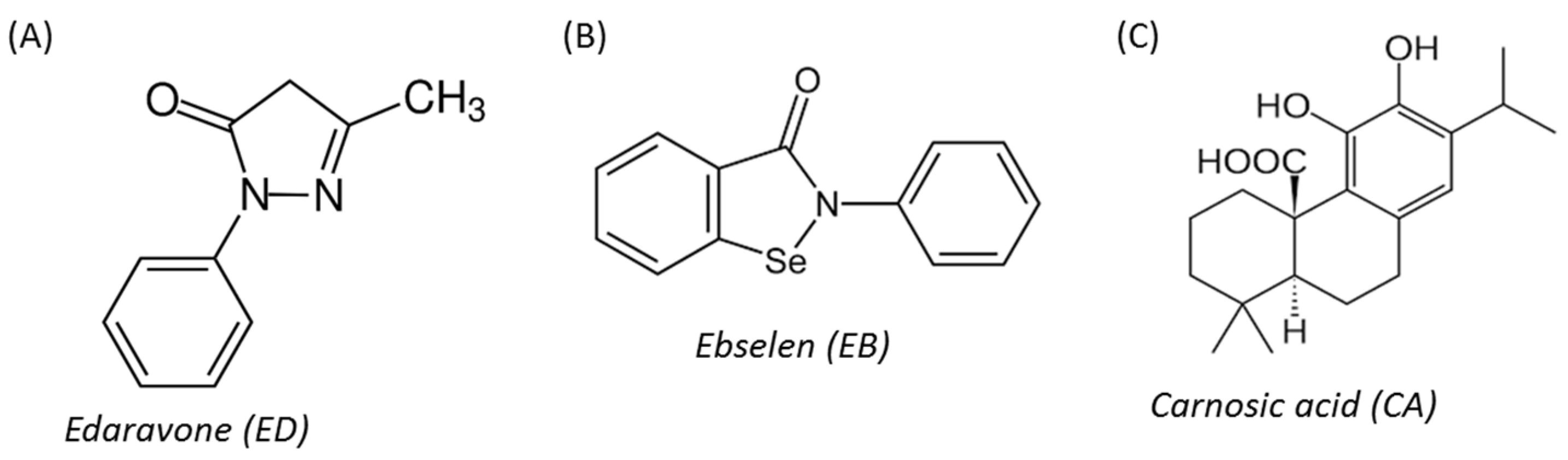
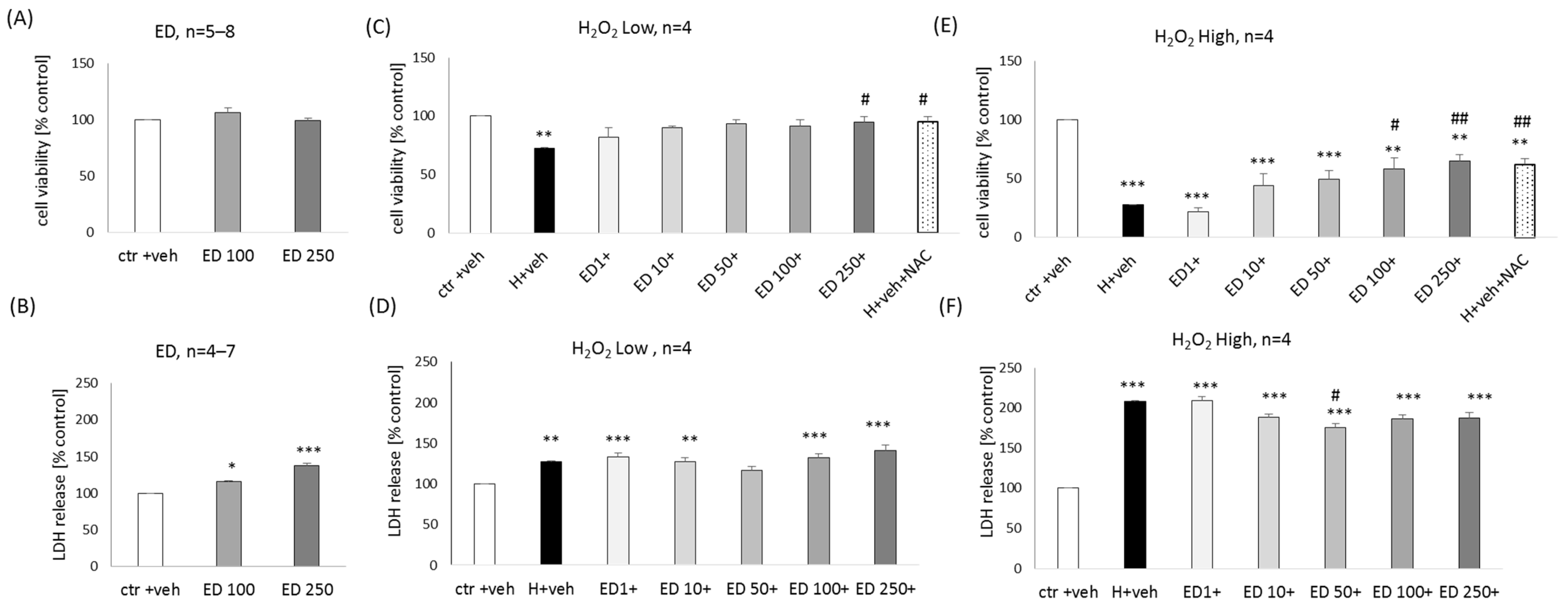
properties: edaravone, ebselen, and carnosic acid. Edaravone (ED,
MCI-186, 3-methyl-1-phenyl-2-pyrazolin-5-one, A)
is a clinical drug developed by Mitsubishi Tanaba (Osaka, Japan) and
has been approved by Japan and the FDA for ALS treatment since 2015 and
2017, respectively [
13].
It is a free radical scavenger with the capacity to mitigate oxidative
injury in various models of neuronal damage. The protective effects of
ED in attenuating NO, glutamate, and hypoxia-induced cytotoxicity and
apoptosis have been reported [
14,
15,
16,
17]. ED also effectively protects astrocytes from oxidative stress or infectious insults such as bacterial lipopolysaccharides [
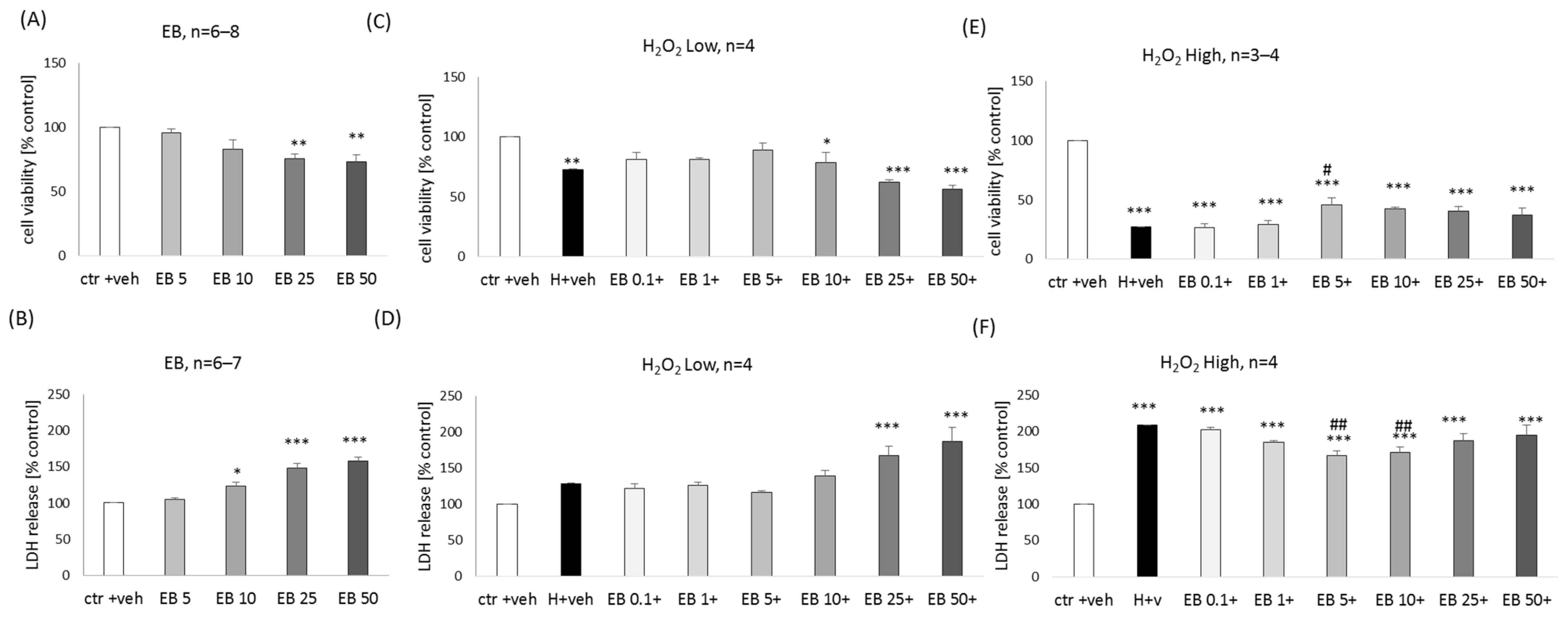
18]. Ebselen (EB, 2-phenyl-1,2-benzisoselenazol-3(2H)-one, B) is an organoselenium compound with well-characterized toxicology and pharmacology [
19].
Its antioxidative mechanism of action involves glutathione
peroxidase-like activity and ability to react with thiols,
peroxynitrites, and hydroperoxides. EB protects cell components from
oxidative damage [
20,
21].
EB and its analogues showed neuroprotective effects in various
experimental models against cell damage induced by oxygen and glucose
deprivation (OGD), amyloid β(1-42), lipopolysaccharide,
6-hydroxydopamine (6-OHDA), and in MPTP-treated mice [
22,
23,
24,
25,
26].
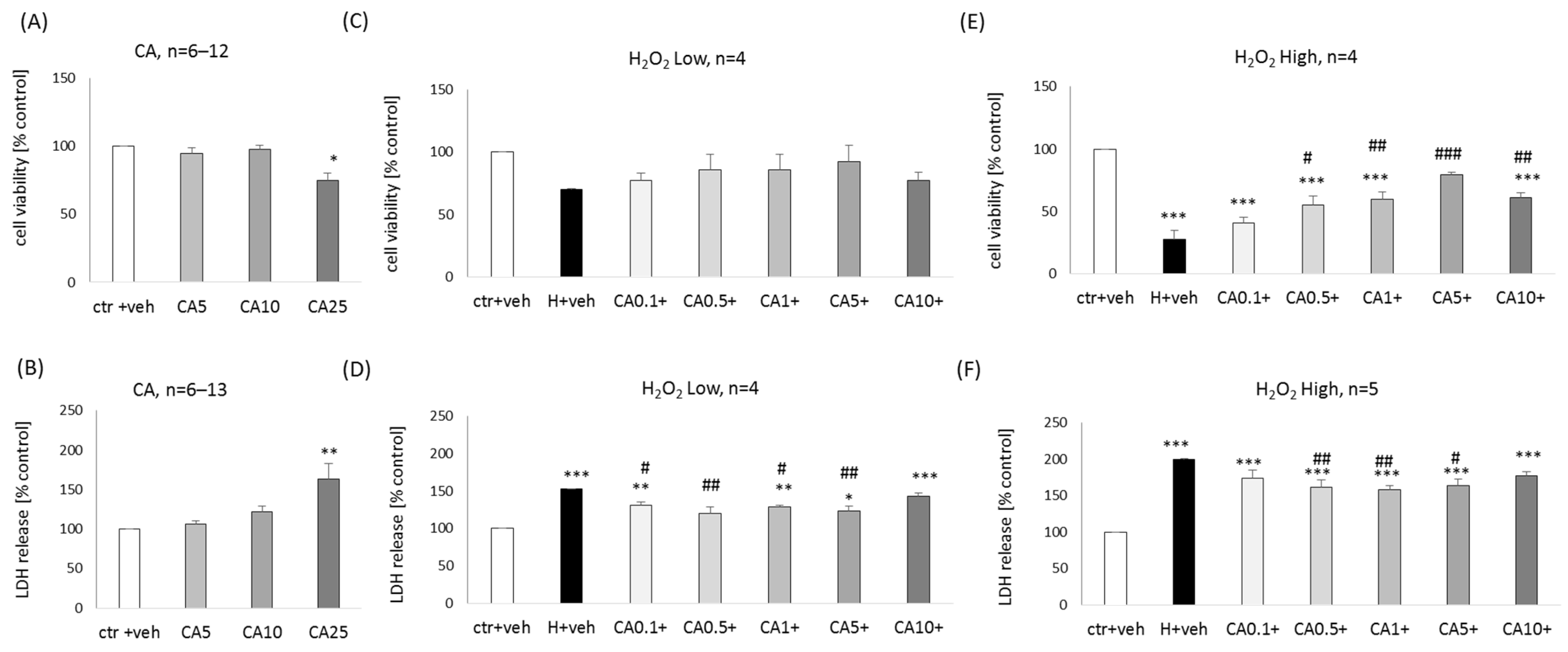
Carnosic acid (CA,
4aR,10aS)-5,6-dihydroxy-7-isopropyl-1,1-dimethyl-1,3,4,9,10,10a-hexahydro-2H-phenanthrene-4a-carboxylic
acid, C)
isolated from rosemary (Rosmarinus officinalis) and common sage (Salvia
officinalis) possesses antioxidative, anti-inflammatory, and
anti-neoplastic properties [
27,
28,
29].
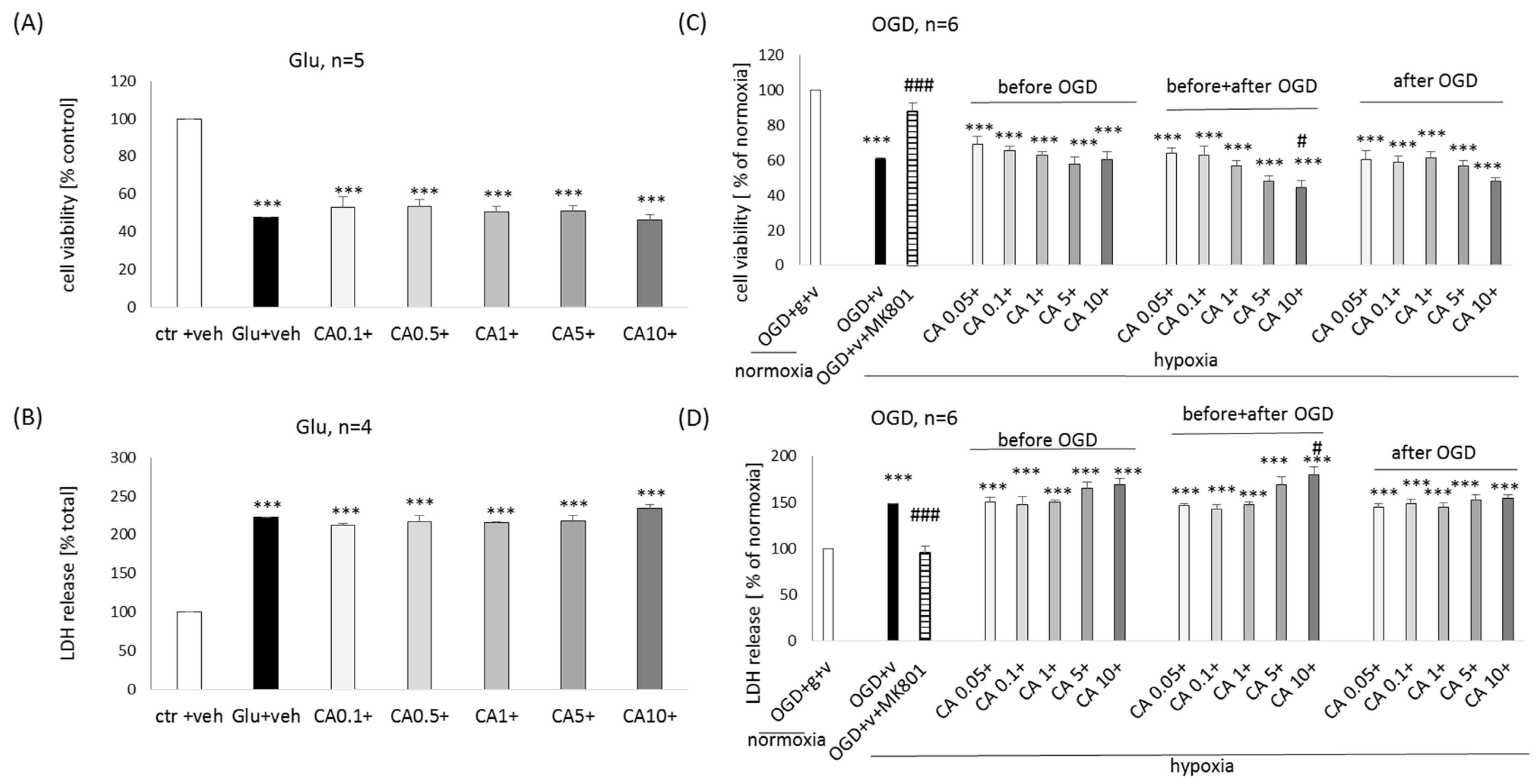
CA was found to ameliorate oxidative stress-, glutamate-, and
hypoxia-induced injury of neuronal as well as displayed neuroprotective
activity in in vitro and in vivo models of Parkinson’s or Alzheimer’s
disease [
30,
31,
32,
33,
34,
35,
36,
37,
38,
39].
Figure 1.
Chemical structure of edaravone (A), ebselen (B), and carnosic acid (C).
Although most of the above-cited studies
unanimously indicate the neuroprotective effects of ED, EB, and CA, they
differ in experimental settings, doses of compounds, times of
exposures, and measurements of cellular damages, etc., which makes their
comparison difficult. Therefore, in order to select the most promising
neuroprotective compound of those three for nanoencapsulation for future
experimental studies, it was necessary to estimate their properties
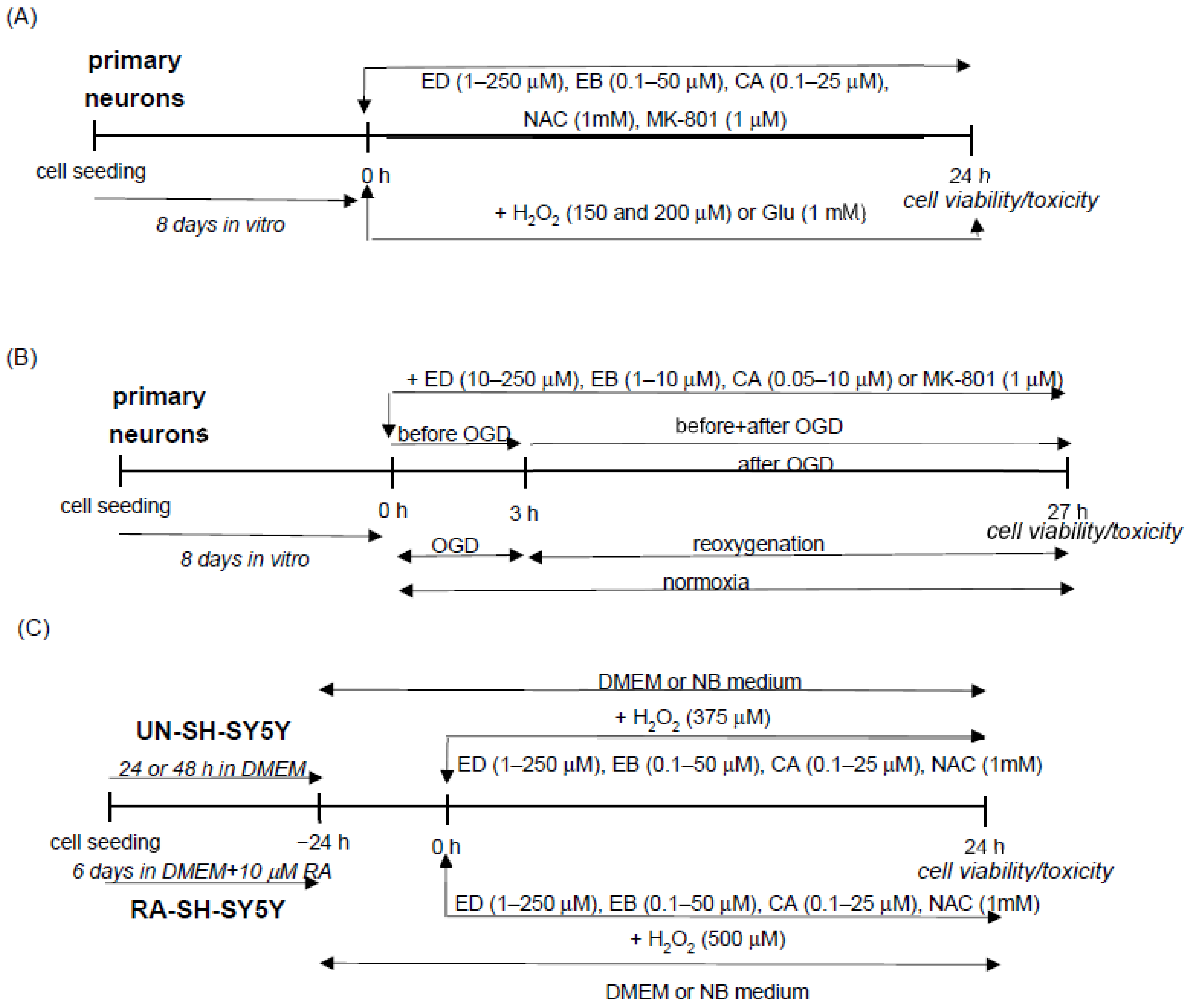
under similar, well-controlled conditions. Thus, in the present study,
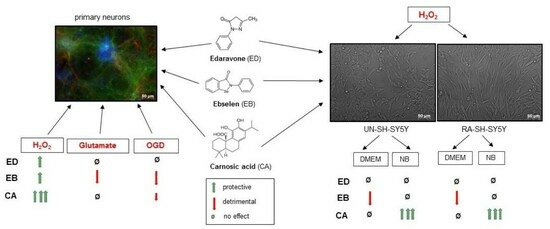
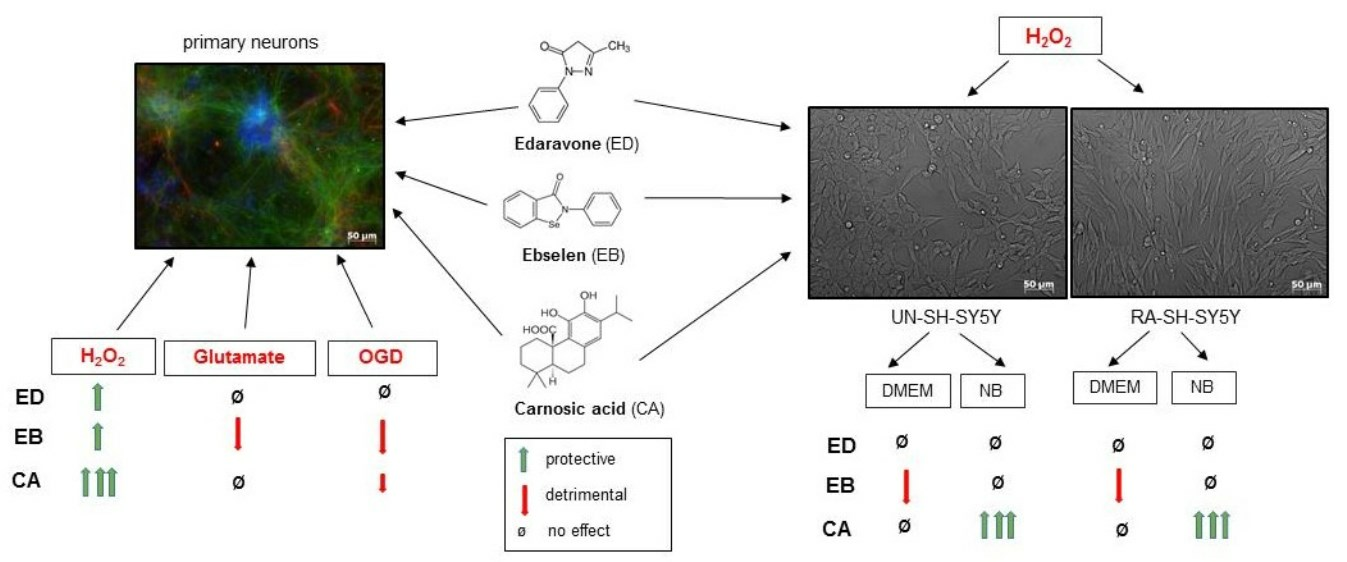
we compared biocompatibility and neuroprotective potentials of ED, EB,
and CA in a wide range of concentrations in mouse primary neuronal cell
cultures exposed to oxidative stress inducer (hydrogen peroxide, H2O2),
excitotoxic factor (glutamate), and OGD. Moreover, some protective
mechanisms were studied for the best-acting neuroprotectant. Finally,
biosafety and neuroprotective profiles of these three compounds were
also tested in the human neuronal-like model: undifferentiated (UN-) and
retinoic acid-differentiated (RA-) neuroblastoma SH-SY5Y cells exposed
to H2O2.