Showing posts with label CVD risk. Show all posts
Showing posts with label CVD risk. Show all posts
Tuesday, June 30, 2026


Wednesday, February 18, 2026
Late sleepers have higher heart risk, and it's mostly preventable
I'm definitely a late person, sometimes getting to bed at 4am, but sleeping until 11or 12. I'm sure I'm deficient in Life's 8 but I don't care, life is about having fun, not spending all my time worrying about little things like this.
Late sleepers have higher heart risk, and it's mostly preventable
People who stay up late may face higher cardiovascular risk. However, this large UK study shows that healthier sleep, smoking habits, and metabolic control could offset much of that danger.
 Study: Chronotype, Life’s Essential 8, and Risk of Cardiovascular Disease: A Prospective Cohort Study in UK Biobank. Image Credit: PeopleImages / Shutterstock.com
A recent study published in the Journal of the American Heart Association (JAHA) explores the association between an individual’s chronotype and incident myocardial infarction or stroke, key indicators of cardiovascular disease risk.
Circadian rhythms may determine cardiovascular health
Cardiovascular disease (CVD) remains the leading cause of death worldwide. Although various lifestyle factors like diet, physical activity, and nicotine use can be modified to reduce the risk of CVD, recent guidelines by the American Heart Association (AHA) emphasize the importance of sleep duration for maintaining optimal cardiovascular health.An individual’s chronotype can vary based on their sleep-wake timing, with certain circadian rhythms associated with a greater risk of cardiometabolic disease. For example, adults with an evening chronotype are more likely to experience circadian dysfunction than those with an intermediate chronotype.
Circadian misalignment can negatively impact behavior and reward-related brain functions, which have been implicated in the development of unhealthy lifestyle behaviors like poor diet quality, alcohol intake, and smoking. Chronic disruption in normal circadian cycles also leads to a wide range of physiological effects, including increased activation of the nervous system, dysregulation of blood pressure, glucose, and lipid profiles, as well as altered hypothalamic-pituitary-adrenal (HPA) axis activity.
UK Biobank data link chronotype, LE8, and CVD
The researchers of the current study used data from the participants of the United Kingdom Biobank between 39 and 74 years of age who had no prior history of myocardial infarction or stroke. Chronotype was self-reported using a single question, whereas cardiovascular health was assessed using the Life’s Essential 8 (LE8) score.
Cox proportional hazards models were used to evaluate the association between chronotype and CVD risk over time. These estimates were adjusted for various sociodemographic, occupational, and familial risk factors.
Wednesday, January 28, 2026
Chronotype, Life’s Essential 8, and Risk of Cardiovascular Disease: A Prospective Cohort Study in UK Biobank
I'm definitely a late person, sometimes getting to bed at 4am, but sleeping until 11or 12. I'm sure I'm deficient in Life's 8 but I don't care, life is about having fun, not spending all my time worrying about little things like this.
Chronotype, Life’s Essential 8, and Risk of Cardiovascular Disease: A Prospective Cohort Study in UK Biobank
Abstract
Background
Individuals
with an evening chronotype often experience circadian misalignment,
which may disrupt health behaviors and cardiometabolic functions.
Methods
We
conducted a prospective study in 322 777 UK Biobank participants aged
39 to 74 years free of known cardiovascular disease (CVD). Chronotype
was self‐reported using a single representative question. The Life’s
Essential 8 (LE8) score was calculated from 8 CVD risk factors and
ranged from 0 to 100 with higher scores indicating better cardiovascular
health. Incident CVD was defined as first myocardial infarction or
stroke. Cox proportional hazards models estimated the association
between chronotype and CVD risk, adjusted for sociodemographics, shift
work, and family history of CVD. We evaluated the role of LE8 in the
chronotype‐CVD association by decomposing the total effect into natural
direct effect (independent of LE8) and natural indirect effect (mediated
by LE8).
Results
Participants
with a “definite evening” chronotype were associated with 79% higher
prevalence of an overall poor LE8 score (<50 points) compared with
“intermediate” type (95% CI, 1.72–1.85). Over a median 13.8 years of
follow‐up, there were 17 584 incident CVD events (11 091 myocardial
infarction; 7214 stroke). The hazard ratio (HR) for total CVD was 1.03
(95% CI, 0.998–1.07) for the “definite morning” and 1.16 (95% CI,
1.10–1.22) for “definite evening” compared with “intermediate”
chronotype (P‐trend: 0.10). LE8 explained 75% of the association
between evening chronotype and CVD (natural indirect effect comparing
“definite evening” with “intermediate”: HR, 1.11 [95% CI, 1.09–1.13]).
Conclusions
Our
findings suggest that individuals with an evening chronotype may
particularly benefit from interventions targeting CVD risk factors.
Tuesday, December 16, 2025
Not Everyone Gets a Mortality Benefit From Reducing Saturated Fats, Study Says
Will your competent? doctor do the proper testing on you? NO? Just regular incompetence as usual? Are you at low baseline cardiovascular risk, or not?
Your doctor has informed you of the benefits of dairy fat, right?
Dairy fat from milk, butter, and cheese could actually PREVENT a heart attack September 2021
Oh no, your doctor is totally fucking incompetent? And you're paying them?
Not Everyone Gets a Mortality Benefit From Reducing Saturated Fats, Study Says
Key Takeaways
- A meta-analysis showed that reducing saturated fat intake was associated with reduced mortality, albeit only in high-risk individuals.
- For people at low to intermediate cardiovascular risk, cutting or replacing saturated fat intake offered little or no benefit over 5 years.
- The study adds more evidence to the ongoing controversy about dietary saturated fats.
Decades-old fears of heart risks from eating saturated fats appeared to have been overblown for many individuals, according to a meta-analysis of randomized trials.
Across 17 studies, reduced saturated fat intake did not significantly tip outcomes towards harm or benefit for endpoints including all-cause mortality, cardiovascular mortality, myocardial infarction (MI), and stroke, with the evidence providing low to moderate certainty that reduced saturated fats leaned towards benefit, reported Bradley Johnston, PhD, of Texas A&M University in College Station, and colleagues.
For people at low baseline cardiovascular risk, in particular, there was virtually no clinically relevant 5-year benefit from eating fewer saturated fats.
Some cardiovascular benefits emerged only in high-risk people. "Important absolute reductions" in individual outcomes -- ranging from six fewer deaths per 1,000 people to 12 fewer MIs per 1,000 -- were reported, albeit with low to moderate certainty in the meta-analysis published in the Annals of Internal Medicine.
The study thus marks another challenge to traditional thinking that dietary saturated fats must be generally bad because they increase cholesterol, and therefore heart disease.
"The findings of this review align with the current emerging recognition that dietary SFAs [saturated fatty acids] per se are unlikely deleterious for cardiometabolic health for the general population but may be deleterious for persons at high risk for cardiovascular events," noted Ramon Estruch, MD, PhD, and Rosa Lamuela-Raventós, DPharm, PhD, both of the University of Barcelona in Spain, in an accompanying editorial.
Estruch and Lamuela-Raventós cited prior work that showed important differences among the various saturated fats; in some studies, certain saturated fats even appeared beneficial for health.
"Evidence indicates that medium-chain SFAs may improve lipid profiles, enhance glucose homeostasis, and aid weight management by increasing high-density lipoprotein cholesterol without significantly increasing low-density lipoprotein [LDL] cholesterol," the duo wrote. "Key sources include coconut oil, palm kernel oil, and dairy products."
"In fact, maintaining a high intake of polyunsaturated and monounsaturated fatty acids, along with the consumption of short-, medium-, and very long-chain SFAs, as well as odd-chain SFAs, may confer salutary benefits within the context of an overall healthy and balanced diet," Estruch and Lamuela-Raventós concluded.
Indeed, the final 2025-2030 Dietary Guidelines for Americans, not yet released, are anticipated to encourage eating more foods high in saturated fats under HHS Secretary Robert F. Kennedy Jr.'s "Make American Healthy Again" initiative.
Many consider this to be going against the established science, however. As they stand, most dietary recommendations still advocate for saturated fat intake of less than 10% of total daily caloric intake -- with some groups suggesting going down to around 5%.
Johnston's team suggested that the guidelines got there due to studies relying on surrogate markers.
"Beginning in the 1950s, controlled metabolic studies in humans have consistently shown that dietary fat composition has a substantial effect on total and LDL-C [cholesterol]," they noted. "Although the link between dietary SFA and circulating LDL-C is strong, the reliance on surrogate outcomes to inform nutritional guidance has been the topic of critique."
Johnston and colleagues' meta-analysis covered 17 trials, published from 1965 to 2006, in which a dietary intervention was intended to be tested for at least 2 years. Altogether, they had over 66,000 participants, and were conducted mostly in North America and Europe. Average age ranged from 46 to 66 years across studies.
Overall, the authors found with low to moderate certainty that reducing saturated fat intake may result in a reduction in all-cause mortality (risk ratio [RR] 0.96, 95% CI 0.88-1.06), cardiovascular mortality (RR 0.93, 95% CI 0.77-1.11), nonfatal MI (RR 0.86, 95% CI 0.70-1.06), and fatal and nonfatal stroke (RR 0.83, 95% CI 0.58-1.19).
Regarding the risk of nonfatal MI for high-risk people, there was a particularly strong effect from replacing saturated fats with polyunsaturated fatty acids (RR 0.75, 95% CI 0.58-0.99) rather than reducing saturated fats alone, Johnston and colleagues reported.
They acknowledged that the evidence was sparse for replacing saturated fats with monounsaturated fats or proteins. "Trials varied considerably in their efficacy in reducing saturated fat intake and in their replacement macronutrients and concomitant dietary interventions, and new trials are needed to clarify uncertainty," they wrote.
In addition, they said the meta-analysis included trials that were arguably outdated -- many conducted before the introduction of statins -- and often lacked comprehensive dietary intake assessments precluding more detailed analyses of fatty acid consumption and cardiovascular risk.
Wednesday, October 1, 2025
Constipation and Incident Cardiovascular Disease: A Nationwide, Real-World Cohort Study
What is your competent? doctors EXACT PROTOCOL to prevent constipation!
Here's a vicious circle your competent? doctor has to navigate. The best solution would be 100% recovery and getting back to your daily life, but that won't occur, your doctor has been incompetent in getting research done for 100% recovery.
So, maybe marijuana?
You'll have to break thru your doctor's reluctance.

The latest here:
Constipation and Incident Cardiovascular Disease:A Nationwide, Real-World Cohort Study
AuthorsIwasaki Kentaro Ejiri kejiri1@s.okayama-u.ac.jp Kaneko Suzuki Toru Miyoshi Masuda Shinsuke Yuasa Authors Info & Affiliations Publication JACC: Asia Preprint
Information & Authors Metrics & Citations Figures Tables Central Illustration Open in ViewerDownload figure Download PowerPoint Background
The association of constipation with incident cardiovascular disease (CVD) has been suggested; however, there are few studies including general population and assessing whether constipation can improve the predictive performance for future CVD. This study aims to quantify the association of constipation with the risk and attribution of developing CVD using a nationwide epidemiological database in Japan. In 1,516,763 individuals without prior CVD from the DeSC database between April 2014 and November 2022, constipation was defined by International Classification of Diseases-10th revision code before the initial health checkup. We assessed the association of constipation with incident CVDs including myocardial infarction (MI), angina pectoris, stroke, heart failure (HF), atrial fibrillation (AF), and a composite of them using multivariable Cox models.Results
Constipation was observed in 186,448 individuals (12.3%), showing a significant association with composite and each CVD, particularly with HF (HR: 1.30; 95% CI: 1.29-1.32 and HR: 1.32; 95% CI: 1.29-1.34, respectively). Followed by hypertension, constipation was the second highest population attributable fractions for the composite CVD, stroke, HF, and AF. Adding constipation to the established risk factors showed a modest but significant improvement in the prediction for the CVDs (net reclassification improvement for composite CVD: 0.122; 95% CI: 0.116-0.127; P< 0.001).Conclusions
In individuals without prior CVD, constipation was associated with incident CVDs including myocardial infarction, angina pectoris, stroke, HF, and AF. Constipation may be promising for the prediction of future CVD other than established risk factors, suggesting the importance of constipation not just as a quality-of-life issue but as a potential cardiovascular risk in the general population. Constipation is one of the most prevalent gastrointestinal disorders involving approximately 15% of the general population and associated with reducing quality of life.1 Constipation may influence the cardiovascular system through a variety of pathophysiological pathways, including those pertaining to blood pressure, altered arterial stiffness, and gut microbiota.2,3Several preceding studies have suggested an epidemiological association between constipation and future cardiovascular disease (CVD) in the general population.4-6 The Danish population-based matched cohort study revealed an association between constipation and the onset of CVD including myocardial infarction (MI), ischemic stroke, venous thrombosis, heart failure (HF), and atrial fibrillation (AF).5 In the study including post-menopausal women, only severe constipation was associated with an increased risk of CVD.6 However, there are a few important caveats in those studies. First, most of these studies evaluated the association of constipation with ischemic cardiovascular diseases (eg, MI and stroke) but not with other CVDs other than ischemic diseases (eg, HF and AF), which may show unique association with constipation.7 Second, most of these studies included a relatively biased population from a healthy community such as only female or older individuals,4,6 allowing for uncertainty regarding the association of constipation with cumulative incidence of CVD in the general population. Finally, to the best of our knowledge, there is no study that assesses whether constipation can improve the predictive performance for the occurrence of CVD over traditional risk factors. Additionally, because constipation is common in the general population, it is important to elucidate the association of constipation with future CVD in public health.
To address these issues, we examined the magnitude of the effect of constipation on the occurrence of CVDs including MI, angina pectoris (AP), stroke, HF, and AF in the general population and assessed whether the addition of constipation as a risk factor to the established traditional cardiovascular risk factors could improve the prediction performance for cardiovascular events using nationwide real-world data in Japan.
Methods
Study population
The present study was a population-based observational cohort study based on nationwide real-world data, the DeSC database (DeSC Healthcare, Inc).8 The DeSC database collects data on individual health insurance records and health checkup data (eg, anthropometric measurements and blood tests). This database stores inpatient and outpatient administrative claims data. Diagnoses (confirmed or suspected) are registered using the International Classification of Diseases-10th Revision (ICD-10). We identified 2,562,218 individuals for whom we could obtain data on health checkups from April 2014 through November 2022, including body mass index, hemoglobin A1c, blood pressure, and lipid profile, more than 6 months after insurance enrollment. Individuals were excluded from study participation if they met any of the following criteria: prior history of CVD, such as MI, AP, stroke, HF, and AF (n = 423,925 [16.5%]); prior history of kidney replacement therapy (eg, dialysis, n = 477 [0.02%]); missing data on cigarette smoking (n = 102,775 [4.0%]); missing data on alcohol consumption (n = 207,173 [8.1%]); and missing data on physical inactivity (n = 311,105 [12.1%]). Finally, the study cohort included 1,516,763 individuals.
Ethical considerations
The present study was approved by the Ethics Committee of The University of Tokyo (Approval no. 2021010NI) and was conducted in accordance with the Declaration of Helsinki. Because all data in the DeSC database are anonymized, informed consent of individual participants was not required.
Definition of constipation
Individuals with constipation were defined as those with a confirmed diagnosis of constipation (ICD-10 code K590) before the initial health checkup.
Outcomes
Our primary outcome was incident CVDs including MI (ICD-10 codes I210–I214 and I219), AP (ICD-10 codes I200, I201, I208, and I209), stroke (ICD-10 codes I630, I631–I636, I638, I639, I600-I611, I613-I616, I619, I629, and G459), HF (ICD-10 codes I500, I501, I509, and I110), and AF (ICD-10 codes I480, I481, I482, I483, I484, and I489). We also investigated the composite CVD event including all of the above outcomes. We only used confirmed diagnosis records for the definition of each CVD incident (ie, any suspected diagnosis was excluded from the analysis). Clinical outcomes were collected between April 2014 and November 2022. Individuals were censored at outcome occurrence, insurance withdrawal (including death), or the end of the study follow-up until November 2022.
Covariate
Information on covariates was retrieved regarding initial health checkup and medication status from the database. Hypertension was defined as systolic blood pressure ≥140 mm Hg and/or diastolic blood pressure ≥90 mm Hg, and/or if an individual was prescribed antihypertensive medications. Diabetes was defined as a hemoglobin A1c level ≥6.5% and/or if an individual was prescribed antidiabetic medications (including insulin). Dyslipidemia was defined as a low-density lipoprotein cholesterol level ≥140 mg/dL and/or a high-density lipoprotein cholesterol level <40 mg/dL and/or a triglyceride level ≥150 mg/dL, and/or if an individual was prescribed lipid lowering medications. Smoking status (current or noncurrent/never smoker), the frequency of alcohol consumption (every day or not every day), and physical activity (inactive or active) were assessed using information from the self-administered questionnaire.
Statistical analysis
Basic characteristics stratified by constipation were summarized as the median with interquartile interval (Q1-Q3) for continuous variables and as numbers (%) for categorical variables. The significance of differences was determined using the Mann-Whitney U test or the chi squared test. We plotted the cumulative incidence of CVD according to the constipation status using the Kaplan-Meier method and compared the cumulative incidence of CVD using the log-rank test. To assess the association between constipation and the incidence of CVD, we also estimated HR and 95% CI using Cox proportional hazards regression models. Model 1 is an unadjusted model. Model 2 adjusted for age and sex. Model 3 further adjusted for body mass index, hypertension, diabetes, dyslipidemia, cigarette smoking, alcohol consumption, and physical inactivity. We assessed the proportional hazards assumption for Cox regression models using the Schoenfeld residuals. The population attributable fraction (PAF) was calculated using the formula: PAF = pd × (relative risk − 1)/relative risk, where pd is the proportion of cases exposed to the risk factor. We estimated relative risk from HR in the analysis. Predictive ability was assessed using change in the c-index and the net reclassification improvement (NRI).
We conducted a few sensitivity analyses. First, we excluded individuals who had constipation but who had not received constipation medications. Second, we did further stratification for those with constipation who were prescribed laxatives, those without laxatives, and those without constipation. Third, we excluded individuals who had a history of other gastrointestinal diseases (ICD-10 codes K20-K938, except for K590). Fourth, we examined the association between constipation and the incidence of CVD among individuals with a 1-year follow-up period (ie, the induction period). Finally, we assessed the association among several subgroups including age (<65 and ≥65 years), sex, and those with or without hypertension. We ran the same Cox models above in all sensitivity analyses. A 2-tailed P < 0.05 was set as statistical significance. All statistical analyses were performed using Stata software (version 18; StataCorp LLC).
Results
Baseline characteristics
The study cohort included 1,516,763 individuals with the median age of 63 years (Q1-Q3: 49-68 years); 45.4% were male (Figure 1). Of these, a total of 186,448 individuals (12.3%) had a history of constipation. The baseline characteristics of the study participants are summarized in Table 1. In individuals with a history of constipation were more frequently older and female compared with those without a history of constipation. Participants with constipation had higher risk profile in most CVD risk factors (eg, hypertension, diabetes, and dyslipidemia) than those without constipation, except for cigarette smoking and alcohol consumption.

Wednesday, July 2, 2025
Heart scan study reveals low-fiber diets drive dangerous heart plaques
Ask your competent? doctor and hospital when research on this for brain health will be completed. Oh, they plan on doing nothing, like usual! Which means the incompetent board of directors doesn't have the correct goals for their hospital!
Heart scan study reveals low-fiber diets drive dangerous heart plaques

How powerful is your plate? A Swedish study using advanced heart imaging reveals that diets low in fiber and high in red meat increase the risk of dangerous coronary artery plaques.
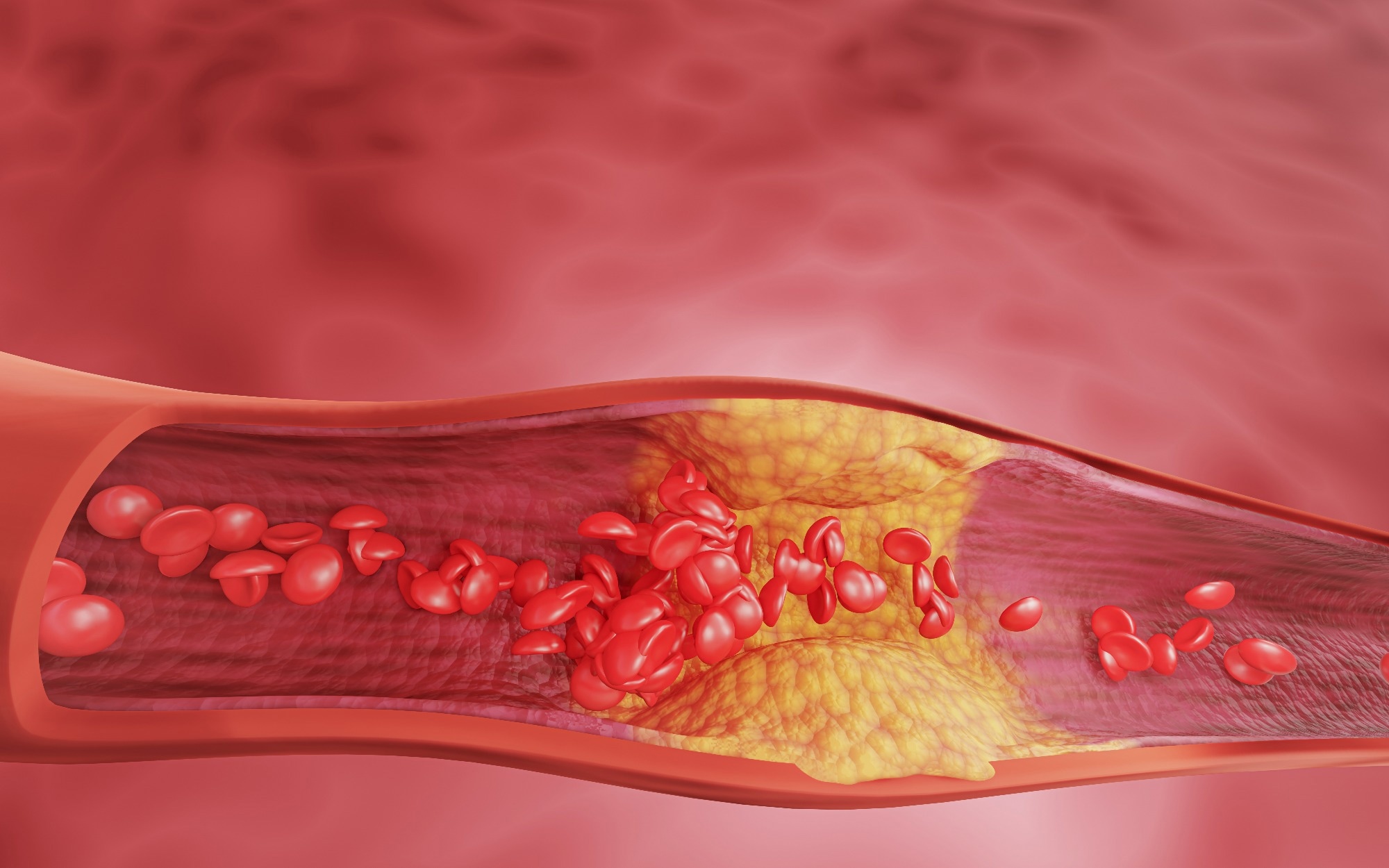 Study: Low-fibre diet is associated with high-risk coronary plaque features. Image credit: ridersuperone/Shutterstock.com
A recent Swedish study analyzed the association between a low-fiber diet and coronary atherosclerotic plaque, a leading cause of early death. The paper was published in Cardiovascular Research.
Introduction
Globally, cardiovascular disease (CVD) is a major cause of death and disability. Coronary heart disease is responsible for most premature deaths due to CVD, mainly by the build-up of atherosclerotic fatty plaques over decades. These may rupture, blocking one or more arteries in the heart and causing a heart attack or sudden coronary death.
New methods are being investigated to identify plaques at risk of rupture. Coronary computed tomography angiography (CCTA) is an emerging technology that promises to be an accurate and non-invasive method of diagnosis. It is currently used internationally to assess the degree of risk the plaque poses.
The Mediterranean diet and other similar diets predict lower CVD risk. Much of this effect is due to their high fiber content. Dietary indices use multiple food items to compare diets for their health-related characteristics.
Kaluza et al. built an anti-inflammatory diet index (DI) using foods correlated to inflammatory markers like the high-sensitive C-reactive protein (hsCRP). This has been validated in Swedish prospective studies over 16 years of follow-up, where outcomes like death, abdominal aortic aneurysm, and heart failure were lower among people with a higher DI who consumed little pro-inflammatory foods.
Fruits, vegetables, nuts, whole-grain bread, breakfast cereals or oatmeal, canola and olive oil, coffee, tea, chocolate, red wine, and beer are among foods with anti-inflammatory characteristics. Conversely, potato chips, red meat, and sugary drinks are associated with systemic inflammation.
The current study employed a similar DI to explore the link with coronary atherosclerosis, coronary plaque risk by CCTA, and cardiovascular risk factors.
About the study
The current study used data from the Swedish CArdioPulmonary BioImage Study (SCAPIS), including 24,079 adults between 50 and 64 years. All were free of clinical cardiovascular disease at baseline. They responded to an invitation to participate in the study sent to a randomly selected population sample.
Their diet was analyzed using the dietary index (DI), which is primarily based on the content of plant-based foods and low in inflammatory foods like processed or red meat and sugary drinks. The healthiest group was in the highest tertile of the dietary index, reflecting more plant-based and anti-inflammatory foods, while the lowest tertile reflected diets high in inflammatory foods.


CCTA was used to detect and stratify coronary plaque into three categories: any plaque, significant plaque, and high-risk plaque. High-risk plaque features include low attenuation on CCTA (non-calcified plaque) and significant stenosis (arterial narrowing by 50% or more). These predict a tenfold rise in coronary event rates after five years compared to people with normal coronary arteries.
Study findings
People in the lowest DI tertile (most inflammatory) were younger and less likely to have a family history of cardiovascular events. In this lowest DI tertile, 62% were men compared to 33% in the highest tertile. They had elevated high-sensitive C-reactive protein levels, the highest cardiometabolic risk (increased blood lipids, blood pressure, diabetes), lower exercise duration, and higher odds of smoking, alcohol consumption, and total energy intake.
Coronary plaques were detected in 44.3% of people with the lowest DI compared to 36.3% of those with the highest DI, indicating a higher prevalence of plaque among those with less healthy diets. Significant stenosis (narrowing of 50% or less of the original vessel diameter) was observed in 6.0% of people in the lowest DI tertile vs. 3.7% in the highest.
Specifically for non-calcified plaques with significant stenosis, the rates were 1.5% for the lowest DI and 0.9% for the highest DI. Calcification, a higher total plaque burden, and increased odds of significant vessel narrowing were all correlated with the lowest DI tertile.
People in the lower two DI tertiles were more likely to have plaque, and the more segments involved, the more vessel narrowing to a significant degree and the more plaque calcification. In statistical models adjusted for age and sex, high-risk plaque was 67% more likely in the lowest tertile (odds ratio 1.67) compared to the highest tertile.
However, after adjusting for additional factors such as waist circumference, triglyceride levels, and hypertension, this association was attenuated and, in some cases, became non-significant.
Non-significant non-calcified stenosis was 23% more likely in the lowest tertile, while calcified non-significant stenosis was 37% more common. The right coronary and left anterior descending arteries are more often affected in people with lower DI.
A lower DI may increase the risk of coronary atherosclerosis in part due to its association with increased waist size, higher blood pressure, and elevated blood triglyceride levels. These factors account for between 21% and 57% of the differences seen in plaque characteristics with waist circumference having the largest influence.
These results confirm that CVD risk is elevated in obesity, which is more common among individuals with unhealthy dietary patterns. These, in turn, are associated with lifestyle factors like smoking, drinking, and sedentary habits.
Women with a low DI had a worse coronary plaque risk status than men. However, the stronger association in women was observed mainly for overall plaque presence, not all specific plaque types. Total caloric intake and education status influenced the DI rather than plaque presence or features. Conversely, age and sex affected plaque presence and risk status.
Both the DI and plaque-related outcomes were affected by age and sex, smoking, waist size, triglycerides, and hypertension. These factors did not correlate with each other except for a higher renal output, and lower waist size and alcohol consumption, among women compared to men.
It is important to note that dietary information was self-reported using a food frequency questionnaire, which introduces potential recall bias and uncertainty in estimating actual intake. Additionally, the study lacked detailed data on participants’ ethnicities, limiting its generalizability beyond Swedish populations.
Conclusions
This is the first extensive study to explore cardiovascular risk profiles with CCTA-based coronary assessment and self-reported dietary habits in a middle-aged population-based cohort. Its novel findings correlate a pro-inflammatory diet low in fiber and high in red meat content with an increased risk of developing high-risk coronary plaques.
The effect could be partly driven by increased waist size, higher triglyceride levels in the blood, and high blood pressure. Altered metabolic pathways and circulatory shifts thus influence the ultimate impact of the diet on coronary atherosclerosis.
While supporting earlier research findings, the current study extends them by using granular plaque phenotypes to compare outcome variability with differences in the DI. However, as an observational and cross-sectional study, it can only establish associations and not causation.
“Our findings strengthen the importance of cardioprotective dietary recommendations.”
Journal reference:
- Larsson, I., Sun, J., Ahmad, S., et al. (2025). Low-fibre diet is associated with high-risk coronary plaque features. Cardiovascular Research. Doi: https://doi.org/10.1093/cvr/cvaf088. https://academic.oup.com/cardiovascres/advance-article/doi/10.1093/cvr/cvaf088/8162637
Tuesday, October 15, 2024
COVID-19 tied to increased risk of major adverse cardiac event for up to 3 years
I had COVID one time for sure and likely two other times. All three were mild cases. Probably because I've had most of the vaccinations. And I'm O negative.
COVID-19 tied to increased risk of major adverse cardiac event for up to 3 years
An increased risk of incident major adverse cardiac event (MACE), including myocardial infarction (MI), stroke, and all-cause mortality, was observed among patients with COVID-19 for up to 3 years, particularly among those requiring hospitalisation, according to a study published in Arteriosclerosis, Thrombosis, and Vascular Biology.
In addition,James R. Hilser, University of Southern California, Los Angeles, California, and colleagues observed that hospitalisation for COVID-19 represented a coronary artery disease risk equivalent, with the risks of post-acute MI and stroke particularly heightened in individuals with non-O blood types.
Using data from the UK Biobank, the researchers identified 10,005 patients with COVID-19 who had a positive PCR test for severe acute respiratory syndrome coronavirus 2 (SARS‑CoV‑2) infection (n = 8,062) or had received hospital-based International Classification of Diseases version-10 codes for COVID-19 (n = 1,943) between February 1, 2020, and December 31, 2020. Population controls (n = 217,730) and propensity score-matched controls (n = 38,860) identified from the UK Biobank during the same period were also included in the analysis.
Overall, the risk of MACE was elevated in patients with COVID-19 at all levels of severity (hazard ratio [HR] = 2.09; 95% confidence interval [CI], 1.94-2.25; P < .0005) over 1,003 days of follow-up, with the risk being more pronounced among patients requiring hospitalisation (HR = 3.85; 95% CI, 3.51-4.24; P < .0005).
More specifically, the risk of MACE was increased among patients hospitalised with COVID-19 who did not have a history of cardiovascular disease (CVD) (HR = 1.21; 95% CI, 1.08-1.37; P < .005) compared with COVID-19-negative controls with CVD, indicating hospitalisation for COVID-19 as a coronary artery disease risk equivalent.
Furthermore, a significant genetic interaction was observed between the ABO blood groups and hospitalisation for COVID-19 (Pinteraction = .01), whereby hospitalisation for COVID-19 increased the risk of MI and stroke to a greater extent among individuals with non-O blood types (HR = 1.65; 95% CI, 1.29-2.09; P = 4.8x10⁻⁵) than those with blood type O (HR = 0.96; 95% CI, 0.66-1.39; P = .82).
“Taken together, our data indicate that the elevated risk of MACE in patients with COVID-19 shows no apparent signs of attenuation up to nearly 3 years after SARS-CoV-2 infection and suggest that COVID-19 continues to pose a significant public health burden with lingering adverse cardiovascular risk,” the authors remarked. “These observations suggest that more aggressive cardiovascular risk reduction efforts may be warranted as part of primary prevention in patients hospitalised for COVID-19 and provide new avenues for understanding the biological mechanisms underlying CVD-related adverse outcomes of severe SARS-CoV-2 infection.”
Source: Arteriosclerosis, Thrombosis, and Vascular Biology
Wednesday, June 26, 2024
Younger gut microbiota age reduces cardiovascular disease risk in older adults
So ask your competent? doctor how to get a younger gut microbiota age.
Younger gut microbiota age reduces cardiovascular disease risk in older adults

In a recent study published in the journal Nature Medicine, researchers identified gut microbiota signatures and developed a microbial age metric, showing how younger microbial age may reduce cardiovascular disease (CVD) risk in metabolically unhealthy older adults.
 Research Briefing: Gut microbial age modulates cardiovascular disease risk in metabolically unhealthy older people. Image Credit: FOTOGRIN / Shutterstock
Background
Age and metabolism are interconnected and contribute significantly to CVD, the leading cause of death globally. Gut microbiota may influence healthy aging by processing environmental signals, linking with host metabolism, and changing composition with age. However, the role of gut microbiota in long-term CVD risk amid aging and unhealthy metabolism is poorly understood due to the lack of defined microbial phenotypes and limited longitudinal data. Few metagenomic studies have explored this within a single population. Further research is needed to understand this interplay and develop targeted interventions to enhance cardiovascular health and promote healthy aging.
About the study
In the present study, researchers constructed five metabolic multimorbidity clusters (MCs) in a discovery cohort of 10,207 Chinese individuals based on 21 variables, including obesity-related measurements, blood pressure, insulin sensitivity, beta cell function, glucose, lipid parameters, and biomarkers of liver and kidney function. MC1 represented the metabolically healthy cluster, MC2 had low high-density lipoprotein cholesterol levels, MC3 had high low-density lipoprotein cholesterol levels, MC4 exhibited obesity-related features, and MC5 was characterized by hyperglycemia. During an 11.1-year follow-up, MC4 and MC5 exhibited 75% and 117% higher incident CVD risk, respectively, compared to MC1. These clusters and related CVD risks were replicated in an independent cohort of 9,061 Chinese individuals with a 10.0-year follow-up.
Gut microbial metagenomes from a subcohort of 4,491 individuals with a 6.8-year follow-up were analyzed, revealing divergent gut microbial compositions associated with older age and unhealthy metabolism (MC4 and MC5), accounting for confounders such as oral medications. A gut microbial age metric was developed based on 55 age-specific species to capture biological age and validated in four external cross-sectional datasets of 4,425 metagenomic samples from six countries.
Among individuals aged 60 and older in MC4 and MC5, a high microbial age exacerbated CVD risk, while a low microbial age, characterized by reduced Prevotella copri abundance, reduced this risk independent of chronological age, sex, educational attainment, lifestyle, dietary factors, and medication use. This suggests a modulating effect of microbial age on cardiovascular health in metabolically unhealthy older people.
Study results
The comprehensive design of the study allowed for in-depth investigations of gut microbiota signatures within the complexity of aging and metabolic multimorbidity. By rigorously controlling for potential confounders and ensuring robust findings through extensive validations, the study effectively highlighted the significant role of gut microbial age in modulating long-term CVD risk associated with unhealthy metabolism in older individuals. The results indicate that a younger microbial age, characterized by reduced Prevotella copri abundance, can effectively counteract the increased CVD risk linked to metabolic disturbances, independent of chronological age, sex, educational attainment, lifestyle, dietary factors, and medication use.
This discovery uncovers the potential of the newly developed gut microbial age metric in informing the application of microbiota-directed interventions to promote healthy aging and reduce CVD risk in metabolically unhealthy older populations. The findings suggest that targeting the gut microbiota to maintain a younger microbial age could be a viable strategy to enhance cardiovascular health and longevity in older adults.
The study underscores the importance of considering gut microbiota in the context of aging and metabolic health, paving the way for innovative approaches to manage and mitigate the risks associated with cardiovascular disease in older adults. The potential for microbiota-directed interventions offers a promising avenue for enhancing overall health and well-being in aging populations.
Conclusions
The study concludes that gut microbial age plays a significant role in modulating CVD risk in metabolically unhealthy older adults. A younger microbial age, characterized by reduced Prevotella copri abundance, effectively mitigates the increased CVD risk associated with unhealthy metabolism, independent of chronological age and other factors. This discovery highlights the potential for microbiota-directed interventions to improve cardiovascular health and promote healthy aging.
Journal reference:
- Gut microbial age modulates cardiovascular disease risk in metabolically unhealthy older people. Nat Med(2024), DOI - 10.1038/s41591-024-03058-8, https://www.nature.com/articles/s41591-024-03058-8
Tuesday, April 2, 2024
Eggs May Not Be Bad for Your Heart After All
Didn't this research already answer the question? And what the hell are fortified eggs?
Fortified eggs have a high level of nutrients because specific components are added to hens' feed. Good luck finding those.
Association of egg intake with blood lipids, cardiovascular disease, and mortality in 177,000 people in 50 countries April 2020
With this line: According to the findings, no significant links exist between egg consumption and blood lipids, mortality, or major CVD events in this analysis of 3 large international prospective investigations involving approximately 177,000 people, 12,701 deaths, and 13,658 CVD events from 50 countries in 6 continents.
The latest here:
Eggs May Not Be Bad for Your Heart After All
Subgroup analyses signal a possible benefit among older adults and those with diabetes
Contact: Nicole Napoli, nnapoli@acc.org, 202-669-1465
WASHINGTON (Mar 28, 2024) -
Whether you like your eggs sunny-side up, hard boiled or scrambled, many hesitate to eat them amid concerns that eggs may raise cholesterol levels and be bad for heart health. However, results from a prospective, controlled trial presented at the American College of Cardiology’s Annual Scientific Session show that over a four-month period cholesterol levels were similar among people who ate fortified eggs most days of the week compared with those who didn’t eat eggs.
A total of 140 patients with or at high risk for cardiovascular disease were enrolled in the PROSPERITY trial, which aimed to assess the effects of eating 12 or more fortified eggs a week versus a non-egg diet (consuming less than two eggs a week) on HDL- and LDL-cholesterol, as well as other key markers of cardiovascular health over a four-month study period.
“We know that cardiovascular disease is, to some extent, mediated through risk factors like high blood pressure, high cholesterol and increased BMI and diabetes. Dietary patterns and habits can have a notable influence on these and there’s been a lot of conflicting information about whether or not eggs are safe to eat, especially for people who have or are at risk for heart disease,” said Nina Nouhravesh, MD, a research fellow at the Duke Clinical Research Institute in Durham, North Carolina, and the study’s lead author. “This is a small study, but it gives us reassurance that eating fortified eggs is OK with regard to lipid effects over four months, even among a more high-risk population.”
Eggs are a common and relatively inexpensive source of protein and dietary cholesterol. Nouhravesh and her team wanted to look specifically at fortified eggs as they contain less saturated fat and additional vitamins and minerals, such as iodine, vitamin D, selenium, vitamin B2, 5 and 12, and omega-3 fatty acids.
For this study, patients were randomly assigned to eat 12 fortified eggs a week (cooked in whatever manner they chose) or to eat fewer than two eggs of any kind (fortified or not) per week. All patients were 50 years of age or older (the average age was 66 years), half were female and 27% were Black. All patients had experienced one prior cardiovascular event or had two cardiovascular risk factors, such as high blood pressure, high cholesterol, increased BMI or diabetes. The co-primary endpoint was LDL and HDL cholesterol at four months. Secondary endpoints included lipid, cardiometabolic and inflammatory biomarkers and levels of vitamin and minerals.
Patients had in-person clinic visits at the start of the study and visits at one and four months to take vital signs and have bloodwork done. Phone check-ins occurred at two and three months and patients in the fortified egg group were asked about their weekly egg consumption. Those with low adherence were provided additional education materials.
Results showed a -0.64 mg/dL and a -3.14 mg/dL reduction in HDL-cholesterol (“good” cholesterol) and LDL cholesterol (“bad” cholesterol), respectively, in the fortified egg group. While these differences weren’t statistically significant, the researchers said the differences suggest that eating 12 fortified eggs each week had no adverse effect on blood cholesterol. In terms of secondary endpoints, researchers observed a numerical reduction in total cholesterol, LDL particle number, another lipid biomarker called apoB, high-sensitivity troponin (a marker of heart damage), and insulin resistance scores in the fortified egg group, while vitamin B increased.
“While this is a neutral study, we did not observe adverse effects on biomarkers of cardiovascular health and there were signals of potential benefits of eating fortified eggs that warrant further investigation in larger studies as they are more hypothesis generating here,” Nouhravesh said, explaining that subgroup analyses revealed numerical increases in HDL cholesterol and reductions in LDL cholesterol in patients 65 years or older and those with diabetes in the fortified egg group compared with those eating fewer than two eggs.
So why have eggs gotten a bad rap? Some of the confusion stems from
the fact that egg yolks contain cholesterol. Experts said a more
important consideration, especially in the context of these findings,
might be what people are eating alongside their eggs, such as buttered
toast, bacon and other processed meats, which are not heart healthy
choices. As always, Nouhravesh said it’s a good idea for people with
heart disease to talk with their doctor about a heart healthy diet.(Why? Your doctor knows nothing about diet!)
This single-center study is limited by its small size and reliance on patients’ self-reporting of their egg consumption and other dietary patterns. It was also an unblinded study, which means patients knew what study group they were in, which can influence their health behaviors.
The study was funded by Eggland’s Best.
Nouhravesh will present the study, “Prospective Evaluation of Fortified Eggs Related to Improvement in the Biomarker Profile for Your Health: Primary Results from the PROSPERITY Trial,” on Saturday, April 6, 2024, at 12:45 p.m. ET / 16:45 UTC in Hall B4-5.
ACC.24 will take place April 6-8, 2024, in Atlanta, bringing together cardiologists and cardiovascular specialists from around the world to share the newest discoveries in treatment and prevention. Follow @ACCinTouch, @ACCMediaCenter and #ACC24 for the latest news from the meeting.
Subscribe to:
Posts (Atom)